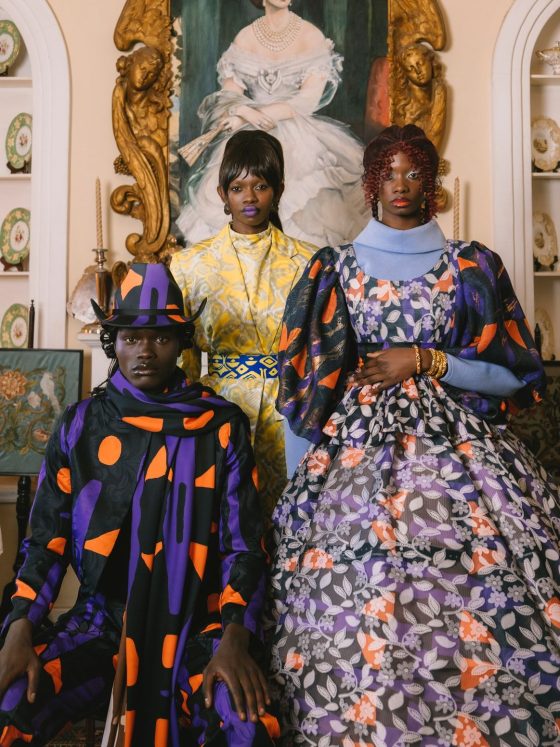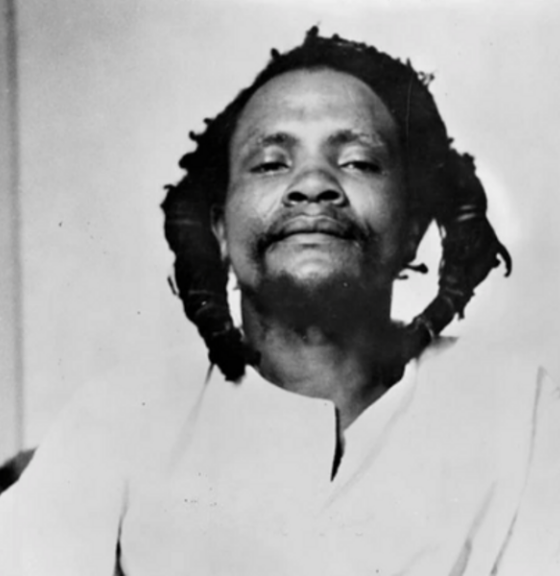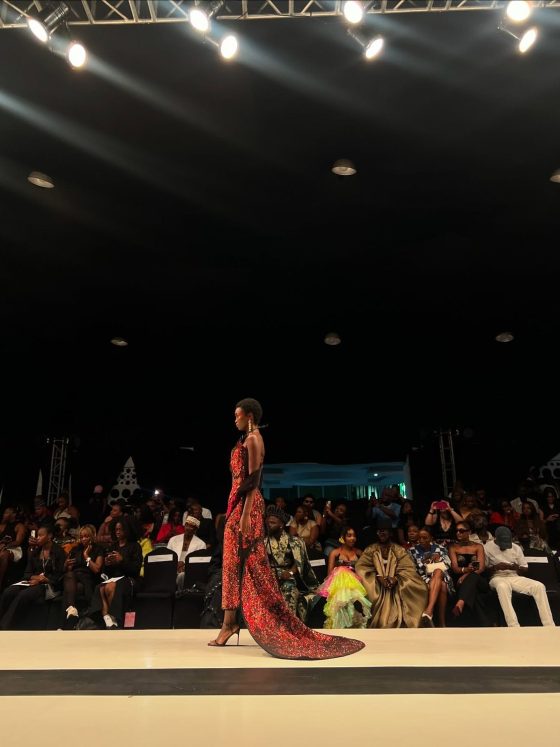
Inside Karmel Mall on Minneapolis’s Pleasant Avenue, four floors of Somali-owned boutiques sell dirac, abaya, and guntiino fabric to a customer base that, for six months of the year, will layer every one of those pieces under a coat rated for sub-zero wind chill. Karmel Mall bills itself as the largest Somali shopping mall in the United States, and it sits at the centre of a diaspora community that has had to solve a problem no dressmaker in Mogadishu or Hargeisa ever needed to: how does a garment designed for equatorial heat survive a Minnesota January?
How the Somali guntiino survives Midwest winters in Minneapolis, layered under wool abayas and reimagined by a new generation of designers.
What the Guntiino Actually Is

The guntiino is one of the oldest and simplest garments in Somali dress, a single long piece of cloth, traditionally plain white with a decorative border, wrapped over one shoulder and tied around the waist, historically worn by women during regular day-to-day activities rather than reserved for special occasions. It is distinct from the dirac, a lighter, more diaphanous dress typically worn over an underslip for weddings and religious celebrations, and from the baati, a heavier at-home garment closer in spirit to a kaftan. Even within the diaspora, these distinctions are precise enough that a Minneapolis-based modest-fashion retailer has built an entire glossary explaining the difference to customers who grew up with the English-language terms but not always the Somali ones. As Omiren Styles has documented in its analysis of Somali women’s cultural clothing, the Guntino is a single-piece garment, usually three to four metres long, wrapped around the body and fastened at one shoulder. It represents one of the most enduring garments in the Somali dress tradition.
Historically, the guntiino was made from handwoven cotton or, in coastal regions, from alindi, a striped textile traded across the Horn of Africa and parts of North Africa, finished with an embroidered ribbon along its border. Today, it is more likely to arrive pre-cut and pre-hemmed from a wholesaler, sold in bolts of alindi alongside machine-embroidered trim, the same silhouette, produced at diaspora scale.
A Community Built by Displacement
Minneapolis–Saint Paul did not become the centre of Somali-American life by historical accident. Following the collapse of the Somali central government in 1991, large numbers of Somalis were resettled in Minnesota through refugee programs. The Twin Cities gradually became home to approximately 84,000 residents of Somali heritage, the largest Somali diaspora community in the United States, according to the Census Bureau’s 2024 American Community Survey as reported by PBS NewsHour. Clothing travelled with that displacement as one of the few forms of continuity available to a community that had, in many cases, lost access to home, land, and extended family in a single decade.
Indiana University’s Heather Marie Akou, Professor of Fashion Design at the Eskenazi School of Art, Architecture and Design, is the scholar most closely associated with tracing this history in academic detail. Her book The Politics of Dress in Somali Culture (Indiana University Press, 2011) draws on interviews conducted largely in Minneapolis and on fieldwork she conducted in the United States, in part because ongoing conflict made travel within Somalia itself difficult. Her study traces how Somali garments shifted across colonial rule, the socialist period, rising Islamic dress norms in the 1970s and 80s, and the mass displacement of the 1990s that brought so many Somalis to cities like Minneapolis. Akou also contributed the chapter “Nationalism without a Nation: Understanding the Dress of Somali Women in Minnesota” to Fashioning Africa: Power and the Politics of Dress (Indiana University Press), the only peer-reviewed academic chapter specifically on Somali dress in Minnesota. Her central argument across both works is that Somali dress cannot be separated from Somali political history: each shift in silhouette maps onto a shift in who held power and what they demanded of how women, in particular, presented themselves in public.
Solving for Minnesota Winters
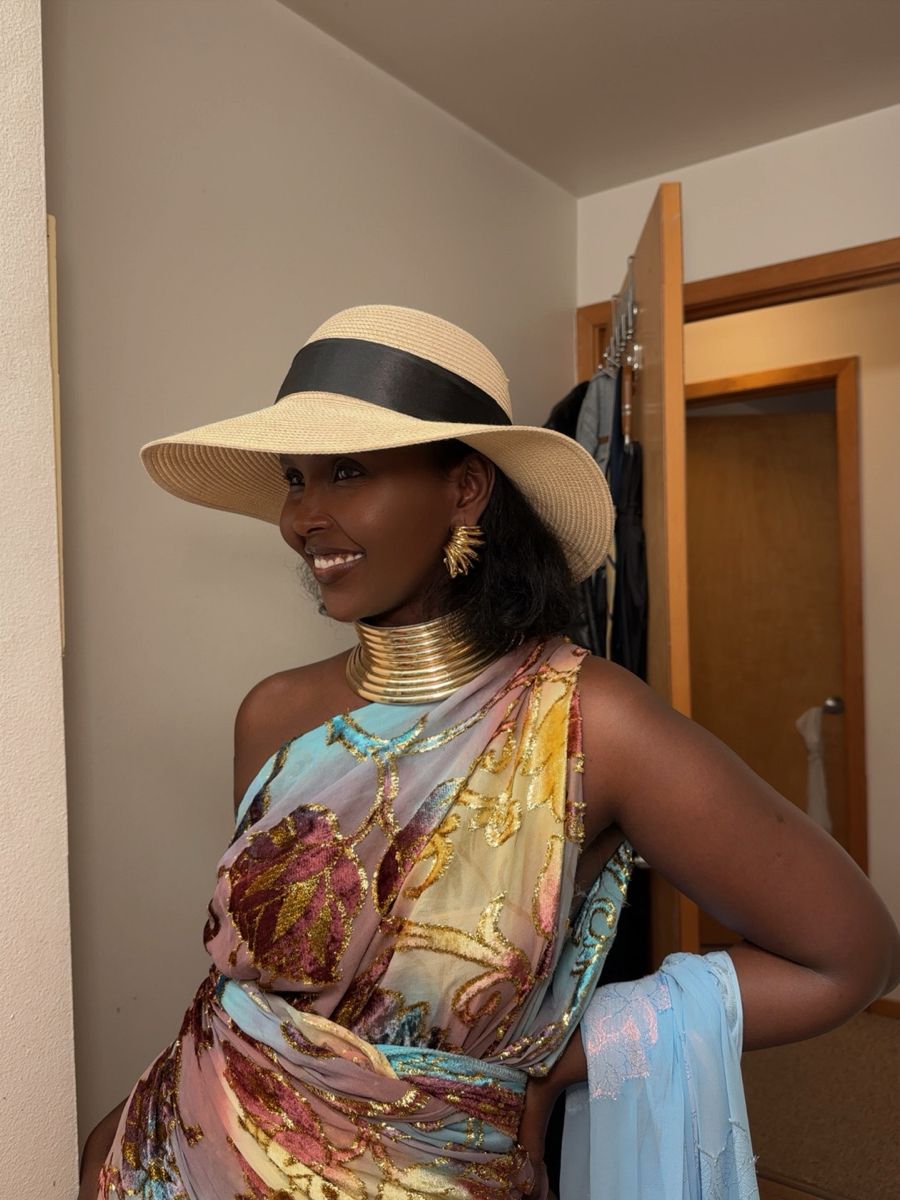
None of that history anticipated a Minneapolis winter. The guntiino’s single-layer wrap construction, built for heat, offers no protection against wind chill that regularly drops below zero Fahrenheit. The diaspora’s practical answer has been layering rather than replacement: a guntiino or dirac worn underneath a heavier, often wool, closed-front abaya designed specifically for cold weather, a garment category Karmel Mall vendors now stock and advertise explicitly as winter wear, distinct from the lighter open abayas sold for warmer months. As Fortune reported in January 2026, Karmel Mall houses more than 100 small businesses and serves as an economic hub for the city’s Somali population. The underlying dress rarely changes; what wraps around it does.
This layering solution has quietly become one of the more distinctive features of Somali-American style in the Upper Midwest, a silhouette shaped as much by Minnesota’s climate as by Mogadishu’s. It is also, practically speaking, why so much of the visible day-to-day Somali fashion economy in Minneapolis runs through outerwear as much as through the dresses themselves.
From Everyday Wear to Occasion Wear
Within the diaspora, the guntiino’s role has narrowed. Where it was once standard daily attire, it is now more commonly reserved for weddings, cultural celebrations, and performances. At the same time, the dirac and baati have taken over the everyday and at-home wardrobe, respectively, making an appearance at a family wedding function as much a marker of cultural respect as a fashion choice. That shift shows up clearly at Somali Week MN, the Twin Cities’ largest annual Somali cultural festival held around Somali Independence Day on July 1, where dirac, guntiino, and macawiis are sold alongside the services of henna artists who book out months in advance, the guntiino positioned as festival and ceremony wear rather than something reached for on an ordinary Tuesday.
Local retailers reflect the same hierarchy. Boutiques inside Karmel Mall market diracs and abayas as everyday and formal staples year-round, while guntiino pieces are more often marketed around weddings and heritage events specifically, styled with a matching scarf and traditional jewellery rather than sold as a casual basic.
A New Generation Reworks the Fabric
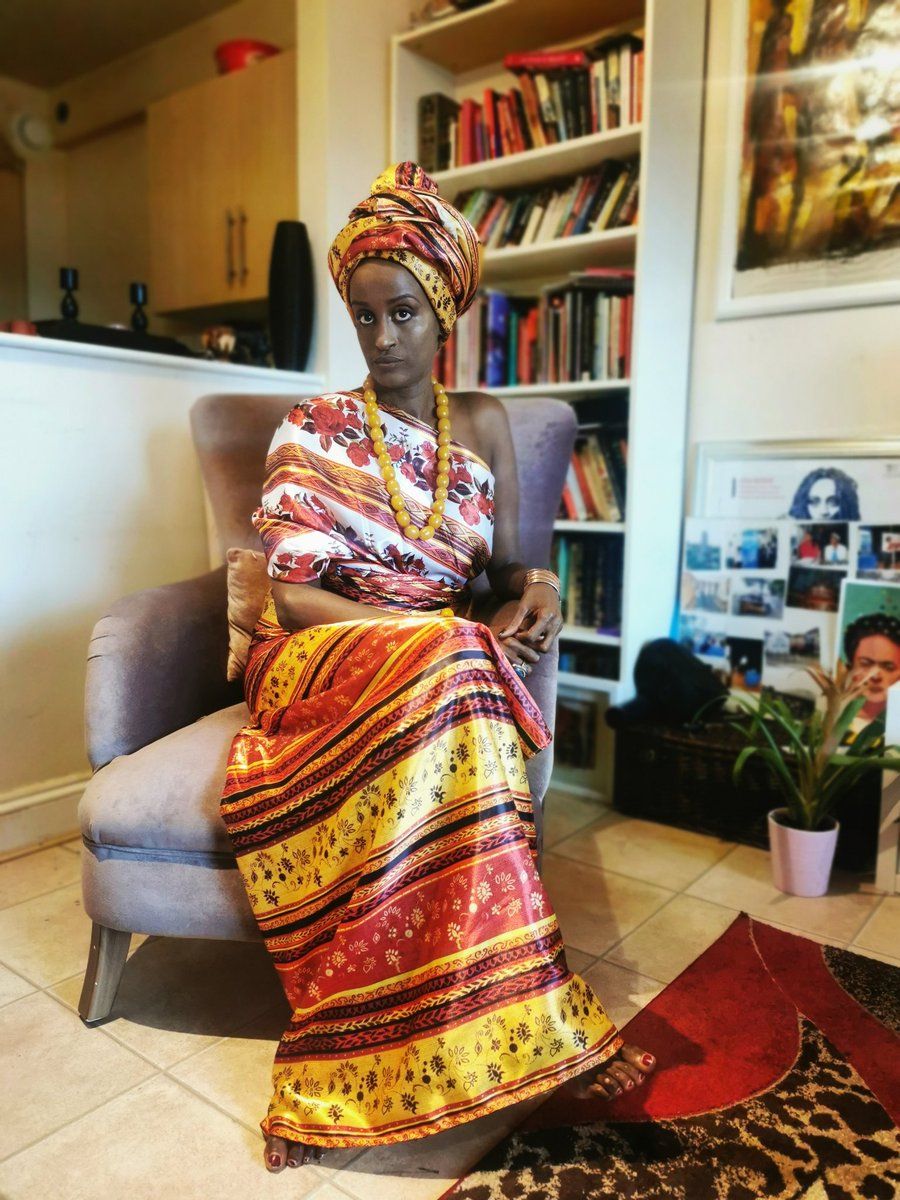
Contemporary designers are treating that narrowed role as an opening rather than a loss. London-based textile designer Hafza Yusuf, whose Hafza Studio produces scarves and guntiino pieces alongside other Somali-influenced garments, brought her solo exhibition Ilays (meaning “light” in Somali) to Minneapolis’s Soomaal House of Art in November 2023 specifically because most of her customers and online supporters are based in Minnesota, despite Yusuf herself having been raised in London. Her Shaash guntiino line reworks traditional Somali shaash prints in brighter colours and contemporary floral patterns, an explicit attempt to push back against the idea that Somali textile heritage belongs only to the past.
Institutions in the Twin Cities have followed the same instinct. Soomaal House of Art, a Somali artist collective and contemporary art gallery founded in Minneapolis in 2014 by artists Kaamil Haider, Mohamud Mumin, and Zahra Muse, uses the guntiino alongside the dirac as core examples of Somali material culture in its programming, explaining social context, status, age, and occasion to visitors who may have no other point of entry into Somali dress history, while also making room for diaspora artists working in mixed media to respond to migration and cultural fusion directly. The gallery hosted Hafza Yusuf’s Ilays exhibition in November 2023, bringing together the garment’s history and its contemporary reinvention in a single Minneapolis space.
Why Minneapolis Matters to This Story
The Guntiino’s Minneapolis chapter is not a footnote to its Somali history. It is arguably the most consequential adaptation the garment has undergone since the colonial period, as Akou documents in her research. A single piece of wrapped cloth, built for one climate and one set of daily rhythms, now exists inside wool outerwear, mall storefronts, festival vendor stalls, and gallery exhibitions thousands of miles from the Horn of Africa, still legible as itself the entire time. That durability — recognisable across climate, generation, and geography — is the clearest evidence that the guntiino was never simply clothing. As Omiren Styles has documented in their analysis of clothing as cultural identity, a garment that carries an argument cannot be reduced to its physical form. It was always a way of carrying home along.
ALSO READ
- The Cultural Clothing of Somali Women
- The Shewa Amhara Dress that Captivated the World: The Evolution of the Habesha Kemis
- Does Wearing Your Culture Make You Exotic? The Diaspora Fashion Paradox
- What It Actually Means to Dress “Back Home” When You’ve Never Lived There
Frequently Asked Questions
What is the difference between a guntiino, a dirac, and a baati?
The guntiino is a single length of cloth wrapped over one shoulder and tied at the waist, traditionally worn day-to-day. The dirac is a lighter, more formal dress worn over an underslip for weddings and religious occasions. The baati is a heavier, at-home garment closer to a kaftan, not worn over a slip. Even within the Minneapolis diaspora, these distinctions are precise enough that local retailers maintain detailed glossaries for customers more familiar with English-language descriptions than the original Somali terms.
Why is Minneapolis home to such a large Somali population?
Following the collapse of Somalia’s central government in 1991, large numbers of Somalis were resettled in Minnesota through US refugee programs. The Twin Cities grew into the largest Somali diaspora community in the country, with approximately 84,000 residents of Somali heritage in the Minneapolis-Saint Paul region, according to the Census Bureau’s 2024 American Community Survey.
How do Somali women in Minneapolis adapt the guntiino for winter?
Rather than replacing the garment, most layer a guntiino or dirac underneath a heavier wool closed-front abaya designed specifically for cold weather, a category now sold explicitly as winter wear by Karmel Mall retailers and distinguished from the lighter open abayas stocked for warmer months. The underlying dress rarely changes; what wraps around it does.
Is the guntiino still worn every day in the diaspora?
Less often than in the past. Within the Minneapolis diaspora, it has become increasingly associated with weddings, cultural festivals such as Somali Week MN, and heritage events. At the same time, the Dirac and Baati have taken over most everyday and at-home wear, respectively. Local boutiques at Karmel Mall reflect this hierarchy, marketing guntiino pieces around weddings and cultural occasions rather than as everyday basics.
Who is the leading academic source on the history of Somali dress?
Heather Marie Akou, Professor of Fashion Design at Indiana University’s Eskenazi School of Art, Architecture and Design, whose book The Politics of Dress in Somali Culture (Indiana University Press, 2011) traces Somali clothing through colonial rule, socialism, Islamic dress movements, and the diaspora’s arrival in the United States. She also authored the chapter “Nationalism without a Nation: Understanding the Dress of Somali Women in Minnesota” in Fashioning Africa: Power and the Politics of Dress (Indiana University Press), the only peer-reviewed academic chapter specifically on Somali dress in Minnesota. Much of her fieldwork for both publications was conducted in Minneapolis.