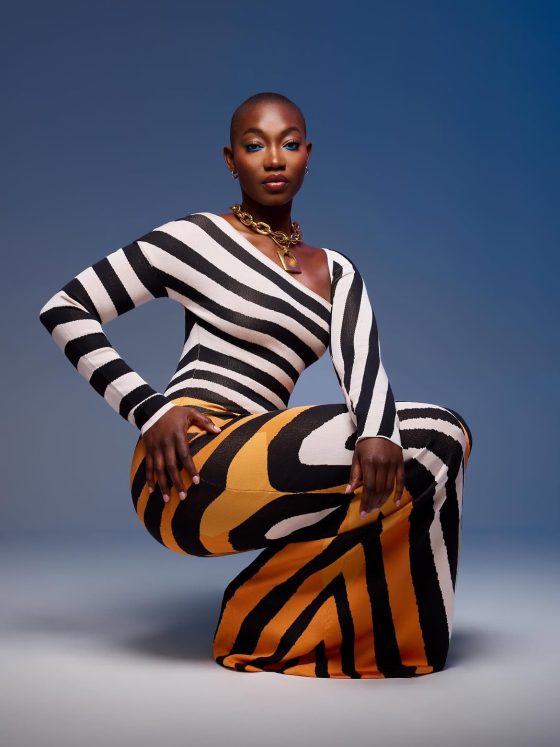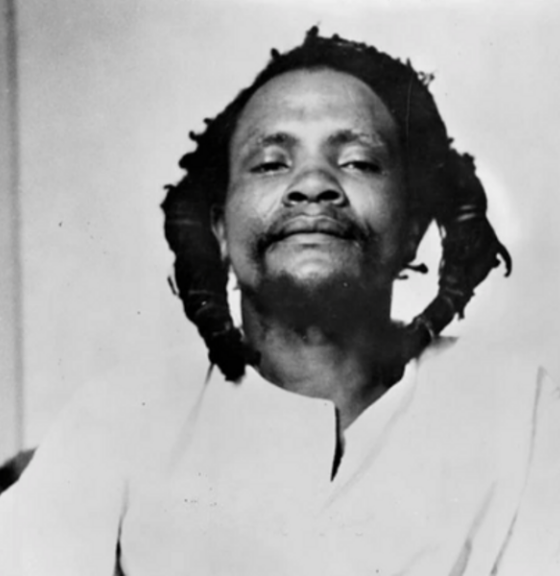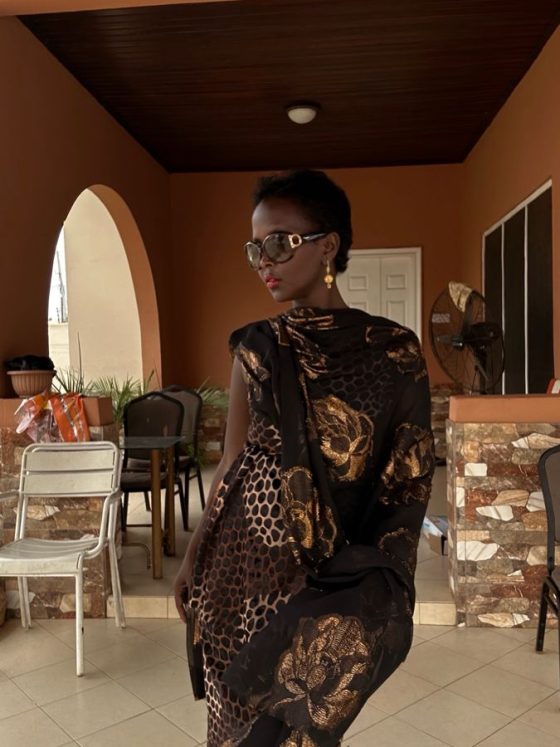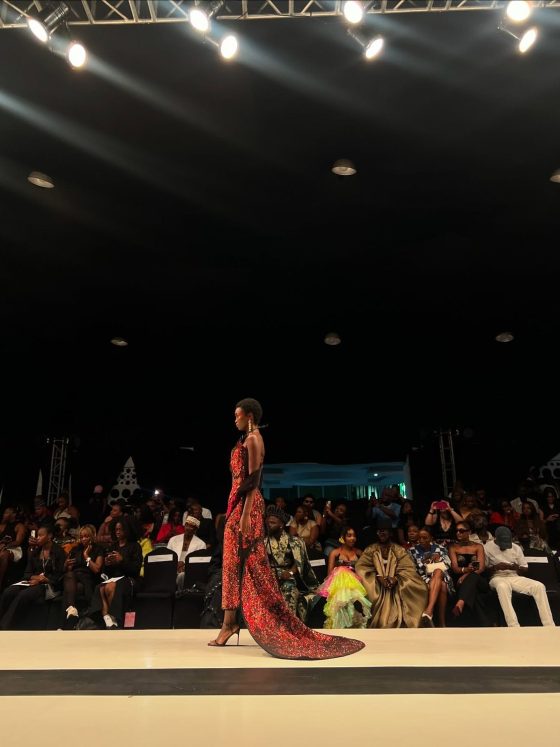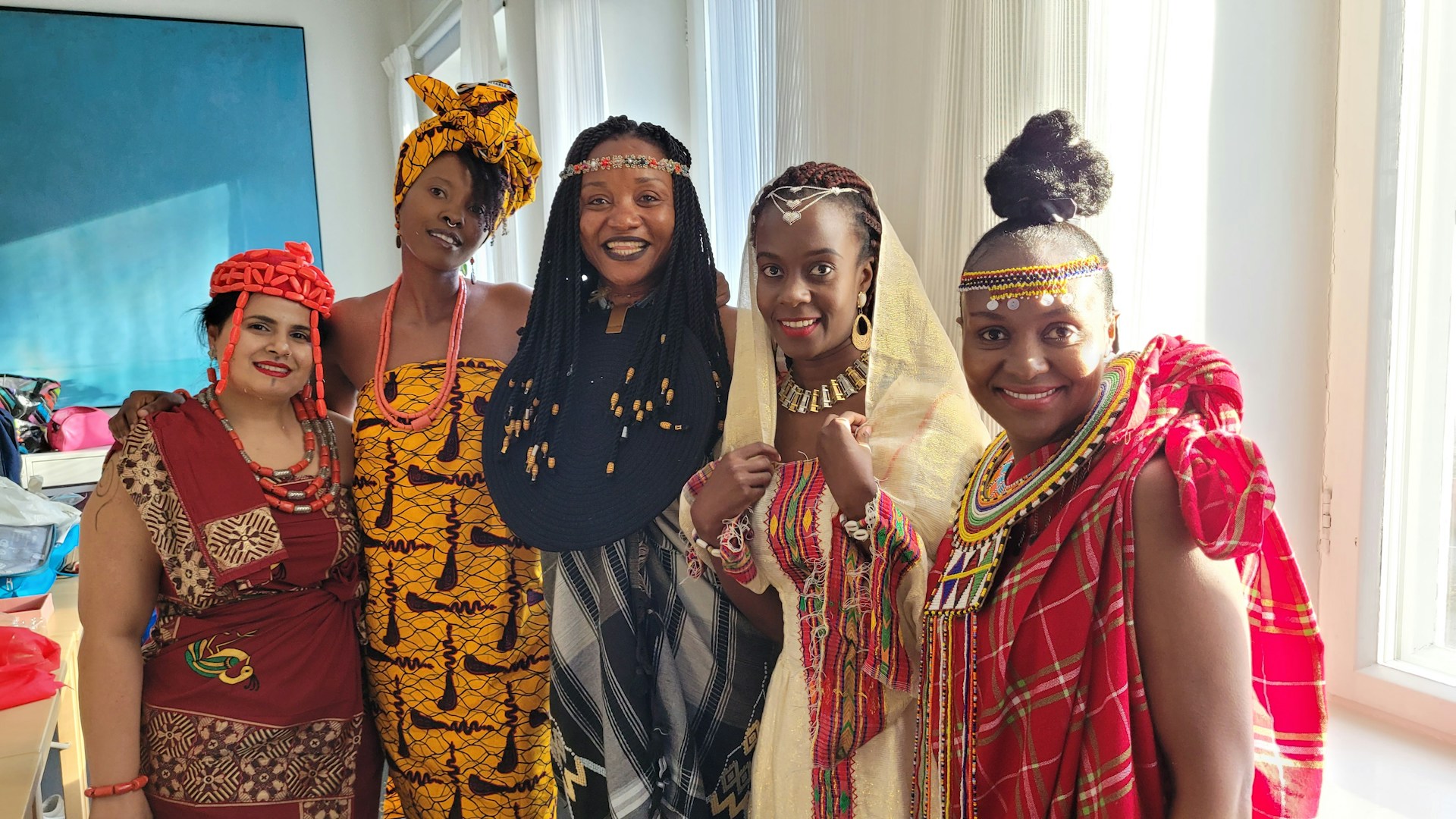
If you were raised in the diaspora, your style becomes more than self-expression. It becomes a negotiation. Not just with fashion, but with the question of who you are allowed to be when you dress “back home” without having actually lived there.
This piece draws primarily on patterns observed among West African second-generation communities in the UK, Europe, and North America, where experiences with owambe dress, aso ebi, and church clothing are particularly well documented. Details vary across different African backgrounds, but the emotional structure of the question tends to hold.
Second-generation African style is how you dress “back home” when you’ve never lived there, balancing pride, pressure, and real cultural belonging in the diaspora.
What Second-Generation African Style Actually Means
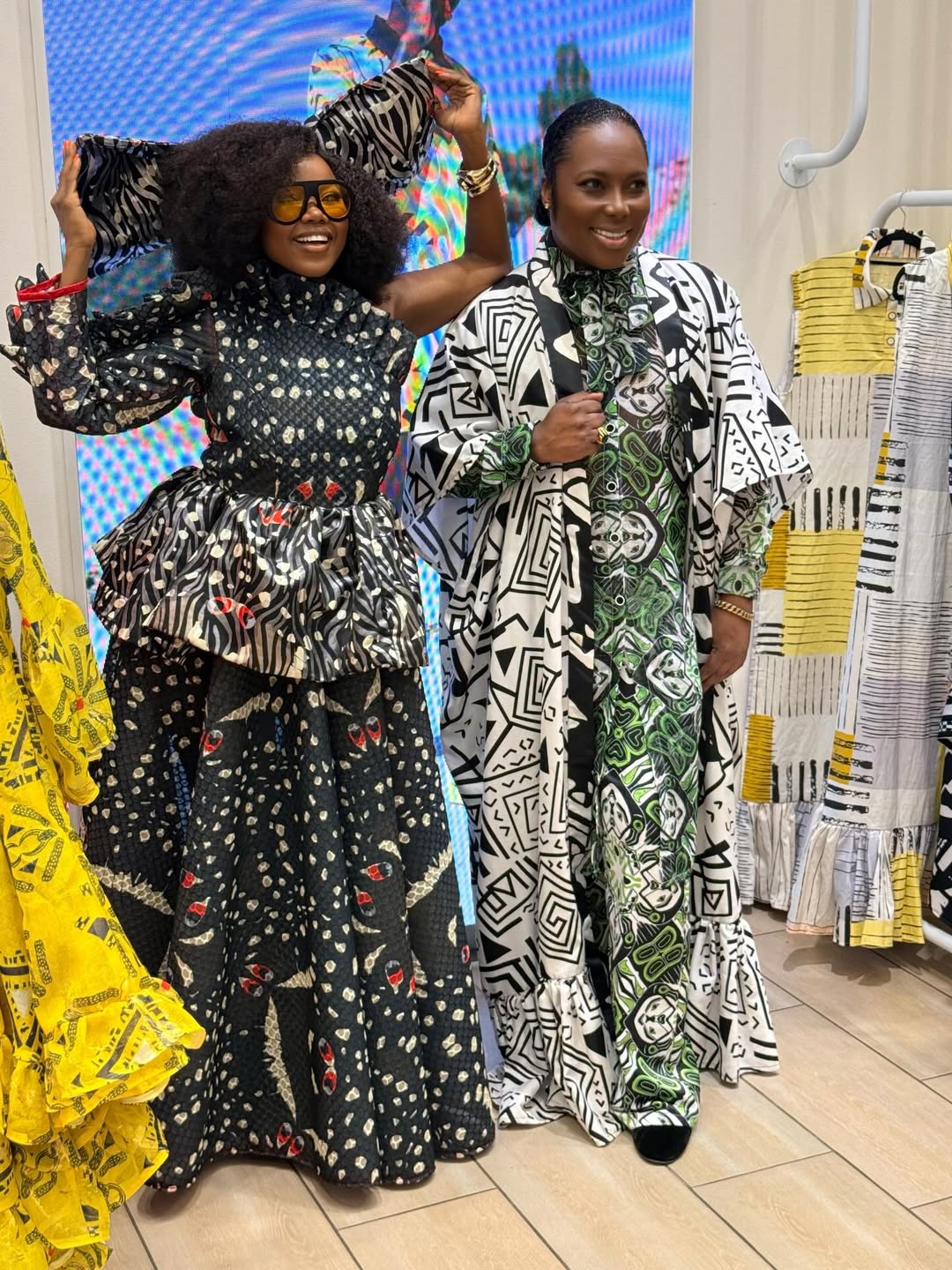
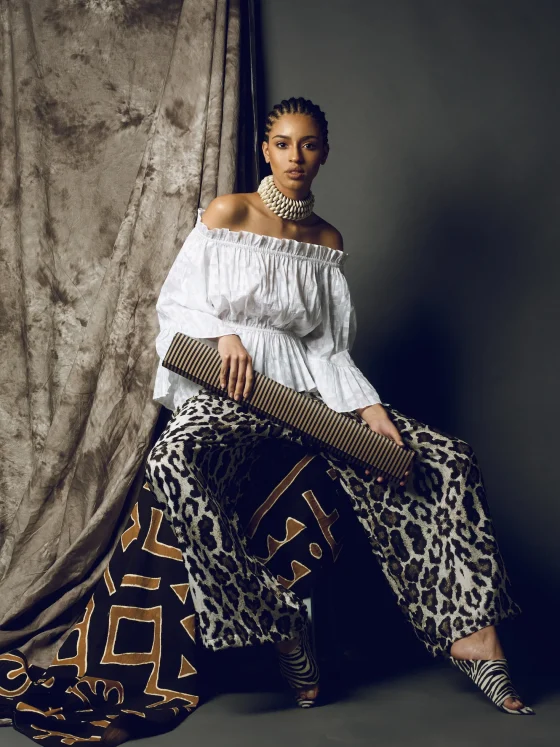
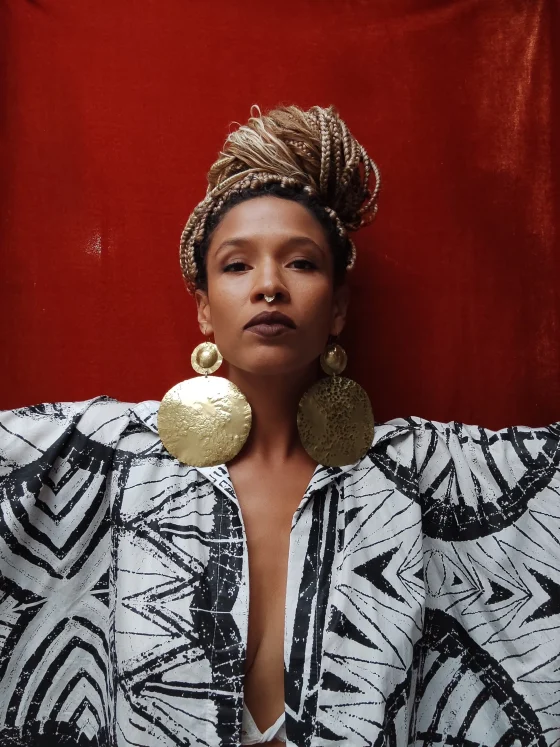
Second-generation African style is the way many people born or raised outside the continent try to connect with their heritage through clothing. It speaks to those whose parents come from Africa but who themselves only know that world through family stories, short holidays, photos, and social media. This style is more than fashion. It is an attempt to dress “back home” when you have never actually lived there. As Omiren Styles has documented in When Dressing Becomes Declaration: Clothing as Cultural Identity, in cities such as London, Atlanta, and Toronto, second-generation Africans navigate layered identities through dress. A head wrap paired with contemporary tailoring is not a contradiction. It is a negotiation.
The result is often a careful balance. Pride is real. So is uncertainty. Many second-generation Africans want to wear their heritage with fluency, but fluency takes years of daily exposure that growing up abroad simply does not give you. The gap is not a failure. It is a circumstance. But it shows up in the wardrobe in ways that can be hard to name.
How Second-Generation Africans Build Their Style
Second-generation African style is about connecting to your roots from a distance. For many, images of what “back home” looks like come through family stories, old photos, short visits, and social media. This makes dressing African in the diaspora feel both exciting and uncertain.
Many second-generation Africans start by looking at their parents’ clothes from past trips or scrolling through outfits on Instagram. These images shape what the style is supposed to look like, before any real experience of wearing it fills in the gaps. For some, that means saving bright prints and traditional pieces like aso ebi for weddings or church. Others look for ways to mix these elements into daily wear, such as a simple Ankara shirt with jeans.
The process often brings pressure. There is a question of whether you are doing it right or whether your family will think you are trying too hard. That tension is not unique to individual insecurity. As Omiren Styles has traced in Does Wearing Your Culture Make You Exotic? The Diaspora Fashion Paradox, second-generation Africans in Britain and France who came of age in the 2010s, began wearing African dress without justification as a practical refusal of a negotiation their parents’ generation was required to conduct. That refusal takes confidence. Confidence takes time. The wardrobe is where the work is visible.
You do not need perfect technique or constant approval to claim your style. But the gap between knowing that and feeling it is where most of the emotional work happens.
Real-Life Experiences of Wearing African Clothing in the Diaspora
Second-generation African style often shows its true depth during family and community events. Many people raised in the UK, US, Canada, or Europe describe a mix of excitement and pressure when choosing outfits for these moments.
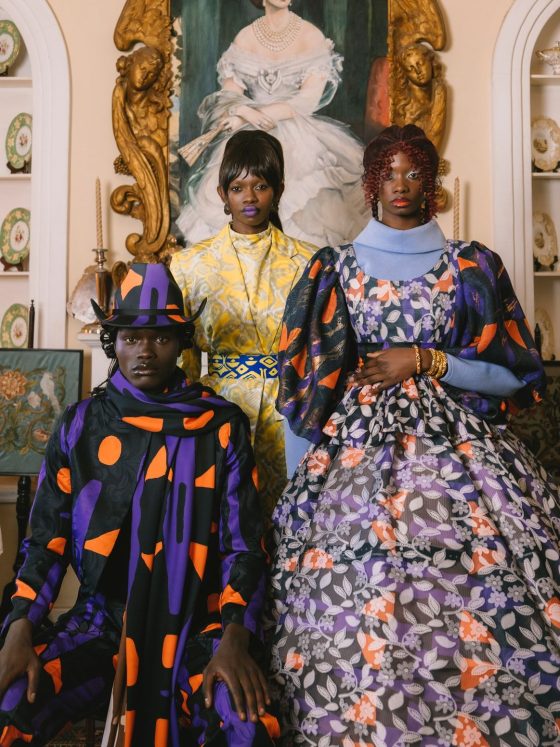
At owambe weddings and large parties, the choice of aso ebi fabric carries real weight. Families expect matching colours and prints to signal unity. Second-generation individuals often spend time worrying about getting the wrapper tied correctly or picking a style that reads as right rather than as an imitation. Some feel great pride when the outfit helps them connect with relatives. Others worry about looking too Western, or like they are trying too hard. The event becomes a space where clothing signals belonging, but also surfaces quiet uncertainty about how authentic that belonging looks from the outside.
In church services, many choose longer gowns, headwraps, or modest traditional pieces to respect elders and community norms. These choices can bring comfort and a sense of shared identity, but small details that others seem to know naturally can also make a person feel the gap in their upbringing more sharply.
Family visits to Africa can heighten these feelings. Some people change clothes upon arrival to fit in better and avoid standing out as foreigners. Comments from cousins or aunts can bring warm praise or gentle corrections that stir questions about cultural connection. These moments are not always painful. But they are revealing. Clothing becomes the site where the distance between knowing your heritage and inhabiting it becomes visible.
ALSO READ
- Does Wearing Your Culture Make You Exotic? The Diaspora Fashion Paradox
- When Dressing Becomes Declaration: Clothing as Cultural Identity
- Maison Chateau Rouge: The Paris Brand Built on African Diaspora Memory
- How Nigerian Prom Dresses Became a Global Graduation Trend
The Emotional Challenges of Second-Generation African Fashion Identity
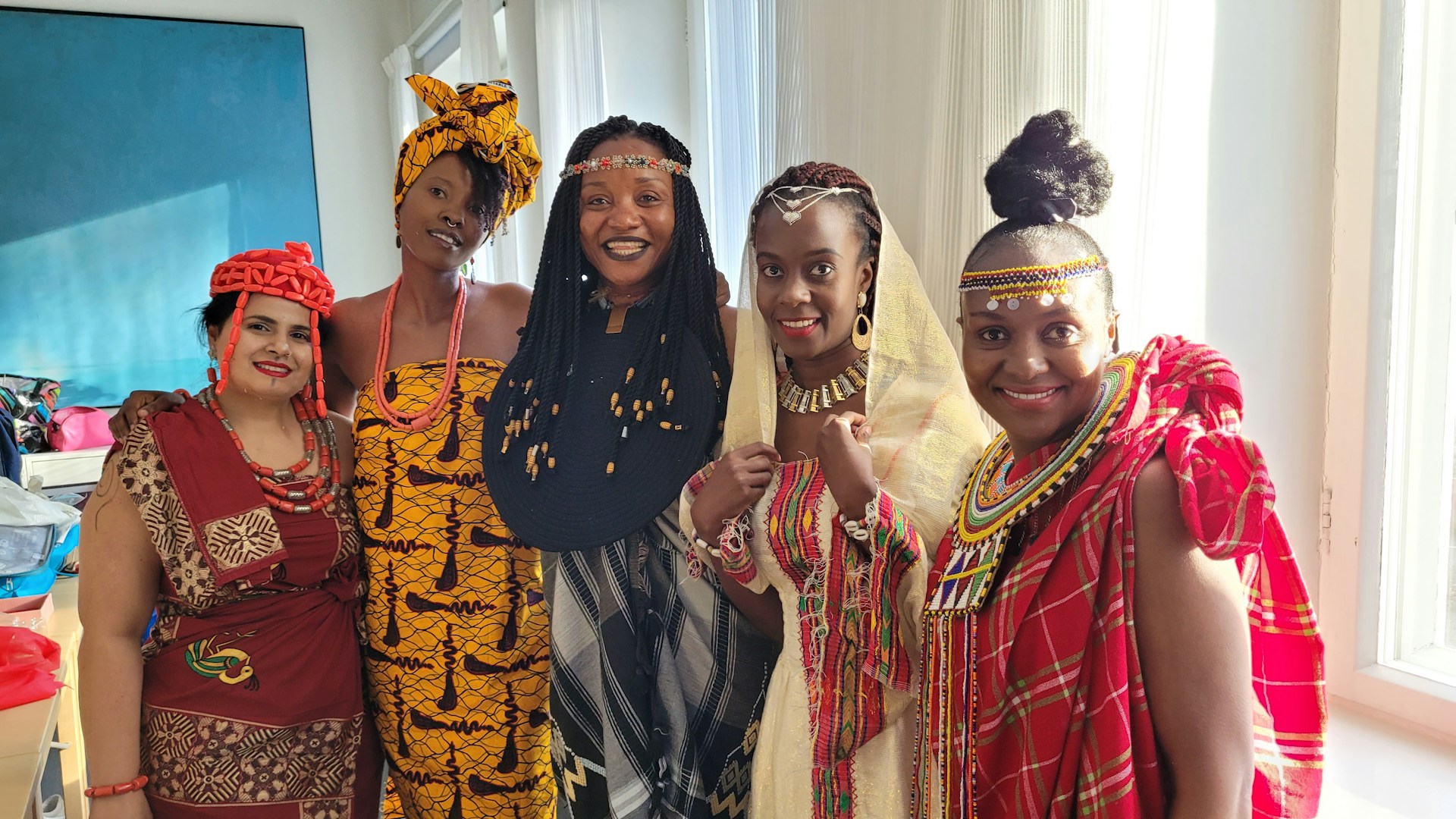
Many second-generation Africans in the diaspora face real emotional layers when trying to dress “back home.” Pride often mixes with self-doubt, because they did not grow up with daily life on the continent.
Studies on African diaspora identities describe this hybrid tension, in which people feel both tied to their roots and somehow apart from them, and in which the gap creates ongoing emotional work around claiming belonging. Clothing becomes one of the clearest places where tension shows up. Shame can appear in small moments: a wrapper not tied in the usual way, an outfit that reads as too modern, a choice that draws a gentle correction from an elder. These are rarely hostile. They land quietly, but they carry a question about whether you are African enough, especially when you do not speak the language fluently or did not grow up knowing the customs from the inside.
At the same time, pride grows when the same clothing earns approval at family events. It becomes a way to signal connection, to make something invisible visible. As Omiren Styles has documented in the case of Maison Chateau Rouge: The Paris Brand Built on African Diaspora Memory, diaspora communities often preserve, remix, and reframe cultural memory in ways that are just as authoritative as direct continental origin. The style that emerges from living between two places is not a lesser version of “back home” fashion. It is its own form of cultural production.
Over time, many people move from performing what they think “African” is supposed to look like toward a style that feels lived and honest. That shift does not erase the gap, but it makes the wardrobe feel less like a test and more like a home.
Why Second-Generation African Style Matters for Cultural Belonging
Second-generation African style matters because it is one of the places where African identity is being actively rewritten. It gives people a way to show pride in their heritage while living in Western countries, on their own terms rather than in performance of an imagined standard. As Omiren Styles has documented in How Nigerian Prom Dresses Became a Global Graduation Trend, second-generation Africans in the UK, US, Canada, and Australia are increasingly using clothing as a moment of public cultural assertion, not a concession to expectation but a statement about whose story they are wearing and on whose terms.
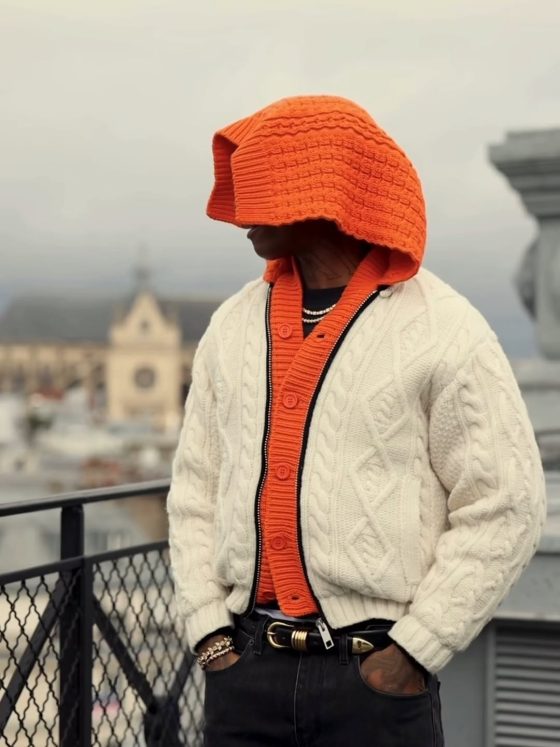
Simple options like tailored pieces with African patterns or contemporary cuts in heritage fabrics allow people to honour family traditions without feeling out of place in the environments where they actually live. The goal is not to resolve the tension between two cultures but to make a wardrobe that holds both without performing either.
That is what reduces the feeling of being between two worlds, not by choosing one side, but by building a style from the actual lived experience of existing in the middle.
THE OMIREN ARGUMENT
The real conversation around second-generation African style needs more honesty. Many diaspora fashion stories celebrate pride and fusion while downplaying the emotional cost. The quiet shame, the constant calculations, and the fear of not being African enough are real parts of trying to dress “back home” when you have never lived there. These are not personal failures. They are structural conditions produced by growing up in a context that separates you from the daily intimacy through which culture is actually transmitted.
Omiren’s position is this: second-generation Africans do not need to earn the right to wear their heritage. You do not require perfect technique or constant approval to claim your style. At the same time, the gaps that come from growing up outside the continent are real and worth naming honestly, because romanticising home without that honesty produces fragile identities. The stronger path is ownership without apology. Blend, adapt, and create from your actual lived experience. This is not dilution. It is the next honest chapter of African diaspora fashion. Second-generation style is not a lesser version of “back home” fashion. It is one of the places where African identity is being actively rewritten.
FREQUENTLY ASKED QUESTIONS
What does “dressing back home” mean for second-generation Africans?
It means dressing for family or community contexts, or for visits to the continent, in ways that reflect cultural heritage when you did not grow up there and do not have the daily familiarity that most people around you have absorbed from childhood. It involves building a visual relationship with a culture you belong to but have never fully inhabited, and the results are often deeply personal rather than straightforwardly traditional.
How can I wear African clothing if I feel I’m “not African enough”?
You do not need to earn the right to wear your heritage. Start with choices that feel honest and comfortable rather than performing what you think African dress is supposed to look like. Ask family members for context where it matters. Make mistakes and learn from them. Fluency comes with time and use, not with others’ permission.
Is it okay to mix traditional African pieces with Western clothes?
Yes. Blending is often how second-generation African style becomes livable rather than a costume. An Ankara shirt with jeans, or a headwrap with contemporary tailoring, is not a compromise. It is a practical solution to dressing from two cultural positions at once, and it is what most second-generation people actually do.
What if my family thinks my outfit looks too Western or too extra?
This is one of the most common experiences in second-generation African fashion identity. Family comments can carry real weight, and it is worth asking for guidance rather than guessing. At the same time, your own expression matters. The goal is not to pass a cultural test but to build a style that is honest about where you actually live and who you actually are.
How do I stop African clothing from feeling like a performance?
Wear it more often, in more contexts, not just at events where it is expected. The more regularly you dress in ways that reflect your heritage, the less ceremonial any single outfit becomes. Performance fades when clothing becomes a daily practice rather than an occasional statement.