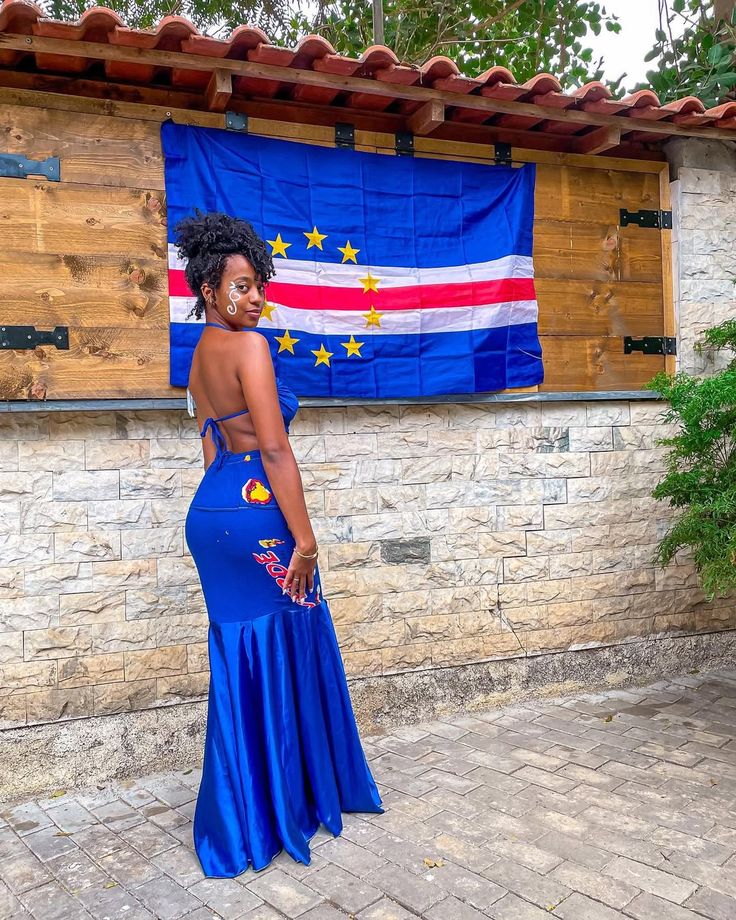
Cape Verdean fashion is not arriving. It has been in motion for centuries, moving along the same Atlantic currents that shaped the islands themselves. What is changing now is not the work. It is the audience. Designers, textile workers, and creative practitioners across the Cape Verdean world, from Praia to Lisbon to Boston to São Paulo, are building something more structured than a local style tradition. They are building a fashion future.
That future rests on three foundations: the diaspora networks that give Cape Verdean creativity its reach, the Pano d’Obra textile tradition that gives it its centre, and the growing creative economy on the islands themselves that gives it its next generation. Understanding those three elements is understanding where Cape Verdean fashion is actually going.
Explore the future of Cape Verdean fashion, where diaspora movement, Pano d’Obra textile tradition, and creative growth are shaping a distinct island fashion identity.
The Diaspora as Fashion Infrastructure
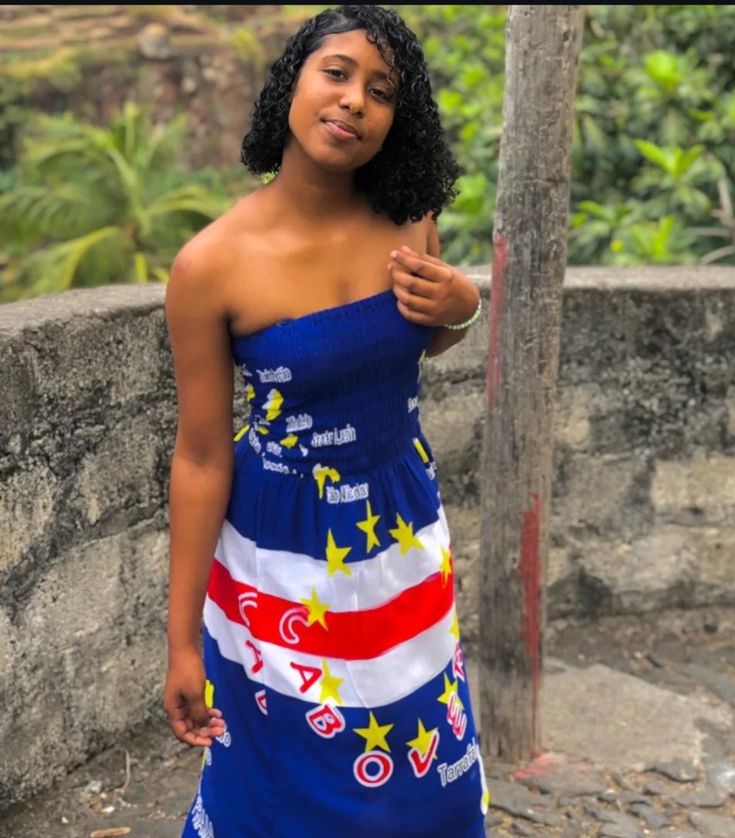
Cape Verde’s diaspora is larger than its resident population. Estimates suggest that more Cape Verdeans live abroad than on the islands, concentrated in Portugal, the Netherlands, the United States, Brazil, and France. That dispersal, which began with the labour migration of the nineteenth century and accelerated through the twentieth, was not only a demographic fact. It became a cultural infrastructure. As Omiren Styles has examined in How African Identity Is Styled Differently Across Continents, the diaspora relationship to African dress is different from the on-continent one: clothing becomes a tool of recovery, chosen with awareness, used to rebuild a sense of belonging that geography has disrupted. For Cape Verdeans, this has been true for generations. The fashion energy visible in diaspora communities is not detached from the islands. It is an extension of them, carrying the same Creole identity across different climates and contexts.
Designers working in Lisbon, Rotterdam, and Boston are not making Cape Verdean fashion from a distance. They are sustaining it under different conditions. Labels like ISLNDZ, which connects Cape Verdean identity to sportswear and global graphic culture, and Virtuoso, which translates that identity into urban streetwear, are building audiences that the islands alone could not reach. Awa Conateh’s Yaws Creations, operating from Banjul but with strong Cape Verde connections, demonstrates how the island fashion sensibility travels through collaborative West African fashion networks. The diaspora gave the work scale. The islands gave it source.
What this means practically is that Cape Verdean fashion has always had two centres: the islands and the world. The strongest creative practices work from both simultaneously, rather than treating the diaspora as secondary to some more authentic on-continent original. Cape Verde’s fashion future depends on that dual structure being seen for what it is: not a compromise, but a strength.
Pano d’Obra as the Textile Centre
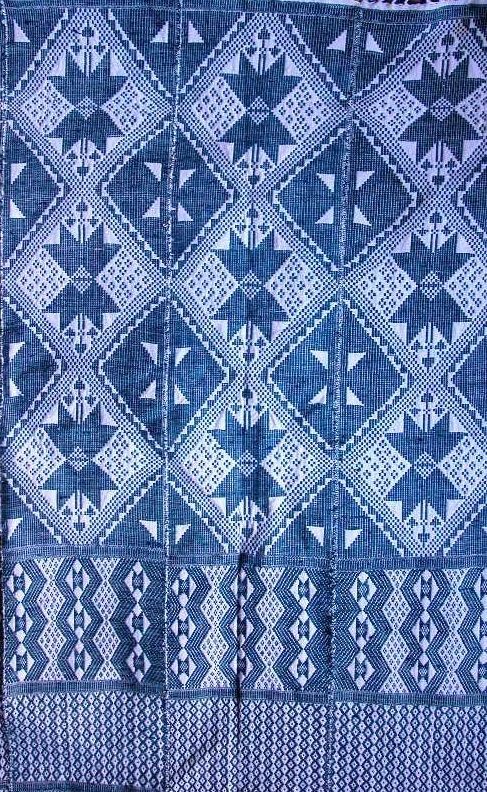
The most important material fact in Cape Verdean fashion is Pano d’Obra, the hand-woven cotton textile produced primarily on the islands of Santiago and Fogo for over five centuries. As Omiren Styles has documented in detail in Traditional Clothing in Cape Verde: Afrocentric and Portuguese Fashion Identity, Pano d’Obra was not a craft that arrived with settlers. It arrived with the enslaved. The weaving technique was introduced to the islands by Guinean weavers brought to Santiago specifically for their skill, who used a narrow-strip horizontal loom practically identical to that used by Manjak-Papel communities of the Upper Guinea Coast. The cloth was woven in strips approximately 15 centimetres wide, then stitched together in the West African tradition. By the 1600s, thousands of pieces were required annually, and the cloth functioned as trade currency within the transatlantic slave trade. What was built on Santiago Island was not a fusion. It was something entirely new, something that did not exist before and has not existed anywhere since.
This history is not background material for a contemporary fashion story. It is the story. When Angela Brito builds collections around Pano d’Obra, or when Sonia Tavares uses Kriolu aesthetic references in her work, they are not adding a cultural layer to international fashion. They are working from a textile tradition with a documented, specific, politically charged history that predates most European fashion systems by centuries. As Omiren Styles has traced in Fabrics and Cultural Fusion in Cape Verdean Style, the Pano d’Obra’s geometric patterns, diamonds, zigzags, and crosses derived from West African weaving traditions, overlaid with Portuguese floral motifs, create a visual vocabulary that is not fusion in the dilutive sense but synthesis in the generative one. Something that carries both origins and is reducible to neither.
The contemporary challenge for Pano d’Obra is the same one facing every textile tradition that becomes commercially desirable: keeping the original practice alive while imitation prints multiply. Industrial producers in Senegal and elsewhere are already producing low-cost copies. The response from the Cape Verdean fashion community has been to treat authenticity not as purity but as knowledge: designers who can articulate the difference between a genuine Pano d’Obra and a printed copy, who can name the weavers in Tarrafal, who can explain what the weaving technique means and where it came from, are building cultural authority that no factory in Senegal can manufacture.
Pano d’Obra is not a heritage textile waiting to be revived. It is a living system that has been in continuous production for five centuries. The work now is to make sure its practitioners are visible, credited, and compensated.
Creative Growth on the Islands
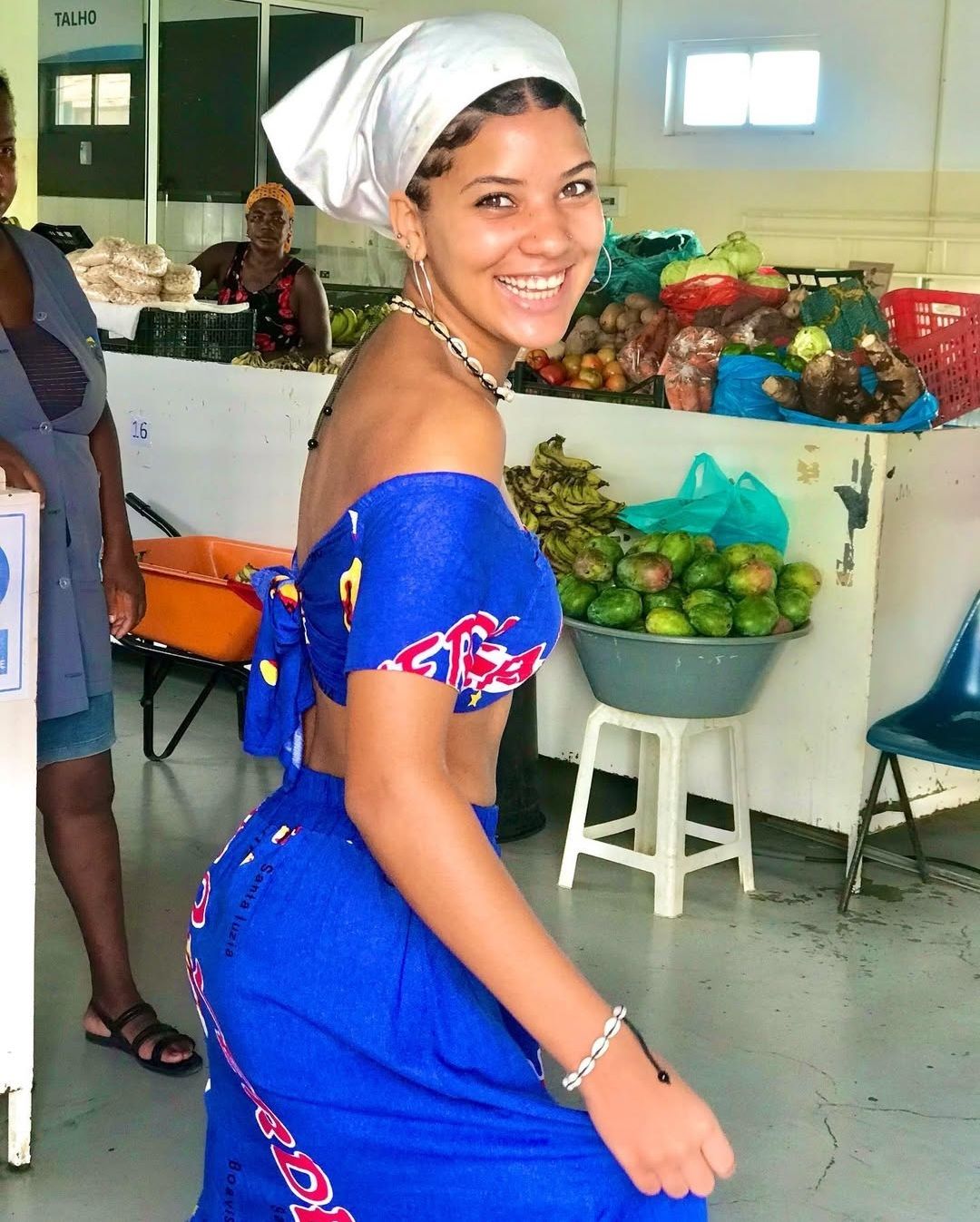
The third foundation of Cape Verde’s fashion future is what is being built on the islands themselves. Awa Conateh’s Yaws Creations began as a home-based operation in Banjul and expanded into clothing, accessories, and home decor through training, networking, and export efforts. The label demonstrates that the creative economy around Cape Verdean island fashion does not require Western institutional backing to grow. It requires organisation, mentorship, and the kind of ecosystem-building that Conateh has been doing deliberately by training emerging talent and organising local events.
The challenge for island-based creative growth is structural rather than creative. Cape Verde’s small population, approximately 530,000 people across ten islands, limits the size of the domestic market and imposes real logistical costs on exports. Getting fabric, finished garments, or craft objects from Santiago to São Paulo or Rotterdam requires infrastructure that the islands do not always have in abundance. This is where diaspora networks become practical rather than symbolic: they provide market access, distribution relationships, and connections to buyers who understand what Cape Verdean fashion is trying to say.
The broader regional comparison is instructive. Brands like Tongoro in Senegal and Christie Brown in Ghana have shown that African labels can build genuine international reach from on-continent bases without relocating to Paris or London. The lesson for Cape Verdean fashion is that the islands do not need to become something else to reach the world. They need to be more clearly themselves: naming the craft, naming the textile, naming the weavers, and making the geography of the work as visible as the work itself.
ALSO READ
- Traditional Clothing in Cape Verde: Afrocentric and Portuguese Fashion Identity
- Fabrics and Cultural Fusion in Cape Verdean Style
- How African Identity Is Styled Differently Across Continents
- Does Wearing Your Culture Make You Exotic? The Diaspora Fashion Paradox
What Cape Verde Offers the Global Fashion Conversation
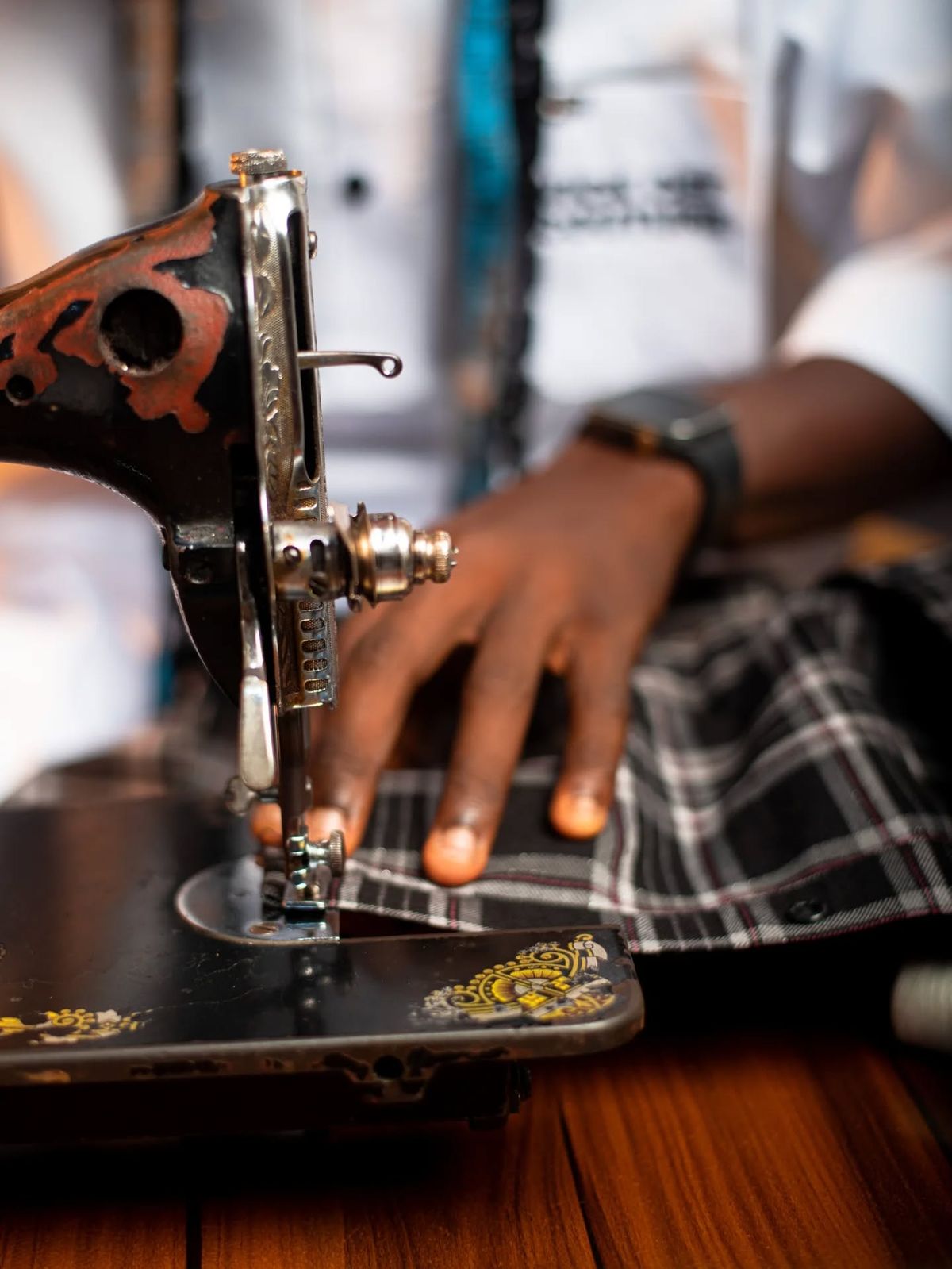
Cape Verde’s contribution to the global fashion conversation is specific and hard to replicate. It offers a Creole identity that is neither European nor straightforwardly African, but a genuinely new thing produced by a specific historical collision at a specific place in the Atlantic. It offers a textile tradition with a documented five-hundred-year lineage rooted in enslaved West African craft knowledge. And it offers a diaspora fashion sensibility that, as Omiren Styles has documented in Does Wearing Your Culture Make You Exotic? The Diaspora Fashion Paradox rejects the exotic label by insisting on the full cultural authority of what it wears. None of these things is available from any other fashion culture in the world. That specificity is not a limitation. It is a competitive advantage that the global fashion market is increasingly willing to pay for, provided the Cape Verdean fashion community builds the infrastructure to deliver it.
The fashion world tends to reward African island cultures when they look like beaches and tourism. Cape Verde’s fashion future depends on being seen differently: as a serious creative economy with a specific textile history, a productive diaspora, and a growing generation of designers who know exactly where they come from and are building from that knowledge rather than despite it.
THE OMIREN ARGUMENT
Cape Verdean fashion is not emerging. It has been producing, moving, and meaning things for five centuries. Pano d’Obra was currency in the transatlantic slave trade before any European luxury house existed. Cape Verdean designers were building Creole aesthetic systems before “Creole” became a marketing category. The diaspora was carrying island identity across continents before the fashion industry discovered the diaspora as a concept. What is changing now is not the work. It is the infrastructure around it.
The Cape Verde fashion future that Omiren Styles is documenting treats diaspora reach and textile heritage not as competing claims but as the same argument made from different positions. The Pano d’Obra weaver in Tarrafal and the Cape Verdean designer in Rotterdam are not in tension with each other. They are the same creative system operating at different scales, and the world is only beginning to understand what that system can produce when it is taken seriously. Cape Verde is small in land mass and short in population, but long in history, specific in identity, and globally distributed in reach. That combination has always been the foundation of influence. The fashion industry just needs to learn to read it correctly.
FREQUENTLY ASKED QUESTIONS
What is the future of fashion in Cape Verde?
The future of Cape Verdean fashion rests on three foundations: the diaspora networks that give it reach, the Pano d’Obra textile tradition that gives it its centre, and the growing creative economy on the islands that gives it its next generation. Designers working from Praia, Lisbon, Boston, and São Paulo are building an internationally legible Cape Verdean fashion identity that does not require Western institutional validation to carry authority.
Why is the diaspora important to Cape Verde fashion?
Cape Verde’s diaspora is larger than its resident population, and it has historically functioned as cultural infrastructure rather than simply a demographic fact. Designers and brands working in Lisbon, Rotterdam, and Boston give Cape Verdean fashion market reach that the islands’ small population cannot support alone, while maintaining creative connections to the island identity that grounds the work.
What is Pano d’Obra, and why does it matter for Cape Verdean fashion?
Pano d’Obra is a hand-woven cotton textile produced on the islands of Santiago and Fogo for over five centuries. It was introduced by enslaved Guinean weavers using a narrow-strip horizontal loom identical to that used by Manjak-Papel communities of the Upper Guinea Coast. By the 1600s,s it functioned as currency in the transatlantic slave trade. Today, it is the most important material symbol of Cape Verdean identity, and designers who work with it are working with a specific, politically charged history rather than a generic heritage reference.
How does Cape Verde fashion connect to global fashion conversations?
Cape Verdean fashion offers a Creole identity that is neither European nor straightforwardly African but a genuinely new thing produced by a specific historical collision. Its five-hundred-year textile lineage, its productive diaspora, and its growing generation of designers give it a specificity that no other fashion culture can replicate. That specificity is its competitive advantage in a global fashion market that increasingly values documented cultural authority over generic aesthetic appeal.
What is driving creative growth in Cape Verdean fashion?
Creative growth is being driven by individual designers and labels who are deliberately building, training emerging talent, cultivating export connections, and leveraging diaspora networks for market access. Labels like Yaws Creations, ISLNDZ, and Bazofo demonstrate that this growth does not require Western institutional backing. It requires organisation, mentorship, and clarity about what Cape Verdean fashion is and where it comes from.