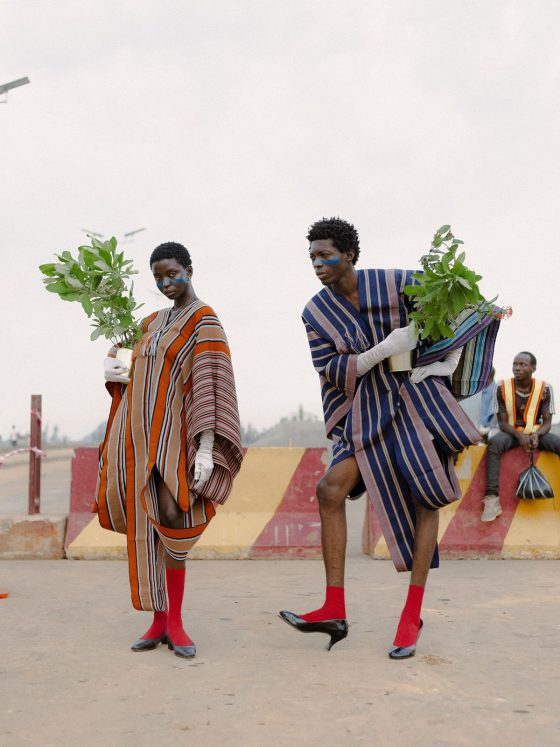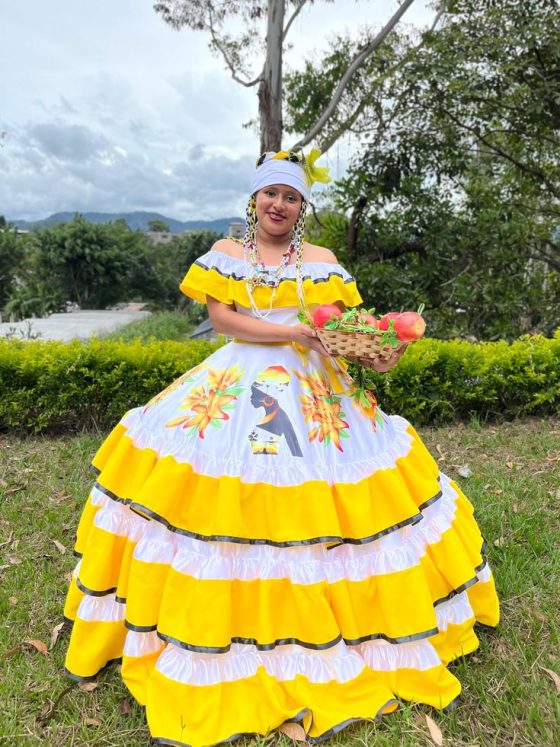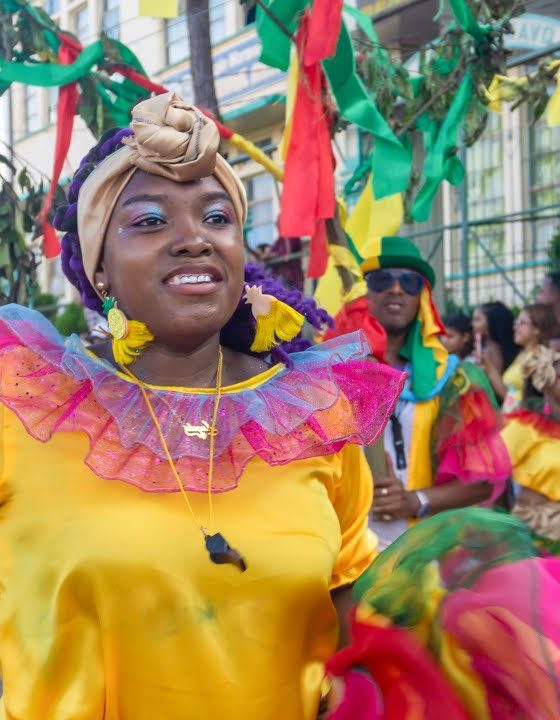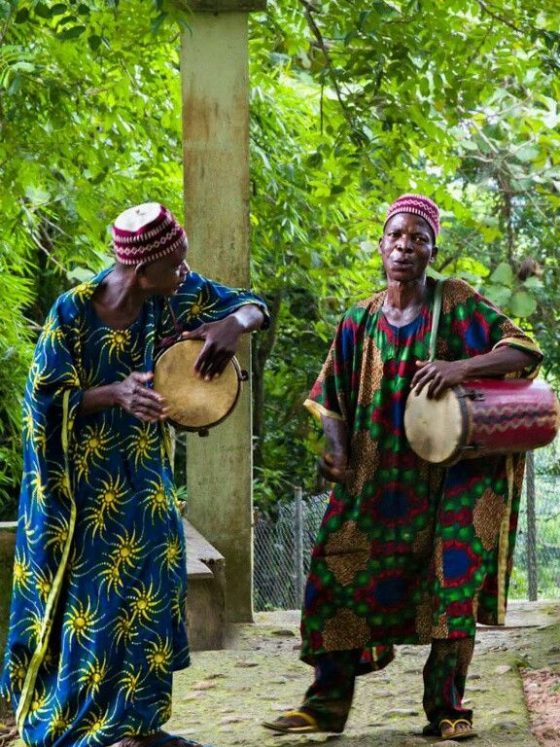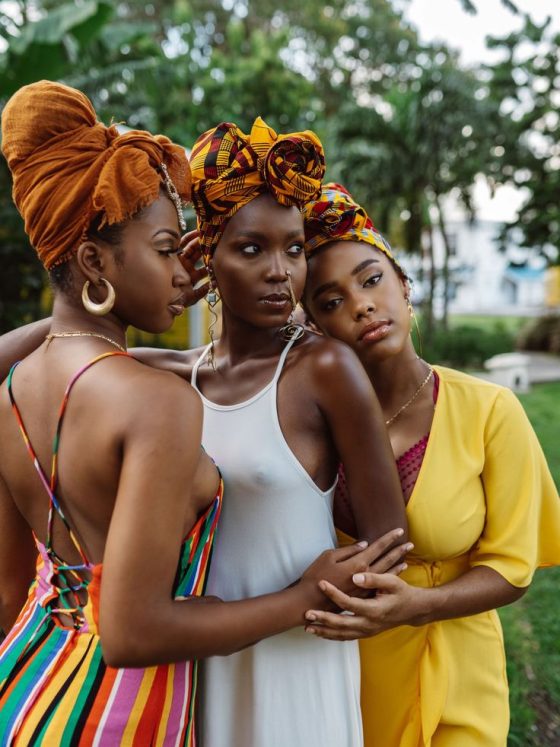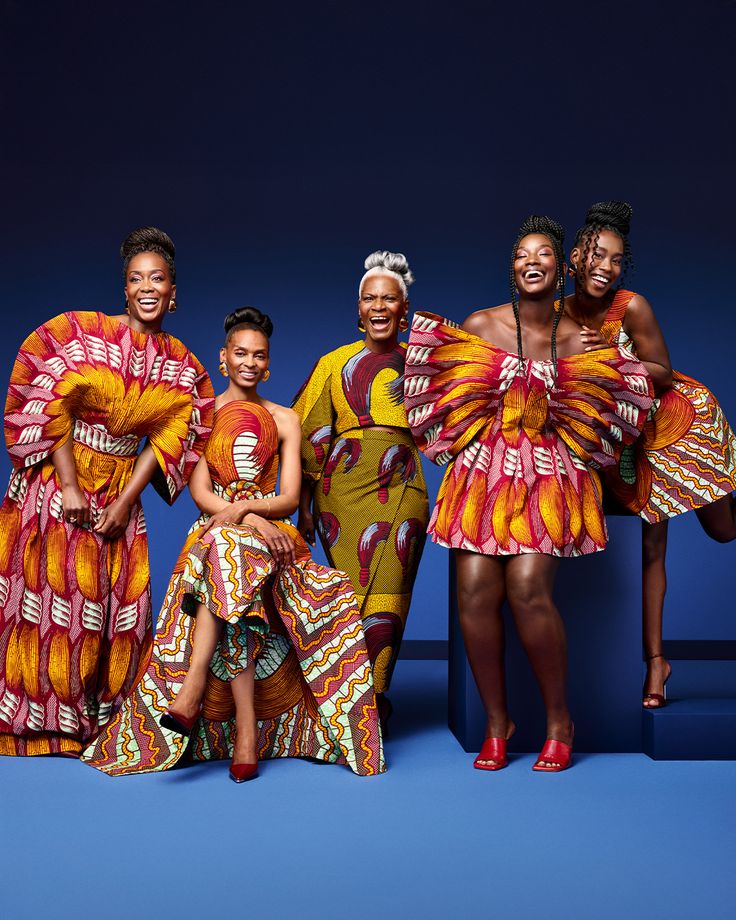
A white woman walks into a party in a floor-length Ankara gown purchased at a Hackney boutique. She is called fashion-forward. A British-Nigerian woman walks into the same party in the same fabric, sewn by her aunt in Lagos. She is called exotic. Both women are wearing the same clothes. Only one of them is wearing her culture. The fact that the one wearing her culture is the one labelled exotic is not a fashion observation. It is a powerful observation. And the question the diaspora fashion paradox is actually asking is not whether wearing your culture makes you exotic. It is asking who has the authority to decide what counts as normal in the first place, and why that authority has never been seriously challenged in the spaces where African diaspora communities have to live their daily lives.
Wearing your culture does not make you exotic. Being perceived as exotic reveals who controls the definition of normal. This is the diaspora fashion paradox unpacked.
What Exotic Actually Means and Who It Belongs To
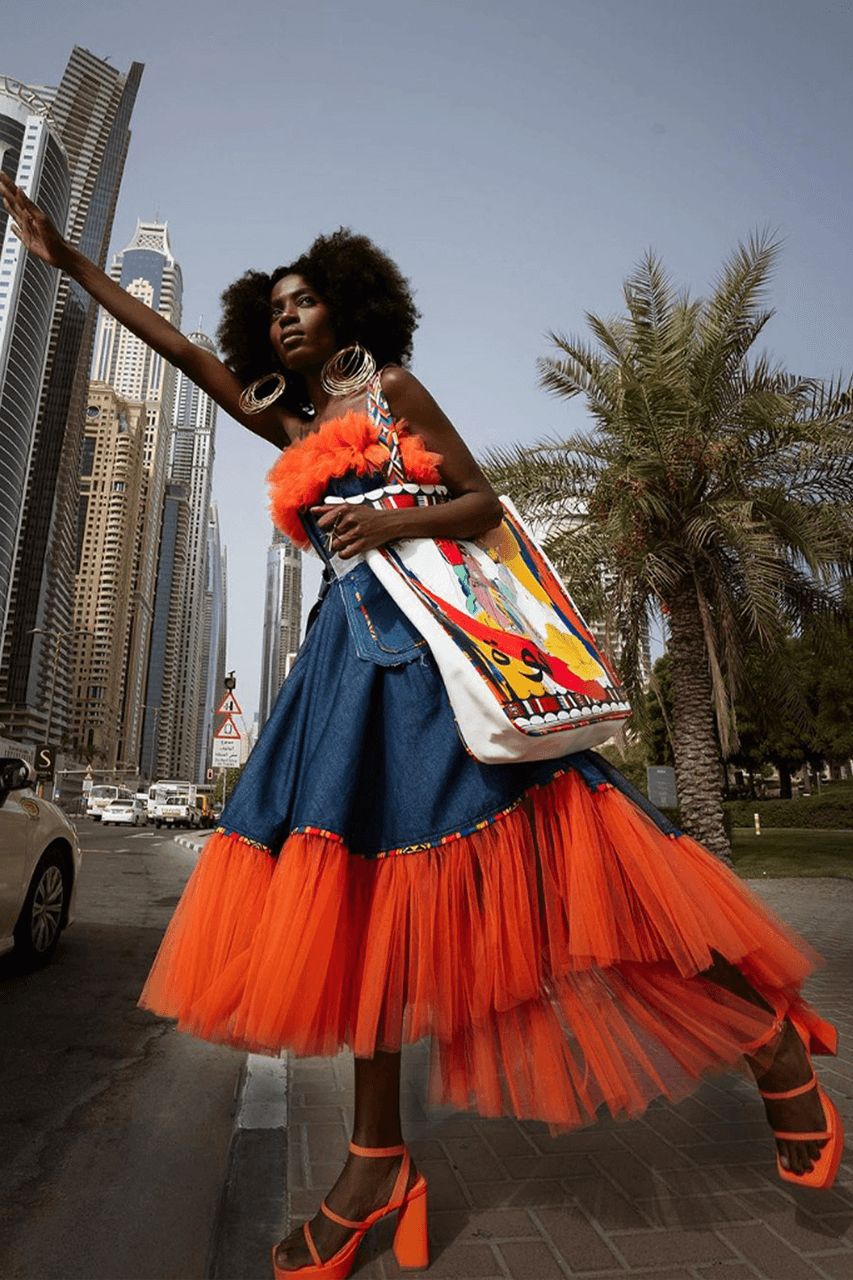
The word exotic derives from the Greek exotikos, meaning foreign, from outside. In its contemporary usage in fashion and cultural commentary, it carries a specific power structure that the etymology does not fully reveal. Exotic is not a neutral description of a visual difference. It is a designation applied by a dominant gaze to mark cultural difference as spectacle rather than norm, as object of fascination rather than subject of authority. When African dress is called exotic in a Western context, the word is not describing the dress. It describes the relationship between the person making the assessment and the dress being assessed, in which the assessor occupies the position of the universal and the assessed occupies the position of the particular.
The philosophical foundation of this power structure is documented extensively in the scholarship of postcolonial theory. Edward Said’s Orientalism, published in 1978, established the analytical framework for understanding how Western cultural authority produces the category of the Other: that which is not the West, defined in relation to a Western norm that presents itself as universal. Said’s analysis focused on the Middle East and North Africa. Still, the mechanism he described operates in the same way with respect to sub-Saharan African cultures and their diaspora expressions. The exotic is not a quality of the object. It is a quality of the relationship between a specific gaze and a specific object, and the gaze in question has placed European culture at the centre of the universal and positioned everything else as deviation from that centre.
This means that when a British-Ghanaian woman is called exotic for wearing kente to a London gallery opening, the label is not about the kente. The kente has been produced by some of the world’s most sophisticated textile artisans, within a design tradition that predates most European fashion houses by centuries, for occasions of the highest social and spiritual significance. None of that is what the word exotic is responding to. The word is a response to the fact that kente is not a suit. And the suit is not exotic because it has been normalised to invisibility. The kente is exotic because it has not. The difference is not aesthetic. It is political.
The Invisible Default: How European Dress Became Unmarked
The grey suit, the white shirt, the leather Oxford shoe: these garments carry no cultural weight in most Western professional and social contexts because they have been so thoroughly normalised that their cultural origins have become invisible. They are not perceived as British, European, or post-Industrial Revolution dress. They are perceived as dress, full stop, the baseline against which other forms of dress are measured and found to be more or less exotic depending on their distance from this unmarked standard. This invisibility is not natural. It was produced, and the production was deliberate.
The spread of European professional dress as the global standard of formal presentation was a project of colonial administration. Mission schools across West Africa, East Africa, and Southern Africa required pupils to wear European dress as a condition of education. Colonial government offices required African employees to wear European dress as a condition of employment. The professional class that emerged from colonial administration in Nigeria, Ghana, Kenya, and South Africa did so wearing European dress as the uniform of educated modernity, a designation that colonial authorities had specifically attached to European clothing as a mechanism of cultural hierarchy. The suit did not become the global professional standard because it was the best garment for the purpose. It became the global standard because the institutions that defined professional legitimacy required it, and those institutions were colonial.
The fashion historian Christopher Breward’s work on the cultural history of the suit documents its rise as a garment specifically associated with rational modernity, industrial capitalism, and the administrative class of the European empire. Its spread across the colonised world was not aesthetic adoption but institutional imposition: wear this or you are not eligible for the position, the education, the authority. The unmarked status of European professional dress in contemporary global contexts is the legacy of that imposition. When the suit became the default, everything else became deviation. When deviation became visible, it became exotic. The word exotic is the contemporary residue of the colonial decision to make European dress the invisible norm.
Cultural Appropriation, Cultural Expression, and Who Gets to Cross the Line
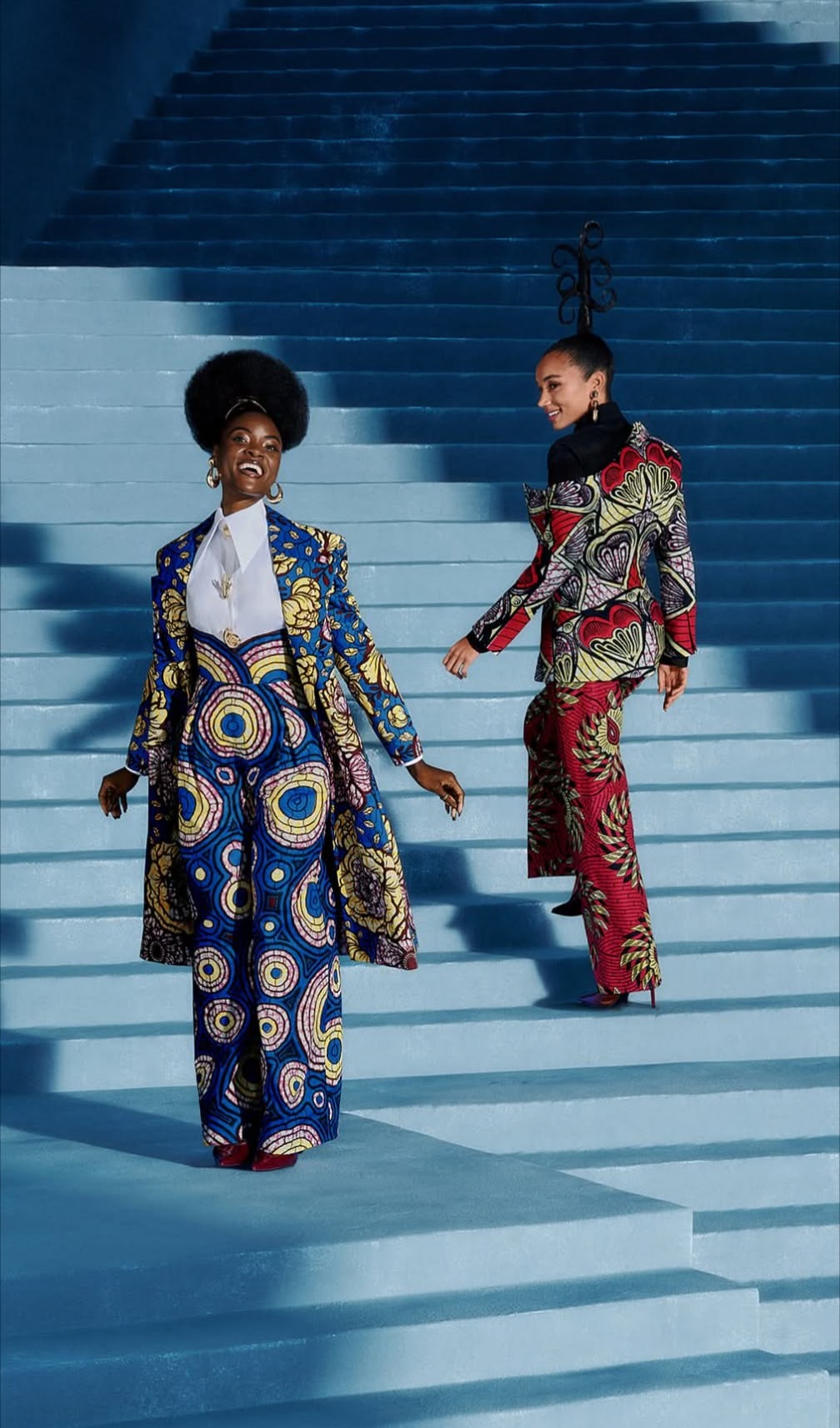
The diaspora fashion paradox becomes most acute at the intersection of cultural appropriation and cultural expression. The same African textile that marks its African wearer as exotic is celebrated as bold, innovative, and fashion-forward when worn by a non-African. The asymmetry is not accidental. It follows directly from the power structure that produces the exotic designation in the first place. The non-African wearer approaches the textile from the position of the unmarked universal: she adds cultural specificity to a neutral baseline. The African wearer is the cultural specificity. She cannot add it to herself because she already is it, in the logic of the gaze that is doing the labelling.
This dynamic has been documented in the fashion industry’s specific treatment of African textiles and aesthetics over the past three decades. The Business of Fashion’s analysis of African print adoption by Western luxury brands records a consistent pattern: African textiles and aesthetic systems are absorbed into Western fashion collections without attribution to their origin cultures, celebrated as fresh and innovative in their Western iteration, and then described as having been “inspired by” or “influenced by” African tradition in ways that remove the African source from the category of original and reposition it as the raw material from which Western creativity has produced something new. The African textile is exotic. The Western garment made from it is fashionable.
The political economy of this asymmetry is measurable. When Dior presented kente-inspired prints in its 2020 collection without naming the Asante and Ewe weavers whose tradition it drew from, the collection was reviewed in Vogue, worn by celebrities, and contributed to the commercial revenue of a French luxury house. When Ghanaian kente weavers in Bonwire produce the cloth on which that collection was based, they are categorised in global trade statistics as craftspeople in a developing economy, not as designers in the global fashion industry. The exotic label does not just determine how a garment is perceived. It determines who profits from it.
“Wearing your culture does not make you exotic. Being perceived as exotic reveals who controls the operating definition of normal in the space you are standing in. The fix is not to dress less distinctly. The fix is to understand that the gaze producing the exotic designation has no authority to confer it.”
The Paradox in Practice: Five Documented Asymmetries
The diaspora fashion paradox is not abstract. It operates in specific, documentable contexts in which the same garment or aesthetic elicits opposite responses depending on the wearer’s racial and cultural identity. Understanding how the paradox functions in practice requires moving from theory to the specific cases where the asymmetry is visible.
The first asymmetry is institutional. In British schools with uniform policies that prohibit Afro hairstyles and headwraps, those same institutions frequently celebrate multicultural dress days on which pupils are encouraged to wear “traditional dress from their culture”. The headwrap that is banned as a uniform violation on Monday is celebrated as cultural heritage on the designated multicultural day. The ban applies when the dress is being worn as ordinary self-presentation. The celebration applies when worn as a performance for an institutional audience. The institution decides when African dress is acceptable, and the condition is that it be performed rather than simply lived.
The second asymmetry is commercial. A 2021 study by the Fédération de la Haute Couture et de la Mode identified African aesthetic systems as a primary trend influence on European luxury collections for the 2020 to 2022 seasons. In the same period, African designers had representation at Paris Fashion Week at under five per cent of total shows. The aesthetic influence flows from African cultures to European fashion. The commercial return flows from European consumers to European houses. The African aesthetic is exotic enough to be fashionable. The African designer is too exotic to be centred.
The third asymmetry is critical. When a white fashion editor wears a boubou to a Paris dinner and describes it as her “favourite recent find”, the garment is reviewed as a discovery. When a Senegalese designer presents the boubou as the centrepiece of a Paris collection, the collection is reviewed as “bringing African fashion to a global stage”, a framing that positions Paris as the destination at which African fashion becomes real, rather than Dakar, where it has always been real and has always had a global stage of its own.
The fourth asymmetry is linguistic. The vocabulary applied to African dress when worn by African wearers in Western contexts consistently draws from a semantic field of spectacle: striking, eye-catching, bold, statement-making, unmissable, and dramatic. These are not negative descriptors. But they are descriptors that position the dress as an event rather than a norm, as something that requires acknowledgement rather than simply existing. The European suit in the same room is not striking. It is not a statement. It simply is. The asymmetry in the vocabulary is the asymmetry in the power.
The fifth asymmetry is temporal. African fashion trends originating in Lagos, Accra, and Nairobi are described in Western fashion media as “emerging” and “rising” only when they become visible to Western observers, regardless of how long they have been established within African fashion communities. Afrobeats-influenced streetwear aesthetics that have been current in South London’s Nigerian and Ghanaian communities for a decade are “new” when they appear in a Virgil Abloh collection. The African community that developed the aesthetic is always at the origin point. The Western industry that adopted it is always at the cutting edge. The exotic is always behind. The unmarked is always ahead.
The Gaze Has No Authority: Refusing the Exotic Designation
The diaspora fashion paradox resolves when its actual structure is understood. It is not a paradox about dress. It is a paradox about power, specifically about the power to define normalcy and the power to withhold that status from specific bodies. The resolution is not to dress differently. The resolution is to understand that the gaze that produces the exotic designation has no legitimate authority to do so and that accepting its terms by dressing in ways that minimise the exotic label is to grant that authority a legitimacy it has not earned and does not deserve.
This refusal has intellectual precedent in the work of Frantz Fanon, whose Black Skin, White Masks, published in 1952, analysed the psychological mechanism through which the colonial gaze produces self-alienation in colonised people by making them experience their own bodies through the categories of the coloniser. Fanon’s analysis was psychological and existential. Its application to dress is direct: the diaspora individual who experiences their own cultural dress as potentially excessive, as requiring justification, as risking the ‘exotic’ label, has internalised the colonial gaze’s authority over their self-presentation. The discomfort is not personal. It is structural, produced by a sustained institutional environment that has consistently rewarded European dress and penalised African dress across professional, educational, and social contexts.
The second-generation Africans in Britain, France, and the United States who have stopped explaining their dress choices are enacting this refusal in practice. The British-Nigerian woman who wears her gele to her city firm without framing it as a cultural statement is not making a political argument. She is simply refusing to accept the terms under which the exotic designation is conferred. The dress is not exotic. The gaze that calls it exotic is the thing that requires analysis.
ALSO READ
→ Second-Generation Africans in Britain Are Dressing Between Two Worlds
→ The Meaning Behind the Headwrap: History, Resistance, and Diaspora Pride
→ Why Wearing African Cloth in the Diaspora Is an Act of Cultural Reclamation
Appropriation, Appreciation, and the Question of Who Benefits
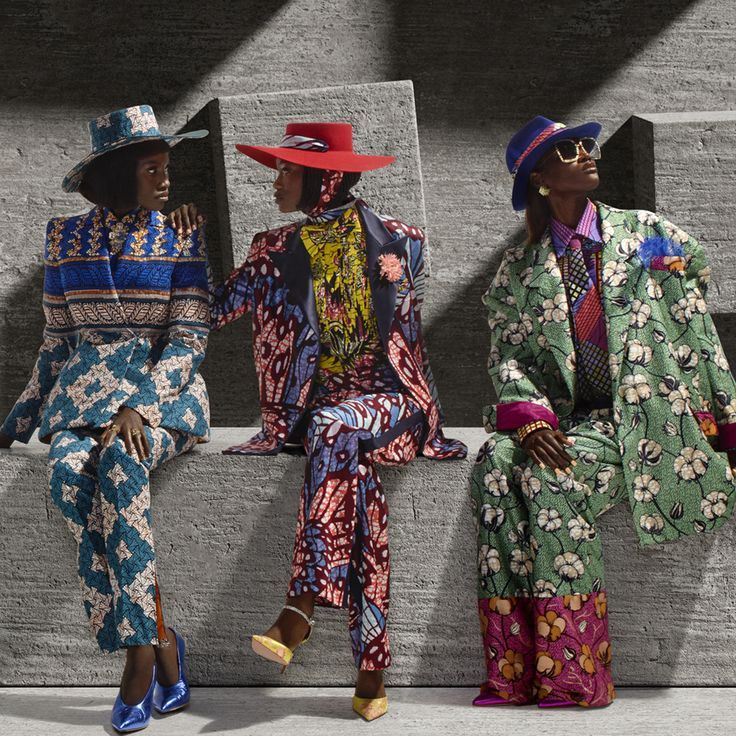
The conversation about cultural appropriation in fashion has produced more heat than clarity because it is frequently conducted at the level of individual intention rather than systemic consequence. The question of whether a specific non-African person wearing an African textile is appropriating or appreciating is less analytically useful than the question of what systemic conditions enable African aesthetics to enter global fashion and who benefits from those conditions.
A non-African person who genuinely admires Adire and wears it carefully, having purchased it directly from a Yoruba textile artist, is doing something qualitatively different from a European fashion house that incorporates Adire-inspired resist-dye techniques into a luxury collection priced at several thousand euros, with no attribution to the Yoruba tradition and no revenue flowing to Yoruba textile communities. The first is a transaction between individuals. The second is an extraction from a culture by an institution with far greater market power. Both are called cultural appropriation in contemporary fashion discourse, but they do not carry equivalent harm or equivalent benefit.
The framework that addresses this distinction most usefully is not the appropriation-versus-appreciation binary but the question of attribution, compensation, and power. As scholar Minh-Ha T. Pham’s research on fashion and intellectual property establishes, the fashion industry’s relationship to non-Western aesthetic traditions is fundamentally structured by an intellectual property framework that protects European design innovation while treating non-Western aesthetic traditions as common cultural heritage available for extraction without payment or credit. African textile traditions are simultaneously too specific to be universal, meaning they remain exotic when worn by their originators, and too general to be owned, meaning they cannot be protected when extracted by Western commercial interests. The paradox operates at the systemic level, not just at the social level.
THE OMIREN ARGUMENT
Wearing your culture does not make you exotic. Being perceived as exotic reveals who controls the definition of normal in the space you are standing in. The exotic designation is not a response to the dress. It is a response to the presence of a body in a space whose visual norms were set without that body in mind and whose discomfort with that presence is expressed as aesthetic fascination. The grey suit is not exotic because it has been institutionally normalised to invisibility through colonial dress codes that made European professional dress the condition of educational and economic participation across the colonised world. Kente, Ankara, and Adire are exotic in London and Paris boardrooms, not because of any quality they possess but because the institutions that occupy those boardrooms spent two centuries requiring African people to take them off. The exotic designation is the contemporary residue of that requirement, still operating in the vocabulary of fashion commentary, in school uniform policies, in workplace dress codes, and in the commercial structures of an industry that absorbs African aesthetics without compensating their originators.
The diaspora fashion paradox is not a fashion paradox. It is a power paradox, and its resolution does not lie in African diaspora communities adjusting their dress to reduce the friction of the exotic label. It lies in the recognition that the gaze producing the exotic designation has no legitimate authority to confer it, and that the institutions perpetuating it, from fashion houses that extract African aesthetics without attribution to schools that ban headwraps while celebrating multicultural dress days, have a reckoning outstanding that dress codes alone will not discharge. The African diaspora individual who wears their culture without explanation or apology is not resolving the paradox. They are refusing to participate in it, which is the only intellectually honest response available. The paradox belongs to the gaze. Not to the cloth.
Frequently Asked Questions
Why is African dress called exotic when worn by African people in Western spaces?
The exotic designation is a power label, not an aesthetic one. It is applied by a dominant gaze that has positioned European dress as the universal unmarked standard and everything else as deviation requiring comment. African dress in Western professional and social spaces is called exotic, not because of any quality it possesses but because it has not been normalised to invisibility the way European professional dress has been. That normalisation was produced by colonial dress codes that made European clothing the condition of educational and professional participation. The exotic label is the contemporary residue of those codes, still operating in the vocabulary of fashion commentary and institutional dress policy.
What is the difference between cultural appropriation and cultural appreciation in African fashion?
The appropriation-versus-appreciation distinction is less analytically useful than the question of who benefits from the transaction. A non-African person who purchases African textiles directly from African artisans and wears them with knowledge of their cultural context is in a fundamentally different position from a European luxury house that incorporates African aesthetic traditions into high-margin collections without attribution or compensation to the source communities. The first is an individual transaction. The second is a systemic extraction structured by an intellectual property framework that protects European design innovation while treating African aesthetic traditions as common heritage available for commercial use without payment or credit.
Why do fashion brands use African aesthetics but exclude African designers?
The pattern of adopting African aesthetics while excluding African designers from commercial participation reflects the same power structure that produces the designation of “exotic”. African aesthetic systems are positioned as source material, raw creative input that gains commercial value when processed through Western design and marketing infrastructure. African designers are positioned as culturally specific rather than universally relevant, which limits their perceived commercial viability for Western luxury audiences. The result is that African aesthetic influence on global fashion is extensive, and the African commercial share of that influence is minimal. Attribution and compensation are absent because the intellectual property framework governing global fashion was not designed to protect non-Western cultural production.
How do African diaspora communities respond to being labelled exotic for wearing their culture?
Responses vary across generations, communities, and national contexts. Among second-generation Africans in Britain and France who came of age in the 2010s, a documented shift toward wearing African dress without justification or explanation represents a practical refusal of the exotic designation rather than a direct challenge to it. This generation grew up with the global visibility of Afrobeats, African fashion weeks in Lagos and Accra, and British African designers building internationally recognised labels, all of which created a context in which African dress was legible on its own terms. The refusal to explain is not a political argument. It is a withdrawal from a negotiation that their generation was required to conduct.
Omiren Styles covers African fashion, identity, and culture from inside the continent and its diaspora. Read more at omirenstyles.com.