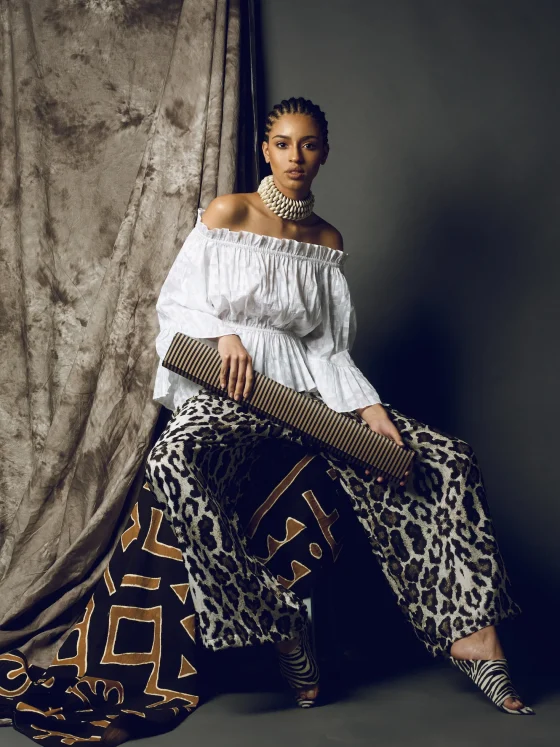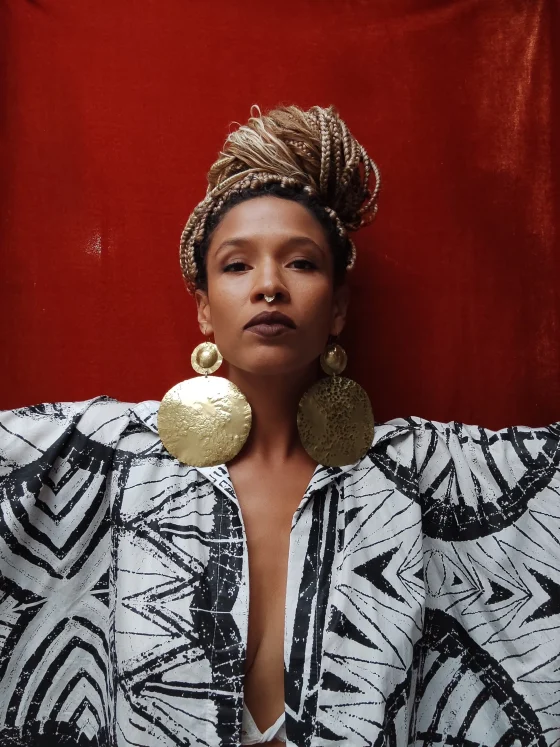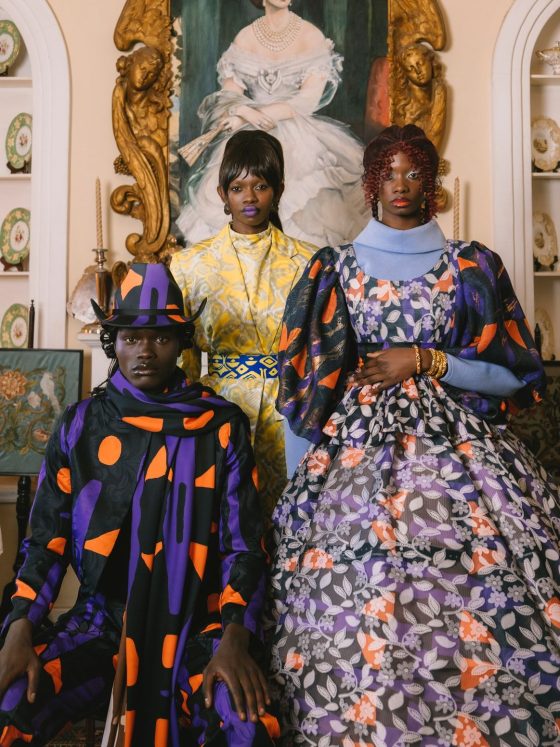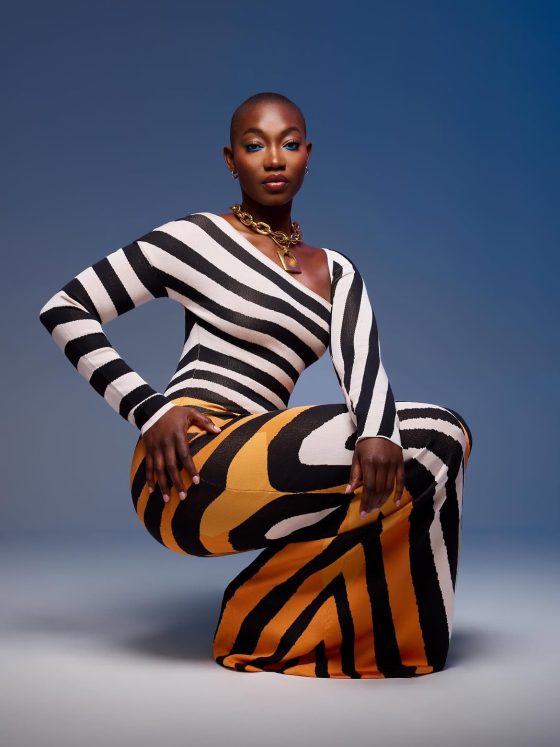
Many African diaspora fashion designers are questioning what inclusion in fashion really means. For some, invitations to runways, campaigns, and collaborations have come with the feeling of being present to satisfy a diversity quota rather than to exercise genuine creative influence. Tokenism in fashion is the superficial inclusion of underrepresented designers, models, or creatives to signal diversity without giving them meaningful influence, creative authority, or long-term opportunities. The designers profiled here have challenged that model from diaspora communities across the United States, the United Kingdom, France, and Italy.
Kerby Jean-Raymond walked out of a BoF gala. Stella Jean went on a hunger strike. Aurora James launched a pledge that redirected $14 billion. Grace Wales Bonner protected her creative authorship. These are not personal decisions. They are a structural argument.
Kerby Jean-Raymond: When Walking Out Is a Statement
Kerby Jean-Raymond, the Haitian-American founder of Pyer Moss, built one of the most culturally significant menswear labels of the past decade through collections that blended social commentary with exceptional tailoring. In September 2019, he withdrew from the Business of Fashion’s BoF 500 gala in Paris after revealing that a promised magazine cover had been quietly revoked. He criticised the event’s use of a Black gospel choir as entertainment for a largely white audience. He was direct about what he had witnessed: ‘We are always up for sale. Was the intent all along to milk people like me for insight into our community, repackage it and resell it back to larger corporations with no intent of making real change?’ He also named the mechanism of public performance: ‘They make us speak all together in the commonality of our blackness and force us to disagree on stages in public.’ His most quoted line on the night captures the structural argument: ‘Homage without empathy and representation is appropriation.’
Homage without empathy and representation is appropriation.
Stella Jean: The Hunger Strike That Named the System
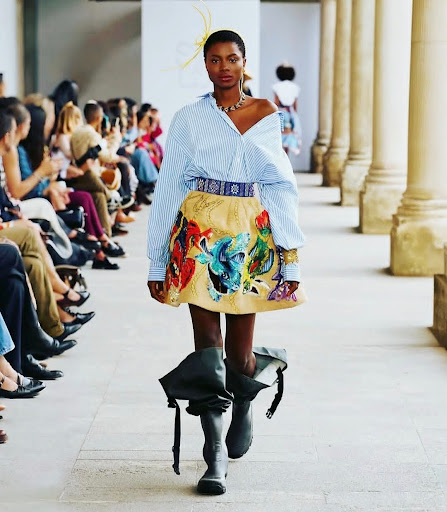
Stella Jean, the Italian-Haitian designer whose namesake label brings Haitian and African heritage into conversation with Italian craftsmanship, did not quietly withdraw from Milan Fashion Week in February 2023. She began a hunger strike. After the Camera Nazionale della Moda Italiana reduced financial support for the We Are Made in Italy (WAMI) collective of minority designers, Jean refused to allow minority designers to be used as a shield for diversity. At the same time, they were denied sustained institutional support. At the press conference announcing her withdrawal, she named what had happened with precision: ‘The chamber told us, ‘We didn’t know there were Italian designers who weren’t white.” We brought them to the runway. They supported us for two years. Then we were abandoned.’ She was equally direct about what structural commitment would require: ‘I cannot be the first and only Black business owner in the Camera della Moda.’ She had also stated the specific mechanism of failure earlier: ‘They used WAMI as a free pass of safe conduct for diversity.’
Walé Oyéjidé: Casting as Argument
Walé Oyéjidé, the Nigerian-American founder of the luxury menswear label Ikité Jones, has used fashion to challenge how underrepresented communities are seen rather than simply appearing within systems that see them narrowly. At Florence’s Pitti Uomo, he cast asylum seekers as models, presenting them with elegance, confidence, and dignity instead of relying on stories of trauma or pity. His approach shows that meaningful representation is not simply about who appears in a campaign but who controls the story being told. The people most affected by the narrative fashion tell about migration and identity were placed at the centre of a luxury fashion presentation, dressed not as symbols of crisis but as the subjects of their own aesthetic argument.
Aurora James: Pledging 15% of the Shelf

Aurora James, the Jamaican-Canadian founder of Brother Vellies, launched the 15% Pledge on May 29, 2020, following global protests over racial injustice. Rather than accepting statements of solidarity from retailers, she challenged major companies to dedicate 15% of their shelf space to Black-owned businesses. Her Instagram post named the logic directly: ‘So many of your businesses are built on Black spending power. So many of your stores are set up in Black communities. So many of your sponsored posts are seen on Black feeds. This is the least you can do for us. We represent 15% of the population, and we need to represent 15% of your shelf space.’ Twenty-nine companies signed within months. The initiative redirected an estimated $14 billion toward Black-owned businesses. James shifted the conversation from symbolic inclusion to measurable accountability. Instead of asking brands to feature more Black creatives in campaigns, she demanded structural changes that created long-term business opportunities.
Grace Wales Bonner: Protecting the Creative Authority
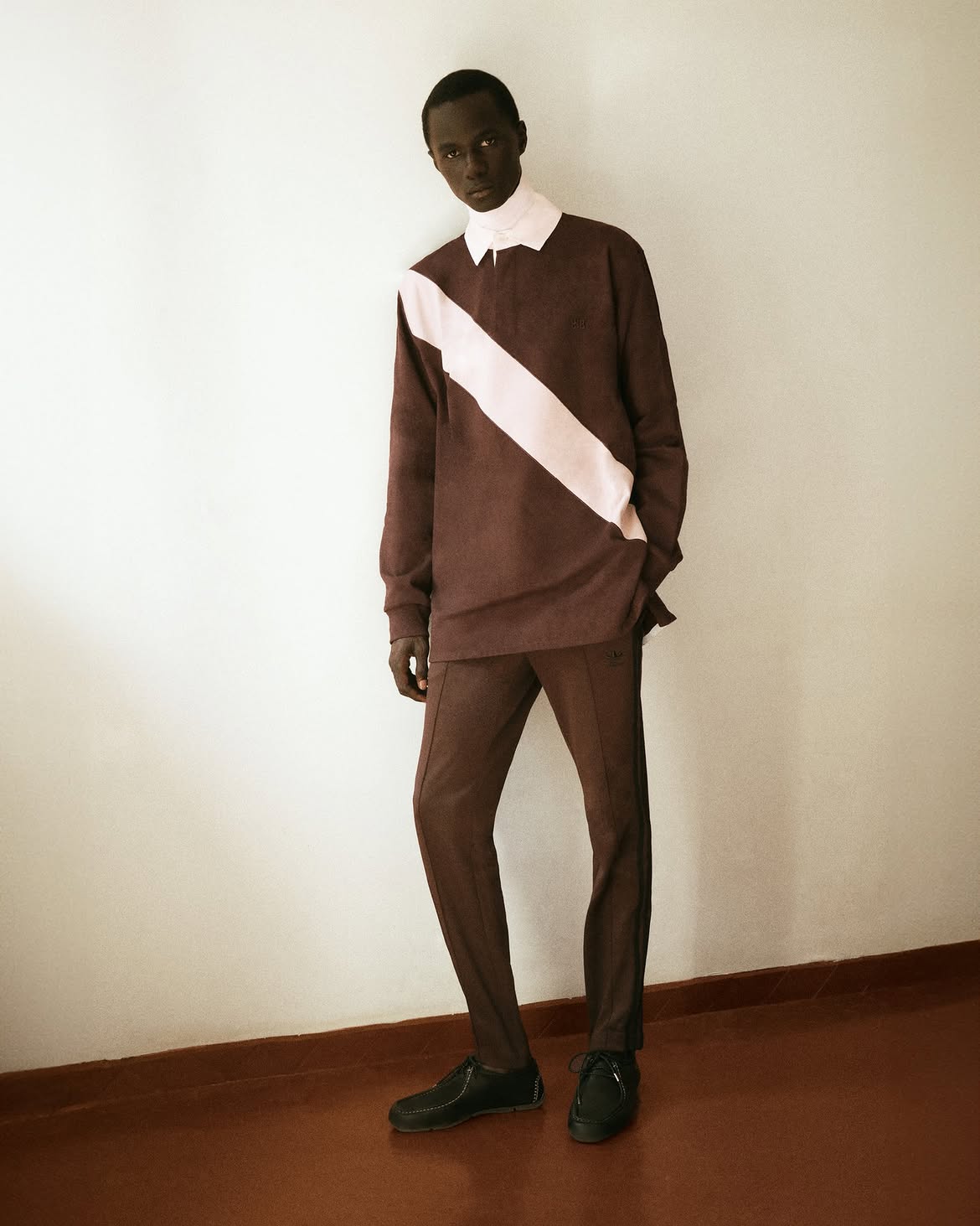
Grace Wales Bonner, the British-Jamaican and Barbadian designer whose internationally acclaimed label explores Black identity, history, and cultural exchange through meticulous research and refined tailoring, has approached tokenism from the authorship side. Her work draws on literature, music, and African diasporic histories, blending European fashion traditions with cultural references that extend beyond surface aesthetics. Rather than allowing commercial partnerships to overshadow her perspective, she has continued to centre the themes and cultural references that define her independent label. Her career demonstrates that meaningful representation can also mean preserving creative authorship, ensuring collaborations amplify a designer’s vision instead of reducing it to a symbol of diversity.
ALSO READ
- The Cost of Making Fashion in an African City Is a Political Number, Not Just an Economic One
- African Fashion Weeks Were Never Trying to Beat Paris. They Were Solving a Different Problem.
- The Diaspora Fashion Paradox: Who Gets to Wear What, and Who Gets to Decide
Why Setting Boundaries Against Tokenism Matters
When African diaspora fashion designers reject tokenism, they are not rejecting collaboration or global visibility. They are questioning the conditions under which that visibility is offered. Tokenism often treats representation as the end goal. A designer is invited to a campaign, a runway, or a collaboration because their presence signals diversity, while decisions about creative direction, investment, and long-term opportunities remain unchanged. The result is inclusion that is visible but not influential.
The designers profiled here have challenged that model in different ways. Some have withdrawn from institutions they believed were practising performative inclusion. Others have demanded structural commitments, protected their creative authorship, or reshaped the stories fashion tells about Black and African communities. Their decisions also reflect a broader shift across the industry. A BFC/McKinsey report on diversity in fashion confirmed that representation is increasingly being measured not by who appears in a campaign, but by who owns brands, controls creative decisions, receives investment, and benefits from lasting partnerships. The same structural critique that Jean-Raymond, Jean, Oyéjidé, James, and Wales Bonner have raised in Western fashion capitals runs parallel to the argument Adebayo Oke-Lawal and other African city designers have made about fashion infrastructure: that visibility extended without structural investment is not support. It is optics.
Why Refusal Is a Design Statement
Fashion often treats visibility as proof of progress, but visibility alone does not change how power is distributed. It can expand who is seen without changing who decides what is seen or how it is interpreted.
Across these cases, African diaspora fashion designers reject tokenism in ways that expose this gap. The issue is not access to platforms, but the terms of participation. When creative authority and decision-making remain one-sided, inclusion functions as optics rather than equity. Fashion collaborations are therefore decisive. They either redistribute authorship or reinforce existing hierarchies. The difference determines whether representation has structural weight or remains symbolic.
Representation in fashion only becomes meaningful when it shifts control, not just visibility.
ALSO READ
- Who Gets to Speak for African Fashion? The Diaspora Is Asking the Question Out Loud
- How African Identity Is Styled Differently Across Continents
FAQs
What is tokenism in fashion, and how does it affect diaspora designers?
Tokenism in fashion is the superficial inclusion of underrepresented designers, models, or creatives to signal diversity without giving them meaningful influence, creative authority, or long-term opportunities. For African diaspora designers, it typically appears as one-off collaborations, campaign features, or event invitations that provide visibility without shifting creative control or investment. Kerby Jean-Raymond named the mechanism directly after the 2019 BoF 500 gala: ‘We are always up for sale. Was the intent all along to milk people like me for insight into our community, repackage it and resell it back to larger corporations with no intent of making real change?’ Tokenism costs designers credibility within their own communities when they are seen to validate institutions that exploit rather than invest in them.
What did Kerby Jean-Raymond do at the BoF 500 gala in 2019?
On September 30, 2019, Kerby Jean-Raymond, founder of Pyer Moss, withdrew from the Business of Fashion’s BoF 500 gala in Paris after revealing that a promised magazine cover had been quietly revoked. He also criticised the event’s use of a Black gospel choir as entertainment for a largely white audience. He published a public statement arguing that ‘homage without empathy and representation is appropriation.’ He also named how Black designers were instrumentalised for institutional optics: ‘They make us speak all together in the commonality of our blackness and force us to disagree on stages in public.’ His withdrawal drew significant international attention to the gap between fashion’s diversity celebrations and its treatment of the people being celebrated.
Why did Stella Jean go on a hunger strike during Milan Fashion Week 2023?
On February 8, 2023, Stella Jean, the Italian-Haitian designer, withdrew from Milan Fashion Week and began a hunger strike after the Camera Nazionale della Moda Italiana reduced financial support for the We Are Made in Italy (WAMI) collective of minority designers. Jean argued that the institutional body had used minority designers as a diversity shield without committing to sustained investment. Her press conference statement named the failure precisely: ‘The chamber told us, “We didn’t know there were Italian designers who weren’t white.” We brought them to the runway. They supported us for two years. Then we were abandoned.’ She also stated: ‘I cannot be the first and only Black business owner in the Camera della Moda.’ Her protest drew international attention to structural barriers facing minority creatives in European fashion.
What is the 15% Pledge, and why did Aurora James launch it?
The 15% Pledge is an initiative launched by Aurora James, Jamaican-Canadian founder of Brother Vellies, on May 29, 2020, following global protests over racial injustice. James challenged major retailers to dedicate 15% of their shelf space to Black-owned businesses, noting that Black consumers represent 15% of the US population and that many retailers’ businesses are built on Black spending power and sit in Black communities. Twenty-nine companies signed within months. The initiative redirected an estimated $14 billion toward Black-owned businesses. James shifted the conversation from symbolic inclusion to measurable accountability: rather than asking brands to feature more Black creatives in campaigns, she demanded structural changes that created long-term business opportunities.
What is the difference between representation and creative authority in fashion?
Representation means being present: in a campaign, on a runway, at an event. Creative authority means controlling what is made, how it is framed, and who benefits from its circulation. Tokenism provides the first without the second. The designers profiled here have consistently argued that visibility without authority is not progress. Grace Wales Bonner has protected her creative authorship by ensuring collaborations amplify her vision rather than reduce it to a diversity symbol. Aurora James demanded structural shelf space rather than campaign appearances. Walé Oyéjidé ensured that asylum seekers controlled their own presentation at Pitti Uomo rather than having their stories told for them. The difference, as Kerby Jean-Raymond put it, is between institutions that make genuine change and those that repackage Black insight for corporate resale.