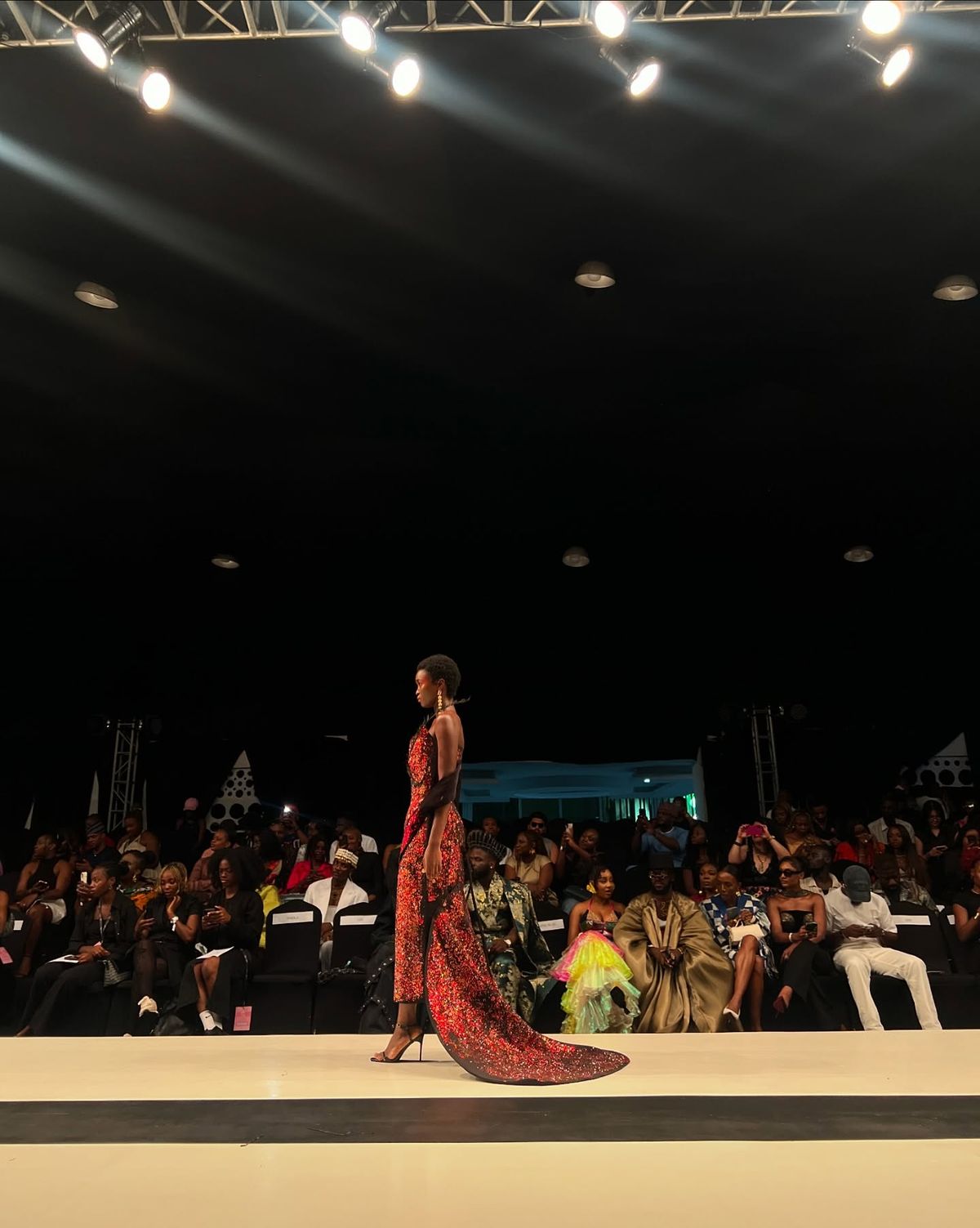
On 20 December 2025, Ghana’s Minister for Tourism, Culture and Creative Arts, Abla Dzifa Gomashie, announced that the country’s fashion industry had contributed US$2.42 billion to the national economy that year, representing 3% of GDP and supporting over 125,000 workers. As the Ministry confirmed, “fashion is no longer a fringe activity but a serious economic sector.” For Ghanaians abroad, that figure changed the meaning of Accra Fashion Week. If fashion is now a documented economic sector, then fashion week is no longer a spectacle. It is a progress report.
The diaspora watches Accra Fashion Week closely because the event reveals more than style. It reveals infrastructure, ambition, and institutional seriousness. They are not just asking who walked, who showed, or who posted the strongest images. They are asking whether the event reflects a functioning fashion culture with staying power. In that sense, fashion week becomes a referendum on what Accra has become as a creative city.
Ghana’s fashion industry hit US$2.42bn in 2025. So why does the diaspora still read Accra Fashion Week like a verdict on whether it’s real?
The Diaspora Is Measuring the City
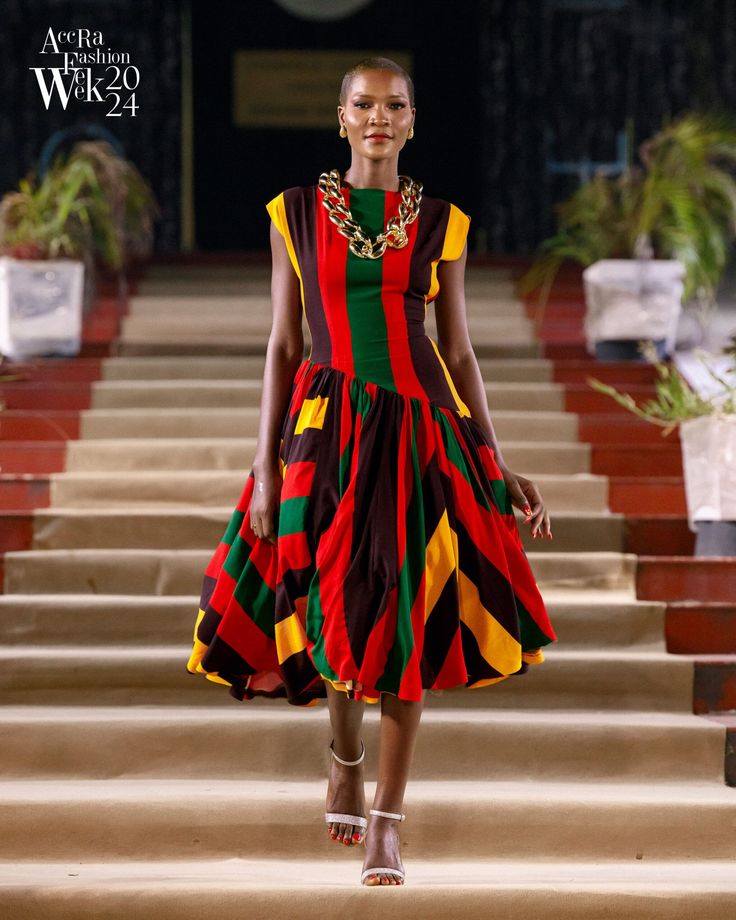
When Ghanaians abroad look at fashion week in Accra, they are not only looking for entertainment or nostalgia. They are measuring the city’s creative maturity. Academic research has confirmed Accra’s unique position in this regard. The 2013 SSRN paper “All Runways Lead to Accra: The Importance of Ghana’s Capital as a Fashion City” documents how Accra has functioned as a crossroads for fashion and dress exchange between Ghanaians and the global fashion community for decades. That crossroads function is what gives the diaspora’s attention its particular quality. They are not outsiders evaluating a foreign city. They are part of the network.
Accra Fashion Week has positioned itself as Ghana’s premier fashion event and as a platform with continental ambition. The 2025 edition ran from 16 to 21 December at the Trust Sports Emporium, in a six-day format incorporating StreetStyleFest, FashionGHANA Honours and Industry Awards, pop-up markets, and international press. Designers from Ghana, Nigeria, Senegal, South Africa, Kenya, and Côte d’Ivoire participated. The platform also appeared at the 2024 BRICS Fashion Summit in Moscow, signalling an ambition that extends well beyond Accra’s domestic calendar.
Those details matter because diaspora audiences can tell the difference between a polished event and an actual industry platform. When Ghanaians abroad comment on runway quality, styling, production value, audience composition, or the strength of the overall brand ecosystem, they are performing a kind of civic evaluation. Their reactions often reveal whether Accra feels strategically serious or merely performative.
Fashion Week Exposes Infrastructure
Fashion week is never just a show. It exposes the state of the supporting system. If the styling is strong but the production feels thin, if the audience is excited but the business side is weak, if the media presence is loud but the retail pathways are unclear, the event reveals those gaps immediately. That is why Accra Fashion Week functions as a referendum. It puts the city’s creative economy in a bright light. Minister Gomashie’s December 2025 announcement made the light even brighter. With the government now describing Ghana’s fashion market revenue as projected to exceed US$843 million by end of 2025, Accra Fashion Week is operating within an expectation of seriousness it could not previously claim.
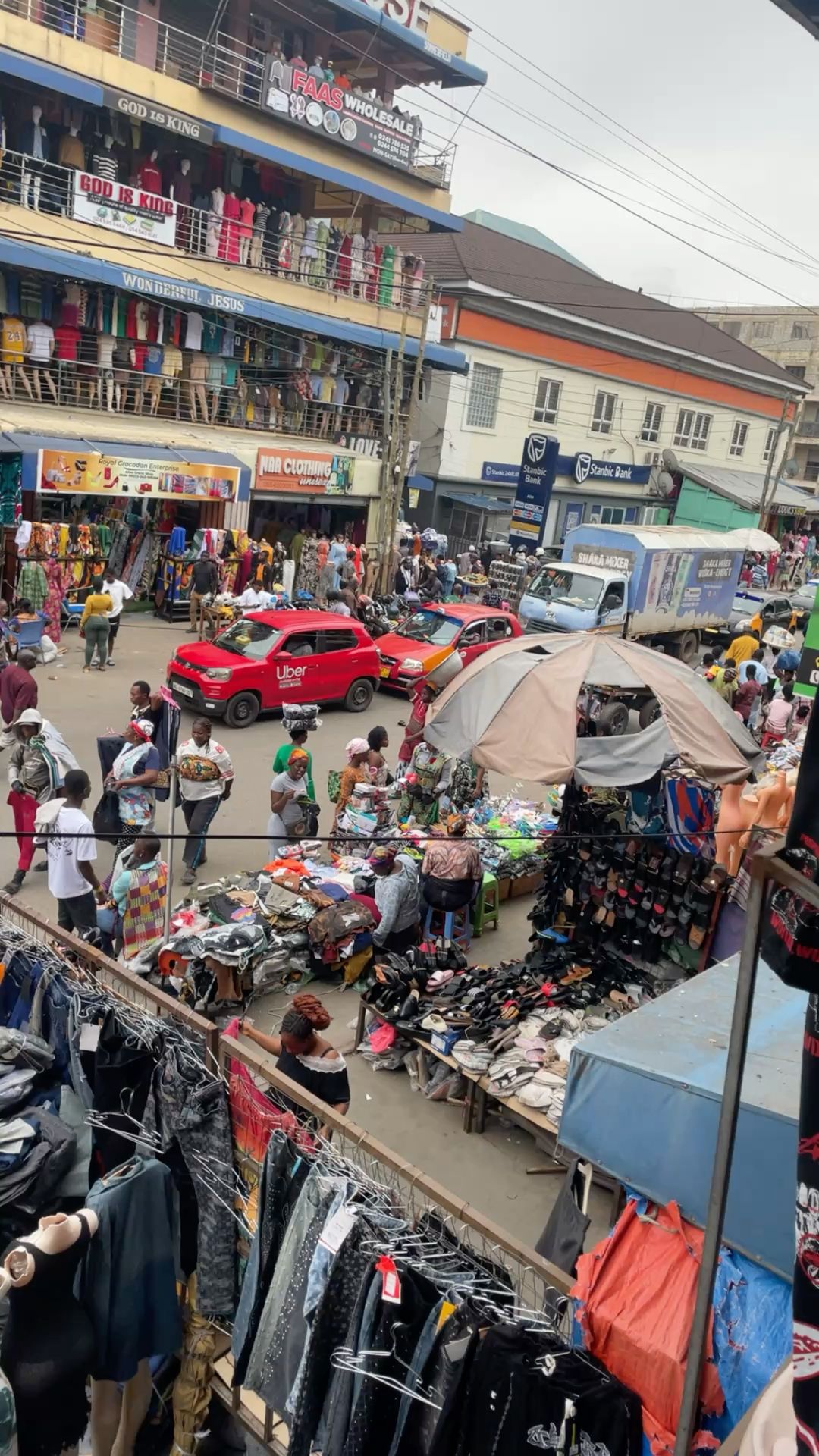
The diaspora tends to respond to that seriousness by asking the harder questions. Are the designers being supported after the show? Is there a market structure? Are there enough buyers? Are the media narratives matching the actual scale of the industry? These are not side questions. They are the core of the referendum. And the infrastructure data introduces a specific tension the article must name: while fashion consumption in Ghana has grown, production tells a different story. Research published in Springer (2025) documents that Ghana’s textile industry output declined from 130 million yards in 1977 to just 15 million yards in 2017. The referendum the diaspora is conducting is not only about whether fashion week looks good. It is about whether the consumption growth is matched by growth in local production, and whether Accra Fashion Week is helping build the supply side as much as the demand side.
The Verdict Is Economic
For Ghanaians abroad, the true value of fashion week at home is not whether it produces compelling images. It is whether it proves that Accra is building a durable fashion economy. That includes designers who can scale production capacity, retail opportunities, institutional support, and enough local confidence to sustain the market between events.
This is why the diaspora reads the event like a verdict. A strong season suggests that Accra is becoming a more capable fashion city. A weak one suggests that the city still depends too much on external validation and imported structure. The meaning of the show is therefore economic rather than aesthetic. As Omiren Styles has documented in its analysis of Accra’s fashion economy, fashion week is part of a broader debate about whether Accra is becoming the kind of city its designers need. The diaspora critic’s eye response is not pessimism. It is investment-grade attention. They are asking whether Accra has become a city where fashion can live as an industry, not just as an image.
The Omiren Argument
For Ghanaians abroad, fashion week at home is not a show. It is a referendum on whether Accra is building a creative economy serious enough to sustain fashion as an industry. Accra Fashion Week now features runway programming over six days, retail moments, networking, and international participation by designers from West and Southern Africa — making it a useful barometer of the city’s fashion infrastructure. The common assumption is that fashion week is mainly spectacle. Diaspora Ghanaians read it as evidence of economic structure, institutional commitment, and cultural seriousness. The academic record confirms this frame. As “All Runways Lead to Accra” (SSRN, 2013) documents, Accra has long served as a crossroads for fashion exchange between local and global, and the diaspora has always been part of that exchange network.
Ghana’s own Minister for Tourism, Culture and Creative Arts declared in December 2025 that fashion had contributed US$2.42 billion to the national economy that year, representing 3% of GDP. If the government has made that claim, the diaspora is now entitled to ask whether Accra Fashion Week proves it — and whether the growth in fashion consumption is matched by the revival of textile production that collapsed from 130 million yards to 15 million yards between 1977 and 2017. That is the structural question the event must answer. That is the referendum.
The diaspora critic’s eye response is not pessimism. It is investment-grade attention. They are asking whether Accra has become a city where fashion can live as an industry, not just as an image.
ALSO READ
- London to Lagos to Accra: The Circular Fashion Economy the Industry Isn’t Talking About
- The Language of Adinkra: When Cloth Becomes Scripture
- Ghanaian Funeral Fashion: The Most Serious Fashion Event in West Africa
- How African Identity Is Styled Differently Across Continents
Frequently Asked Questions
Why do Ghanaians abroad pay so much attention to fashion week in Accra?
Because the event shows how seriously the city takes its creative economy. Ghana’s Minister for Tourism, Culture and Creative Arts announced in December 2025 that the fashion industry had contributed US$2.42 billion to the national economy, representing 3% of GDP. When the government makes that claim, the diaspora is entitled to ask whether fashion week reflects it. The runway is part of the evidence. So is the production capacity, the retail infrastructure, and the media seriousness surrounding the event.
What makes Accra Fashion Week different from just another show?
The 2025 edition ran from 16 to 21 December at the Trust Sports Emporium over six days, incorporating StreetStyleFest, FashionGHANA Honours and Industry Awards, pop-up markets, and international press. Designers from Ghana, Nigeria, Senegal, South Africa, Kenya, and Côte d’Ivoire participated. The platform also appeared at the 2024 BRICS Fashion Summit in Moscow. That international reach, combined with multi-day programming across retail, networking, and runway, makes it a useful measure of fashion infrastructure rather than only glamour.
Why call it a referendum?
Because it functions like a public judgement on the city’s direction, the diaspora uses it to evaluate whether Accra is becoming a strong fashion capital or remaining largely symbolic. Academic research has confirmed that Accra functions as a crossroads for fashion exchange between local and global communities. That crossroads function is what gives the diaspora’s attention its particular weight. They are not outsiders. They are part of the network, and they read the event accordingly.
How does Ghana’s creative economy affect the meaning of the event?
If fashion is being framed as a contributor to GDP, jobs, and cultural diplomacy, then fashion week has to reflect that seriousness. The event becomes part of a broader economic narrative that the diaspora is entitled to test. The harder question is whether growth in fashion consumption is matched by growth in local textile production, which research shows declined sharply over recent decades. The referendum is about whether the supply side is being rebuilt, not just whether the demand side looks impressive.
What are Ghanaians abroad looking for when they watch?
They look for strong design, good production values, serious media coverage, commercial confidence, and signs that the city is building lasting industry. They want evidence that the creative economy is real, not just aspirational. Specifically, are designers being supported after the show? Is there a functioning market structure? Are there buyers? Is the media narrative matching the actual scale of the sector? These are not side questions. They are the core of the referendum.
What is the main takeaway?
Fashion week at home matters to the diaspora because it reveals what Accra is becoming. With Ghana’s government now citing fashion as a major economic sector contributing 3% of GDP, the event carries an expectation of seriousness that goes beyond style. The diaspora reads it as evidence of whether the city is converting cultural pride into durable industry. That makes the event a measure of progress, not just a celebration.