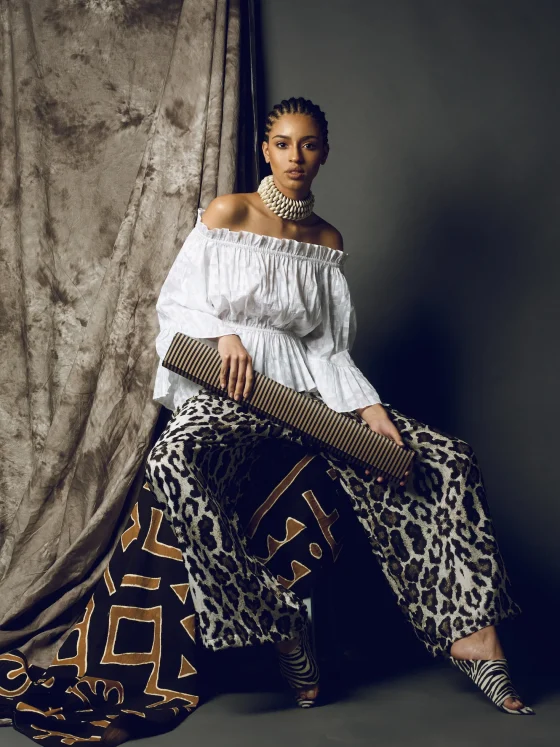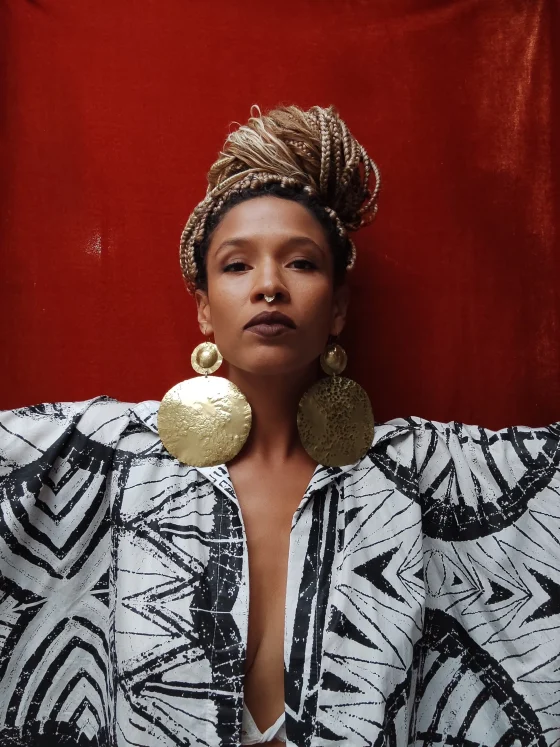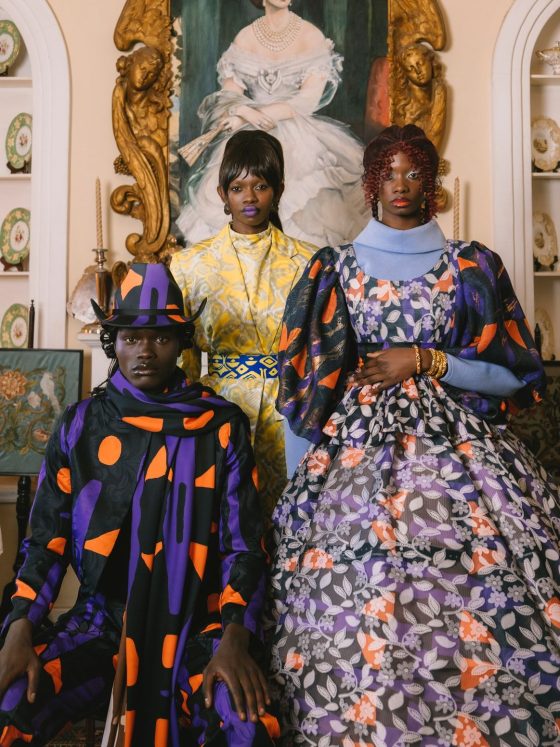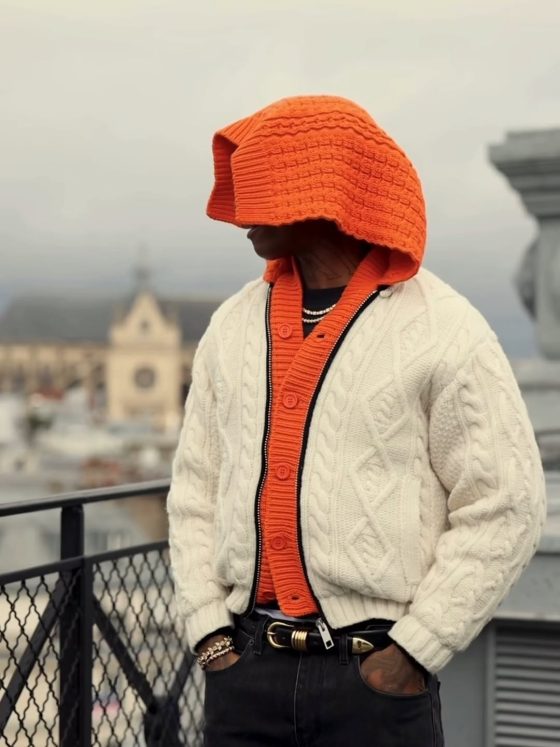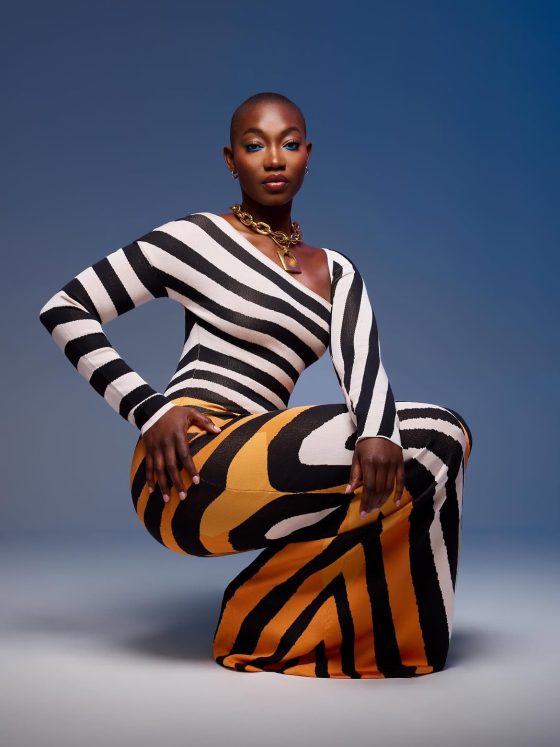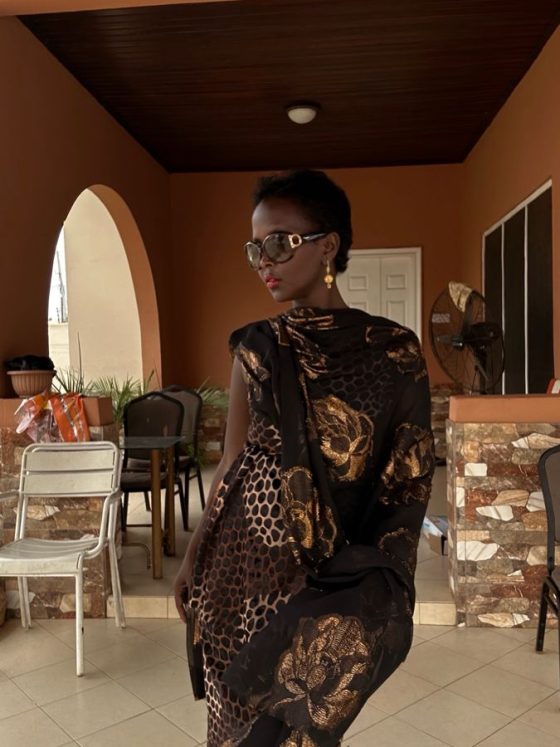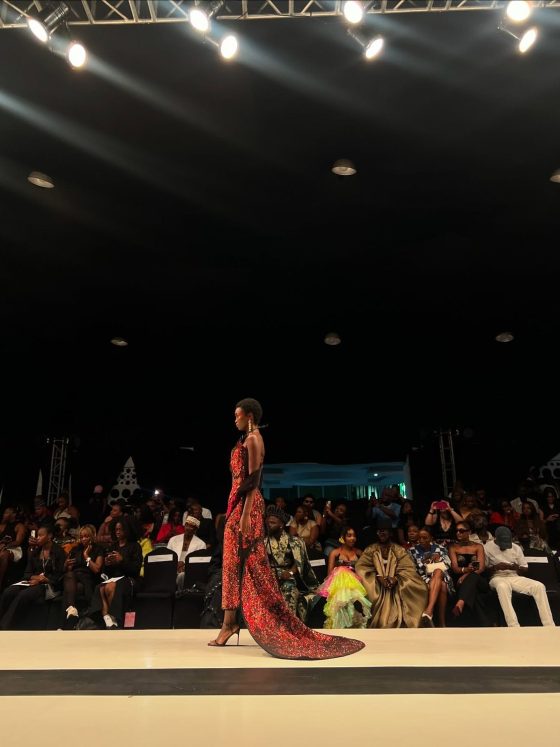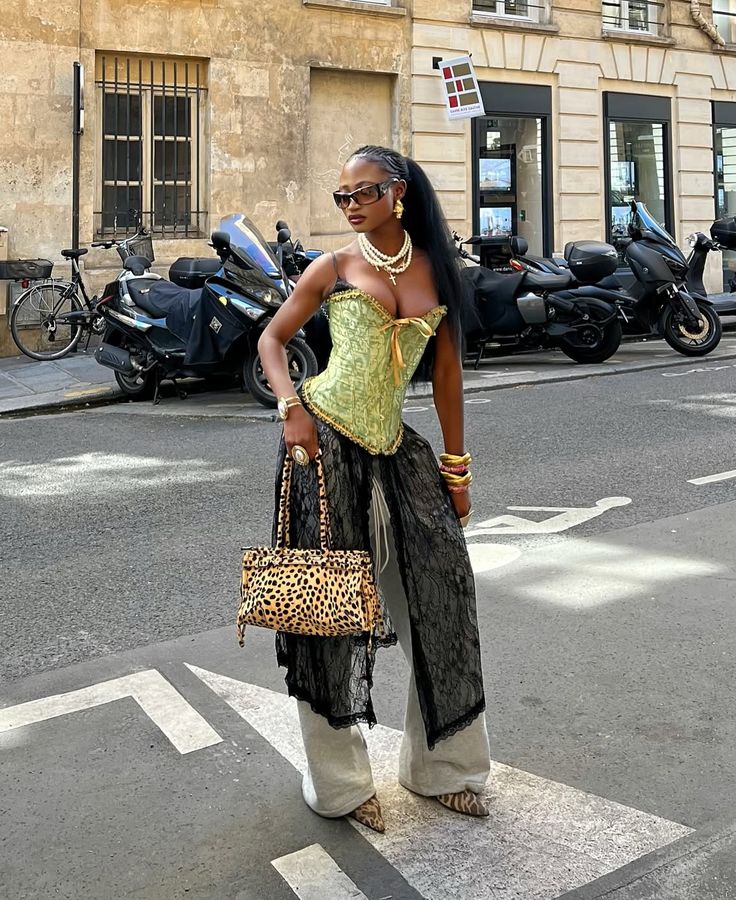
Owambe style has escaped the event calendar and become part of everyday Nigerian-British dress. What began as occasion wear now functions as a permanent design sensibility, shaping how second-generation Nigerians in the UK think about polish, colour, volume, ornament, and presence. This is not just about dressing up more often. It is about a visual logic migrating from celebration into daily life. Nigerian-British fashion now carries the owambe instinct into workwear, streetwear, dinner dressing, and quiet outfits where the impulse to look intentional remains intact. According to an analysis of UK government visa data published by The Telegraph in July 2025, Nigerians have applied for and been granted more global talent visas for fashion designers than any other nationality. That is not a cultural observation. It is documented infrastructure. The owambe aesthetic is not a diaspora feeling. It is a functioning creative economy.
Owambe has always been more than a party. It is a system of display, social intelligence, and visual confidence. In the UK, second-generation Nigerians have taken that system and made it part of everyday dressing, where the same principles of richness, coordination, and intentionality now appear outside weddings and celebrations. That shift matters because it shows how diaspora style evolves. Nigerian-British people are not simply repeating events in smaller forms. They are absorbing owambe aesthetics into a broader wardrobe logic, where even ordinary outfits carry the energy of occasion wear. The result is a style culture that is more permanent than the party itself.
Owambe style escaped the party and became a permanent part of how Nigerian-British people dress. This is how that happened.
Owambe Taught the Eye How to Read
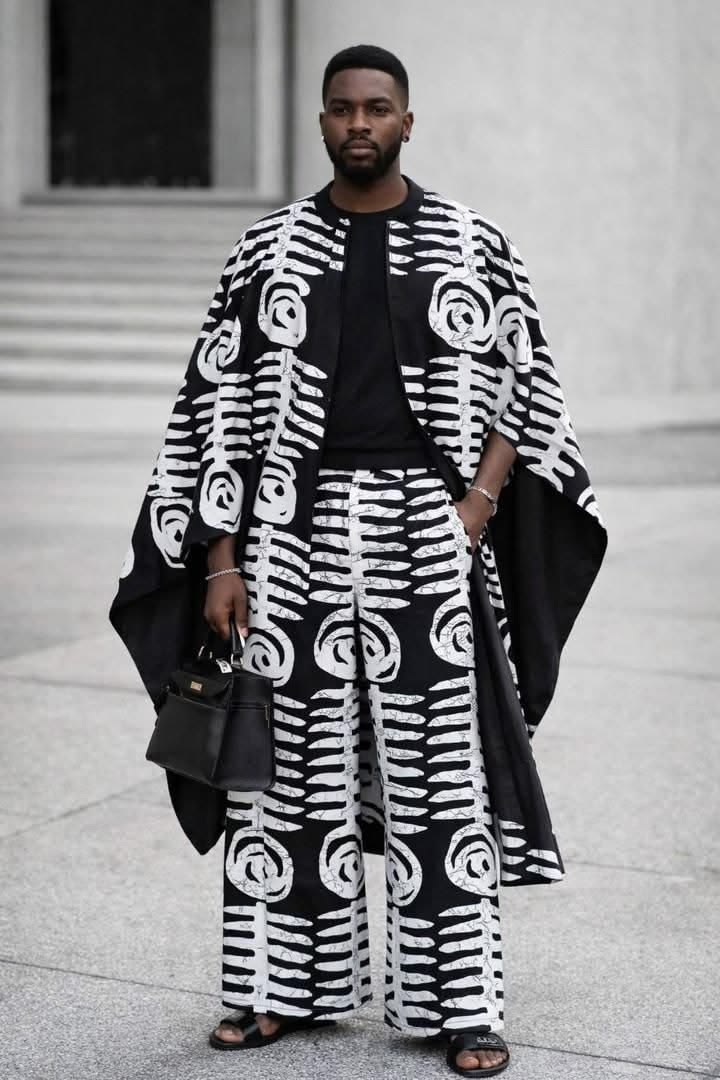
Owambe culture trains the eye. It teaches people to notice coordination, colour harmony, fabric quality, volume, finish, and the social meaning of appearance. That training does not disappear when the party ends. It stays in the body and becomes a daily way of dressing. As a 2024 doctoral thesis from the University of Sussex documents, Nigerian fashion constitutes a postcolonial identity across Lagos and London as a networked system, rather than as two separate practices. The London half of that network is shaped by owambe logic: a shared understanding that dress is a social argument, not just a personal choice.
For many Nigerian-British people, especially second-generation adults, everyday clothes are rarely treated as purely functional. A casual look still has to feel composed. A simple outfit still needs a point of view. The result is not necessarily more extravagance, but more intentionality. Even when the clothing is minimal, the styling carries the memory of celebration.
This is exactly what Tolu Coker’s work documents from inside the designer’s practice. Her AW26 collection, Survivor’s Remorse, which opened London Fashion Week in February 2026, drew on Yoruba cultural memory and the everyday social codes of the British-Nigerian community she grew up in. Her SS24 collection paid homage to West African street hawkers, including, as the BBC reported, her own mother: “My mother used to hawk when she was younger… that’s a really big part of her story.” That kind of everyday Nigerian experience — not the party, but the street, the market, the family memory — is what owambe absorbs and what Coker’s tailoring translates into contemporary form. The party taught the code, and everyday life kept it.
“There are so many different communities I want to spotlight with my work, and I think it isn’t really held in spaces with maximum visibility. Having a platform as big as this is really powerful.” — Tolu Coker, Vogue Business, 2023
The Party Became a Design Language
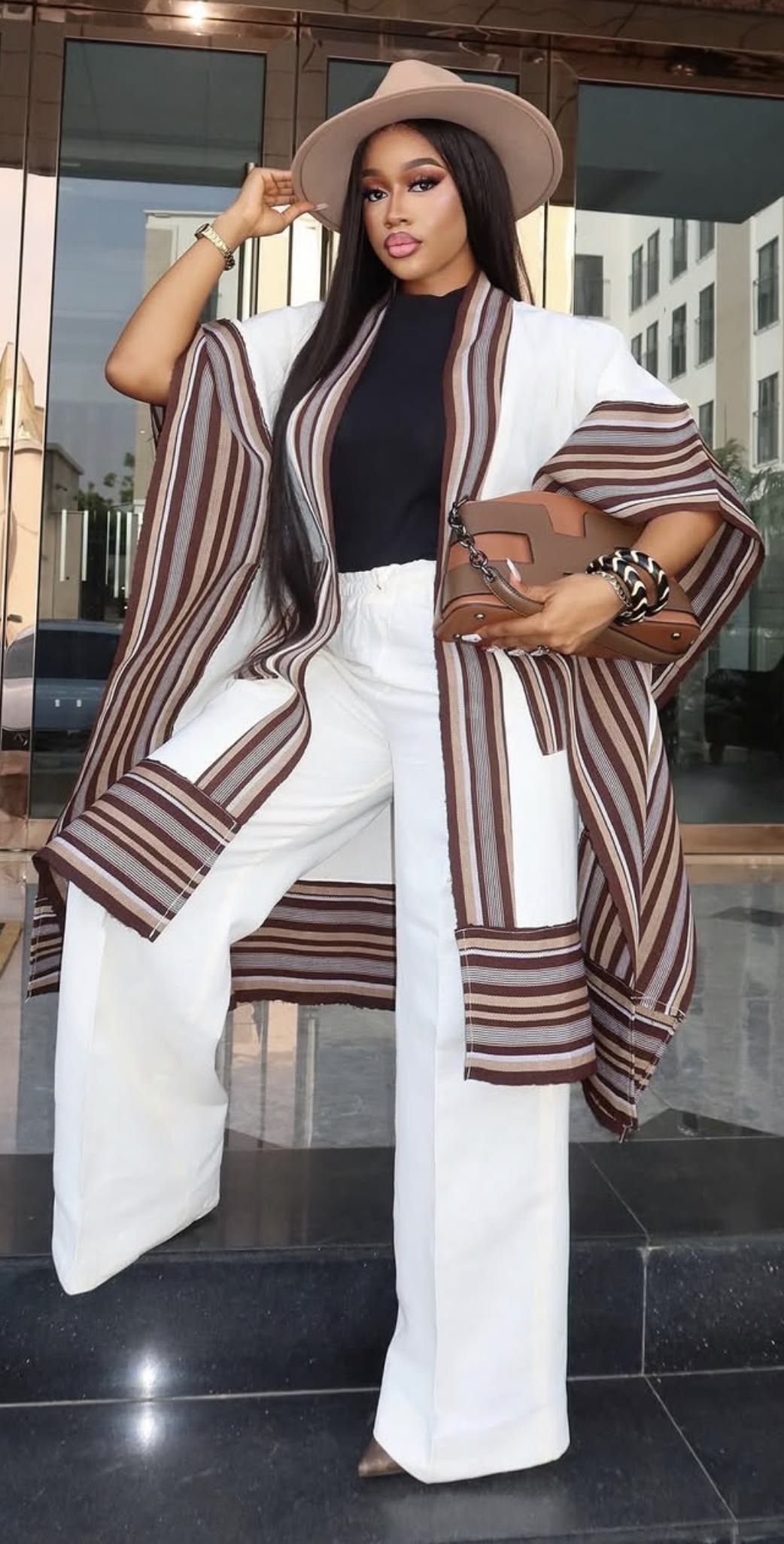
What makes owambe so powerful is that it is not just about individual garments. It is a design language built around social visibility. That language includes matching groups, bold textiles, statement headwear, fine tailoring, and the understanding that dress is part of the event itself. When that language moves into daily life, it changes what ordinary dressing can look like.
A Nigerian-British wardrobe borrows the confidence of occasion wear without copying the full ceremonial form. Instead, it adapts the energy: a more deliberate silhouette, a richer texture, a brighter colour choice, a stronger accessory, a better finish. That adaptation is visible in UK-based Nigerian fashion communities, homecoming-style content, and the ongoing exchange between Nigeria and the diaspora. Social-media-style accounts and diaspora fashion commentary make this pattern easy to see. The same visual vocabulary that appears in party content — polished finishes, bold accessories, matching sets, rich textures — also appears in street style and casual dressing. The difference is only context, not logic.
This is also where the phrase African occasion wear becomes too narrow. In the diaspora, occasion wear is no longer separate from regular fashion culture. It has become the source code for everyday style expressions. People are not dressing like they are at a wedding every day. They are dressing with the confidence, polish, and visual logic that owambe taught them. As Omiren Styles has traced in its analysis of fashion and ritual in African style practice, even the most apparently casual Nigerian-British style choices carry the weight of a collective visual education. In South London, second-generation Nigerians and Ghanaians have translated aso-ebi formality into everyday streetwear, the gele headwrap into Saturday brunch dressing, while maintaining the ancestral visual argument in print and silhouette.
Diaspora Style Makes It Permanent
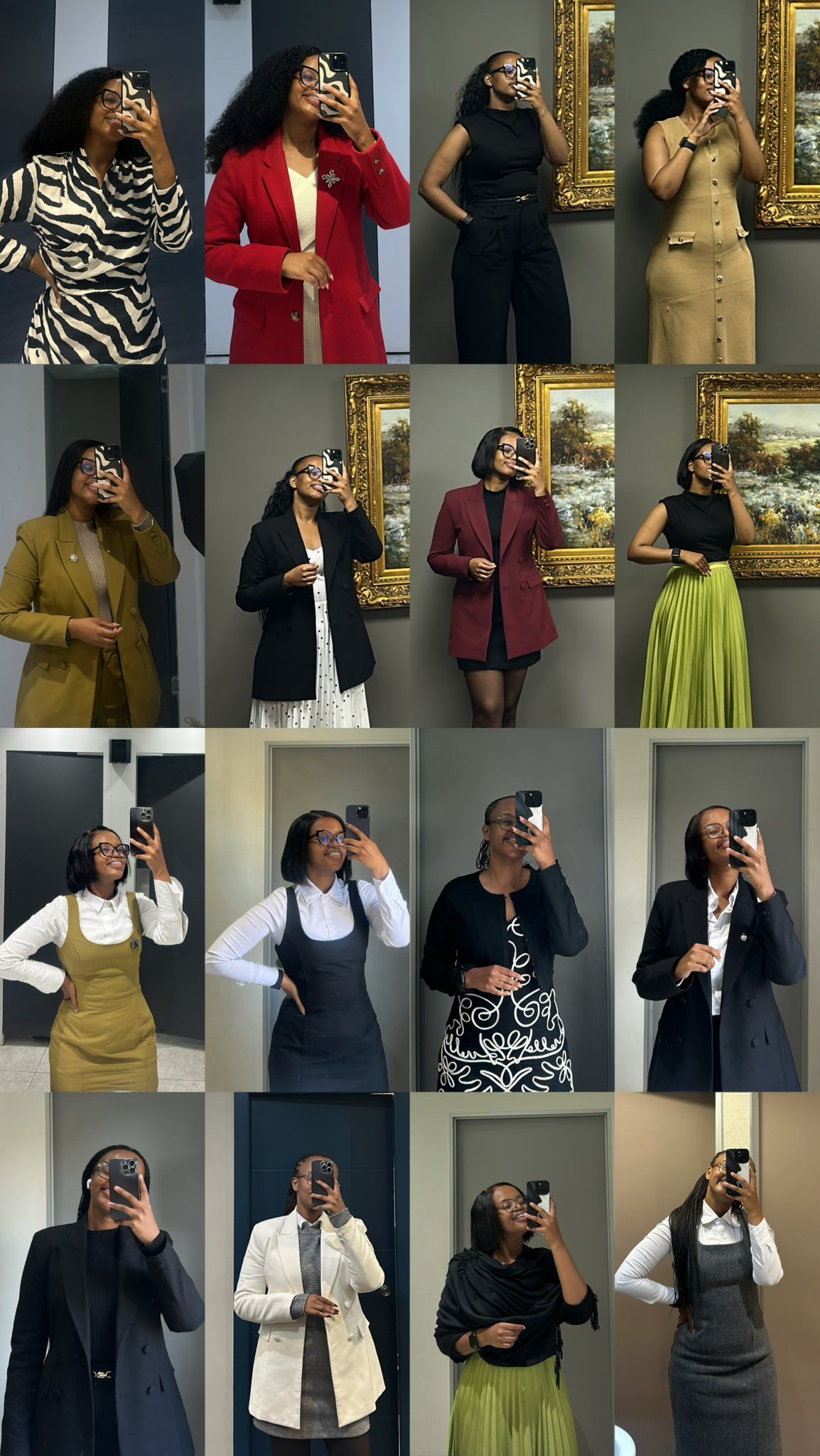
The reason this shift feels permanent is that second-generation Nigerians are not using owambe as a source of nostalgia. They are using it as a design resource. The style is not preserved in amber. It is being reworked into a living wardrobe culture that survives outside the original social setting. This matters because diaspora fashion often turns cultural memory into a repeatable system. Once a look becomes legible, stylish, and emotionally resonant, it travels from event dressing into everyday wear. In that transition, the style ceases to be exceptional and becomes normal. That is exactly what is happening with Nigerian-British fashion in the UK. As the University of Sussex doctoral thesis confirms, Nigerian fashion practices constitute a shared system of identity across Lagos and London, not a one-way inheritance from the homeland.
The social media ecosystem reinforces this permanence. Owambe-specific accounts, diaspora fashion pages, and Nigerian style commentary keep the visual ideas circulating. At the same time, Omiren Styles’ analysis of how Lagos street style influences the diaspora documents that the influence now runs both ways. Lagos shapes London, and London feeds the same style logic back into Nigeria. The aesthetic loop is closed and self-sustaining.
So the important question is no longer whether owambe style is “too much” for everyday life. The real question is whether everyday life in the diaspora has absorbed enough to make understatement feel incomplete. For many Nigerian-British dressers, the answer is yes.
The Omiren Argument
Owambe aesthetics did not stay at the party because second-generation Nigerians in the UK have turned them into a daily design sensibility. Owambe-style training teaches people to value polish, coordination, and visual presence. In the diaspora, those values migrate into everyday fashion rather than disappearing after events. The Telegraph’s analysis of UK government visa data (July 2025) showed Nigerians receive more global talent visas in fashion than any other nationality. That is documented infrastructure, not cultural feeling. When Tolu Coker’s AW26 collection, built on the tenacity of West African street hawkers and inspired by her mother’s everyday Nigerian history, opens London Fashion Week and draws King Charles to the front row, the owambe cultural logic of display, intentionality, and social presence is not staying at the party. It is opening the UK’s biggest fashion week.
The usual assumption is that occasion wear and daily wear are separate categories. Nigerian-British style shows that the two can merge, especially when a culture’s celebratory dress logic becomes part of identity itself. Social media-style accounts and diaspora fashion commentary help normalise this shift. They make the owambe aesthetic visible as a lasting style language rather than a temporary party trend. Nigerian-British fashion is not borrowing from owambe as decoration. It is using owambe as a permanent grammar for how to dress, appear, and belong.
The grammar did not stay at the party. It moved in.
ALSO READ
- Does Wearing Your Culture Make You Exotic? The Diaspora Fashion Paradox
- What It Actually Means to Dress “Back Home” When You’ve Never Lived There
- How Lagos Street Style Is Influencing What the Diaspora Wears in New York
Frequently Asked Questions
What is owambe style?
Owambe comes from the Yoruba expression Ó wà ní ibẹ̀, meaning “the place where it is at.” It refers to Nigerian celebration culture, especially weddings and large social events, and the specific style associated with them: coordinated group dressing, rich fabrics including Aso-Ebi, bold accessories, statement headwear, and a strong sense of visual presence. The term is sometimes rendered Owambe in English-language usage; the correct Yoruba form is Owanbe. Both spellings circulate in diaspora fashion contexts.
Why is owambe showing up in everyday Nigerian-British fashion?
Because second-generation Nigerians in the UK have absorbed its visual logic into their daily dressing, the values of polish, confidence, and intentional appearance remain even outside parties. A University of Sussex doctoral thesis (2024) documents how Nigerian fashion constitutes identity across Lagos and London as a networked system, confirming that the owambe aesthetic is not confined to one side of that network.
Does this mean people are dressing too formally every day?
Not necessarily. It means that even casual clothing can carry a heightened sense of style. The influence shows up in texture, silhouette, accessories, and overall presentation rather than in full partywear. The owambe logic is about intentionality, not formality. A simple outfit can carry owambe energy if it is composed with care.
How does social media affect this shift?
Social media makes owambe aesthetics more visible and more repeatable. Style accounts and diaspora fashion pages keep the visual vocabulary circulating between Lagos and the UK, between the party context and everyday dress. The aesthetic loop between Lagos and London is now closed and real-time, meaning trends move in both directions simultaneously rather than filtering slowly from the homeland to the diaspora.
Is this only a UK trend?
No. The style of conversation moves between Nigeria and its global diaspora. London influences Lagos, Lagos influences London, and the visual exchange keeps the aesthetic evolving. The same pattern is visible in New York, Toronto, and other cities with significant Nigerian diaspora communities. The UK is the most documented case, partly because Nigerian designers receive more global talent visas in Britain than in any other country.
What is the main takeaway?
Owambe is no longer confined to special occasions. It has become a permanent part of Nigerian-British fashion identity and everyday style. The grammar of display, coordination, and visual intentionality that owambe teaches has migrated from the celebration context to the daily wardrobe. That migration is not accidental. It is what happens when a cultural visual system is strong enough to survive outside the original social setting that produced it.