Mainstream fashion platforms often celebrate formal retail partnerships with African makers. Yet the majority of real transactions between diaspora buyers and continent-based artisans happen through informal networks. These quiet systems rarely receive attention, but they have become the primary way many people buy and sell African fashion. They work because they solve problems that formal channels still struggle with: complex customs rules, high logistics costs, trust between unknown parties, and the cultural fluency required to know what you are actually buying.
These networks are not new. They predate the internet. Diaspora associations, cultural organisations, and church and mosque communities have maintained informal vendor networks for as long as African communities have existed outside the continent. What is new is the scale and speed that digital tools have added, and the degree to which these systems now function as genuine alternative supply chains rather than occasional workarounds.
Discover how informal networks link diaspora buyers to African makers, from WhatsApp resale groups and pop-ups to community markets and supper clubs.
Why Informal Networks Dominate the Real Market
The gap between how African fashion is discussed and how it actually moves is substantial. As Omiren Styles has documented in the Complete Guide to Shopping African Fashion, the most reliable purchasing system for diaspora buyers is not a platform search. It is community knowledge. Diaspora associations, cultural organisations, and trusted community vendors who source directly from the continent remain more reliable than any formal platform for culturally specific purchasing. These networks do not appear in fashion media because they are not designed to be visible outside the communities that use them. Their invisibility is part of what makes them effective.
Formal retail channels face structural problems that informal networks have already solved. Most mainstream platforms cannot verify the provenance of what they sell. They cannot guarantee that an “African print” garment was made in Africa, or that a designer claiming Ghanaian heritage is actually working with Ghanaian weavers. Informal networks solve this through reputation and direct relationship: a seller in a WhatsApp group who sends low-quality goods, lies about materials, or misrepresents the maker is immediately accountable to the group. That accountability is not available on an open platform.
The growth of these networks comes from real needs on both sides. Diaspora buyers want reliable access to quality pieces from African artisans at prices that reflect their actual value. Makers on the continent want better margins and direct feedback without losing large percentages to platform fees or intermediaries. Informal networks serve both simultaneously.
WhatsApp Resale Groups: The Digital Backbone
WhatsApp resale groups form the digital infrastructure of these informal networks. In cities across the UK, US, Canada, and parts of Europe, moderated groups allow buyers to get fresh stock directly from makers in Lagos, Accra, Dakar, and other hubs. The format creates a layered system of trust: group moderators vet sellers before they can post, members rate transactions, and the community’s collective memory ensures that unreliable vendors do not last.
The practical mechanics matter. Members often pool orders to reduce shipping costs, sharing the logistics burden in ways that make individual purchases economically viable that would not be otherwise. Quality checks are conducted via photos and video before payment, with disputes mediated by community moderators rather than platform algorithms. Customs navigation happens through established contacts and knowledge accumulated over years of group experience, reducing the friction and cost that formal shipping services often impose.
These groups have also become genuine discovery engines. A recommendation from a trusted member carries more weight than any editorial review because the person recommending it has a personal stake in the relationship. When a group member discovers a new tailor in Abeokuta or a new weaver collective in Kano, the information circulates through the network in ways that formal retail systems cannot replicate. The result is a continuously updated directory of quality African makers that exists only in group memory.
Pop-Ups and Collectives: The Physical Network
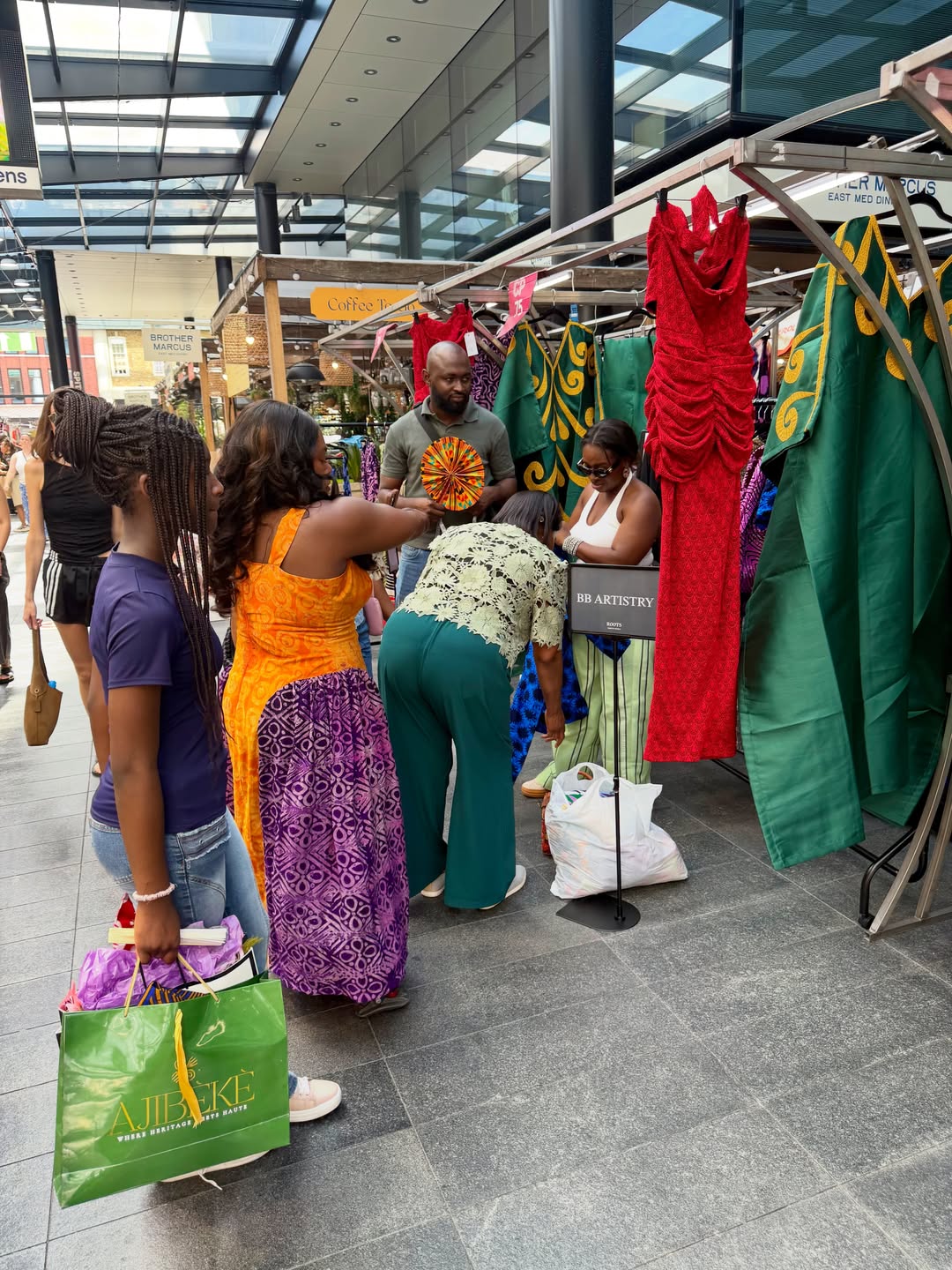
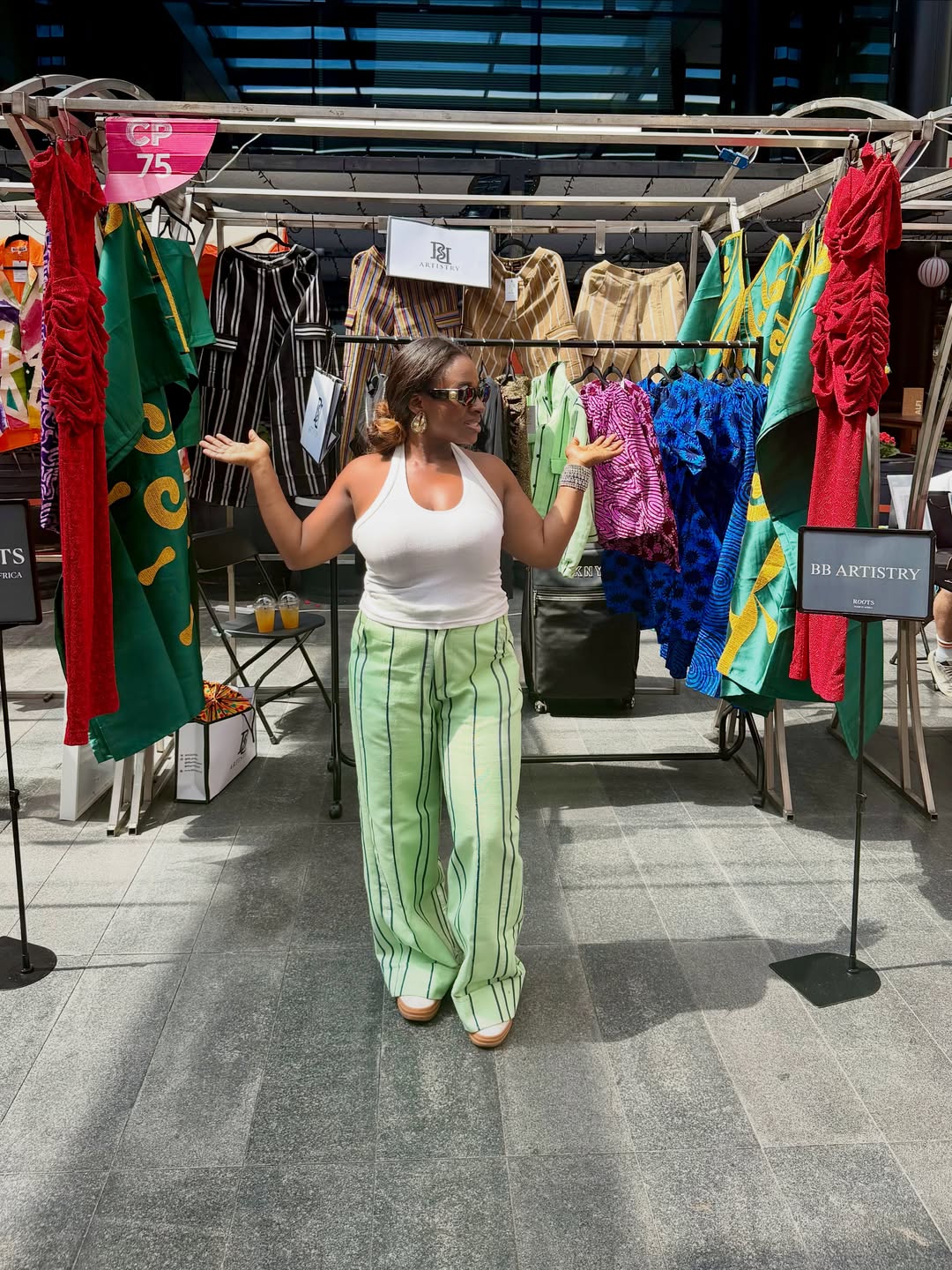
WhatsApp groups handle the digital layer, but pop-ups and collectives add the physical dimension that many buyers require before committing to significant purchases. In areas like Peckham and Brixton in London, regular events bring independent makers together for direct sales and in-person interaction. Buyers can touch fabrics, try on garments, speak directly with makers or their representatives, and build relationships that continue digitally after the event.
Events like the Atunda African slow fashion pop-up in London, which brought together multiple independent brands for a multi-day retail activation in Soho, demonstrate how these physical gatherings serve as concentrated moments of network building rather than mere retail events. A buyer who meets a maker at a pop-up, examines their materials and techniques in person, and has a direct conversation about provenance and process is likely to return via WhatsApp for custom orders. The physical event converts the informal digital network into a long-term commercial relationship.
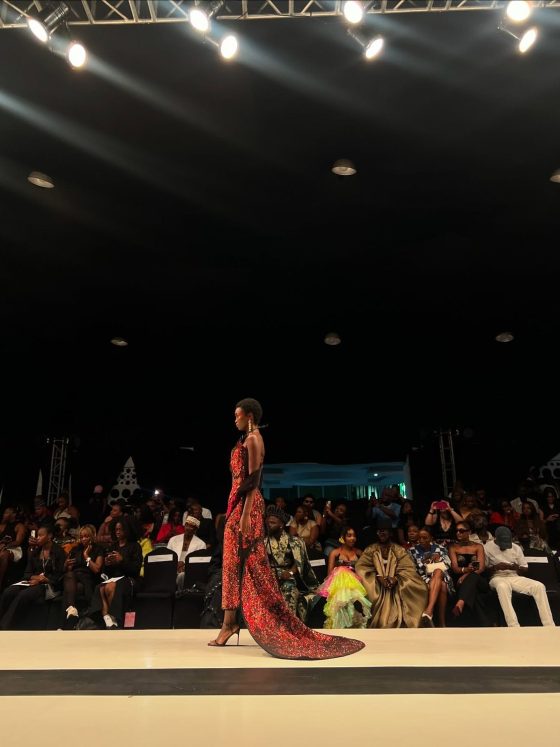
Similar events operate in New York, where the African Popup Festival in Brooklyn creates dedicated marketplaces for handmade fashion alongside food and music. Supper clubs add another layer by combining intimate dining with small fashion showcases, allowing buyers to try on pieces and ask questions in a relaxed context where cultural exchange accompanies commercial exchange. The infrastructure logic here is directly parallel to what Omiren Styles has documented around the Lagos Fashion Week pop-up economy, where the informal commercial activity surrounding the formal runway accounts for substantial additional revenue that never appears in official reporting. The same dynamic operates in diaspora pop-up networks: the visible event is the front end of a much larger ongoing commercial relationship.
A recommendation from a trusted community member carries more weight than any editorial review because the person making the recommendation has a personal stake in the relationship.
Community Markets and Supper Clubs: Commerce as Cultural Exchange
Community markets and supper clubs represent the third structural layer of these informal networks and arguably the most culturally distinctive. These events create social spaces where fashion meets culture and conversation in ways that formal retail environments cannot reproduce.
In London, regular markets in Peckham and Brixton have served as hubs for African and Caribbean vendors for decades. These markets carry institutional memory: vendors who have been present for fifteen years, buyers who have been coming since childhood, and community knowledge about quality and provenance that runs deeper than any online review system. The relationships formed in these spaces function as long-term supply chain agreements, even when they are never formalised.
The supper club model adds the dimension of cultural context to commercial exchange. When a buyer learns the story behind a garment over a shared meal, that purchase becomes a different kind of transaction than clicking a button on a platform. The cultural knowledge that gives African fashion its authority, the kind of knowledge that Omiren Styles has documented in African Textile Museums: Preserving Memory in an Age of Fast Fashion, travels better in person than it does through product descriptions. A supper club that includes a conversation about the Kente weaving tradition, alongside the garment made from Kente, delivers cultural education alongside commerce. That combination creates buyers who understand what they own, which creates the kind of customer loyalty that formal retail cannot easily manufacture.
ALSO READ
- How to Shop African Fashion: The Complete Guide for the Culturally Literate Consumer
- The Lagos Fashion Week Effect: What a Decade of Runway Has Actually Done for Nigerian Designer Revenue
- Does Wearing Your Culture Make You Exotic? The Diaspora Fashion Paradox
- African Textile Museums: Preserving Memory in an Age of Fast Fashion
The Alternative Supply Chain and Discovery System
These informal networks have evolved into something more structurally significant than a collection of workarounds. They now form a complete alternative supply chain for African fashion, handling the full journey from discovery to delivery in ways that formal retail often cannot match.
The economic logic is significant. African artisans operating through informal diaspora networks typically achieve higher profit margins than they would through formal retail because the elimination of platform fees, retail markups, and multiple intermediary layers allows more of the purchase price to reach the maker. Diaspora buyers pay prices that more accurately reflect the actual cost and value of handicrafts. The system is more economically honest than formal retail precisely because it is less mediated.
The discovery function is equally important. Formal retail surfaces the African makers who have already achieved enough visibility to place stock with platforms or open accounts with distributors. Informal networks surface the makers who have not yet reached that threshold but whose work is excellent. As Omiren Styles has documented in Does Wearing Your Culture Make You Exotic? The Diaspora Fashion Paradox, the communities that have the deepest knowledge of African fashion are often the ones with the least institutional power to define its commercial value. Informal networks correct that by making community knowledge the primary discovery mechanism, rather than marketing budgets or platform algorithms.
THE OMIREN ARGUMENT
Informal networks linking diaspora buyers to African makers represent the most trusted and effective commerce system in African fashion today. They are not a temporary feature of an underdeveloped market. They are a structural achievement: communities solving, without institutional support, the problems of trust, logistics, cultural fit, and economic fairness that formal platforms have been trying to solve for decades with considerably more resources and considerably less success.
These networks deserve serious attention,n not as a workaround but as a model. They point to the practical future of African fashion circulation: closer to the maker, more accountable to the community, more culturally literate in what they distribute, and more economically honest in how they price it. The mainstream fashion industry’s failure to recognise these networks is not a gap in their market intelligence. It is a gap in their understanding of where the most important commerce in African fashion actually happens. Omiren Styles documents that commerce and names the systems that move it.
FREQUENTLY ASKED QUESTIONS
How do WhatsApp groups connect diaspora buyers to African fashion makers?
Moderated WhatsApp groups allow buyers in the UK, US, Canada, and Europe to access stock directly from makers in Lagos, Accra, Dakar, and other hubs. Group moderators vet sellers, members share quality feedback, and the community’s accumulated knowledge provides the kind of provenance verification and trust that formal platforms cannot match. Members often pool orders to reduce shipping costs and navigate customs through shared experience.
Why do informal networks work better than formal retail for African fashion?
Informal networks solve the core problems of trust, cultural knowledge, and logistics that formal platforms have not adequately addressed. A seller in a WhatsApp group is immediately accountable to the community if the quality does not match the description. A community market vendor with fifteen years of presence has institutional memory that no algorithm can replicate. These networks also deliver better economics: makers earn higher margins without platform fees, and buyers pay prices that more accurately reflect the value of handcrafted.
What role do pop-ups play in connecting diaspora buyers with African makers?
Pop-up events create the physical dimension that many buyers need before committing to significant purchases. They allow buyers to examine fabric quality, try on garments, and have direct conversations with makers or their representatives. Events like the Atunda African slow fashion pop-up in London serve as concentrated moments for network building: buyers who meet makers in person are more likely to establish long-term custom-order relationships via WhatsApp.
How do community markets and supper clubs support African fashion commerce?
Community markets provide spaces with institutional memory, where vendors and buyers have long-term relationships built on consistent quality and cultural knowledge. Supper clubs add the dimension of cultural education alongside commerce: buyers who learn the story behind a garment over a shared meal build the kind of understanding that fosters lasting loyalty. These formats deliver cultural context in ways that formal retail environments cannot reproduce.
Are informal diaspora networks a permanent feature of African fashion commerce?
Yes. These networks predate the internet and have persisted alongside every formal retail development because they solve problems that formal channels have not. They are not a temporary workaround but a structural achievement: communities building, without institutional support, the trust, logistics, and cultural knowledge infrastructure that makes African fashion commerce work. The Omiren Styles position is that these networks deserve serious recognition as a model for the wider industry, not as a marginal alternative to it.