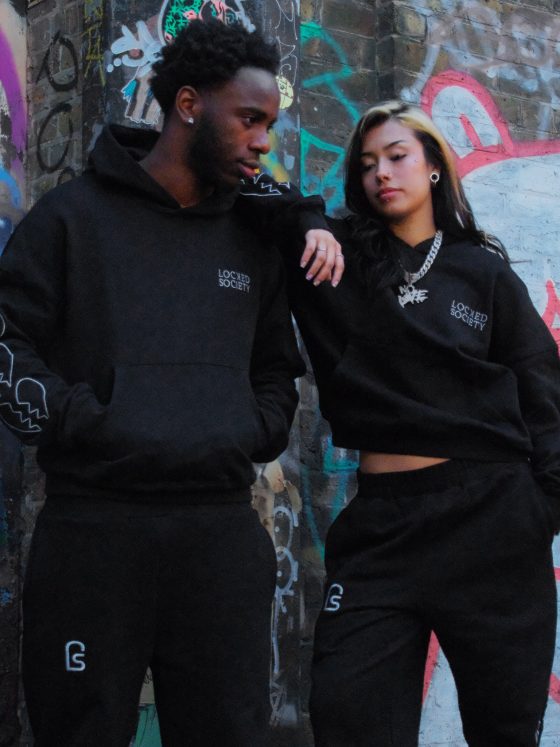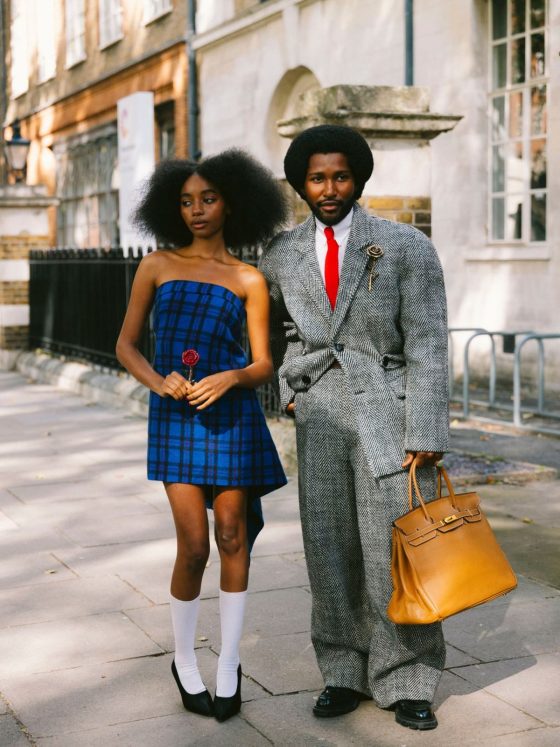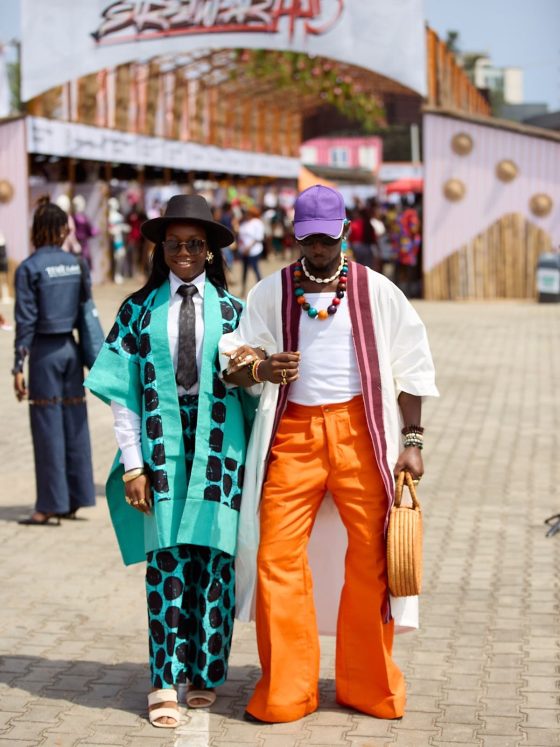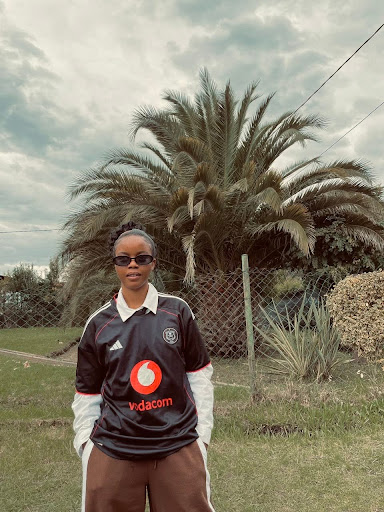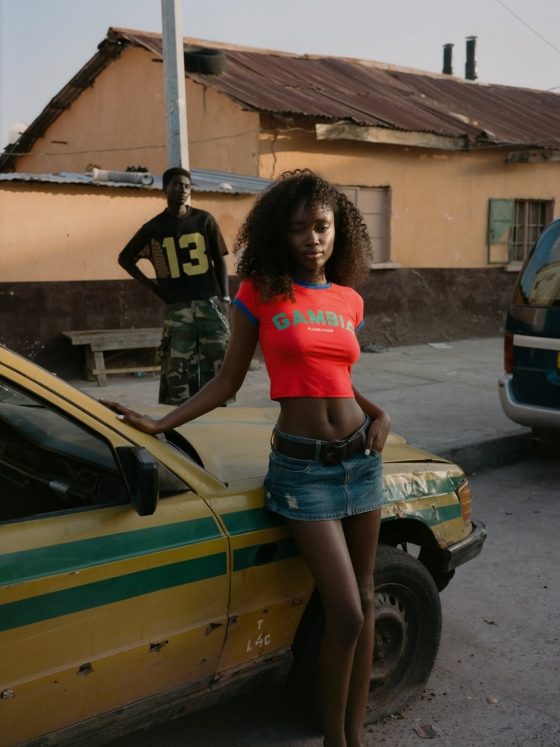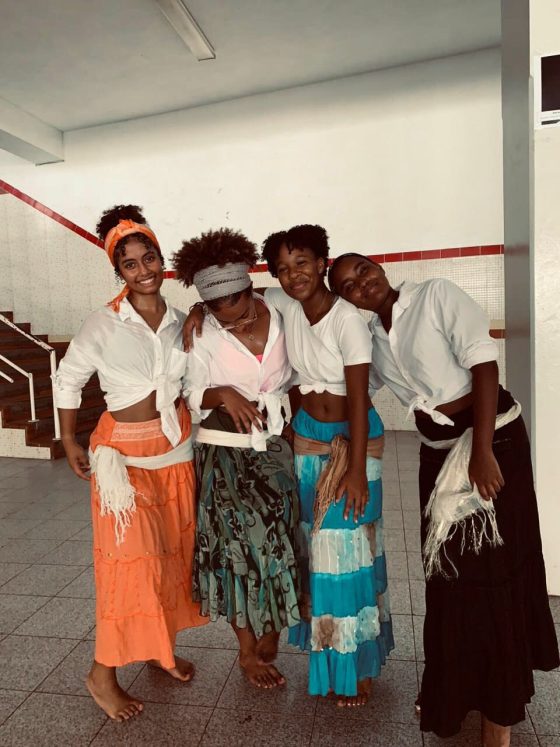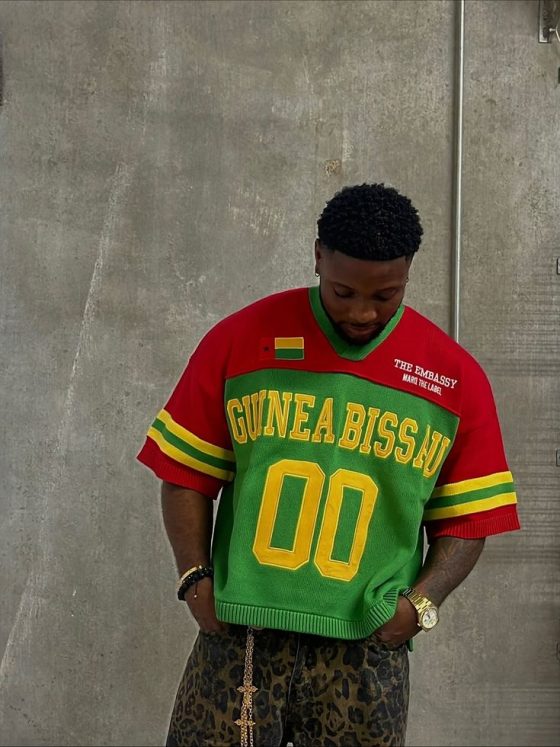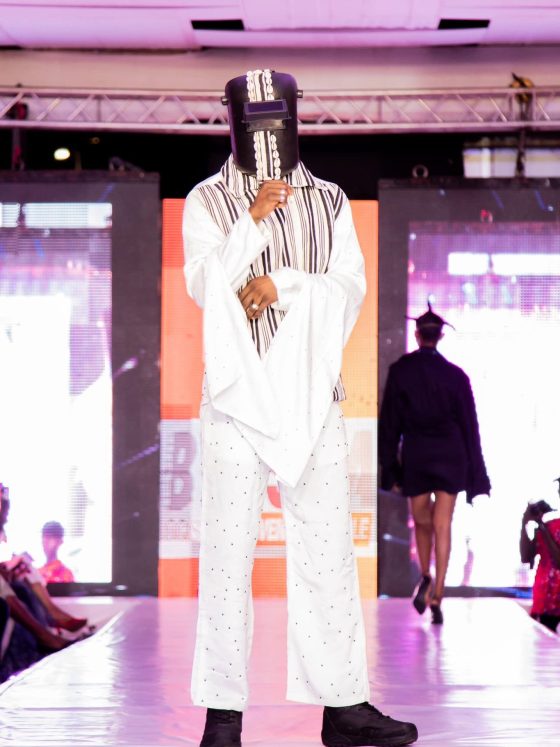
In 2012, when Wizkid performed at a small venue in the Bronx to a room of Nigerian students who had memorised every lyric, he was not introducing Lagos to New York. He was completing a circuit that had been running since before most of his audience was born. The music, the dress, the visual grammar of that room, the agbada-and-Air-Force-1 combinations, the ankara-print bomber jackets, and the way people moved and what they wore to move in were not Lagos influence arriving in New York. It was two nodes of the same aesthetic system recognising each other across the Atlantic. That recognition is not the beginning of an influence story. It is evidence that the influence has never been unidirectional and that the framework positioning Lagos as the creative origin and New York as the receiving diaspora has always misread how the two cities actually operate in relation to each other.
Lagos and New York are neither the origin nor the destination. Two nodes in a closed-loop aesthetic system have been running for decades. Here is how the dialogue actually works.
The Influence Narrative and What It Gets Wrong
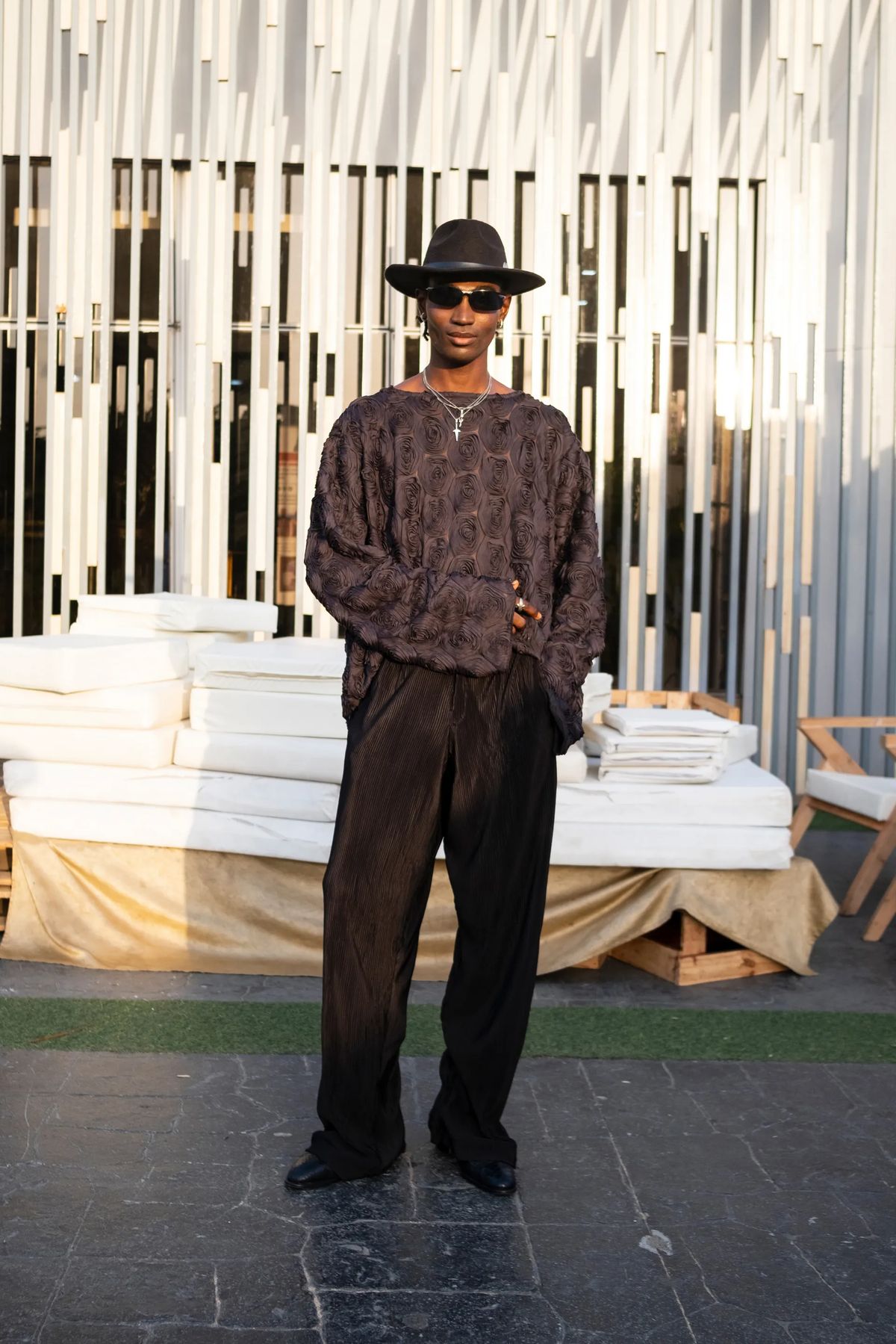
The story told about Lagos and New York in fashion media follows a consistent structure. Lagos generates a new aesthetic energy; Afrobeats rises; a specific silhouette, colour palette, or fabric combination gains momentum in the Lagos street scene; the diaspora in New York picks it up and translates it into the American context; and the influence flows. This structure is real in part. Lagos does generate original aesthetic production at a volume and velocity that few cities in the world match. The influence does flow. The problem is the word ‘unidirectional’. The problem is the implicit model of Lagos as the source and New York as the downstream receiver, because that model makes Lagos perpetually original and perpetually behind: always the place where something comes from, never the place where something arrives.
The actual relationship between Lagos and New York Black fashion communities is a closed loop, not a pipeline. The loop has been running for at least fifty years, and it is structured by the shared aesthetic grammar that connects West African material culture to the African American cultural tradition. That grammar did not originate in the 2010s with Afrobeats. It survived the Middle Passage in the form of pattern sensibility, colour authority, textile knowledge, and the integration of dress with music and social identity, which is one of the most consistent features of both Yoruba cultural life and African American expressive culture. When Lagos and New York recognise each other aesthetically, they are not meeting across a divide. They are recognising a grammar they share.
The cultural historian Robin D.G. Kelley’s scholarship on Black aesthetics across the diaspora documents this shared grammar in music, art, and political culture, arguing that the Atlantic has served as a medium of continuous cultural exchange between African and African American communities rather than a barrier separating them. The aesthetic continuities Kelley traces in music are equally visible in dress: the bold colour use of West African textile tradition in the colour blocking of early hip-hop fashion, the Yoruba preference for elaborated silhouette in the oversized proportions of 1990s streetwear, the cultural authority of cloth as a social signal in the logomania that defined a decade of Black American dress.
Lagos in the 1970s and the Aesthetic Circuit That Predates Afrobeats
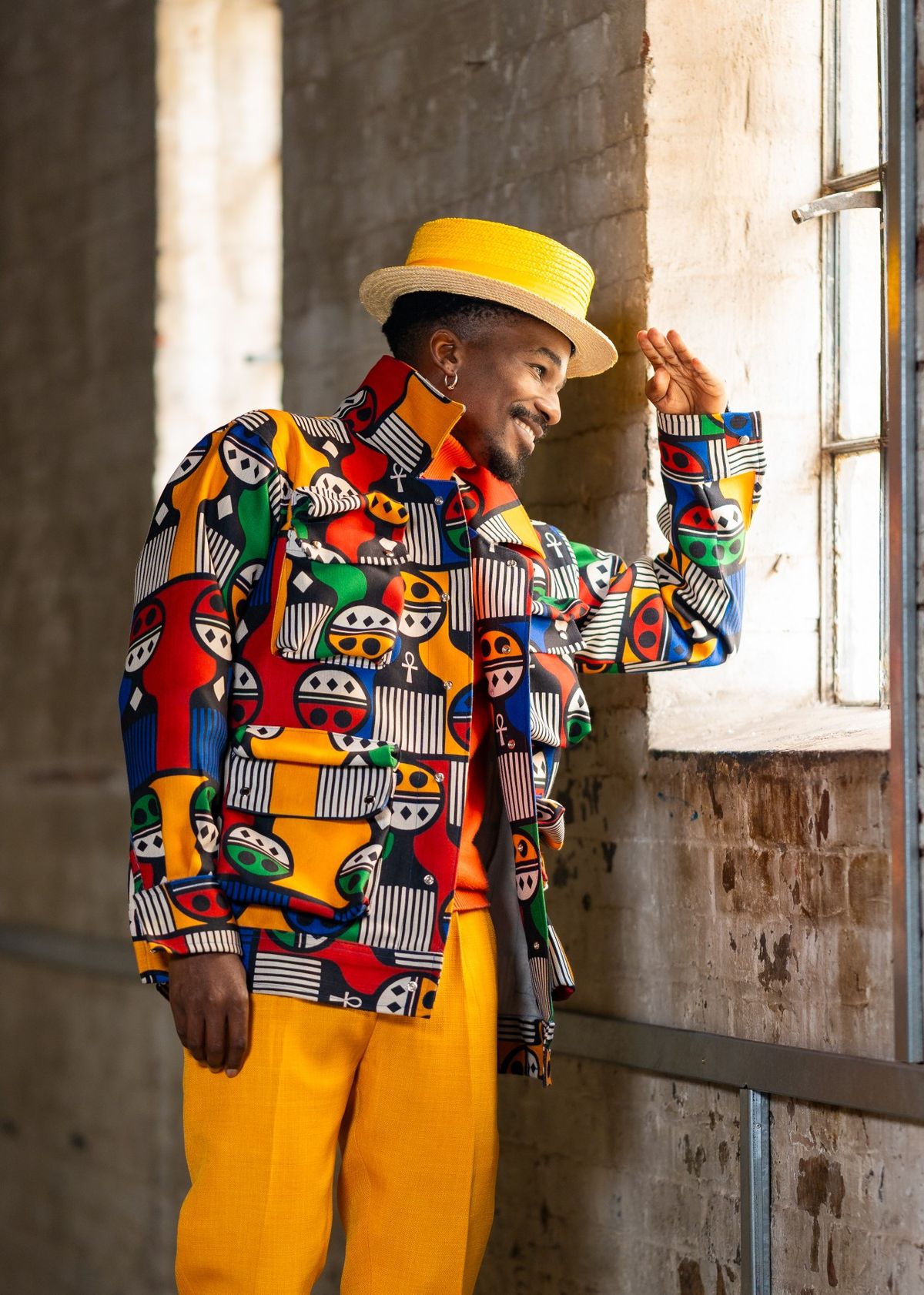
To understand the Lagos-New York aesthetic relationship accurately, it is necessary to begin at the point where the circuit first became visible to observers outside both communities: the 1970s, when Fela Kuti’s Afrobeat and James Brown’s funk were in direct, documented, conscious dialogue, and when the visual cultures of both traditions were evolving in conversation with each other.
Fela Kuti’s Shrine in Lagos was not a Nigerian venue that borrowed American music. It was a site of genuine synthesis, where West African polyrhythm, Yoruba cultural politics, Black American civil rights aesthetics, and the visual language of African liberation movements were combined into something that could not be attributed to any single tradition. The dress of the Shrine, the way Fela performed, the way his dancers dressed, the way his audience presented themselves for the experience, drew simultaneously on Yoruba aesthetic authority and on the Black American cool that had been travelling across the Atlantic since the jazz era. Lagos was not downstream from New York in 1974. It was in conversation with it.
The photographic record of Lagos street style in the 1970s and 1980s, documented in the work of photographers including J.D. Okhai Ojeikere, whose archive of Nigerian women’s hairstyles constitutes one of the most significant visual records of West African urban aesthetics in the twentieth century, shows a fashion culture that was simultaneously drawing on global inputs and asserting a distinctly Nigerian visual authority. The flared trousers and platform shoes of the 1970s appear in Ojeikere’s Lagos alongside the agbada that incorporates the decade’s colour palette. The city was not importing a style. It was processing global aesthetic information through its own filter and producing something with Lagos as its unmistakable address.
New York’s Nigerian community in the 1970s and 1980s was small but culturally active, concentrated in the Bronx and parts of Brooklyn, maintaining connections to Lagos through music, food, and the specific dress culture of the Yoruba social events that structured community life. The aesthetic information moving between Lagos and New York in this period was not flowing through mainstream media. It was moving through the community itself, through the cassette tapes of Fela and Ebenezer Obey that arrived in Bronx apartments, through the lace and aso-oke that came in suitcases from Lagos visits, through the cultural memory of women who knew how to tie a gele and transmitted that knowledge in Bronx church halls.
The Afrobeats Era and the Acceleration of the Loop
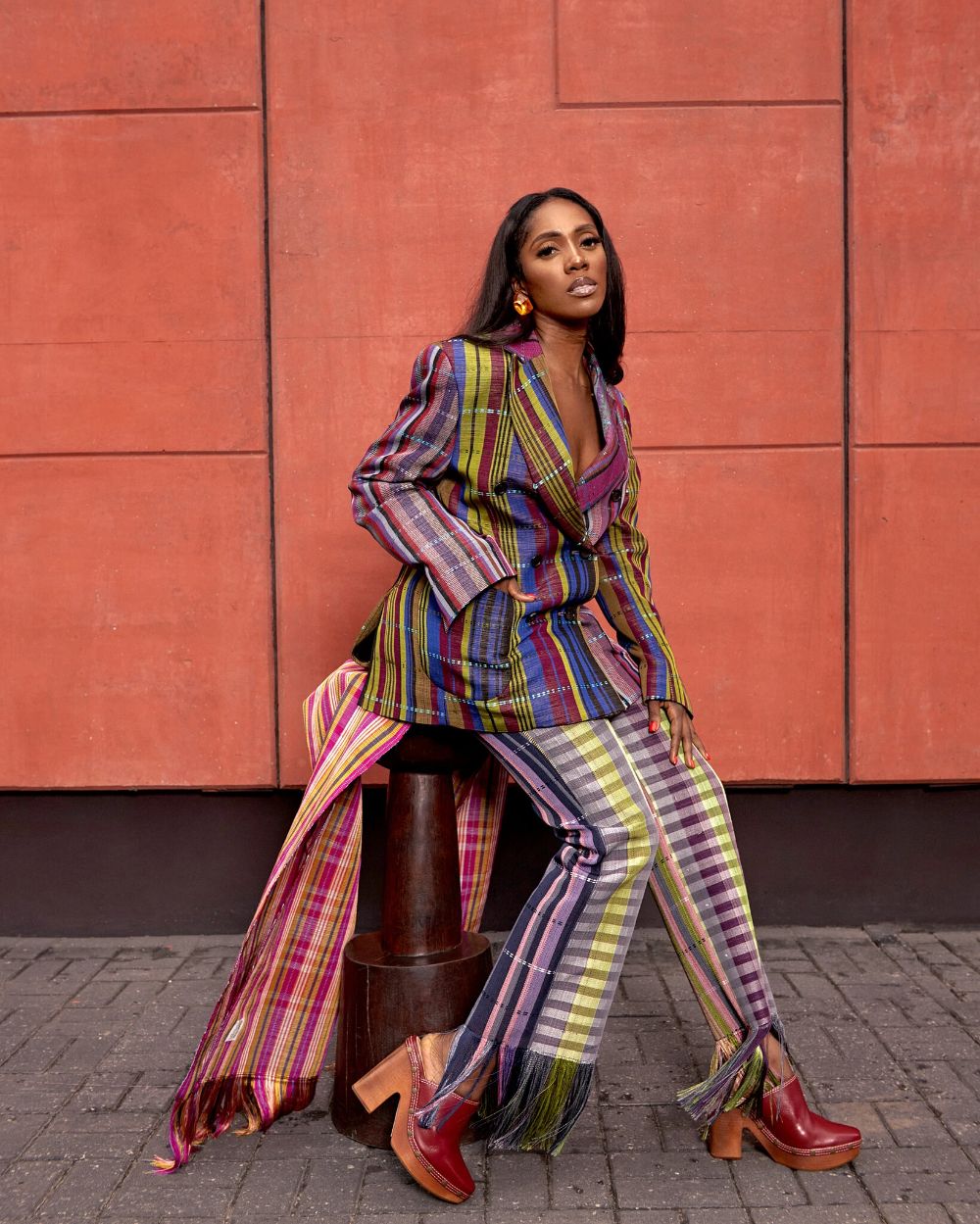
The global rise of Afrobeats from approximately 2012 onwards accelerated the Lagos-New York aesthetic circuit to a velocity that made it visible to observers who had not previously tracked it. Wizkid, Davido, Burna Boy, and Tiwa Savage built audiences in New York not by being adopted by American music infrastructure but by building direct relationships with diaspora communities and then crossing into mainstream Black American audiences through the shared grammar of the music itself. The dress culture that accompanied this music followed the same path.
The specific silhouette that became associated with the Afrobeats aesthetic in New York, the combination of relaxed-fit agbada-inspired proportions with contemporary streetwear elements, the ankara print as an accent rather than a full garment, and the specific palette of burnt orange, deep green, and gold that ran through Lagos collections from 2015 onwards and appeared in New York streetwear by 2017 did not travel from Lagos to New York through a fashion industry pipeline. It travelled through Instagram, through the diaspora community, through the musicians themselves. Afropunk Festival’s New York editions from 2013 onwards documented this aesthetic convergence in their audience photographs: a visual culture that was simultaneously drawing from South London African streetwear, Lagos concert dress, Black American festival fashion, and the specific visual language of the Afrobeats video aesthetic that had been developed in Lagos production houses over the preceding decade.
The loop was accelerating, but it was still a loop. When Wizkid wore a specific combination of agbada silhouette and streetwear at Madison Square Garden in 2017, the Lagos tailors who had been producing that combination for concerts in Lagos since 2014 were not watching an American iteration of their work. They were watching a node in the same network perform on a stage that their aesthetic had helped to build. The influence was not flowing from Lagos to New York. It was circulating between them, with each city adding its own inflexion to the shared vocabulary.
“Lagos and New York are not the origin point and receiving city. They are two nodes in a closed-loop aesthetic system that has been running for decades, structured by the shared African cultural grammar that connects the continent to its diaspora.”
The Bronx, Brooklyn, and the Infrastructure of Nigerian New York
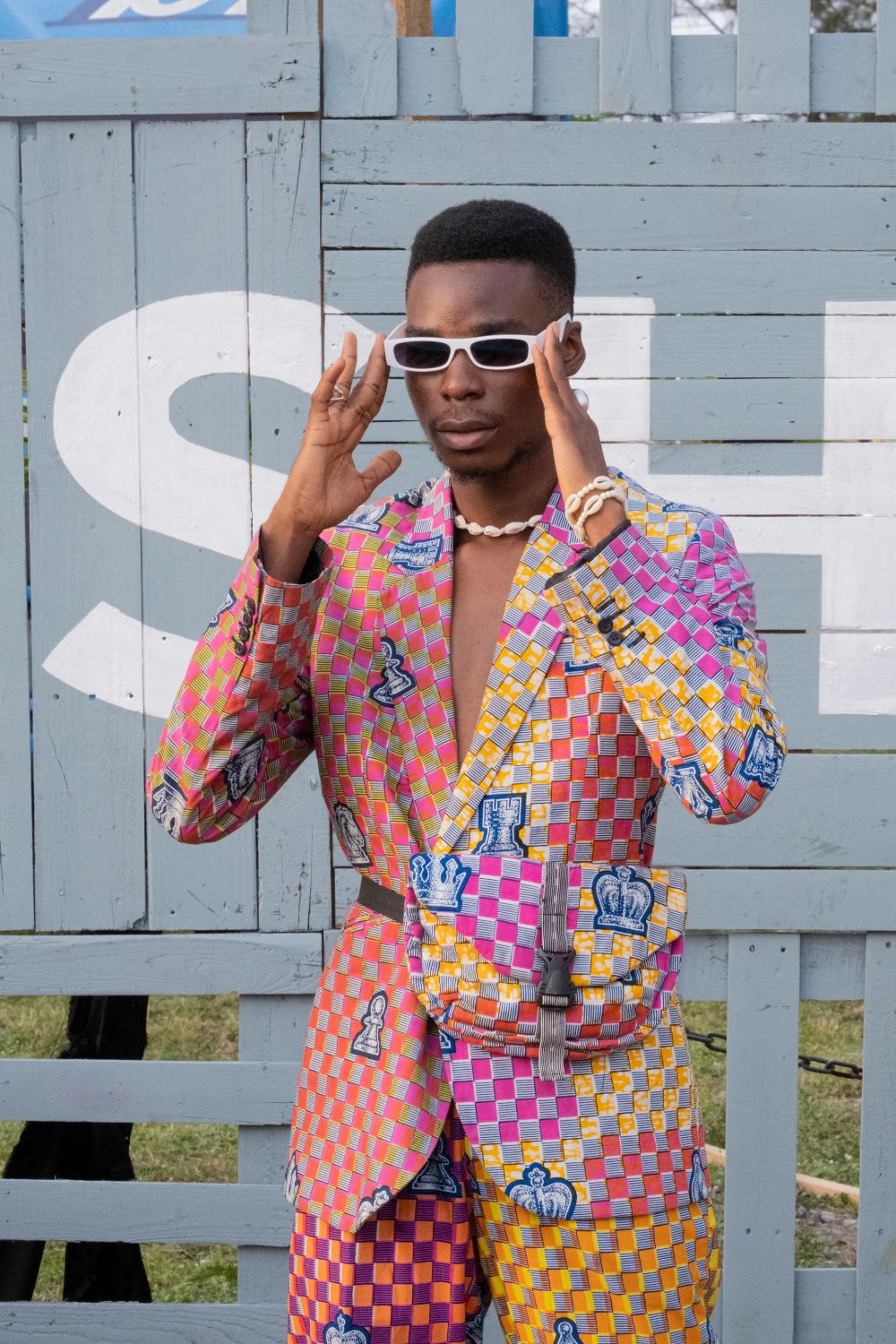
The aesthetic relationship between Lagos and New York is not abstract. It is maintained by specific communities, specific institutions, and specific commercial and social practices that keep the circuit active. The Nigerian diaspora in New York, concentrated significantly in the Bronx, Flatbush, Brooklyn, and parts of Staten Island, has built a social infrastructure that serves as the primary conduit for Lagos aesthetic information into the New York context.
The Nigerian church, the aso-ebi culture of coordinated dress at community celebrations, the sewists and tailors operating out of Flatbush and the Bronx who produce garments in Lagos fabrics for New York occasions, and the Nigerian fabric shops on Fordham Road and in the Flatbush market that stock the same ankara, aso-oke, and lace that Lagos markets carry: these are not nostalgic cultural preservation mechanisms. They are active production sites where the Lagos aesthetic is continuously updated, modified for the New York context, and fed back into the circuit.
The aso-ebi system, the Yoruba tradition of coordinated fabrics worn by guests at weddings, naming ceremonies, and major social events, is one of the most direct channels for transmitting Lagos fashion sensibility in New York. A family in the Bronx planning a wedding will frequently source their aso-ebi fabric from Lagos, either through relatives bringing it in suitcases or through the growing number of online vendors operating between Lagos and the diaspora. The rise of Lagos-based online fabric platforms including Asoebibella has made this sourcing available at scale, meaning that a wedding in the Bronx in 2025 is likely to be dressed in fabric that arrived from Lagos in the previous month, sewn by tailors in New York who trained in Nigerian fashion colleges or learned from Nigerian mothers, and worn by guests who are themselves connected to Lagos through family visits, social media, and the continuous cultural traffic of the diaspora community.
What New York Sends Back: The Return Flow
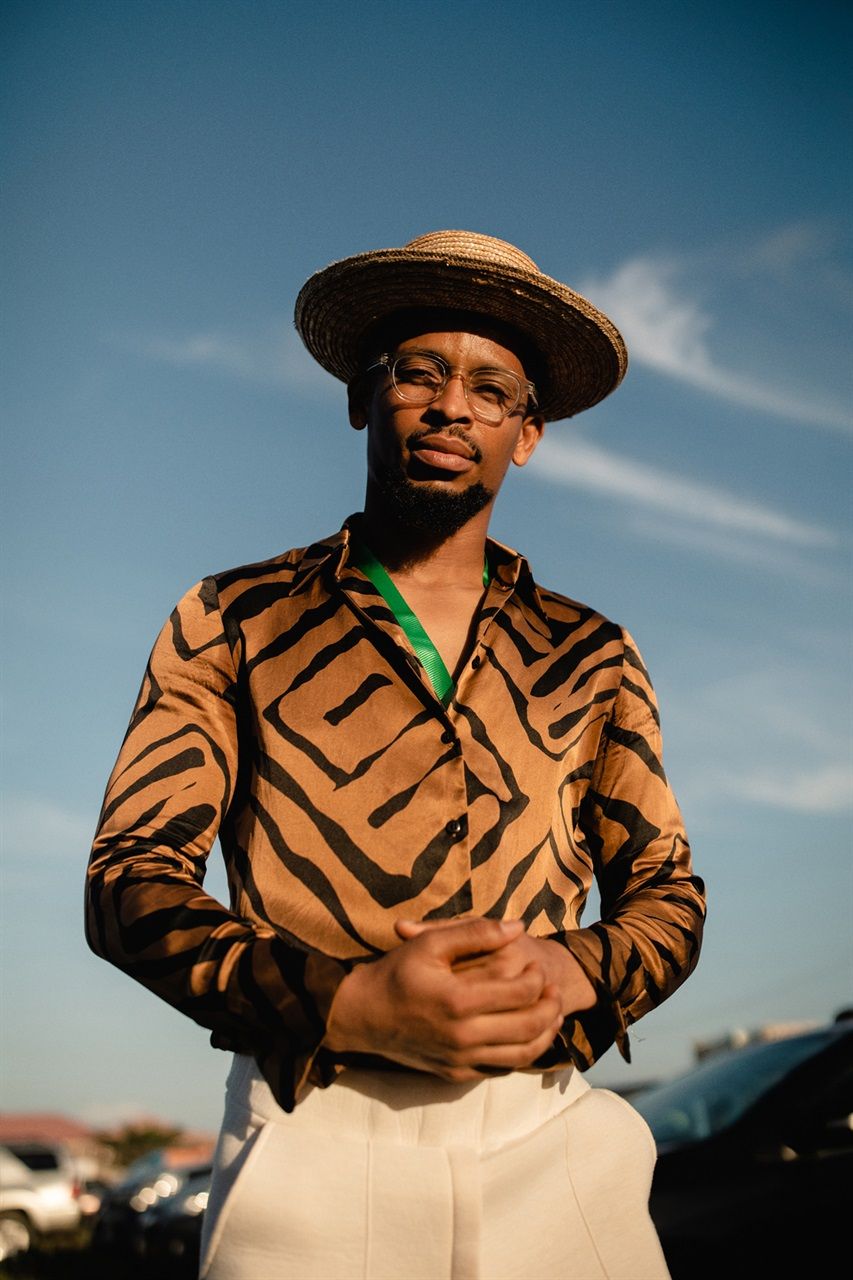
The influence narrative positions New York as the receiver and Lagos as the sender. The return flow, what New York sends back to Lagos, is less documented but equally real and equally significant to understanding the circuit as a circuit rather than a pipeline.
Black American streetwear aesthetics have been present in Lagos fashion since at least the 1990s, and their integration into Lagos street style has been processed through the same Nigerian cultural filter that produced the 1970s synthesis of Afrobeat and funk. The Nike Air Force 1, which became the defining sneaker of Lagos street style in the 2000s, did not arrive in Lagos as an American import and stay American. It was absorbed into a dress culture that combined it with agbada, ankara print, and the specific colour and fabric combinations of the Yoruba dress tradition, producing something recognisably Lagos while remaining in conversation with the Bronx, where the sneaker’s cultural authority had been established.
The Lagos fashion industry’s engagement with Black American aesthetic culture is not mimicry. It is the same processing mechanism that West African textile culture has always applied to external inputs: take the object, run it through the local aesthetic filter, return something that carries the original but cannot be mistaken for it. Alara Lagos, the concept store founded by Reni Folawiyo, has been one of the most visible sites of this processing since its 2014 opening: a retail and cultural space that stocks Lagos designers alongside global luxury brands within an architectural environment designed by David Adjaye, asserting that Lagos aesthetic authority is not provincial in relation to New York or London but operates in the same register of global cultural production. The return flow from Alara is not Nigerian fashion becoming international. It is Lagos establishing the terms on which the international community will engage with it.
The influence also returns through the musicians themselves. Burna Boy’s visual identity, developed over his career from 2012 to the present, has drawn explicitly on Black American aesthetic references while rooting itself in a Pan-African visual authority with Lagos as its primary address. When that visual identity is absorbed by Black American artists and fans who incorporate its specific combination of African print, oversized tailoring, and Afrocentric graphic design into their own dress, the direction of influence has reversed. Lagos sent the music. New York sent back the sneakers. Lagos synthesised both. New York absorbed the synthesis. The circuit completes itself and starts again.
ALSO READ
→ Lagos Is the New Fashion Capital Nobody in the West Will Officially Admit
→ Does Wearing Your Culture Make You Exotic? The Diaspora Fashion Paradox
→ Why Wearing African Cloth in the Diaspora Is an Act of Cultural Reclamation
Instagram, TikTok, and the Real-Time Circuit
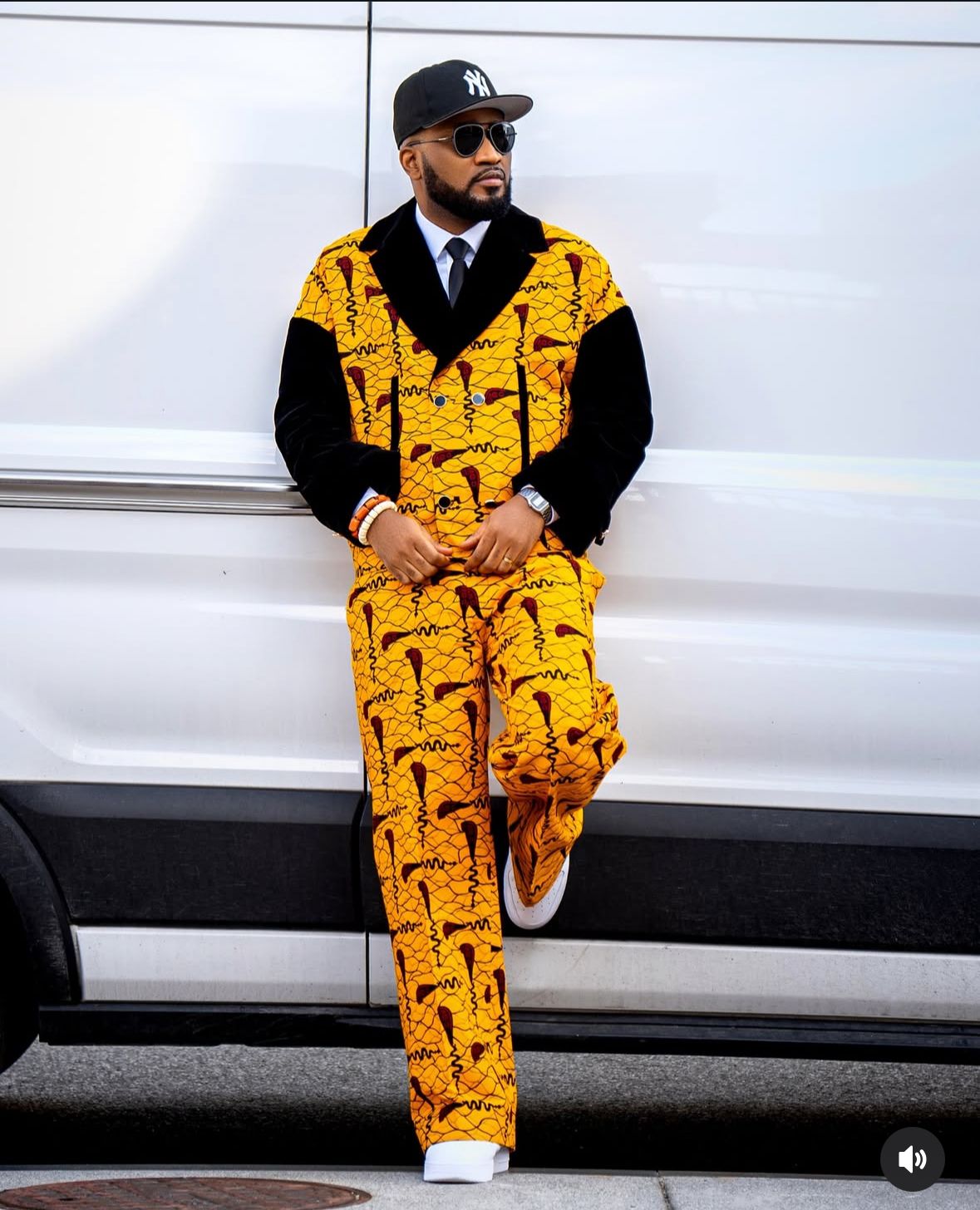
The acceleration of the Lagos-New York aesthetic circuit since 2015 is inseparable from the role of Instagram and TikTok as real-time transmission infrastructure. Lagos street style, previously visible to the New York diaspora primarily through community events and personal travel, is now broadcast daily through accounts including Lagos Street Style, Style House Files, and the individual accounts of Lagos designers, stylists, and fashion content creators whose combined following in the hundreds of thousands makes Lagos street fashion as immediately accessible to a Nigerian American in the Bronx as it is to a Lagosian in Lekki.
This real-time visibility has compressed the lag that previously existed between Lagos aesthetic development and diaspora adoption. A silhouette that appears on Lagos streets in January is visible in New York diaspora community events by March and integrated into the work of New York-based Nigerian tailors by June. The circuit operates at a speed that makes the distinction between origin and influence increasingly difficult to sustain, because by the time an aesthetic element has completed one rotation of the circuit, it has been modified by both cities and belongs to neither exclusively.
TikTok has added a further dimension. Nigerian fashion creators in Lagos and Nigerian American creators in New York are producing content on the same platform, in the same algorithmic environment, in response to the same trending sounds and visual formats, and the aesthetic conversation they are having is visible to both communities simultaneously. A Lagos creator and a Bronx creator can be in direct dialogue, in real time, about the same fabric combination, the same styling question, and the same aesthetic problem, and their exchange is part of the same circuit that Fela and James Brown were conducting across the Atlantic in 1974 with far less bandwidth. The circuit is the same. The speed has changed.
THE OMIREN ARGUMENT
Lagos is not influencing New York. Lagos and New York are two nodes in a closed-loop aesthetic system that has been running continuously for at least fifty years, structured by the shared African cultural grammar that connects West African material culture to the African American expressive tradition across the Atlantic. The influence narrative positions Lagos as perpetually original and perpetually behind simultaneously: always the place something comes from, never the place something arrives; always the source, never the destination. This is not an accurate description of how the two cities relate aesthetically. It is a description of how the influence narrative requires them to relate to maintain the story of African culture as input and Western, or Western diaspora, culture as output. The actual relationship is a dialogue between two speakers of the same visual language, each adding their city’s inflexion to a shared vocabulary, neither upstream nor downstream of the other.
The practical consequence of understanding the Lagos-New York aesthetic relationship as a circuit rather than a pipeline is that analysing either city’s fashion culture is incomplete without the other. Lagos street style cannot be fully understood without the Black American aesthetic inputs it has been processing since the 1970s. New York diaspora fashion cannot be fully understood without the Lagos aesthetic authority that structures its community events, fabric sourcing, tailoring practices, and the musical culture that has always been the primary carrier of visual identity across the Atlantic. The circuit is the unit of analysis. Not Lagos. Not New York. The conversation between them, which has been running since before the Afrobeats era gave it a mainstream name, will continue long after the current moment of visibility has been replaced by the next aesthetic cycle.
Frequently Asked Questions
How has Lagos street style influenced African diaspora fashion in New York?
Lagos and New York have been in continuous aesthetic dialogue since at least the 1970s, structured by the shared cultural grammar that connects West African material culture to the African American expressive tradition. The specific acceleration of this relationship in the Afrobeats era, from approximately 2012 onwards, made the connection visible to observers outside both communities. Lagos aesthetic innovations, including specific silhouettes, colour palettes, and the integration of traditional fabrics with contemporary streetwear, have entered New York diaspora fashion through the Nigerian community’s social infrastructure, through musicians who built direct diaspora audiences, and through social media platforms that compress the time between Lagos street development and New York diaspora adoption.
What is the relationship between Afrobeats and African diaspora fashion in New York?
Afrobeats is the most visible recent carrier of the aesthetic circuit between Lagos and New York, but it is not the origin of that circuit. The music and dress culture travel together because, in both the Yoruba cultural tradition and African American expressive culture, music and visual identity are inseparable. When Afrobeats built audiences in New York from 2012 onwards, it carried with it the specific visual grammar of the Lagos concert and festival scene: a combination of traditional Yoruba silhouette authority with contemporary streetwear that had been developing in Lagos for years before it became visible to non-diaspora audiences in the United States.
How does aso-ebi culture connect Nigerian communities in Lagos and New York?
Aso-ebi, the Yoruba tradition of coordinated fabrics worn by guests at weddings, naming ceremonies, and major social events, is one of the most direct channels for transmitting Lagos fashion to New York. Nigerian diaspora families in the Bronx and Brooklyn source aso-ebi fabric from Lagos through relatives and online vendors, have it sewn by tailors trained in Nigerian fashion culture, and wear it at events that follow the same ceremonial dress logic as Lagos celebrations. Each community event is a site of Lagos’ aesthetic practice, updated for the New York context and fed back into the circuit through the social media documentation that both cities share.
Is Lagos fashion more influential than New York fashion in the African diaspora?
The question of which city is more influential misreads the relationship. Lagos and New York function as nodes in a closed-loop aesthetic system rather than as competing sources of influence. Lagos has contributed Yoruba dress authority, textile knowledge, the Afrobeats visual grammar, and community ceremonial dress culture to the New York diaspora aesthetic. New York has contributed Black American streetwear aesthetics, sneaker culture, the visual language of hip-hop, and the specific inflexions that Nigerian Americans have developed by processing Lagos aesthetics through a New York urban context. Neither city is more influential. Both are producing the conversation that the circuit carries.
Omiren Styles covers African fashion, identity, and culture from inside the continent and its diaspora. Read more at omirenstyles.com.