Menu
  • DIASPORA
    • Diaspora Voices
    • UK Scene
    • US Scene
    • Caribbean Diaspora
    • Afro-Latino Identity
    • Migration & Identity
  • CULTURE
    • Style & Identity
    • Black Culture
    • Heritage Stories
    • Ceremony & Ritual
    • Art & Music
    • Cultural Inspirations
  • FASHION
    • Trends
    • Street Style
    • Runway
    • Sustainable Fashion
    • Tailoring
    • Luxury Fashion
  • INDUSTRY
    • Editorial Intelligence
    • Market Trends
    • Brand Strategy
    • Retail & Commerce
    • Partnerships
    • Reports
      • Omiren Style Index
    • Insights
  • BEAUTY
    • Skincare
    • Makeup
    • Hair & Hairstyle
    • Fragrance
    • Beauty Traditions
    • Natural Beauty
  • MEN
    • Men’s Style
    • Grooming Traditions
    • Traditional & Heritage
    • The Modern African Man
    • Menswear Designers
  • WOMEN
    • Women’s Style
    • Evening Glam
    • Workwear & Professional
    • Streetwear for Women
    • Accessories & Bags
    • Bridal
  • NEWS
    • Cover Stories
    • Fashion Weeks
    • Opinion & Commentary
    • Style Icons
    • Rising Stars
  • DIRECTORY
    • Designers
    • Brands
    • Boutiques
    • Stylists
    • Models
    • Photographers
    • Creative Teams
    • Events
    • Production
    • Materials & Suppliers
Subscribe
OMIREN STYLES OMIREN STYLES

Fashion · Culture · Identity

OMIREN STYLES OMIREN STYLES OMIREN STYLES OMIREN STYLES
  • DIASPORA
    • Diaspora Voices
    • UK Scene
    • US Scene
    • Caribbean Diaspora
    • Afro-Latino Identity
    • Migration & Identity
  • CULTURE
    • Style & Identity
    • Black Culture
    • Heritage Stories
    • Ceremony & Ritual
    • Art & Music
    • Cultural Inspirations
  • FASHION
    • Trends
    • Street Style
    • Runway
    • Sustainable Fashion
    • Tailoring
    • Luxury Fashion
  • INDUSTRY
    • Editorial Intelligence
    • Market Trends
    • Brand Strategy
    • Retail & Commerce
    • Partnerships
    • Reports
      • Omiren Style Index
    • Insights
  • BEAUTY
    • Skincare
    • Makeup
    • Hair & Hairstyle
    • Fragrance
    • Beauty Traditions
    • Natural Beauty
  • MEN
    • Men’s Style
    • Grooming Traditions
    • Traditional & Heritage
    • The Modern African Man
    • Menswear Designers
  • WOMEN
    • Women’s Style
    • Evening Glam
    • Workwear & Professional
    • Streetwear for Women
    • Accessories & Bags
    • Bridal
  • NEWS
    • Cover Stories
    • Fashion Weeks
    • Opinion & Commentary
    • Style Icons
    • Rising Stars
  • DIRECTORY
    • Designers
    • Brands
    • Boutiques
    • Stylists
    • Models
    • Photographers
    • Creative Teams
    • Events
    • Production
    • Materials & Suppliers
  • African Style

Fashion and Ritual: How Celebrations Shape African Style Practices

  • Fathia Olasupo
  • April 4, 2026
Fashion and Ritual: How Celebrations Shape African Style Practices
Total
0
Shares
0
0
0

In Africa, clothing has never been merely utilitarian. Across the continent, garments signal identity, status, intent, and participation in life’s milestones. A wedding guest draped in richly dyed fugu in Ghana, a Yoruba naming ceremony in Lagos featuring intricately tied gele, or a Fulani festival in Mali marked by embroidered tunics, these are not random choices. Every stitch, colour, and silhouette carries meaning.

Ritual clothing communicates who we are, who we belong to, and where we stand in society. Unlike much of global fashion, which emphasises self-expression in isolation, African ceremonial dressing is deeply collective and narrative-driven.

From weddings to naming ceremonies, African style is inseparable from ritual. Discover how celebrations shape fashion, identity, and cultural expression.

Weddings: The Pinnacle of Communal Style
Weddings: The Pinnacle of Communal Style

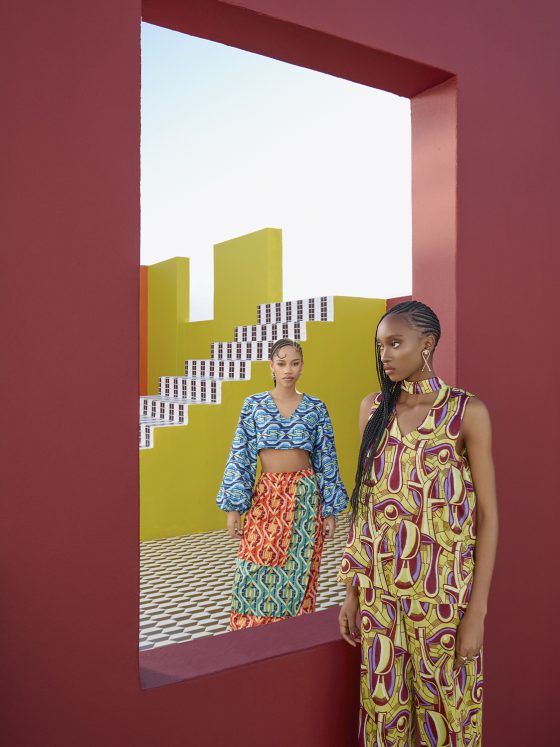
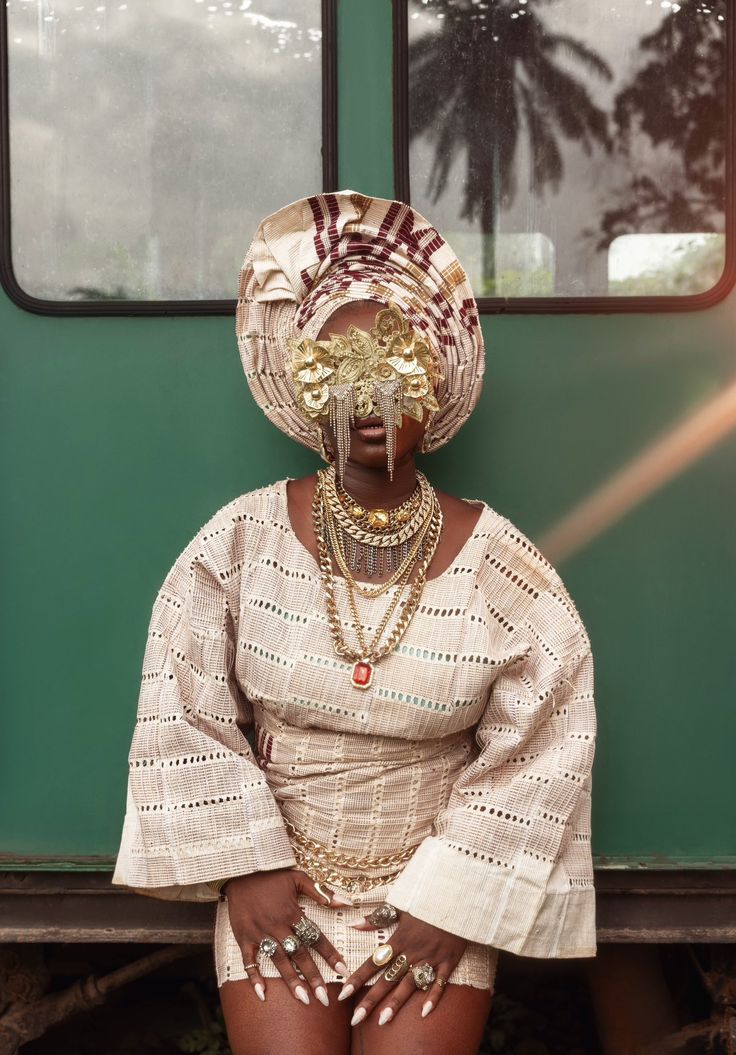
African weddings are a combination of performance, declaration, and heritage. In Nigeria, it is common for families to adopt Aso-Ebi, a uniform colour or pattern for all attendees. This is far from mere coordination; it communicates solidarity, familial allegiance, and respect for tradition. The fabrics chosen, wax prints, locally woven textiles, and sometimes imported silks, are carefully selected to signal identity and hierarchy.

Across the continent, variations emerge:

  • In Ghana, the Fugu worn by Northern wedding parties carries a distinct pattern vocabulary tied to lineage and social standing.
  • In Senegal, Wolof boubous worn by men are paired with matching caps embroidered with motifs that convey familial pride and status.
  • In the African diaspora, Afro-Brazilian ceremonies in Bahia feature Orixá-inspired attire, connecting descendants with ancestral spiritual practice through textiles and colour.

Even modern designers, from Kenneth Ize to Loza Maléombho, draw inspiration from these ceremonial textiles, adapting patterns and weaving techniques for contemporary couture while maintaining cultural resonance.

Naming and Initiation Ceremonies: Clothing as Symbol


Ceremonial clothing is particularly potent in naming rituals and rites of passage. The Yoruba naming ceremony (Isomoloruko) often features newborns wrapped in handwoven fabrics and cloths dyed with natural pigments, symbolising blessings, protection, and lineage continuity.

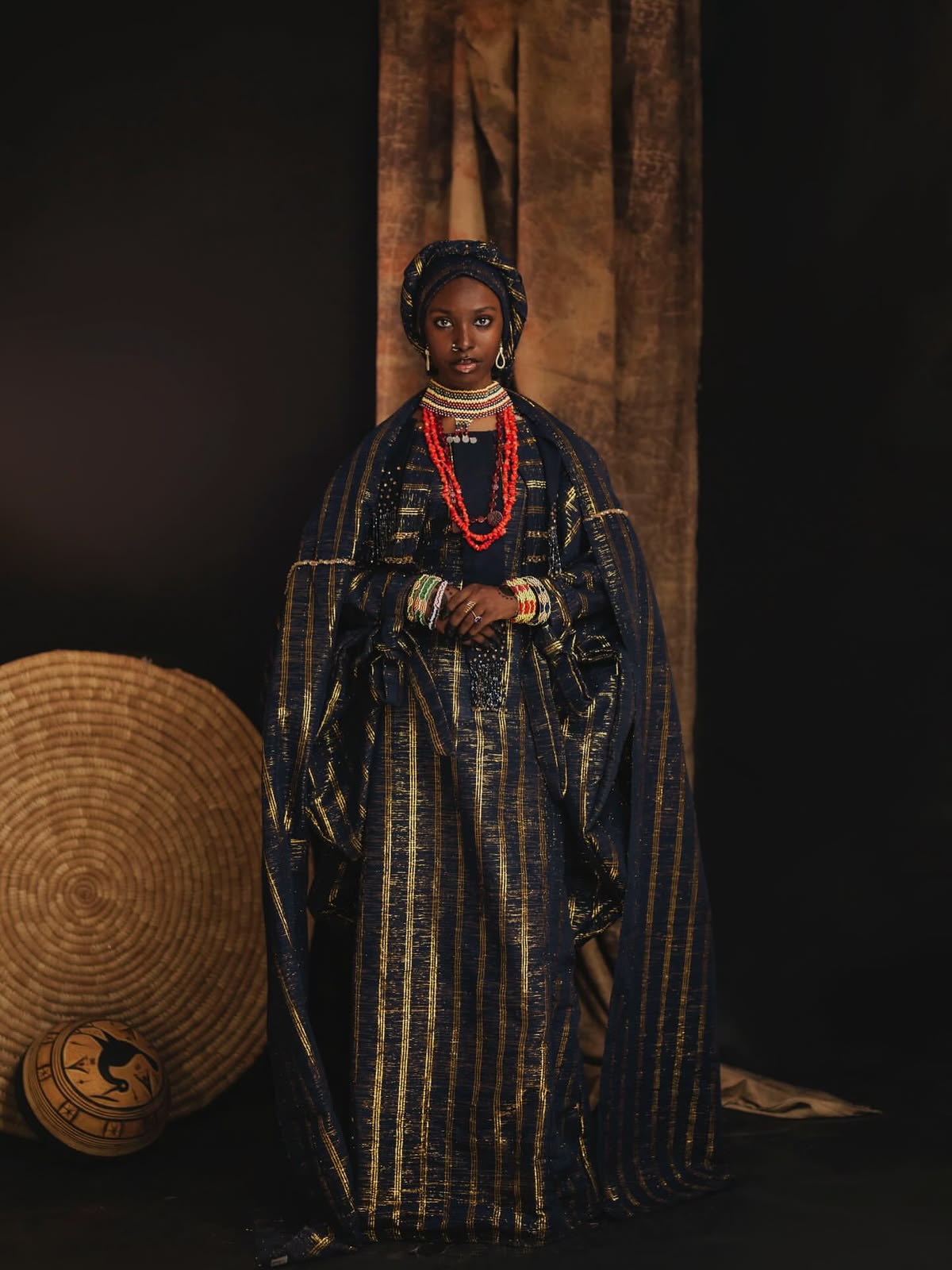
In Mali, young Fulani men and women wear ornate, embroidered tunics and jewellery during initiation ceremonies, signalling their transition into adulthood and community responsibility. Each pattern, bead, and thread is intentional: it encodes social values, moral expectations, and tribal affiliation.

Even the African diaspora preserves these customs. In South London, second-generation Nigerians and Ghanaians reinterpret Aso-Ebi formality into everyday streetwear, translating gele headwraps into Saturday brunch style while maintaining ancestral references in prints and draping techniques. This shows how ceremonial aesthetics evolve without losing their narrative function.

Festivals and Spiritual Gatherings: Textiles in Motion
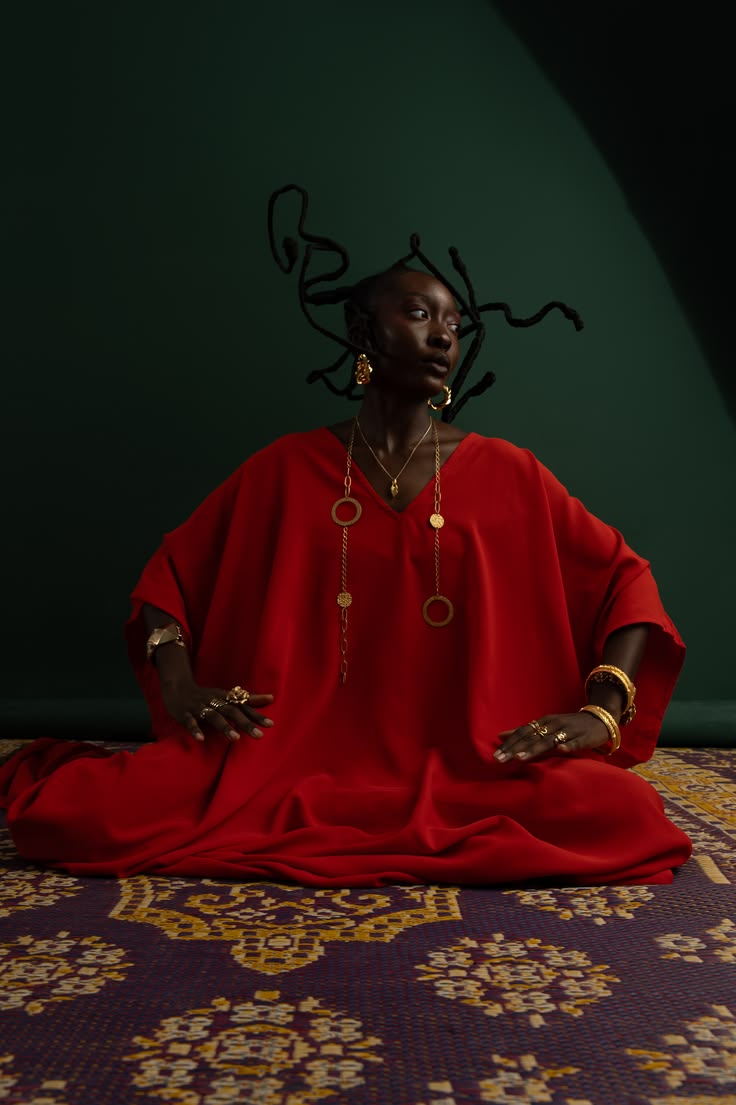
Naming and Initiation Ceremonies: Clothing as Symbol

Festivals are living museums of style. In Burkina Faso, the Faso Dan Fani cottons are showcased during harvest festivals, worn in layers, draped, and tied to signal community belonging and celebration. In the Caribbean, Garifuna and Afro-Latinx communities wear colourful woven skirts and embroidered blouses during traditional dances, carrying stories of displacement, resilience, and collective memory.

These moments highlight that clothing is not just decoration; it is performative history. When dancers spin, walk, or bow, their textiles narrate ancestral knowledge, echoing centuries-old techniques that connect communities across geography and time.

Designers Translating Ritual into Contemporary Fashion

Modern African designers have increasingly recognised the narrative power of ceremonial clothing.

  • Loza Maléombho often reinterprets ceremonial textiles into fluid silhouettes that speak to both African heritage and global fashion audiences.
  • Kenneth Ize transforms handwoven ceremonial fabrics such as Fugu and Ewe Kente into runway-ready garments, preserving lineage and craft while amplifying their visibility.
  • Maki Oh uses embroidery and appliqué to reflect ritual symbolism in contemporary wardrobes, creating pieces that carry stories without requiring explanation.

By doing this, these designers position African rituals as a form of global fashion literacy, proving that ceremonial style can inform the most forward-looking wardrobes.

READ ALSO:

  • Why Getting Dressed Still Matters in the Age of Digital Identity
  • The Modern Gentleman’s Guide to Style: Redefining Masculinity in Fashion

What the Everyday Can Learn From Ceremony
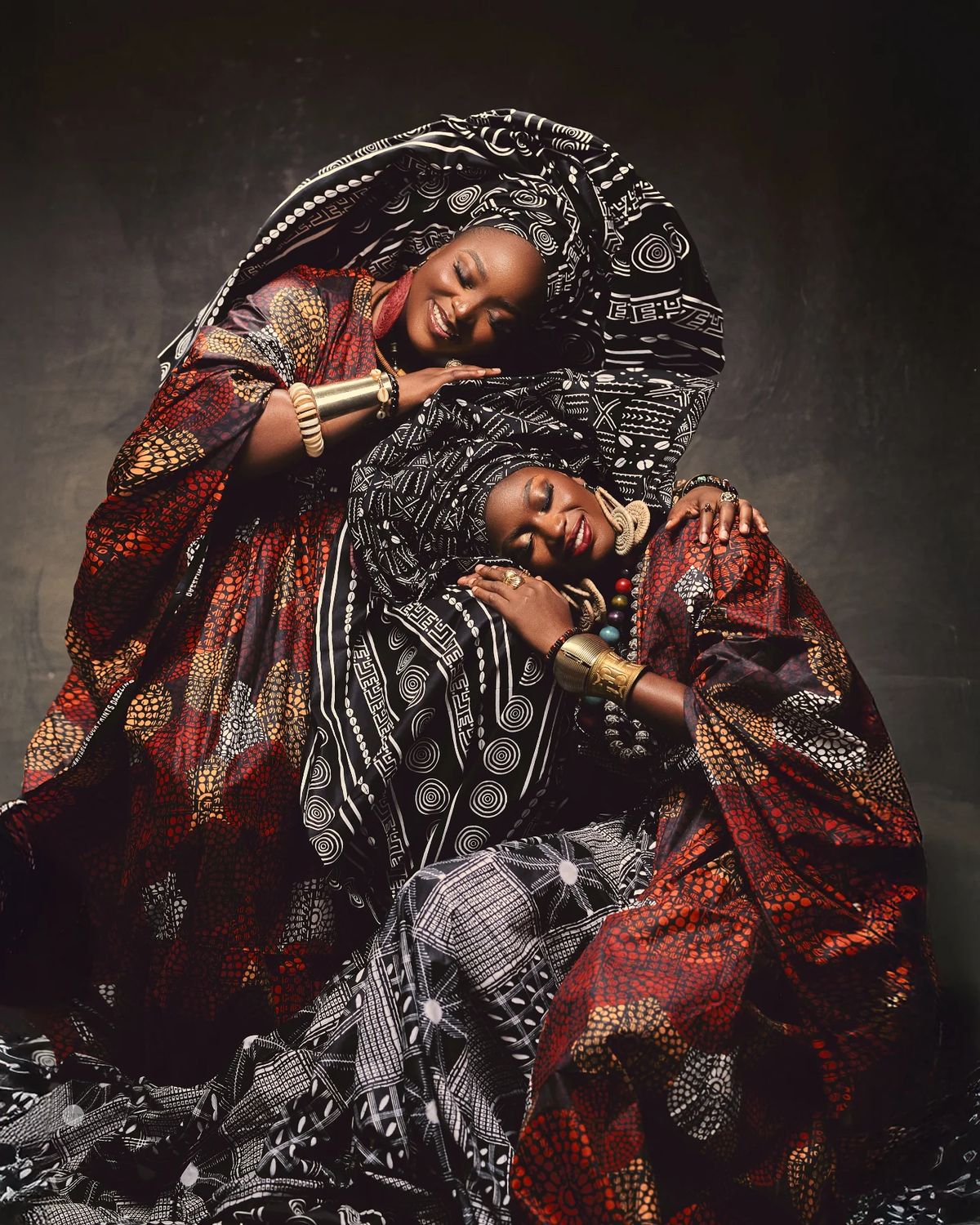
What the Everyday Can Learn From Ceremony

The influence of ceremonial dressing is not limited to events. It informs how people approach everyday style:

  • Intentionality: Choosing colours, patterns, and fabrics with purpose
  • Narrative: Allowing garments to communicate identity, heritage, or mood
  • Respect for Craft: Valuing artisanal work and sustainable production

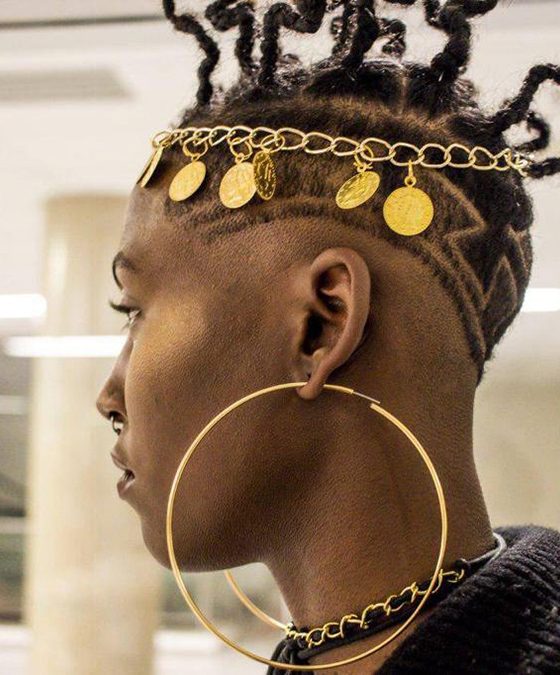
Even casual streetwear can echo these principles. For example, diaspora creatives often remix ritual-inspired prints into tailored shirts, jackets, or sneakers, bridging ancestral knowledge with modern expression.

Style as Living Heritage

African ceremonial dressing is a textual archive, a woven, dyed, embroidered history of communities, values, and life stages. It teaches that fashion is not separate from culture; it is culture enacted daily.

When we move beyond clothing as an aesthetic or a trend and embrace its ritual significance, we understand fashion as follows:

  • a medium of memory
  • a tool of social cohesion
  • a form of cultural resistance

Ceremony is not just about events. It is a lens through which style itself becomes meaningful, instructive, and enduring.

African style, in every stitch and fold, carries stories. And those who wear it intentionally are participating in a living heritage that transcends time, place, and trend.

FAQs

1. How do African ceremonies influence fashion today?

Ceremonial clothing informs modern style by providing colour, pattern, and silhouette references rooted in cultural identity.

2. What is the significance of Aso-Ebi in Nigerian weddings?

Aso-Ebi symbolises solidarity, familial ties, and social hierarchy, reflecting identity and communal belonging in Nigerian weddings.

3. Which African textiles are commonly used in rituals and festivals?

Beyond Kente and Adire, textiles such as Fugu, Faso Dan Fani, Ewe Kente, and Wolof weaving are prominent in ceremonial dress.

4. How are designers translating African ritual textiles into modern fashion?

Designers like Kenneth Ize, Maki Oh, and Loza Maléombho adapt ceremonial fabrics, embroidery, and symbolism into contemporary garments for global audiences.

5. Can everyday style draw inspiration from ceremonial dressing?

Yes. Intentional use of fabric, pattern, and narrative can transform daily wardrobes into expressions of identity, heritage, and cultural respect.

Post Views: 222
Total
0
Shares
Share 0
Tweet 0
Pin it 0
Related Topics
  • African fashion rituals
  • cultural celebration fashion
  • traditional ceremony attire
Fathia Olasupo

olasupofathia49@gmail.com

You May Also Like
Street Style in Lomé: The Evolution of Youth Fashion in Togo
View Post
  • Street Fashion in Africa

Street Style in Lomé: The Evolution of Youth Fashion in Togo

  • Faith Olabode
  • May 22, 2026
Streetwear in Benin: Youth Culture and Contemporary Style
View Post
  • Street Fashion in Africa

Streetwear in Benin: Youth Culture and Contemporary Style

  • Faith Olabode
  • May 22, 2026
Wax Prints and Beyond: Fabrics Defining Ivorian Fashion
View Post
  • Traditional to Modern Styles

Wax Prints and Beyond: Fabrics Defining Ivorian Fashion

  • Philip Sifon
  • May 22, 2026
Traditional Fashion in Côte d'Ivoire: Culture, Colour, and Identity
View Post
  • Traditional to Modern Styles

Traditional Fashion in Côte d’Ivoire: Culture, Colour, and Identity

  • Philip Sifon
  • May 20, 2026
Santo Domingo Streetwear: Bachata Culture, Afrocentric Identity, and Youth Dress
View Post
  • Street Fashion in Africa

Santo Domingo Streetwear: Bachata Culture, Afrocentric Identity, and Youth Dress

  • Fathia Olasupo
  • May 20, 2026
Monrovia Streetwear: How Liberian Youth Built an Urban Fashion Culture
View Post
  • Street Fashion in Africa

Monrovia Streetwear: How Liberian Youth Built an Urban Fashion Culture

  • Faith Olabode
  • May 19, 2026
Togolese Textiles and Craftsmanship in Modern Fashion
View Post
  • Traditional to Modern Styles

Togolese Textiles and Craftsmanship in Modern Fashion

  • Faith Olabode
  • May 18, 2026
View Post
  • Designers & Brands

Jamaican Designers Building a Fashion Identity on Their Own Terms

  • Fathia Olasupo
  • May 18, 2026

Leave a Reply Cancel reply

Your email address will not be published. Required fields are marked *

The Omiren Argument

African fashion and culture are not emerging. They are foundational. We document, interpret, and argue for the full cultural weight of African and diaspora dress. With precision. Without apology.

Omiren Styles Fashion · Culture · Identity

All 54 African Nations
Caribbean · Afro-Latin America
The Global Diaspora

Platform

  • About Omiren Styles
  • Our Vision
  • Our Mission
  • Editorial Pillars
  • Editorial Policy
  • The Omiren Collective
  • Campus Style Initiative
  • Sustainable Style
  • Social Impact & Advocacy
  • Investor Relations

Contribute

  • Write for Omiren Styles
  • Submit Creative Work
  • Join the Omiren Collective
  • Campus Initiative
Contact
contact@omirenstyles.com
Our Reach

Africa — All 54 Nations
Caribbean
Afro-Latin America
Global Diaspora

African fashion intelligence, in your inbox.

Editorial features, designer profiles, cultural commentary. No noise.

© 2026 Omiren Styles — Rex Clarke Global Ventures Limited. All rights reserved.
  • Privacy Policy
  • Editorial Policy
  • Terms of Use
  • Accessibility
Africa · Caribbean · Diaspora
The Omiren Argument

African fashion and culture are not emerging. They are foundational. We document, interpret, and argue for the full cultural weight of African and diaspora dress. With precision. Without apology.

Omiren Styles Fashion · Culture · Identity
  • About Omiren Styles
  • Our Vision
  • Our Mission
  • Editorial Pillars
  • Editorial Policy
  • The Omiren Collective
  • Campus Style Initiative
  • Sustainable Style
  • Social Impact & Advocacy
  • Investor Relations
  • Write for Omiren Styles
  • Submit Creative Work
  • Join the Omiren Collective
  • Campus Initiative
Contact contact@omirenstyles.com

All 54 African Nations · Caribbean
Afro-Latin America · Global Diaspora

African fashion intelligence, in your inbox.

Editorial features, designer profiles, cultural commentary. No noise.

© 2026 Omiren Styles
Rex Clarke Global Ventures Limited.
All rights reserved.

  • Privacy Policy
  • Editorial Policy
  • Terms of Use
  • Accessibility
Africa · Caribbean · Diaspora

Input your search keywords and press Enter.