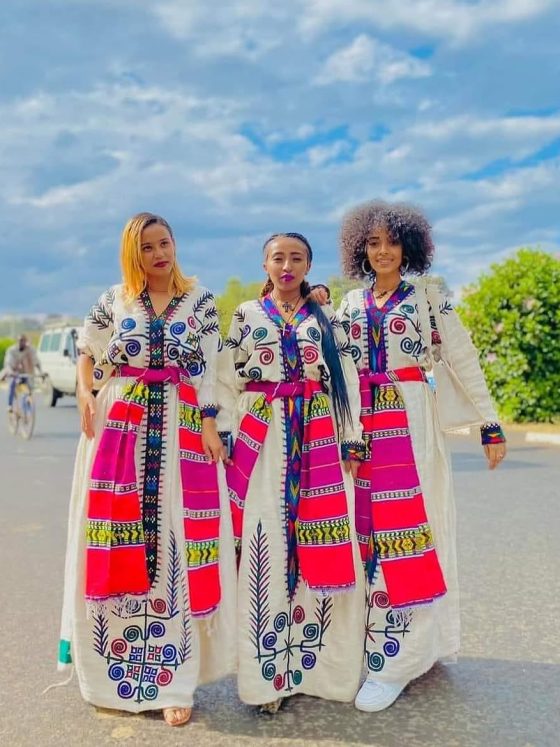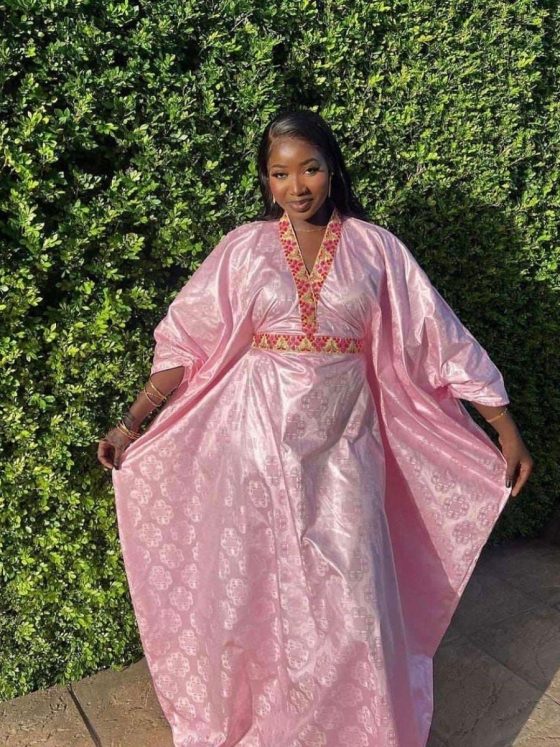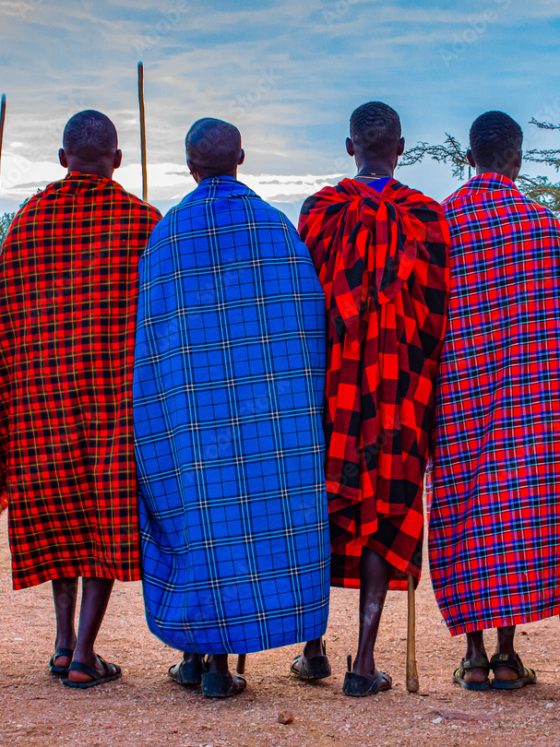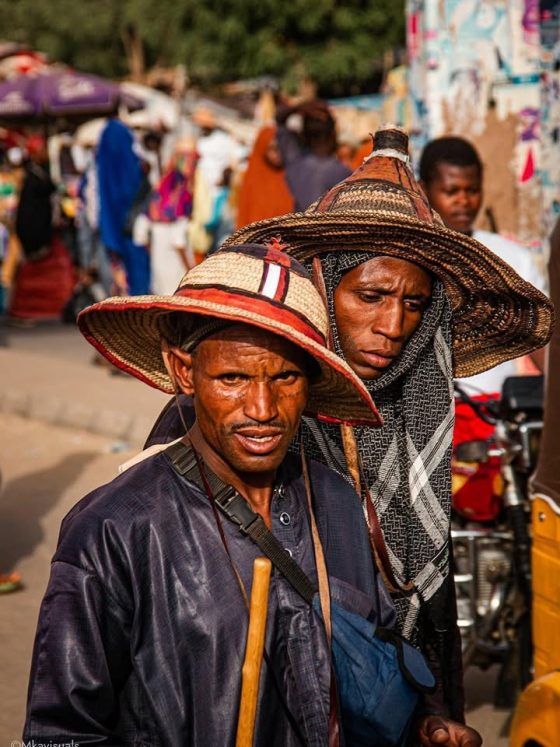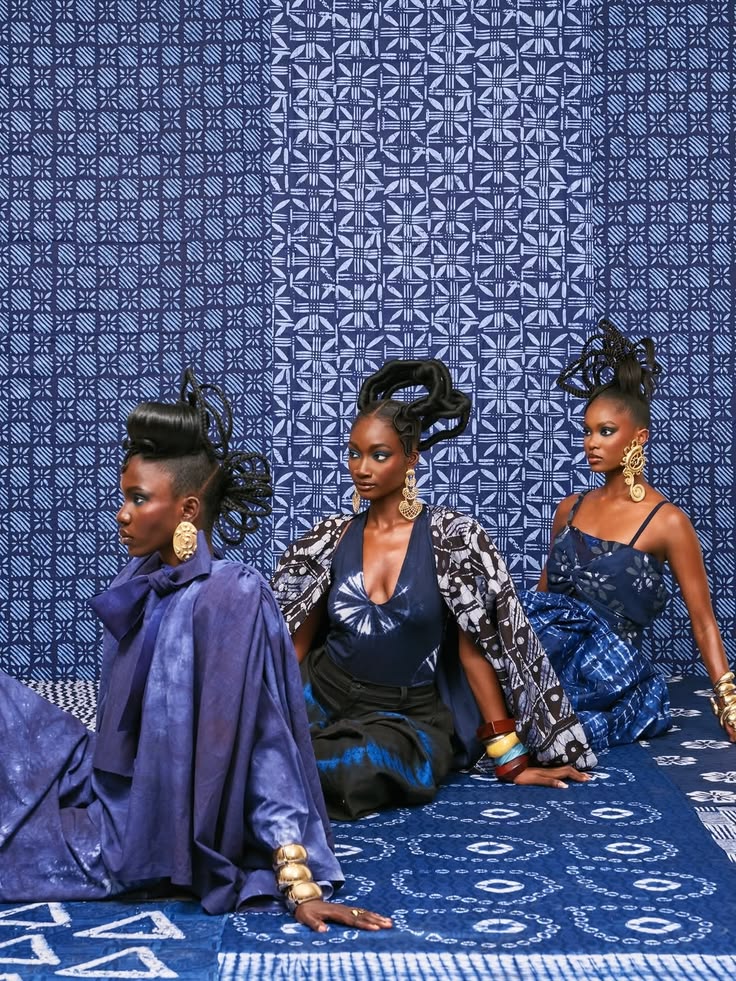
African identity does not look the same everywhere.
It moves. It shifts. It adjusts itself based on where it is being worn, who is wearing it, and what the environment demands of it. The same fabric, the same silhouette, and the same reference can communicate entirely different things depending on where it appears: Lagos, London, Kingston, or New York.
This is not an inconsistency.
It is a translation.
Across continents, African identity is styled through different pressures. In some places, it is lived and continues. In others, it is reconstructed. And in many global contexts, it is performed under the weight of visibility.
Understanding African fashion globally is not about looking for a single aesthetic. It is to observe how identity changes when it moves.
Explore how African identity is expressed through fashion across Africa, the diaspora, and global cities—and what changes in translation.
On the Continent: Identity as Continuity
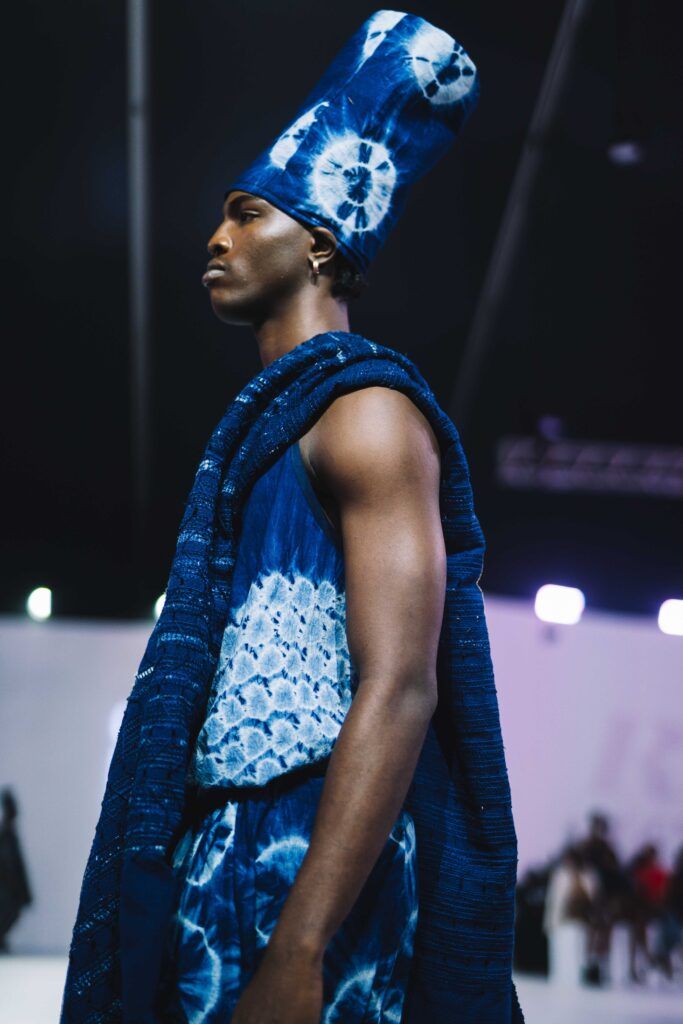
In cities like Lagos, Accra, and Johannesburg, African identity in fashion does not need to be explained.
It exists as part of daily life.
Clothing here is not always worn to signal Africanness. It is worn because it belongs. Aso-oke, Ankara, Kente, shweshwe, and other textiles operate within systems that people already understand. The meanings are shared. The references are internal.
This creates a kind of ease.
Designers on the continent are not always working to prove cultural authenticity. They are often working to innovate within it. To push silhouettes, to experiment with form, to reinterpret tradition without disconnecting from it.
Identity, in this context, is stable enough to be flexible.
In the Diaspora: Identity as Reconstruction
In places like London, New York City, and across the Caribbean, African identity operates differently.
It is not always inherited in full. It is often reconstructed.
For many in the diaspora, fashion becomes a way to reconnect with disrupted histories. Fabrics, headwraps, braids, and silhouettes become tools of recovery. They are used intentionally, sometimes symbolically, to rebuild a sense of belonging.
This creates a different relationship to dress.
Clothing is not just worn.
It is chosen with awareness.
Ankara is not just fabric. It is identity.
Headwraps are not just a style. They are statements.
The same elements that function as everyday wear on the continent take on heightened meaning in diaspora spaces.
In Global Fashion Capitals: Identity as Aesthetic
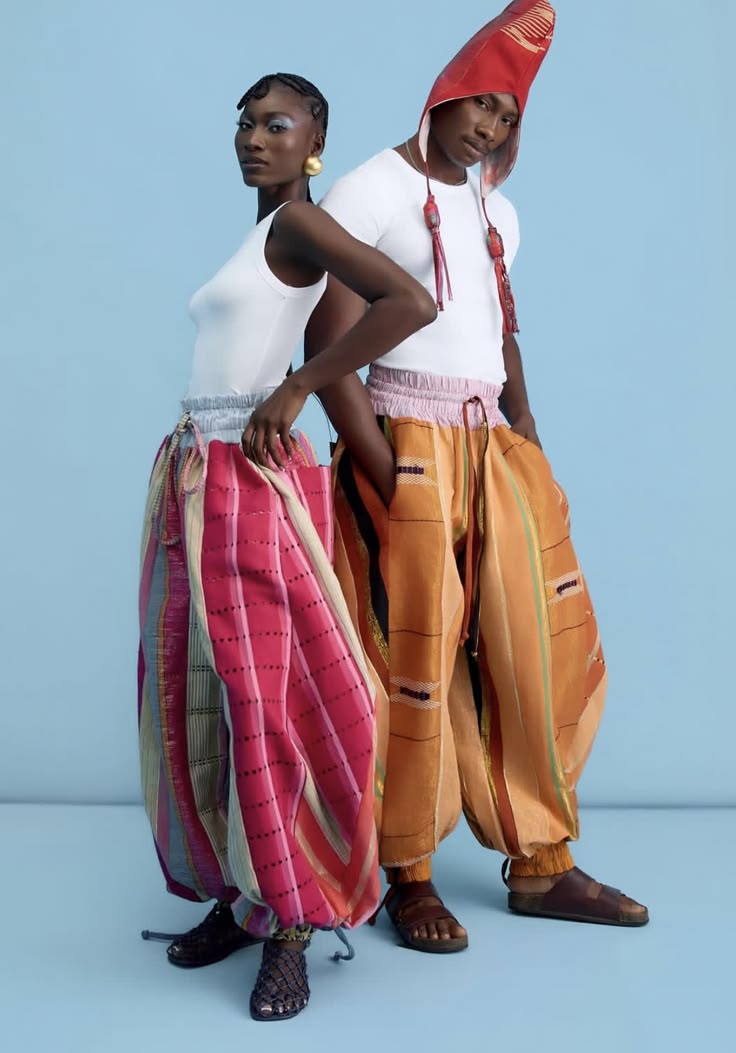
In cities like Paris and Milan, African identity often appears as an aesthetic.
Designers reference African textiles, silhouettes, and adornment systems. Runways feature prints, beadwork, and styling cues that draw from African visual language.
But in many cases, the connection stops at the surface.
The garments may carry the look, but not the system behind it. The cultural logic, the production structures, and the communities that created those aesthetics are often absent from the final product.
This creates a version of African identity that is visible but detached.
Recognisable, but not grounded.
The Same Fabric, Different Meaning
Consider Ankara.
On the continent, it can be casual, everyday, or ceremonial depending on how it is worn. It exists across classes, occasions, and contexts.
In diaspora spaces, Ankara often becomes elevated. It is worn for cultural events, celebrations, or moments where identity is being consciously expressed.
Globally, it becomes print. A visual reference that can be applied to any silhouette, often without acknowledgement of its history or production system.
The fabric does not change.
The meaning does.
READ ALSO:
- The Business Systems Behind a Fashion Brand: Pricing, Fulfilment, and Repeat Buyers
- How Designers Build Collections Around One Material, One Motif, or One Construction Method
Visibility and Pressure
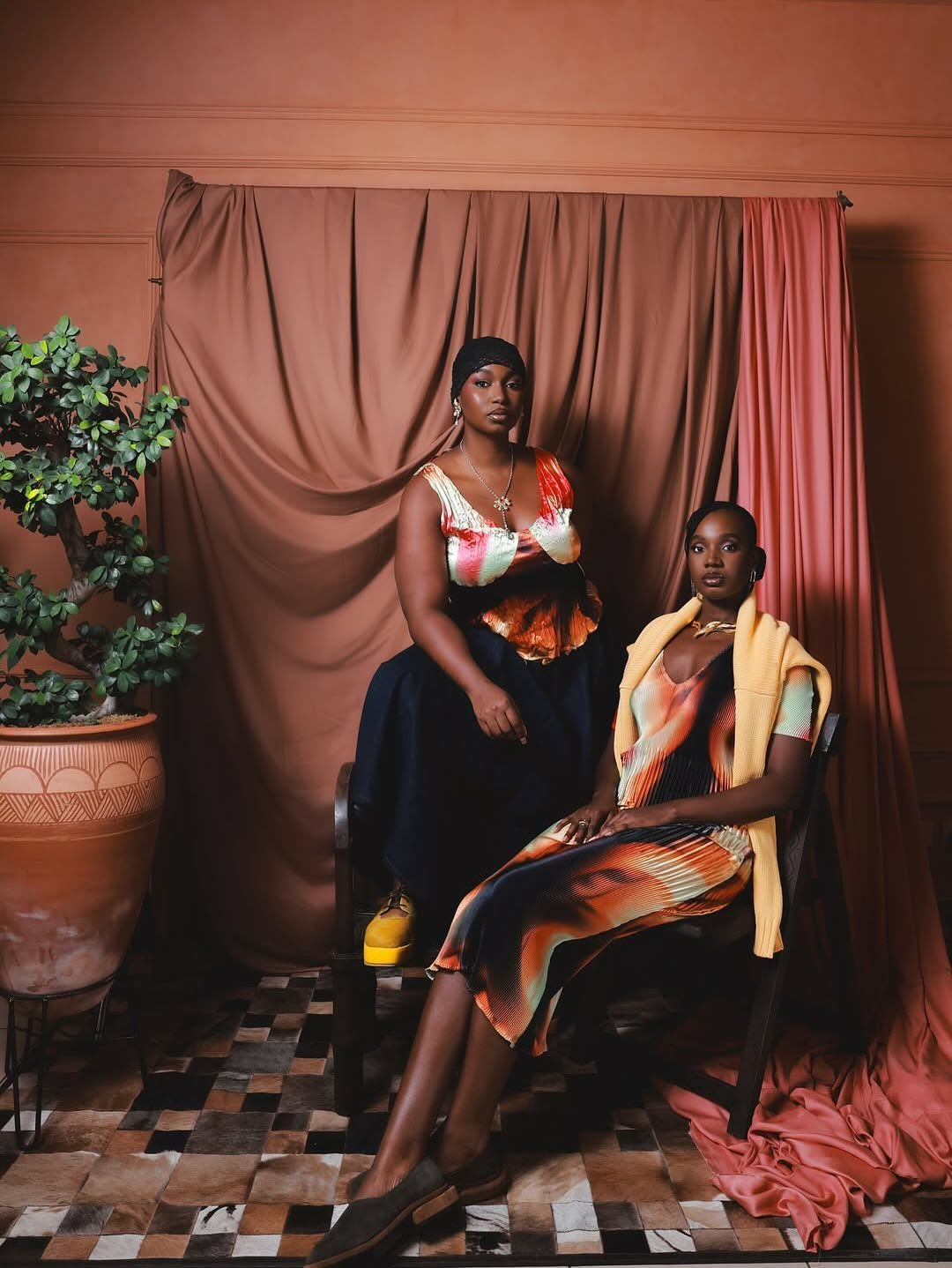
African identity is not styled under the same conditions everywhere.
On the continent, the pressure often centres on innovation and modernity. How to move forward without losing cultural grounding.
In the diaspora, the pressure is about representation. How to be visible without being reduced.
In global fashion spaces, the pressure often centres on interpreting how to translate African aesthetics into something that fits within existing industry frameworks.
These pressures shape how identity appears.
They influence what is emphasised, what is simplified, and what is left out.
Performance vs Presence
One of the key differences across continents is the line between performance and presence.
On the continent, African identity in fashion is often present. It exists without needing to justify itself.
In the diaspora, it can become performance—not in a superficial sense, but in a conscious one. Identity is expressed deliberately, often in response to external environments.
Globally, it is sometimes reduced to performance without context. Styled for visual impact, but disconnected from lived experience.
Understanding this difference is critical.
Because it explains why the same outfit can feel natural in one place and symbolic in another.
What Gets Lost in Translation
When African identity moves, not everything moves with it.
Cultural context can be reduced. Production systems can be erased. Meaning can be simplified into visual cues.
What remains is often the most visible part.
Colour.
Pattern.
Silhouette.
But the deeper structures—the why behind the design—can become less visible.
This is not always intentional. It is often a result of how global systems operate.
But the effect is the same.
Identity becomes easier to consume but harder to understand.
What Remains Constant
Despite these shifts, something remains consistent.
African identity in fashion continues to draw on systems of meaning older than global fashion itself. Systems where clothing is tied to community, to history, to social structure.
Even when translated, even when adapted, those roots remain present.
They may be emphasised differently.
They may be interpreted differently.
But they are not erased.
OMIREN Argument
African identity does not change when it moves.
What changes is how it is read.
On the continent, it is understood without explanation.
In the diaspora, it is expressed with intention.
Globally, it is often reduced to appearance.
The difference is not in the clothing itself. It is in the system surrounding it.
Fashion has long treated African identity as something that can be translated visually without carrying its full context. It assumes that pattern, colour, and silhouette are enough.
They are not.
Because African identity in dress is not just aesthetic, it is structural. It is built through relationships between fabric, history, labour, and meaning.
When those relationships are removed, what remains is not identity.
It is a reference.
And reference, no matter how accurate it appears, is not the same as belonging.
Frequently Asked Questions (FAQs)
- How is African fashion different across continents?
African fashion changes based on context. On the continent, it is lived and continuous; in the diaspora, it is often intentional and symbolic, and globally, it is frequently aestheticised.
- Why does African identity in fashion look different abroad?
It responds to different social pressures, such as representation, visibility, and cultural reconstruction.
- Is African fashion the same as diaspora fashion?
No. While they are connected, diaspora fashion often involves the reinterpretation and reconstruction of identity.
- Why is African fashion often reduced to prints globally?
Global fashion systems tend to focus on visual elements while overlooking cultural context and production systems.
- What remains consistent in African fashion worldwide?
It’s connection to cultural meaning, history, and identity, even when expressed differently.