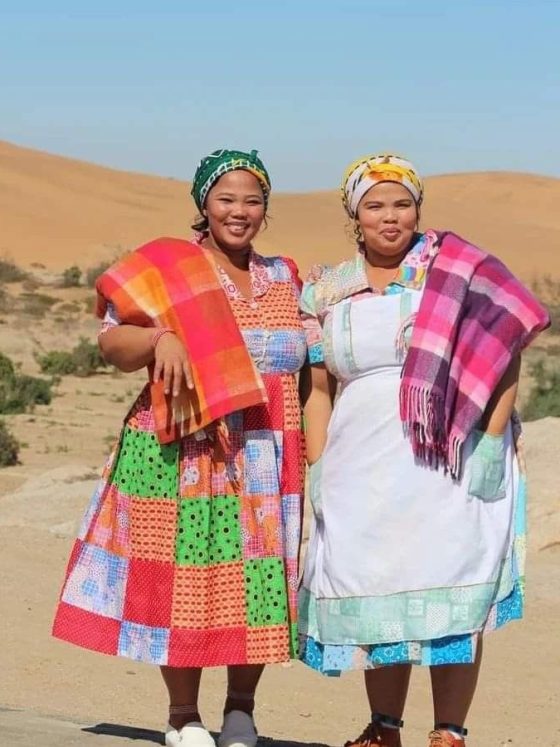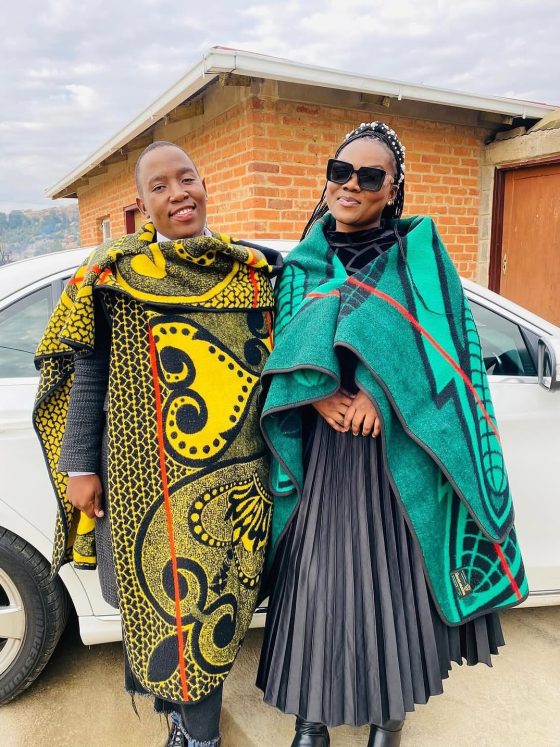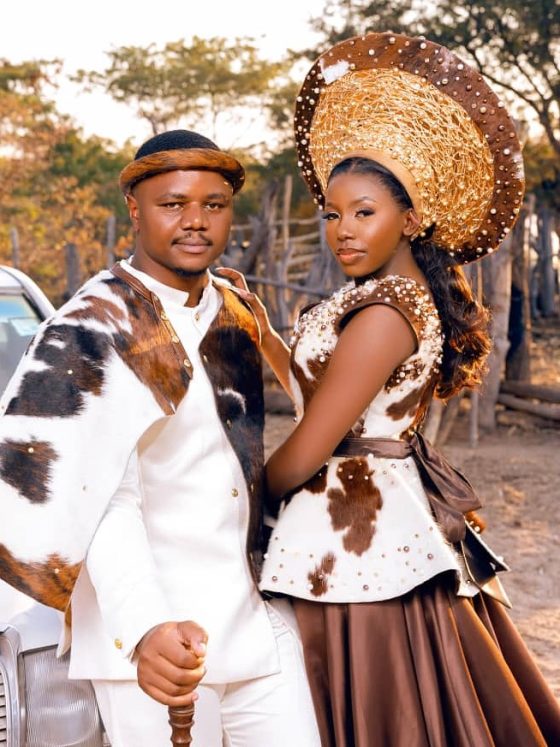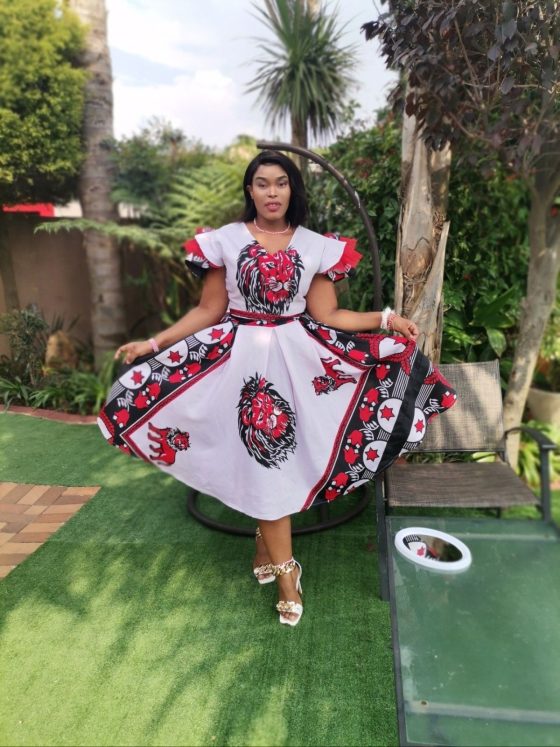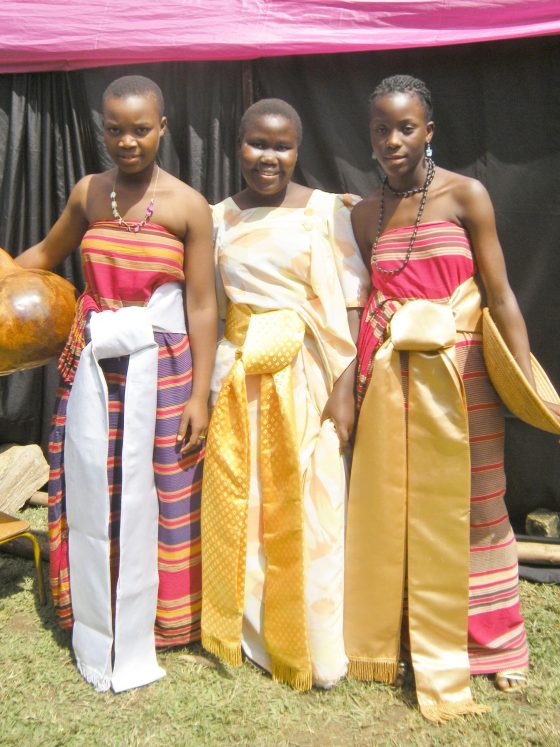
Start with the specific fabric that defines Cape Verdean style: the pano textile, a handwoven cotton cloth that combines African weaving techniques with Portuguese floral patterns. When Cape Verdean women wear pano wraps at festivals, the fabric tells a story of 500 years of colonial history, ocean migration, and cultural survival. The islands’ position 350 miles off West Africa’s coast placed them at the centre of Atlantic trade routes, where African textiles arrived alongside Portuguese lace, creating a fashion system that never chose between influences but fused them into something new.
Cape Verde represents one of the most understated fashion cultures in West Africa precisely because its garments are worn in daily life rather than on museum display. The islands’ population of 600,000 includes descendants of enslaved Africans, Portuguese colonisers, and mixed-heritage mestiço families who created a unique Creole identity. Their clothing reflects this duality: African-inspired wraps paired with Portuguese-style collars, handwoven cotton combined with imported lace, bold colours trimmed with delicate embroidery. This fusion isn’t accidental; it’s the result of centuries of trade, migration, and cultural negotiation that produced a fashion system operating beyond simple national boundaries.
This article examines how Cape Verdean fabrics blend African weaving with Portuguese design, what specific garments define island style, and why cultural fusion strengthens rather than weakens Cape Verdean identity. You will learn what pano textiles are, how Lança dresses blend African and Portuguese elements, and why Cape Verdean fashion remains relevant today.
Discover how Cape Verdean fabrics blend African and Portuguese influences, creating a unique cultural fusion in Cape Verdean style that reflects the islands’ history and identity.
The Pano Textile: How Handwoven Cotton Became Cape Verdean Identity
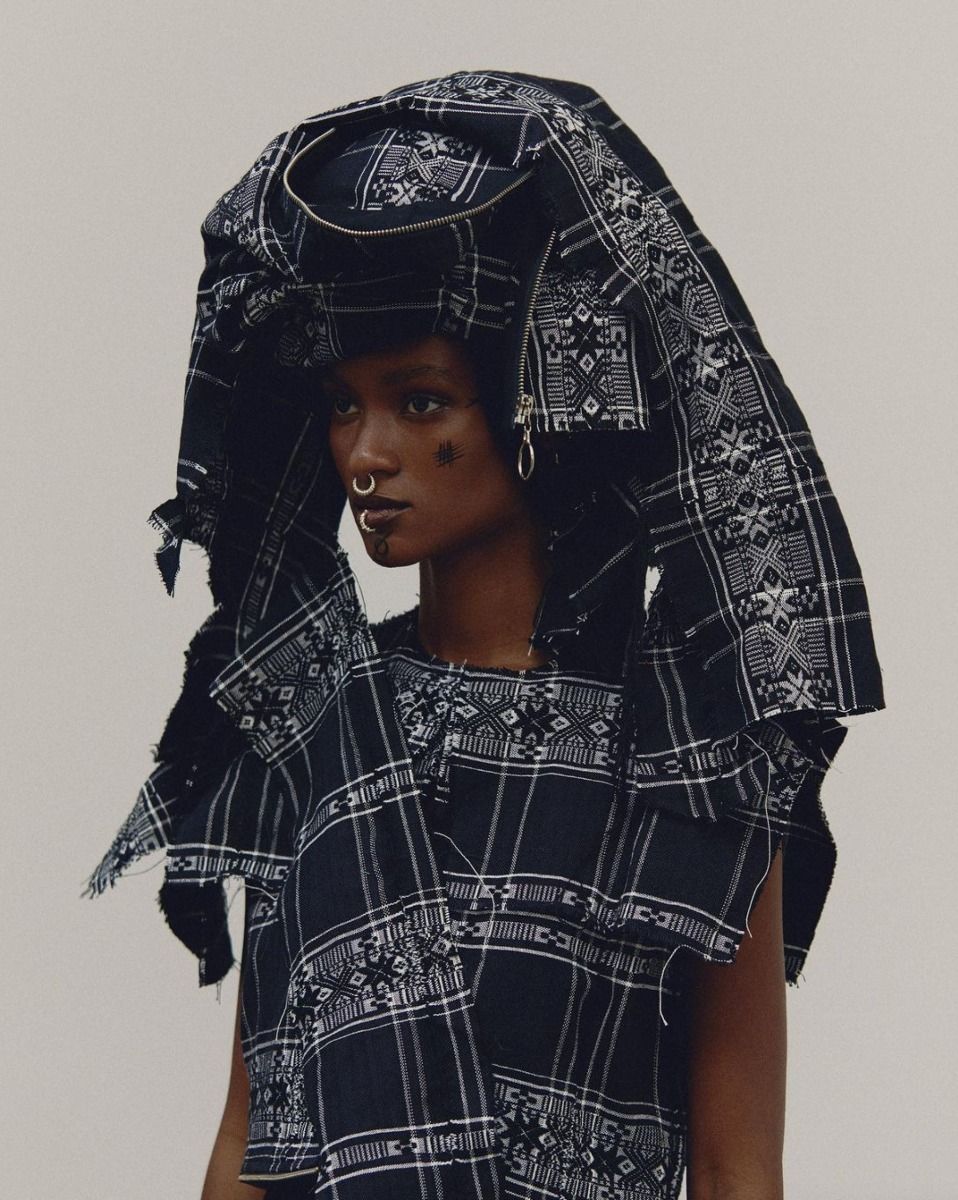
The pano textile proves that African weaving techniques survived Portuguese colonisation by adapting to new patterns rather than disappearing.
Who makes pano and where?
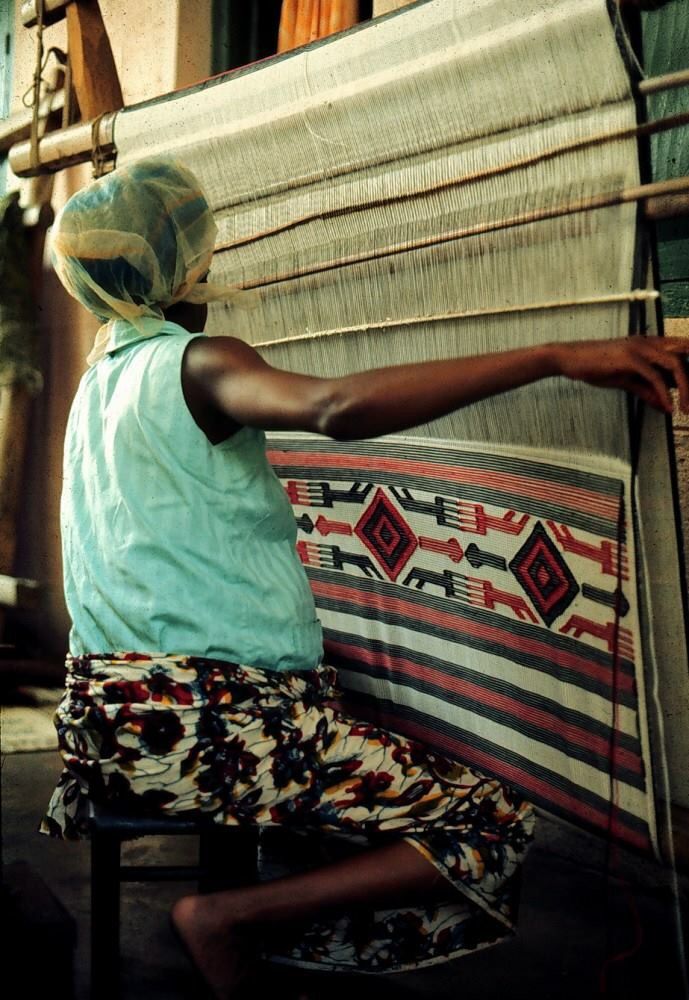
Pano is handwoven by women artisans on Cape Verde’s Santiago and Fogo islands, using traditional wooden looms passed through generations. The cotton comes from local farms or is imported from Guinea-Bissau and is woven into 2–3-metre strips that women stitch together into larger wraps.
What does pano look like?
The fabric features bold geometric African patterns, diamonds, zigzags, and crosses, overlaid with Portuguese floral motifs in red, blue, green, and yellow. The contrast between angular African shapes and curved Portuguese flowers creates visual tension that defines Cape Verdean style.
Why does pano matter culturally?
Women wear pano wraps at weddings, festivals, and religious ceremonies, tying them around the body like a sarong and pairing them with a matching headwrap. The fabric signals femininity, cultural pride, and connection to African roots while acknowledging Portuguese influence. Elder women teach younger generations weaving techniques, ensuring continuity.
What does pano mean today?
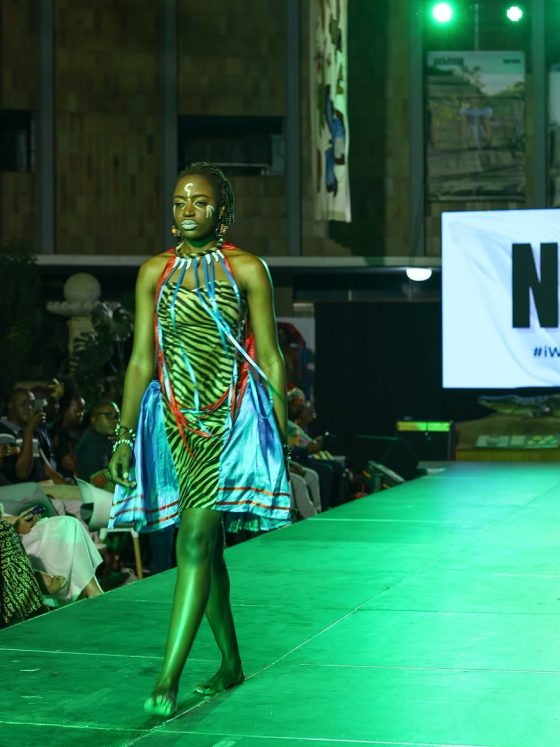
Younger Cape Verdeans wear pano as a fashion statement, along with modern dresses, scarves, and bags made from traditional fabric. This adaptation proves pano’s durability: it survives by maintaining core techniques while adjusting applications. As Christie Brown in Ghana incorporates kente into contemporary ready-to-wear, Cape Verdean artisans fuse heritage with modernity.
African-Portuguese Fusion: How Cape Verdean Dress Combines Two Worlds
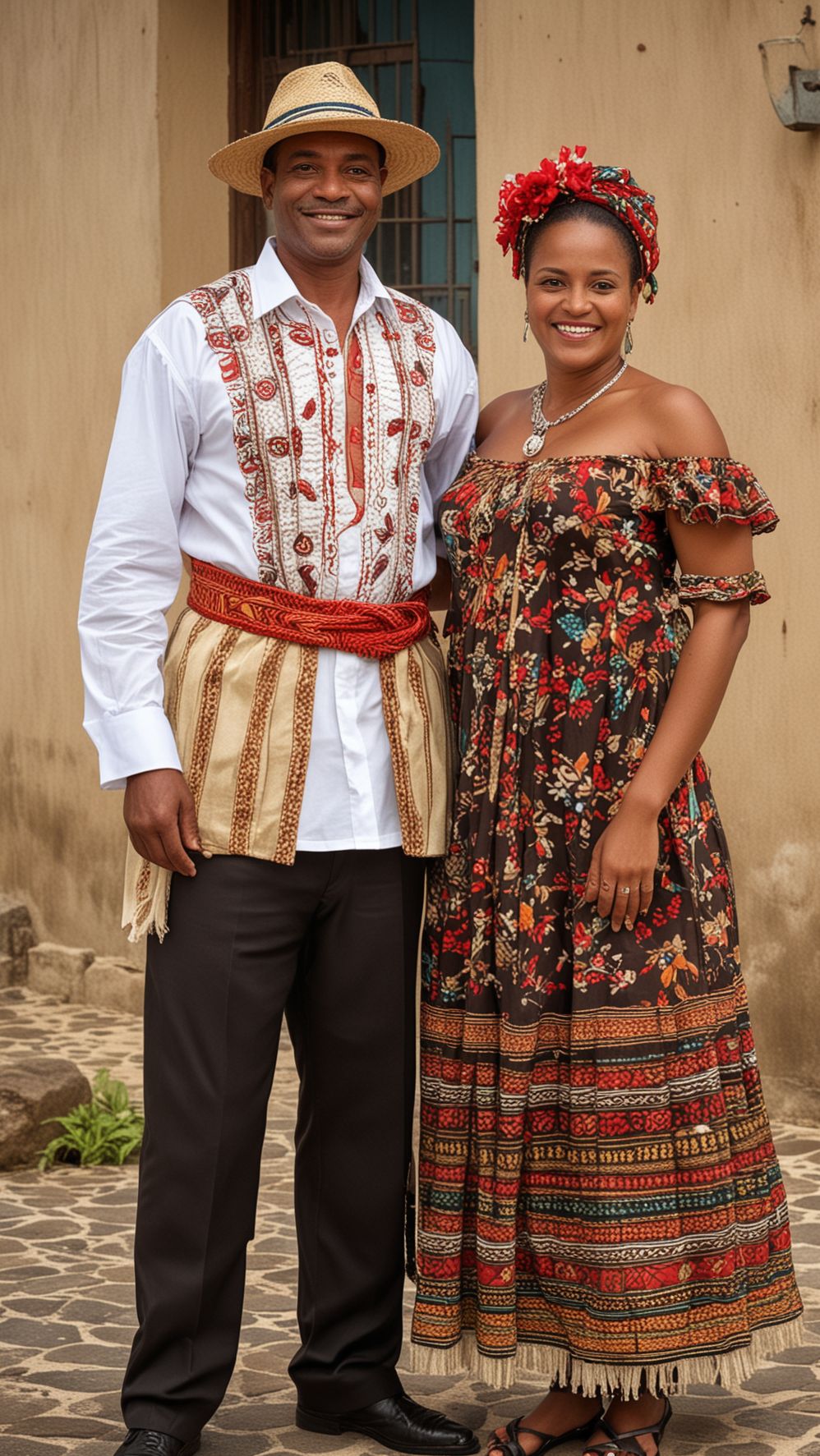
Cape Verdean clothing doesn’t choose between African and Portuguese influences; it integrates both into a Creole identity that exists beyond either origin.
What specific garments show fusion?
The lança dress combines African wrap techniques with Portuguese tailoring: a fitted bodice with puffed sleeves (Portuguese) paired with a flowing wrapped skirt (African). Women wear it with lace trim at the collar and cuffs (Portuguese) over handwoven cotton fabric (African).
Men wear camisa tradicional, a long shirt with Portuguese-style embroidery at the collar and pockets, made from African pano cotton. The garment appears at weddings and cultural events, signalling male identity through fabric choice and embroidery detail.
How does lace function in Cape Verdean style?
Portuguese lace appears as trim on dresses, headwraps, and men’s shirts. Women layer lace over pano fabric, creating a textural contrast between the delicate European textile and the bold African weave. The lace doesn’t replace African fabric; it enhances it, adding visual complexity.
What colours define Cape Verdean fashion?
Bold African colours (red, yellow, green) combine with Portuguese pastel tones (blue, pink, cream). This colour fusion appears in pano textiles, lança dresses, and festival costumes. The contrast creates Cape Verde’s distinctive palette.
Why does fusion strengthen identity?
Cape Verdean dress proves that cultural identity endures through adaptation rather than preservation. The lança dress remains significant because women still wear it at weddings. The camisa appears at ceremonies because men choose it for cultural events. Fusion doesn’t dilute identity; it creates something new that both African and Portuguese descendants embrace.
A similar integration appears in Tongoro, the Senegalese brand by Jeanne Amadou, which blends traditional African silhouettes with contemporary ready-to-wear, making heritage fabrics accessible to younger generations.
ALSO READ:
Trade Routes and Textile History: How Atlantic Commerce Shaped Cape Verdean Fabric
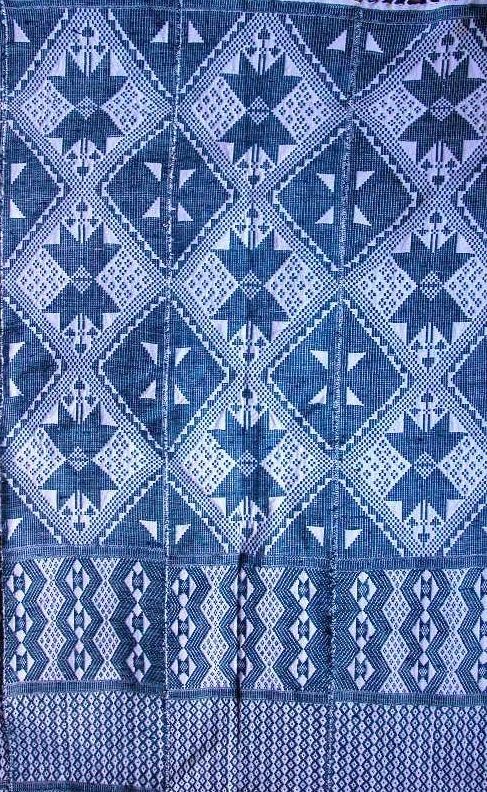
Cape Verde’s position on Atlantic trade routes shaped its fabric history, bringing African cotton alongside Portuguese lace and creating a fusion of fashion.
What trade routes affected Cape Verde?
Cape Verde’s location, 350 miles off the coast of West Africa, placed it at the centre of the 15th–19th-century Atlantic trade. Portuguese ships carried African textiles from Guinea, Senegal, and Ghana to the islands, while European lace and silk arrived from Lisbon. The islands became melting pots where fabrics met.
How did slavery influence textile history?
Enslaved Africans brought weaving techniques to Cape Verde, teaching local artisans how to construct wooden looms and dye cotton. Portuguese colonisers imported European lace, creating demand for fusion textiles. Slave descendants maintained African weaving while adopting Portuguese trim, producing pano fabric.
What textiles arrived from Africa?
Handwoven cotton from Guinea-Bissau, indigo-dyed cloth from Senegal, bark fabric from Ghana. These African textiles arrived alongside Portuguese lace, creating combinations that defined Cape Verdean style.
What textiles arrived from Europe?
Portuguese lace, silk ribbon, and cotton thread for embroidery. European textiles didn’t replace African fabric; they layered over it, creating visual complexity.
What threatens traditional weaving today?
Cheap Asian imports are saturating Cape Verdean markets, pushing local artisans out of business. Synthetic fabrics cost 60–70% less than handwoven cotton. Younger generations work in tourism and technology rather than weaving. Few apprentices learn traditional loom techniques.
How does fusion persist despite threats?
Cape Verdean artisans sell pano online to international buyers seeking authentic African-Portuguese fabric. Fashion designers incorporate pano into contemporary dresses, bags, and scarves. This adaptation ensures weaving continues despite economic pressures.
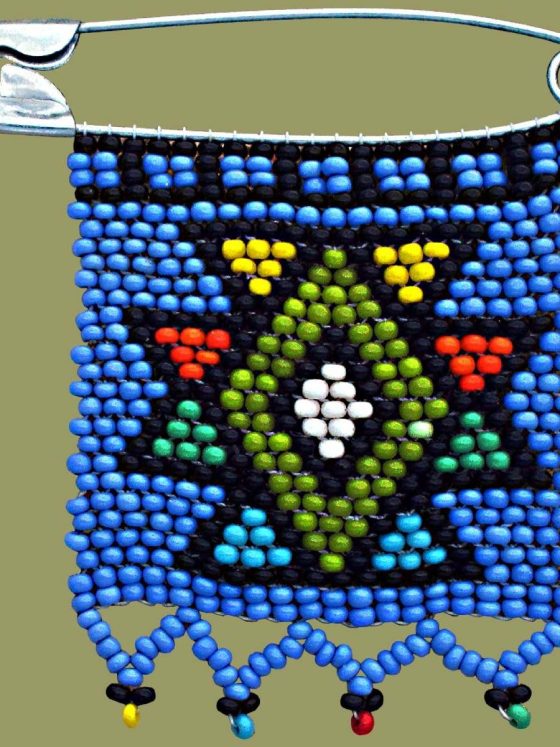
Similar continuity appears across West Africa. MaXhosa Africa by Lucien Ntsabo references traditional Xhosa beadwork in modern knitted streetwear, showing how heritage influences design without sacrificing contemporary relevance.
The Omiren Argument
Thesis: Cultural fusion strengthens identity by maintaining core techniques while adapting their applications.
Context: Critics argue that Cape Verdean fashion has lost authenticity by mixing African and Portuguese elements. They view fusion as cultural dilution, assuming true identity requires pure African or pure Portuguese influence.
Disruption: Cape Verde proves that fusion creates a new identity rather than destroying old ones. Pano textiles maintain African weaving while incorporating Portuguese patterns. Lança dresses combine African wraps with Portuguese tailoring. The fusion doesn’t weaken identity; it creates a Creole identity that both African and Portuguese descendants embrace.
Cultural Insight: Cultural identity endures through adaptability. Women still wear pano at weddings, and men still choose camisa for ceremonies. Artisans teach younger generations weaving techniques. Fusion persists because it serves contemporary needs while maintaining historical meaning.
Conclusion: Rejecting fusion does not create authenticity. Cape Verdean fashion remains potent because people still wear it in 2026. The better question is not whether fusion weakens identity, but whether cultural traditions evolve without losing significance.
Frequently Asked Questions (FAQs):
- What fabrics are used in Cape Verde?
Cape Verde uses handwoven cotton pano textiles featuring African geometric patterns with Portuguese floral motifs, lace trim from Portugal, and imported silk ribbon. Women wear pano wraps at festivals; men wear camisa tradicional shirts made from pano cotton with Portuguese embroidery.
- How did African and Portuguese influences mix in Cape Verdean clothing?
Enslaved Africans brought weaving techniques; Portuguese colonisers imported European lace. The combination created pano fabric, African cotton woven with Portuguese patterns. Lança dresses combine African wrap skirts with Portuguese bodices. This fusion created a Creole identity embracing both origins.
- What is traditional clothing in Cape Verde?
Traditional clothing includes pano wraps for women, lança dresses blending African and Portuguese styles, and camisa tradicional shirts for men. These appear at weddings, festivals, and cultural ceremonies across Cape Verde’s 15 islands.
- Do people still wear Cape Verdean traditional clothing?
Yes. Women wear pano at weddings and festivals. Younger generations adapt pano into modern dresses, scarves, and bags. Men wear a camisa at ceremonies. Artisans sell pano online to international buyers, ensuring weaving continues.
- Why does Cape Verdean fashion mix African and Portuguese elements?
Cape Verde’s position on Atlantic trade routes brought African cotton alongside Portuguese lace. Slavery brought African weaving; colonisation introduced European trim. The islands became melting pots where fabrics fused into a creole identity.
EXPLORE MORE:
Omiren Styles covers African and diaspora fashion from a position of cultural authority rather than cultural commentary. Every article here is built on the premise that African fashion is already the foundation. Subscribe for the intelligence that starts from that premise.