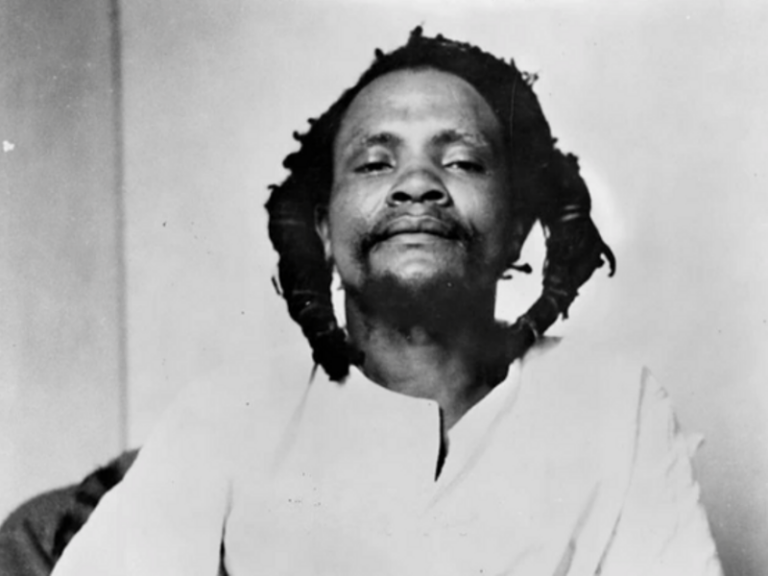
Dreadlocks worn by Mau Mau fighters during Kenya’s 1950s anti-colonial uprising were not primarily a style choice. They began, by most documented accounts, as a practical consequence of guerrilla life in the forest: fighters had little opportunity for grooming during years spent evading British colonial forces. But the hairstyle was quickly claimed as something more deliberate, a visible, sustained rejection of the colonial order the Mau Mau were fighting. Understanding that history requires holding two things at once: the genuine brutality of what Kimathi and his fellow fighters were resisting, and the specific, documented way appearance itself became part of that resistance.
Dreadlocks as a documented Mau Mau resistance symbol, the British propaganda campaign built to stigmatise them, and Field Marshal Muthoni wa Kirima’s own account of her hair.
What the Mau Mau Uprising Actually Was
Dedan Kimathi Waciuri was born on October 31, 1920, in Tetu, in what is now Nyeri County, and worked as a teacher before joining the Kenya African Union, eventually rising to lead the Kenya Land and Freedom Army, the militant wing of the Mau Mau movement, fighting from 1952 to reclaim land and self-governance from British colonial rule. He was captured, wounded, in 1956 and executed by hanging on February 18, 1957, at Kamiti Maximum Security Prison. His grave has never been officially identified.
The scale of what the Mau Mau were resisting is a matter of documented historical record. Harvard historian Caroline Elkins’ 2005 book Britain’s Gulag: The Brutal End of Empire in Kenya documented an estimated 1.5 million people placed in British detention camps and militarised villages, with large numbers of deaths concealed and unacknowledged at the time. In 2013, facing what reporting describes as overwhelming evidence of systematic violence and torture, the British government agreed to pay compensation to roughly 5,000 Mau Mau veterans, a figure described as representing only a fraction of those actually affected. The settlement did not constitute a formal apology.
Why the Hair Specifically Carried Meaning
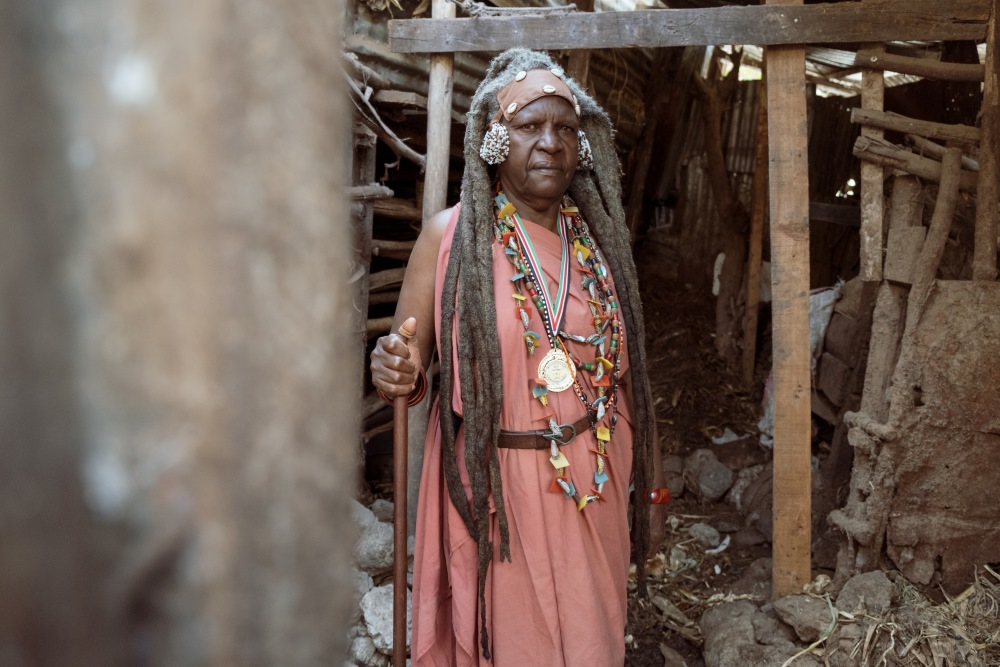
The most direct account of dreadlocks as documented resistance symbolism comes from Field Marshal Muthoni wa Kirima, the only woman to attain that rank in the Mau Mau, in an account titled ” My Hair, My History”. According to that account, dreadlocks became the hairstyle associated with Mau Mau fighters because soldiers living in the forest had little time for proper grooming, which caused their hair to lock naturally. What happened next is the deliberate part: the same reporting states plainly that “the negative stigma behind the hairstyle in Kenya is attributed to the British’s slandering campaign against the Mau Mau as ‘terrorists, savages, and animals’,” and that the style evolved from a practical, protective circumstance into “a symbol of revolt against the colonial government by Kenyans and other Black anti-colonial and imperial movements around the world.”
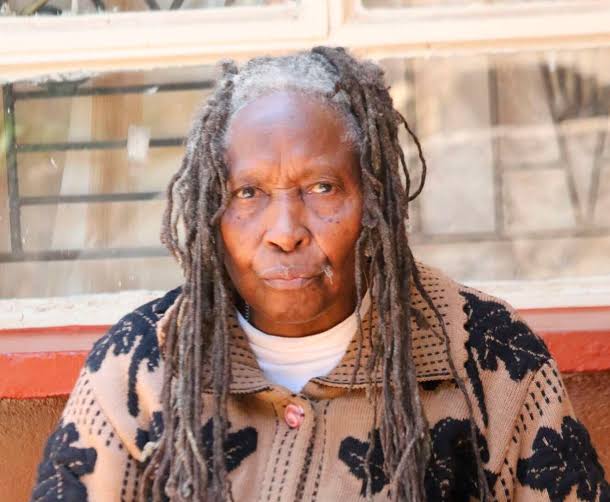
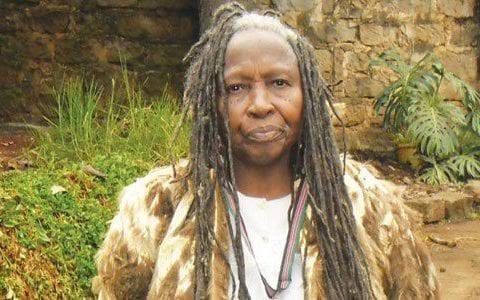
Kirima herself famously proclaimed that she would not cut her dreadlocks until she saw the Kenya she had fought for, as Thdocumented by is Is Africa. Her hair became a symbol not only of resistance to colonialism but of disappointment with post-colonial governments that, as she and other veterans repeatedly stated, had failed to deliver the land and economic justice the Mau Mau had fought for. She finally had her dreadlocks shaved in 2022, at approximately age 92, saying the act symbolised that the era of fighting for freedom was now behind her. Field Marshal Muthoni wa Kirima died on 5 September 2023, as reported by The Africa Report. President William Ruto described her death as a huge loss for Kenya.
Kirima’s Own Story, Beyond the Hair
Muthoni wa Kirima’s significance extends well beyond the symbolism of her hair. She joined the resistance at approximately 20, initially as a spy carrying information and supplies, before being elevated by Kimathi himself, who nicknamed her “Weaver Bird” for her strategic ability, to the rank of Field Marshal. She lived in the forest from the 1950s until Kenya’s independence on December 12, 1963. She has been wounded on multiple occasions but never captured, and has said the war cost her the ability to have children after suffering two miscarriages while fighting, as documented by Face2Face Africa. The Mail and Guardian’s 2013 profile records that she kept a black-and-white photograph of the young Kimathi with his trademark short dreadlocks in her parlour. Along with a remaining hard core of fighters, she had continued fighting after the main revolt was put down, and met Jomo Kenyatta in 1963, who “cried for” them upon learning they had come from the forest.
What the Public Memorials Actually Depict
Kenya’s public memory of this history consistently returns to the same visual detail. The Dedan Kimathi Monument at Kenyatta University’s School of Fine Arts is described in architectural documentation as depicting Kimathi in the same military uniform as the British soldiers he fought, a specific and deliberate artistic choice, with his dreadlocks rendered as crowning his head “in an intrepid ferociousness and overall rebellion.” That combination, a colonial military uniform paired with the specific marker the colonial administration had tried to brand as savagery, is presented in the monument as the visual argument: resistance expressed through the coloniser’s own military dress, worn alongside the hair that same system had tried to stigmatise. A street in Nairobi, a university, and a stadium all bear Kimathi’s name, placing his image, including that visual combination, in the permanent fabric of the city.
The Connection to Rastafarianism: What Is and Is Not Confirmed
Multiple sources document a connection between the Mau Mau resistance and the development of dreadlocks as a symbol within Rastafarianism. FunTimes Magazine states that Leonard Howell, one of the founding figures of Rastafarianism, “was reported to be particularly proud of and inspired by the Mau Mau,” and that Rastafarians came to regard their own locks similarly, as both a marker of African identity and a vow of separation from oppressors. A separate source documents that followers of Howell found pride in news clippings of Mau Mau resistance. It is worth being precise about what Thurcing can and cannot confirm: Howell himself is documented as not wearing dreadlocks, per multiple biographical sources. The specific mechanism by which Mau Mau visual imagery influenced Rastafarian hair practice is described in some sources as having developed through Howell’s followers and the broader movement rather than directly through Howell. The connection between the two movements is documented political and cultural inspiration i, s confirmed. The precise lineage of the dreadlock practice between them is more complex than a simple direct attribution.
A Complication Worth Including
Not every account of this history is purely commemorative. Reporting that argues Kimathi is “a useful symbol of suffering against colonialism but the contents of his message are ignored” in much of Kenya’s official memorialisation points to streets, a university, a stadium, and a British-funded reconciliation memorial in Nairobi’s Uhuru Park as, in that assessment, “mere symbolic gestures in a context where the daily concerns of the people he represented are ignored.” As Muthoni wa Kirima herself documented across decades of interviews, Mau Mau veterans remained landless and poor long after independence, with post-colonial governments having, in their view, failed to deliver the justice the movement fought for. Her 70 years of uncut dreadlocks were as much an anti-political statement about that failure as a memory of resistance. The Standard Media’s account of her death records that even in cutting her hair in 2022, she framed the act as a statement about the end of struggle, not a celebration of its success.
Why This Belongs in a Series About Dress
This history sits differently from most of the ceremonial and craft traditions documented elsewhere in this series. Nobody chose the Mau Mau dreadlock as a design decision in the way a Kabyle bride’s silver jewellery or a Ghanaian bridal gown’s embroidery pattern represents deliberate aesthetic choice. It emerged from necessity, under extreme conditions, and became meaningful specifically because an occupying power tried to turn it into a mark of shame, and fighters and later, a global diaspora movement, turned that attempted shame into a permanent symbol instead. Muthoni wa Kirima carried that symbol on her body for seventy years after the forest, still making the argument in 2022 when she finally chose to let it go. That is a different kind of dress history than most of what this series covers. It deserves to be read as such.
The dreadlock, as a Mau Mau symbol, was not designed. It was forged. That is precisely what makes it one of the most documented cases in African history of the appearance of politics as a political argument.
ALSO READ
- The African Roots of Caribbean and Latin American Dance: When the Drum Speaks, the Motherland Answers
- When Dressing Becomes Declaration: Clothing as Cultural Identity
- African Women Have Been Keeping Fashion Archives for Generations. Museums Are Just Catching Up.
Frequently Asked Questions
Why did Mau Mau fighters wear dreadlocks?
Dreadlocks initially resulted from the practical conditions of guerrilla warfare. Fighters living in Kenya’s forests had little opportunity for regular grooming, which caused their hair to lock naturally. The style was then claimed deliberately as a resistance symbol, particularly after British colonial authorities used it as part of a propaganda campaign branding Mau Mau fighters as “terrorists, savages, and animals,” as documented in Muthoni wa Kirima’s own account. Fighters and veterans maintained the style after independence as a political statement, most visibly Kirima, who kept her dreadlocks for seventy years after the war.
Who was Muthoni wa Kirima?
Muthoni wa Kirima was the only woman to attain the rank of Field Marshal in the Mau Mau uprising, nicknamed “Weaver Bird” by Dedan Kimathi for her strategic ability. She fought from the 1950s until Kenya’s 1963 independence, was wounded but never captured, and spent decades after independence advocating for recognition of Mau Mau veterans. She kept her dreadlocks for seventy years as a political statement about undelivered post-colonial justice, finally having them shaved in 2022. She died on 5 September 2023, as reported by The Africa Report.
Is there a documented connection between the Mau Mau and Rastafarianism?
Multiple sources document an inspirational connection. FunTimes Magazine reports that Leonard Howell, a founding figure of Rastafarianism, was “particularly proud of and inspired by the Mau Mau,” and that Rastafarians came to regard their locks as both a sign of African identity and a vow of separation from oppressors. The precise mechanism of influence is more complex than a simple direct attribution: Howell himself is documented as not wearing dreadlocks. The broader movement’s development of dreadlock practice in the context of the Mau Mau’s visibility is documented b, but the specifics of that lineage are disputed across historical sources.
How did the British government eventually respond to the violence of the Mau Mau conflict?
In 2013, the British government agreed to pay compensation to roughly 5,000 Mau Mau veterans after facing what reporting describes as overwhelming evidence of systematic violence and torture, following Caroline Elkins’ 2005 book Britain’s Gulag, which documented an estimated 1.5 million people held in British detention camps and militarised villages. The British government did not issue a formal apology. Advocates described the settlement as covering only a fraction of those actually affected by documented abuses.