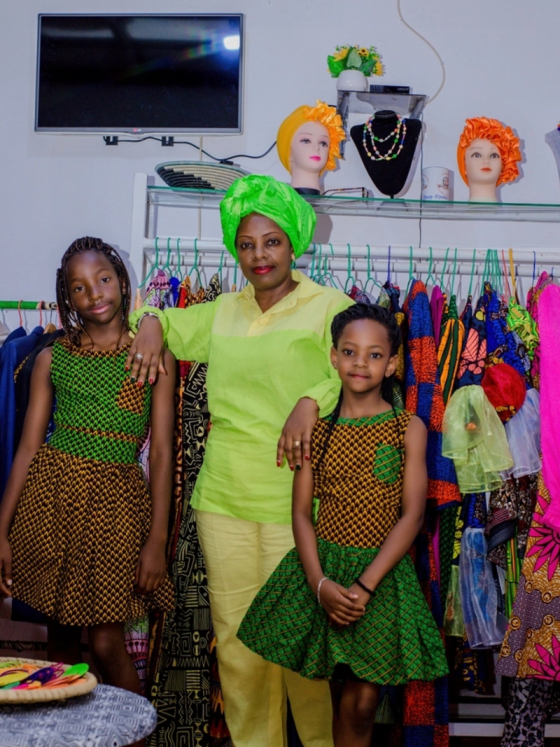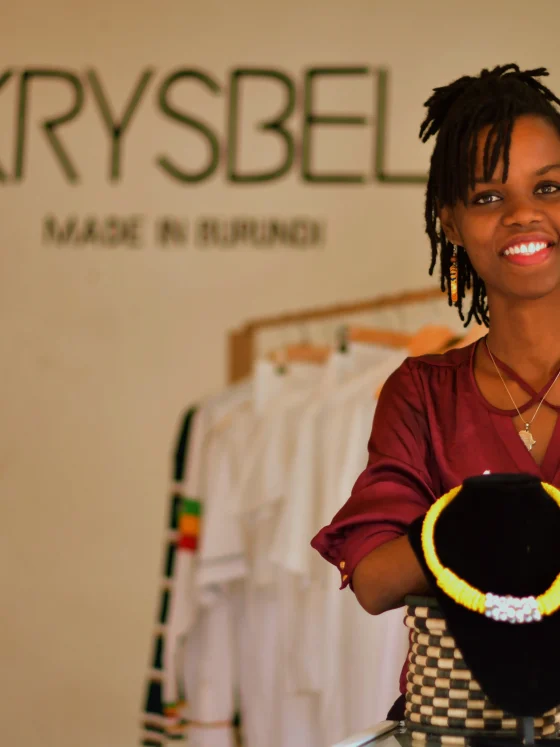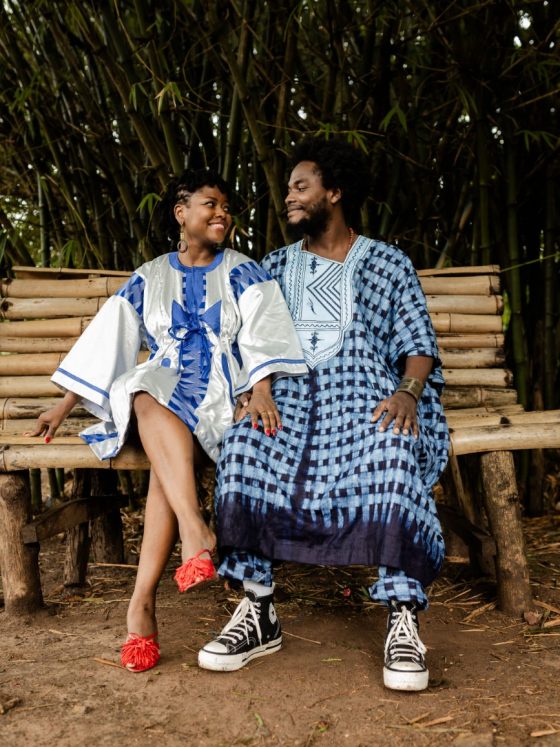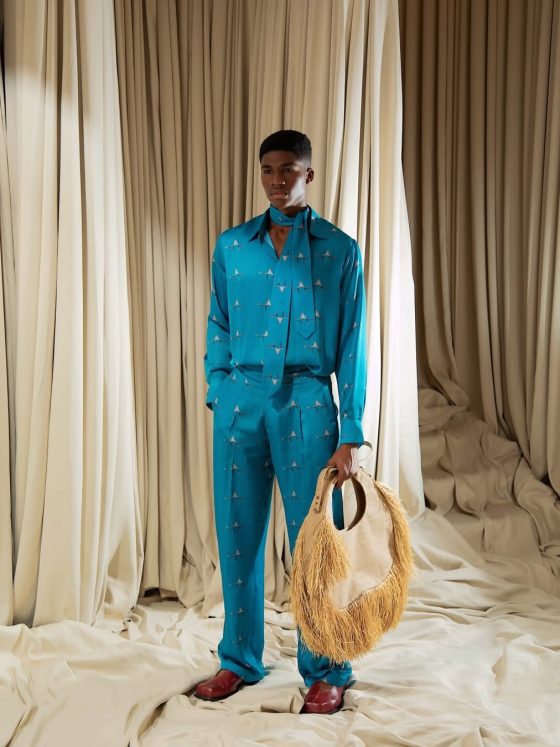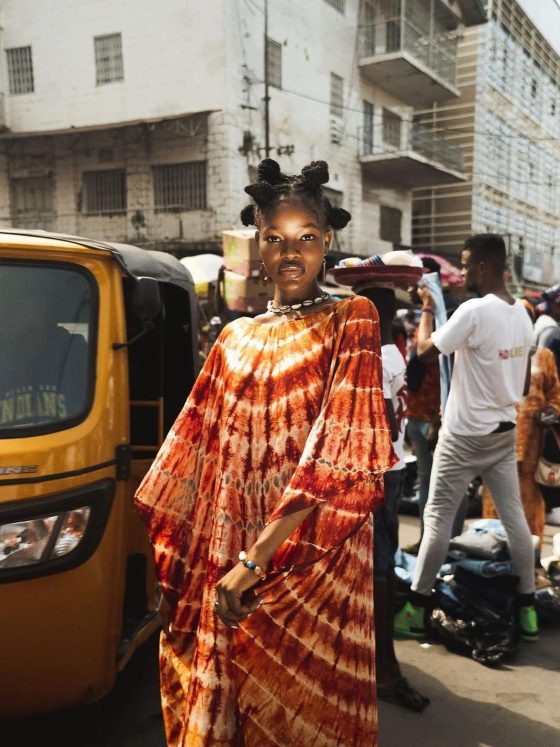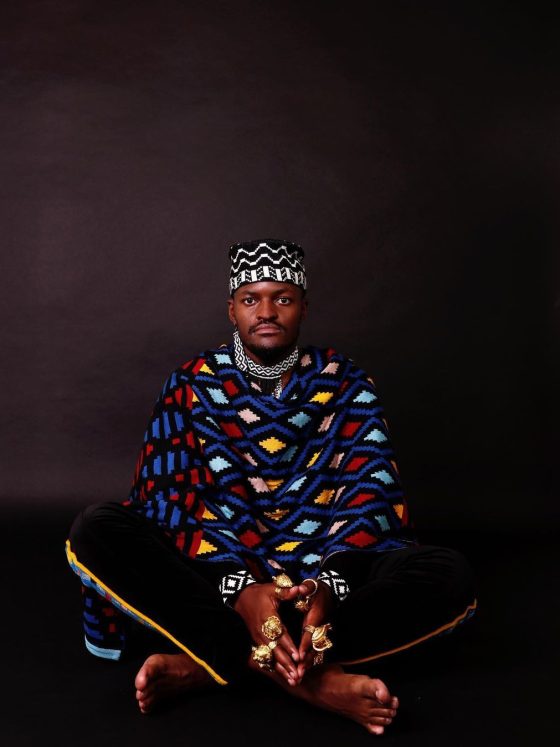
The fashion conversation concerning sustainability largely revolves around European luxury houses, global supply chains and environmental targets. However, many of the best examples of ethical production are located much closer to that source than you might imagine. Ethical African fashion has earned its reputation in part through creative design and, to a greater extent, through the designers’ established relationships with cotton farmers, weavers, dyers, tailors, and artisan communities within their regions of Burkina Faso.
Ethical fashion is not a new marketing idea in Burkina Faso. It has its roots in long-standing production methods that link apparel to its manufacturers. Local cotton farming, handwoven fabrics, and expert craftsmanship that is evident throughout the production process have all contributed to the development of the nation’s fashion industry. Many Burkinabè designers have opted to maintain intimate ties between creativity and industry rather than keeping them apart.
As consumers all around the world start to wonder how their clothing is made, this strategy has grown in significance. In the sector, fair labour policies, sustainable sourcing, and transparency have become increasingly important. Because many of the values currently associated with ethical fashion have long been present in local manufacturing systems, Burkina Faso’s designers have found themselves at the centre of these discussions.
The nation’s impact goes beyond its boundaries. Designers in West Africa are still investigating how textile customs might be incorporated into modern clothing. Similar discussions can be observed in nations where weaving customs continue to influence contemporary fashion choices and cultural identity. In addition to being part of that larger narrative, Burkina Faso’s designers have developed a unique style that centres their work on ethical production.
Designers from Burkina Faso are transforming ethical African fashion through Faso Dan Fani, artisan networks, organic cotton, and local production.
Faso Dan Fani and the Foundations of Ethical Fashion
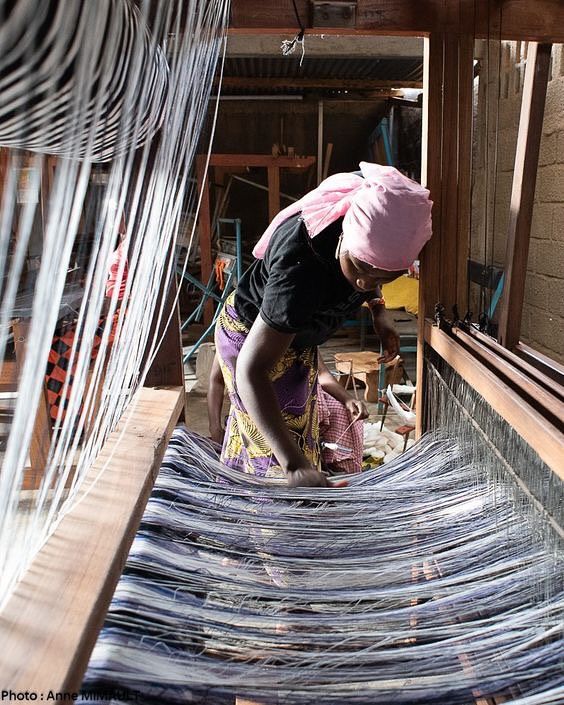
Faso Dan Fani is the starting point for any conversation regarding ethical fashion in Burkina Faso. In the nation’s cultural and economic life, handwoven cotton textiles hold a unique place. It stands for artistry, patriotism, and the enduring value of domestic production in a sector that is becoming increasingly globalised.
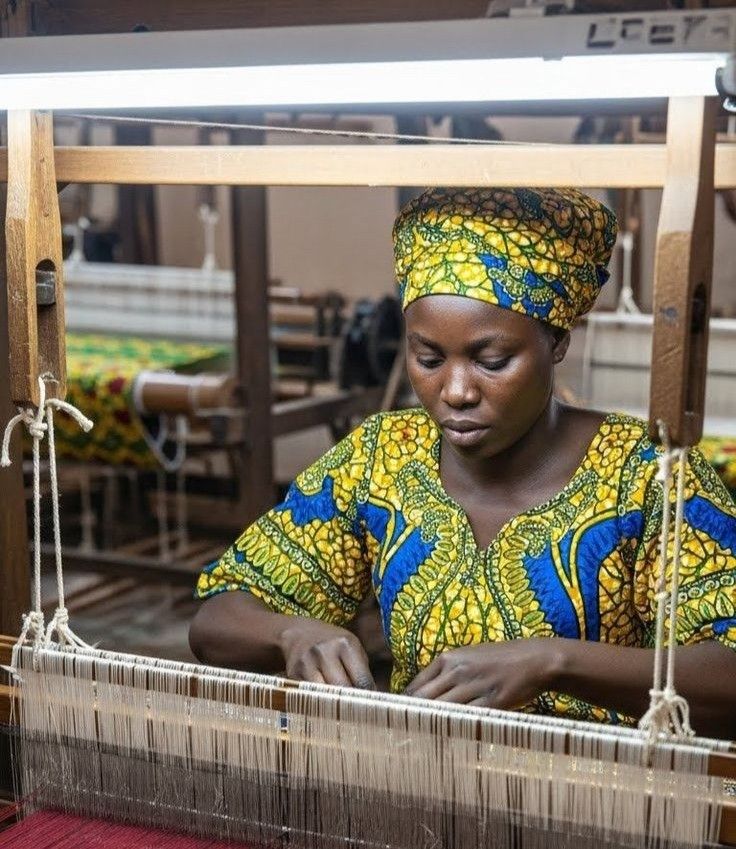
In contrast to industrial fabrics made using anonymous production techniques, Faso Dan Fani maintains a close relationship with its creators. Using methods passed down through the generations, weavers spend days creating individual lengths of cloth. From spinning and weaving to dyeing and finishing, every step of the production process demonstrates specialised knowledge.
As a result, designers collaborating with Faso Dan Fani are working with much more than a material. They are assisting a network of craftspeople whose abilities continue to influence the nation’s fashion industry. Beyond fashion, this link creates economic opportunities. Weaving generates income that sustains people, protects traditional knowledge, and boosts regional businesses.
It is also possible to comprehend the significance of these fabrics in a broader regional perspective. Cloth is often used as a symbol of identification, social standing, and cultural affiliation throughout West Africa. Similar connections between social identity and textile customs can be found in neighbouring nations. The degree to which modern designers continue to incorporate ancient customs into contemporary apparel is what sets Burkina Faso apart.
Nowadays, many customers associate traceability with ethical fashion. They want to know who made the materials and where they came from. Because every step of the production process is still visible, Faso Dan Fani naturally offers this transparency. Because of this feature, Burkinabè designers have been able to stay grounded in local practice while positioning themselves at the forefront of sustainable African fashion.
François 1er and the Designers Building Fashion Through Community
The ethical fashion movement in Burkina Faso has been greatly influenced by François Yaméogo, often known as François 1er. His influence goes beyond clothing design. He has devoted years to creating production processes that help the nation’s textile workers, organic cotton growers, and artisans.
His method contradicts a widely held international belief. The final product is the main focus of many successful brands. 1er gives equal attention to the individuals responsible for its production. He has shown through his workshops and textile projects that cultural preservation and economic prosperity can complement each other rather than conflict.
His accomplishment draws attention to a crucial aspect of ethical fashion. Infrastructure is just as important to sustainability as materials. Systems that enable craftspeople to keep traditional skills and make sustainable incomes are necessary for designers. The work of François Ier demonstrates what can be achieved with sustained investment in those systems.
A larger generation of Burkinabè artists has been impacted by this dedication to community-centred creativity. Designers are realising more and more that fashion can be used as a vehicle for both art and commerce. Their efforts raise awareness of Burkinabè culture and support local jobs.
Young designers influencing modern urban fashion across the nation exhibit a similar correlation between creativity and economic engagement. Many designers are dedicated to local manufacture and cultural continuity, whether they work in streetwear or luxury apparel.
Designers Expanding Burkina Faso’s Influence Beyond Its Borders
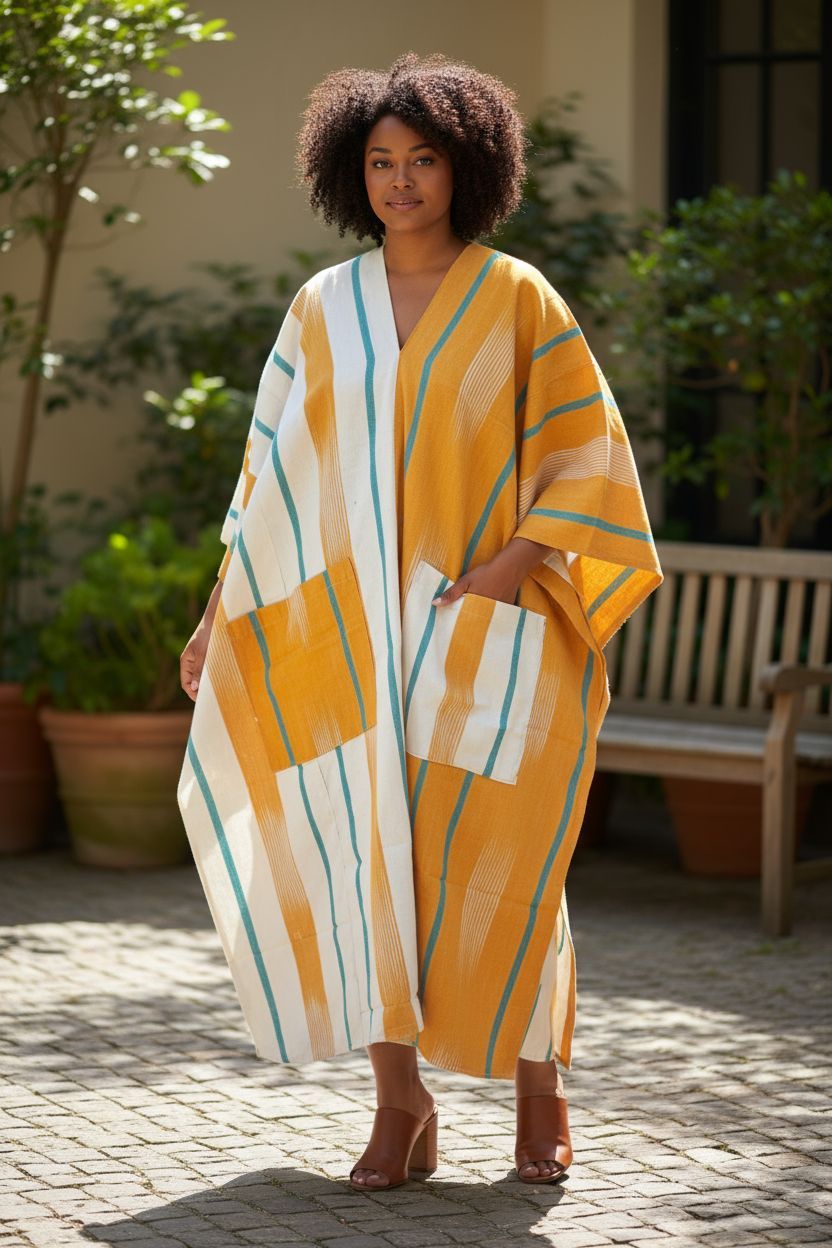
1er is part of a much larger network of designers, tailors, textile experts, and creative entrepreneurs who are changing perceptions of Burkinabè fashion, even though he represents only one aspect of the country’s ethical fashion movement. Their efforts show that ethical production is not a specialised issue. It is now a key component of the nation’s fashion identity.
Pathé’O is one of the best-known brands in Burkina Faso’s fashion history. His Burkinabè roots continue to play a significant role in his creative identity, even though his career evolved mostly in Côte d’Ivoire. His accomplishment serves as an example of how Burkina Faso designers have influenced fashion discussions throughout West Africa rather than remaining confined to national boundaries.
Figures like PathéO are important for reasons beyond their financial achievements. The long-held belief that African fashion only becomes valuable when it is validated elsewhere is challenged by the careers of African designers. Many fashion industries on the continent were evaluated for decades based more on global recognition than on local influence. Burkina Faso designers have been challenging that notion more and more by proving that cultural significance starts at home.
Younger designers’ work also reflects this change. Incorporating Burkinabè materials into modern shapes that appeal to younger consumers has helped creatives like Lamiz BeFree establish their reputations. They don’t wear replicas of historical attire. They are contemporary interpretations of cultural resources that continue to evolve in tandem with shifting lifestyles and tastes.
Designers in neighbouring nations are reconsidering how traditional materials fit into modern wardrobes, exhibiting a similar dynamic. Rather than being a thing of the past, textile traditions continue to be a source of creative inspiration throughout West Africa.
The perception of Burkinabè fashion is changing as a result of this increasing self-assurance. Tradition is no longer solely the responsibility of designers. They actively participate in discussions around manufacturing, sustainability, creativity, and cultural ownership. Because they contribute to a broader discussion about who controls fashion narratives and how they are disseminated, their influence extends beyond the clothing itself.
Additionally, many of these designers collaborate closely with artisan communities, fostering connections that support local economies and artistic output. They frequently integrate historical skills into contemporary business strategies rather than replacing them with industrial substitutes. This strategy fosters economic progress while preserving cultural continuity.
Burkina Faso’s designers have consequently emerged as significant role models for how fashion should balance creativity and accountability. According to their research, developing mechanisms that account for local realities may be more important to the future of African fashion than following international trends.
ALSO READ:
What Burkina Faso Teaches About the Future of Ethical African Fashion
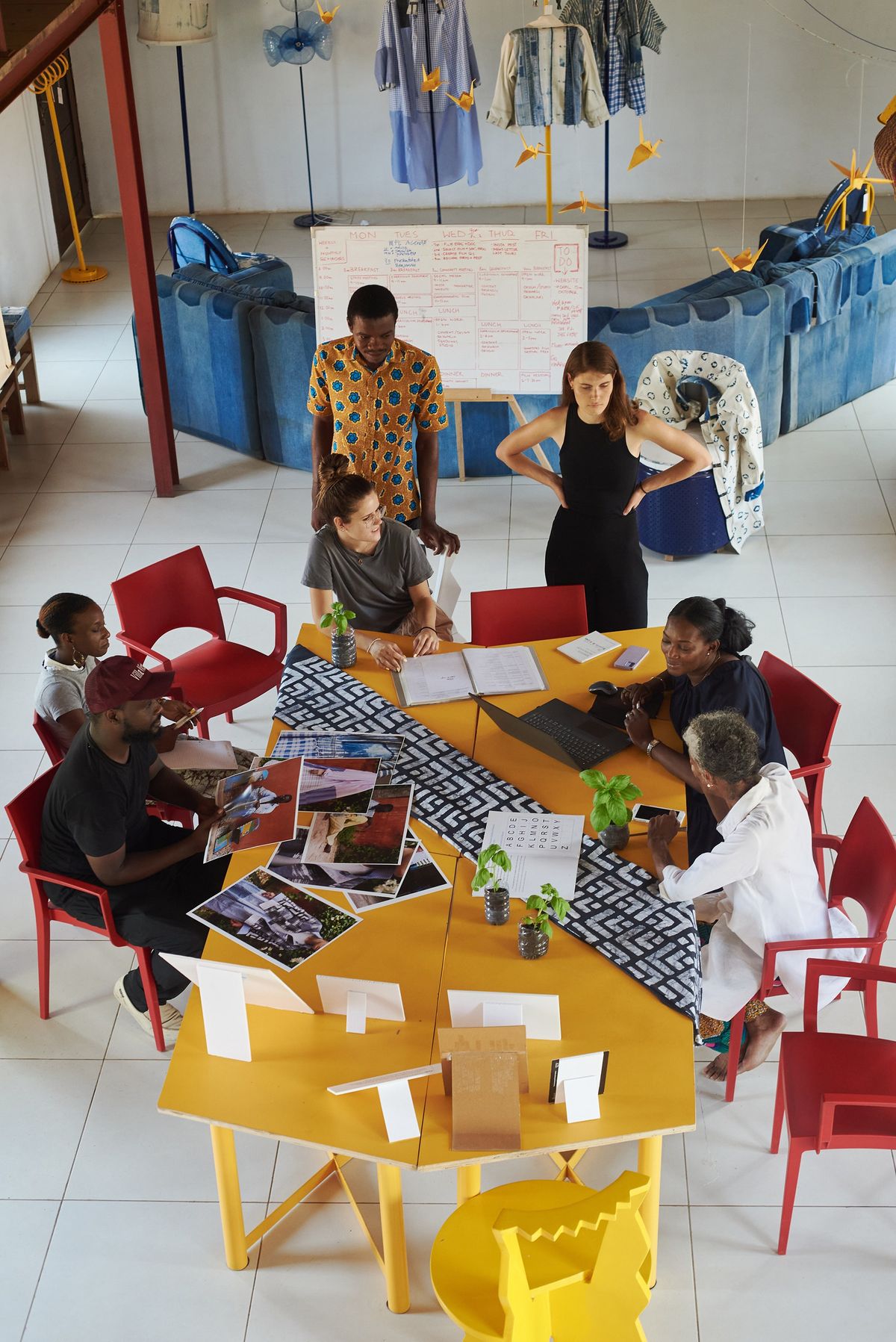
Reducing environmental harm is a major topic of discussion in sustainable fashion. Burkina Faso’s designers show that sustainability is equally concerned with people, knowledge, and economic participation, even though this objective is still crucial. If a fashion system ignores the communities that produce its materials, it cannot be deemed sustainable.
In Africa, the relevance of this lesson has grown. To remain competitive in a global market, designers across the continent are seeking ways to establish companies that create local jobs. Burkina Faso offers real-world examples of how this equilibrium might be attained.
The nation’s connection to cotton is one factor contributing to this. Burkina Faso continues to be one of Africa’s leading suppliers of cotton, providing designers with resources from its domestic economy. Opportunities for increased traceability and transparency throughout the production process are therefore created. Customers can understand the origins of materials and the people involved in turning them into finished clothing.
Cultural continuity is the subject of another lesson. Tradition and innovation are treated differently in many sectors. The problem is often approached differently by Burkina Faso’s designers. They acknowledge that rather than being a barrier to innovation, cultural knowledge may serve as a source of it.
In West Africa, this viewpoint is prevalent. Fashion scenes from Lomé to Porto-Novo exhibit similar attempts to reinterpret regional customs for modern audiences. The degree to which these initiatives remain linked to the actual manufacture of textiles is what sets Burkina Faso apart.
In other parts of the continent, companies like Studio 189 have shown the commercial potential of artisan-centred fashion models. Burkinabè designers are using their own manufacturing networks and textile traditions to contribute to the same discourse. Their work supports the notion that ethical fashion is successful when it benefits all parties involved.
Burkina Faso is in a good position due to increased global interest in sustainability. Many of the resources, expertise, and production techniques that customers are seeking are already present in the nation. Expanding market access, bolstering production infrastructure, and ensuring craftspeople continue to profit from business growth are the current challenges.
These trends are already shaping the future of the nation. They also shed light on potential future directions for African fashion as a whole. Designers are increasingly looking inward for answers grounded in local circumstances and cultural knowledge rather than relying solely on imported production models.
The Omiren Argument
The apparel that Burkina Faso’s designers create is not their most significant contribution. They are proving that ethical fashion is more than just a marketing ploy; it can be an economic system.
Global fashion frequently keeps production and creativity apart. While production is concealed, design is praised. Customers see the final product, but they seldom comprehend the labour, materials, and expertise required to make it. Many of the industry’s most enduring ethical issues result from this division.
By keeping clear links between clothing and its production networks, Burkina Faso designers subvert this paradigm. The fashion narrative continues to include cotton growers, weavers, dyers, tailors, and craftspeople. Instead of being concealed, their efforts are acknowledged. As a result, the connection between creativity and business is altered.
Faso Dan Fani’s enduring significance demonstrates that cultural continuity cannot be achieved solely through preservation. Traditions endure because people keep modifying them to fit modern circumstances. Burkinabè designers are aware of this idea. By incorporating textile expertise into contemporary fashion systems, their work preserves it.
Local materials continue to influence modern clothing customs throughout the region, demonstrating the same process. One of the most obvious ways that cultural knowledge changes over time in West Africa is through dress.
The designers of Burkina Faso are at the forefront of ethical African fashion because they have realised something that most of the industry is just now starting to comprehend. Environmental responsibility is only one aspect of sustainability. It is about preserving connections among individuals, resources, abilities, and communities. Their success shows that fashion can provide commercial value without separating itself from the people who create it.
Frequently Asked Questions (FAQs):
- Who are the leading fashion designers in Burkina Faso?
Some of the most influential figures include François 1er, Pathé’O, Lamiz BeFree, and Lassina Bani. Their work spans textile preservation, couture, contemporary fashion, and artisan-led production.
- Why is Faso Dan Fani important to Burkinabè fashion?
Faso Dan Fani is a handwoven cotton textile that symbolises national identity and supports local weaving communities. It remains central to many ethical fashion initiatives in Burkina Faso.
- What makes fashion in Burkina Faso ethical?
Many designers prioritise local sourcing, collaboration with artisans, traditional textile production, and transparent manufacturing systems that support communities throughout the production chain.
- Does Burkina Faso have a sustainable fashion industry?
Burkina Faso has developed many of the foundations of sustainable fashion, including local cotton production, artisanal craftsmanship, and designer-led support for traditional textile industries.
- How are Burkinabè designers influencing African fashion?
They are helping reshape conversations around sustainability, cultural ownership, textile preservation, and community-centred production while demonstrating alternatives to conventional fashion manufacturing models.
EXPLORE MORE
As Omiren Styles investigates the designers, textile customs, and creative sectors influencing Africa’s future, learn more tales from the continent’s fashion scene.