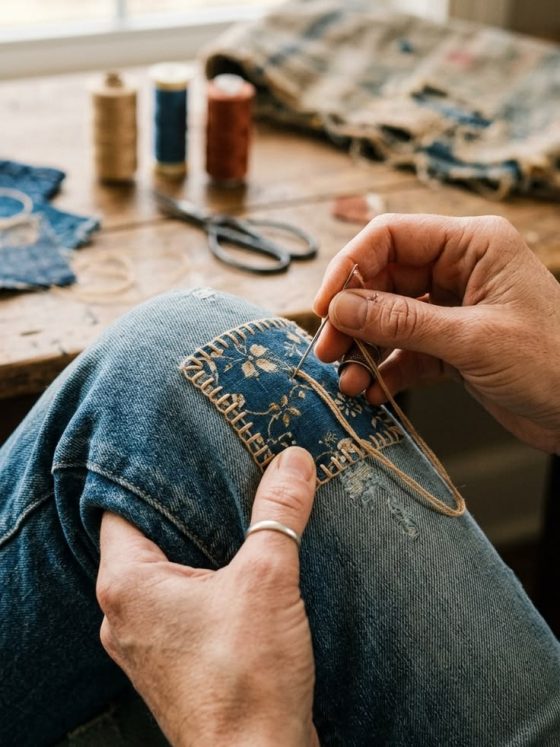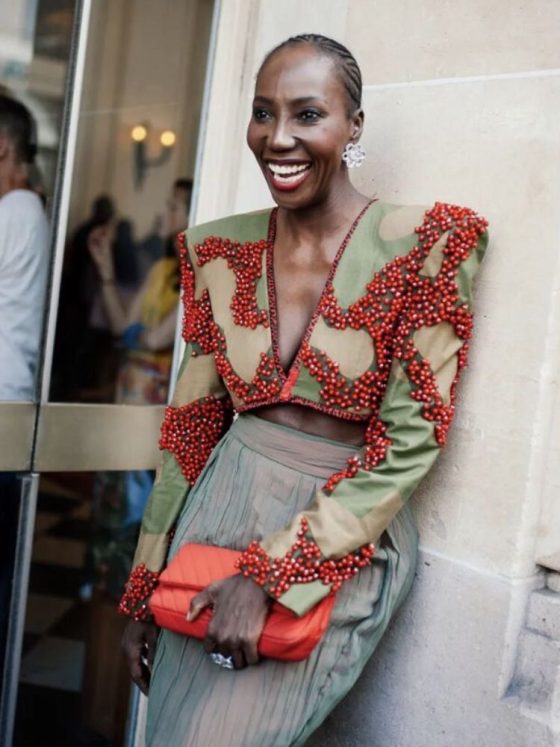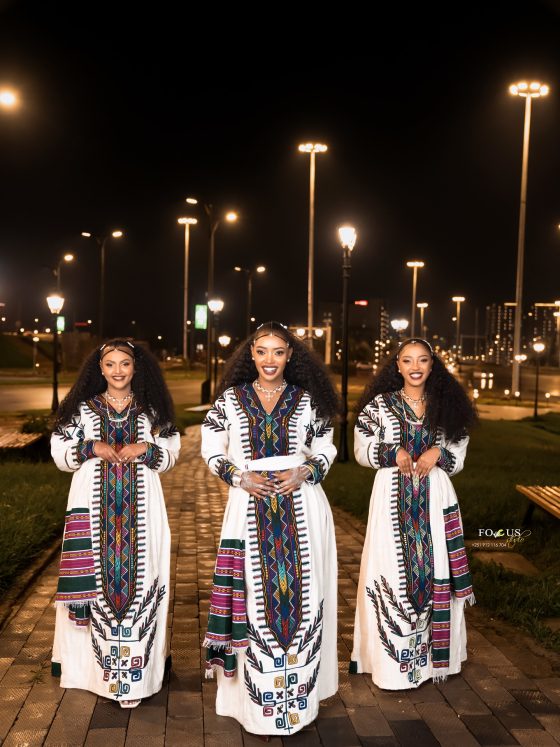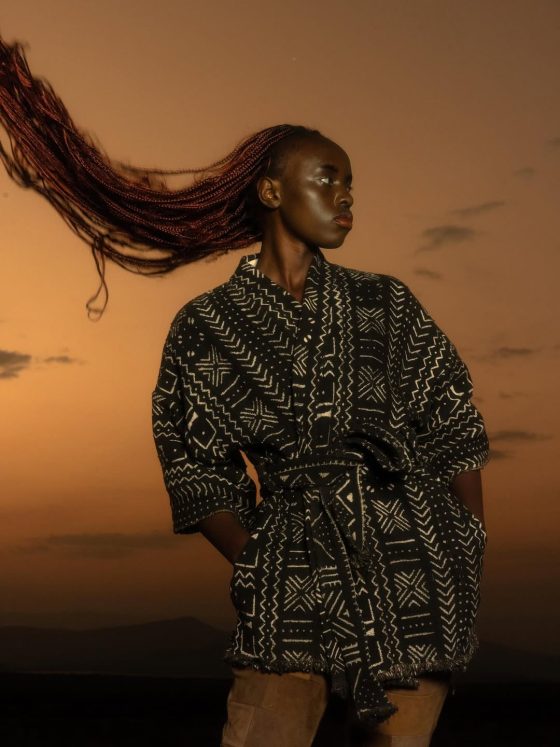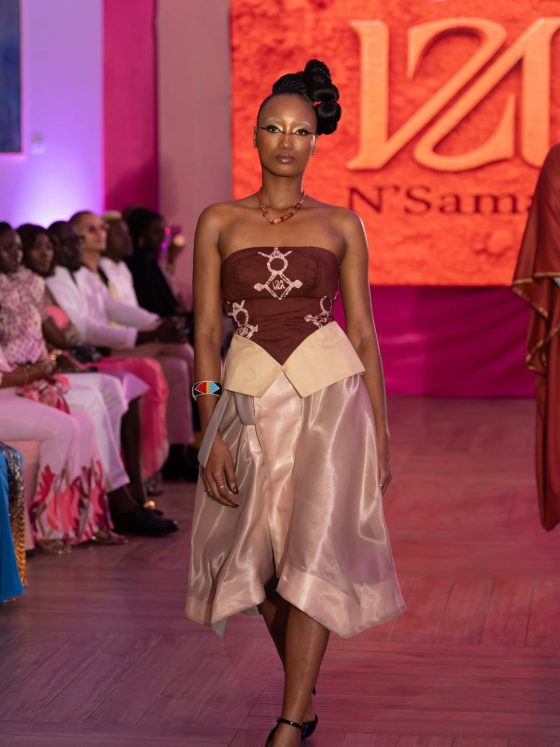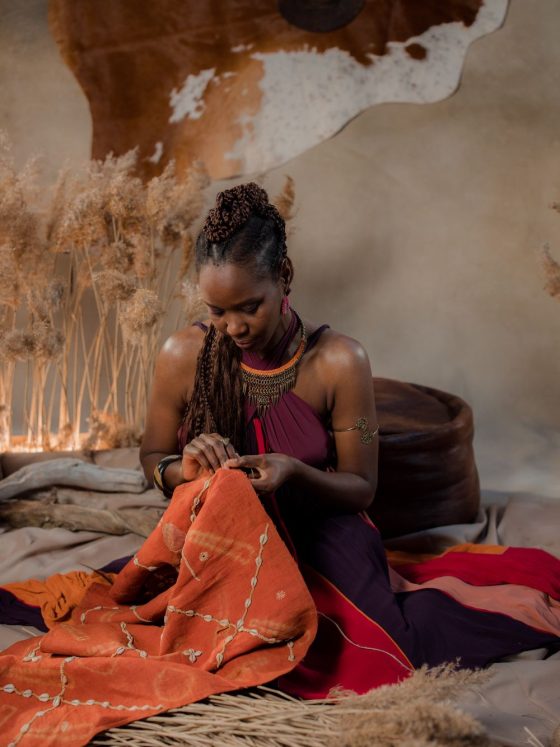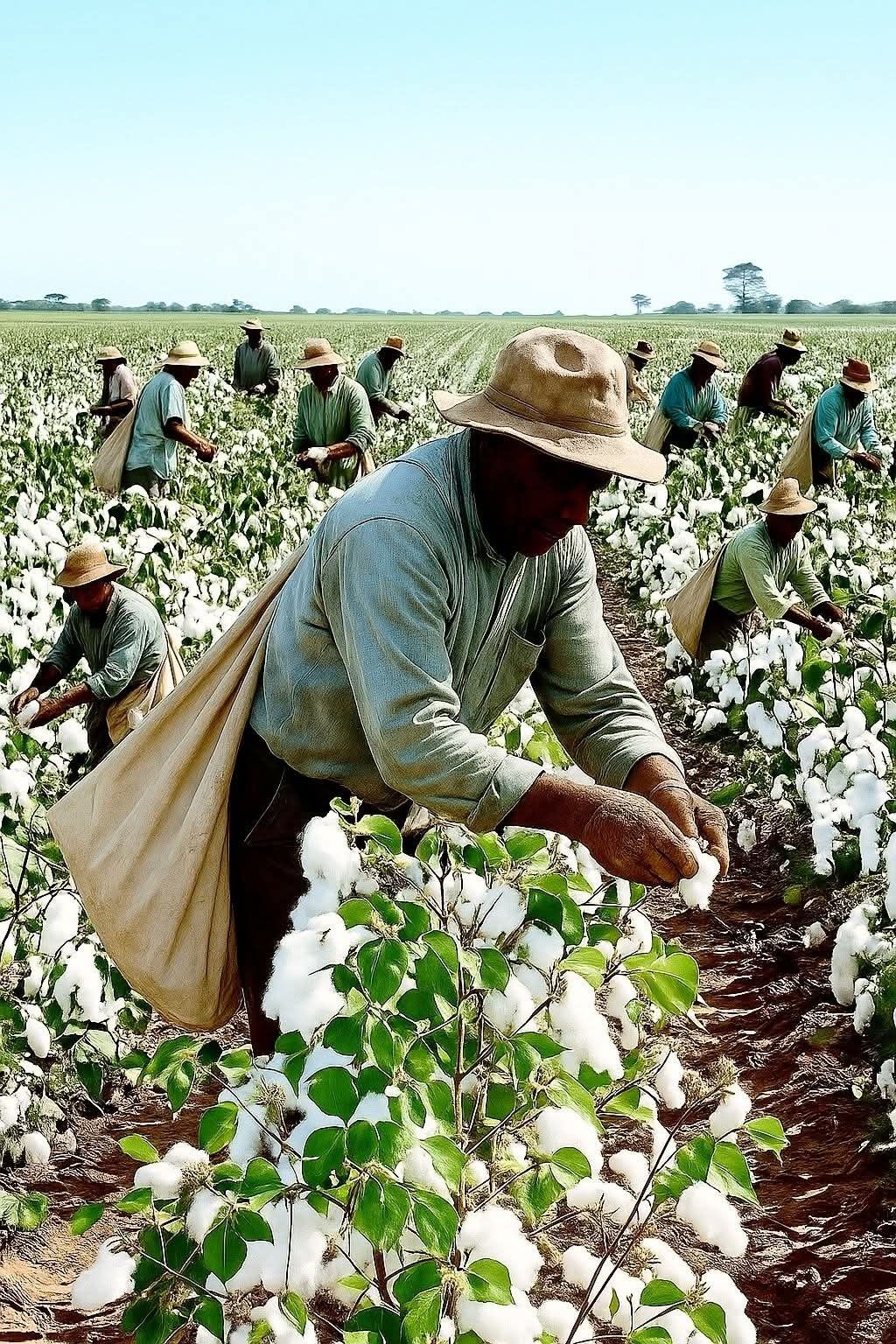
One of Africa’s most significant fashion narratives revolves around Burkinabé cotton and textiles. Communities throughout Burkina Faso had long been manufacturing clothes using systems grounded in regional materials, expert craftsmanship, and intergenerational knowledge, long before luxury fashion houses and international retailers adopted sustainability as a marketing tactic.
Global fashion brands now frequently promote ideas like ethical sourcing, transparent supply chains, slow fashion, and responsible production. However, Burkinabé textile culture has long included many of these concepts. Local farmers grow cotton, which is used to make thread. In the hands of expert weavers, that thread becomes cloth. Tailors transform the cloth into clothing for everyday wear, ceremonies, festivals, and significant cultural occasions. People, communities, and local economies are still linked to every stage of production.
The most well-known textile in Burkina Faso, Faso Dan Fani, is at the centre of this system. The fabric is a symbol of excellence in textiles, economic independence, and cultural pride. But there is much more to the story than just Faso Dan Fani. Weaving customs, cotton production networks, artisan workshops, and textile markets continue to sustain livelihoods and preserve cultural knowledge across the nation.
Burkina Faso provides an alternative model as fashion comes under increasing scrutiny for waste, overproduction, and environmental harm. Its textile customs show that sustainability is more than just minimising harm. Creating systems that maintain the connections between communities, culture, and production is another aspect of it.
Burkinabé cotton and textiles reveal why Burkina Faso remains one of Africa’s strongest examples of sustainable fashion rooted in local production and craftsmanship.
How Cotton Became One of Burkina Faso’s Most Important Cultural and Economic Resources
In Burkina Faso’s economy and cultural landscape, cotton holds a special place. It has been one of the most important agricultural products in the nation for many years, helping rural communities and making a significant contribution to exports. However, focusing solely on cotton’s economic aspects would overlook its broader significance in Burkinabé society.
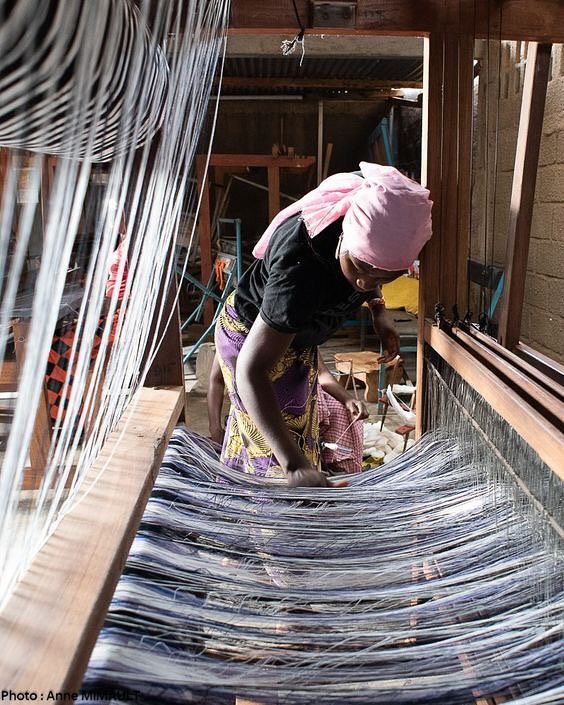
Cotton in Burkina Faso frequently stays closely linked to local production systems, in contrast to many international fashion supply chains, where raw materials travel thousands of kilometres before becoming finished garments. The crop is grown by farmers; artisans process fibres; thread is turned into fabric by weavers; and clothing is made locally by tailors and distributed throughout communities. As a result, the clothing’s origins are revealed rather than concealed in the production chain.
Faso Dan Fani makes the importance of cotton particularly evident. During the time of Thomas Sankara, who urged people to support locally made textiles, the fabric became a potent symbol of national identity. He had more than just an economic vision. It was cultural. Clothing evolved into a means of showcasing faith in regional businesses and craftsmanship.
The benefits of this strategy are still evident today. Designers in Africa are increasingly realising that reestablishing a connection between production and cultural ownership is essential to the future of fashion. By proving that traditional textiles can be used in opulent settings without losing their cultural significance, Ghanaian fashion brand Christie Brown has gained global recognition.
In other parts of West Africa, the same discussion takes place. According to Traditional Clothing in Burkina Faso: Culture and Identity Explained, the ceremonial clothing worn at significant events in neighbouring societies demonstrates how closely textiles remain associated with identity and belonging. Rather than being merely ornamental, clothing still serves as a cultural language.
Burkinabé textiles remain relevant because of their connection to cotton, community, and culture. The system that underpins the fabric is even more important than the fabric itself.
The Craftsmanship Behind Faso Dan Fani and Burkina Faso’s Textile Heritage
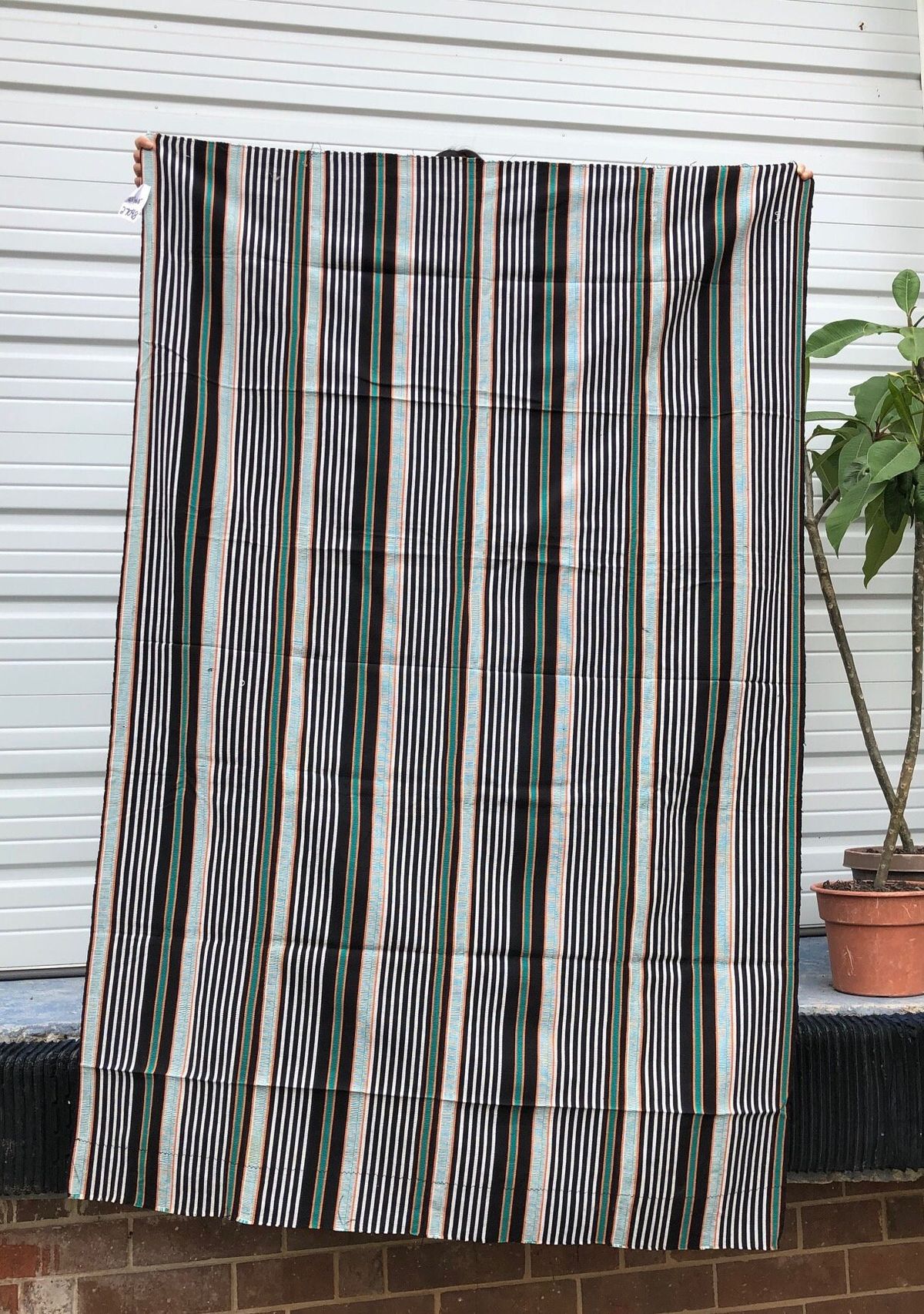
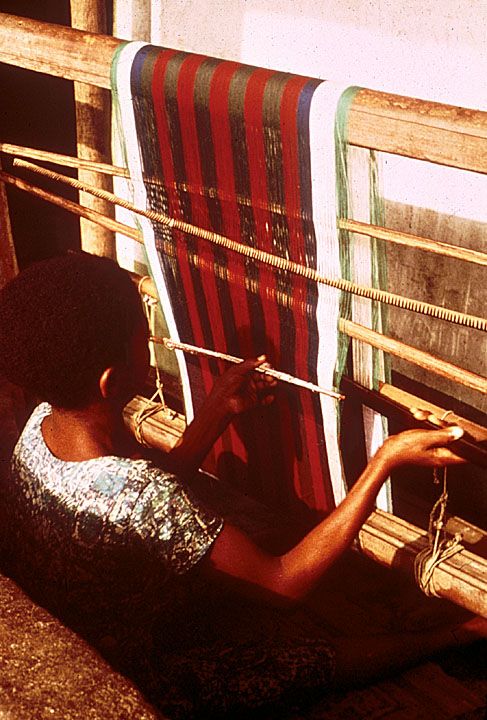
In contrast to industrial textile production, which prioritises speed, volume, and standardisation, traditional weaving places a strong emphasis on quality, durability, and cultural significance. The strength of Burkinabé cotton and textiles lies not only in the material itself but also in the craftsmanship that turns raw cotton into finished fabric. Handweaving is still one of the most revered textile traditions in Burkina Faso. The process of producing Faso Dan Fani requires patience, technical skill, and years of experience.
Each woven piece carries evidence of the artisan’s hand. Rather than being flaws, minor differences become indicators of skill and authenticity. The final textiles frequently have a degree of uniqueness that mass production cannot match.
Beyond aesthetics, craftsmanship is important. Knowledge about textiles serves as cultural knowledge. Production methods, patterns, and techniques are passed down from one generation to the next, maintaining customs while adapting to modern circumstances.
The larger region exhibits this dynamic. In neighbouring nations where weaving is still strongly associated with cultural expression, textile traditions continue to shape identity. In West Africa, clothing is often used to convey social standing, historical recollections, and a sense of community.
Senegal’s well-known international brand Tongoro serves as an example of how African fashion companies are increasingly appreciating local craftsmanship rather than avoiding it. The brand’s success reflects growing demand for fashion rooted in identifiable cultural and production histories.
This is a huge opportunity for Burkina Faso. Traditional weaving provides the kind of authenticity that many modern brands struggle to achieve through marketing alone, as consumers’ interest in transparency and ethical production grows.
Therefore, the future worth of Burkinabé textiles depends not only on cotton production but also on maintaining and enhancing the skills of the craftspeople who turn that cotton into culture.
ALSO READ:
Why Burkina Faso Already Practices Many Principles of Sustainable Fashion
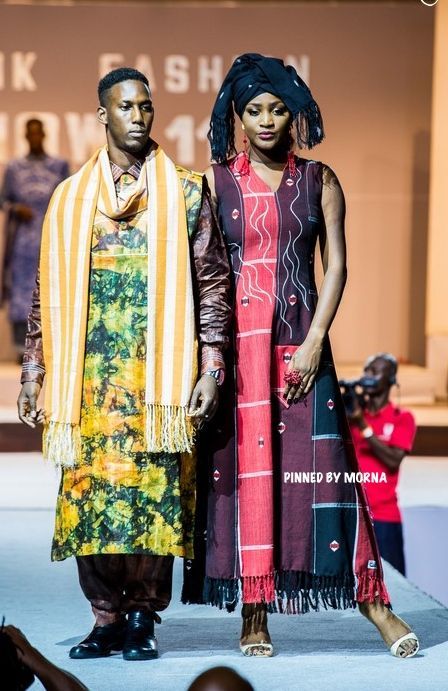
The global fashion industry frequently presents sustainability as a novel problem in need of creative solutions. Burkina Faso offers an alternative viewpoint. Traditional textile systems already incorporate many of the concepts of sustainable fashion.
Transportation requirements decrease when using local suppliers. Industrial energy consumption is reduced by handweaving. Smaller quantities are produced by skilled craftspeople who prioritise quality over disposable consumption. Clothing often lasts for years instead of just a few seasons. Many of the sustainability objectives that modern fashion organisations support are closely aligned with these practices.
Crucially, sustainability in Burkina Faso extends beyond the environment. It is cultural and social as well. The production of textiles boosts local economies, preserves knowledge systems, generates jobs, and supports communities. Rather than a limited environmental metric, sustainability becomes a comprehensive framework.
As fashion is criticised for treating sustainability primarily as a branding exercise, this broader understanding is becoming increasingly important. Customers are becoming more sceptical of business claims and more curious about the actual manufacturing process.
All West African fashion cultures exhibit the same relationship between apparel and community. Because it remains part of daily life rather than existing only as a heritage display, traditional clothing continues to have social significance.
One example of how modern African brands successfully blend cultural heritage with contemporary design is the Rwandan fashion house Moshions. Their work serves as an example of how tradition can foster innovation rather than stifle it.
This is important for Burkina Faso because many of the foundations that global fashion aims to establish are already present in the nation’s textile traditions. Burkinabé fashion can rely on systems that communities have honed over many generations rather than importing sustainability frameworks from other places.
Creating sustainability is not the challenge of the future. It involves identifying, preserving, and funding the current sustainable practices.
The Omiren Argument
The global fashion industry often portrays sustainable fashion as a future goal. Still, Burkina Faso shows that many of its best-known ideals have endured for generations, thanks to traditional textile systems and local cotton production.
The conversation about sustainability in fashion frequently focuses on consumer behaviour, corporate responsibility initiatives, and technological innovation. These conversations are important, but they may give the impression that modern industry is the starting point for ethical production.
Burkinabé textiles and cotton cast doubt on this notion. Communities throughout Burkina Faso had established systems based on regional sourcing, expert craftsmanship, long-lasting production, and cultural continuity long before the term “sustainable” entered the fashion industry. Through these systems, manufacturers were directly linked to the goods they produced and the communities they catered to.
Beyond environmental concerns, Burkinabé textiles are truly valuable. They show how sustainable fashion can uphold community ties, support livelihoods, preserve knowledge, and strengthen culture all at once. Many discussions about global sustainability still lack this more comprehensive understanding.
Designer Thebe Magugu from South Africa has demonstrated time and again how modern African fashion can appeal to a worldwide audience while staying grounded in local stories. At the industrial level, Burkina Faso’s textile legacy provides a similar lesson.
It’s possible that learning from communities that have already established sustainable fashion systems will be more important in the future than creating completely new ones. Burkina Faso’s cotton and textile traditions demonstrate how sustainability thrives when culture, craftsmanship, and production are all integrated. The industry ought to focus more intently.
Frequently Asked Questions (FAQs):
- Why is cotton so important to Burkina Faso?
Cotton is one of Burkina Faso’s most important agricultural products and supports millions of people through farming, processing, weaving, tailoring, and trade. Beyond economics, cotton plays a major role in cultural identity, serving as the foundation for many traditional textiles, including Faso Dan Fani. Its importance, therefore, extends into fashion, heritage, and community life.
- What is Faso Dan Fani?
Faso Dan Fani is a traditional handwoven cotton textile widely regarded as Burkina Faso’s national fabric. Produced by skilled artisans using local cotton, it became a symbol of cultural pride and economic self-reliance during the 1980s. Today, it remains one of the country’s most recognised textiles and continues to influence contemporary fashion design.
- Is Burkina Faso considered important in African textile production?
Yes. Burkina Faso occupies an important position within Africa’s cotton economy and possesses a long history of textile production. Its weaving traditions, artisan knowledge, and local manufacturing systems contribute significantly to discussions around ethical production, sustainable fashion, and cultural preservation across the continent.
- How do Burkinabé textiles support sustainable fashion?
Burkinabé textiles support sustainable fashion through local sourcing, artisan production, reduced industrial processing, and long-lasting craftsmanship. Traditional textile systems often maintain direct relationships among farmers, weavers, tailors, and consumers, creating transparent supply chains that closely align with many contemporary sustainability goals.
- Why are traditional weaving techniques still relevant today?
Traditional weaving techniques remain relevant because they combine cultural preservation with economic value. As consumers increasingly seek transparency, craftsmanship, and authenticity, handwoven textiles offer qualities that mass-produced products often cannot replicate. These techniques also preserve knowledge systems that have shaped communities for generations.
EXPLORE MORE
Are you curious about how African craftsmanship, textiles, and cultural customs continue to influence contemporary fashion? Discover the people, materials, and histories behind the most significant fashion movements on the continent by reading more about Omiren Styles.
The Omiren Styles Editorial Team uses extensively researched editorial that focuses on African voices, histories, and creative industries to document African fashion, textile heritage, craftsmanship, and cultural identity.