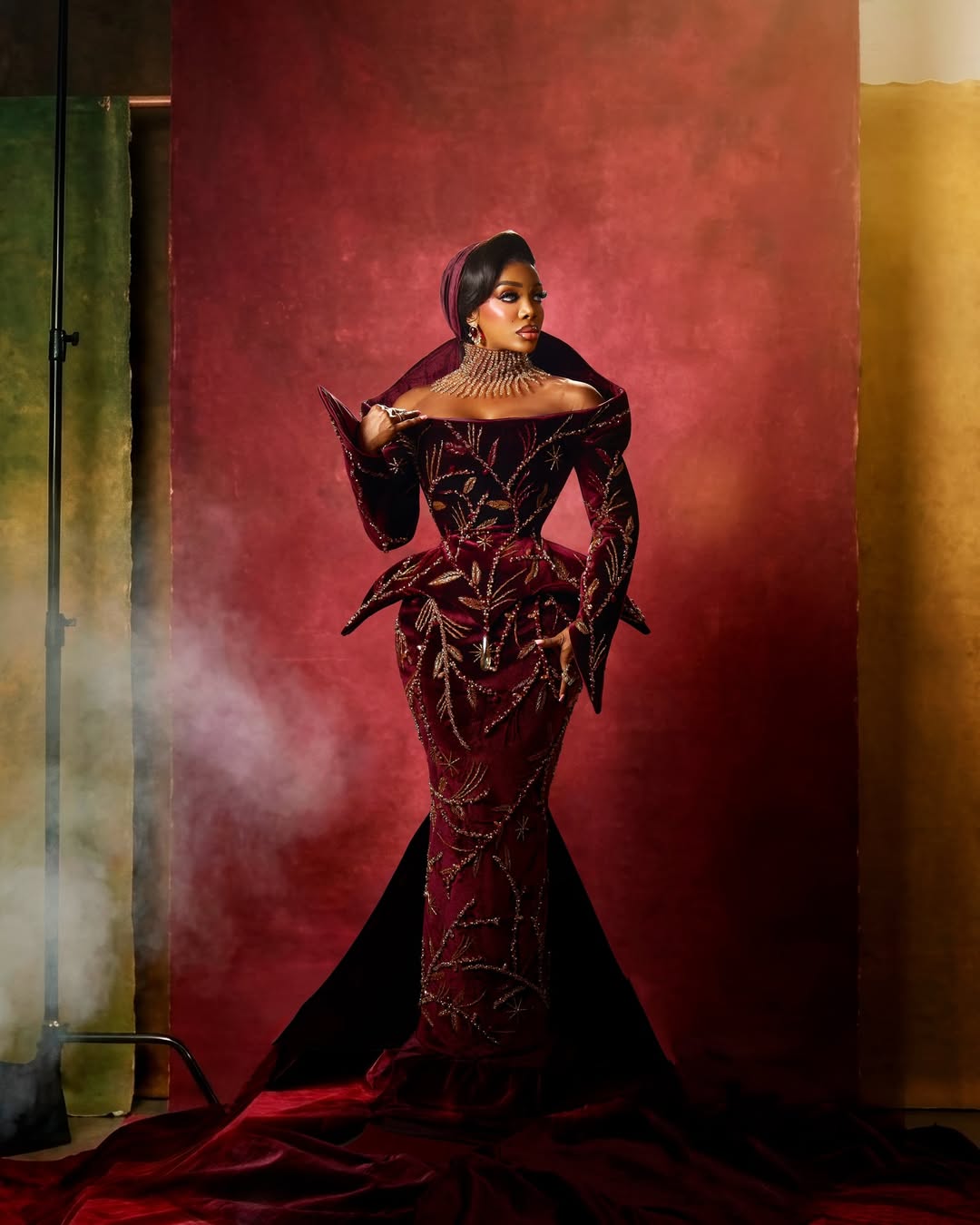
Sevon Dejana is one of those designers whose work enters the room before their name does. At the 2026 Golden Globes Eve event, Olandria Carthen wore a structured gown by the Nigeria-based designer, and the look quickly made its way through best-dressed roundups and red-carpet recaps. What disappeared in much of that coverage was the fuller context: who the designer is, where the work comes from, and why that matters.
That omission is the story. The gown was praised, circulated, and visually absorbed into red-carpet fashion culture. The designer’s Nigerian base was not given the same treatment. For Omiren Styles, that gap is exactly the point. When an African or Africa-based designer’s work becomes visible on an international carpet, the context often becomes less visible at the same moment the image becomes more so.
Who is Sevon Dejana, the Nigeria-based designer behind Olandria Carthen’s 2026 Golden Globes Eve gown, and why did most coverage leave out his context?
Who Sevon Dejana Is

As documented by Marie Claire Nigeria and visible across his own Instagram presence, Sevon Dejana is a Nigeria-based fashion designer whose practice sits within the wider ecosystem of African fashion authorship and contemporary luxury dressing. That means the brand is not simply producing red-carpet clothing. It is working from a fashion context shaped by Nigerian creativity, local craft knowledge, and the larger expectations placed on African designers when their work reaches global audiences.
That matters because designers from Nigeria are often read through reductive lenses. Their work may be praised as emerging, fresh, or globally relevant, but the real design intelligence behind it can be flattened into a style moment. The designer becomes a name attached to a dress, rather than an author with a place, a method, and a cultural position. As Omiren Styles has documented in Does Wearing Your Culture Make You Exotic? The Diaspora Fashion Paradox, the exotic designation is not a response to the quality of the dress. It is a response to the presence of a cultural context in a space whose visual norms were set without that context in mind. The same logic applies in reverse when the designer’s base is dropped from the caption: it is a space that defaults to treating African authorship as optional.
To say that Sevon Dejana is Nigeria-based is not a small biographical correction. It is the frame through which the gown should be understood. When a designer is rooted in Nigeria and still reaches a major international red carpet, the story is not just about a dress. It is about how African fashion travels, how it is received, and how much of its context survives the journey.
The Golden Globes Moment
Olandria Carthen’s appearance in Sevon Dejana at the 2026 Golden Globes Eve event gave the gown the kind of visibility fashion press loves: instant circulation, best-dressed placement, and the sense that a look had captured a moment. That is the machine of red-carpet fashion. It rewards impact quickly.
But red-carpet coverage often stops at impact. The image is praised, the silhouette is noted, and the look is folded into a broader celebrity-fashion conversation with little exploration of where the design came from or what it represents. In this case, that meant Sevon Dejana’s Nigeria-based identity did not receive the attention it should have. The gown was made visible. The author was only partially visible with it.
That omission is not harmless. When a gown by a Nigerian-based designer is presented as a fashion image rather than as part of a specific African fashion story, the press is telling readers that the visual is the main thing and the author is secondary. Omiren Styles resists that hierarchy. A gown does not arrive on a red carpet by accident. It is the product of decisions, references, labour, and a design perspective. If the piece is being celebrated enough to appear in best-dressed coverage, then the designer’s context is part of the reason the look is interesting in the first place. The same argument applies to every category of Nigerian creative authorship, as Omiren Styles has traced in “Nollywood’s Costume Department Is the Most Underreported Fashion Influence on How Nigerians Dress“: the work becomes visible, while the maker becomes a footnote.
International legibility should not require cultural erasure.
What the Gown Represented
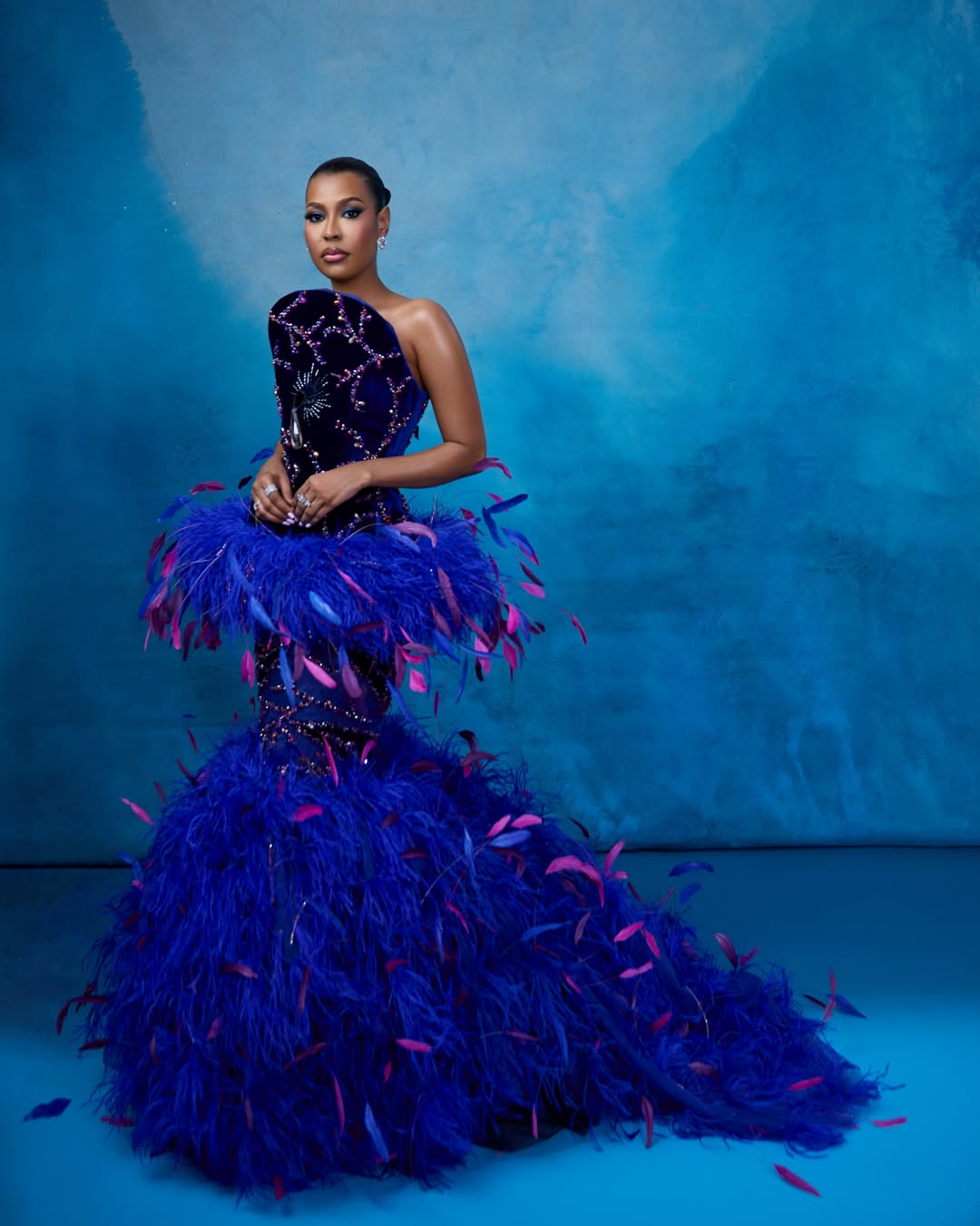
A red-carpet gown from a Nigerian-based designer carries more than glamour. It carries the possibility of African fashion being understood on its own terms, not just through the filter of European or American luxury approval. The gown’s silhouette and construction mattered less than the fact that it came from a Nigerian fashion context and then entered a global fashion frame. That movement matters because it shows how African-based designers can shape the visual language of high-profile events without losing their own design identity.
Too often, African designers are expected to prove themselves by looking internationally legible. But international legibility should not require cultural erasure. The best version of red-carpet fashion is one where the gown can travel while still retaining the designer’s place in the story.
That is especially true when the designer is based in Nigeria. Nigeria is not a backdrop to fashion production. It is a major site of creative authorship, tailoring skill, and design ambition. When work from that ecosystem appears on a global carpet, it should be read with that seriousness. The gown represented a designer working from a Nigerian fashion identity and entering a global visibility machine that does not always know how to properly name African authorship.
ALSO READ
- Does Wearing Your Culture Make You Exotic? The Diaspora Fashion Paradox
- Nollywood’s Costume Department Is the Most Underreported Fashion Influence on How Nigerians Dress
- How Nigerian Prom Dresses Became a Global Graduation Trend
- Craft, Culture, and Creative Power: The Designers Who Made AMVCA 2026 Africa’s Most Important Fashion Weekend
Why the Country Disappeared
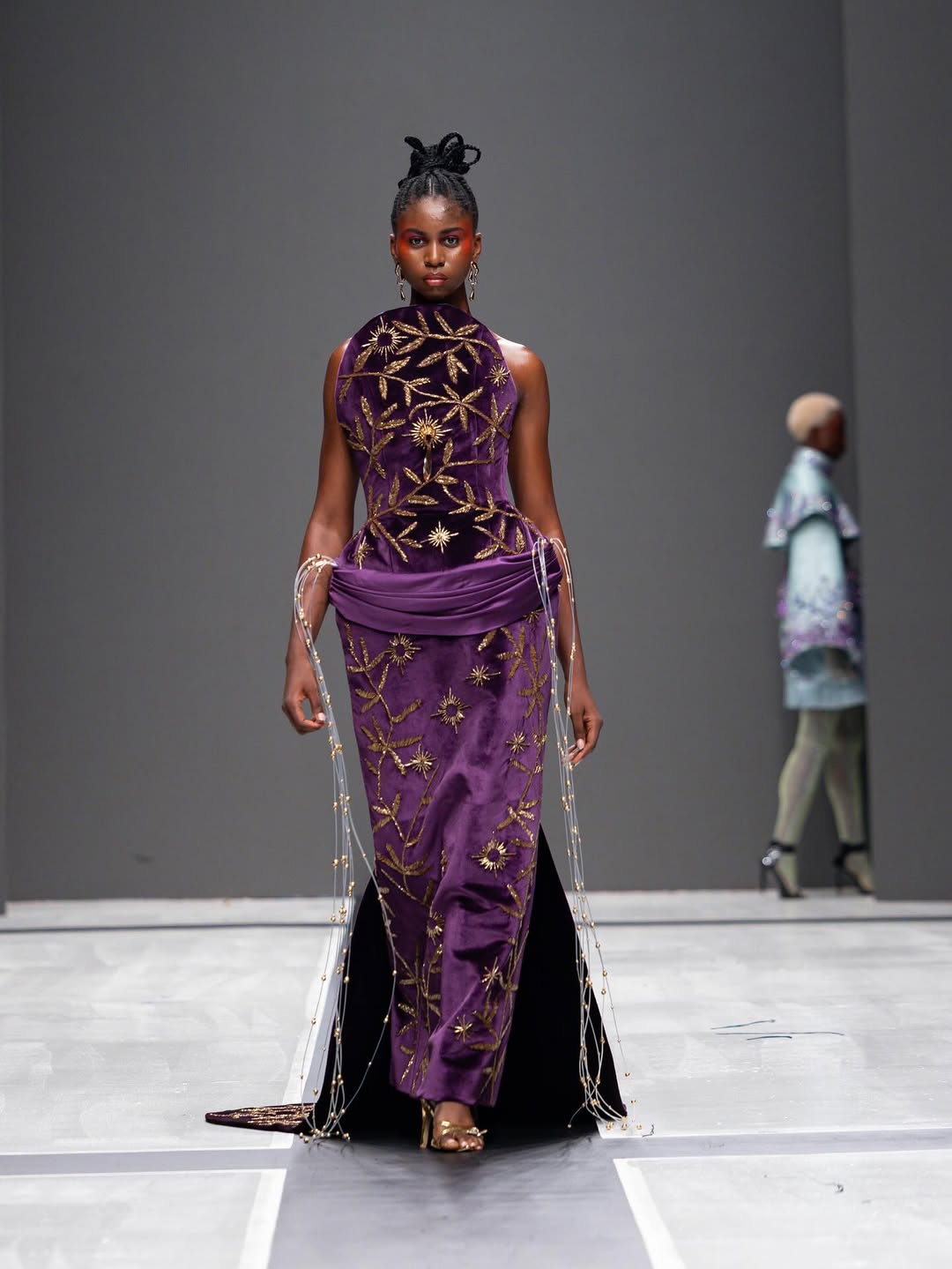
The country disappears in fashion coverage for a predictable reason: many outlets are trained to prioritise the celebrity, the event, and the image over the designer’s cultural and geographic context. That is especially true when the designer is African or Africa-based. The press will often name the brand, but not always expand the geography.
That is where the problem starts. A designer being Nigeria-based is not incidental. It explains part of the work’s design intelligence, aesthetic vocabulary, and cultural positioning. When that gets dropped, the audience is left with a sleek image but an incomplete story.
This matters even more because the omission is not evenly applied. Fashion media is often very good at precisely naming European or American design houses. African and diaspora designers are more likely to be summarised, truncated, or left in the caption. That imbalance tells readers whose authorship is considered self-evident and whose requires more effort. Nigeria’s fashion global reach is not new, as Omiren Styles has documented in How Nigerian Prom Dresses Became a Global Graduation Trend: Lagos ateliers have been fulfilling thousands of international commissions annually, building genuine export infrastructure. At the same time, the editorial coverage still treats Nigerian designers as occasional visitors to global fashion rather than as established participants in it.
The country’s disappearance is therefore not just a journalistic issue. It is a recognition issue. It determines whether readers leave knowing the work came from Nigeria’s fashion ecosystem or merely that a famous person wore a beautiful dress.
What Red-Carpet Coverage Should Do Better

Red-carpet coverage should be more than a list of who wore what. It should be a record of authorship. That means naming the designer, naming the designer’s base, and providing the context that gives the garment its full meaning.
That can be as simple as moving from one caption standard to another. Weak: “Olandria Carthen in Sevon Dejana.” Strong: “Olandria Carthen in Nigeria-based designer Sevon Dejana, part of a growing wave of African designers on major Hollywood carpets.” One sentence changes how readers understand the work. It requires no additional research beyond knowing where the designer is based, which the press already knows. The choice to leave it out is editorial, not logistical.
The AMVCA shows how to do it correctly. As Omiren Styles documented in Craft, Culture, and Creative Power: The Designers Who Made AMVCA 2026 Africa’s Most Important Fashion Weekend, Nigeria’s own major red-carpet coverage fully credits designers, contextualises the cultural significance of the work, and treats Nigerian fashion authorship as the subject rather than the backdrop. That is the standard. It is not complicated. It simply requires the decision to apply it consistently beyond the continent.
Omiren Styles’ standard is consistent: if the designer is Nigeria-based, keep Nigeria in the story. If the designer is shaping red-carpet culture from an African fashion environment, say that clearly. Precision is not over-explanation. Precision is respect. The point is not to overload a caption with biography. The point is to stop treating African identity as an optional decoration around the garment.
THE OMIREN ARGUMENT
Sevon Dejana’s Golden Globes Eve moment shows how quickly the fashion press can praise a gown while flattening the designer’s context. If the designer is Nigeria-based, that is not a small detail. It is part of the work’s meaning, its lineage, and its place in African fashion history. The gown was visible, but the authorship was not fully allowed to speak. That is the structural problem Omiren Styles keeps naming: African fashion enters the red carpet through the image, but too often leaves the coverage without the geography that made the image possible.
The fix requires no structural innovation. It requires editorial precision and the decision to apply it consistently. Moving from “Olandria Carthen in Sevon Dejana” to “Olandria Carthen in Nigeria-based designer Sevon Dejana” is a single phrase. But that phrase is the difference between a caption that credits the work and a caption that erases half of it. Omiren Styles names Sevon Dejana. It names Nigeria. It does not treat either as optional.
FREQUENTLY ASKED QUESTIONS
Who is Sevon Dejana?
Sevon Dejana is a Nigerian-based fashion designer whose work appeared on the 2026 Golden Globes Eve red carpet in Olandria Carthen’s gown. His practice is rooted in the Nigerian fashion ecosystem and documented by Marie Claire Nigeria alongside his own Instagram presence at @sevondejana.
What did Olandria Carthen wear to the Golden Globes Eve 2026?
She wore a gown by Nigeria-based designer Sevon Dejana to the 2026 Golden Globes Eve event.
Why does Sevon Dejana’s Nigerian base matter?
Because it places the work within a specific African fashion context and is part of the authorship behind the gown. A designer’s base, creative environment, and cultural position are not biographical footnotes. They are part of why the work looks the way it does.
Why did fashion coverage miss the country?
Red-carpet coverage consistently prioritises the celebrity and the image over the designer’s full context, particularly when the designer is African or Africa-based. The omission is not accidental. It reflects a default editorial hierarchy in which African authorship is treated as optional rather than essential.
What is the main issue with how the gown was covered?
The main issue is that Sevon Dejana’s Nigerian base was largely omitted from most coverage. The gown was named, but not its full authorial context. That is the structural problem Omiren Styles documents: African fashion enters global visibility through the image, but the geography that produced the image is frequently treated as a detail rather than the point.