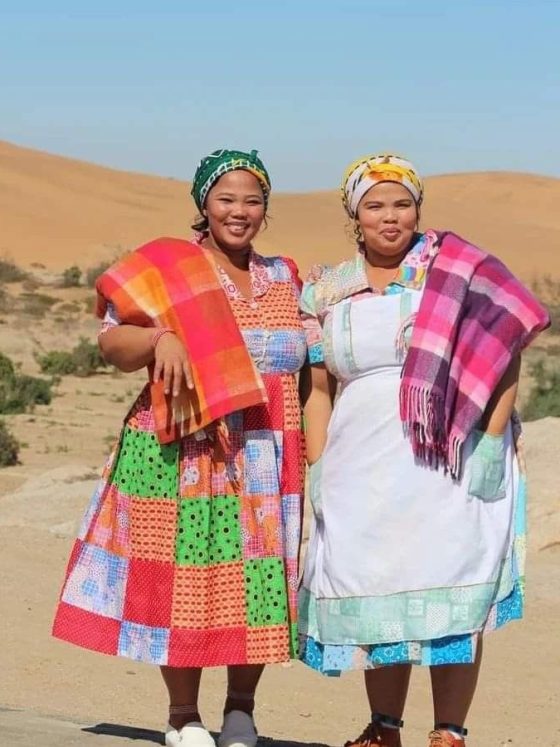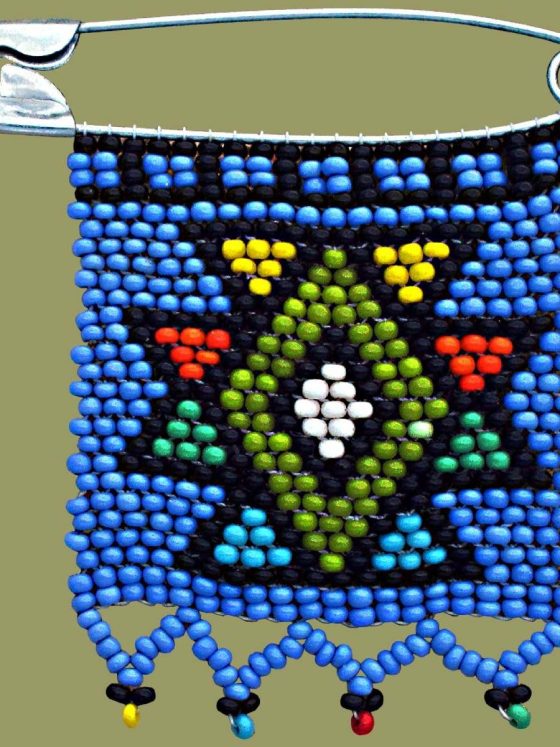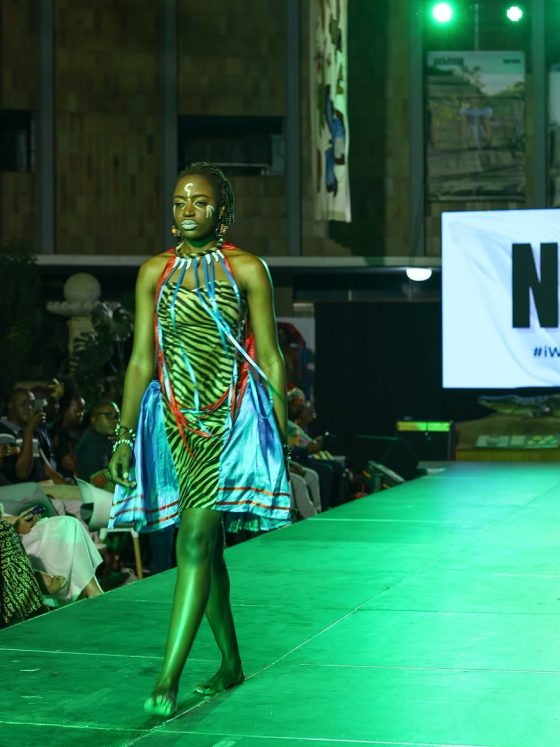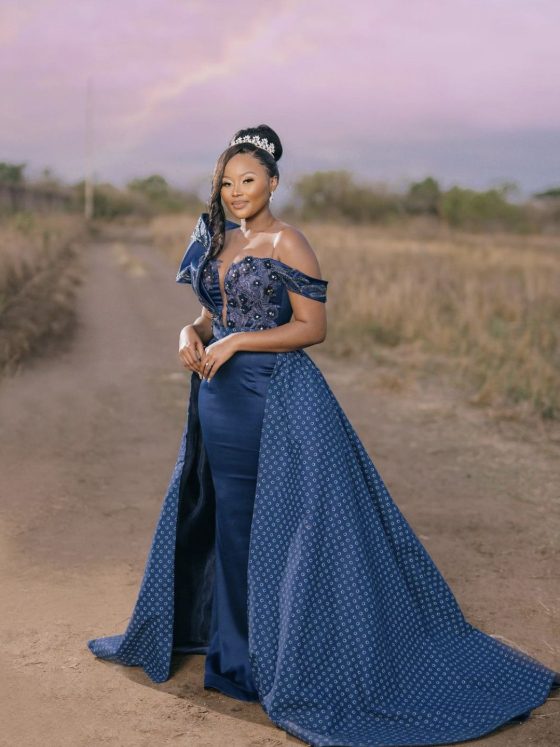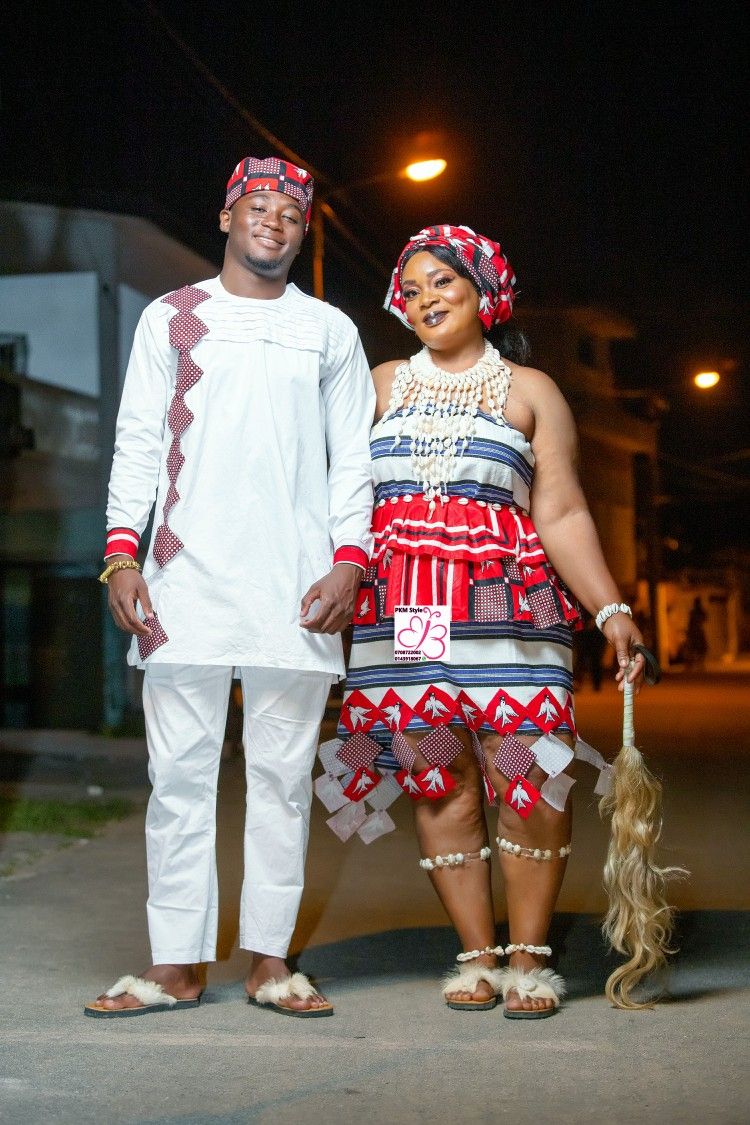
Burkina Faso’s traditional attire conveys a narrative that goes well beyond style. Clothing conveys identity, history, social belonging, craftsmanship, and cultural pride all over the nation. Traditional clothing remains one of the most visible expressions of Burkinabé culture, whether worn for religious celebrations, ceremonies, festivals, weddings, or daily life.
There are over sixty ethnic groups in Burkina Faso, each with its own customs, styles, and ways of dressing. Through weaving customs, textile production, embroidery techniques, and ceremonial clothing, the Mossi, Fulani, Bobo, Gurunsi, Lobi, and other communities have all influenced the nation’s fashion legacy. Because of this, Burkina Faso cannot be represented by a single national costume. Rather, the nation’s fashion identity is shaped by a variety of living customs that are passed down through the generations.
Faso Dan Fani, a handwoven cotton fabric that has come to represent cultural resiliency and national pride, is at the centre of many conversations regarding Burkinabé fashion. However, Burkina Faso’s traditional attire goes beyond a single fabric. It encompasses the social connotations of clothing, the craftspeople who make it, and the communities that continue to wear it as active cultural expressions rather than as artefacts in museums.
Despite the influence of international fashion trends, traditional attire remains highly relevant today. While keeping close ties to regional craftsmanship, young Burkinabé designers, tailors, and creatives are increasingly reinterpreting historical clothing through modern silhouettes. Burkina Faso’s traditional attire continues to influence contemporary fashion because of this harmony between innovation and continuity.
Thus, understanding Burkina Faso’s traditional attire entails understanding how culture manifests in fabric, craftsmanship, and identity.
Traditional clothing in Burkina Faso reveals identity, craftsmanship, and history through Faso Dan Fani, ceremonial dress, and cultural expression.
Faso Dan Fani and the Fabric That Became a National Symbol
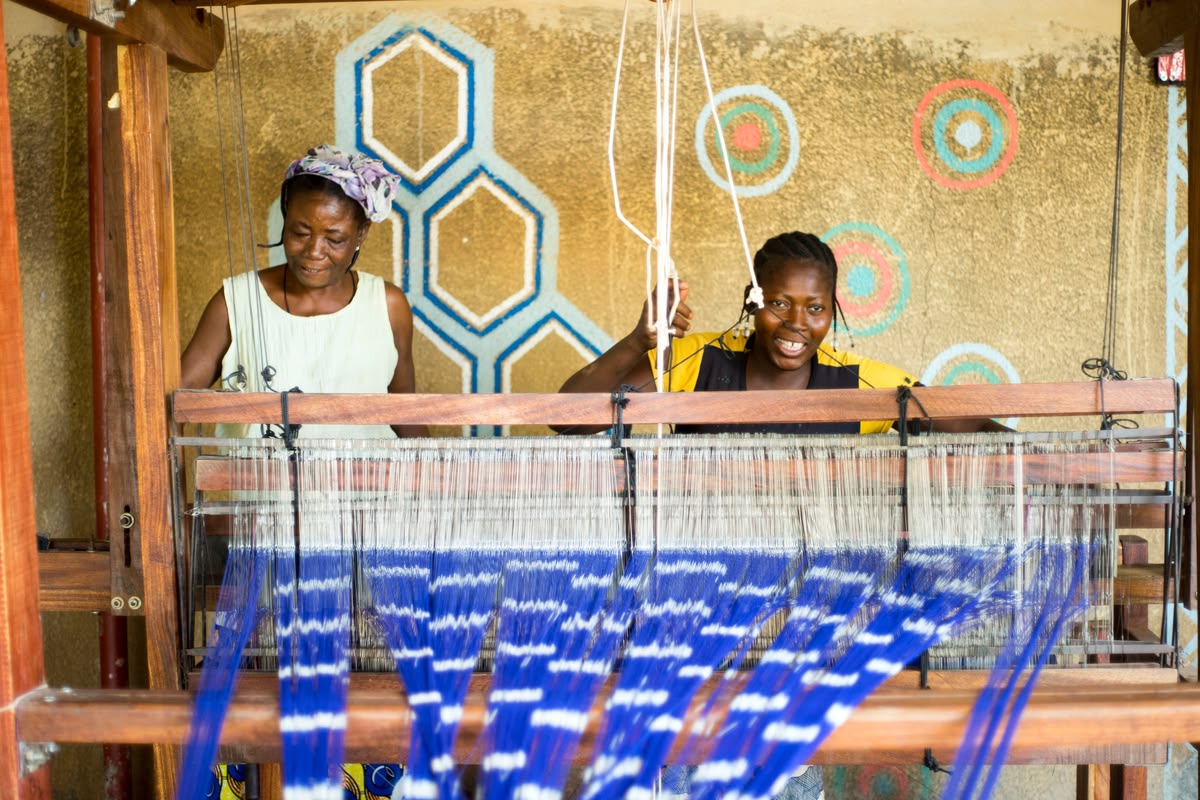
Faso Dan Fani is one of the most culturally significant textiles in Burkina Faso. Faso Dan Fani, often referred to as the nation’s national fabric, is much more than just woven cotton. It represents independence, artistry, economic empowerment, and cultural identity.
The literal translation of Faso Dan Fani is “the woven cloth of the homeland”. The fabric is made from cotton grown nearby and woven using traditional handweaving methods by talented craftspeople whose skills have been passed down through the generations. Every piece reflects craftsmanship rather than mass production, as the process requires considerable labour, patience, and technical know-how.
During Thomas Sankara’s presidency in the 1980s, Faso Dan Fani became much more well-known. As part of a broader commitment to cultural confidence and economic independence, Sankara urged people to wear locally made clothing. Through his advocacy, Faso Dan Fani was elevated from a respected textile to a national symbol of Burkinabé identity and self-determination.
Weddings, religious ceremonies, political gatherings, graduation celebrations, and cultural festivals all still feature the fabric today. While women use it in dresses, wrappers, skirts, headwraps, and ceremonial garb, men typically wear it in flowing tunics, matching pants, and embroidered ensembles.
Faso Dan Fani’s capacity to change is what makes it so significant. Contemporary designers often use modern tailoring techniques to reinterpret fabrics while maintaining their cultural significance. Younger generations who desire apparel that embodies both cultural heritage and modern style are drawn to the textile.
Burkina Faso’s traditional attire remains relevant due to the interplay between heritage and adaptation. The fabric endures because it keeps finding new ways to express itself in shifting social realities rather than because it is shielded from change.
How Different Ethnic Communities Shape Traditional Dress in Burkina Faso
Burkina Faso’s fashion culture reflects contributions from many ethnic communities, so it is impossible to understand traditional clothing through a single garment or textile tradition.
Burkina Faso’s largest ethnic group, the Mossi, have historically had a significant impact on many facets of the country’s fashion culture. Handwoven fabrics, flowing garments, and ceremonial attire worn during significant social events are common features of traditional Mossi clothing. Age, social standing, community membership, and involvement in cultural rituals are all often conveyed through clothing.
The Fulani, also called the Peul, place a strong emphasis on ornamentation, craftsmanship, and elegance in their clothing customs. Fulani women are especially renowned for their ornate jewellery, well-tailored clothing, and ornamental accessories that have cultural and social significance. Adornment is frequently used in conjunction with clothing to convey identity and ancestry.
The Bobo people uphold unique artistic and textile traditions that are linked to larger cultural customs. Their style of dress reflects social life, ceremonial involvement, and community values. In a similar vein, the Gurunsi and Lobi communities contribute distinctive weaving techniques, colour palettes, and clothing designs that enhance Burkina Faso’s overall fashion scene.
Crucially, these customs shouldn’t be seen as isolated or unchanging. For centuries, clothing customs have been impacted by cross-cultural interactions. Fabrics, tailoring methods, and aesthetic concepts were transported across regions by markets, migration, trade routes, and intermarriage.
Because of this variety, it would be incorrect to characterise Burkinabé traditional clothing as a single, cohesive style. The nation’s fashion legacy reflects several concurrent cultural histories. Thus, traditional attire serves as a visual record of Burkina Faso’s social complexity.
These customs are still evident at weddings, naming ceremonies, harvest festivities, religious gatherings, and national holidays. While maintaining the cultural connotations associated with them, various communities continue to modify historical clothing for modern settings.
As a result, rather than being stuck in the past, fashion culture continues to evolve.
ALSO READ:
Why Traditional Clothing Remains Relevant in Modern Burkina Faso
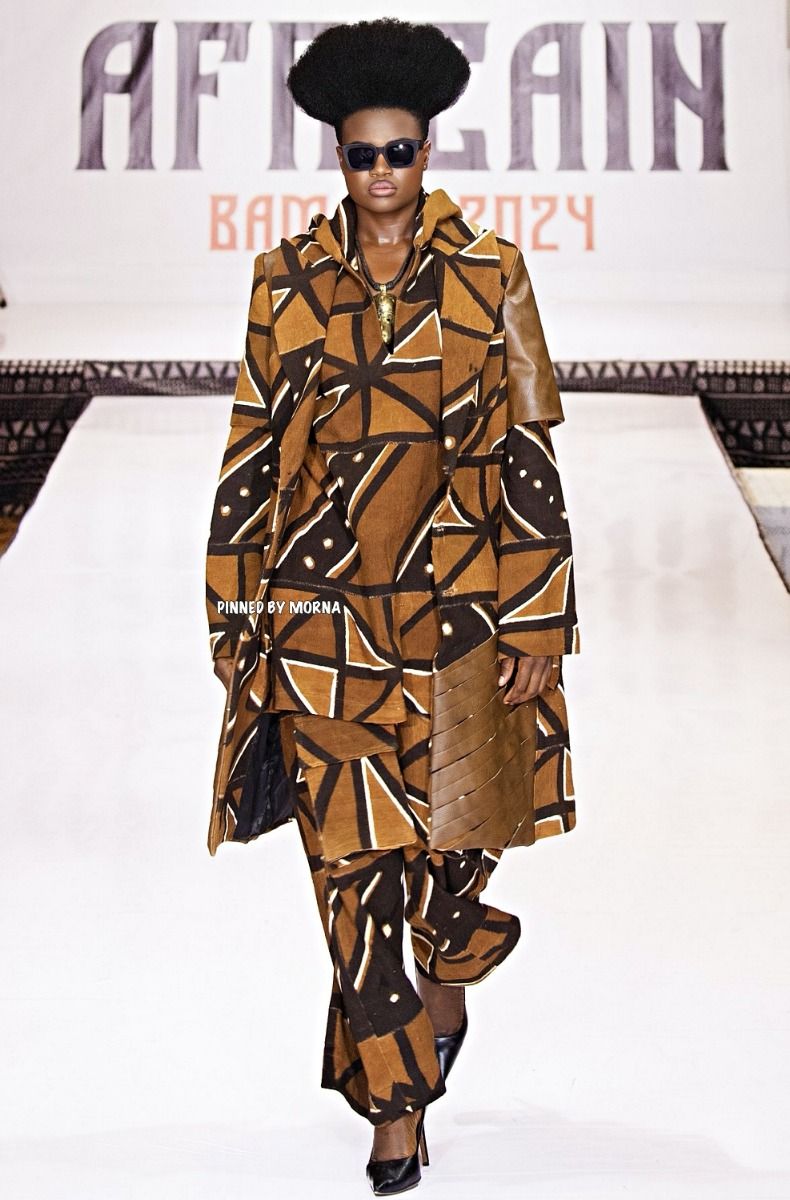
Because traditional clothing in Burkina Faso remains relevant to modern life rather than serving only to preserve cultural traditions, it continues to flourish.
Traditional attire is still worn at weddings, religious festivals, funerals, graduations, political gatherings, and family ceremonies across the nation. These events give people a chance to express their cultural identity while strengthening ties to the past and to the community.
Simultaneously, younger generations are increasingly using modern fashion language to reinterpret traditional clothing. Using locally made textiles, traditional embroidery methods, and handwoven fabrics, tailors and designers create contemporary silhouettes. This keeps traditional attire culturally significant while maintaining its social relevance.
Urban areas like Bobo-Dioulasso and Ouagadougou have developed into significant hubs where innovation and tradition meet. Designers continue to take inspiration from historical clothing customs while experimenting with structured tailoring, modern cuts, and styling. Many Burkinabé artists see tradition and modernity as complementary forces rather than as opposed.
In West Africa as a whole, this dynamic is also evident. Similar discussions about identity and attire can be found in our analyses of royal symbolism, clothing heritage, and cultural dress customs in neighbouring countries. Rather than going extinct due to modern fashion, traditional clothing continues to evolve throughout the region.
Economic factors also influence the ongoing significance of traditional attire. The production of textiles, weaving, tailoring, embroidery, and clothing supports thousands of artisans and small businesses. Therefore, locally made apparel promotes both economic engagement and cultural preservation.
Most significantly, traditional clothing remains relevant because it allows people to express their identities visibly. Clothing gives people a way to express cultural identity without sacrificing modern style in an anonymous world.
Therefore, Burkina Faso’s traditional attire will continue to evolve through ingenuity, skill, and cultural self-assurance rather than by resisting change.
The Omiren Argument
Burkina Faso’s traditional attire endures because generations of Burkinabé people have consistently modified it to reflect shifting social realities while preserving cultural significance, rather than because it has been preserved unaltered.
African traditional attire is frequently discussed as a historical phenomenon that exists independently of modern life. According to this theory, traditional clothing gradually disappears as societies grow more urbanised and interconnected.
Burkina Faso disputes that story. In everyday life, ceremonies, politics, education, entrepreneurship, and modern fashion, traditional attire is still evident. Faso Dan Fani continues to draw in new generations of designers, buyers, and craftspeople because it remains relevant today, not because it reflects the past.
Burkinabé fashion culture is strong because it can adapt to change without losing its identity. While maintaining the cultural connotations that give it significance, traditional clothing evolves through new tailoring methods, shifting aesthetics, and contemporary styling options. Because of this adaptability, clothing customs can continue to have social significance rather than becoming merely symbolic.
Preservation alone will not guarantee the future of Burkina Faso’s traditional clothing. It will be protected by ongoing use, cultural ownership, and adaptation. Traditional clothing will remain a living component of the nation’s identity rather than a relic of the past as long as Burkinabé communities continue to make, wear, and reimagine these garments.
Frequently Asked Questions (FAQs):
- What is the most famous traditional fabric in Burkina Faso?
Faso Dan Fani is widely regarded as the most famous traditional fabric in Burkina Faso. The handwoven cotton textile has become a symbol of national identity, craftsmanship, and cultural pride. It is used in everything from ceremonial garments and wedding attire to contemporary fashion collections created by modern Burkinabé designers.
- What does Faso Dan Fani mean?
Faso Dan Fani translates roughly as “the woven cloth of the homeland.” The fabric is produced using traditional handweaving techniques and has become closely associated with Burkinabé cultural identity. It gained national prominence during the 1980s when local textile production became a symbol of economic independence and cultural confidence.
- Do people still wear traditional clothing in Burkina Faso today?
Yes. Traditional clothing remains widely worn throughout Burkina Faso, particularly during weddings, religious celebrations, cultural festivals, funerals, graduations, and national events. Many people also incorporate traditional textiles into contemporary outfits, creating a blend of heritage and modern fashion.
- Which ethnic groups influence traditional clothing in Burkina Faso?
Several ethnic communities contribute to Burkina Faso’s fashion heritage, including the Mossi, Fulani, Bobo, Gurunsi, and Lobi peoples. Each community has its own approaches to weaving, tailoring, colour use, ornamentation, and ceremonial dress, contributing to the country’s diverse clothing traditions.
- How is traditional clothing influencing modern fashion in Burkina Faso?
Contemporary designers increasingly use traditional fabrics such as Faso Dan Fani in modern garments. By combining historical textile traditions with current tailoring techniques and silhouettes, designers create clothing that appeals to younger generations while maintaining strong cultural connections. This process ensures that traditional clothing continues evolving rather than becoming disconnected from everyday life.
EXPLORE MORE
Through research-driven editorial focused on the people, histories, and creative industries influencing style throughout Africa and its global diaspora, the Omiren Styles Editorial Team covers African fashion, textile traditions, craftsmanship, and cultural identity.
Visit Omiren Styles to learn more about African fashion, textile heritage, craftsmanship, and cultural identity throughout the continent.