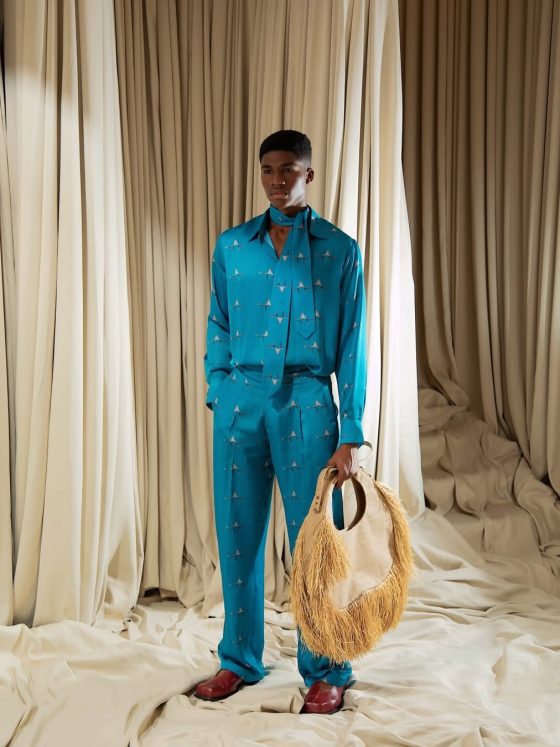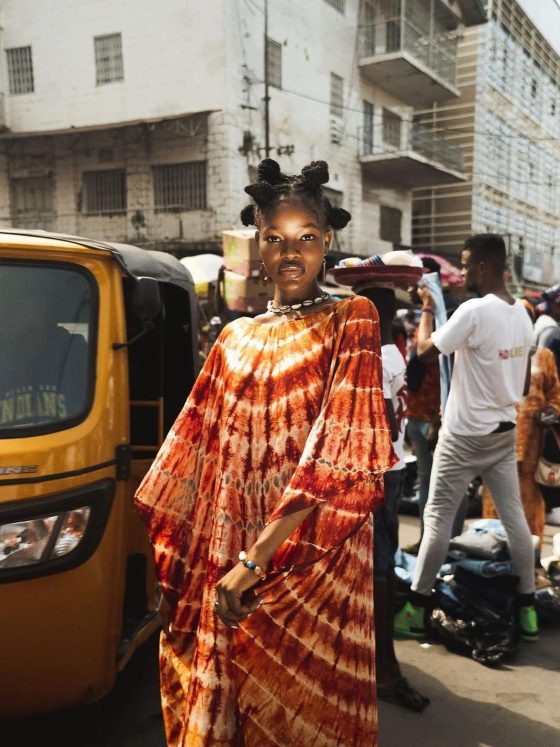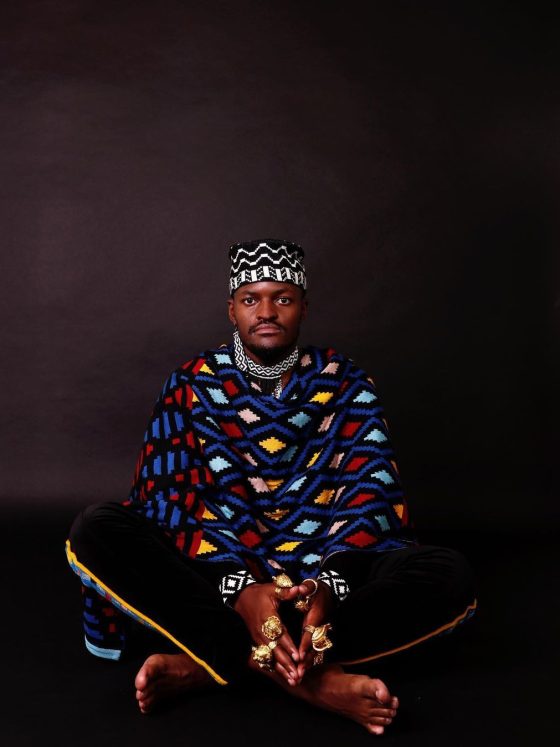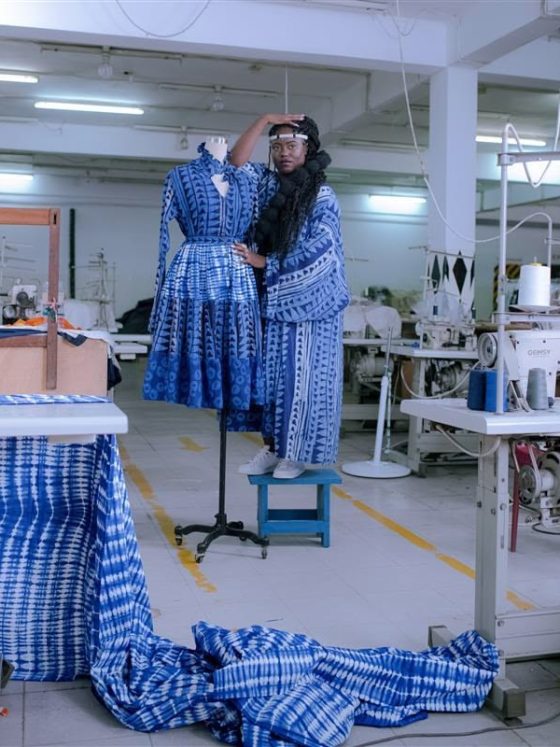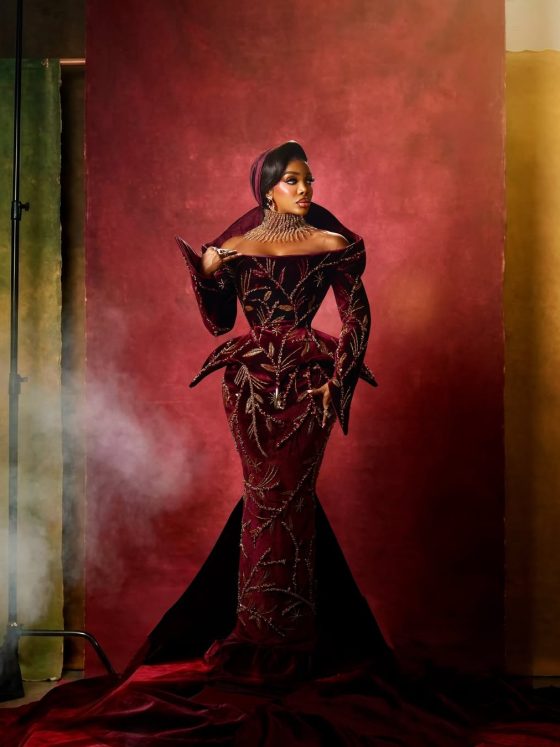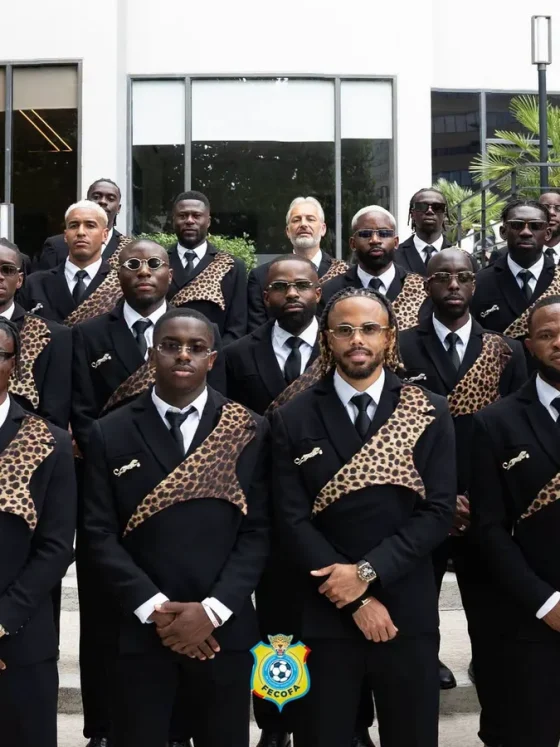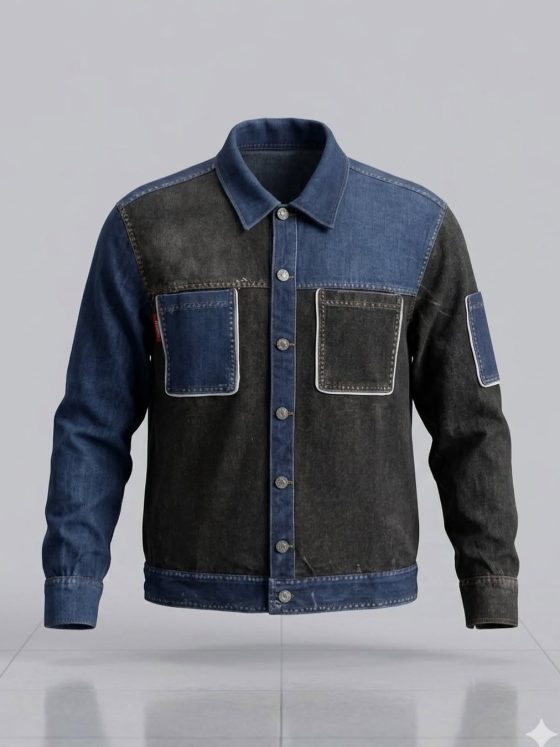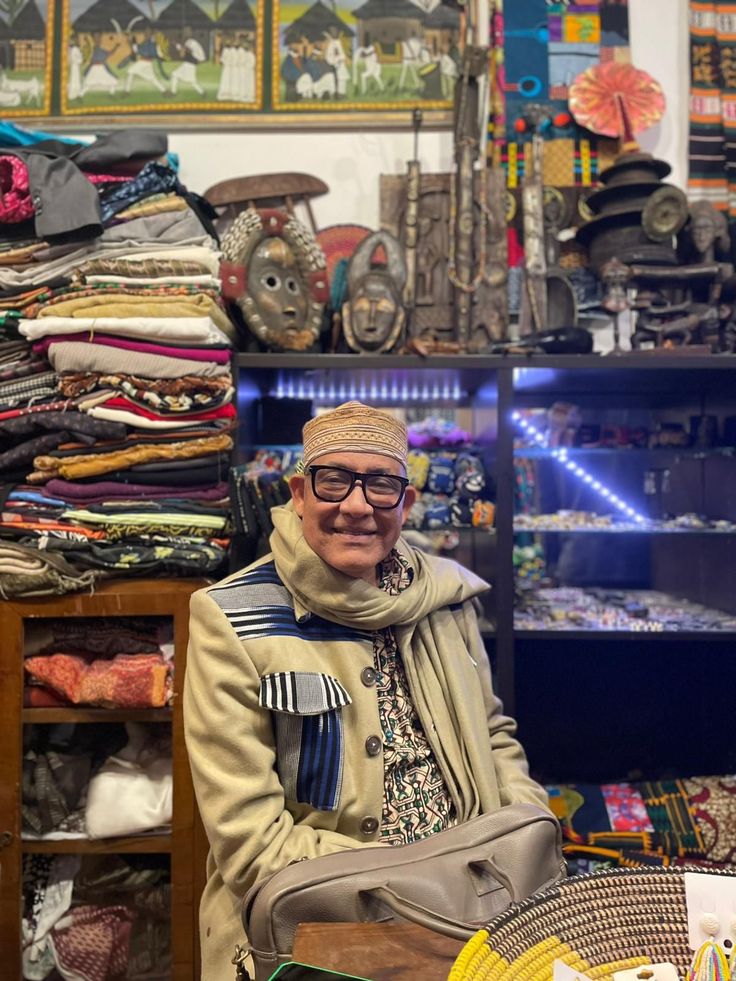
Nigerien designers are not waiting for the fashion world to discover them. They are already building a visual language that belongs to the Sahel, one that draws from Tuareg dress, indigo cloth, desert tailoring, and a strong sense of line and proportion.
What makes this important is not simply that Nigerien fashion is reaching wider audiences. It is that the fashion itself has never needed outside approval to be meaningful. In Niger, dress has always carried climate intelligence, cultural memory, and social identity. The modern designer is not inventing that seriousness. They are translating it for new spaces, without flattening it for easy consumption.
That is why this story matters now. Nigerien designers are proving that Sahelian fashion can travel globally without losing its Nigerien identity.
Discover how Nigerien designers are bringing Sahelian fashion to the global stage through Tuareg influence, desert tailoring, and bold modern design.
The Designers Who Changed The Frame
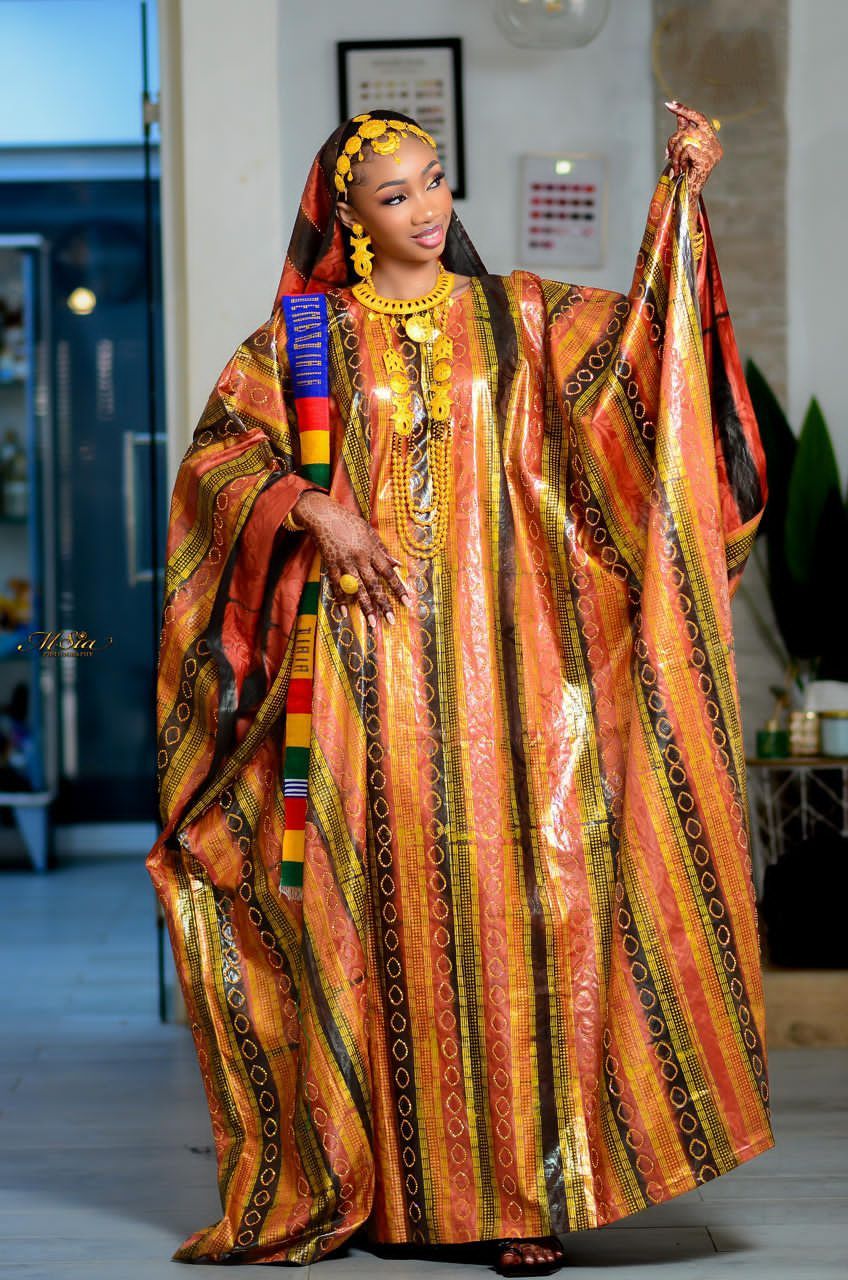
The most important name in this conversation is Alphadi. He is one of the figures who made Nigerien fashion visible beyond national borders, but his real contribution goes deeper than visibility. He helped establish the idea that Sahelian fashion is not a regional curiosity. It is a serious design tradition with its own grammar, its own discipline, and its own authority.
That matters because the global fashion industry often treats African design as if it only becomes valuable once it has been filtered through foreign approval. Alphadi pushed against that assumption. His work showed that Nigerien fashion could hold its own on international platforms because it already possessed refinement, structure, and cultural weight. It did not need to imitate Paris or Milan to belong in the same conversation.
Younger designers now work in that wake. They are developing collections that speak to a more digital, more mobile audience, but they are still drawing from the same foundation: desert silhouettes, indigo cloth, embroidery, layered garments, and a respect for modesty that is aesthetic rather than limiting. Their clothes feel contemporary because they understand continuity. That continuity is what gives the workforce. Traditional Clothing in Niger: Tuareg Influence and Cultural Identity provides the cultural background that keeps the modern work grounded.
Nigerien designers are also working in a context where fashion must mean more than appearance. A designer in Niamey is often designing for ceremony, for heat, for mobility, for visibility, and for identity all at once. That pressure produces clothing with discipline. It also means that the work is rarely superficial. Even when it looks minimal, it is carrying multiple layers of meaning. That is one reason Sahelian fashion translates so well on a global stage. It is not decorative noise. It has structure.
Sahelian Fabric As Style
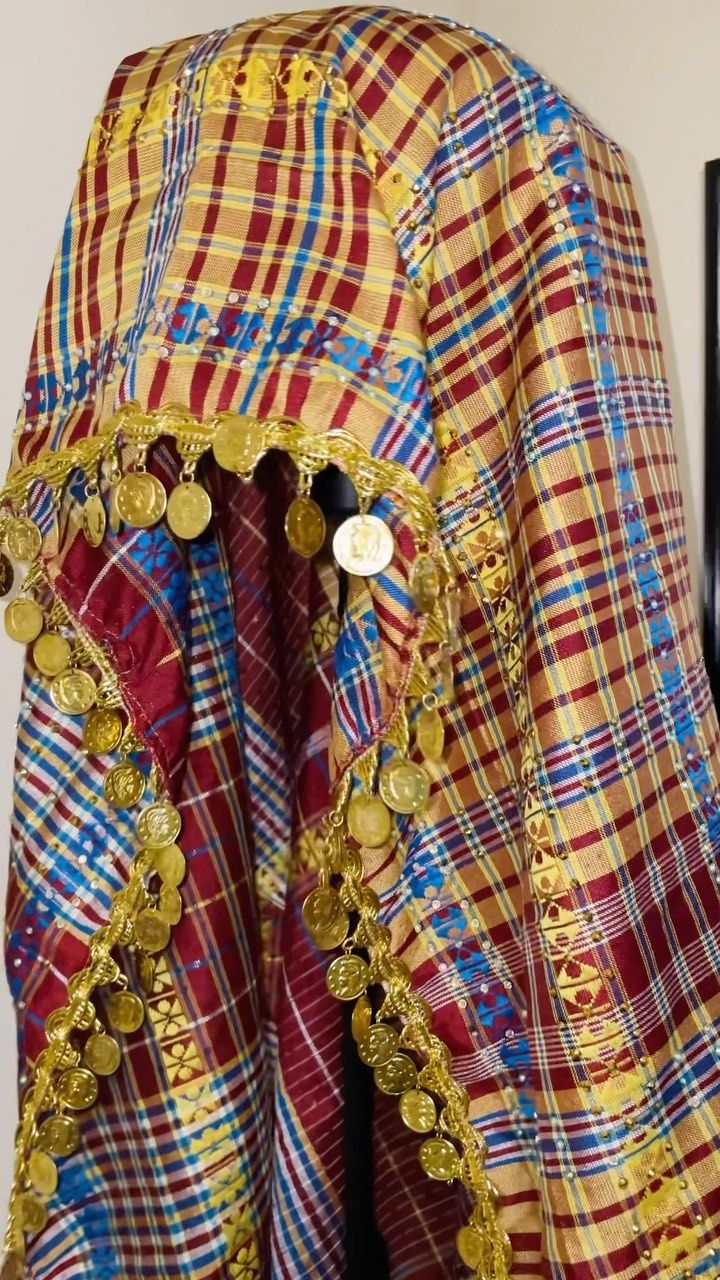
The Sahel shapes fashion before fashion has the chance to shape itself. In Niger, that matters. The climate demands breathable fabrics, generous cuts, and clothing that protects the body without erasing elegance. What could be mistaken for simplicity is actually precision. The lines are intentional. The drape is intentional. The layering is intentional.
Indigo remains one of the clearest visual signatures of this tradition. It is not just a colour. It is a cultural marker tied to Tuareg identity and to the wider visual memory of Nigerien dress. When designers use indigo, they are not borrowing a trend. They are entering a long conversation about identity, geography, and craft. The colour holds weight because it comes with meaning already attached.
Embroidery gives the clothes another layer of authority. In many Nigerien garments, the stitching is not loud, but it is exact. Geometric borders, controlled ornamentation, and carefully placed detailing create a look that feels composed rather than overworked. This is part of what makes Sahelian fashion distinctive. It does not rely on excess to be compelling. It relies on clarity.
That clarity is one of the reasons Nigerien designers stand out internationally. Global fashion often mistakes minimalism for emptiness. Nigerien fashion corrects that mistake. A simple robe, a long tunic, or a layered ensemble may look restrained at first glance, but the restraint is doing serious cultural work. It is holding history, climate, and style in the same form.
The important thing here is that Sahelian fabric is never passive. It is active in how it shapes the body, how it moves, and how it is read socially. That is why the fabric itself becomes part of the design argument. It is not just material waiting for a designer’s touch. It is already carrying meaning before the first cut is made.
Why The Global Stage Matters
The phrase “global stage” can be misleading if it is treated as the ultimate prize. For Nigerien designers, the point is not simply to appear in Paris, London, or New York. The point is to enter those spaces without surrendering the logic of the work.
That distinction matters. Too often, African designers are asked to adapt themselves to external expectations in order to gain recognition. Nigerien fashion resists that pattern by remaining legible to its own culture first. That is what gives it strength abroad. It is not trying to become universal by becoming vague. It becomes compelling because it stays specific.
International visibility also matters because it changes where authority is placed. When a Nigerien designer shows work internationally, the designer is not only presenting garments. They are presenting a regional aesthetic system that has often been ignored or reduced. Sahelian fashion becomes visible as design intelligence, not just cultural material. That shift is important because it interrupts the habit of treating African dress as something only valuable when explained by outsiders.
There is also a practical layer to this visibility. It opens doors for younger designers, stylists, photographers, and textile workers inside Niger. Once a style gains international attention, it creates more reason for local investment, more possibility for collaboration, and more confidence in the value of local craft. Global recognition can be shallow when it is only about image, but it can also be meaningful when it strengthens the ecosystem behind the image.
ALSO READ:
- Indigo Fabrics and Desert Fashion: The Unique Style of Niger
- Traditional Clothing in Niger: Tuareg Influence and Cultural Identity
- Island Streetwear in Cape Verde: How Youth Turn Pano and Sneakers into Creole Identity
What Sahelian Style Means Now
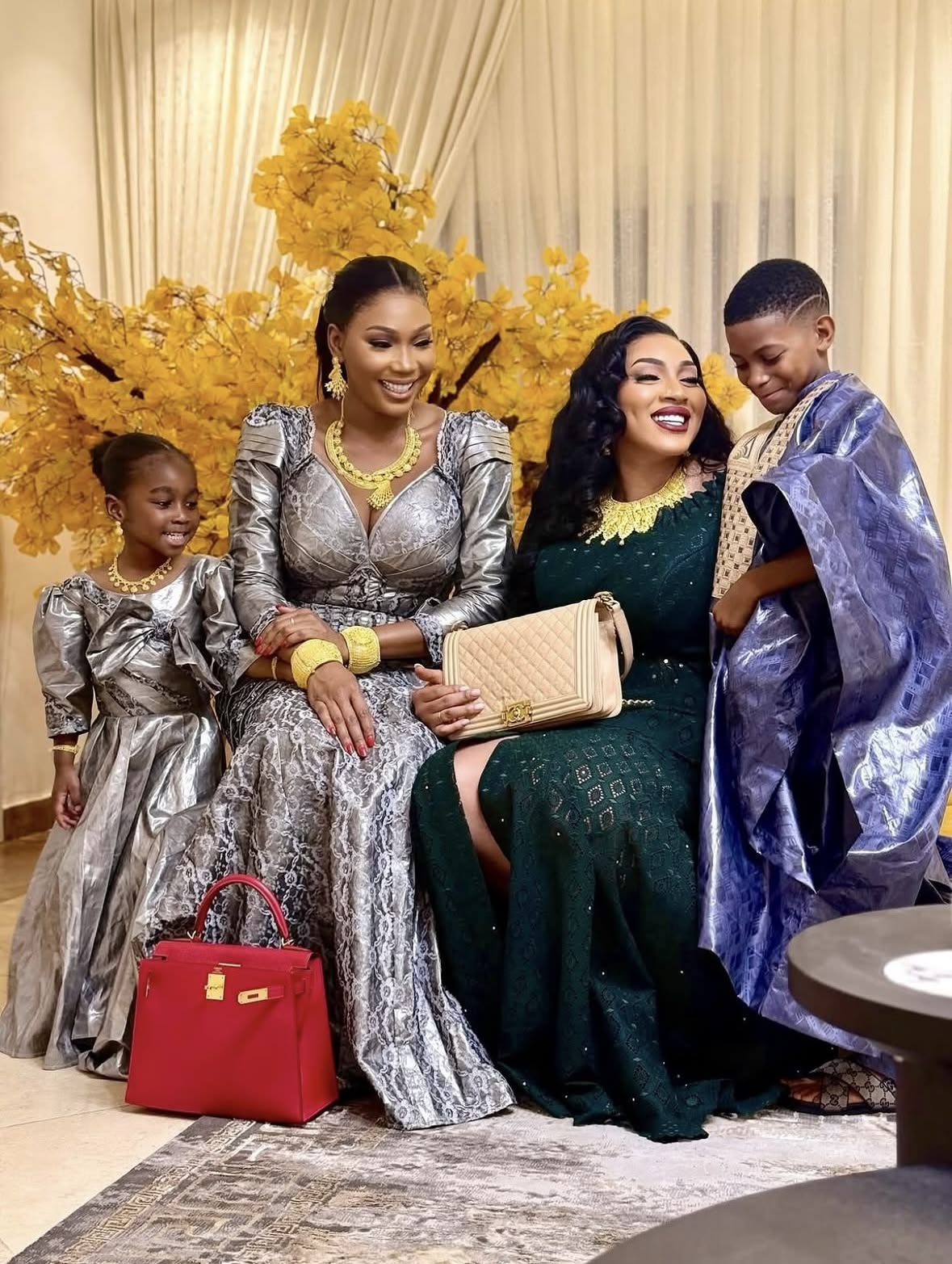
Sahelian fashion now stands for more than tradition. It stands for authorship. Nigerien designers are showing that the Sahel can define its own fashion priorities instead of borrowing them from elsewhere. That is a powerful shift, because it places local knowledge at the centre of design rather than at the margins.
Modernity in this context does not mean replacing the old with the new. It means carrying older forms into contemporary spaces with intelligence. A flowing indigo robe can still feel current. A layered garment can still look sharp on a runway. A Tuareg reference can still feel contemporary when the cut and styling are handled with confidence.
What Nigerien designers are proving is that the Sahel already contains a fashion vocabulary rich enough to stand on its own. They are not decorating the region for global consumption. They are making the world meet Niger on Niger’s terms.
Omiren Argument
Thesis: Nigerien designers are bringing Sahelian fashion to the global stage by turning local dress, indigo cloth, and Tuareg influence into a fashion language that stands on its own.
Context: For too long, African fashion has been treated as something that only matters after outside recognition. In Niger, fashion already carries climate logic, cultural memory, and social meaning, so the design tradition has always been authoritative within its own world.
Disruption: Nigerien designers are not softening that tradition to fit global tastes. They are presenting it as it is, with its desert structure, layered forms, embroidery, and visual discipline intact, and that is exactly what gives it international force.
Cultural Insight: This shows that Sahelian fashion does not need to mimic global luxury in order to belong globally. Its strength comes from continuity, specificity, and the confidence to treat local dress as a source of authority rather than a reference point.
Conclusion: Nigerien designers are not making Sahelian fashion global by changing it into something else. They are making it visible by refusing to treat it as secondary.
Frequently Asked Questions (FAQs):
- Who is the most famous Nigerien fashion designer?
Alphadi is the best-known Nigerien fashion designer and one of the most important figures in putting Sahelian style into international fashion conversation. His work helped show that Nigerien design could stand on global platforms without abandoning its cultural roots.
- What makes Nigerien fashion distinct?
Its distinctiveness comes from the Sahel itself. Nigerien fashion often draws on Tuareg influence, indigo cloth, layered garments, geometric embroidery, and silhouettes shaped by desert climate and cultural practice. That combination creates a strong and recognisable visual identity.
- How does Nigerien fashion reach global audiences?
It reaches global audiences through runway appearances, exhibitions, editorial coverage, and digital visibility. More importantly, it does so without losing its cultural language, which is what makes the work feel compelling rather than generic.
- Why is Tuareg influence important in Nigerien style?
Tuareg influence shapes the use of indigo, the sense of coverage, the structure of draping, and the geometric quality of decoration. It gives Nigerien fashion a visual discipline that sets it apart from other style traditions.
- Is Sahelian fashion modern?
Yes. It is modern because it responds to contemporary life while remaining rooted in local knowledge. Modernity here is not about imitation. It is about relevance, precision, and the ability to move across contexts without losing meaning.
Omiren Styles covers African and diaspora fashion from a position of cultural authority rather than cultural commentary. Every article here is built on the premise that African fashion is already the foundation. Subscribe for the intelligence that starts from that premise.