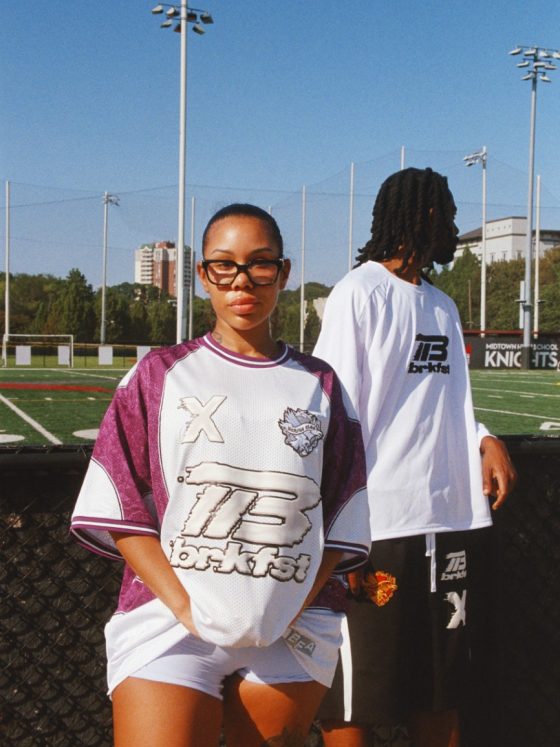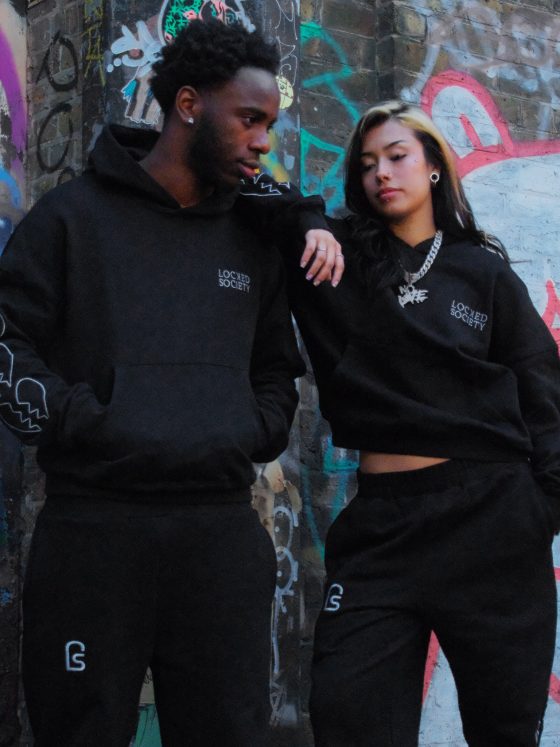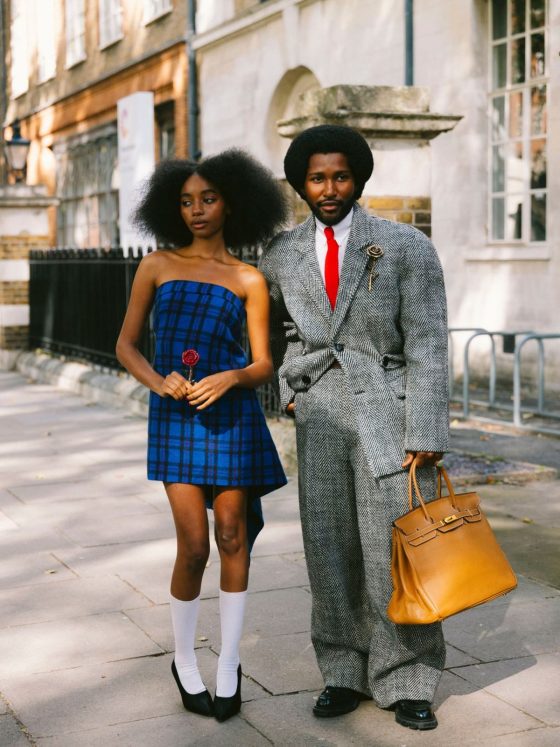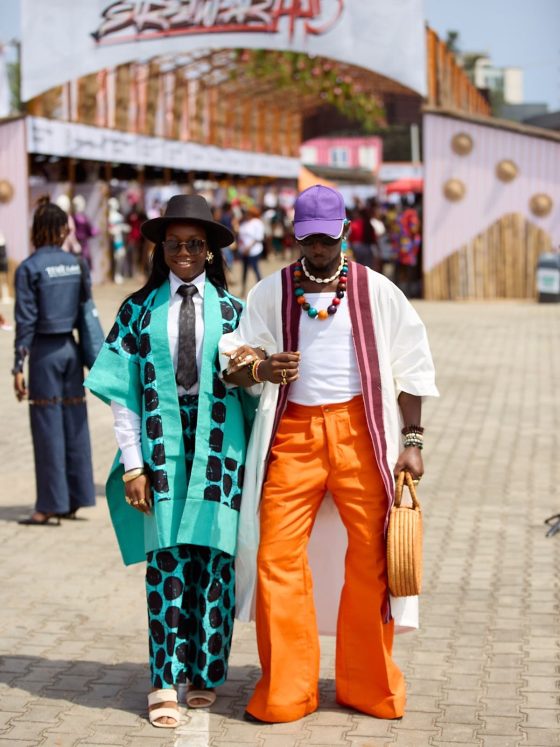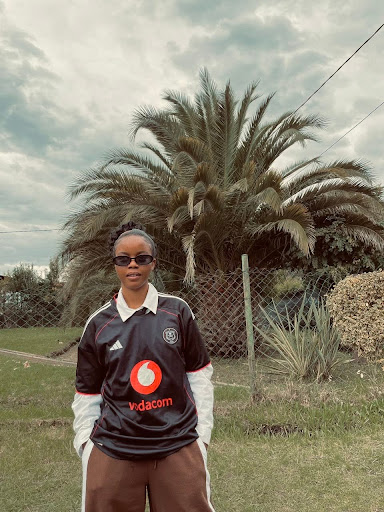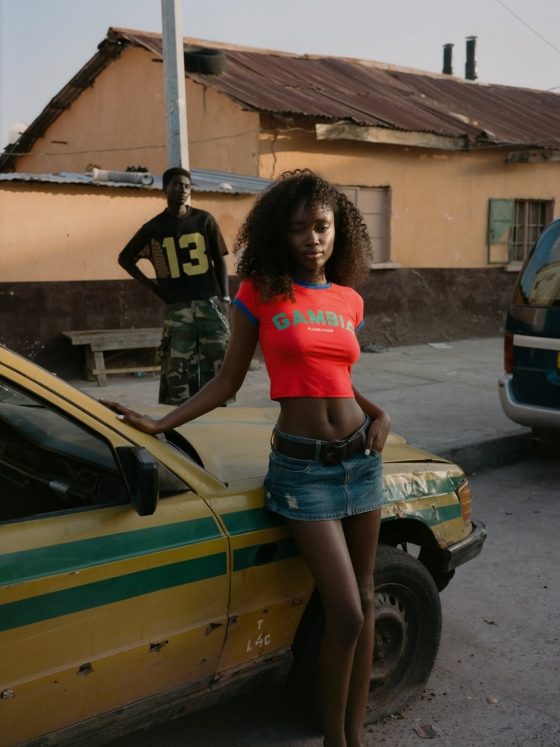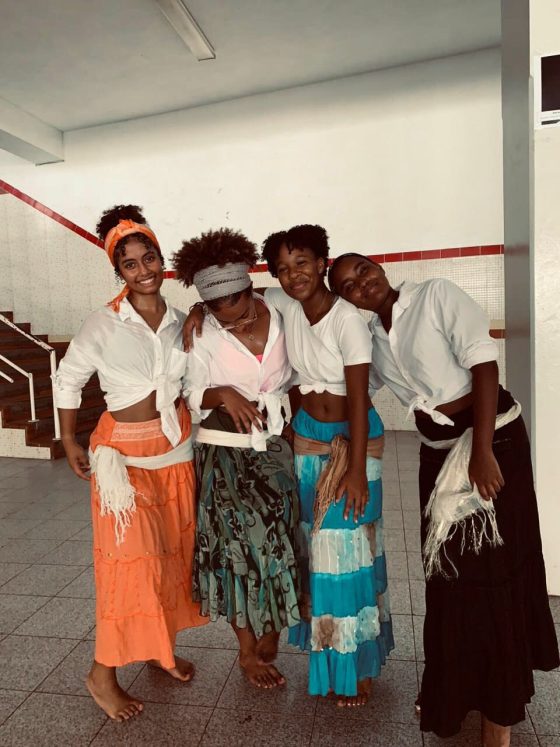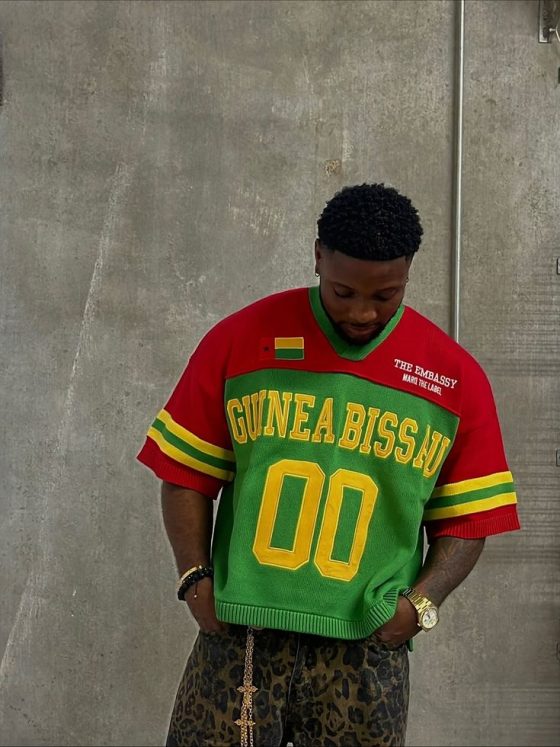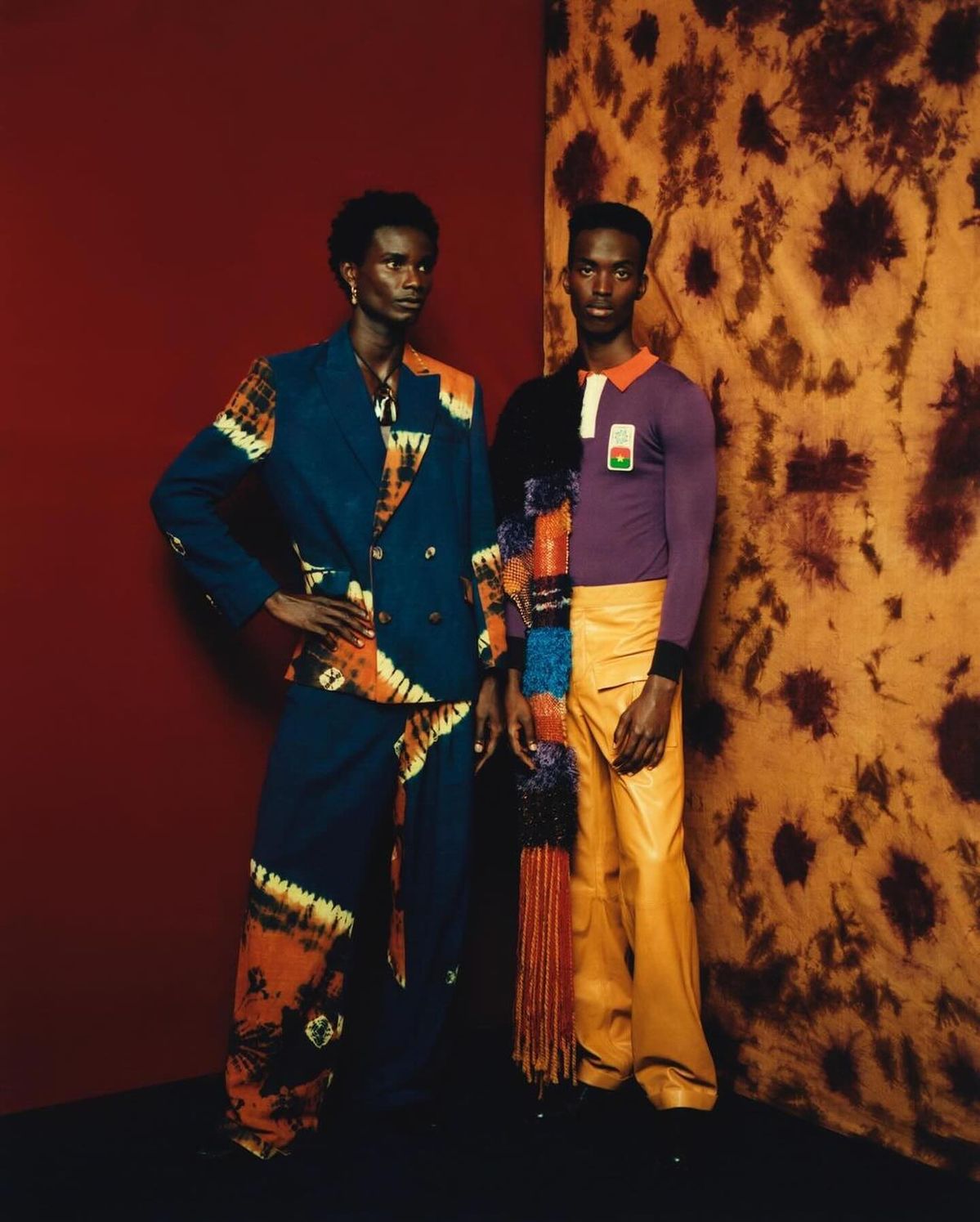
In Ouagadougou, streetwear conveys a narrative that goes far beyond clothes. The narrative revolves around youth identity, creativity, cultural pride, economic realities, and a generation committed to defining itself by its own standards. One of the most obvious ways that young people in Burkina Faso’s capital express their identities, values, and future aspirations is through fashion.
Streetwear originates from everyday life, in contrast to the refined luxury fashion that is frequently associated with runways. It grows in places where young people experiment with style, such as markets, universities, music scenes, social media communities, and creative spaces. This experimentation results in a fashion language in Ouagadougou that combines Burkinabè perspectives with influences from around the world.
The city’s evolving fashion scene features oversized silhouettes, custom denim, vintage pieces, sneakers, graphic shirts, locally made fabrics, and handcrafted accessories. Young people aren’t just following trends from other places. They are modifying them to fit regional realities, preferences, and cultural allusions.
This development reflects broader changes occurring throughout the city. New avenues for self-expression have been made possible by digital culture, music, art, and entrepreneurship. One of the most obvious results of that change is fashion.
One of the most significant markers of how Burkinabè youth are influencing modern culture today is streetwear in Ouagadougou.
Streetwear in Ouagadougou reflects youth culture, creativity, and identity as Burkinabè fashion evolves through music, art, and local style movements.
Streetwear in Ouagadougou Begins With Identity, Not Fashion
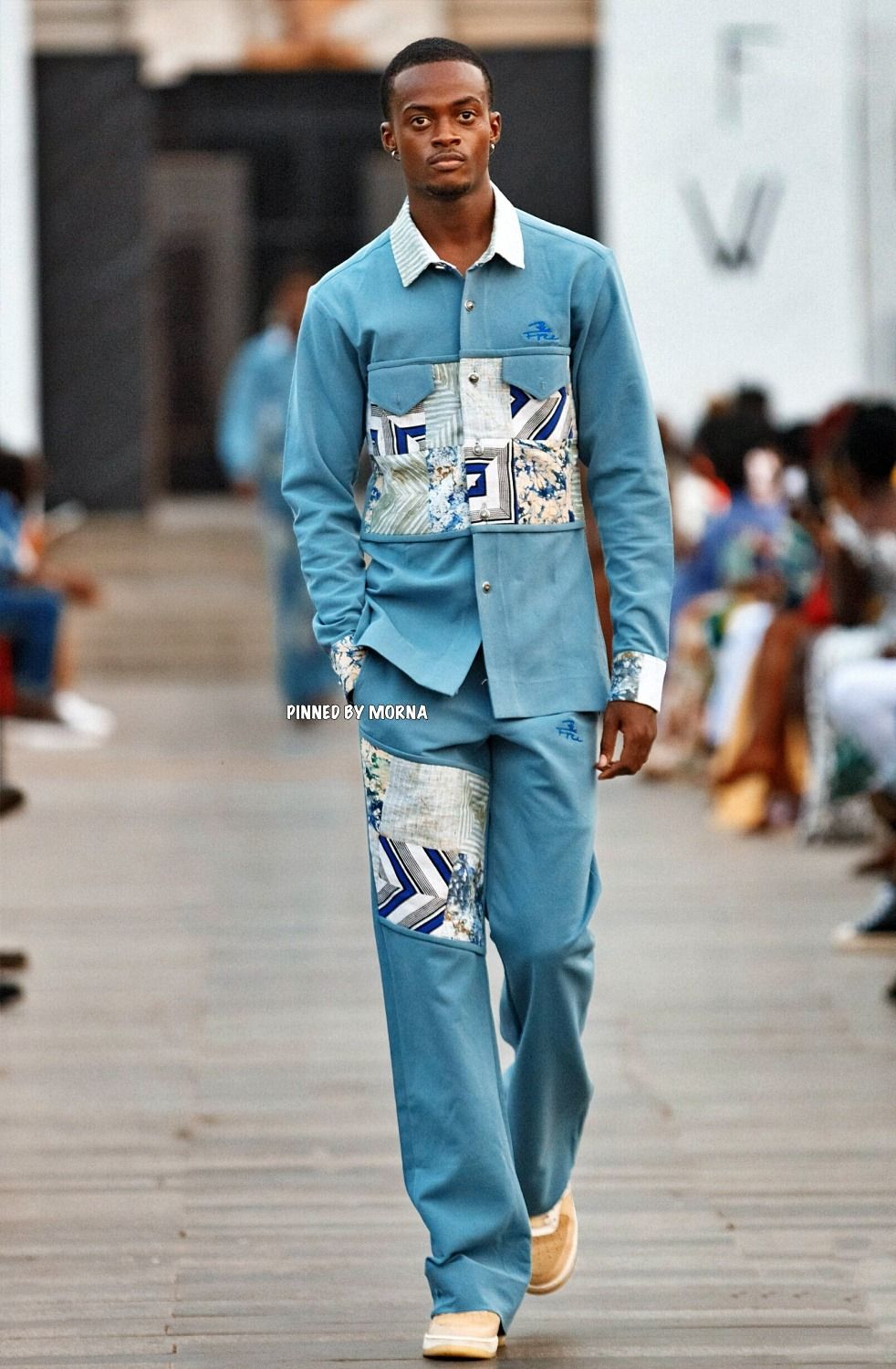
In Ouagadougou, streetwear is often described as a fashion trend, but that characterisation obscures its deeper significance. Clothing serves as a means of identity construction for many young people. Long before they convey fashion, the attire seen throughout the city conveys individuality, ambition, creativity, and a sense of belonging.
Young Burkinabè are increasingly operating in a world shaped by digital communication, music culture, social media, and international media. However, local identity remains crucial despite these influences. Instead of giving up on cultural allusions, many young people incorporate them into their modern fashion choices.
This is evident in the growing trend of fusing traditional textiles such as Faso Dan Fani and Koko Dunda with contemporary streetwear staples. You could wear locally tailored pants with a graphic T-shirt. A jacket made of handwoven fabric might go well with a pair of sneakers. As a result, the style language feels modern without losing touch with its cultural origins.
Markets and tailoring workshops play a major role in this process throughout Ouagadougou. Since many young people cannot afford imported luxury labels, they create alternatives through local production, customisation, and used apparel. This pragmatic reality has fostered a robust culture of fashion innovation.
Instead of being limited to ceremonial wear, young designers like Lamiz BeFree have established their reputations by showcasing how traditional fabrics can work within modern aesthetics. His work consistently combines modern silhouettes with Burkinabè textile traditions, reflecting the broader direction of youth fashion in the country.
All across West Africa, there is a similar connection between identity and attire. Clothing continues to convey cultural values and a sense of belonging in neighbouring societies in ways that extend beyond fashion.
The fact that identity is not expressed by rejecting tradition is what makes Ouagadougou so fascinating. Rather, young people often use the language of modern fashion to reinterpret tradition.
Music, Art, and Social Media Are Reshaping Urban Fashion
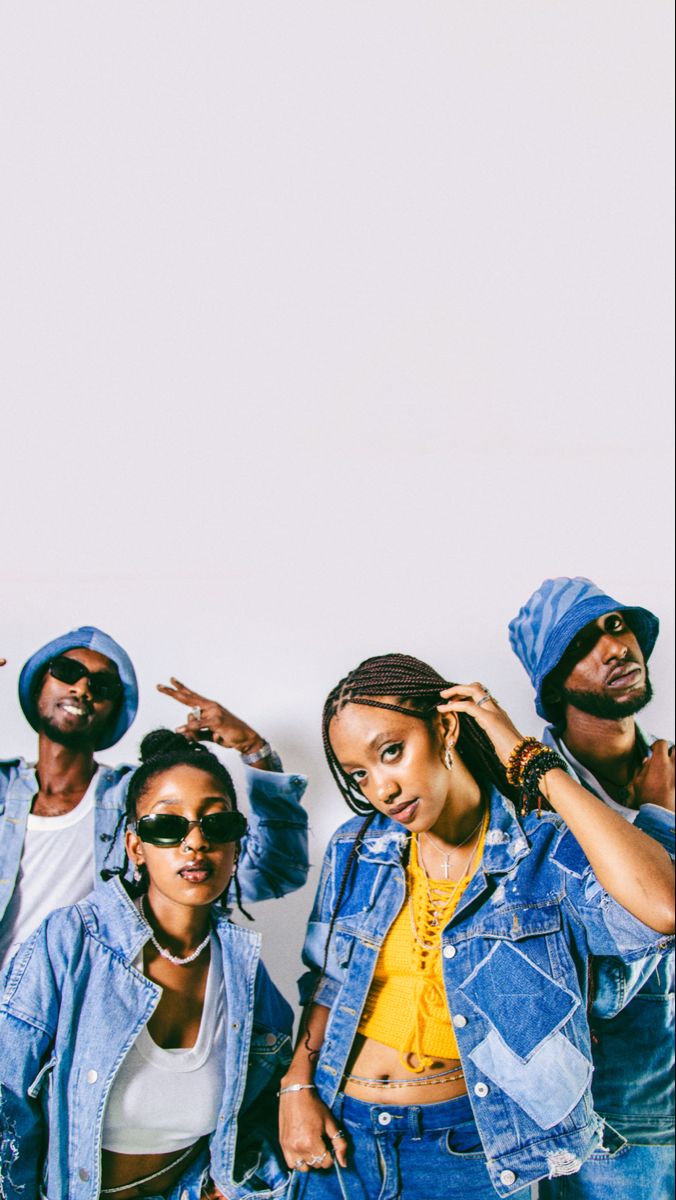
It is impossible to separate Ouagadougou’s streetwear growth from the city’s larger creative scene. Young people’s fashion choices are now greatly influenced by visual art, music, photography, and digital culture.
Musicians and content producers frequently introduce new styling concepts, and they swiftly gain traction on social media. Fashion is becoming a more integral part of local artists’ visual identities, establishing links between clothing culture and music culture. This is similar to trends observed in places like Accra, Lagos, Dakar, and Abidjan, where fashion innovation is often driven by youth culture.
Social media has significantly accelerated this process. International fashion brands and magazines are no longer the only sources of inspiration for young people. Rather, they follow local musicians, designers, photographers, artists, and business owners whose experiences seem more relatable.
Ouagadougou’s creative communities have also aided the growth of customised fashion. Young artists like Nourridine Ouédraogo have drawn notice for their ability to turn used clothing into wearable artworks by customising it.
Events have reinforced this culture. Fashion shows are increasingly taking place in public areas rather than on traditional runways. Models showcased fashion on Ouagadougou’s streets during the recent BeFree Fashion Days, turning ordinary urban settings into fashion stages.
This connection between public space and fashion is especially significant. Because streetwear is found where people actually live, it takes on significance. Instead of being limited to upscale fashion venues, it captures the vitality of neighbourhoods, markets, universities, transportation hubs, and cultural festivals.
Therefore, streetwear is growing because young people consistently create trends rather than because the fashion industry sets them.
ALSO READ:
Why Ouagadougou’s Streetwear Scene Represents the Future of Burkinabè Fashion
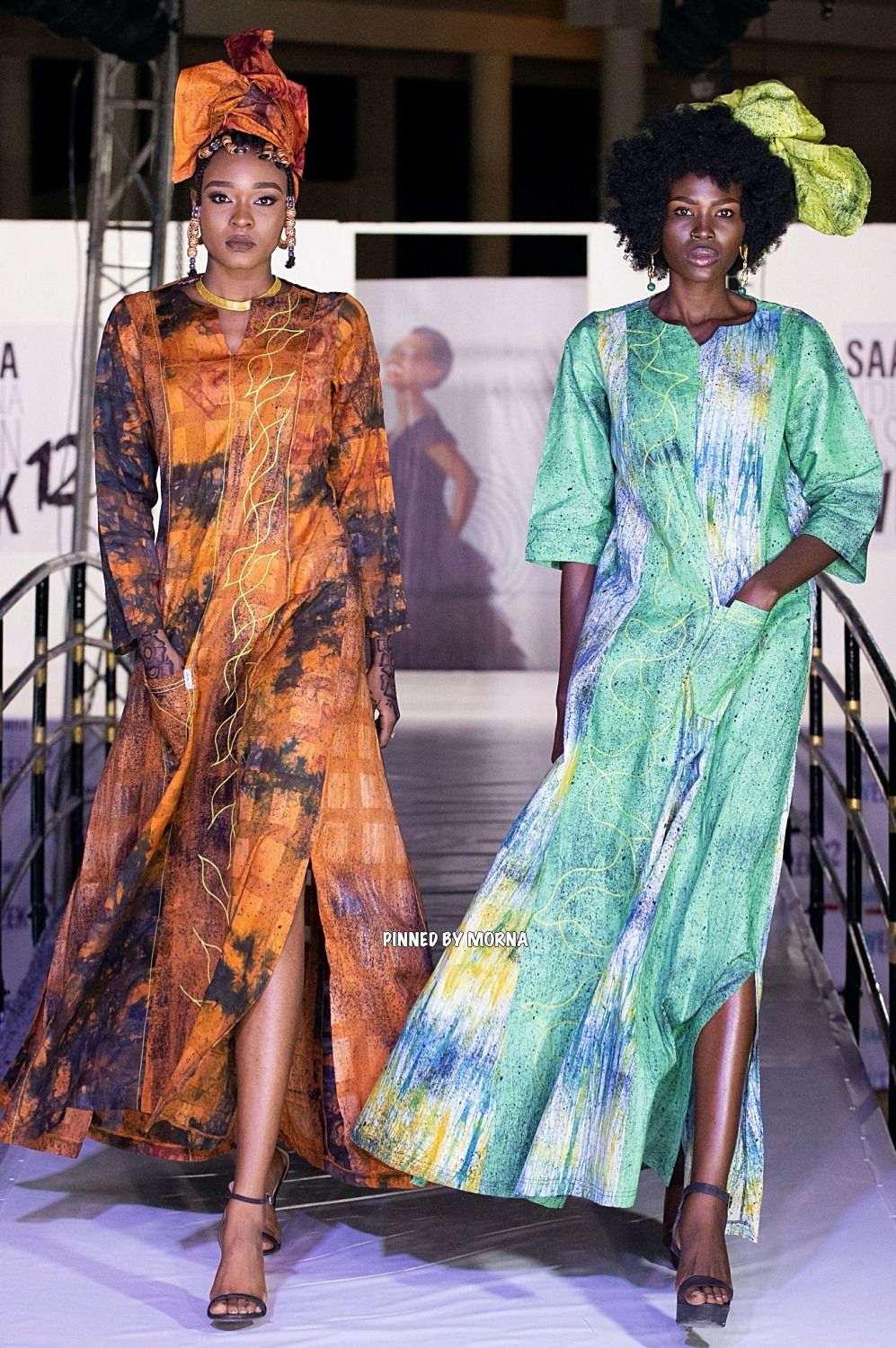
The current popularity of streetwear in Ouagadougou is not its most important feature. It is what the movement implies about Burkina Faso’s fashion industry going forward.
In the past, discussions about African fashion frequently centred on customs, ceremonies, and traditional attire. While those components are still significant, they no longer provide the whole picture. Young people are actively expanding the definition of Burkinabè fashion.
This change is evident in the city’s streetwear culture. Individuality, authenticity, and local relevance are becoming increasingly important to young consumers. Instead of clothes made just for global audiences, they want clothes that represent their experiences.
Emerging brands, independent designers, stylists, photographers, and creative entrepreneurs have all benefited from this. Companies like Besthy Fashion and El Bach Fashion have shown that when locally made clothing reflects modern tastes while retaining ties to Burkinabè craftsmanship, it can garner strong support.
Local fashion events have also become more influential. In addition to boosting the city’s standing in regional fashion discussions, platforms like Ouaga Fashion Week continue to raise awareness of designers and creatives.
Crucially, this evolution is taking place despite financial limitations. Rather than limiting creativity, scarce resources have frequently fostered it. Upcycling, personalisation, used clothing, regional tailoring, and small-scale manufacturing all support an innovative fashion ecosystem.
This is indicative of a broader trend evident across West Africa. Rather than remaining fixed in historical narratives, cultural identity continues to evolve through clothing. In neighbouring nations, young people are increasingly reinterpreting their heritage through modern fashion choices.
In the end, Burkinabè fashion might belong to people who comprehend both modern street culture and cultural heritage.
The Omiren Argument
In Ouagadougou, streetwear has become one of the most significant cultural movements in Burkina Faso because it gives young people the opportunity to define contemporary Burkinabè identity on their own terms rather than having definitions imposed by earlier generations.
African fashion discussions frequently distinguish between traditional and modern attire, viewing youth fashion as an import and heritage as the true manifestation of culture. This distinction oversimplifies the true evolution of culture.
Ouagadougou’s reality points to a different conclusion. When young people wear streetwear, they are not giving up their cultural identity. They’re growing it. Global influences, music culture, digital creativity, traditional fabrics, and local tailoring are all increasingly present in the same clothing.
The ability of Ouagadougou’s streetwear scene to turn ordinary life into a place of cultural production is what makes it so important. New forms of Burkinabè identity are constantly being negotiated and expressed in markets, neighbourhoods, campuses, creative studios, and social media platforms.
The future of fashion in Burkina Faso will not be determined exclusively by luxury designers or heritage institutions. The youth who stroll through Ouagadougou’s streets today will also influence it. Their wardrobe selections demonstrate how culture changes through ownership, experimentation, and adaptation rather than just preservation.
Frequently Asked Questions (FAQs):
-
What is streetwear in Ouagadougou?
Streetwear in Ouagadougou refers to contemporary urban fashion shaped by youth culture, music, art, social media, local tailoring, and global fashion influences. It often combines sneakers, oversized clothing, customised garments, vintage fashion, and locally produced textiles to create styles that reflect both modern trends and Burkinabè identity.
-
Why is streetwear becoming popular among young people in Burkina Faso?
Streetwear allows young people to express individuality while participating in broader cultural conversations. It provides a flexible style language that can incorporate local traditions, contemporary influences, and personal creativity. Social media, music culture, and growing creative industries have also contributed significantly to its popularity.
-
Does streetwear in Ouagadougou include traditional fabrics?
Yes. Many young designers and consumers combine traditional textiles such as Faso Dan Fani and Koko Dunda with modern streetwear silhouettes. This blending of heritage materials and contemporary styling has become one of the defining characteristics of urban fashion in Burkina Faso.
-
Who influences streetwear trends in Ouagadougou?
Local designers, musicians, photographers, artists, stylists, and digital content creators all influence fashion trends in the city. Young people increasingly look to local creatives for inspiration rather than relying exclusively on international fashion brands.
-
What does the future look like for streetwear in Ouagadougou?
The future appears promising because streetwear has become deeply connected to broader creative industries. As local designers, entrepreneurs, and artists continue to build platforms for expression, streetwear is likely to play an even larger role in shaping how Burkinabè youth communicate their identity, creativity, and cultural confidence.
EXPLORE MORE:
Through research-driven editorials that prioritise African perspectives and cultural ownership, the Omiren Styles Editorial Team covers African fashion, street culture, textile heritage, and modern creative industries.
On Omiren Styles, learn more about African fashion, street culture, textile customs, and creative industries throughout the continent.