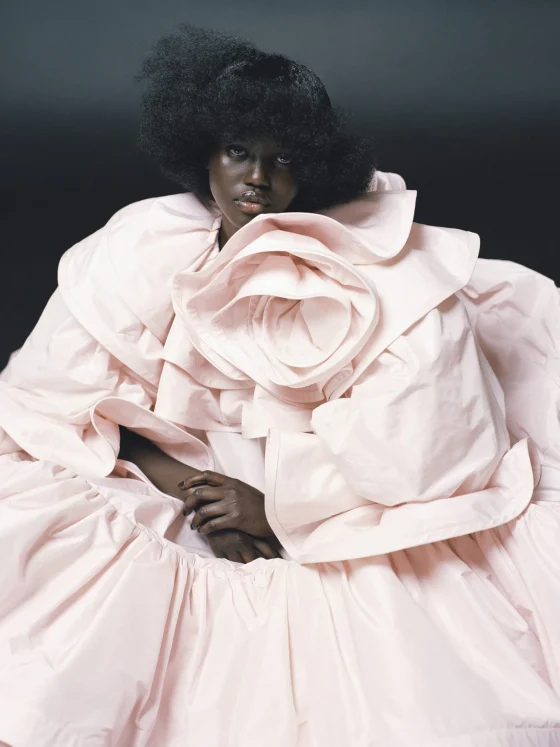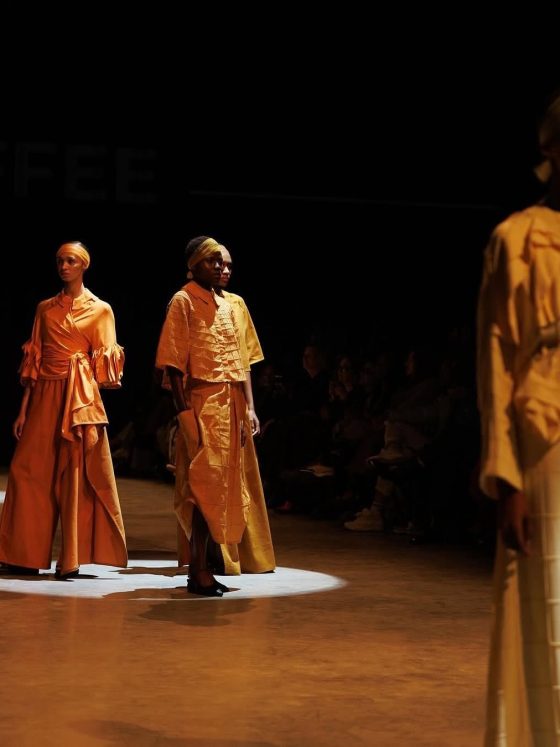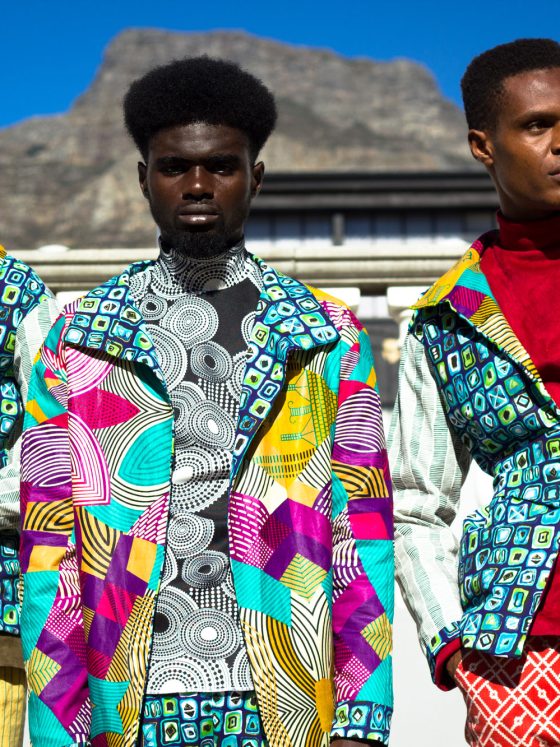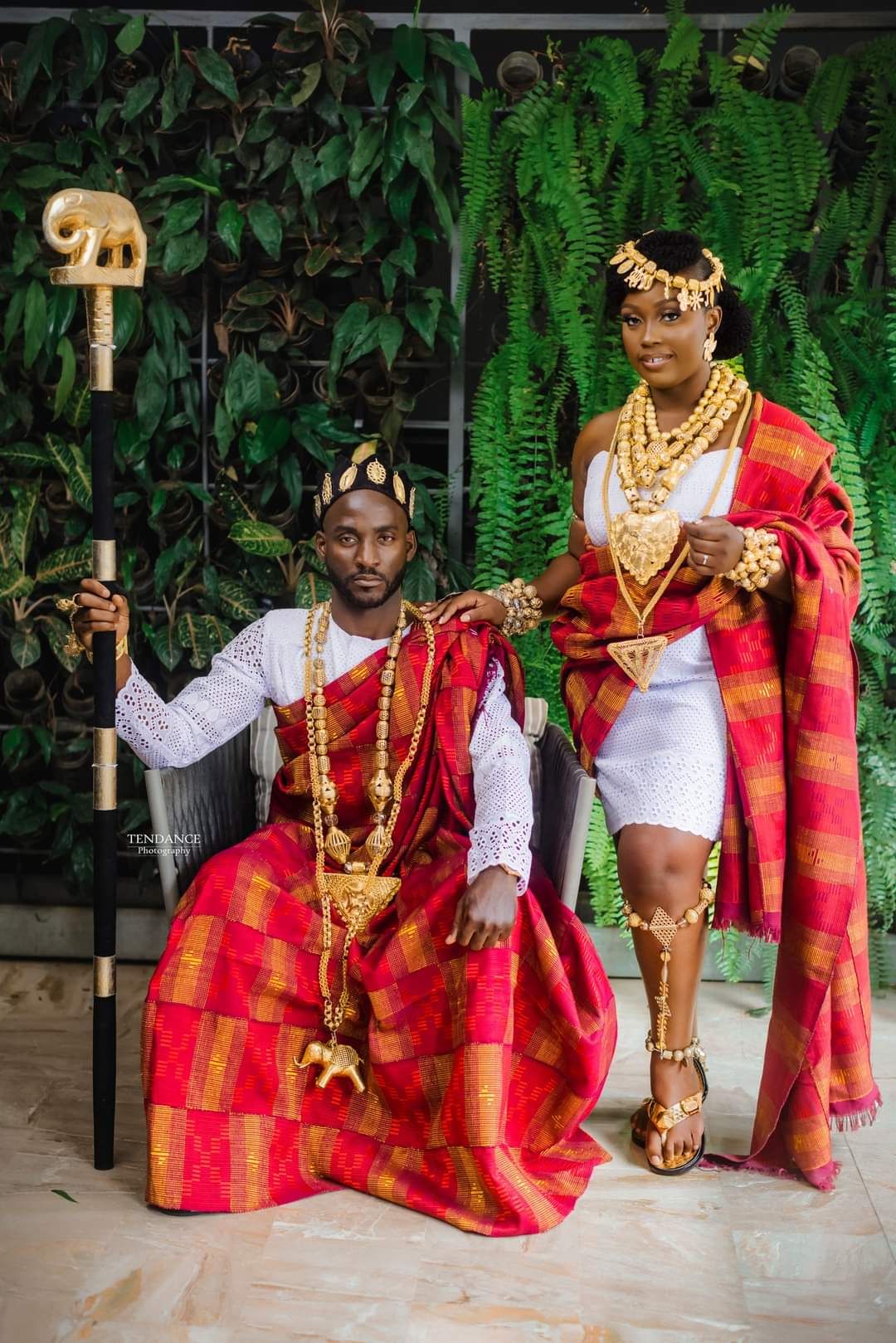
Through centuries of ritual, spirituality, trade, political power, and collective identity throughout what is now the Benin Republic, Benin textiles and symbolism evolved. In the past, fabrics had symbolic meanings that went well beyond ornamentation. Within various communities across the nation, textiles conveyed status, sacred responsibility, family identity, wealth, mourning, celebration, and social belonging.
Beneath oversimplified international narratives about African textiles, this cultural depth frequently vanishes. Beninese textiles are often only discussed in terms of their colour and aesthetic appeal, with little attention paid to the systems of meaning they contain. In fact, many of the Benin Republic’s textiles served as a form of social language. The fabrics worn during ceremonies, the colours chosen, the weaving techniques employed, and even the layering of clothing all conveyed information about cultural responsibility and identity.
In the Benin Republic, overlapping ethnic histories rather than a single national aesthetic also gave rise to textile traditions. While Yoruba textile traditions in Porto-Novo reflected broader regional influences extending into modern-day Nigeria, Fon ceremonial fabrics originated within royal and spiritual systems associated with the Kingdom of Dahomey. Through Islamic scholarship, trade, and Sahelian tailoring customs, Northern communities shaped various clothing cultures.
By distributing indigo cloths, woven fabrics, imported cottons, ceremonial wrappers, and wax prints through local markets and trade routes throughout West Africa, textile culture was further altered. Over time, Beninese consumers transformed both imported and locally made textiles into clothing with distinctly local meanings related to daily life and ceremonies.
Thus, Benin textiles and symbolism signify more than just the history of fashion. They show how communities organised their identities, preserved memories, and passed down cultural values to future generations using fabric.
Benin textiles and symbolism reveal how fabrics in the Benin Republic communicate identity, spirituality, royalty, and cultural memory.
Royal Courts and Spiritual Traditions Gave Beninese Textiles Their Meaning
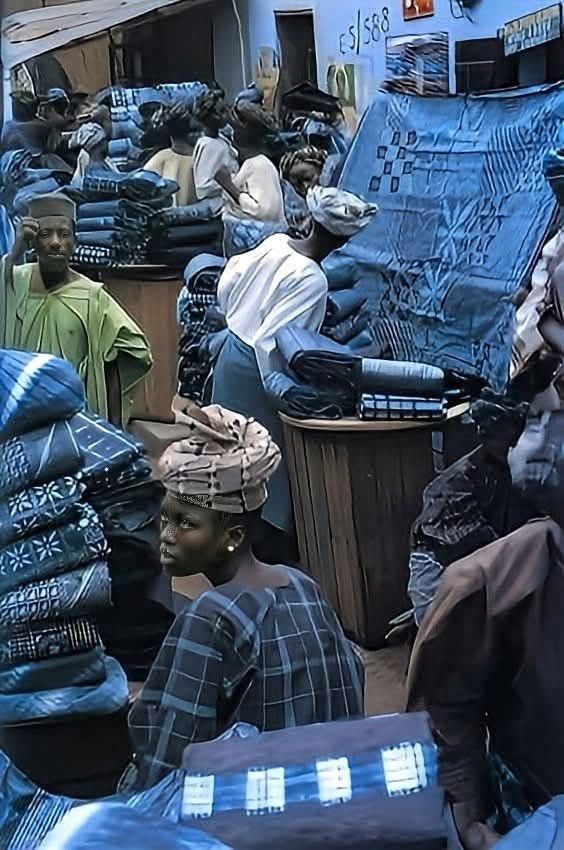
The royal institutions and spiritual systems that influenced ceremonial life throughout the nation’s history are inextricably linked to Benin textiles and symbolism. Rather than merely ornamental materials, fabrics served as political and sacred objects in several communities. Through meticulously planned systems of colour, texture, and presentation, clothing communicated spiritual significance, established hierarchy, and strengthened authority.
The Kingdom of Dahomey greatly influenced southern Benin’s ceremonial textile culture. To differentiate political rank and institutional power, royal courts employed woven fabrics, layered wrappers, embroidered clothing, coral bead decorations, and symbolic colour schemes. In palace structures, certain textiles came to be connected with leadership, royalty, and ceremonial duties.
The symbolism of colour was especially significant. In Vodun traditions, white clothing frequently signified spiritual purification and sacred ritual life, while darker indigo textiles could, depending on the context, signify ceremonial dignity, prestige, or seriousness. In royal and ceremonial contexts, red was often used to convey authority, sacrifice, or power.
In Vodun ceremonial culture, textiles also influenced spiritual identity. Certain textiles and decorations came to be associated with specific gods, holy duties, or initiation rites. As a result, clothing served as more than just a visual display; it was part of the ritual structure.
Woven ceremonial fabrics conveyed social respectability, family status, and a sense of community among Yoruba communities in the Benin Republic. Wrappers, embroidered clothing, aso-oke-inspired woven fabrics, and tailored agbada garments all represented wider Yoruba clothing customs found throughout West Africa.
These symbolic systems contradict contemporary fashion narratives that view African textiles primarily as aesthetic fads lacking historical significance. Beninese textiles evolved through organisations that linked cultural interpretation and social responsibility to apparel.
In Traditional Clothing in the Benin Republic: Culture, Royalty, and Identity, the connection between ceremonial attire and political identity is examined. Textile symbolism, in which fabrics functioned as symbols of authority and sacred responsibility, makes this relationship even more evident.
Contemporary Afrocentric designers are still revisiting these customs. Symbolic textile aesthetics are increasingly being incorporated into modern collections by brands like Tongoro, which combine historical allusions with contemporary fashion language.
Weaving, Dyeing, and Trade Networks Shaped Beninese Textile Culture
Through labour systems, artisan craftsmanship, and regional trade economies that linked the Benin Republic to larger West African textile networks, Benin textiles and symbolism also evolved. Because their production required specialised knowledge, economic coordination, and community labour across generations, fabrics held significance.
In many Beninese communities, ceremonial dress culture was based on handwoven textiles. Artisans created narrow woven strips and then sewn into larger ceremonial garments for spiritual ceremonies, weddings, funerals, and festivals. As a protected technical skill linked to cultural continuity, weaving knowledge is often passed down through family structures.
Indigo dyeing customs similarly shaped Beninese textile identity. Through trans-Saharan trade routes that connected textile artisans, merchants, and consumers, deep blue fabrics were widely distributed throughout West African markets. Due in part to the specialised craftsmanship and labour-intensive nature of dye production, indigo fabrics came to be associated with prestige and ceremonial dignity.
Through regional trade during the colonial and postcolonial eras, imported wax prints subsequently changed Beninese fashion culture. However, characterising wax prints as merely foreign textiles ignores the part Beninese consumers played in giving textile patterns and colour combinations local meanings. Fabrics became socially significant in ceremonies and daily life thanks to the efforts of market women, traders, and tailors.
By deciding which fabrics entered local markets and how customers interpreted them culturally, women traders in particular had an impact on the flow of textiles throughout the Benin Republic. As a result, West African textile economies were largely reliant on female commercial networks.
The broader Afrocentric textile histories are reflected in this process of cultural reinterpretation. Similar changes can be seen in Traditional Clothing in Liberia: Culture, History, and Identity, where local customs, ceremonies, and social significance, rather than passive imitation, made imported textiles culturally Liberian.
Through contemporary Afrocentric tailoring, contemporary designers are expanding upon these textile histories. Brands like Christie Brown and Studio 189 are still investigating how traditional African textile symbolism can be incorporated into modern fashion systems without sacrificing cultural richness.
Thus, in addition to aesthetic appeal, Benin textiles also represent labour, commerce, craftsmanship, and social interpretation.
ALSO READ:
Modern Fashion Continues Reinterpreting Beninese Textile Symbolism
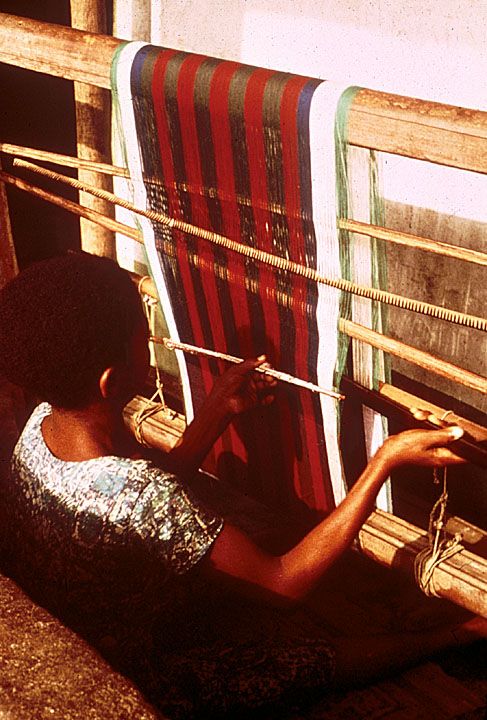
Because modern fashion in the Benin Republic still relies heavily on fabrics as expressions of identity and social belonging, Benin textiles and symbolism continue to exert cultural influence. Ceremonial textiles continue to influence weddings, funerals, festivals, religious gatherings, and formal celebrations across the nation, even as younger generations embrace contemporary tailoring and international fashion culture.
Coordinated fabrics are often used in family ceremonies to create social cohesion and a sense of community. During weddings and significant public events, relatives are visually connected by matching wrappers, embroidered clothing, woven textiles, and ceremonial headwear. These practices preserve the symbolic role that fabrics have historically played in communal life.
Instead of giving up on traditional textiles, younger designers are increasingly modernising them. In cities like Cotonou and Porto-Novo, woven fabrics are now used in fitted silhouettes, modern dresses, high-end tailoring, and Afrocentric streetwear, targeting younger urban consumers.
Social media and the influence of the diaspora have expedited this change. Traditional textiles are becoming more prevalent among modern Beninese creatives in runway shows, editorial fashion photography, and digital Afrocentric fashion culture. Because of this visibility, textile symbolism is not limited to historical preservation but can continue to play a role in the formation of contemporary identities.
However, by treating African fabrics only as aesthetic inspiration, international fashion industries often deprive them of their cultural context. When fabrics are separated from the communities and histories that initially gave them significance, their symbolic value is diminished.
The Afro-diaspora as a whole also exhibits this conflict between preservation and reinterpretation. According to Colombian Traditional Fashion: What the Mola, the Pollera, and Cartagena’s Dress Culture Actually Are, clothing customs have developed through cultural interchange and adaptation while retaining communal memory and historical identity.
Because communities continue to ascribe significance to fabrics even as tailoring systems, fashion industries, and consumer habits change around them, Benin textiles and symbolism endure.
The Omiren Argument
When Benin textiles serve as historical systems of political authority, spirituality, labour, and communal identity, they are often reduced to ornamental African aesthetics.
African textiles are frequently visually consumed by international fashion industries, which disregard the cultural structures that gave rise to their meanings. Instead of discussing the ceremonial systems, trade economies, and spiritual traditions that shaped how Beninese fabrics functioned socially, Beninese fabrics are frequently discussed solely in terms of colour and craftsmanship.
In Benin, textiles were never considered neutral fashion items. Fabrics were used by royal courts to uphold authority and hierarchy. Spiritual customs gave ceremonial attire and colours sacred significance. Systems of weaving and dying organised artisan knowledge and labour economies over many generations. Only after Beninese consumers integrated imported textiles into local social customs did they acquire cultural significance.
This distinction alters the understanding of African textile heritage. Because fabrics don’t change in appearance, heritage does not endure. It endures because communities maintain control over the meanings associated with those fabrics, even as they adapt them to new cultural and economic realities.
Because fabrics continue to serve as a form of social language in Beninese society, Beninese textiles and symbolism remain culturally significant. The histories, rituals, identities, and meaning systems woven into them over many generations are just as valuable as their outward appearance.
Frequently Asked Questions (FAQs):
-
What are the traditional textiles in the Benin Republic?
Traditional textiles in the Benin Republic include handwoven ceremonial cloths, indigo-dyed fabrics, embroidered garments, wrappers, woven strips, and wax-print textiles that are integral to local ceremonial culture. These fabrics historically carried social, spiritual, and political meaning across different ethnic communities.
-
Why are fabrics important in Beninese culture?
Fabrics are important in Beninese culture because textiles historically communicated identity, social status, spirituality, family belonging, and ceremonial responsibility. Clothing traditions remain deeply connected to weddings, funerals, royal ceremonies, and religious practices across the country.
-
What does colour symbolism mean in Beninese textiles?
Different colours in Beninese textiles may signify spiritual purification, authority, prestige, mourning, sacrifice, or ceremonial dignity, depending on the cultural context. White, indigo blue, and red frequently hold symbolic significance in royal and Vodun ceremonial traditions.
-
How did trade influence Beninese textile culture?
Regional trade networks introduced fabrics, dyeing methods, weaving systems, and imported textiles into the Benin Republic over centuries. Beninese consumers transformed these materials through local tailoring and ceremony, creating culturally specific forms of textile symbolism and fashion identity.
-
How are traditional textiles used in modern Beninese fashion?
Modern Beninese designers increasingly incorporate traditional textiles into contemporary tailoring, Afrocentric streetwear, luxury garments, and editorial fashion. Younger generations continue to use symbolic fabrics during ceremonies while also adapting them to modern cultural expression.
Explore More
The Omiren Styles editorial team covers Afrocentric fashion, textile heritage, and African creative industries through research-driven editorial focused on identity, craftsmanship, history, and cultural analysis. Explore more Afrocentric fashion history, textile culture, and contemporary African style analysis at Omiren Styles.