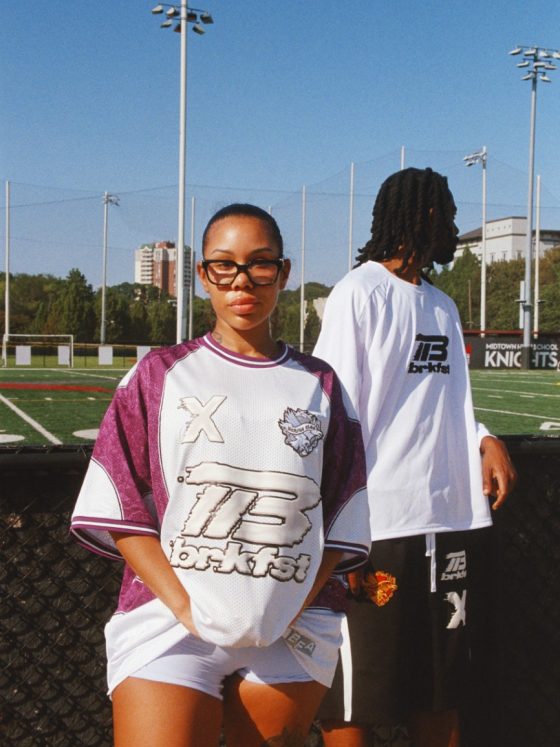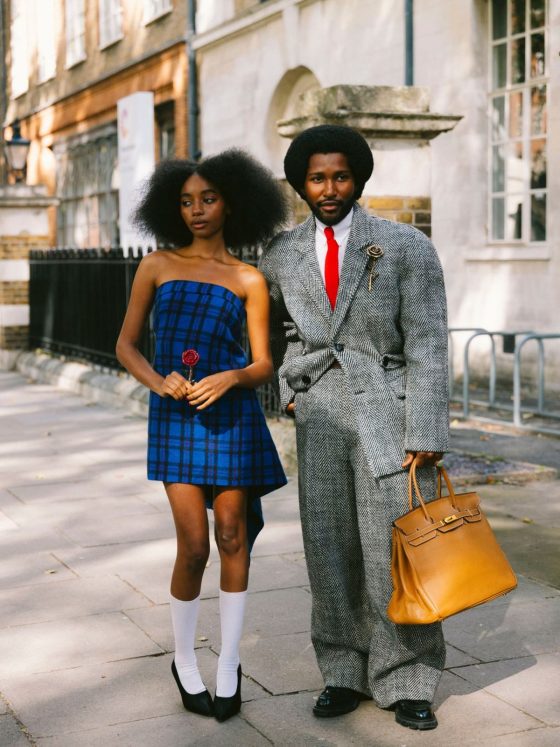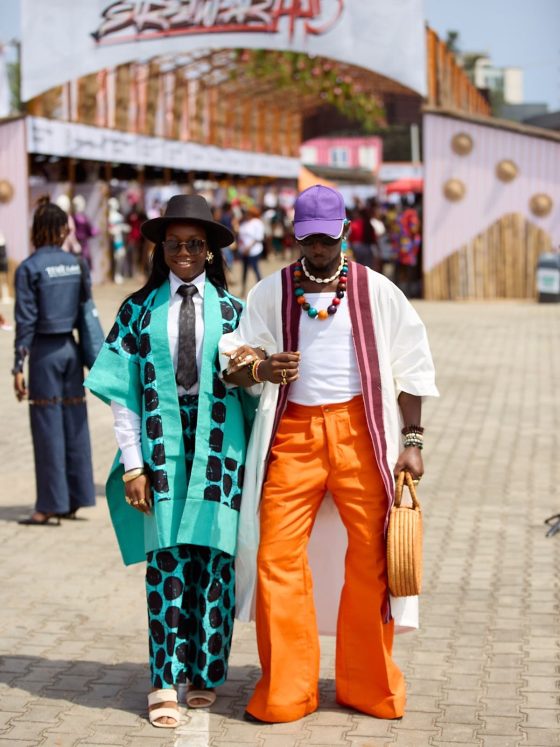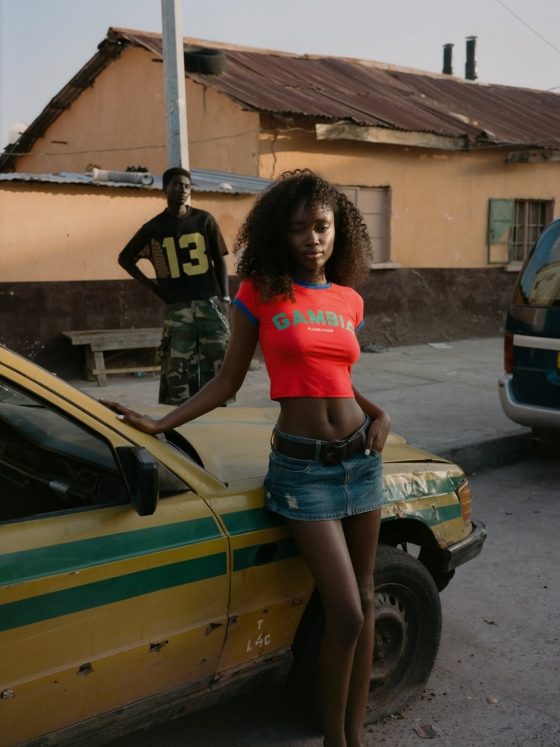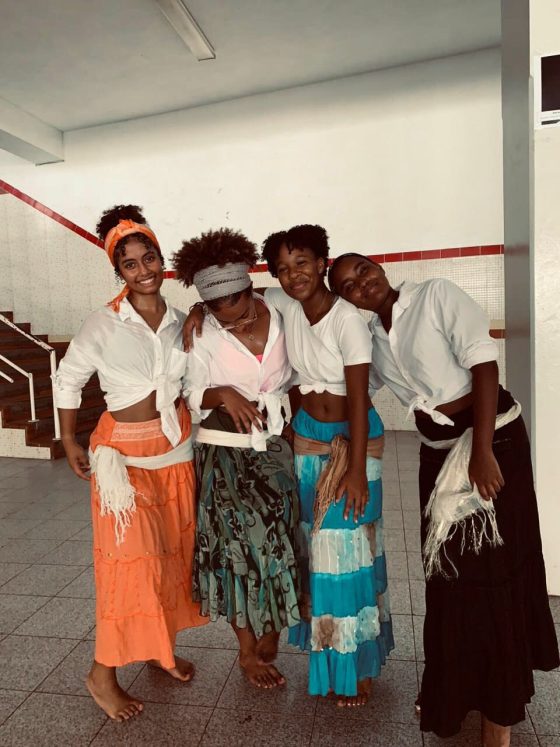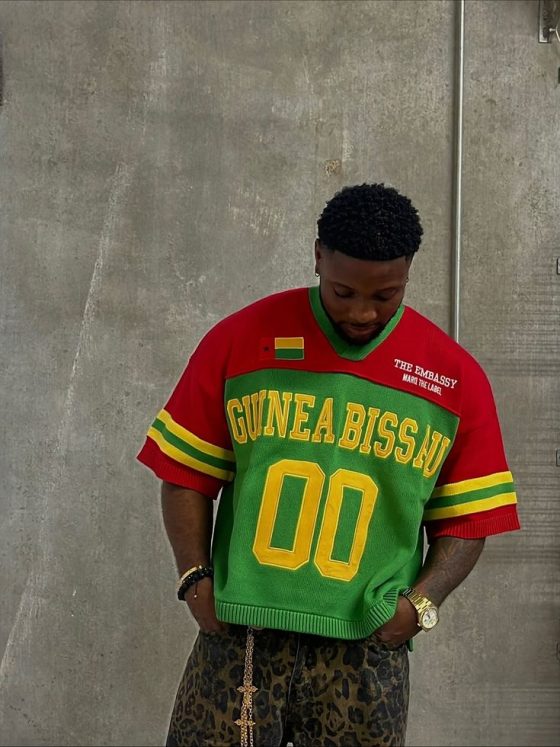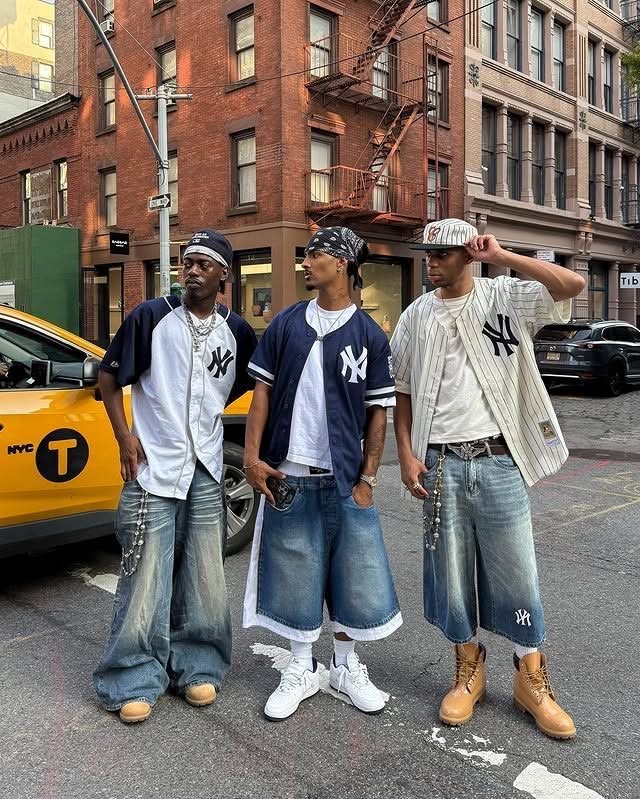
Movement, music, migration, tailoring culture, digital influence, and the shifting aspirations of urban youth in cities like Cotonou and Porto-Novo all contributed to the development of streetwear in Benin. Benin’s current fashion is more than just a replica of international streetwear fads. Young people navigating identity, visibility, creativity, and economic realities in a rapidly changing West African society have shaped this local cultural language.
Because African street fashion is still often misinterpreted abroad, this distinction is important. Rather than being acknowledged as its own cultural system with local histories, economic structures, and social significance, urban African style is frequently viewed as a copy of American or European fashion. Benin’s streetwear is much more complex than borrowed styles. Tailoring customs, imported fashion, music culture, social media influence, Afrocentric identity, and second-hand market economies are all combined by young Beninese creatives to create a unique style movement.
This change is evident in Cotonou’s streets. In the city, fashion is present everywhere. Alongside university students wearing locally tailored pants and sneakers, motorcycle riders sporting oversized graphic shirts navigate congested roads. Alongside market vendors wrapped in ceremonial fabrics, street vendors sell imported denim. Influencers, photographers, designers, dancers, and musicians all contribute to a fashion ecosystem in which contemporary Beninese identity is continuously negotiated through apparel.
In Benin, streetwear also reflects generational shifts. The notion that African fashion is limited to ceremonial attire or heritage presentations is becoming less popular among younger people. While traditional clothing still holds cultural significance, young people in cities are creating fashion systems that directly reflect contemporary life. These days, Beninese fashion culture includes hoodies, vintage football jerseys, oversized silhouettes, cargo pants, durags, sneakers, fitted tailoring, and locally inspired graphic designs without being seen as culturally distinct from African identity.
The diaspora has further influenced this evolution. Beninese youth culture adopted new fashion references, styling techniques, and musical aesthetics as a result of migration among Benin, France, Nigeria, Ghana, and the broader Afro-diasporic community. However, local consumers consistently modified these influences instead of replicating them precisely. As a result, streetwear in Benin underwent a reinterpretation influenced by regional realities.
In the end, Benin’s current fashion shows how young people in urban African life use their clothes to express self-assurance, inventiveness, aspiration, rebellion, and cultural ownership.
Streetwear in Benin reflects how young people in Cotonou use fashion, music, tailoring, and digital culture to shape modern identity.
Music, Motorcycles, and Markets Built Streetwear Culture in Benin
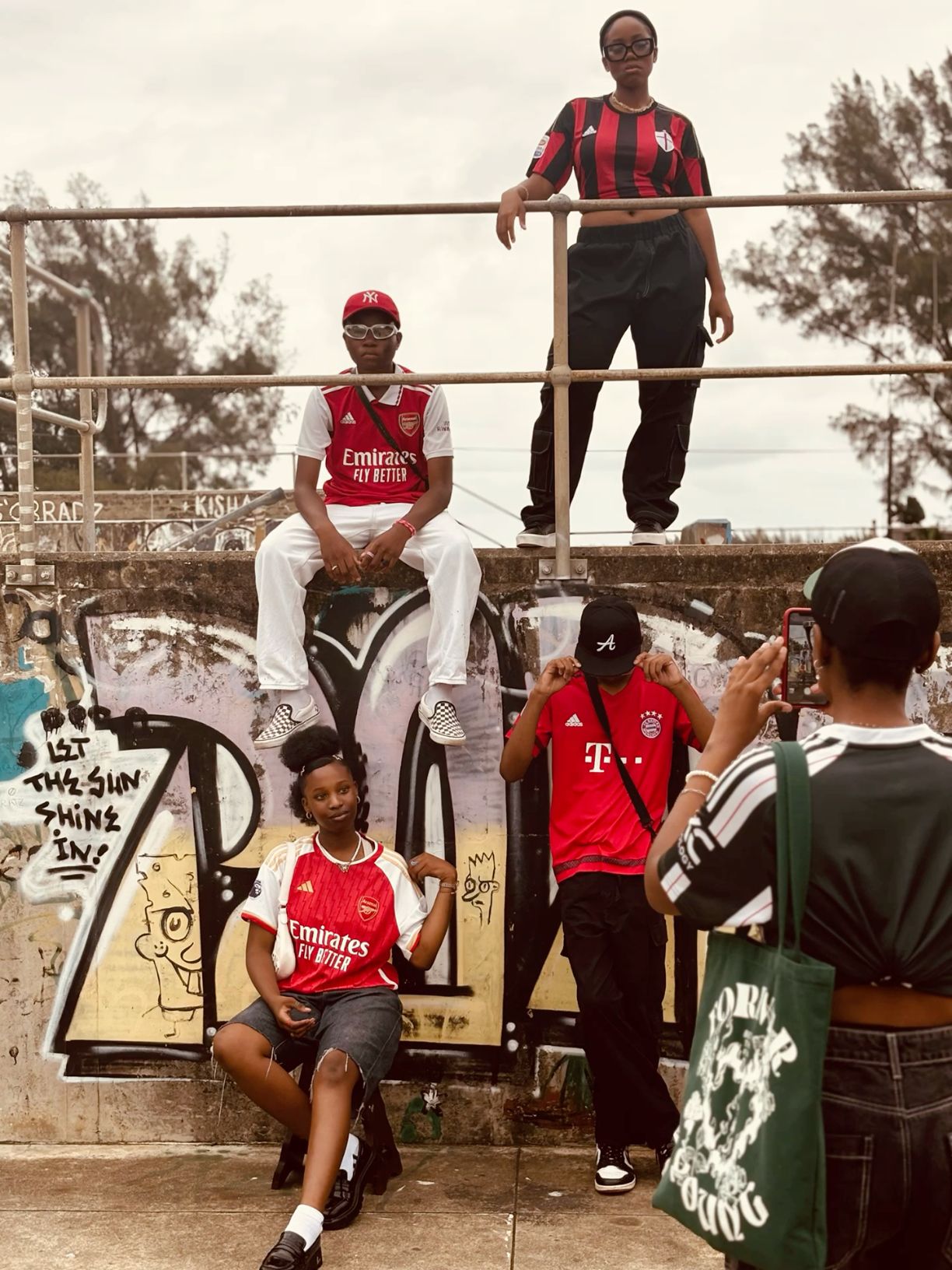
In Benin, streetwear developed through the interplay among youth identity, informal commerce, music culture, and urban movement. Due to the city’s continuous circulation, Cotonou in particular became one of the locations where modern fashion developed most noticeably. Markets, nightlife areas, roadside shops, universities, transportation networks, and entertainment venues influence the social functioning of clothing.
Urban fashion was greatly influenced by motorcycle culture. Zemidjan riders, who control transportation in Cotonou, became well-known figures in the city, and their attire frequently combined modern urban design with functionality. Sports jerseys, baseball caps, sneakers, graphic T-shirts, and breezy, oversized apparel became ubiquitous visual components of street culture.
This was further transformed by music. Afrobeat, hip-hop, amapiano, trap, and Francophone urban music all influenced young people’s fashion choices throughout the Benin Republic. Fashion has become an increasingly important component of local musicians’ personal branding, performance culture, and influence among youth. Urban style trends quickly spread throughout Cotonou and Porto-Novo thanks to social media visuals, dance culture, nightlife photography, and music videos.
The growth of streetwear in Benin also heavily relied on second-hand markets. Through local commercial networks, imported clothing from North America and Europe was distributed, and young consumers used local styling systems to reinterpret global trends. Due to their accessibility and affordability, oversized denim jackets, football shirts, cargo pants, and vintage sportswear were incorporated into Beninese fashion identity.
However, local tailoring culture was not abandoned by Beninese streetwear. Many young people still mix African fabrics, custom tailoring, and imported fashion items. Fitted, locally produced pants go well with sneakers. Alongside woven accessories and handcrafted jewellery are oversized shirts. Occasionally, modern cuts and layering allow traditional textiles to become part of urban styling.
The connection between contemporary youth culture and tailoring reflects the broader evolution of West African fashion. Similarly, local tailoring in our study of urban fashion in Liberia turned imported apparel into something culturally specific rather than merely foreign.
The antiquated notion that traditional clothing is the only way to achieve authentic African fashion is also challenged by Benin’s streetwear culture. Wearing sneakers and preserving cultural identity are no longer seen as mutually exclusive by young Beninese consumers. Urban fashion is now a part of modern African identity because African cities continue to influence cultural development.
The emergence of African-owned streetwear narratives centred on youth culture rather than Western approval is reflected in brands like Daily Paper and Wuman.
Therefore, rather than relying solely on imitation, streetwear in Benin developed through local movement, commerce, and inventiveness.
Social Media and Creative Industries Changed Contemporary Fashion in Benin

After digital culture changed how fashion spread across African cities, streetwear quickly grew in Benin. Social media platforms transformed clothing from a local presentation into a visual identity performed online for both local and international audiences simultaneously.
Instagram, TikTok, music videos, and fashion photography have greatly increased the visibility of youth fashion in the Benin Republic. Young artists are increasingly dressing for both online and offline social media. These days, fashion functions in urban Beninese culture through photography, dance culture, influencer branding, nightlife promotion, and music marketing.
Local designers, photographers, stylists, and models now have the opportunity to contribute directly to broader African fashion discussions thanks to this visibility. Benin’s modern streetwear increasingly shows how musicians, visual artists, designers, dancers, and social media influencers collaborate to create cultural ecosystems centred on youth identity.
This change has also led to an increase in fashion entrepreneurship. These days, small local brands create Afrocentric accessories, hoodies, oversized silhouettes, graphic T-shirts, and custom sneakers especially for urban youth markets. Young customers are increasingly supporting local artists who have firsthand knowledge of the aesthetics and realities of Beninese urban life.
Even in today’s fashion culture, tailors are still vital. Beninese urban fashion still relies heavily on customisation, in contrast to Western streetwear industries, which are dominated by mass manufacturing. Local tailors modify imported clothing, redesign silhouettes, taper pants, and translate international fashion references into styles appropriate for the local market.
Benin’s modern fashion remains vibrant because of this adaptability. Rather than relying solely on ownership of luxury brands, urban style develops through improvisation, affordability, and inventiveness. Instead of relying solely on pricey labels, young people build their fashion identities through local accessories, custom tailoring, secondhand clothing, and styling expertise.
This pattern is similar to more general African fashion trends that we examined in our study of textile adaptation throughout Togo, where local craftsmanship continued to play a significant role even as modern fashion systems grew.
Globally, modern African brands are increasingly supporting this movement. African designers now present urban African identity as creative authority, as evidenced by labels like Ashluxe and Orange Culture. Therefore, streetwear in Benin represents a generation that confidently engages in international cultural exchange while creating fashion systems rooted in local experience.
ALSO READ:
Streetwear in Benin Reflects Identity, Aspiration, and Urban Survival

Because clothing in urban youth culture often conveys ambition, social awareness, confidence, and resilience all at once, streetwear in Benin cannot be understood solely as a fashion aesthetic. The realities of young people navigating economic pressures, digital visibility, and shifting cultural expectations within rapidly expanding African cities are reflected in Benin’s contemporary style.
For urban youth, fashion often serves as one of the most accessible means of self-construction. Even though there may still be disparities in the distribution of expensive infrastructure, institutional opportunities, and economic stability, people can still project individuality and social presence through clothing.
In youth culture, visibility is extremely important. Social media, nightlife scenes, academic settings, and entertainment venues all value presentation and visual identity. As a result, fashion plays a role in how young people in modern urban life develop a sense of social identity and personal branding.
Because affordability is still a key factor in the flow of fashion throughout the Benin Republic, second-hand markets continue to sustain this ecosystem. Global fashion trends are accessible through imported clothing, but local styling gives those items a cultural makeover. Young Beninese consumers create styles that reflect both local identity and global awareness by fusing handmade jewellery, Afrocentric accessories, local tailoring, and thrifted clothing.
At the same time, older narratives that frame African youth culture through heritage nostalgia or poverty stereotypes are increasingly rejected by Benin’s urban fashion. Streetwear shows that African modernity is already evident in places like Cotonou and doesn’t need approval from international fashion industries.
Our analysis of ceremonial fabrics and symbolism in the Benin Republic reveals the same conflict between contemporary identity and cultural continuity, as clothing served as a social language linked to visibility and identity.
Younger generations are completely redefining African fashion. In addition to traditional cultural attire, modern African identity now incorporates sneakers, oversized silhouettes, digital aesthetics, street photography, music styling, and youth-led fashion entrepreneurship.
African fashion increasingly views urban youth culture as a primary source of creative inspiration rather than a peripheral influence, as demonstrated by brands like Boyedoe and Kenneth Ize. In the end, streetwear in Benin is significant because it shows how young people are using fashion to create contemporary African identities in real time.
The Omiren Argument
Beninese streetwear is a uniquely Beninese form of urban identity shaped by local markets, music culture, tailoring practices, and youth adaptation, yet it is often dismissed as borrowed Western fashion.
African urban style is often characterised as imitation in international fashion discussions because traditional attire is the only way to gauge authenticity. The fact that African cities are active cultural producers who independently shape modern fashion daily is ignored by that framework.
In Benin, streetwear never evolved through passive imitation. Through trade networks, imported clothing made its way into Beninese markets, but local buyers used styling, tailoring, music influence, and urban social significance to culturally alter the clothing. Instead of reflecting Western fashion authority, Cotonou’s current fashion directly reflects Beninese realities.
This distinction alters the global perception of African streetwear. African youth fashion gains cultural value not only when international magazines or luxury brands acknowledge it. In African cities, its cultural authority is already present in the communities that create meaning around clothing.
Therefore, streetwear in Benin symbolises more than just current fashions. It illustrates how fashion created from local experience and cultural reinvention is helping young people in Benin redefine identity, aspiration, and visibility in contemporary African urban life.
Frequently Asked Questions (FAQs):
- What is streetwear in Benin?
Streetwear in Benin refers to contemporary urban fashion culture shaped by young people through music influence, second-hand clothing markets, tailoring culture, sneakers, oversized silhouettes, and digital media visibility.
- Which city is most associated with street fashion in Benin?
Cotonou is the city most associated with street fashion in Benin because it functions as the country’s largest urban and commercial centre, where youth culture, nightlife, music, and fashion creativity are highly visible.
- How did second-hand markets influence fashion in Benin?
Second-hand markets made global fashion accessible to many young consumers in Benin. Imported garments such as denim jackets, sportswear, and graphic shirts became integrated into local streetwear culture through Beninese styling and tailoring practices.
- Does traditional culture still influence modern fashion in Benin?
Yes. Traditional textiles, tailoring systems, jewellery, and Afrocentric aesthetics still influence modern fashion in Benin, even within contemporary streetwear culture. Many young creatives combine traditional references with urban fashion styles.
- Why is streetwear important to youth culture in Benin?
Streetwear allows young people in Benin to express individuality, creativity, confidence, and social identity within modern urban life. Fashion has become part of how youth culture communicates aspiration and cultural participation across contemporary African cities.
EXPLORE MORE
Omiren Styles Editorial Team covers Afrocentric fashion, African youth culture, textile heritage, and contemporary creative industries through editorial focused on identity, urban life, craftsmanship, and cultural transformation.
Explore more research-driven analysis on African streetwear, textile heritage, youth culture, and contemporary Afrocentric fashion at Omiren Styles.