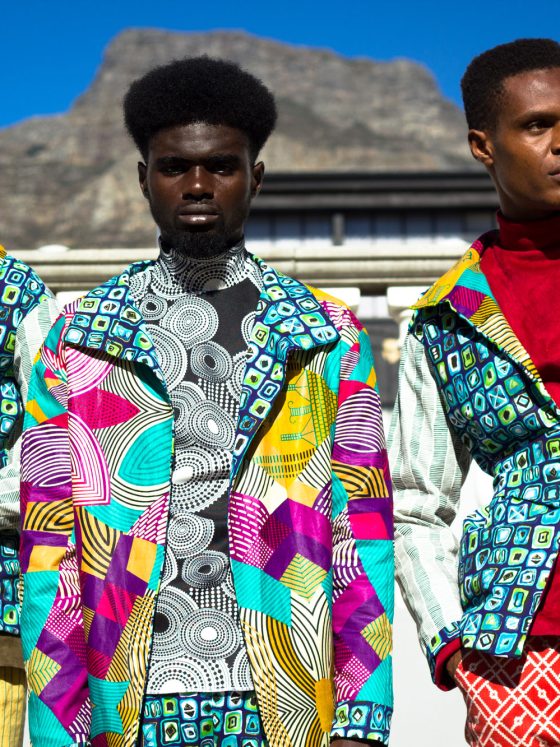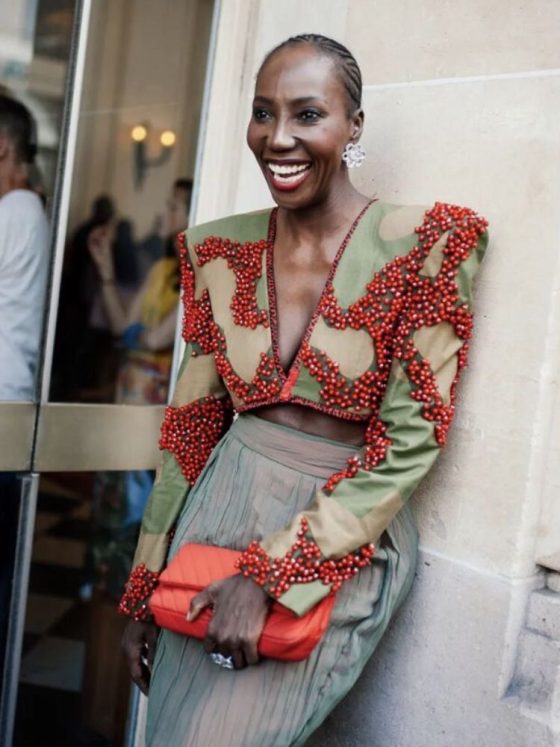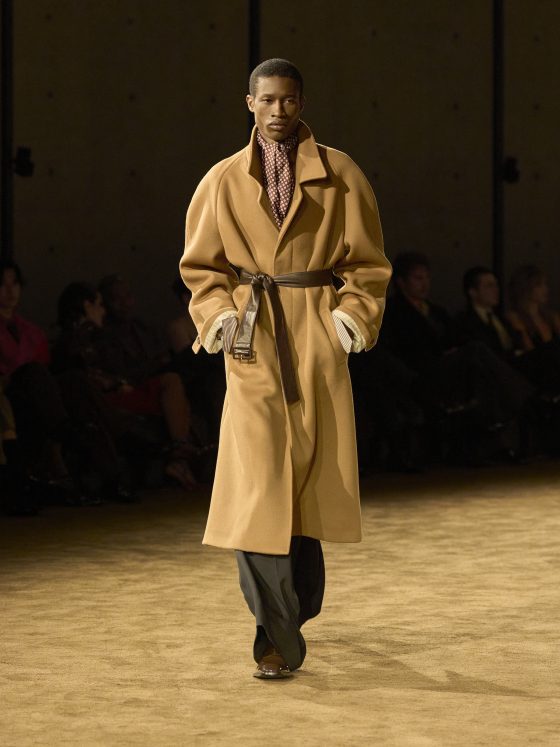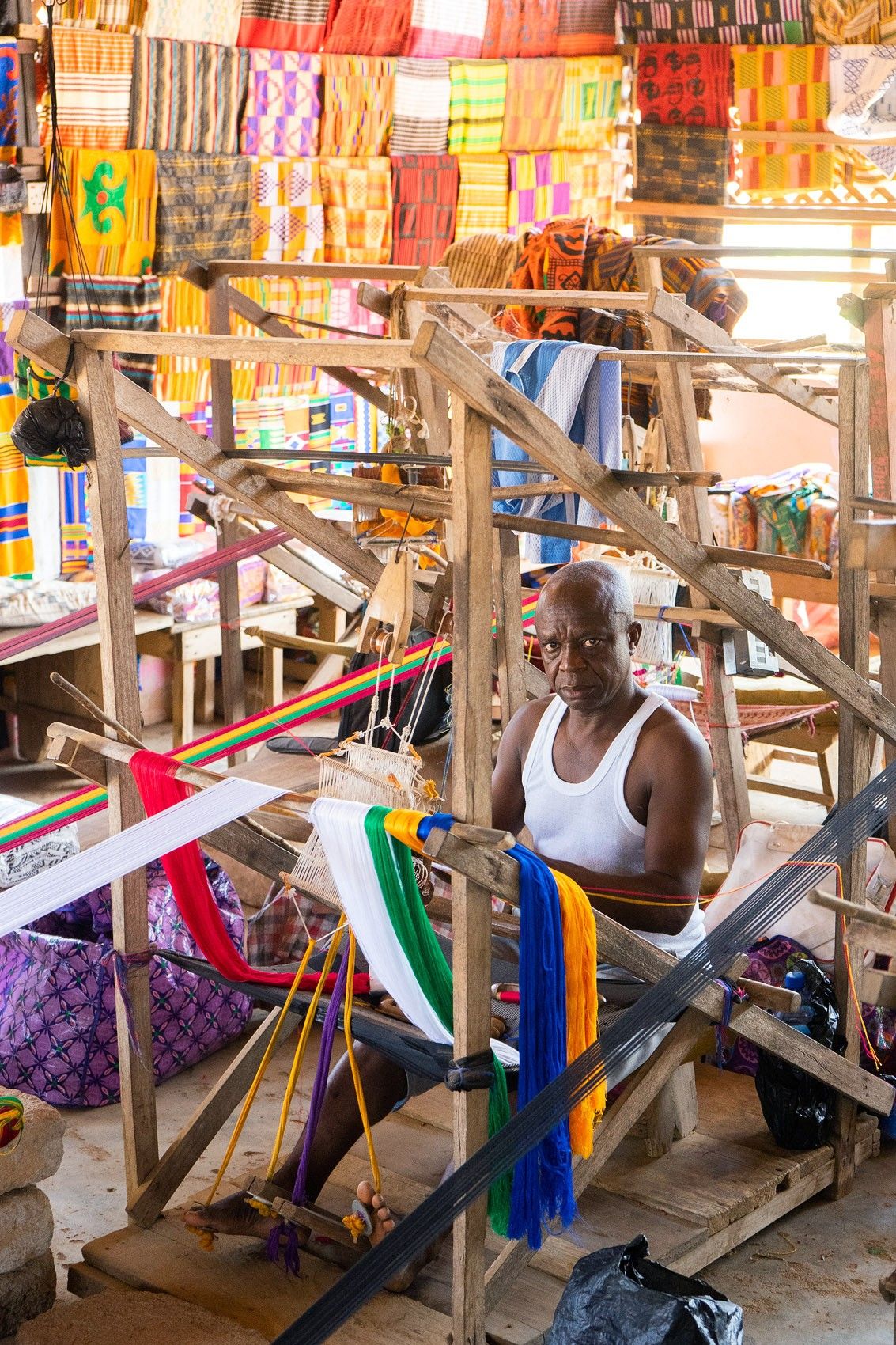
In the Benin Republic, traditional attire has always conveyed more than just looks. Clothing evolved as a system of authority, identity, memory, and social structure in royal courts, ethnic communities, spiritual institutions, and ceremonial gatherings. In the broader cultural context of West Africa, clothing indicated who was powerful, who belonged where, what customs shaped a community, and how individuals understood themselves.
Simplified international narratives about African fashion frequently obscure this complexity. Without acknowledging the various political, religious, and ethnic systems that influenced the evolution of clothing throughout the nation, traditional clothing in the Benin Republic is often reduced to wax prints and ceremonial robes. There was never a single national aesthetic that dominated Beninese fashion traditions. Compared to Yoruba ceremonial dress in Porto-Novo or northern clothing influenced by Sahelian trade routes and Islamic scholarship, Fon royal attire in Abomey developed under distinct cultural circumstances.
Long before colonial borders separated West Africa into contemporary nation-states, trade also changed Beninese fashion culture. Textile exchange routes facilitated the movement of fabrics, weaving techniques, tailoring systems, and customs of symbolic adornment among communities in modern-day Nigeria, Togo, Ghana, and Niger. Later, through colonial trade, imported textiles entered Beninese markets, where local buyers turned them into culturally specific garments associated with identity and ritual.
Therefore, traditional clothing in the Benin Republic has survived because Beninese communities have continuously adapted clothing traditions to shifting political realities, economic systems, and cultural influences while maintaining the social significance attached to them, rather than because it has remained frozen in time.
Traditional clothing in the Benin Republic reflects royalty, spirituality, ethnic identity, and history through garments shaped by culture and power.
Royal Institutions Shaped Traditional Clothing in the Benin Republic
The Benin Republic’s traditional attire is inextricably linked to the nation’s royal past. Clothes served as an outward manifestation of power in precolonial kingdoms and local political structures. Long before colonial administrations reorganised governance throughout West Africa, royal courts used clothing to convey hierarchy, discipline, spirituality, prestige, and institutional power.
One of the most significant political structures in Beninese cultural history is still the Kingdom of Dahomey. With its capital at Abomey, the kingdom established ceremonial customs that made clothing an integral part of statecraft. Different clothing, directly related to institutional rank and political function, was worn by kings, palace officials, military personnel, and ceremonial attendants. Through regulated ceremonial presentation, clothing strengthened the monarchy’s legitimacy and created visual order within the royal court.
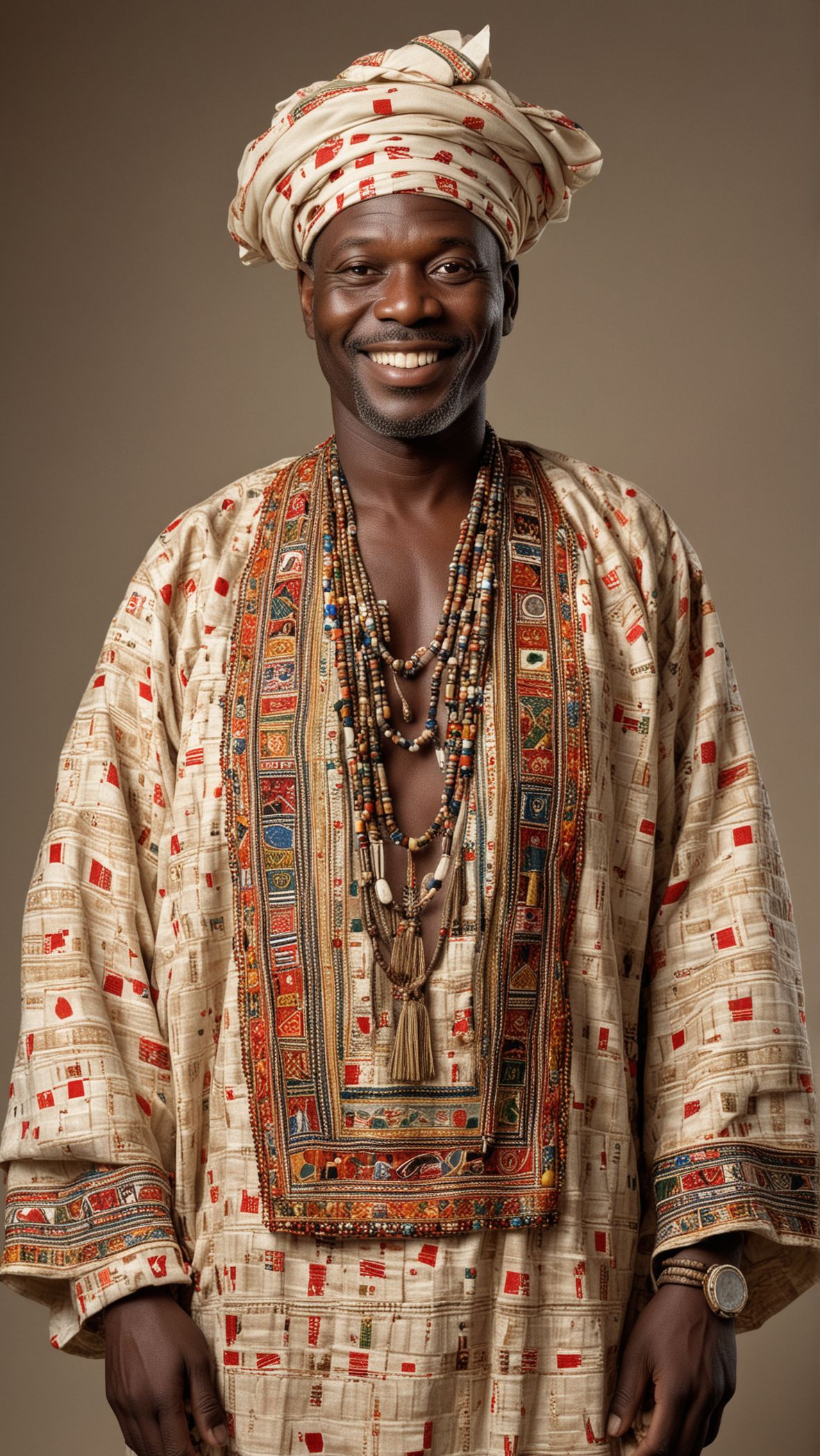
Layered wrappers, intricately embroidered clothing, structured robes, coral embellishments, symbolic jewellery, and ornate headgear became especially linked to Fon ceremonial dress traditions. Depending on the ceremony being performed, specific colours and fabric arrangements had political or spiritual significance. Therefore, royal attire served more as political language ingrained in ritual life than as fashion in the contemporary sense.
Through various systems of social identity and prestige, Yoruba communities in southern Benin also influenced the nation’s fashion customs. Woven aso-oke-inspired textiles, buba clothing, iro wrappers, flowing agbada robes, and embroidered caps all represented broader Yoruba dress cultures that spanned modern-day Nigeria and the Republic of Benin. In both religious and civic contexts, these clothes often conveyed information about education, social status, family history, and leadership position.
Clothing customs in northern Benin were influenced by Islamic scholarship and trans-Saharan trade. The Bariba and Fulani communities created ceremonial clothing for religious life, mobility, and climate adaptation. In some parts of the north, indigo-dyed robes, layered textiles, leather accessories, turbans, and flowing kaftans came to represent authority and social respectability.
These regional variations are significant because they call into question the notion that traditional attire in the Benin Republic reflects a single, cohesive visual culture. Rather than emerging from a single national framework, Beninese clothing customs evolved through overlapping political systems, trade economies, spiritual institutions, and ethnic identities.
This complex past continues to influence contemporary Beninese fashion. Brands integrates ceremonial textile aesthetics into contemporary Afrocentric collections without turning them into costumes, and also reinterprets royal silhouettes through structured contemporary tailoring.
In neighbouring West African societies, the connection between ceremonial attire and political identity is also evident, especially in Traditional Clothing in Liberia: Culture, History, and Identity.
Textile Traditions and Craftsmanship Built Beninese Fashion Culture
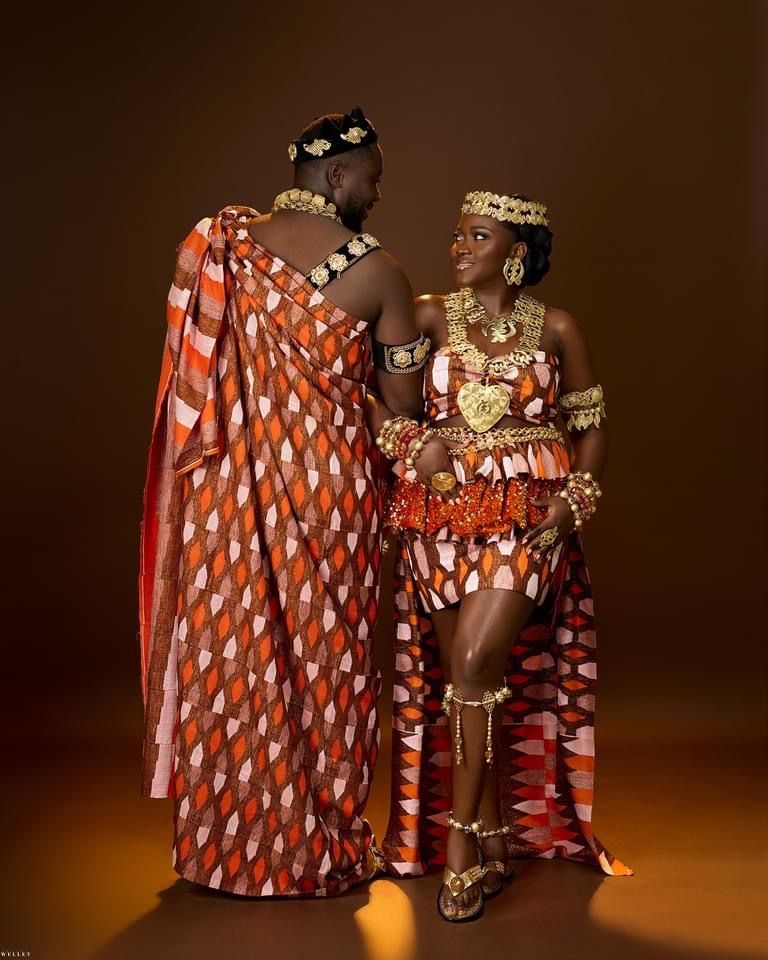
The Benin Republic’s traditional attire was largely dependent on a textile economy shaped by regional trade networks, weaving, dyeing, embroidery, and tailoring. Fabric production served as both a cultural practice and an economic infrastructure. Labour systems, artisan expertise, trade, and access to raw materials were necessary for the production of ceremonial clothing, thereby linking Benin to larger West African markets.
In many communities, handwoven cloth customs played a significant role in ceremonial dressing culture. Artisans created narrow woven strips and then sewn into larger garments for spiritual ceremonies, royal festivals, weddings, and funerals. Technical accuracy was necessary for textile production, and weaving techniques were often passed down through generations as protected cultural knowledge.
Indigo dyeing practices also influenced parts of Benin’s clothing culture. In many West African societies linked by trans-Saharan trade routes, deep blue textiles came to be associated with trade, spirituality, and prestige. Specialised knowledge of plant preparation, fabric treatment, and colour preservation was needed for dyeing techniques.
Later, during the colonial and postcolonial eras, imported textiles profoundly changed Beninese fashion economies. Throughout the twentieth century, wax prints became more common in marketplaces and ceremonial clothing cultures, but characterising these textiles as merely imports from overseas ignores the social and cultural transformations that Beninese consumers made to them.
The way fabrics were traded commercially throughout West Africa was largely determined by women traders. The distribution of fabrics, the meanings associated with particular prints, and the patterns that became popular were all influenced by market women. Through tailoring customs, ceremonial use, and regional systems of interpretation, consumers transformed industrial textiles into culturally Beninese clothing.
Gendered labour structures were also reflected in textile production. Men tended to specialise more in tailoring and weaving production, while women frequently dominated the cloth trade and market distribution. Therefore, rather than through discrete artistic expression, fashion functioned through interconnected systems of labour.
Through modern experimentation, contemporary Beninese fashion brands continue to build upon these textile traditions. While Studio Imo blends traditional fabric aesthetics with modern tailoring for younger urban audiences, Ayanfe Clothing incorporates woven West African textiles into contemporary, structured silhouettes.
Ghanaian ceremonial fabrics evolved through political identity and regional exchange, much like Beninese textile traditions. This relationship is further examined in Traditional Clothing in Ghana: Beyond Kente, Batakari, Fugu, and Cultural Identity.
Five Traditional Styles for Dagomba Women and the Kingdom Woven Into Every Thread is one example of how women’s ceremonial dress customs throughout West Africa continue to convey social and political meaning through weaving systems and fabric symbolism.
ALSO READ:
Ceremonial Clothing Still Defines Identity in the Modern Benin Republic
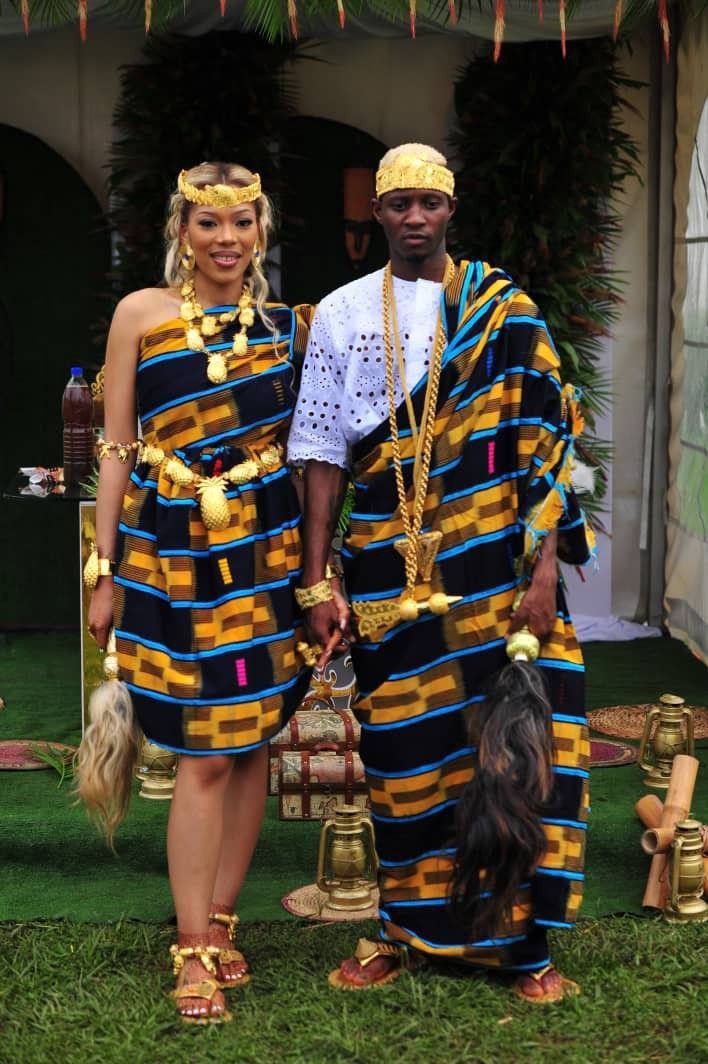
Ceremonial life in the Benin Republic depends on visual systems of identity linked to family structure, spirituality, status, and community belonging. Traditional clothing continues to have social power. Vodun gatherings, royal festivals, weddings, funerals, and naming ceremonies all still depend on clothing to convey cultural continuity in ways that modern casualwear cannot.
One of the most obvious examples is still marriage ceremonies. To create a visual sense of unity among households, families often coordinate fabrics with extended relatives. Brides may don intricately tailored buba and iro clothing, coral jewellery, gele headwraps, embroidered wrappers, and woven fabrics associated with their ethnic or regional identity. Men frequently wear fitted traditional attire or flowing agbada robes intended to convey prestige and ceremonial significance.
In certain regions of the Benin Republic, ceremonial dress remains influenced by Vodun spirituality. While certain colours, beads, and fabric arrangements may have religious significance within specific spiritual traditions, white clothing often represents spiritual purification and sacred responsibility. Rather than serving as decorative elements, clothing functions as a ritual framework in these ceremonies.
Particularly in places like Cotonou and Porto-Novo, where global fashion culture spreads quickly through music, social media, and diaspora influence, urbanisation has changed how younger generations interact with traditional fashion. However, because it offers a tangible link to ancestry and collective identity, traditional attire remains central during culturally significant events.
This coexistence of tradition and modernity now defines a large portion of modern Beninese fashion culture. Instead of completely eschewing ceremonial silhouettes, younger designers are increasingly reinterpreting them. Besides, sneakers are tailored to agbada clothing. Modern streetwear incorporates traditional woven fabrics. Modern cuts and styling techniques are used to redesign ceremonial wrappers for younger consumers.
Brands show how modern West African designers continue to translate traditional aesthetics into commercially relevant fashion language without detaching themselves from cultural history.
Therefore, traditional attire in the Benin Republic endures as a living cultural infrastructure that constantly adjusts to new social realities rather than as nostalgia.
The Omiren Argument
The way traditional clothing in the Benin Republic is framed globally incorrectly treats it as a static heritage, even though its true history is rooted in political power, trade systems, spiritual institutions, and cultural adaptation.
International coverage often ignores the royal courts, textile economies, and ethnic structures that historically shaped how clothing functioned across the nation, instead collapsing Beninese fashion into generic West African wax-print aesthetics. Clothes lose their ceremonial and political significance as a result of this simplification.
The Benin Republic’s traditional attire was never made just for aesthetic reasons. Royal institutions used ceremonial clothing to uphold authority and hierarchy. Textile systems organised regional trade and labour economies. In Vodun ceremonial life, clothing was given sacred significance by spiritual traditions. Only after local consumers socially transformed imported wax prints through customs, ceremonies, and collective significance did they become culturally Beninese.
This distinction modifies our understanding of cultural authenticity. Preserving clothing in its frozen historical form is not the source of authenticity. It results from preserving the social connotations associated with clothing despite generational changes in fabrics, tailoring techniques, and consumer behaviour.
Beninese communities have consistently adapted dress customs to shifting political, economic, and cultural realities without sacrificing identity. Traditional clothing in the Benin Republic has survived. The clothing survives through reinvention rooted in cultural memory rather than mere preservation.
Frequently Asked Questions (FAQs):
-
What is the traditional clothing in the Benin Republic?
The term “traditional clothing” in the Benin Republic refers to the ceremonial, cultural, and daily attire worn by the nation’s numerous ethnic groups, including the Fon, Yoruba, Bariba, Fulani, Adja, and several others. Flowing agbada robes, iro and buba ensembles, handwoven fabrics, embroidered clothing, ceremonial wrappers, coral bead decorations, and ornate headdresses worn at weddings, royal ceremonies, funerals, festivals, and spiritual gatherings are some examples of these clothing customs. Because clothing frequently conveys social identity, spiritual affiliation, political status, family heritage, and regional belonging across various communities, traditional clothing in the Benin Republic serves as more than just fashion.
- Why is traditional clothing important in the Benin Republic?
Clothing has historically evolved as a component of broader systems of culture, spirituality, governance, and identity. Traditional attire is still significant in the Benin Republic. Ceremonial clothing conveyed hierarchy and authority in royal courts, such as that of the Kingdom of Dahomey. In contrast, clothing in religious settings often carried spiritual symbolism associated with Vodun customs and holy rituals. During weddings, naming ceremonies, funerals, and cultural festivals, traditional attire continues to reinforce community identity. Because traditional clothing clearly links people to their heritage, ancestry, and collective memory, it continues to have social power even among younger generations influenced by global fashion culture.
-
Which ethnic groups influence traditional clothing in the Benin Republic?
Several ethnic groups influence the variety of traditional attire in the Benin Republic. Many of the royal ceremonial customs associated with the former Kingdom of Dahomey were influenced by Fon communities, particularly in the use of embroidered robes, layered wrappers, and palace attire. Clothes like agbada, iro, buba, and woven ceremonial fabrics that are closely linked to broader Yoruba cultural traditions throughout West Africa were influenced by Yoruba communities in southern Benin. Bariba and Fulani communities brought flowing robes, turbans, indigo-dyed garments, and layered clothing tailored to Sahelian climates and Islamic cultural influence to northern Benin. Instead of creating a single national dress identity, these customs coexist.
-
Is wax print considered traditional clothing in the Benin Republic?
In Benin’s traditional clothing, wax-print fabrics play a complex role. West African consumers transformed these fabrics culturally over generations, although industrial wax prints originated through European textile manufacturing systems influenced by Indonesian batik production. Wax prints were adopted for weddings, funerals, ceremonies, and everyday dress by traders, tailors, and customers in the Benin Republic until the fabrics were socially integrated into the region’s fashion culture. After decades of use and adaptation, Beninese communities have given these textiles their own meanings, styling systems, and cultural significance; to simply describe wax print as a foreign fabric would be to ignore this.
-
How has modern fashion influenced traditional clothing in the Benin Republic?
Particularly among younger urban populations in cities like Cotonou and Porto-Novo, modern fashion has altered how traditional clothing is made, styled, and worn in the Republic of Benin. While retaining ties to traditional fabrics and cultural symbolism, modern designers are increasingly reinterpreting ceremonial clothing through streetwear influences, fitted silhouettes, luxury finishing, and modern tailoring. Instead of dressing traditionally as older generations did, younger consumers now mix traditional clothing with sneakers, contemporary accessories, and modern styling methods. This evolution does not eliminate cultural identity. Rather, it demonstrates how traditional attire endures by adjusting to shifting social realities and modern fashion culture.
-
What role does traditional clothing play during ceremonies in the Benin Republic?
In the Benin Republic, ceremonial attire continues to be essential to social and spiritual life. Coordinated family fabrics and ornate traditional attire are often used at weddings as symbols of celebration, unity, and prestige. Certain hues and textile designs can convey social standing or mourning customs during funerals. While Vodun spiritual ceremonies frequently call for clothing with religious symbolism associated with purification, sacred responsibility, or spiritual rank, royal festivals still use ceremonial attire associated with palace culture and historical systems of authority. During ceremonies, clothing serves as a visual language that conveys identity, respect, spirituality, and cultural continuity in many communities.
Explore More
Read the full Africa and Culture section at https://omirenstyles.com/category/culture/ for Omiren Styles’ documentation of the textile traditions, dress cultures, and fashion systems that African communities have been building and maintaining across the continent for centuries, documented with the specificity and cultural depth they deserve.