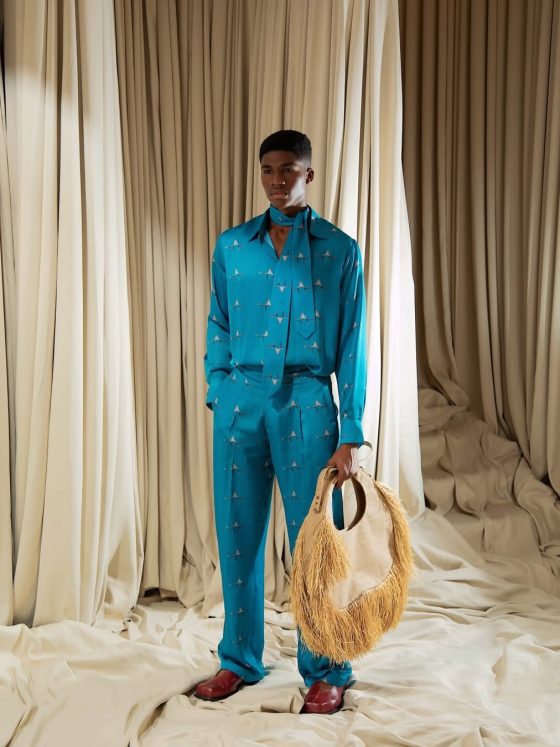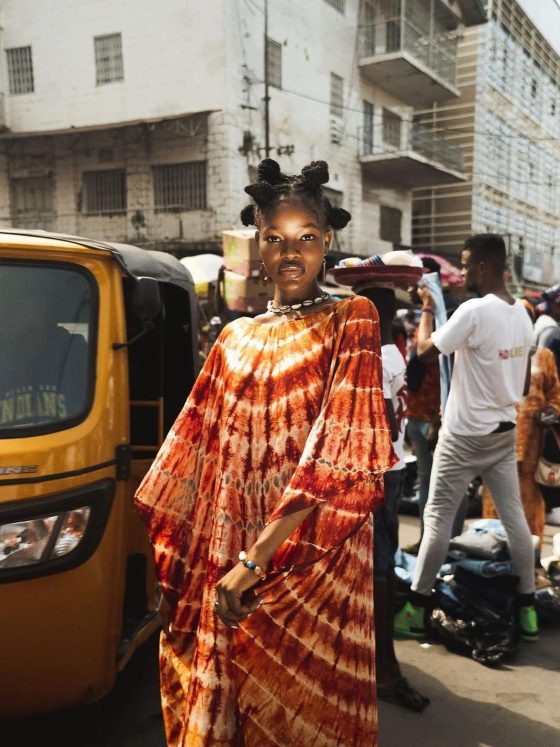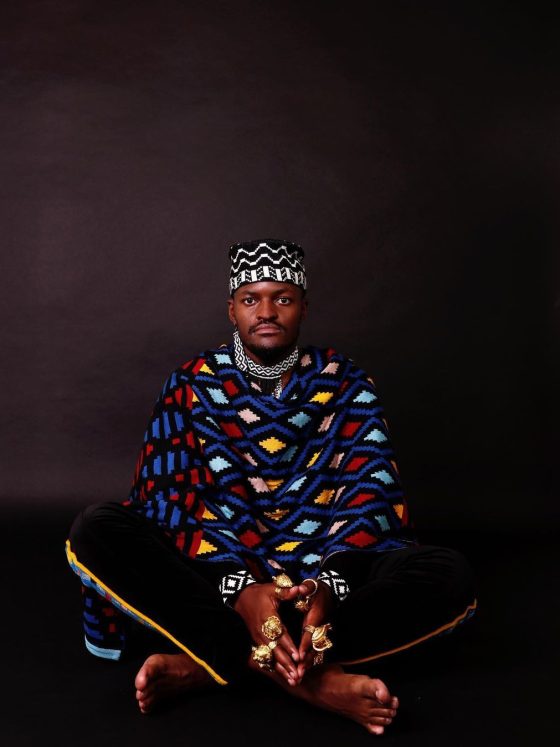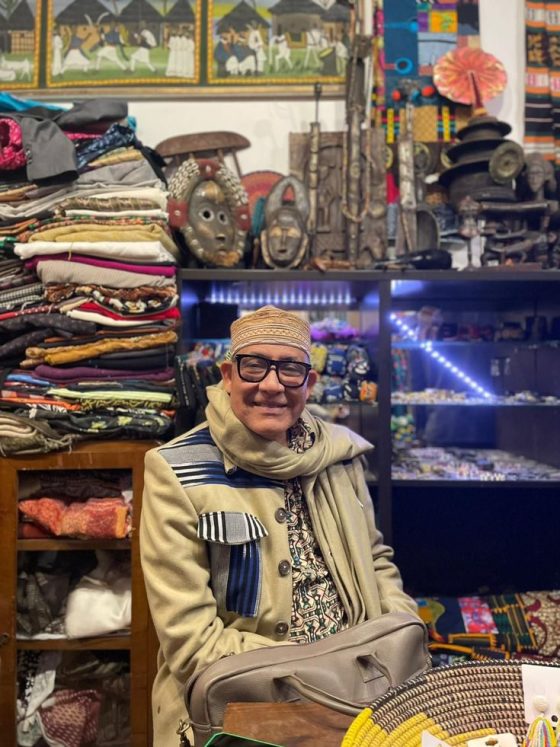
Cape Verdean fashion is not a small story. It is a geographically dispersed story with a culturally concentrated centre. Designers working in Praia, Lisbon, Boston, and São Paulo are not operating on the margins of the Cape Verdean fashion conversation. They are the conversation, carried across the Atlantic on the same migration routes that shaped the islands themselves.
Cape Verde’s fashion voice has never been loud in the way global fashion usually rewards. It is something sharper than volume. It comes through in the texture of Pano d’Obra, the hand-woven strip cloth introduced to the islands by Guinean weavers and now one of the most concentrated visual symbols of Cape Verdean identity. It comes through in the way clothing becomes a portable form of belonging for communities that have always lived between islands and continents. The result is a fashion culture that is small in geographic scale but wide in cultural reach.
Cape Verdean fashion is shaped both by what remains on the islands and by what gets carried abroad. Those two currents are not in competition. They are the same story told from different places.
Explore how Cape Verdean designers are influencing global fashion culture through island identity, Pano d’Obra, diaspora style, and contemporary African fashion innovation.
Designers Who Carry the Island
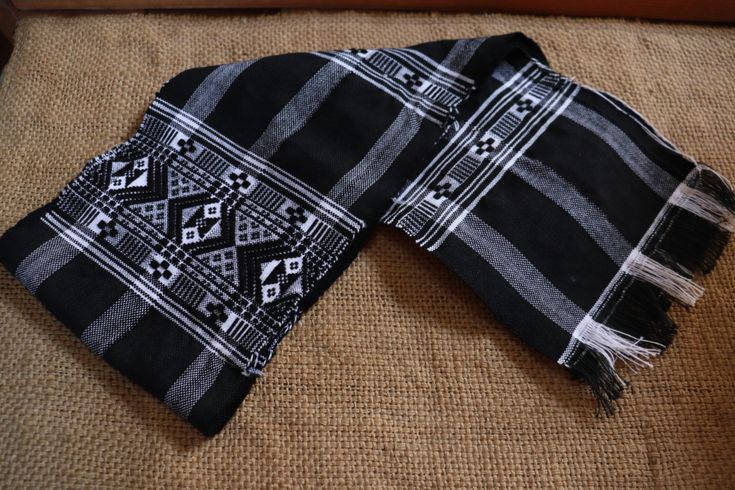
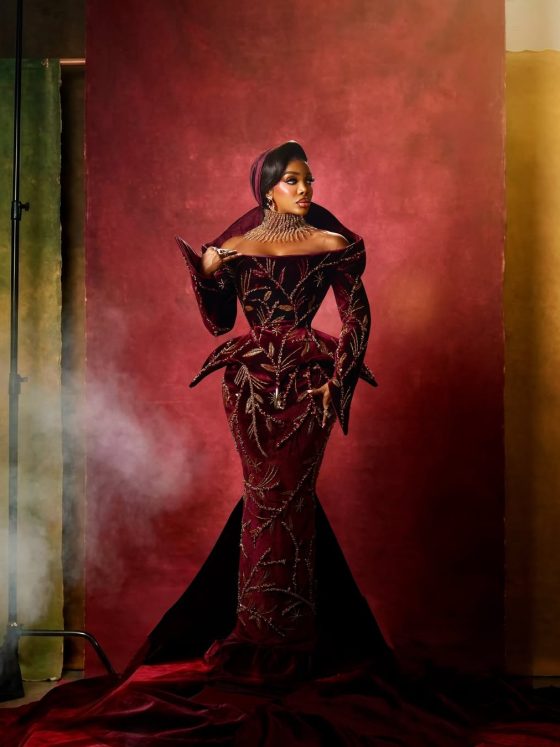
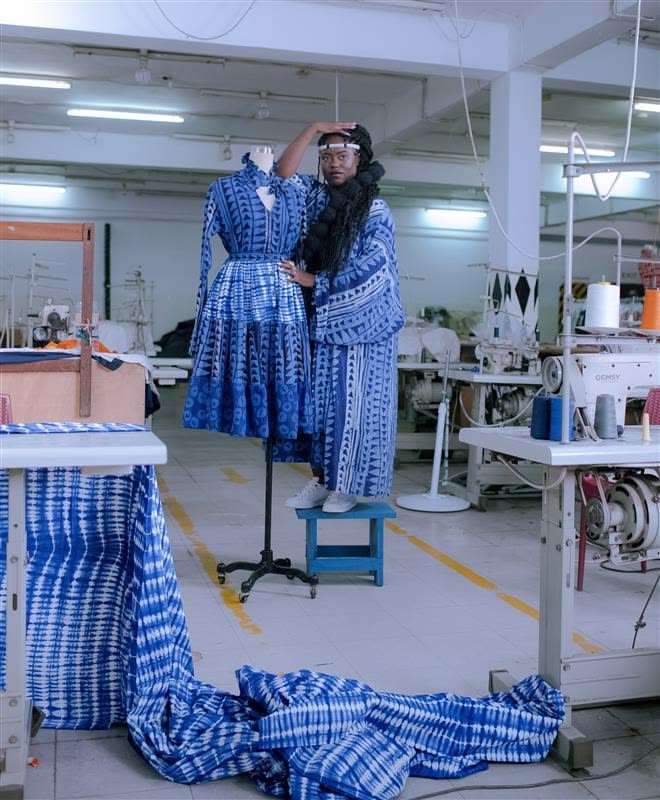
One of the most important names in the conversation is Sonia Tavares, whose work has shown how Cape Verdean fashion can move between local culture and international appeal without flattening either. Her clothing and accessories combine Africa-informed prints with a contemporary sensibility, making the work feel both rooted and outward-looking. A similar cultural seriousness appears in Angela Brito’s practice, which Pano d’Obra deeply shapes. Brito’s fashion carries the kind of symbolic weight that comes from treating fabric as memory rather than material. As Omiren Styles has documented in Traditional Clothing in Cape Verde: Afrocentric and Portuguese Fashion Identity, Pano d’Obra was introduced to the islands by enslaved Guinean weavers, who used a narrow-strip horizontal loom identical to that used by Manjak-Papel communities in modern-day Guinea-Bissau and Senegal. That history is not incidental. It is the culture. When a designer builds from that kind of source, the work does more than look contemporary. It speaks.
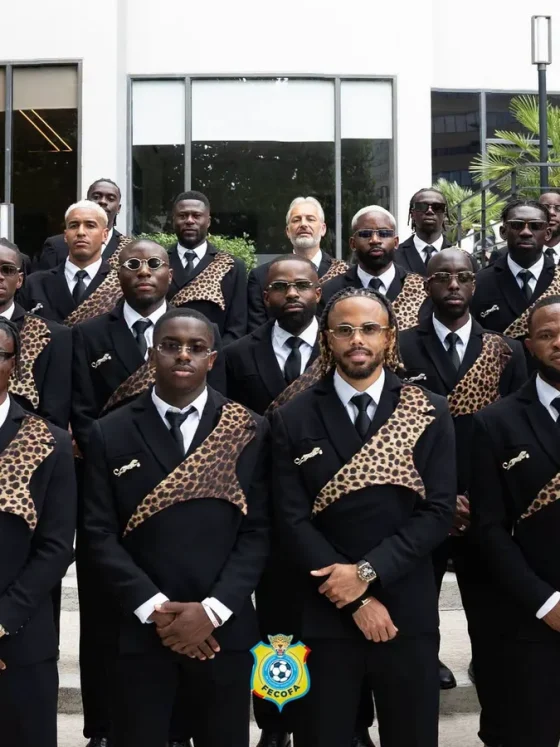
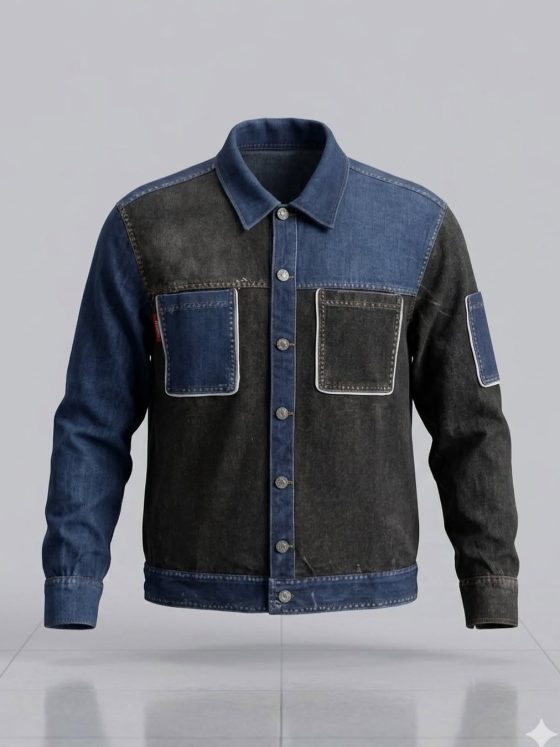
The newer generation is expanding the field further. ISLNDZ connects Cape Verdean identity to sportswear and global graphic culture, showing how island pride can travel through streetwear channels without becoming generic. The brand’s work for national team supporters demonstrates something important: clothing can carry patriotism, style, and identity simultaneously, and that combination does not need a major fashion capital to be legible internationally. Bazofo works within sustainable production, showing that Cape Verdean identity can live inside commercial fashion without being reduced to a slogan. Virtuoso translates Cape Verdean identity into urban style with a fluency that speaks to younger diaspora audiences while keeping the source visible.
This is where Cape Verdean fashion becomes larger than a national style story. It becomes a diaspora story. Designers who know that island identity does not shrink with distance. It often gets sharper.
Pano d’Obra as Fashion Memory
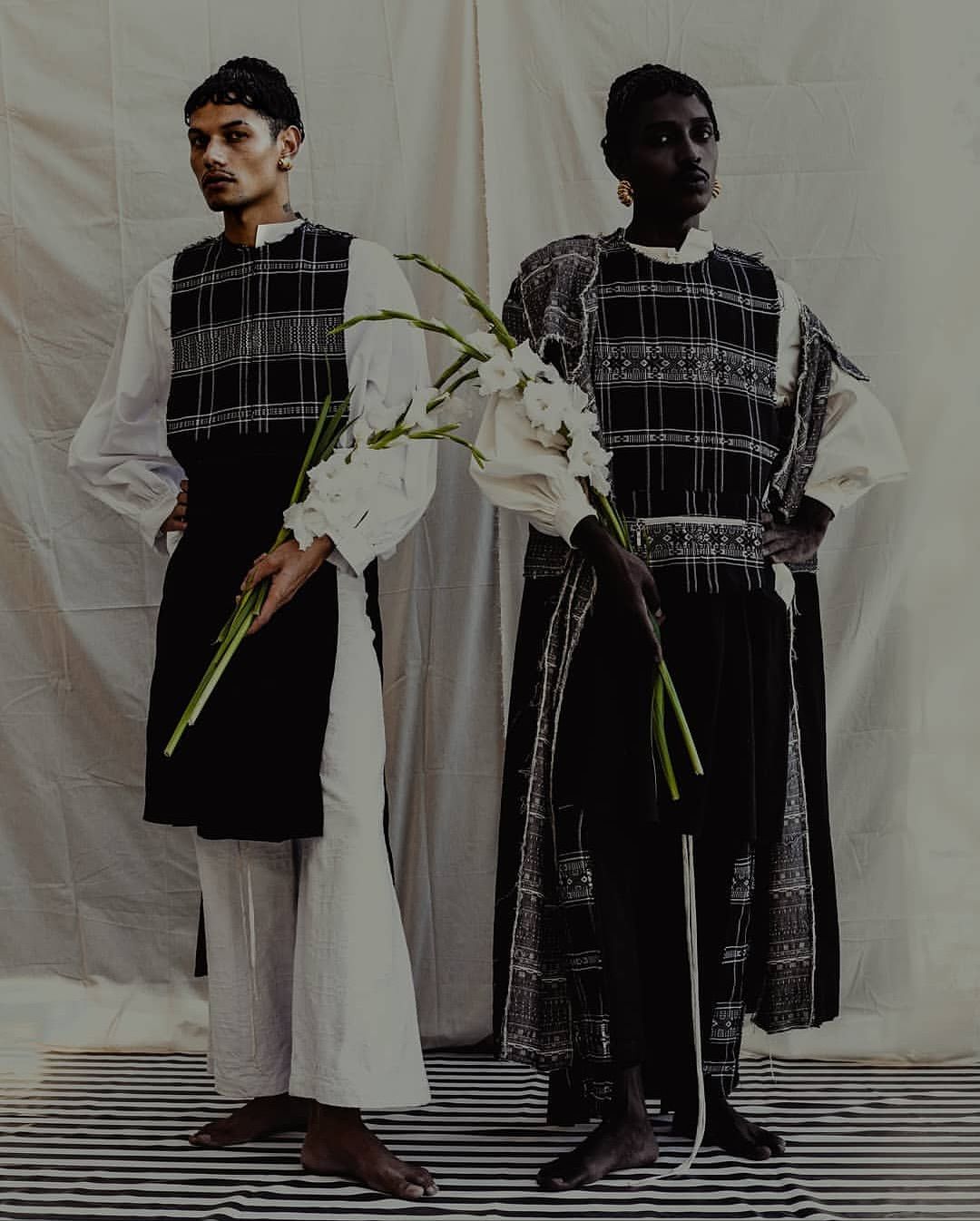
The most powerful Cape Verdean fashion often begins with Pano d’Obra. That textile is not just a symbol. It is one of the clearest ways Cape Verdean designers keep identity visible in a world where island cultures are frequently compressed into tourism branding. By the 1600s, thousands of pieces were required annually to meet demand, functioning as both clothing and currency within the transatlantic slave trade. That cloth carries that history in its fibres. When designers use it well, they are not simply adding a local touch. They are carrying memory through cloth.
Pano d’Obra was not borrowed from another tradition. It was forged inside one of the most violent episodes of Atlantic history. That makes it one of the most historically precise textiles in African fashion.
That matters because Cape Verdean fashion has always had to negotiate movement. The islands sit inside the Atlantic world, shaped by migration, labour, and cultural mixture. So the clothing does not sit still either. It moves across contexts, taking on new forms while still pointing back to the islands. A designer in Praia may work with tradition differently from one in Boston or São Paulo, but Pano d’Obra still carries the same emotional and historical charge across those distances.
This is one reason Pano d’Obra remains important to both heritage and innovation. It gives Cape Verdean fashion a way to stay recognisable even as the silhouettes change. A dress, jacket, T-shirt, or accessory can all carry that same signal if the designer understands the textile as structure rather than decoration. Cultural authority lives not in repeating old forms exactly. It lives in knowing what must remain visible.
ALSO READ
- Traditional Clothing in Cape Verde: Afrocentric and Portuguese Fashion Identity
- Does Wearing Your Culture Make You Exotic? The Diaspora Fashion Paradox
- Maison Château Rouge: The Paris Brand Built on African Diaspora Memory
- Abidjan Streetwear: The Rise of Urban Fashion in Côte d’Ivoire
How the Diaspora Gave the Work Scale
Cape Verdean fashion has always been shaped by movement, and the diaspora has made that movement visible on a large scale. Designers and brands working in Boston, New York, Lisbon, and Brazil are not outside the Cape Verdean fashion story. They are part of how the story expands. Diaspora fashion is not imitation from a distance. It is often a way of preserving identity across different conditions, adapting cultural memory to environments not designed to hold it. As Omiren Styles has documented in the case of Maison Château Rouge: The Paris Brand Built on African Diaspora Memory, diaspora communities often preserve, remix, and reframe cultural memory in ways that are just as authoritative as any direct continental origin. Cape Verdean designers abroad operate on the same logic: the source remains intact, so the fashion does not feel detached from home. It feels extended from it.
The parallel with other West African diaspora fashion cultures is instructive. As Omiren Styles has traced in Does Wearing Your Culture Make You Exotic? In the Diaspora Fashion Paradox, second-generation Africans in Britain and France have shifted from justifying their traditional dress to simply wearing it, a refusal of the negotiation their parents’ generation was required to conduct. Cape Verdean designers in Boston and Lisbon are part of that same generational shift. Their work sits inside a wider African diaspora fashion conversation that is increasingly confident about its own authority rather than waiting for external validation.
The diaspora also helps Cape Verdean designers connect with wider African fashion conversations. Their work sits naturally alongside brands like Tongoro in Senegal and Christie Brown in Ghana, not because they are the same, but because they all understand that fashion becomes stronger when it stays culturally specific. That specificity is not a limitation. It is the source of the reach.
What Cape Verdean Fashion Is Really Saying
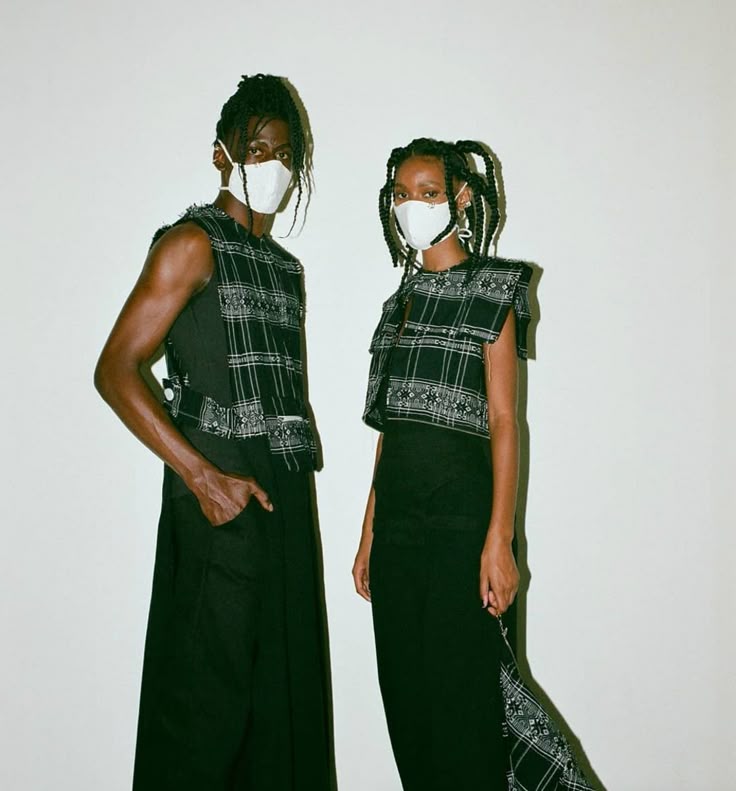
Cape Verdean designers are influencing global fashion culture by refusing to separate style from identity. Their work does not ask the world to choose between islandness and modernity, because that split was never especially useful in the first place. The world tends to reward African fashion when it appears newly discovered. Cape Verde reminds us that some of the most interesting work has been moving quietly across oceans for years. As Omiren Styles has documented in Abidjan Streetwear: The Rise of Urban Fashion in Côte d’Ivoire, urban fashion cultures that develop outside the recognised major fashion capitals often produce the sharpest design intelligence precisely because they build on actual social and cultural conditions rather than trend cycles. Cape Verdean fashion has always done this. It simply needed the right audience to look properly.
When a Cape Verdean designer uses Pano d’Obra, draws on island references, or works within diaspora networks, they are not decorating clothing with culture. They are constructing the clothing from the culture. That is the difference between influence and authority. Cape Verdean fashion has always had the second one. The first is finally catching up.
THE OMIREN ARGUMENT
Cape Verdean designers are influencing global fashion culture by turning island memory, diaspora movement, and Pano d’Obra into a fashion language that travels internationally without losing its Cape Verdean centre. The visibility gap between their influence and recognition does not reflect the work’s strength. It is a reflection of how global fashion has historically rewarded scale over specificity.
That hierarchy is being corrected from within. Cape Verdean fashion proves that clarity of identity, cultural continuity, and diaspora connection can create genuine influence without requiring the infrastructure of a major fashion capital. Cape Verdean designers are not making island fashion global by turning it into something else. They are making it visible by refusing to treat it as secondary. That is not a small achievement. That is what serious fashion does.
FREQUENTLY ASKED QUESTIONS
Who are the most notable Cape Verdean designers?
Notable names include Sonia Tavares, Angela Brito, and the designers behind brands such as ISLNDZ, Bazofo, and Virtuoso. Their work spans island fashion, diaspora style, sustainable clothing, and sportswear, demonstrating that Cape Verdean fashion is not confined to a single aesthetic.
What makes Cape Verdean fashion distinctive?
Its distinctiveness comes from Pano d’Obra, Creole identity, Atlantic migration history, and the way Cape Verdean designers move between local culture and global fashion spaces without losing their source. Cape Verdean fashion is shaped both by what remains on the islands and by what gets carried abroad, and those two currents strengthen rather than dilute each other.
How do Cape Verdean designers influence global fashion?
Through diaspora networks, international visibility, and culturally specific design that travels well across markets. Their work shows that local identity can be globally relevant without becoming generic, and that fashion produced far from the recognised major fashion capitals can carry genuine cultural authority.
Why is Pano d’Obra important to Cape Verdean fashion?
Pano d’Obra is one of the strongest visual and cultural symbols in Cape Verdean fashion, and one of the most historically precise textiles in African fashion more broadly. It was introduced to the islands by enslaved Guinean weavers in the 1500s, functioned as currency in the transatlantic slave trade, and was reclaimed after independence as a symbol of African heritage and identity. When designers use it, they are carrying that history into contemporary clothing rather than simply adding a local aesthetic touch.
How is Cape Verdean fashion connected to the diaspora?
The diaspora gives Cape Verdean fashion scale and reach. Designers working in Boston, Lisbon, New York, and Brazil preserve and extend Cape Verdean identity under different conditions while keeping the source visible. The fashion does not feel detached from the islands. It feels extended from them.