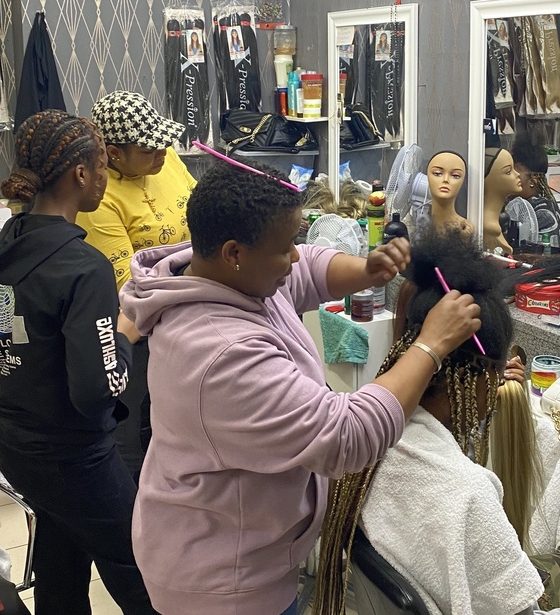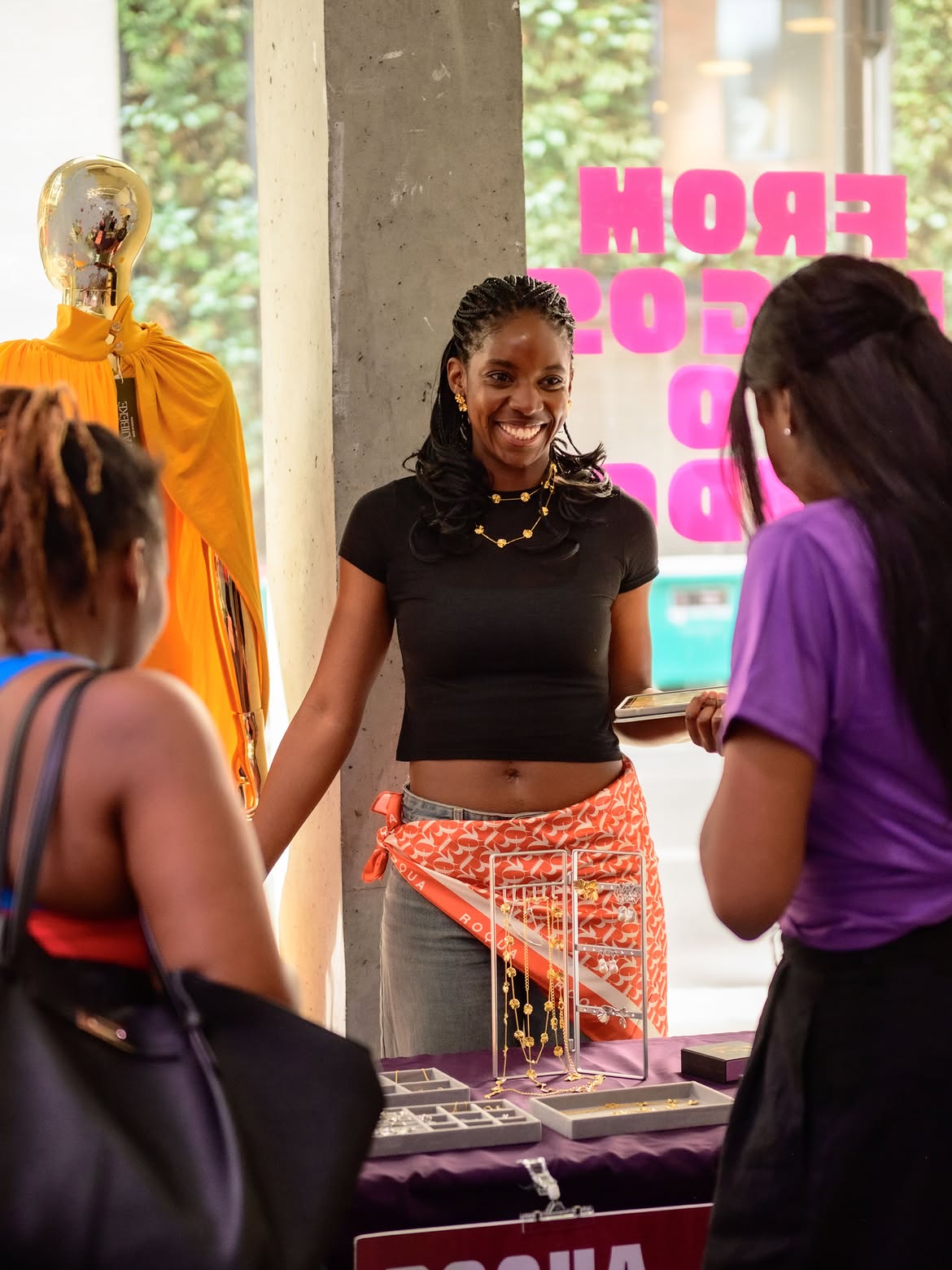
On a Sunday afternoon on Rye Lane, Peckham, the fabric shops are impossible to miss. Rolls of Ankara print fill windows from floor to ceiling. Customers negotiate prices on Swiss lace and French voile. In Holdrons Arcade, Cynthia, the owner of Love’s boutique, has been selling African menswear, womenswear, and bespoke tailoring services from unit U9 for years. She sources collectable fabric prints from Europe and Africa, makes cushion covers and rucksacks from bold African prints, and alters garments for anyone who walks through the door. She is not an anomaly on Rye Lane. She is the infrastructure.
Jendella Benson, Nigerian-British author and Peckham community voice, describes what this infrastructure actually does: ‘If you want your fabric made into a specific outfit, you need to go to the tailors. You can’t order that online in the same way.’ That observation is the argument this piece is built around. When mainstream British fashion failed to serve African and Caribbean diaspora communities, those communities built what they needed. Peckham, Brixton, and Hackney are not fashion’s margins. They are fashion’s engine, and they have been since before London Fashion Week existed.
When mainstream British fashion failed to serve African and Caribbean diaspora communities, those communities built their own infrastructure. Fabric merchants on Rye Lane. Tailors in Brixton Market. Pop-up studios in Dalston. These are not fashion’s margins. They are fashion’s engine.
The Historical and Economic Foundations
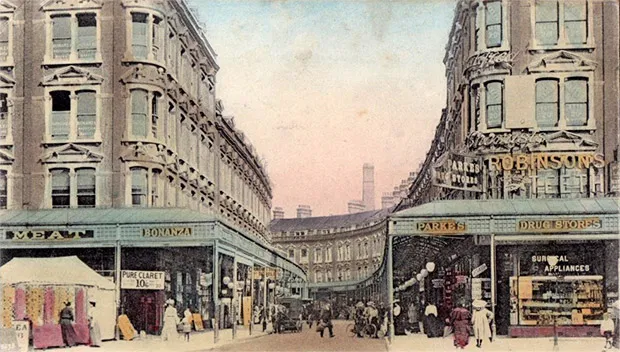
Several interconnected factors explain why specific London neighbourhoods became major African fashion hubs. Waves of migration from West Africa and the Caribbean, particularly from the post-war period through the 1980s and 1990s, brought skilled tailors, fabric traders, and entrepreneurs to areas with more affordable commercial rents and established community networks. These migrants arrived with expertise in garment making and a clear demand for culturally appropriate clothing that mainstream retailers did not supply.
The result was self-reinforcing clusters of specialist businesses: customers could find fabric, tailoring, and bespoke services in one concentrated location. In Peckham Ward and The Lane Ward, African-Caribbean people make up 50.4% and 33.6% of residents, respectively. This density created the customer base that made specialist businesses viable, and the specialist businesses, in turn, created the cultural infrastructure that made the area indispensable. Central London fashion districts, with their higher commercial rents and different customer demographics, were not designed to serve these communities. So the communities built their own districts.
ALSO READ
- The African-British Designers Who Should Be on Your Radar Right Now
- The Diaspora Did Not Preserve African Style. It Redesigned It.
- The Aso-Ebi Economy: How Nigerian Celebration Culture Is Funding a Global Fashion Industry
- The Lagos Fashion Week Effect: What a Decade of Runway Has Actually Done for Nigerian Designer Revenue
Peckham: Little Lagos on Rye Lane
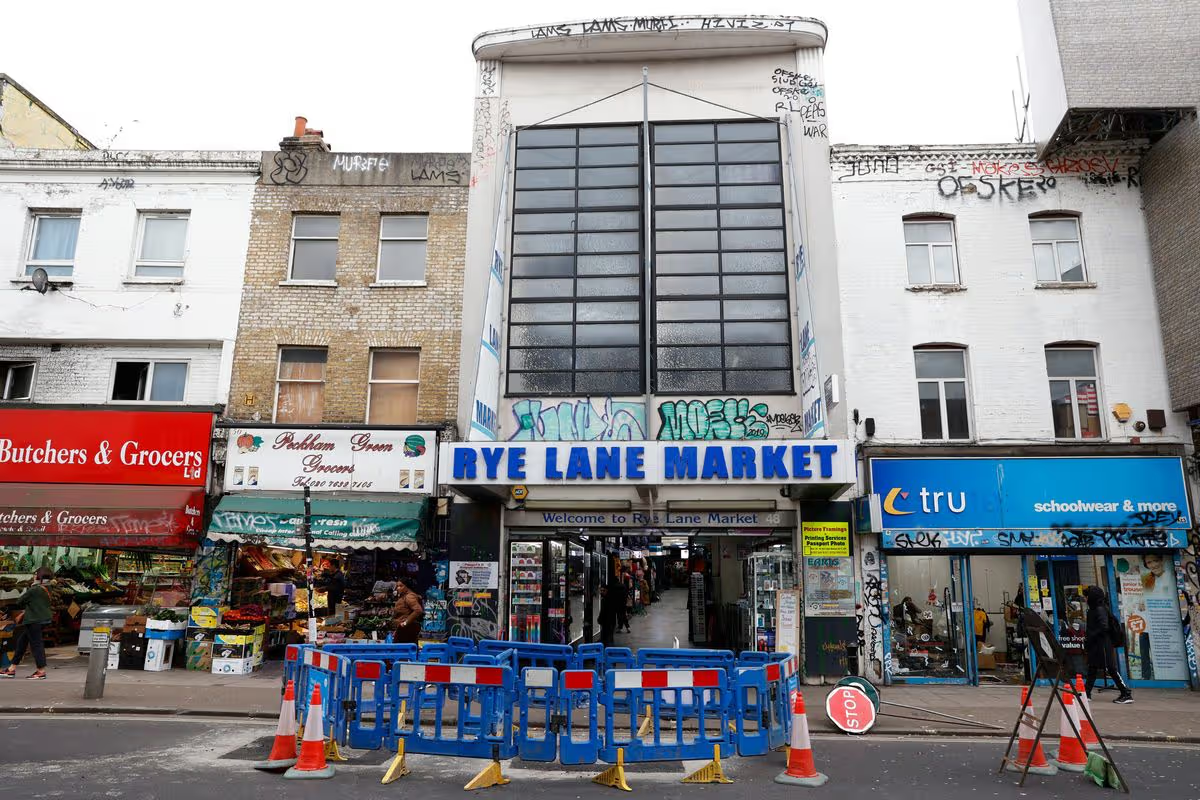
Peckham functions as a major commercial centre for West African fashion. It is referred to informally as Little Lagos, and the name is geographically justified: Rye Lane and surrounding streets host fabric shops, tailoring businesses, and boutiques whose stock, services, and customer base reflect a direct supply chain connection to Nigeria and Ghana.
Oyin’s Textile and Fashion is one of the most established names on Rye Lane, its windows jam-packed with rolls of fabric and trimmings, and its back room where a tailor is usually busy at work. Patchito Fashion offers a similar range of Ankara prints and aso ebi materials. Holdrons Arcade, a covered market at 135a Rye Lane, houses Love’s boutique and several other African fashion and textile specialists within a single building. These are not individual shops. They constitute a concentrated supply chain: a customer can compare fabrics, negotiate pricing, commission a custom outfit, and collect it ready-made in one visit. The area’s relatively affordable commercial rents attracted Nigerian and Ghanaian entrepreneurs who built direct connections with producers on the continent. Word of mouth and family networks reinforced what lower rents made possible.
Benson is direct about the risk: ‘I think there is a concern about whether these places will last, maybe another generation or two. Because who’s taking them over as well?’ The gentrification pressure that has already reshaped the surrounding property market in Peckham is beginning to affect Rye Lane’s independent retail environment. The question of succession, of who inherits and maintains the infrastructure that the first generation of Nigerian and Ghanaian entrepreneurs built, is the neighbourhood’s most pressing cultural and economic question.
Brixton: Heritage Anchor and the Battle for the Market
Brixton became an African fashion hub through its deep connection to the Windrush generation and subsequent African arrivals. Caribbean settlers in the post-war period, followed by African migrants, established markets and tailoring operations across Brixton Market, Electric Avenue, and Brixton Village. Locations like African Queen Fabrics in Brixton Market, which sells Dutch hand-printed fabrics, exemplify the kind of specialist retail that has served the community for decades. The neighbourhood’s role as a cultural anchor enabled heritage garments to be adapted to British life, with support from regular markets and community events.
That infrastructure is now under direct threat. In 2026, Brixton Market, which has been owned since 2018 by a joint venture between US investment firm TPG Angelo Gordon and Hondo Enterprises, was put up for sale, with private equity firms reportedly seeking to acquire it for £50 million as part of a plan to drive increased profits by evicting tenants paying lower rents. The response from the community was immediate. The Brixton Traders and Community Association and The Advocacy Academy launched the Buy Back Brixton campaign, a community counter-bid targeting £15 million as an initial contribution toward purchasing the market. Within days, they raised over £550,000 through crowdfunding and secured more than 36,000 petition signatures. On 22 June 2026, they submitted a competitive bid before the deadline.
The joint statement from the Brixton Traders and Community Association and The Advocacy Academy named the dynamic precisely: ‘Local traders actively create the wealth that is then taken out of the community by private interests, and yet are told time and time again that their needs don’t matter and that they are replaceable by other businesses/chains who can compete with rising rents, despite being the ones to build this space into what it is.’
Simone Ogunbunmi, who was born and raised in Brixton and has been trading in the market for years through her plant-and-vinyl store, Haus, described what the market actually does: ‘it’s turned into a space where everybody feels at home.’ She fears what will happen if it does not: ‘If rents rise significantly, which is what will happen if equity developers buy it up, many traders simply won’t be able to afford to stay. Hiba Ahmad, community director at The Advocacy Academy, described the campaign’s long preparation: ‘For a long time it was just kind of quiet.’ The community had been working on the market’s future for two years before the sale was announced. The sale process created the urgency. The intention was already there.
Hackney: The Creative Laboratory
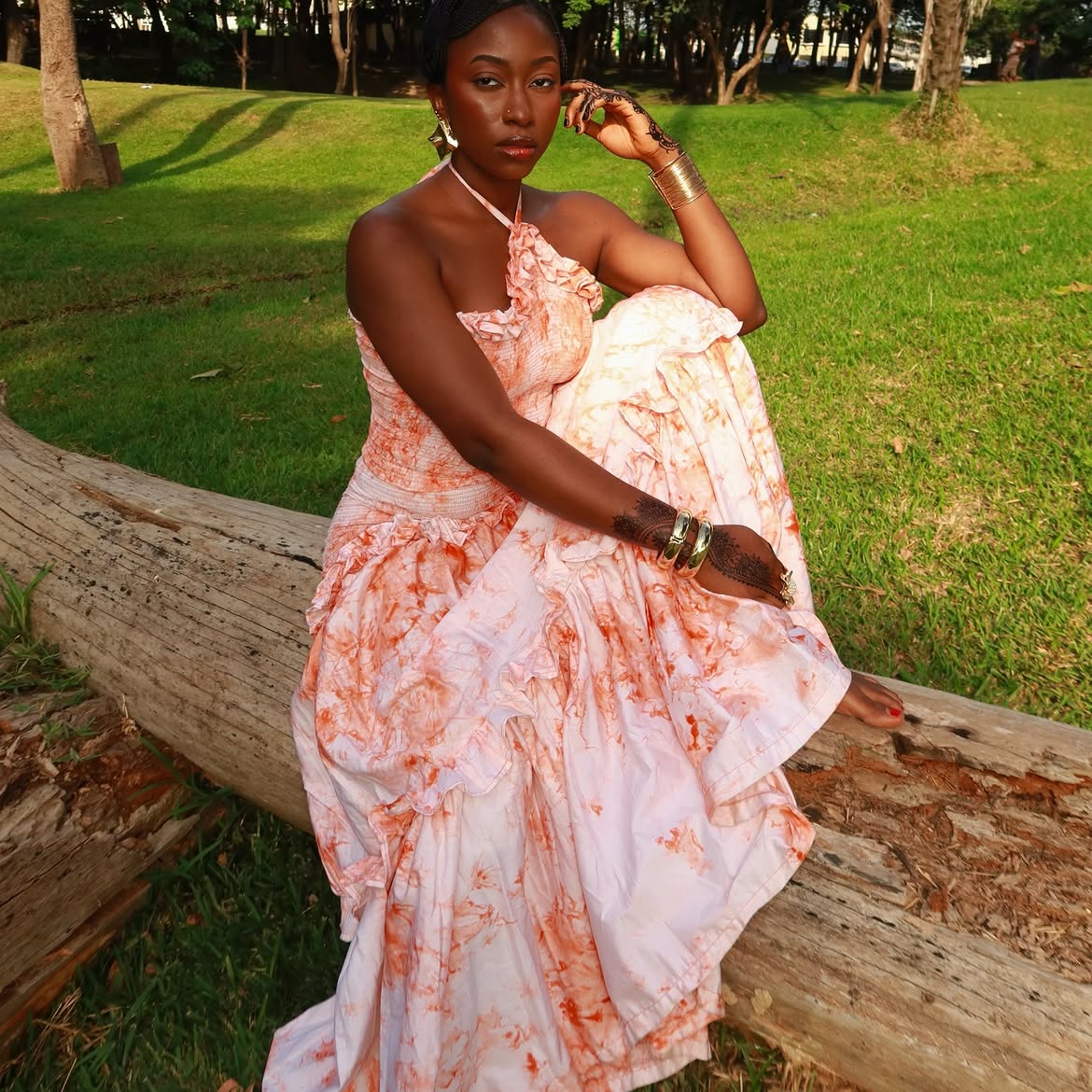
Hackney represents a more contemporary layer within London’s African fashion geography. The borough blends ongoing creative migration with East London’s artistic scene. Areas around Dalston and broader Hackney have attracted makers who blend traditional African techniques with contemporary approaches, including significant Somali, Ethiopian, and Eritrean communities alongside the West African and Caribbean presence that characterises Peckham and Brixton.
The Dalston dimension is particularly significant. Ridley Road Market in Dalston is part of the same gentrification battle affecting Brixton Market, with traders facing closure and displacement as property values in East London have risen. The relative affordability in parts of Hackney, alongside proximity to creative communities and access to the East London art and fashion circuit, has enabled pop-up events, shared studio spaces, and independent brands that have made Hackney a place where cultural continuity meets modern design.
For many Hackney-based brands, the physical presence has shifted from permanent retail to a mix of pop-up events, shared studio spaces, and online sales. This is partly a creative choice and partly an economic one. The borough’s rising operating costs have made permanent independent retail increasingly difficult for emerging African designers, who have responded by building flexible, community-networked presences that are harder for rising rents to displace than a fixed shop address.
Self-Determination Is the Infrastructure
African fashion hubs in the UK are not accidental creations. They are the direct result of African and Caribbean communities building the infrastructure they needed when mainstream Britain failed to provide it. For decades, central London fashion districts presented British style as separate from its multicultural reality. Meanwhile, migrants settled in areas with lower costs and stronger community ties and quietly and systematically built the real capitals of African fashion in the UK.
These neighbourhoods demonstrate how fashion functions as both a means of economic survival and a form of cultural continuity. They preserve heritage while adapting it to life in Britain. They strengthen UK diaspora fashion communities and offer authentic spaces that central London cannot replicate. The Buy Back Brixton campaign is the most politically visible expression of what these communities have always understood: that the infrastructure they built is worth fighting for. As Omiren Styles has argued in the analysis of how African communities use dress and cultural space as forms of resistance against forces specifically designed to make cultural maintenance difficult, the willingness to campaign for the physical spaces where that culture lives is itself an act of cultural production. Peckham, Brixton, and Hackney did not wait for mainstream British fashion to include them. They built what they needed. They are still building it.
ALSO READ
- How African Identity Is Styled Differently Across Continents
- How African Dress Is Worn as Cultural Resistance Across the Continent
- Staying in Lagos Was the Strategic Decision. Leaving Was the Compromise.
- The Diaspora Fashion Paradox: Who Gets to Wear What, and Who Gets to Decide
FAQs
Why are Peckham, Brixton, and Hackney known as African fashion hubs in the UK?
Because African and Caribbean diaspora communities built fashion infrastructure in these neighbourhoods when mainstream British fashion failed to serve them. Commercial rents lower than those in central London attracted Nigerian and Ghanaian entrepreneurs to Peckham’s Rye Lane, Caribbean and West African settlers to Brixton’s market arcades, and creative makers to Hackney’s Dalston. Each neighbourhood developed specialist fabric merchants, bespoke tailoring services, and community-facing businesses that the high streets of central London did not offer and the communities those neighbourhoods serve required. In Peckham Ward alone, African-Caribbean residents make up 50.4% of the population. This is not a coincidence. It is built infrastructure.
What can you find at Rye Lane in Peckham for African fashion?
Rye Lane in Peckham is one of the most concentrated African fashion supply environments in the UK. Oyin’s Textile and Fashion provides rolls of fabric, trimmings, and glitzy embellishments. Patchito Fashion offers Ankara prints, aso ebi materials, and bespoke services. Holdrons Arcade at 135a Rye Lane houses Love’s boutique, run by bespoke tailor Cynthia, who sells African men’s and women’s wear, collectable fabric prints from Europe and Africa, and makes-to-measure for customers. The concentration means a customer can compare fabrics, negotiate pricing, and commission a custom outfit in a single visit. That specific in-person service capability is the argument against replicating it online.
What is the Buy Back Brixton campaign, and why does it matter?
The Buy Back Brixton campaign is a community counter-bid launched in June 2026 by the Brixton Traders and Community Association and The Advocacy Academy, a local youth charity, to purchase Brixton Market from private equity operators before it is sold to new developers. The campaign was launched after the market, owned since 2018 by a joint venture between US investment firm TPG Angelo Gordon and Hondo Enterprises, was put up for sale for £50 million as part of a reported plan to increase profits by evicting long-term tenants who pay lower rents. The community response raised over £550,000 through crowdfunding and gathered more than 36,000 petition signatures. A competitive bid was submitted on 22 June 2026. The campaign matters for African and Caribbean fashion in the UK because Brixton Market’s covered arcades have long housed African and Caribbean fabric merchants, tailors, and independent retailers. Private equity ownership that drives up rents would permanently displace that infrastructure.
How did the Windrush generation shape African fashion in Brixton?
Caribbean settlers arriving as part of the Windrush generation from 1948 onward established the original community fabric of Brixton, creating the social infrastructure on which subsequent African migration built. The markets, tailoring operations, beauty, and fabric businesses that now characterise Brixton’s African fashion scene grew from this foundation. The Windrush generation’s Caribbean community created the demand for specific fabrics, garments, and styles that the surrounding mainstream British retail environment did not supply, and the businesses that emerged to meet that demand created the commercial district that subsequent West African migration layers reinforced and expanded. Brixton’s African fashion identity is a layered history, not a single-community story.
How is gentrification affecting African fashion businesses in London?
Rising commercial rents, redevelopment proposals, and changing ownership of key markets are placing significant pressure on the independent businesses that constitute London’s African fashion hubs. In Brixton, the Buy Back Brixton campaign launched in 2026 specifically to prevent Brixton Market from being sold to private equity operators who would increase rents beyond what long-term traders can afford. In Peckham, community voices, including Nigerian-British author Jendella Benson, have expressed concern about business succession: who takes over the fabric shops and tailoring ateliers when the founding generation retires. In Hackney and Dalston, rising operating costs have pushed many independent African makers away from permanent retail toward pop-up events and online sales. The common thread is that the infrastructure these communities built through self-determination is now facing external economic pressure that they did not generate themselves.
Which African and Caribbean communities have shaped Hackney’s fashion scene?
Hackney’s fashion identity reflects the borough’s layered migration history. West African communities, particularly Nigerian and Ghanaian, are present alongside a significant East African dimension: Somali, Ethiopian, and Eritrean communities in Hackney and adjacent areas have brought their own distinct dress traditions and aesthetic sensibilities into the borough’s creative mix. The Dalston area has been influenced by multiple African and Caribbean communities, alongside the broader East London creative scene, which has attracted African makers who blend traditional techniques with contemporary approaches. Ridley Road Market in Dalston has faced the same gentrification pressures as Brixton Market, with traders fighting displacement amid rising property values across East London.