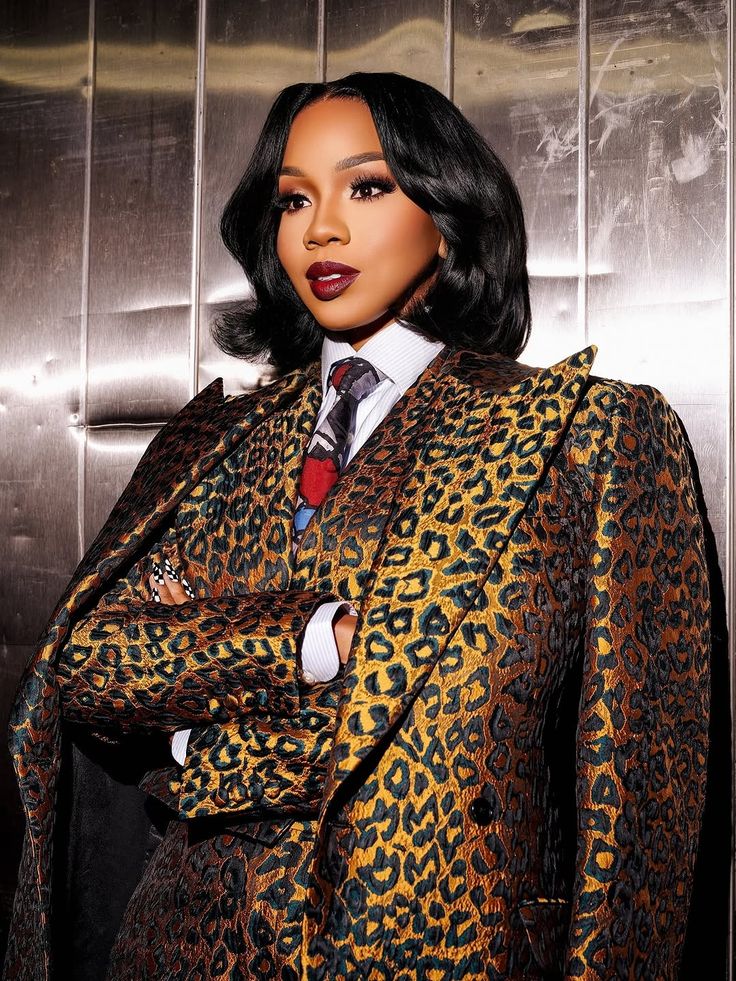
Every morning, before she leaves the house, a Black British woman makes a series of decisions that her white colleagues will never have to make. Not about what looks good. About what will be questioned. Whether her headwrap will draw a comment before she reaches her desk. Whether her Ankara blazer will prompt someone to ask where she is going later. Whether her locs, worn natural and uncompromised, will be described in the meeting notes as unprofessional without a single word being spoken aloud. These are not hypothetical anxieties. They are the daily arithmetic of Black professional life in Britain, and they have a long history that workplace diversity training has repeatedly failed to address.
What Black British women wear to work is fashion in the narrowest sense of the word. In every other sense, it is politics. It is a negotiation between self-expression and self-protection, between cultural visibility and professional survival, between the inheritance of Afrocentric aesthetics and the inherited expectations of British institutional life. The negotiation has been ongoing since the first generation of Black women arrived in Britain and walked into workplaces that had never imagined them as colleagues.
In British workplaces, what a Black woman wears to work has never been a simple choice. From hair discrimination under the Equality Act to Ankara blazers in the boardroom, this is the story of dress, power, and the politics of being seen.
A Dress Code Built for Someone Else
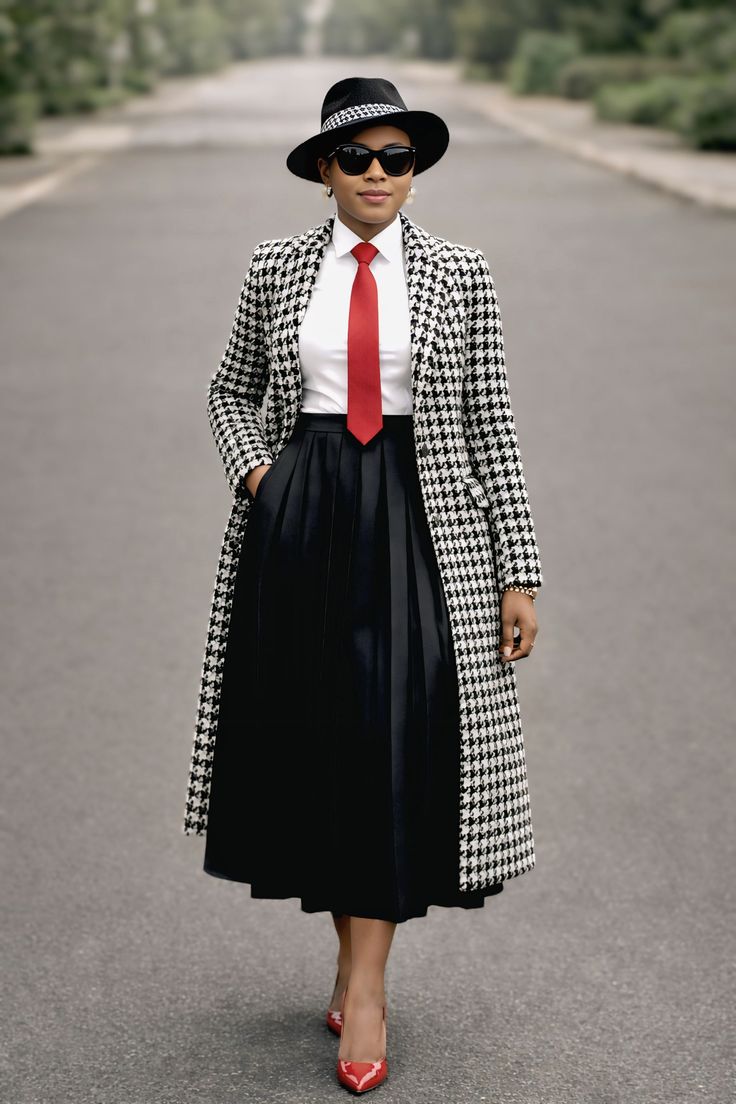
The British professional dress code did not emerge from a neutral tradition. It was built by and for a particular class, a particular culture, and a particular understanding of what authority looks like. The dark suit, the neutral palette, the requirement that clothing signal competence without signalling difference: these are not universal standards of professionalism. They are cultural standards that were encoded as universal and then applied to everyone who subsequently entered the room. For Black women in Britain, entering those rooms meant entering a set of rules that had been written without them in mind and that, in practice, often worked against them.
The Windrush generation and those who followed brought with them aesthetic traditions rooted in the Caribbean, West Africa, and the broader Afrocentric world. Church dress was immaculate and deliberate. Headwraps carried cultural and spiritual significance. Fabric choices communicated identity, occasion, and a sense of community belonging in the same way that Ankara had functioned in West Africa for over a century. In the workplace, these traditions were met not with curiosity but with the expectation of assimilation. The unspoken message was consistent: leave that at home.
The Hair That Changed the Conversation
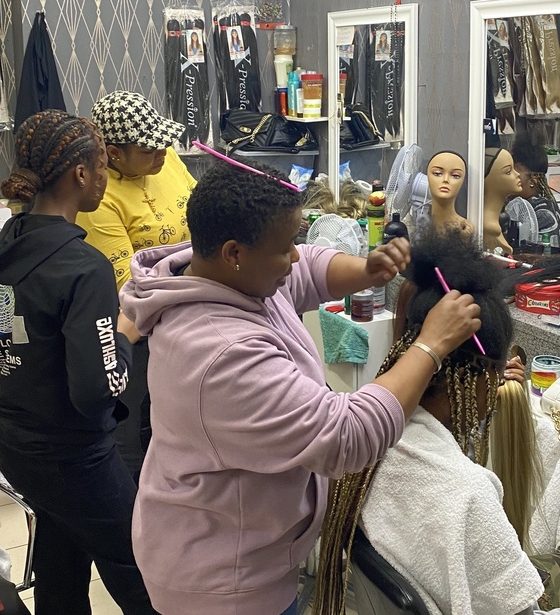
No dimension of Black British women’s professional appearance has been more contested, more documented, and more politically charged than hair. Research by Pantene, Black Minds Matter, and Project Embrace found that 93% of Black people in the UK have experienced microaggressions related to their Afro hair. Of those, 49% reported the discrimination occurring in the workplace and 45% during job interviews. According to the Halo Collective, one in four Black adults in the UK has been sent home from work or faced disciplinary action for wearing hair in a natural or protective style.
The 2023 CROWN Workplace Research Study, commissioned by Dove and LinkedIn, found that Black women’s hair is 2.5 times more likely to be perceived as unprofessional than that of white women. One in five Black women in the UK feels societal pressure to straighten their hair for work. The Halo Collective also found that 80% of Black women are more likely to change their natural hair to meet social norms or workplace expectations. These are not anecdotal patterns. They are statistical evidence of a systemic expectation that Black women make their bodies less visibly Black before they are permitted to be taken seriously.
The legal position in Britain offers partial protection at best. Hair is not explicitly listed as a protected characteristic under the Equality Act 2010, though hairstyles associated with cultural or ethnic identity can fall under the protected characteristic of race. In practice, this has meant that cases of hair discrimination are fought on a case-by-case basis with no guarantee of outcome. In October 2023, a Black waitress named Angelica Vial was awarded £16,753 in compensation after her employer repeatedly attempted to remove her wig at work, with the judge ruling the conduct amounted to racial harassment. The ruling was significant. It was also singular. Unlike the United States, where 24 states have now passed versions of the CROWN Act to prohibit race-based hair discrimination explicitly, the UK has no equivalent legislation. Michelle de Leon, chief executive of World Afro Day, has described hair discrimination in Britain as fifty years behind progress made on skin colour discrimination.
What They Actually Wear, and What It Means
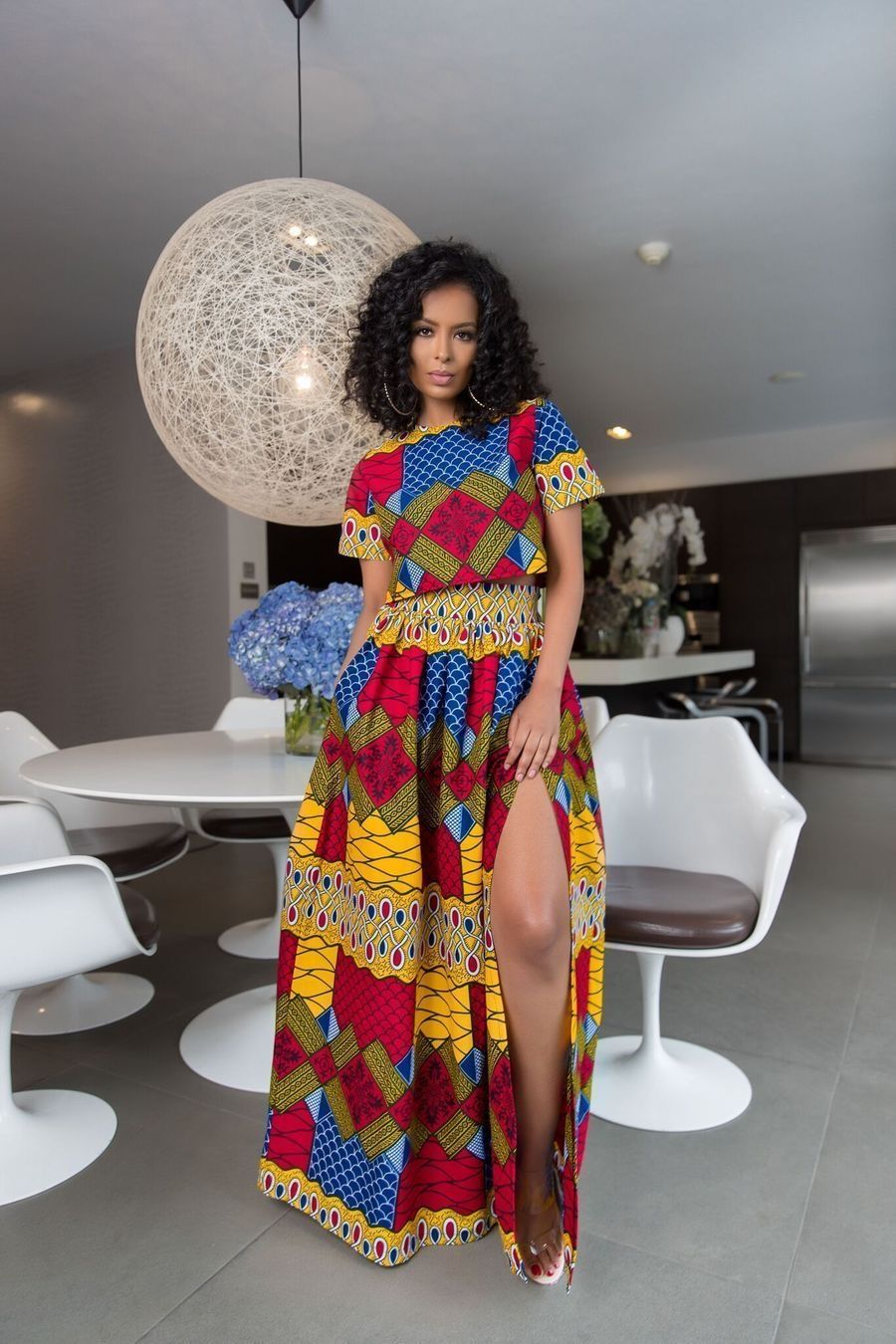
Against this backdrop, the choices Black British women make about what to wear to work carry a weight that extends well beyond personal style. In London’s financial and legal sectors, some Black women have adopted the dominant professional codes with precision, wearing them as armour rather than preference, understanding that the cost of deviation is counted not just in looks but in career outcomes. Others have made a different calculation. The Ankara blazer worn to a client meeting is not a fashion risk. It is a declaration. The headwrap that remains on a Black woman’s head in a boardroom is not an oversight. It is a refusal.
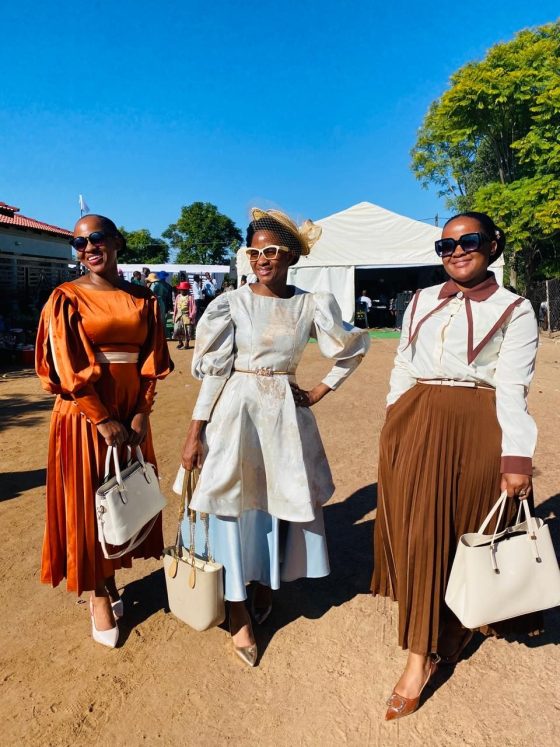
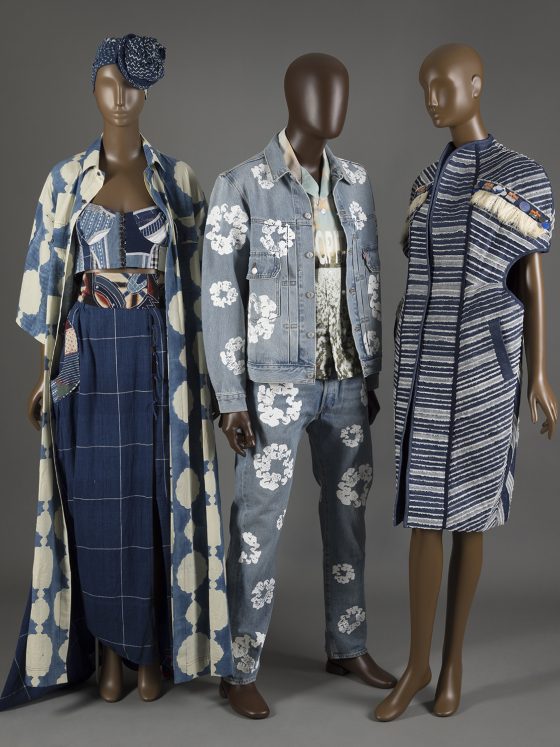
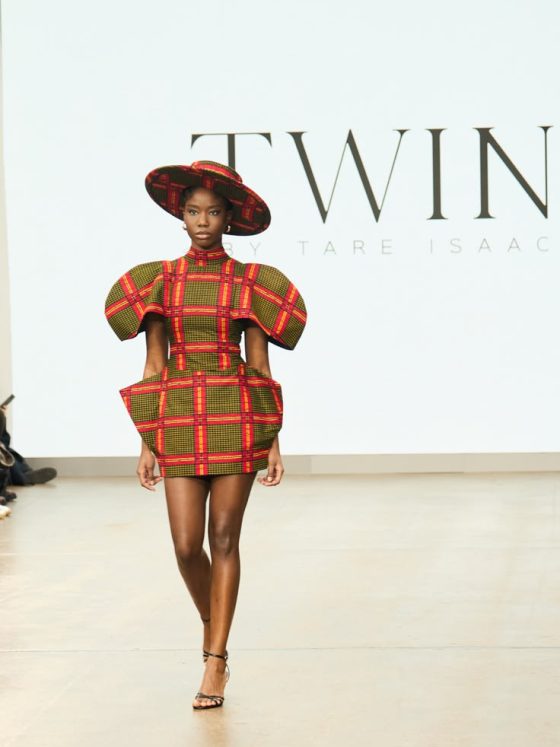
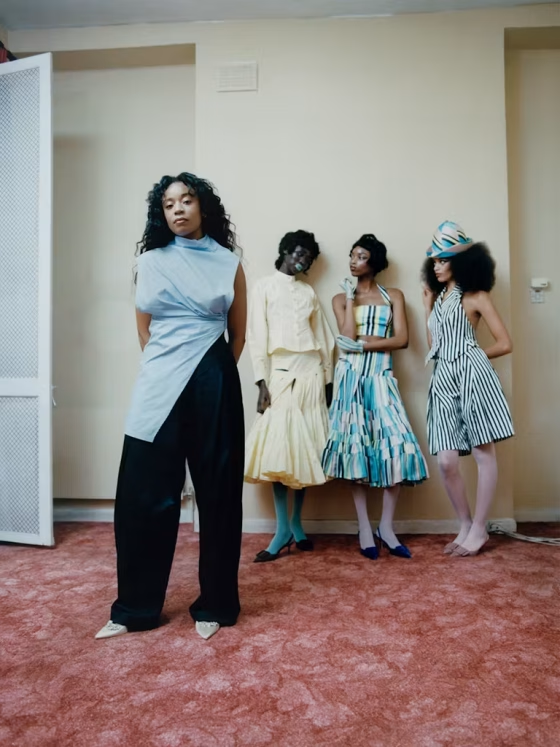
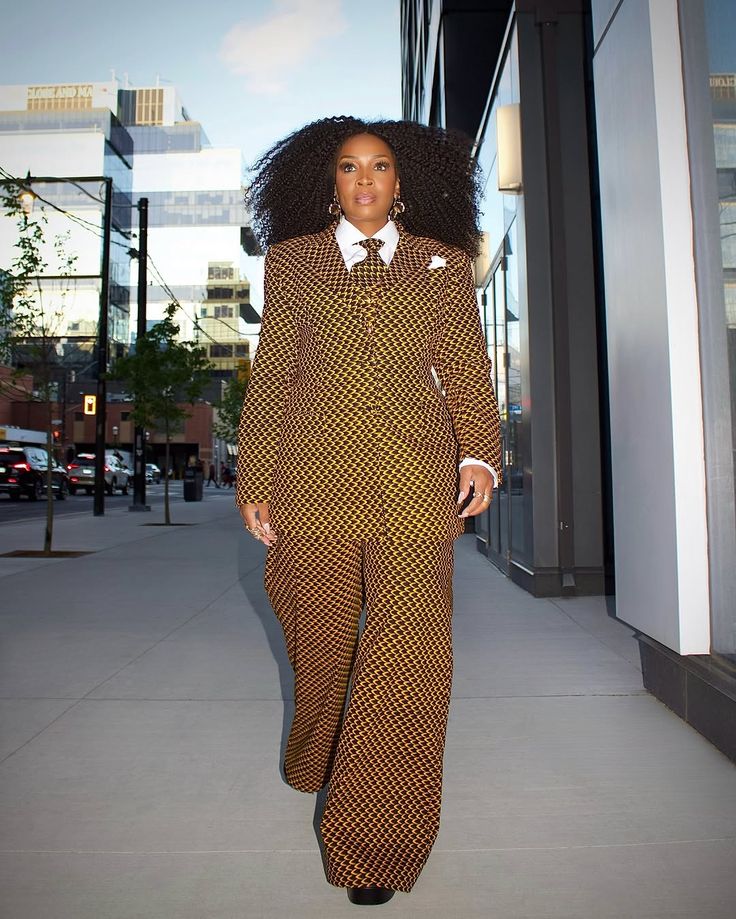
Black British women across industries are increasingly wearing textiles and aesthetics rooted in Afrocentric traditions into spaces that have historically required their suppression. Ankara-print co-ordinates are appearing in law firms and media companies. Headwraps are being worn in corporate presentations. Natural hairstyles, including Afros, locs, braids, and cornrows, are being maintained in offices where previous generations felt unable to wear them. This is not a generational shift in fashion taste. It is a generational shift in what Black British women are willing to surrender in exchange for the right to be present.
Also Read:
- How West African Print Became a Global Style Language
- Afrocentric Style and the New Professional Authority
- How the Diaspora Is Styling Yoruba Cloth for Everyday Life
The Inheritance from Windrush to Now
The archive of Black British women’s style is deeper than mainstream fashion media has ever acknowledged. London College of Fashion’s Fashioning Frequencies project, exhibited in 2025, documented the rich sartorial history of Black British women, tracing the intersection of fashion, music, and cultural identity from reggae and dancehall communities through to contemporary professional dress. The project’s curator described Black British women’s fashion, particularly the creativity and cultural pride evident in community styling, as rich with cultural significance yet under-represented in mainstream narratives.
That under-representation has consequences. When Black British women’s fashion choices are not documented, theorised, or taken seriously as cultural production, the default interpretation of those choices defaults to the lens of the dominant culture: too much, too bright, too ethnic, or too informal. The woman who wears her grandmother’s Ankara print to work is not making a casual styling decision. She is carrying a textile tradition with a documented history stretching back through independence politics, Mama Benz traders, and the Dutch colonial ports of the 1880s. The blazer made from that cloth did not arrive in a London office without a biography.
The Shift That Is Already Happening
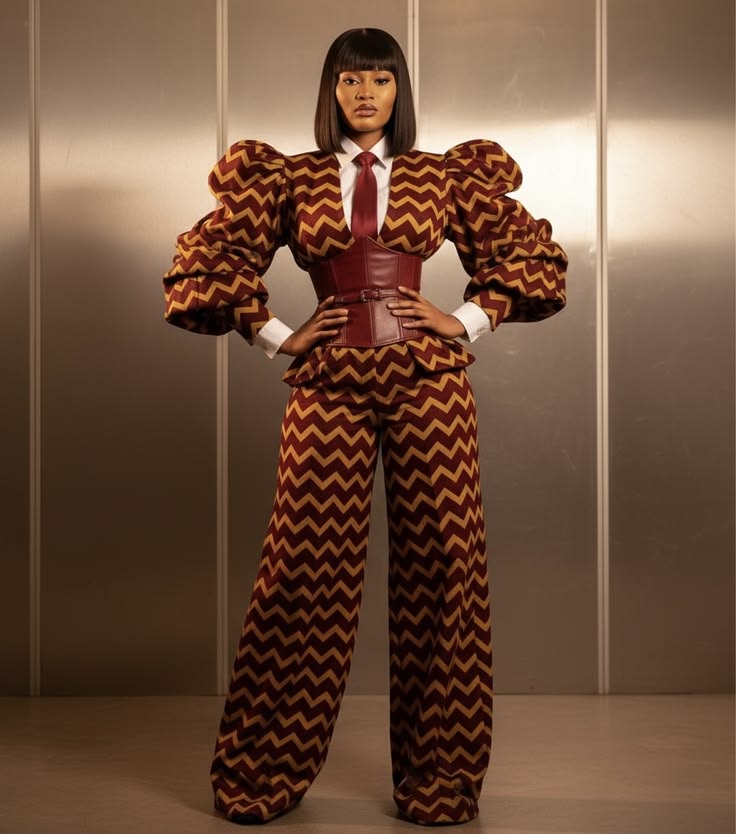
Something is changing. Across British workplaces, particularly in creative industries, media, education, and the arts, the visual presence of Black British women dressing on their own terms is becoming harder to ignore and harder to penalise. The Halo Code, developed in the UK as the country’s first Black Hair Code, has been adopted by a growing number of schools and workplaces committed to protecting the right to wear natural and protective hairstyles without discrimination. The discourse around inclusive dress codes is entering corporate policy conversations that would not have entertained it a decade ago.
None of this resolves the fundamental problem. A dress code that was never designed with Black women in mind cannot be made inclusive through add-on policies and awareness sessions. It requires a structural rethink of what professionalism means, what it was designed to signal, and whose cultural reference points were used to define it. Black British women have been conducting that rethink through their wardrobes for decades. The institution is only now beginning to catch up.
Omiren Argument:
The British workplace dress code has never been politically neutral, and it has never been culturally innocent. It was built on a specific aesthetic inheritance that treated one culture’s conventions as the universal standard of professionalism and everything else as a deviation requiring justification. Black British women have known this from the moment they first walked into those workplaces, and the way they have dressed since then has been a sustained, daily argument with that assumption. When a Black woman in London goes to work in an Ankara blazer or keeps her headwrap on in a meeting room, she is not making a cultural exception to a neutral norm. She is exposing the norm for what it always was: a choice that was never declared as such, a preference that was never named as one, a cultural standard that was permitted to masquerade as a universal one for as long as the people setting it could keep everyone else out of the room.
The consequences of that masquerade are measurable and documented. Black women who change their hair, suppress their textiles, and neutralise their aesthetic to be taken seriously in British professional life are not exercising a free style choice. They are paying a cultural tax that their white colleagues are never asked to pay. That tax has a cost in confidence, in identity, and in the slow erosion of the self that happens when a person is required, five days a week, to make themselves less visible to be seen as credible. Dress codes that do not name this dynamic are not neutral. They are complicit in it. Getting dressed for work is political for every woman who was never included in the original definition of professional.
A policy update or a diversity initiative will not settle the question of what Black British women wear to work. It will be settled when the rooms they enter are genuinely built for them rather than grudgingly adjusted to accommodate them. Until then, every headwrap, every Ankara blazer, every Afro maintained, and every loc uncut in a British office is doing two things at once. It is getting dressed. It is also making an argument. The two have never been separable for the women making those choices, and it is long past time for British professional culture to understand why.
Frequently Asked Questions
Why is workplace fashion political for Black British women?
British professional dress codes were built on cultural standards that treated one aesthetic tradition as the universal definition of professionalism. For Black British women, whose cultural and aesthetic inheritance falls outside that tradition, every choice about what to wear to work involves navigating those encoded expectations. Hair, fabric choices, headwraps, and Afrocentric textiles are all subject to scrutiny that white colleagues do not face, making the act of getting dressed a negotiation between cultural identity and professional acceptance.
What does UK law say about Afro hair discrimination in the workplace?
Hair is not explicitly listed as a protected characteristic under the Equality Act 2010. However, hairstyles associated with cultural or ethnic customs can fall under the protected characteristic of race, meaning employers who discriminate against natural or protective hairstyles may be liable for race discrimination. Unlike the United States, where 24 states have passed versions of the CROWN Act to explicitly prohibit race-based hair discrimination, the UK has no equivalent legislation. Cases are pursued on an individual basis, and outcomes are inconsistent. A 2023 case resulted in an award of £16,753 to a Black woman whose employer attempted to physically remove her wig at work.
How widespread is hair discrimination against Black women in UK workplaces?
Research by Pantene, Black Minds Matter, and Project Embrace found that 93% of Black people in the UK have experienced microaggressions related to their Afro hair, with 49% reporting this occurred in the workplace. The Halo Collective reports that one in four Black adults in the UK has been sent home from work or faced disciplinary action for wearing hair in a natural or protective style. The 2023 CROWN Workplace Research Study found that Black women’s hair is 2.5 times more likely to be perceived as unprofessional than that of white women, and one in five Black women in the UK feels pressured to straighten their hair for work.
What is the Halo Code and how does it affect Black British women at work?
The Halo Code is the UK’s first Black Hair Code, developed by the Halo Collective to protect the right of employees and students to wear natural and protective hairstyles without facing discrimination. It has been adopted by a growing number of British schools and workplaces. The code explicitly protects Afros, locs, braids, cornrows, wigs, headwraps, and other styles associated with Black heritage. While it does not carry the force of legislation, it represents a formal commitment by adopting organisations to recognise that Afrocentric hairstyles are professional by definition, not despite their cultural origins.