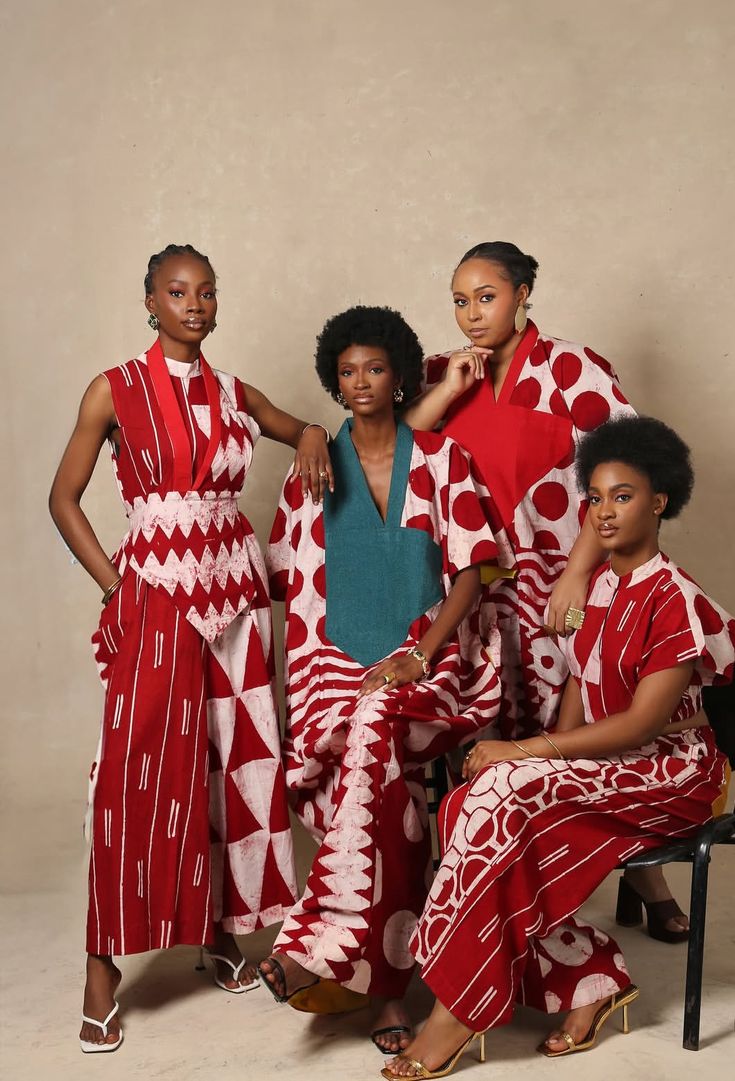
The most enduring style movements in modern history did not begin as aesthetic experiments. They began as acts of correction. Communities under pressure used clothing to challenge distortion, reclaim dignity, and reassert authorship over how their bodies were read in public. What later entered museums and luxury campaigns often started as a refusal.
To understand fashion as power, we must begin with resistance.
Across Africa, the Caribbean, and Black Latin America, dress has functioned as language when speech was censored, as sovereignty when borders were imposed, and as continuity when histories were interrupted. These movements were not trend cycles. They were cultural strategies.
How cultural resistance shaped global style movements, from Black liberation fashion to anti-colonial dress politics across Africa and the diaspora.
The Dashiki and the Refusal of Assimilation
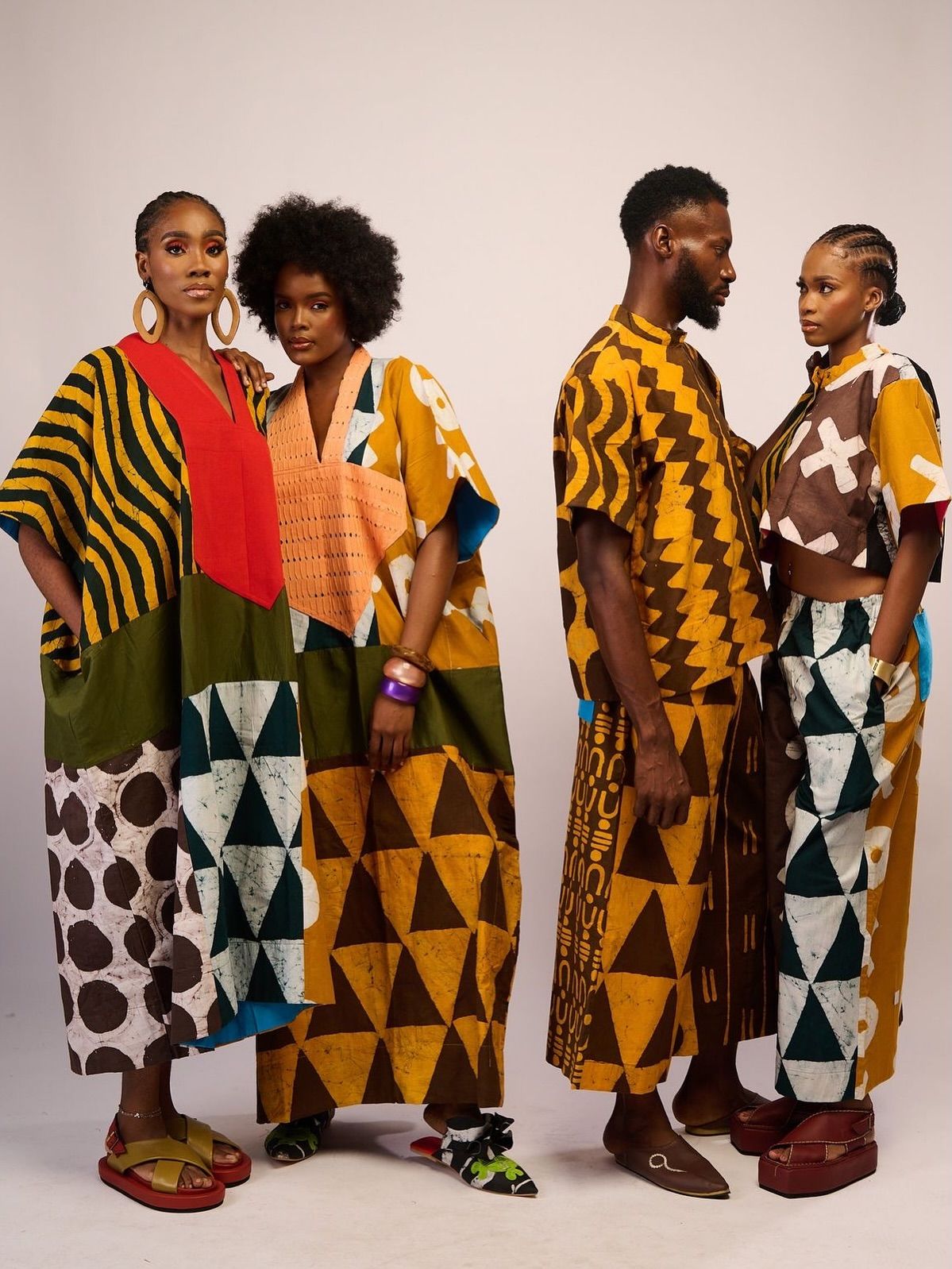
In the United States during the 1960s and 1970s, as civil rights activism intensified, the dashiki moved from a West African garment to a diasporic political uniform. Its adoption was not accidental. In a society that equated proximity to European tailoring with respectability, the dashiki disrupted the code.
To appear in public wearing a garment visibly rooted in West African heritage was to reject enforced assimilation. It challenged corporate dress norms, church hierarchies, and educational expectations that policed appearance as a measure of worth. Paired with natural hair and African names, it became part of a broader reclamation of Black identity.
The commercialisation of the dashiki decades later cannot erase its origin as a corrective gesture. It signalled that Black visibility would not be negotiated through European approval.
La Sape: Elegance as Post-Colonial Strategy
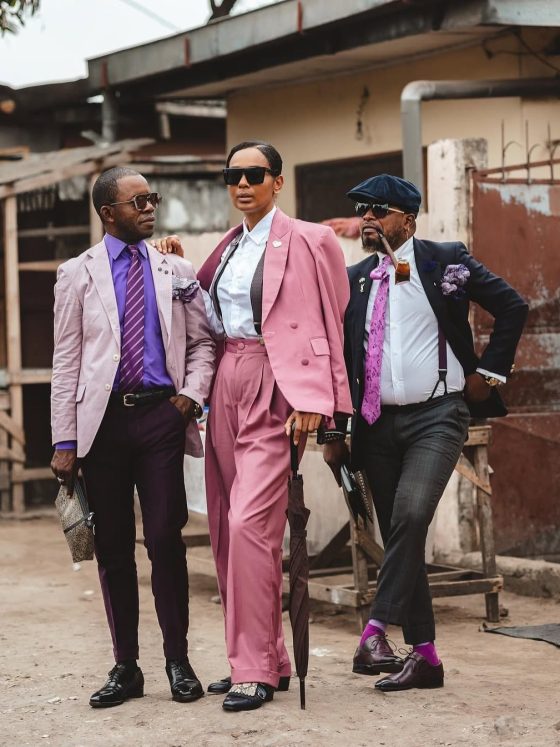
In Brazzaville and Kinshasa, the movement known as La Sape transformed the colonial suit into a theatre of self-definition. Rather than outright rejecting European tailoring, Congolese Sapeurs exaggerated it. They mastered colour theory, silhouette balance, and textile quality with studied precision.
This was not mimicry. It was reframing.
In contexts marked by economic marginalisation and colonial residue, hyper-elegance functioned as a declaration of dignity. The suit, once a marker of imposed hierarchy, became a tool of authorship. The Sapeur did not merely wear clothing. He performed well.
By insisting on refinement in environments structured to deny it, La Sape turned style into a disciplined act of resistance. Its influence now appears on global runways, often detached from its Congolese intellectual origins—the aesthetic travels. The context must travel with it.
Khadi and the Politics of Self-Sufficiency
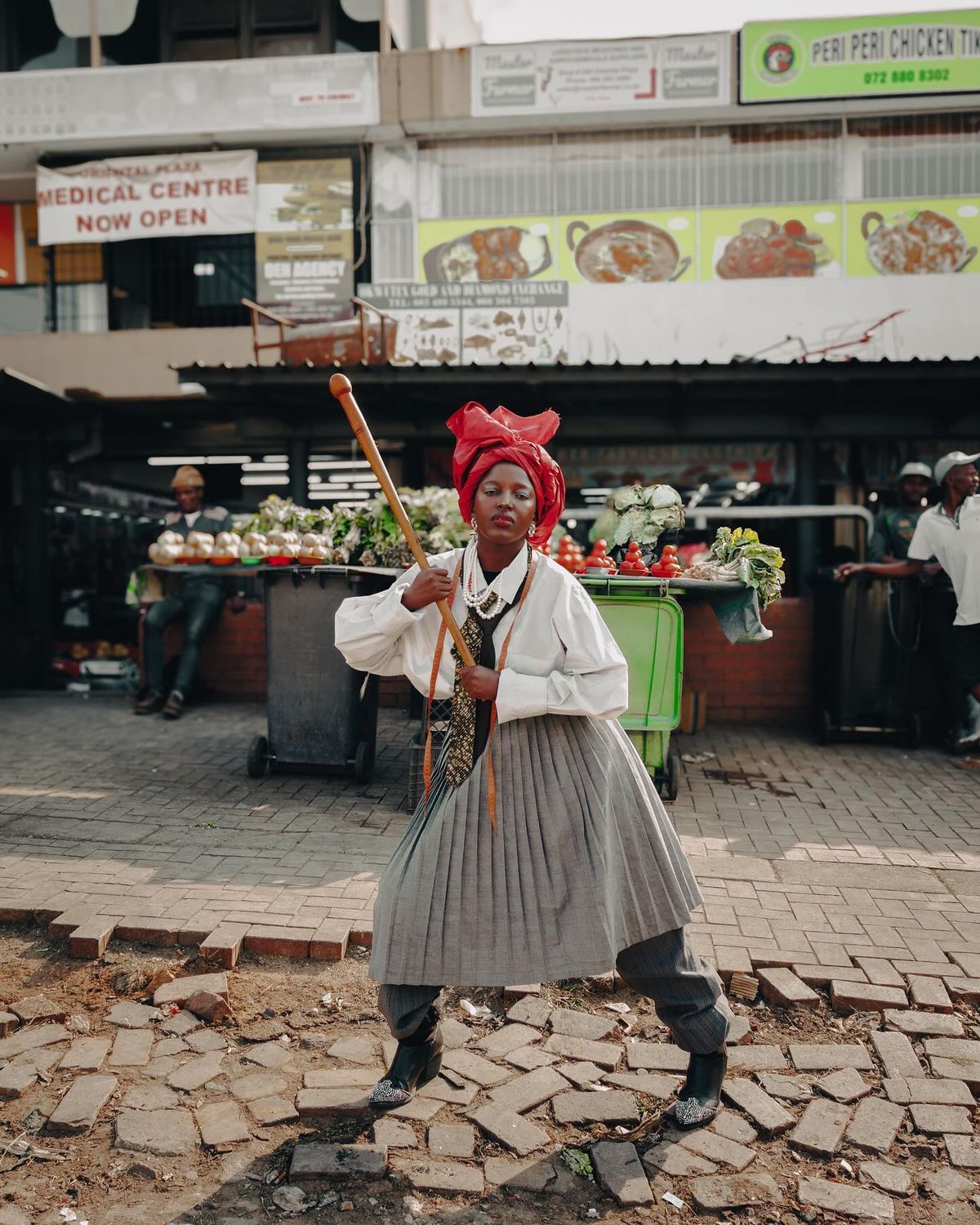
During India’s independence movement, homespun khadi cloth became a visible rejection of British industrial imports. Leaders such as Mahatma Gandhi encouraged citizens to spin and wear local textiles as an economic and political strategy.
Khadi transformed the body into a site of protest. Each garment worn weakened colonial supply chains and reinforced local production. It was not presented as a luxury. It was framed as autonomy.
For African audiences, this model resonates. Across the continent, textile continuity under colonial pressure functioned similarly. Indigenous dress was often discouraged in missionary schools and administrative spaces, yet it persisted in ceremonies, markets, and political gatherings. The refusal to abandon local textiles was itself a declaration of sovereignty long before flags were raised.
Resistance does not always announce itself loudly. Sometimes it survives through continuity.
ALSO CHECK OUT:
- What the Most Influential Fashion Pieces of 2026 Communicate Today
- Simplify, Then Elevate: The Quiet Power of Digital Minimalism in Fashion
Carnival as Counter-Narrative in the Caribbean
In Trinidad and across the Caribbean, Carnival evolved from colonial-era masquerade into a layered performance of satire and reclamation. Characters such as the Jab Molassie used costumes to parody plantation hierarchies and mock colonial authority. Dress became theatre, and theatre became critique.
Carnival aesthetics are often reduced to spectacle in global media. Yet their origins are rooted in post-emancipation assertion. Fabric, feathers, and paint functioned as instruments of inversion. The formerly policed body became the centre of attention. Movement replaced constraint.
Today, Caribbean Carnival influences global festival fashion and luxury embellishment trends. However, its political lineage reminds us that extravagance can be a form of defiance when visibility itself was once restricted.
Why Resistance Produces Endurance
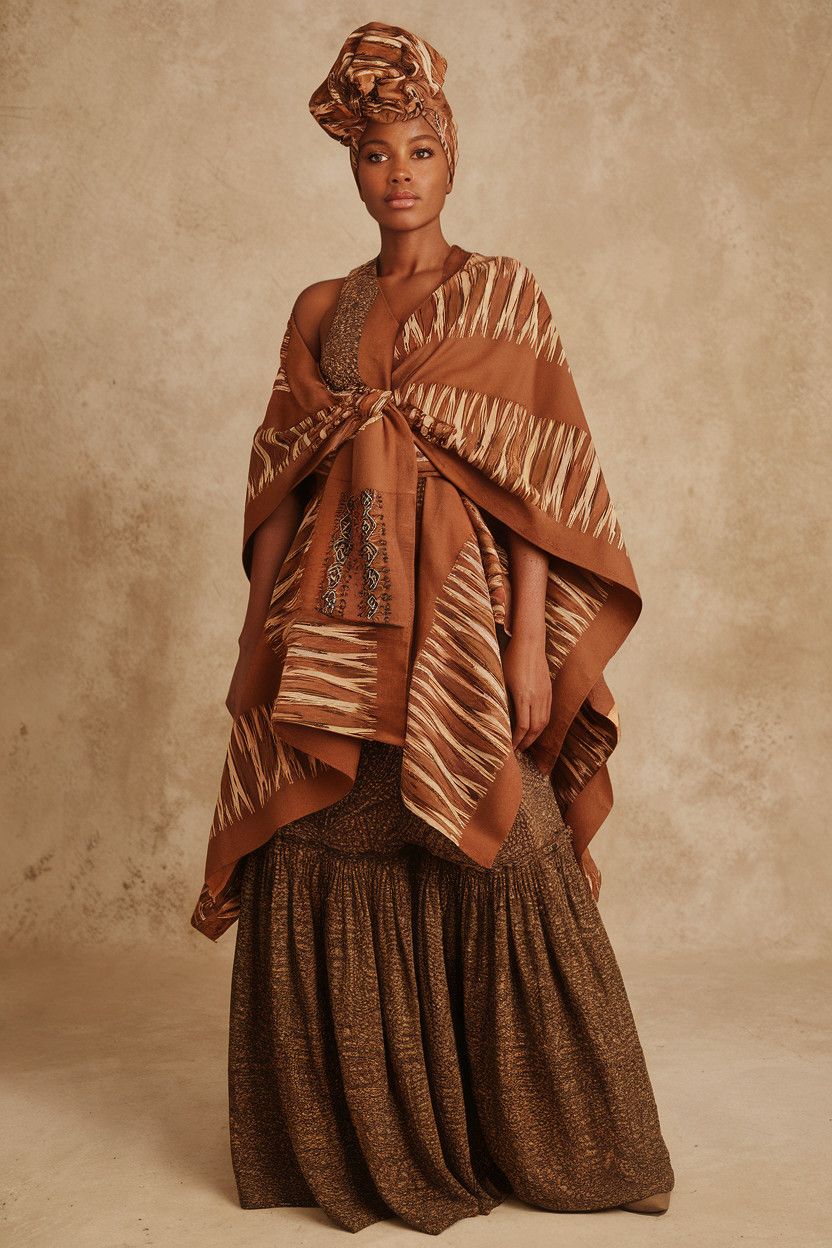
Style movements born from resistance carry encoded meaning. They are anchored in lived stakes rather than seasonal appetite. That depth produces longevity.
Market-driven trends depend on novelty. Resistance-driven aesthetics depend on necessity. When communities use clothing to protect dignity, assert identity, or contest power, the resulting visual language embeds memory within fabric. It becomes intergenerational.
This is why liberation-era silhouettes resurface across decades, why indigenous textiles remain politically charged, and why diaspora communities continue to reinterpret ancestral dress in contemporary urban contexts. The aesthetic evolves, but the underlying argument persists.
The Contemporary Responsibility
Global luxury systems frequently absorb resistance aesthetics once their political urgency softens. Braided hairstyles appear on runways without acknowledging their policing in professional spaces. Tailoring inspired by Congolese elegance circulates without reference to Brazzaville. Carnival beadwork becomes “festival chic.”
The aesthetic is extracted. The origin is diluted.
For African, Caribbean, and Black Latin American designers, the task now extends beyond creation. It includes narrative protection. Authority requires authorship. To reclaim the narrative is to insist that these movements be understood as intellectual and political contributions rather than mere visual resources.
Conclusion
The history of style is not a sequence of decorative shifts. It is a record of communities negotiating power through appearance. When systems attempted to define them narrowly, they answered in fabric.
Resistance wrote the dress code long before fashion weeks claimed it.
To study these movements seriously is not simply to admire their beauty. It is to recognise their courage, their strategy, and their enduring claim to authorship.
FAQs
- How did cultural resistance influence global fashion movements?
Cultural resistance shaped fashion by turning clothing into a tool of political assertion, identity reclamation, and economic autonomy across Africa and the diaspora.
- Why was the dashiki significant during the Black Power movement?
The dashiki symbolised rejection of Eurocentric dress codes and affirmed African heritage during the civil rights era in the United States.
- What is La Sape, and how is it connected to resistance?
La Sape is a Congolese movement that reinterpreted European tailoring as a performance of dignity and post-colonial self-definition.
- How did Carnival function as resistance in the Caribbean?
Carnival costumes and masquerade traditions inverted colonial hierarchies and asserted post-emancipation identity through performance and dress.
- Why do resistance-based style movements endure longer than trends?
Because they are rooted in historical struggle and collective memory, resistance-driven aesthetics carry meaning that extends beyond seasonal fashion cycles.