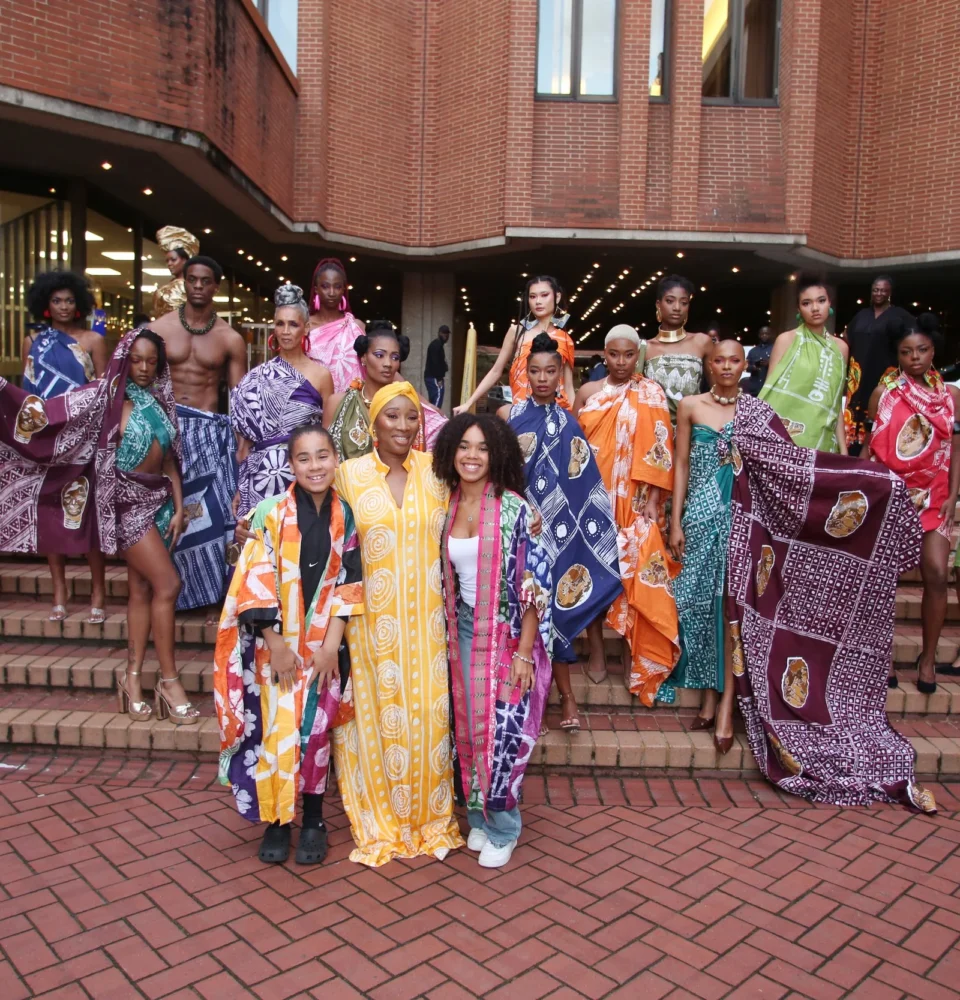
Brixton Market has been selling West African fabric since the 1950s. Ridley Road Market in Dalston has stocked Ghanaian and Nigerian textiles, Senegalese wax print, and East African cotton since the generation of Windrush settlers built their community infrastructure in the surrounding streets. The Nigerian and Ghanaian tailors of Peckham have been producing agbada, ankara print tailoring, and lace gowns for London’s African community celebrations for four decades. None of this is new. None of it rose. What the mainstream British fashion press and the glossy features about London’s ’emerging’ African style scene are actually documenting is not the appearance of a Black fashion culture that did not previously exist. They are documenting their own arrival, decades late, to a scene that was always present, simply operating in spaces their gaze had not previously reached.
London’s African style scene did not rise. It was always there. What changed is who is now paying attention. This is the full story of a fashion culture hiding in plain sight.
The Rise That Was Never a Rise
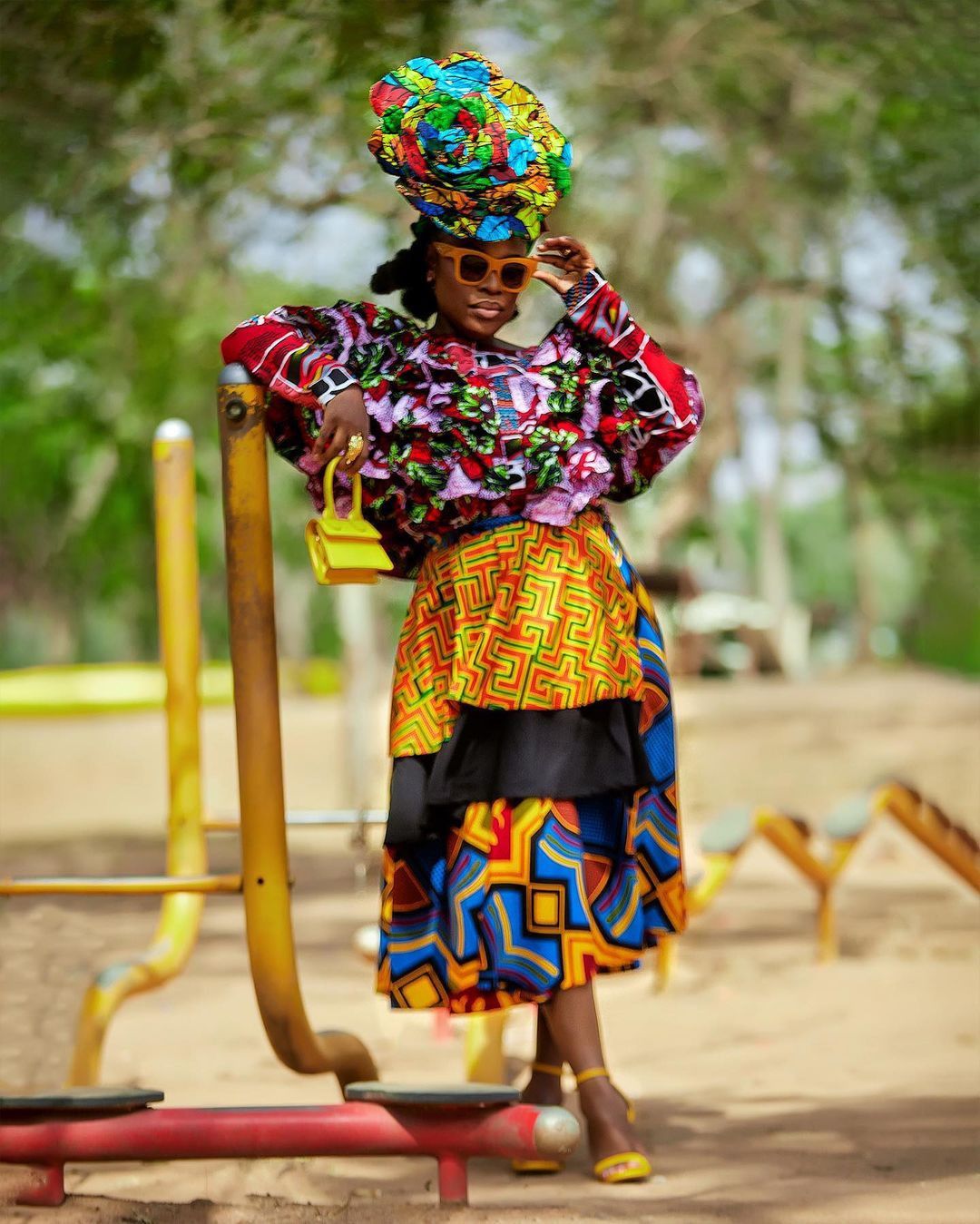
The language of emergence that dominates coverage of London’s African fashion scene carries a specific implication: that something is coming into being that did not exist before. A scene is rising. A district is forming. Designers are appearing. The community is finding its voice. Each of these formulations positions the journalistic observer as the witness to a birth and positions the community being observed as newly arrived at cultural significance. Neither is accurate.
The African and Caribbean communities that built cultural and commercial ecosystems in Brixton, Hackney, Peckham, and Woolwich from the 1950s onwards were not waiting for mainstream recognition to begin their cultural production. They were building social infrastructure, commercial networks, and aesthetic communities with or without that recognition, because recognition was unavailable and the communities could not afford to wait for it. The fabric shops, the tailors, the market traders, the community sewists, and the church dressmakers who produced gowns for Nigerian and Ghanaian funerals, christenings and weddings in church halls across South and East London – these constitute a fashion ecosystem with a longer history in London than most of the brands that London Fashion Week platforms annually.
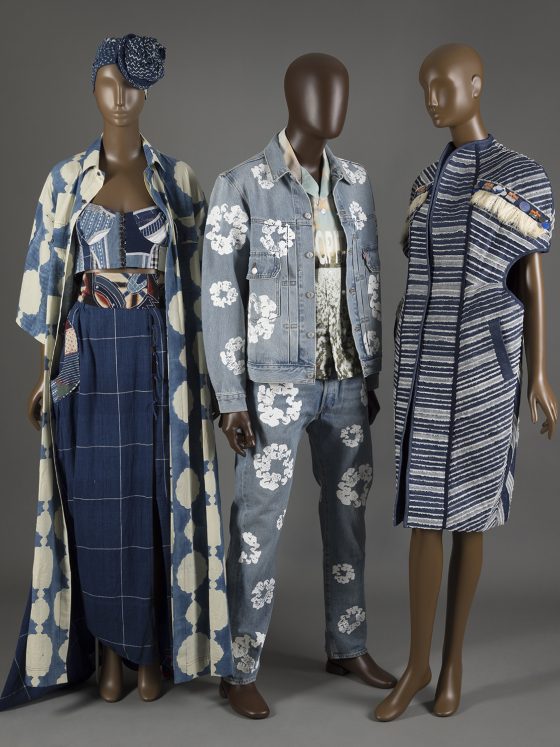
The V&A’s 2022 African Fashion exhibition, which drew record attendance and was widely covered as evidence of African fashion’s arrival in the mainstream British cultural conversation, featured pieces by African and African diaspora designers, drawn from decades-long collections. The exhibition was not a debut. It was a retrospective. The designers it featured, including Duro Olowu, who has been producing his London-Lagos collections since 2004, and the historical garments that traced African fashion’s trajectory from pre-colonial dress through independence-era couture to contemporary design, had been building the canon that the exhibition documented long before the V&A decided the canon was worth housing. The exhibition’s significance was not that it created the conversation. It was what forced the conversation into an institution that had previously ignored it.
Brixton Market: The First Fashion District Nobody Named
Brixton Market, operating across Electric Avenue, Granville Arcade, and the surrounding streets of Brixton since the 1870s, became a centre of Caribbean and West African commercial and cultural life from the late 1940s onwards as the communities of the Windrush generation and subsequent African immigration built their presence in South London. By the 1960s, the market included traders selling West Indian and West African food, fabric, and household goods in a commercial ecosystem that served a community whose needs the mainstream British retail infrastructure consistently failed to meet.
The fabric traders of Brixton Market were not running a hobby enterprise or a cultural curiosity. They were operating commercial businesses that supplied the raw material for an entire domestic fashion culture: the sewists and tailors who produced the dress worn at Caribbean and West African community events across South London. The Ankara, lace, aso-oke, crepe, and chiffon in the specific colours and weights required for Nigerian and Ghanaian occasion wear were available in Brixton before they were available anywhere else in London. Brixton Market was the wholesale infrastructure of an entire community’s fashion culture, and it was invisible to the mainstream fashion press because it was not looking.
By the 1980s and 1990s, Brixton had also become a centre of Black British music culture, and the aesthetic produced by that music culture, the visual identity of lovers rock, jungle, and UK garage as they developed through the 1990s, was partly rooted in the dress sensibility of the West African and Caribbean communities that had built the neighbourhood. The Black Cultural Archives in Brixton, established in 1981, holds photographic and documentary records of this culture that constitute one of the most significant archives of Black British aesthetic life. The fashion history documented in those archives does not begin with a rise. It begins with arrival, community building, and the quiet establishment of a dress culture that served its community without requiring external validation.
Ridley Road, Dalston, and the East London African Fabric Trade
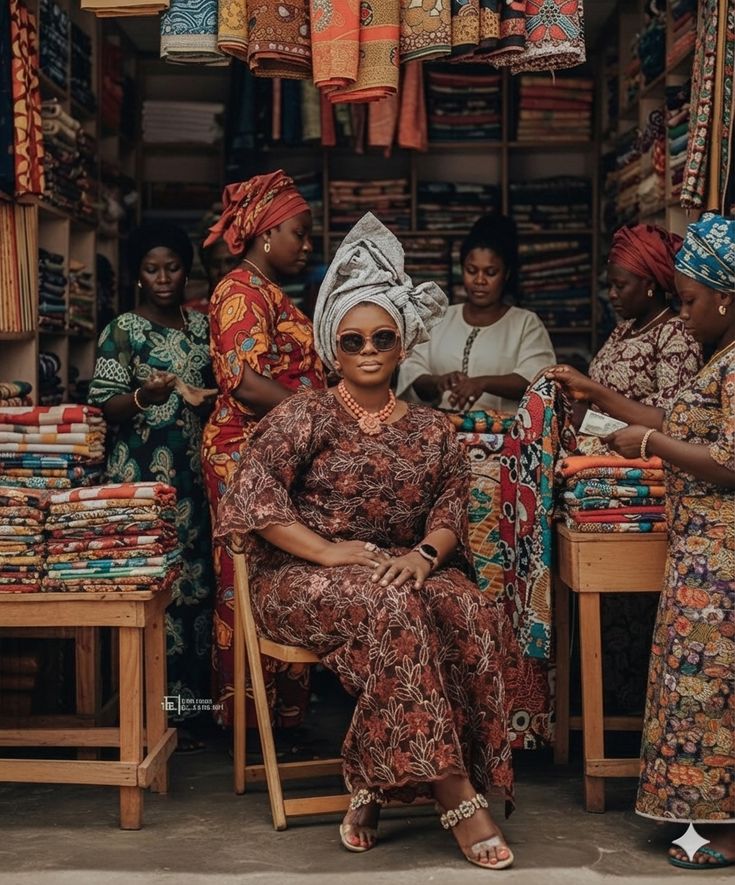
Ridley Road Market in Dalston, Hackney, has been the primary site of West African fabric retail in East London for decades. The market, which runs along Ridley Road between Kingsland Road and St Mark’s Rise, includes traders who have been selling Ghanaian, Nigerian, Senegalese, and East African fabrics from the same stalls for twenty, thirty, and, in some cases, forty years. These traders are not pop-up vendors responding to a trend. They are established commercial operations with long-term relationships with fabric wholesalers in Lagos, Accra, and Dakar, and a customer base that extends from Hackney across East London and into the wider African diaspora community in the city.
The fabric available at Ridley Road offers a more comprehensive survey of West and East African textile production than most European fashion buyers encounter in their careers. Dutch wax print in patterns sourced from the Vlisco archives. Nigerian lace in the specific weights and patterns required for aso-ebi coordination. Ghanaian kente strip in authentic hand-woven form alongside the machine-woven versions produced for the export market. Aso-oke, in its traditional woven form, is used for Yoruba headwear, and modern versions are used for occasion wear. Adire and batik in patterns that carry the full design vocabulary of the Yoruba resist-dye tradition. This is not a selection. It is a specialist inventory, built over decades by traders who know their customers and know their merchandise with the depth that only long commercial and cultural commitment produces.
The East London fashion scene that British fashion media has been covering with increasing intensity since the late 2010s, centred on Dalston, Hackney, and the creative communities of Peckham and New Cross, has consistently drawn aesthetic energy from the African fabric and dress culture embodied by Ridley Road and its surrounding community. The designers, graduates, and independent fashion practitioners who have built their practices in and around East London have had direct access to one of the most comprehensive African textile inventories in the United Kingdom, available on a market stall rather than through a specialist supplier, at the prices a working designer can afford. That proximity is not incidental to the aesthetic character of the work coming out of this part of London. It is part of its material foundation. The influence flows from the market to the design studios as reliably as it flows from the design studios to the runways. What has not flowed through, until recently, is the mainstream fashion press.
“London’s African style scene did not rise. It was always there. What rose was the mainstream’s willingness to acknowledge what existed outside its gaze. The story is not about emergence. It is about visibility politics.”
Peckham: The Tailoring District That Fashion Forgot
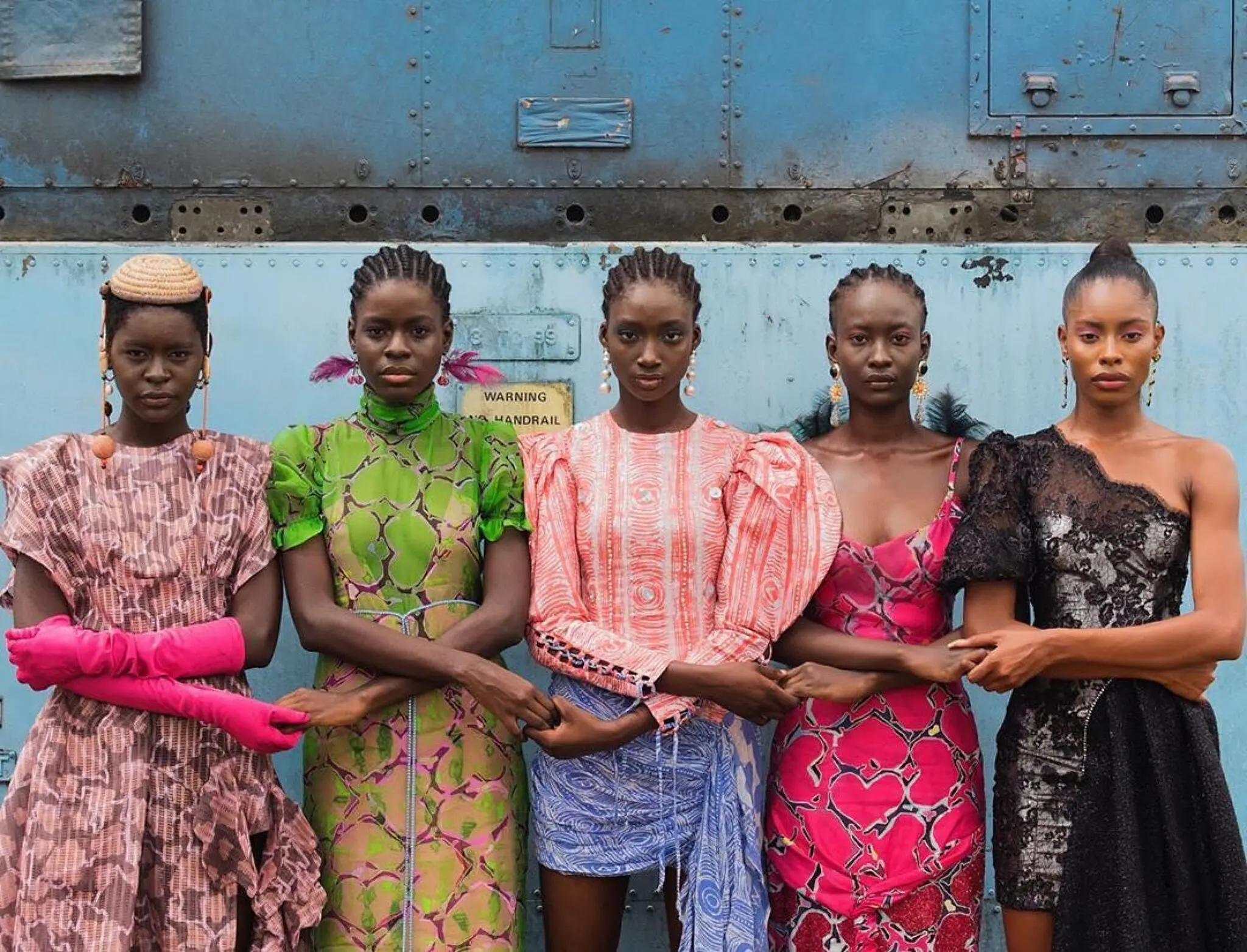
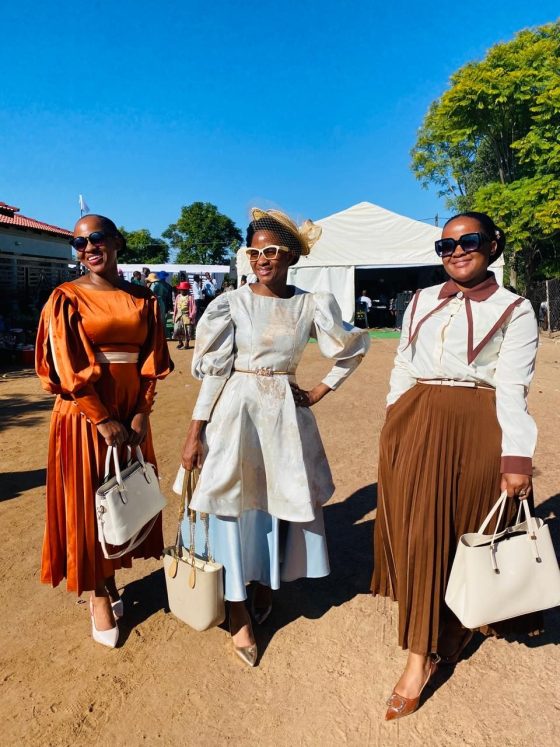
Peckham Rye and the surrounding streets of Peckham in South East London constitute what is, by any reasonable measure, the most productive concentration of African fashion tailoring in the United Kingdom. The Nigerian, Ghanaian, Sierra Leonean, and Congolese tailors who have operated from Peckham’s side streets, market units, and commercial arches for the past three decades produce a volume and variety of occasion wear that has no equivalent elsewhere in British fashion—an agbada in hand-embroidered aso-oke. Lace gowns sewn to the specific requirements of Nigerian formal event dress. Iro and Buba in the weights and colours required by Aso-ebi coordination. Kaba and slit for Ghanaian funerals and weddings. The tailoring is not generic. It is specific to the cultural requirements of the communities it serves, and those requirements are complex, exacting, and governed by aesthetic codes that take years to learn.
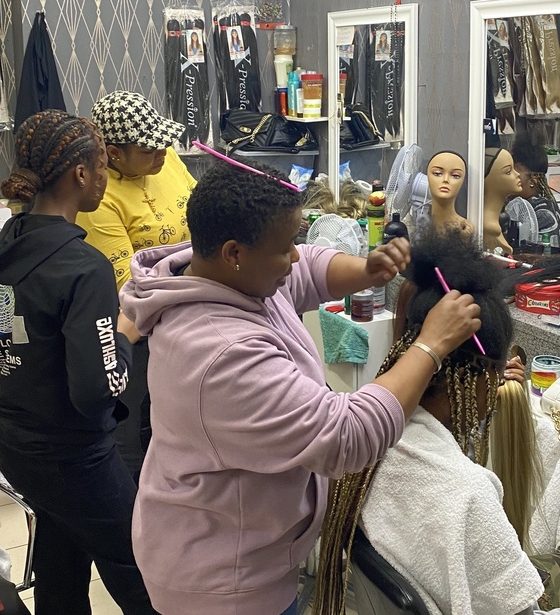
The tailors of Peckham are fashion professionals operating without the infrastructure that the mainstream British fashion industry would require to take them seriously: without showrooms, press agents, wholesale relationships with major retailers, or representation at London Fashion Week. They do not need these things because they are serving a community that does not source its fashion through the channels those institutions serve. The Nigerian woman in Peckham who needs an agbada for her son’s wedding does not go to a department store. She goes to the tailor three streets away, who has been making her family’s occasion wear for fifteen years and who knows her mother’s proportions as well as her own.
The commercial ecosystem supporting this tailoring culture is extensive. Peckham houses African fabric shops, African haberdashery suppliers, and African textile importers operating from commercial units that supply the tailors and also sell directly to community sewists. The Peckham Levels creative hub, established in 2017 in the former multi-storey car park on Peckham High Street, has given some visibility to Peckham’s creative community, including African-heritage designers and fashion practitioners who have used its studio and retail space to build their practices. But the deeper tailoring culture of the surrounding streets is not in a creative hub. It is in the units and arches and front rooms where the real work of London’s African fashion has always been done, without a name, without a district designation, and without needing either.
The Designers Who Built Without Waiting for Permission
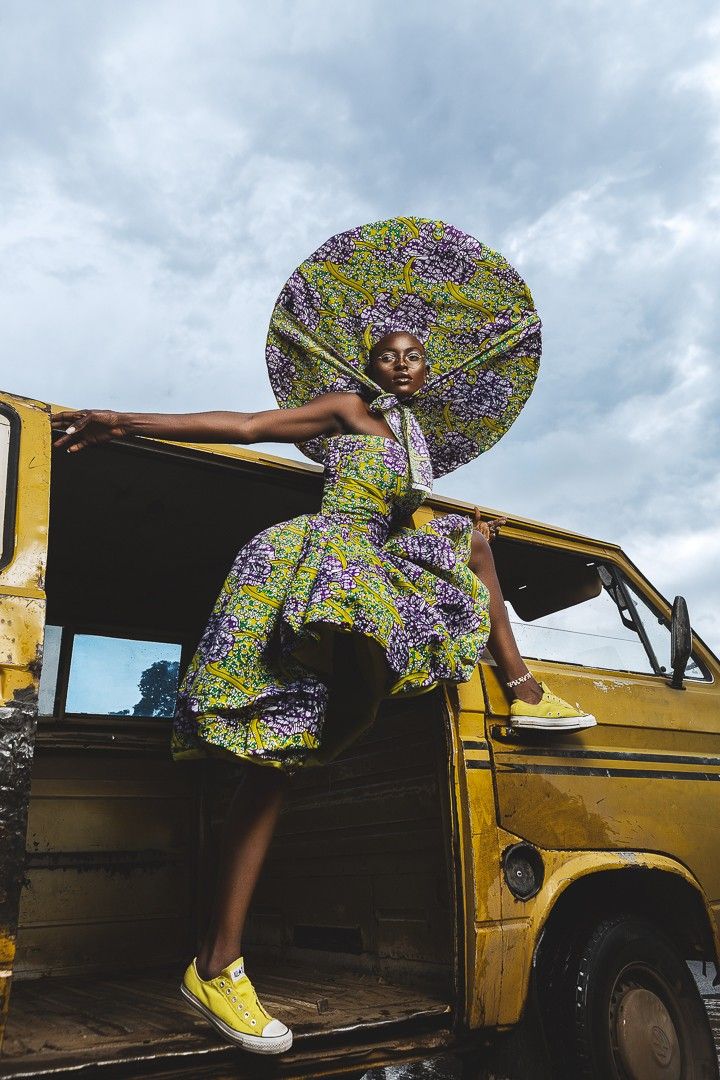
The British-African designers who have achieved international recognition in the past two decades did not do so by waiting for the London fashion establishment to create space for them. Duro Olowu, born in Lagos and based in London, launched his eponymous label in 2004 and built a following among international fashion editors and buyers through the specificity and cultural depth of his design, which drew on Nigerian, Jamaican, and broader West African aesthetic traditions without framing itself as the delivery of African fashion to a global audience. The Museum of Arts and Design in New York acquired Olowu pieces for its permanent collection before most British fashion institutions had seriously engaged with his work. The international recognition preceded the domestic institutional recognition, which is the consistent pattern for Black British designers whose cultural reference points fall outside the parameters of what British fashion institutions have historically considered relevant.
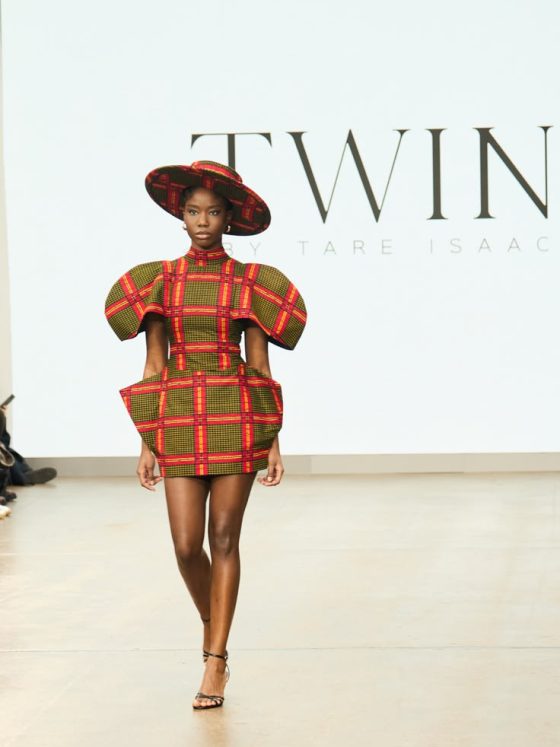
Mowalola Ogunlesi, whose Central Saint Martins graduate collection in 2018 drew directly on Yoruba spiritual tradition and Nigerian street culture, was appointed as Kanye West’s creative director of YEEZY Gap before most British fashion media had given her practice a substantial profile. Labrum London, founded by Sierra Leonean British designer Foday Dumbuya, has been building collections that explicitly reference Sierra Leonean tailoring tradition and Temne and Mende cultural heritage since 2017, achieving press coverage and commercial traction through a design language that British fashion was not previously equipped to read without the context the designer provided. Each of these trajectories has the same structure: the designer builds without waiting for institutional support, achieves recognition through the quality of the work, and eventually forces the institution to catch up.
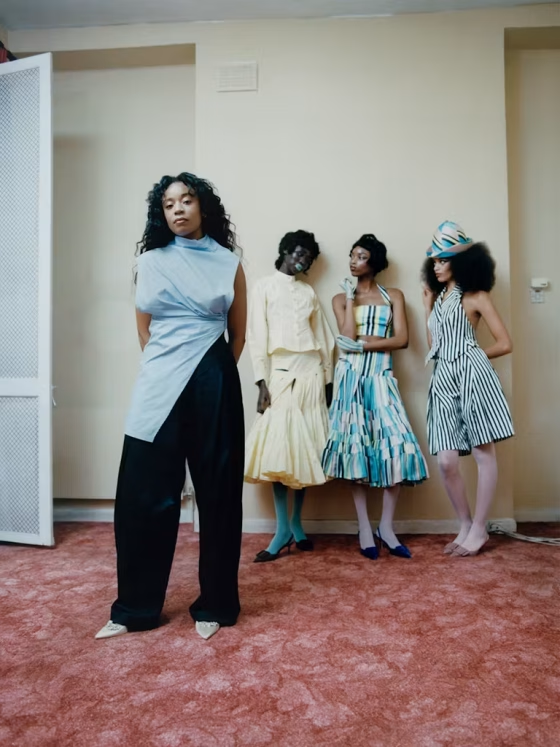
The community of Black British designers operating below the level of international recognition is larger still. South London in particular has produced a generation of designers, fashion graduates, and creative practitioners who are building labels, community platforms, and fashion education initiatives without the capital, the press access, or the wholesale relationships that the mainstream British fashion industry provides to designers it considers commercially viable. They are building because the work needs doing, and they are building in the same tradition as the Brixton Market fabric traders and the Peckham tailors: without permission, without a district designation, and without the validation of institutions that have consistently failed to see them.
ALSO READ
→ How Lagos Street Style Is Influencing What the Diaspora Wears in New York
→ Does Wearing Your Culture Make You Exotic? The Diaspora Fashion Paradox
→ Second-Generation Africans in Britain Are Dressing Between Two Worlds
Visibility Politics and What Mainstream Attention Actually Means
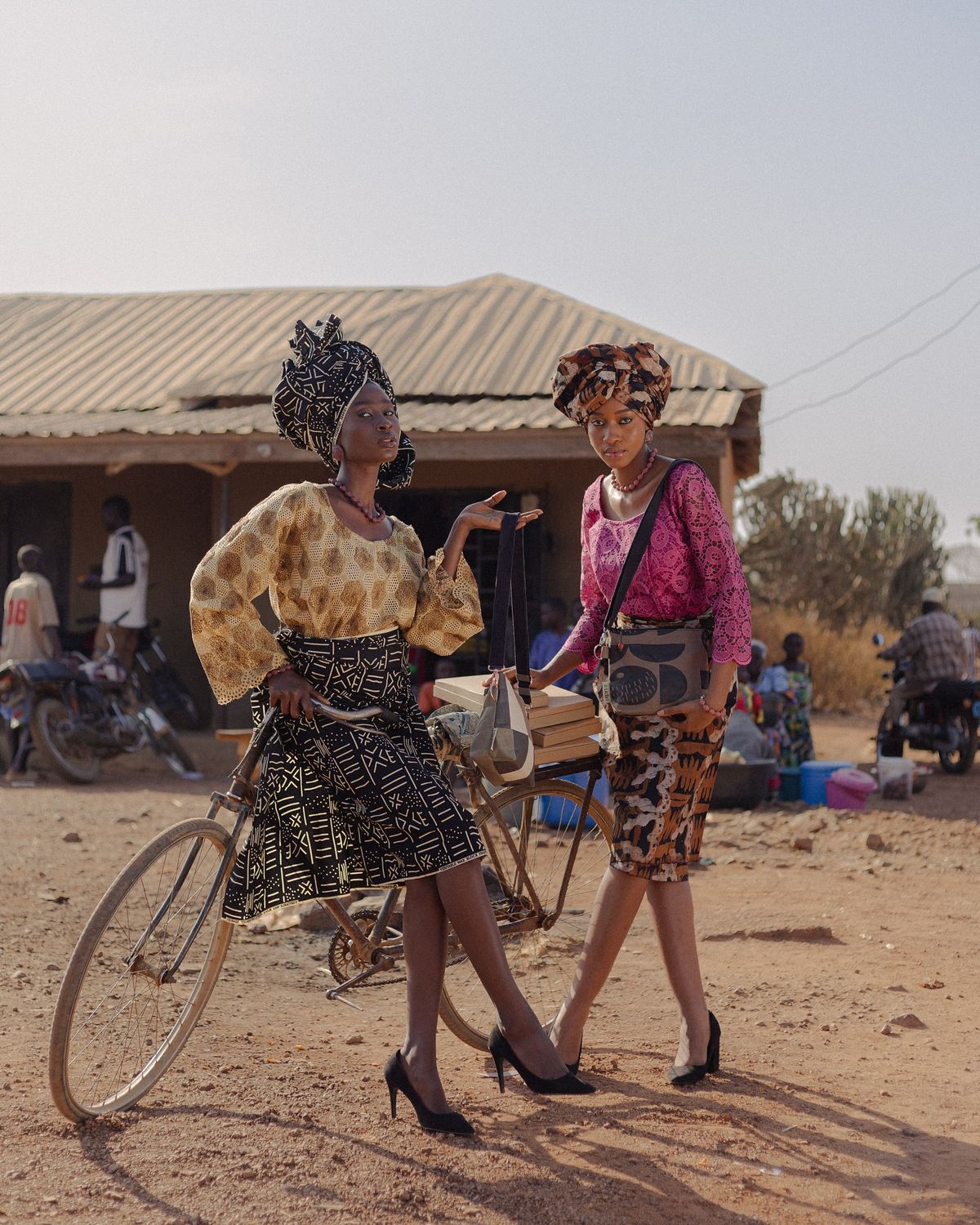
The mainstream fashion press’s recent engagement with London’s African style scene has yielded mixed results. The coverage has increased the visibility of individual designers and practitioners who deserve wider recognition. It has contributed to the commercial viability of some labels that had been operating on the margins of the industry’s attention. It has created opportunities for conversations about the history of Black British fashion culture that the institutional fashion world had previously declined to have.
It has also produced a set of familiar distortions. The rise narrative gives mainstream attention the power to confer existence, as though communities only become real when they are noticed by institutions that previously ignored them. The discovery framing positions the journalist as the agent of revelation, the person who found the thing that was hidden, without accounting for the fact that the thing was not hidden. It was in Peckham and Brixton and Ridley Road, operating in plain sight, documented in community photographs, market records, church programmes, and wedding albums, simply not in the publications that the mainstream fashion industry reads.
The gentrification of Brixton, Dalston, and Peckham, which has been documented extensively by community organisations, including the 35% Campaign’s research on displacement in Southwark, adds a material dimension to the question of visibility politics. As mainstream attention makes these areas more commercially attractive to non-African businesses and residents, the African fabric traders, tailors, and community businesses that shaped the aesthetic culture being celebrated face displacement from the spaces where they built it. The mainstream fashion press discovers London’s African style scene at precisely the historical moment when the economic conditions that sustained it are being eroded by the gentrification that mainstream attention helps to accelerate. The coverage is not neutral. It is part of the process it describes.
THE OMIREN ARGUMENT
London’s African style scene did not rise. The Brixton Market fabric traders, who have been supplying the raw materials for African community fashion since the 1950s, did not rise. The Ridley Road textile merchants who stock the most comprehensive range of West African fabric available in the United Kingdom did not rise. The Peckham tailors who have been producing agbada, lace gowns, and aso-ebi coordination wear for four decades did not rise. The British-African designers who built internationally recognised labels without institutional support did not rise to prominence. None of these people or places or practices came into being when the mainstream fashion press began writing about them. They were there before the press arrived, they were there during the decades when the press did not come, and they are there now, operating with or without the coverage that the press’s own arrival has suddenly made legible. What rose was not a scene. What rose was the mainstream’s willingness to acknowledge what existed outside its gaze, and the rise was slower, later, and more reluctant than any celebration of Black British fashion culture should pretend.
The political economy of that acknowledgement matters and is not being honestly examined in most of the coverage. The mainstream attention that makes London’s African style scene ‘real’ to British fashion institutions arrives at the same historical moment as the gentrification that is displacing the community businesses and spaces in which the scene was built. The fabric trader who has been in Brixton Market for thirty years is not the beneficiary of the features about Brixton’s creative renaissance. The Peckham tailor who has dressed three generations of a Nigerian family’s celebrations is not the beneficiary of the profiles about South London’s fashion moment. The beneficiaries are the new businesses that arrive after the cultural groundwork has been laid, the institutions that gain credibility by associating themselves with a culture they did not build, and the publications that generate traffic from a community whose existence they took decades to notice. The scene does not need to be discovered. It needs to be compensated. For the space it built, the culture it maintained, and the decades during which it did both without any of the infrastructure that the mainstream British fashion industry considers basic.
Frequently Asked Questions
Where is London’s African fashion scene based?
London’s African fashion culture is concentrated primarily across South and East London. Brixton Market in South London has been a centre of West African and Caribbean fabric retail since the 1950s. Ridley Road Market in Dalston, Hackney, is the primary site of the West African textile trade in East London. Peckham in South East London is the most productive concentration of African fashion tailoring in the United Kingdom, with Nigerian, Ghanaian, Sierra Leonean, and Congolese tailors producing occasion wear for the African diaspora community across London. These locations did not emerge recently. They have been building London’s African fashion infrastructure for decades.
Who are the key Black British African fashion designers?
The British-African designer community includes internationally recognised practitioners and a larger community of designers building below the level of mainstream press attention. Duro Olowu, born in Lagos and based in London, launched his label in 2004 and has had work included in the permanent collections of major international museums. Mowalola Ogunlesi, a Central Saint Martins graduate whose work draws on Yoruba spiritual tradition and Nigerian street culture, achieved international recognition before substantial engagement with domestic institutions. Foday Dumbuya of Labrum London has built a label that explicitly references Sierra Leonean tailoring traditions and Temne and Mende cultural heritage since 2017. The broader community of South London fashion graduates and independent designers operates with less press visibility but equivalent creative ambition.
How long has African fashion been part of London’s fashion culture?
African fashion has been part of London’s fashion culture since the arrival of the Windrush generation and subsequent West African immigration in the late 1940s and 1950s. Brixton Market’s fabric traders, the Ridley Road textile merchants, and the community tailors of Peckham have been building African fashion infrastructure in London for between forty and seventy years, depending on the specific location and practice. The mainstream British fashion industry’s engagement with this culture is recent. The culture itself is not.
What is the relationship between gentrification and London’s African fashion scene?
The mainstream attention that has made London’s African style scene visible to British fashion institutions has arrived simultaneously with gentrification processes that are displacing the community businesses and spaces in which that scene was built. Rising commercial rents in Brixton, Dalston, and Peckham are threatening the market traders, fabric shops, and tailoring businesses that constitute the material infrastructure of London’s African fashion culture. The coverage that celebrates the scene typically does not address this displacement, and the beneficiaries of mainstream attention are often new businesses and institutions rather than the long-established community practitioners who built the culture being celebrated.
Omiren Styles covers African fashion, identity, and culture from inside the continent and its diaspora. Read more at omirenstyles.com.