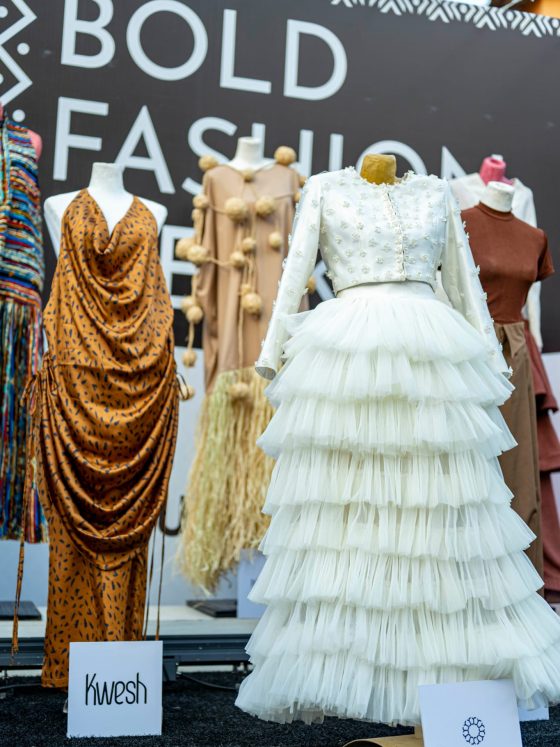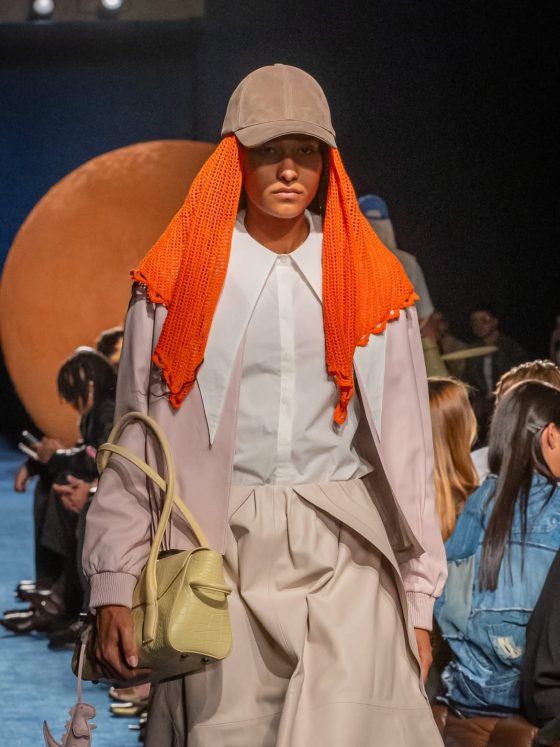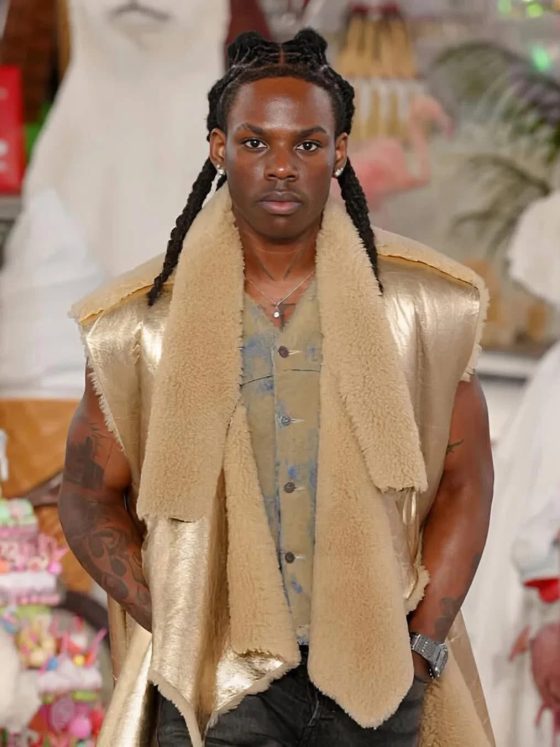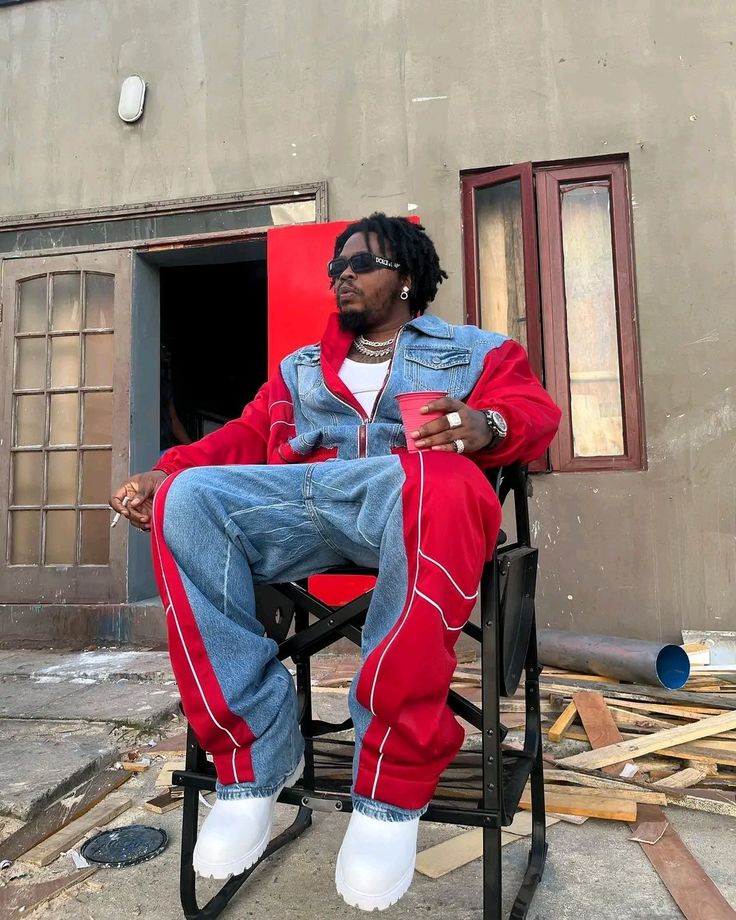
Louis Vuitton positions Rema and Tems in its front rows. Burna Boy and Tems front a Burberry holiday campaign. Rema walks the Diesel AW26 runway. Asake attends the Jacquemus Paris Fashion Week show. Wizkid appears in Dior Men’s AW26. Blaqbonez makes his runway debut for Vivienne Westwood at Paris Fashion Week SS26. By 2026, the roster of European luxury houses with Afrobeats cultural adjacency covers virtually every major name in the industry.
The Brand Africa 100 index for 2026 confirms the commercial logic. Luxury goods claimed 13 spots in Africa’s top 100 most recognised brands, up from 12 in 2025, driven by rising aspirational consumption among Gen Z across sub-Saharan Africa and the Maghreb. French luxury houses, Louis Vuitton, Chanel, Christian Dior, and Lacoste are the primary drivers of that category. These brands are building genuine commercial presence in African luxury markets, and Afrobeats-driven cultural credibility is accelerating that presence. The market access they are acquiring is measurable and growing.
Now name the European luxury house that has invested in an African design school. Name one that has funded a textile manufacturing facility on the continent, built a wholesale infrastructure programme for African designers, or structured a partnership with an African fashion institution that resulted in durable commercial benefit for African designers rather than press coverage for the house. The list is short. In practice, it is empty. The cultural exchange flows in one direction. The investment has not been followed.
Every major luxury house has now dressed an Afrobeats star. None has invested in African design infrastructure. Here is the argument the industry press keeps avoiding.
Omiren Argument:
The current model of Afrobeats artists X European luxury houses is not a cultural exchange. It is an extraction with a better press strategy. The houses acquire cultural credibility with a young, global, increasingly wealthy African and diaspora consumer base. The African designers, manufacturers, and institutions that would need investment to compete at the same commercial level receive none. That asymmetry is a choice, made repeatedly, by some of the most profitable companies in the world. It deserves to be named as such.
What the Houses Are Actually Getting

The commercial logic of European luxury houses partnering with Afrobeats artists is as transparent as the logic of Diesel x Rema analysed in the previous Partnerships piece. The genre delivers credibility with youth audiences, brand recognition in the African market, and global cultural relevance at a price that no traditional advertising campaign could match. UNESCO estimates that 50% of Africa’s population is under 25, making it the youngest major consumer market on the planet. The luxury houses are not investing in African culture out of altruism. They are investing in access to that consumer base, using cultural adjacency as the acquisition channel.
The numbers justify the investment. Africa’s luxury goods industry generated an estimated $6 billion in 2022, according to UNESCO figures cited by 54 Magazine, and the trajectory since has been upward. The number of African dollar millionaires is projected to reach 195,000 by 2031, a 42% increase over the current decade. French luxury houses already lead Africa’s most recognised brand rankings. The partnerships with Afrobeats artists are accelerating that brand recognition among precisely the generation that will constitute the continent’s luxury consumer base for the next thirty years.
The Afrobeats artists, for their part, receive what has been documented in the Diesel x Rema piece: platform, press coverage, personal brand positioning, and financial compensation for the cultural authority they bring. Those benefits are real, and the artists negotiating them are doing so with increasing sophistication. The transaction is rational for both parties. It is the third party missing from the room: the African fashion industry, which generated the cultural ecosystem that made the artists globally valuable and receives no corresponding structural investment in return.
What ‘Investment’ Would Actually Require
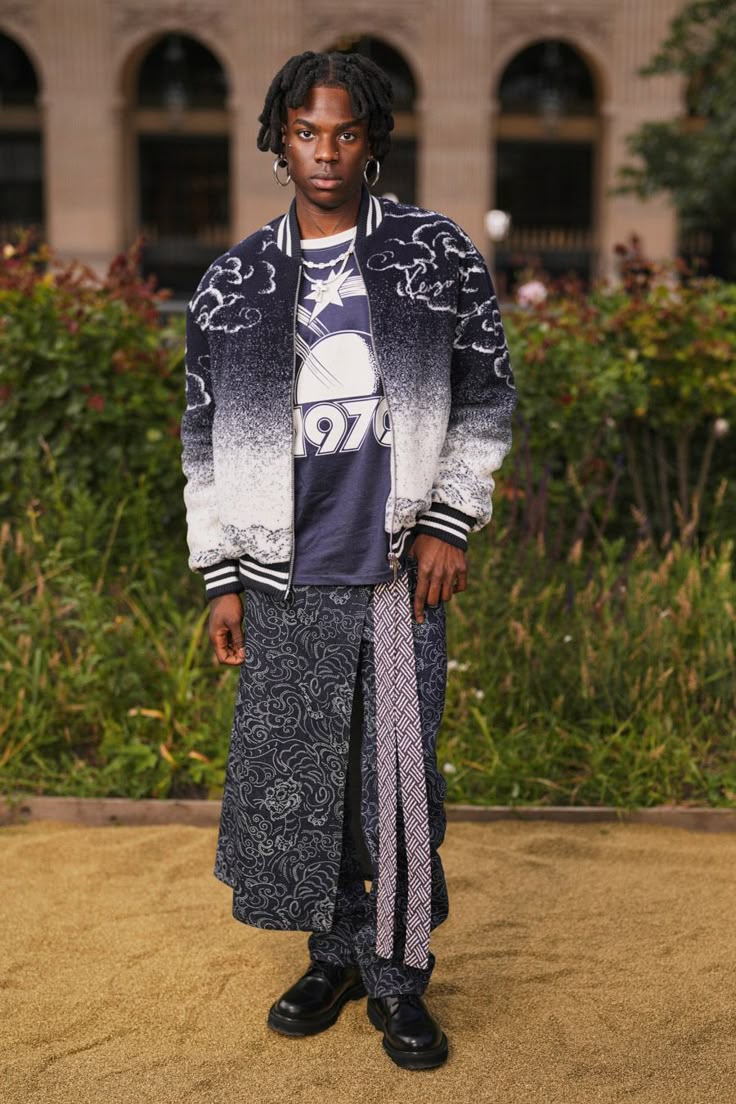
The counterargument to the extraction thesis is that luxury houses are not obligated to invest in African fashion infrastructure simply because they partner with African artists. Burberry is not responsible for building Nigerian design schools because it cast Burna Boy and Tems in a holiday campaign. That is a coherent position. It is also a position that makes the narrative of cultural exchange misleading. If the partnership is purely commercial, both parties should say so. What the houses cannot do is present these partnerships as a cultural affirmation of African creativity while simultaneously making no structural contribution to the industry that produced that creativity.
The Vanguard News analysis from May 2026, covering the Africa Forward Summit in Nairobi, named the gap precisely: genuine partnership requires moving from reference to co-creation, from seasonal borrowing to long-term collaboration, and from sourcing visual ideas from African culture to investing in African production ecosystems. The piece cited Imane Ayissi, who combines raffia, bark cloth, and handwoven textiles with Paris couture discipline, and Kenneth Ize, who has elevated traditional Nigerian Aso-oke within international fashion. Both demonstrate that the capability for genuine co-creation exists on both sides. What is missing is the institutional willingness from the European side to structure partnerships that go beyond casting and campaign photography.
Genuine investment in African fashion infrastructure would look like this. It would include apprenticeship and skills transfer programmes in African textile manufacturing, structured alongside the houses’ existing craft preservation programmes in European markets. It would include wholesale development programmes that create durable pathways for African designers into the same retail environments where European designers already operate, funded at the level that NEWGEN and comparable European programmes receive. It would include sourcing commitments that place African textile production, not just African cultural imagery, inside the houses’ supply chains.
None of this is structurally different from what these houses already do in their home markets. LVMH’s Métiers d’Art programme preserves and funds European craft traditions. Its equivalent for African craft traditions does not exist. Hermès’s Manufactures invest in artisanal production infrastructure in France. An equivalent commitment to the African textile sector, from which the houses draw significant aesthetic inspiration, has not materialised. The capability to do this is not the barrier. The will is.
ALSO READ
- What the Diesel x Rema Partnership Actually Did for African Fashion. And What It Didn’t.
- The African Fashion Foundation’s Incubator Sends Designers to London Fashion Week. Is That Actually Good for Them?
- African Consumers Are Locked Out of the Brands They Are Making Famous
- Why No Serious Investor Has an African Fashion Portfolio: The Cost of Institutional Blindness
The Exception That Proves the Rule
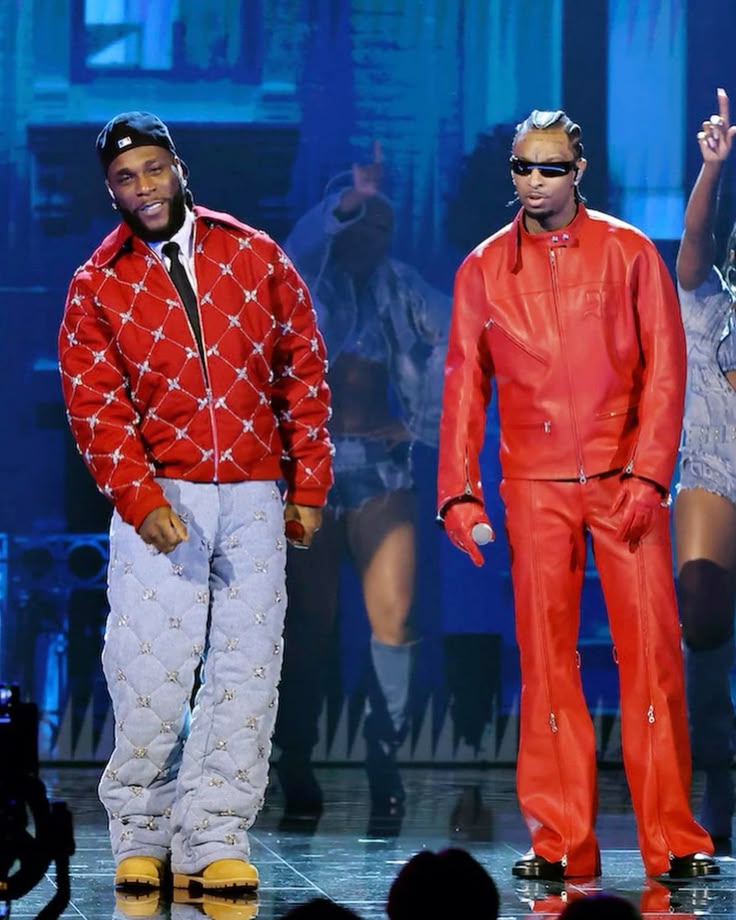
The most significant investment in African fashion infrastructure in recent years has come not from European luxury houses but from an African institution: Afreximbank. As Business of Fashion reported in November 2025, Cairo-based Afreximbank is funding textile and garment manufacturing facilities in Benin and Nigeria, export programmes for designer brands from Kenya, Ghana, and beyond, and institutional support that connects African designers to global retail infrastructure. In June 2025, Afreximbank co-funded a Galeries Lafayette pop-up in Paris showcasing Thebe Magugu, Lukhanyo Mdingi, and Tokyo James, as documented by Africa Reimagined. It co-funds trade show appearances, showroom presentations, and export initiatives for African designers through its export market access programme. These are structural investments, not press partnerships.
The contrast is instructive. An African multilateral development bank is doing the infrastructure investment work that the European luxury houses with the deepest cultural engagement with Afrobeats have declined to do. The houses have the resources. Afreximbank is funding these programmes as part of a development mandate, not for commercial profit. LVMH generated net income of €13.1 billion in 2025. Its investment in African fashion infrastructure is not visible in any public disclosure. The asymmetry is not a gap in capability. It is a gap in commitment.
Some individual designers have built genuine collaborative relationships with European houses. Thebe Magugu’s collaborations with Dior and AZ Factory are documented. Kenneth Ize’s work sits inside international luxury retail. Imane Ayissi operates within the French couture system. These are real relationships that have produced real commercial outcomes for the designers involved. They are also the exception, not the pattern. The pattern is cultural adjacency without structural investment, and the exceptions have not yet changed it.
Luxury houses that are building African market presence through Afrobeats cultural adjacency, while making no corresponding investment in African fashion infrastructure, are describing their Africa strategy as cultural partnership. It is a market acquisition. The distinction matters, and the African fashion press has been insufficiently willing to make it.
What Would Change the Pattern
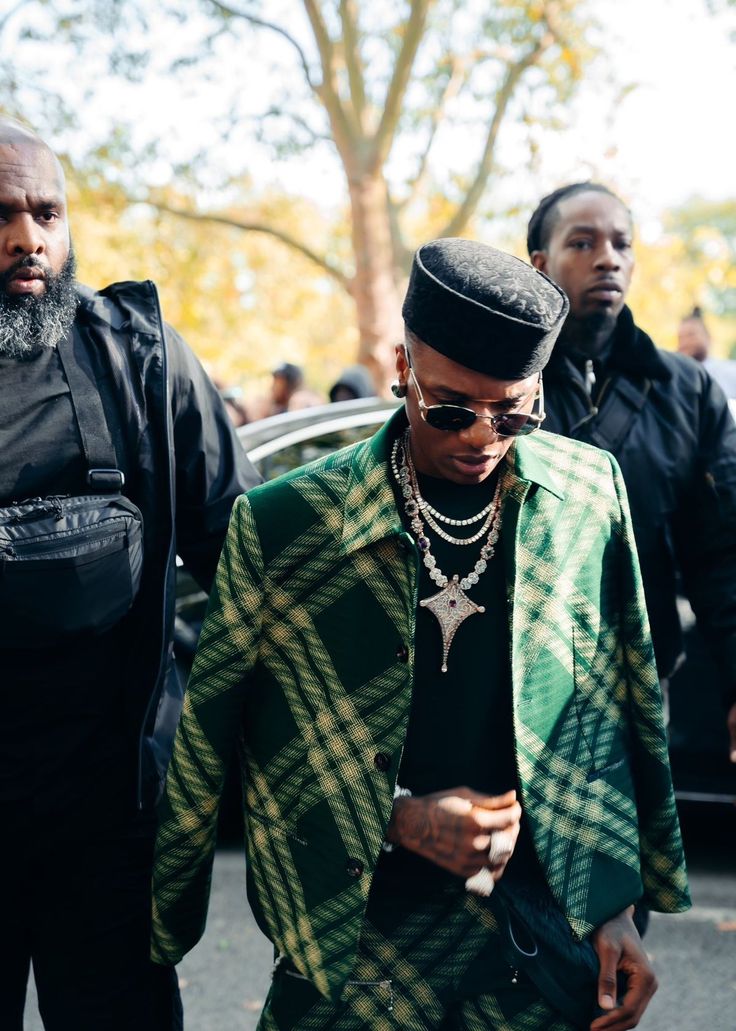
The pattern will not change through moral pressure alone. European luxury houses respond to commercial incentives, regulatory requirements, and investor pressure. The argument for investing in African fashion infrastructure is not primarily ethical. It is commercial: brands that build genuine production relationships, design partnerships, and retail infrastructure in African markets now will have structural advantages when those markets mature. The brands that extract cultural credibility without investing in the ecosystem will face the same reputational risk in African luxury markets that Western brands have faced elsewhere, where extraction without investment eventually generates consumer and regulatory backlash.
The African fashion press and institutions need to develop a more rigorous vocabulary for evaluating these partnerships. The current vocabulary is celebratory: arrival, recognition, global ascendancy. The vocabulary that would change the pattern is commercial: investment, infrastructure, equity. Every coverage of an Afrobeats x European luxury house partnership should, at a minimum, ask what the house is doing with the cultural access it is acquiring beyond the campaign. Has it commissioned African designers? Has it invested in African manufacturing? Has it structured a wholesale development programme? If the answer is no to all three, the partnership is marketing, not a partnership, and the press should say so.
African governments and institutions also have tools available that are not being used consistently enough. Trade policy that conditions market access on cultural investment commitments. IP frameworks that give African designers and craft communities meaningful protection and compensation when their traditions appear in European luxury collections. The Fashion Law Africa Summit has documented the legal vulnerabilities of African designers entering international markets, and that work is essential. It needs to connect to the broader infrastructure argument: legal protection without commercial investment is insufficient. For the full picture of why the investment has not come from private capital, see Why No Serious Investor Has an African Fashion Portfolio.
There is also an uncomfortable question this piece has not fully explored: whether some African designers and institutions have become comfortable with the visibility that Afrobeats x European luxury house partnerships generate, even in the absence of structural investment, because the visibility serves their own press and funding narratives. That question about complicity within the African fashion community, not just within the European houses, deserves its own analysis. Omiren will return to it directly.
FREQUENTLY ASKED QUESTIONS
Which European luxury houses have partnered with Afrobeats artists and how?
By 2026, virtually every major European luxury house will have Afrobeats cultural adjacency. Louis Vuitton, under Pharrell Williams, positions Rema and Tems in front rows. Burberry cast Burna Boy and Tems in a holiday campaign. Diesel had Rema walk its AW26 Milan runway. Jacquemus invited Asake to its Paris Fashion Week show. Wizkid appeared in Dior Men’s AW26. Blaqbonez made his runway debut for Vivienne Westwood at Paris Fashion Week SS26. The pattern is consistent: African Afrobeats cultural authority is acquired through casting, campaign photography, and invitations to shows.
What commercial benefit do luxury houses receive from Afrobeats partnerships?
Brand recognition and credibility among Africa’s rapidly growing Gen Z luxury consumer base, the youngest major consumer market on the planet. French luxury houses, Louis Vuitton, Chanel, Christian Dior, and Lacoste, already lead Africa’s most recognised brand rankings, according to the Brand Africa 100 index for 2026. Luxury goods claimed 13 spots in the top 100, up from 12 in 2025, driven in part by Afrobeats-adjacent cultural visibility and broader aspirational consumption trends. The number of African dollar millionaires is projected to reach 195,000 by 2031, making this market access commercially significant.
Has any European luxury house invested in African fashion infrastructure?
Not in any documented, structural way. No major European luxury house has publicly invested in African design schools, textile manufacturing facilities, wholesale development programmes for African designers, or the retail infrastructure that would allow African designers to compete at the same commercial level. The most significant investment in African fashion infrastructure has come from Afreximbank, an African multilateral development bank, which funds manufacturing facilities in Benin and Nigeria, export programmes for African designers, and institutional support connecting African designers to global retail. The contrast with European luxury houses, which have the commercial resources to make equivalent investments, is stark.
What would genuine investment in African fashion infrastructure look like?
Apprenticeship and skills transfer programmes in African textile manufacturing are equivalent to the craft preservation programmes these houses run in European markets. Wholesale development programmes that create durable pathways for African designers into luxury retail, funded at levels comparable to European designer support programmes such as NEWGEN. Sourcing commitments that place African textile production, not just African cultural imagery, inside the houses’ supply chains. Co-creation partnerships that involve African designers in collection development rather than simply borrowing aesthetic references from African culture.
Why has Afreximbank invested where European luxury houses have not?
Afreximbank operates under a development mandate rather than a commercial profit motive, which means its investment calculus includes long-term economic development objectives that private luxury companies do not have to consider. LVMH generated €13.1 billion in net income in 2025. The capability to invest in African fashion infrastructure is not a barrier for these houses. The will to do so, in the absence of regulatory requirements, consumer pressure, or competitive threat, is.
Is the current model cultural extraction?
That is the argument this piece makes. Extraction with a better press strategy is the precise formulation: the houses acquire cultural credibility and access to the African market through Afrobeats adjacency, while making no corresponding structural investment in the industry that produced the cultural value they are acquiring. Whether this constitutes extraction in a moral sense is a separate question. What is not in dispute is the asymmetry: the cultural capital flows from Africa to the houses, and the commercial investment does not flow back.