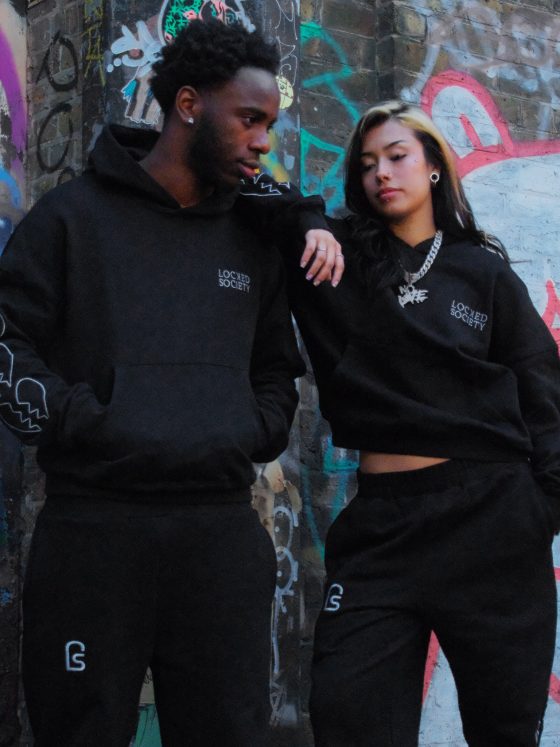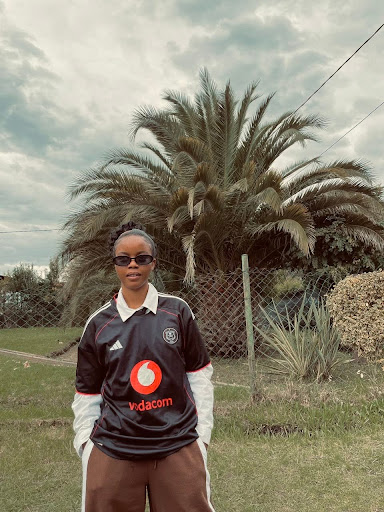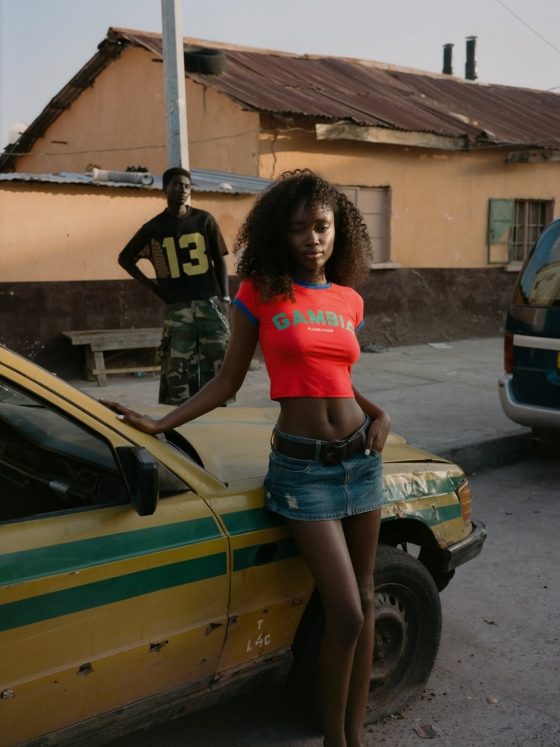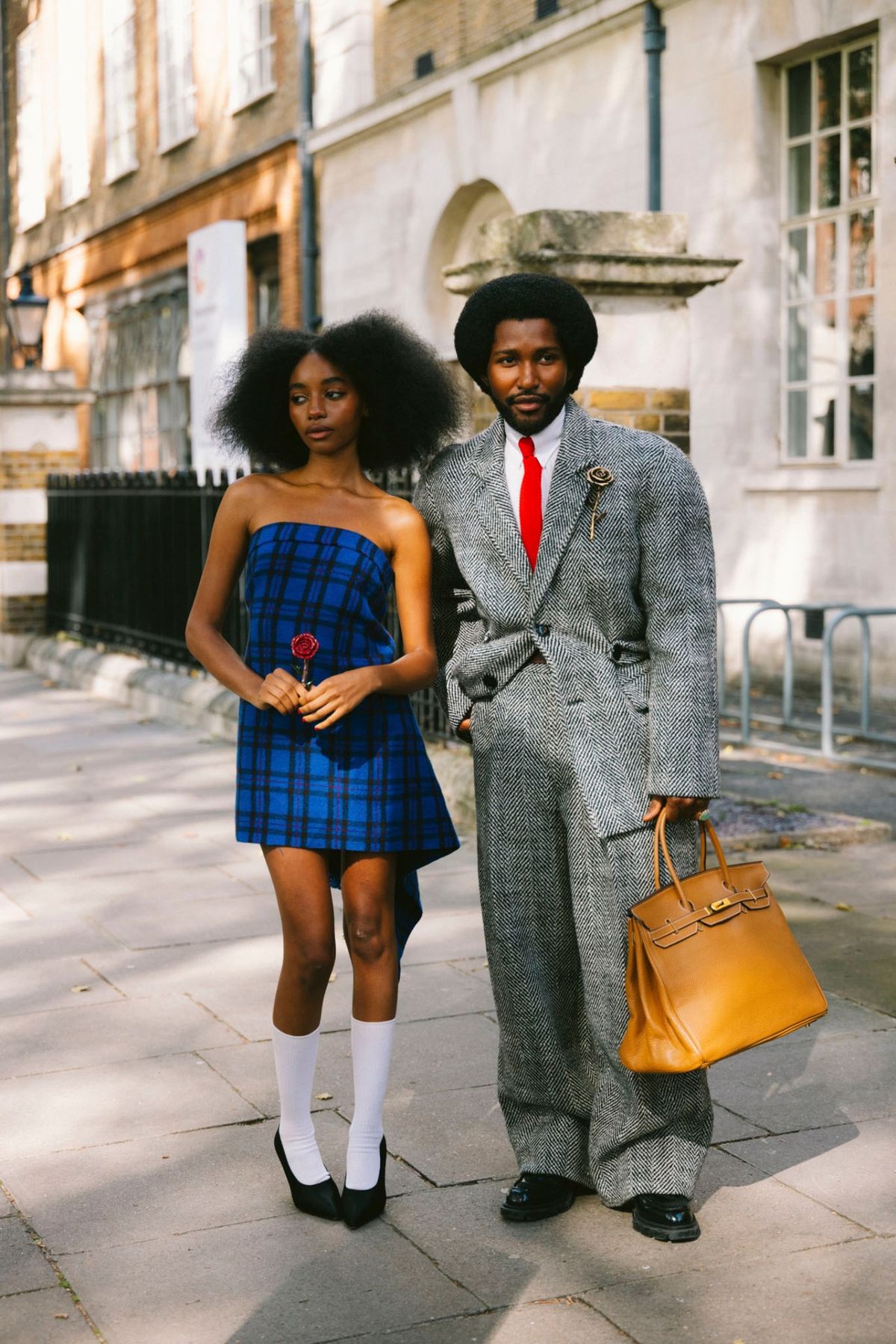
Street style photography at London Fashion Week emerged as a distinct practice in the early 2000s, when digital cameras made it possible to document the looks of guests arriving at and departing from shows. By the mid-2010s, the genre had become a commercial industry, with photographers and editors working the pavements around LFW venues with the same seriousness as the runway. The imagery circulates alongside official show photography, shaping the public record of what the week looks like from the outside.
That record has a geography. LFW street style photography concentrates around the official BFC venues: 180 The Strand, the NEWGEN Show Space, and the various central London locations where individual brands choose to show. That geography is not where London’s most culturally specific fashion communities are concentrated. According to the Office for National Statistics 2021 census, 51.4% of London’s population identified as Asian, Black, mixed, or another non-white ethnic group. The African and Caribbean communities whose dress is most culturally specific to London’s non-European heritage are documented most heavily in Peckham, Brixton, Hackney, and Tottenham.
The fashion infrastructure concentrated in these communities is documented in Omiren Styles’ analysis of how Peckham, Brixton, and Hackney built the African fashion ecosystem that Central London’s institutions did not provide. During LFW season, residents of these neighbourhoods dress for the occasion in ways that constitute a parallel street style archive, documented through social media, independent photographers, and community fashion platforms.
The most culturally specific fashion at London Fashion Week does not always happen inside the shows. Omiren Styles documents diaspora street style outside the venues.
What Diaspora Street Style Documents
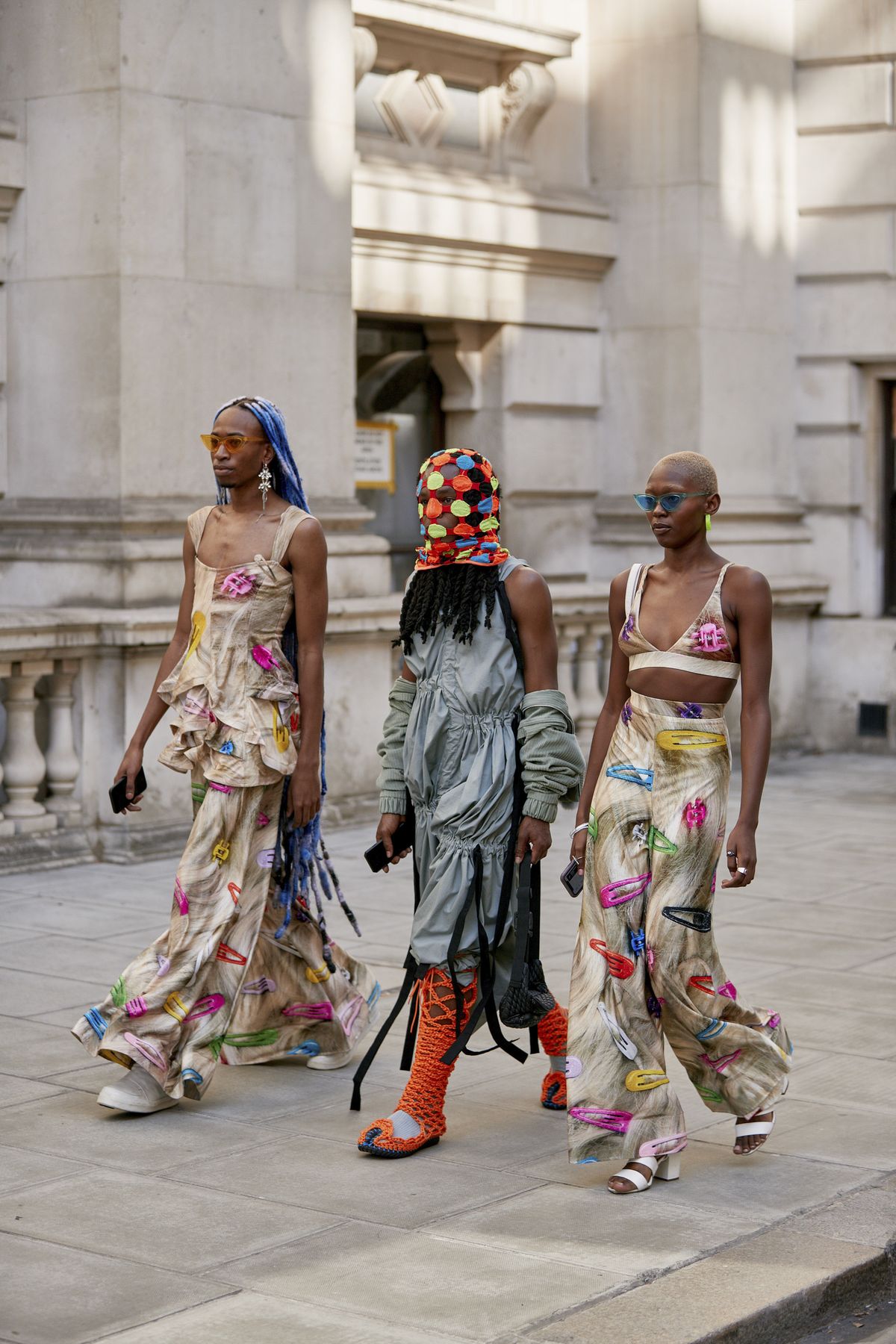
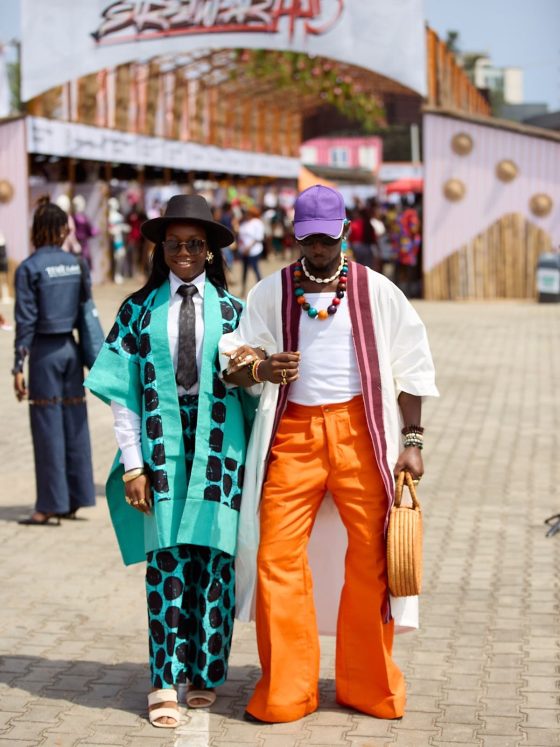
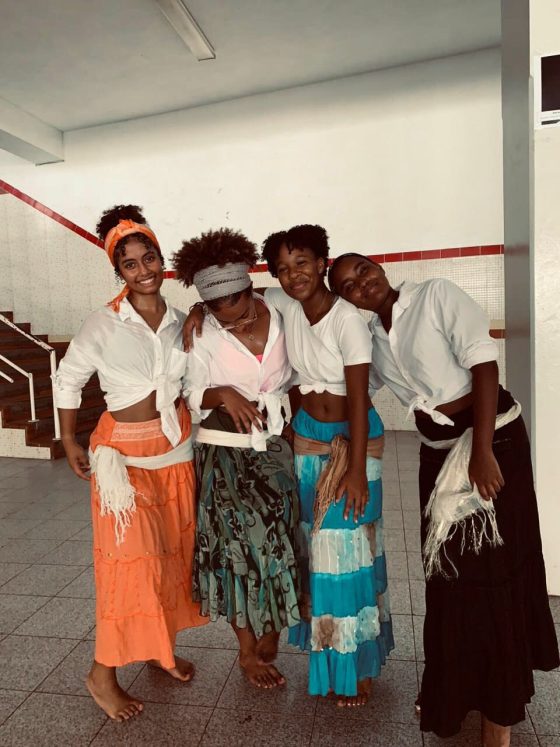
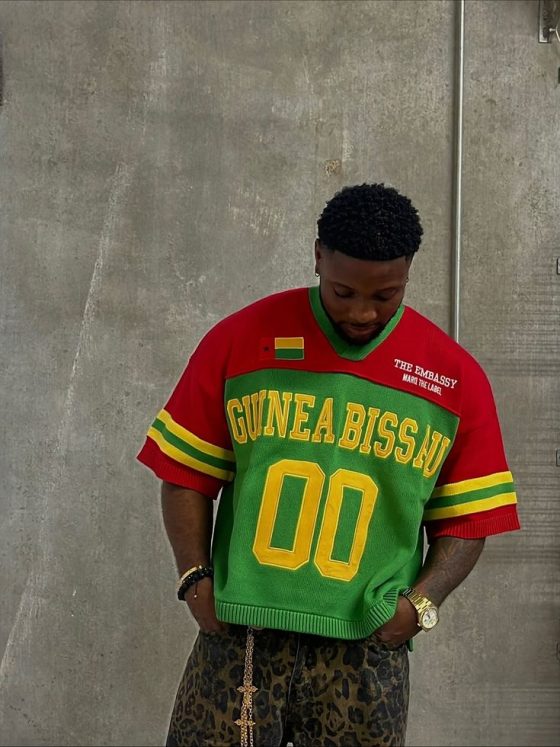
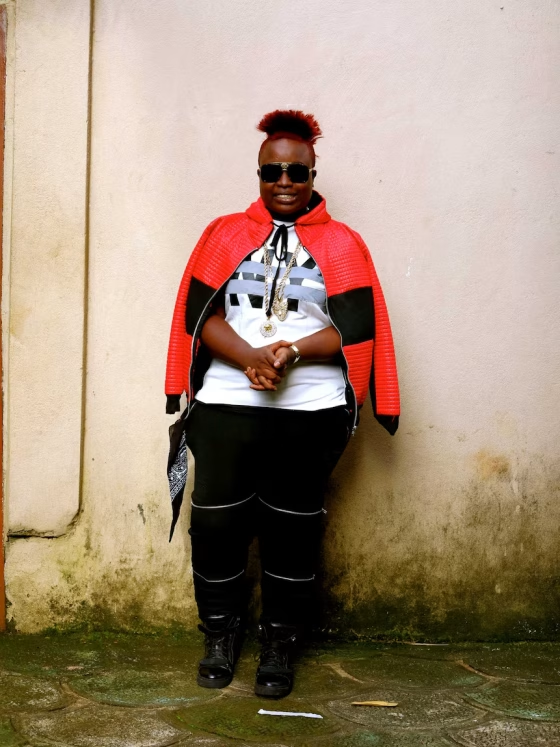
Diaspora street style at LFW is a record of how the city’s most culturally engaged fashion communities dress when the fashion world is paying attention. The distinction between dressing for a show and dressing for the season is not always visible from the outside: a woman in Rye Lane, Peckham, on a Thursday in September wearing a carefully chosen Ankara co-ord and gold jewellery, may be dressing for the week with the same intention as someone standing outside the BFC NEWGEN Show Space. The difference is that only one of them is likely to be photographed by the official street style circuit.
This asymmetry shapes which bodies and which aesthetic traditions become part of the documented LFW archive. When diaspora designers show at the official schedule and their cultural references are read most fluently by communities in Peckham and Brixton, the street style record of LFW remains incomplete if it only extends to central London venues. Omiren Styles treats the wider city as part of the week’s documentation.
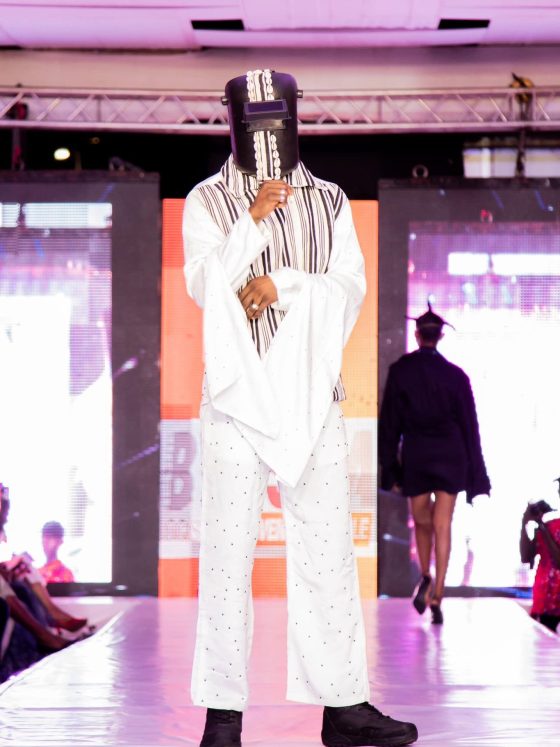
The AW26 season produced documented intersections between diaspora street culture and the official runway. Kojey Radical, a British-Congolese musician with a following in London’s Black creative community, walked the Labrum London AW26 runway. The adidas x LABRUM capsule announced at the same show connects streetwear culture, diaspora design, and global sportswear in a partnership designed to be worn on streets rather than in showrooms. These are deliberate intersections built by African-heritage designers who understand that their audience extends beyond the fashion industry’s existing networks.
Fabric as Cultural Identifier
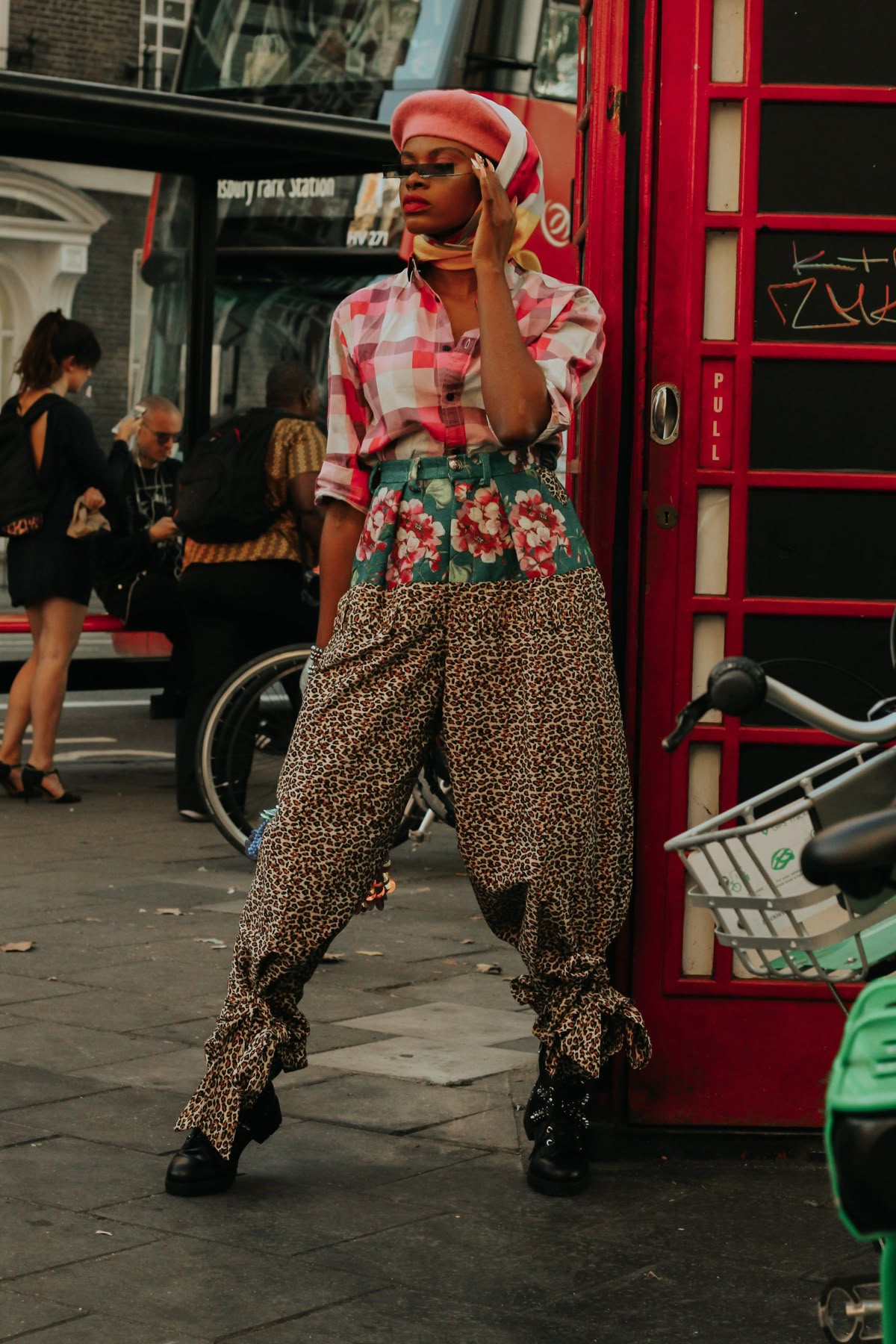
Among the most consistent markers of diaspora street style during LFW season is the del, signallingof African-heritage fabrics in everyday outfits that signal cultural membership. Ankara print, Kente strip, and Aso-Oke woven panels appear in blazers, skirts, head coverings, and accessories worn by members of West African diaspora communities across London throughout the year. During LFW week, these choices become more intentional: they are worn in the knowledge that the fashion world is present in the city and that the visibility of African textile traditions in street contexts contributes to the broader cultural case being made on the runway.
This practice connects to the documented tradition of occasional dressing in West African communities. As Omiren Styles has documented in her analysis of how Ankara functions as a social argument in West African women’s wardrobes, the choice of fabric is never solely aesthetic. During LFW week, it also contributes to the cultural conversation happening across the city at multiple levels simultaneously. During LFW week, it also contributes to the cultural conversation happening across the city at multiple levels simultaneously.
The Documentation Gap and How It Is Closing
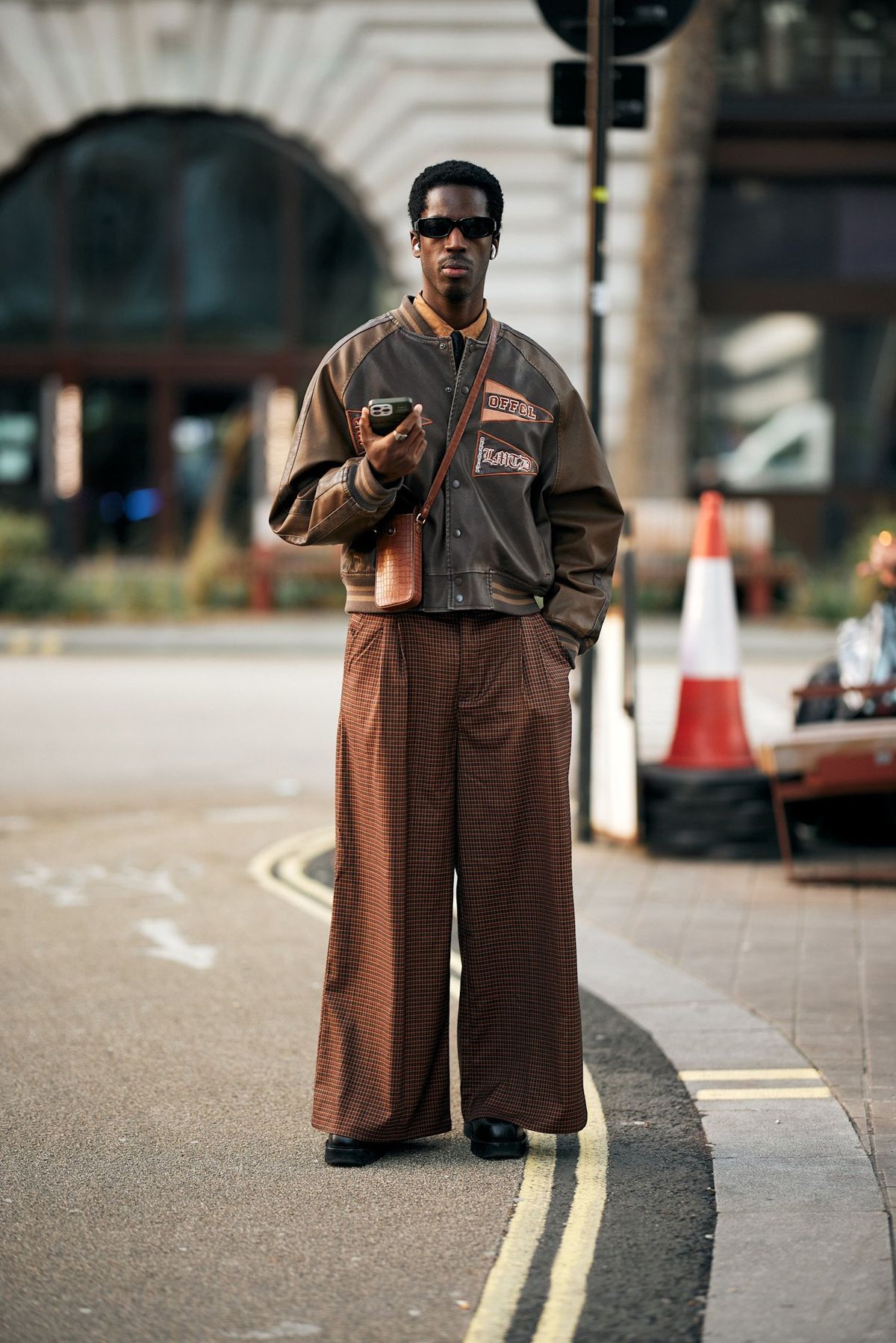
The gap between where LFW street style is photographed and where London’s most culturally specific fashion communities are concentrated is narrowing. Independent photographers active in Peckham, Brixton, and Hackney during LFW season produce imagery that circulates through Instagram and TikTok. Publications including Nataal, OkayAfrica, and Omiren Styles treat the wider London geography as part of the LFW story. The BFC’s own diversity reporting acknowledges the gap between scheduled diversity and broader community representation.
For SS27, Omiren Styles will document diaspora street style from both the official venue geography and the wider city, treating the two as interconnected parts of a single seasonal fashion record. The most culturally specific fashion at London Fashion Week does not always happen inside the shows. The street outside is where the community that understands the references most completely continues to dress, whether or not the official cameras are present.
The most culturally specific fashion at LFW does not always happen inside the shows. Sometimes it is on a bus in Peckham.
ALSO READ
- Peckham, Brixton, and Hackney Built What Central London Wouldn’t
- Finding Its Accent: How London Fashion Week Is Sounding More African
- Ankara Does Not Just Dress West African Women. It Argues for Them.
Frequently Asked Questions (FAQs)
What is diaspora street style at London Fashion Week?
Diaspora street style at LFW refers to the fashion worn by members of African, Caribbean, and South Asian diaspora communities in London during the five-day LFW season, both at and away from official venues. It is documented through social media, independent photographers, and community fashion platforms as a parallel record of how London’s most culturally specific fashion communities dress when the fashion world is present.
Why is the geography of LFW street style significant?
Because the official LFW street style photography circuit concentrates around central London venues, while London’s most culturally specific African and Caribbean fashion communities are concentrated in Peckham, Brixton, Hackney, and Tottenham, the ONS 2021 census confirmed that 51.4% of London’s population identifies as Asian, Black, mixed, or another non-white ethnic group. Coverage that does not extend beyond the BFC venue postcodes misses a significant part of what London’s fashion culture looks like during LFW season.
How does the diaspora community’s dressing connect to what is on the LFW runway?
Through shared cultural references. When Labrum London incorporates traditional African weaving and cowrie shell accessories in a main-schedule show, the communities in Peckham and Brixton who wear those same references in everyday life are the most culturally fluent audience for that work. The cultural conversation between diaspora street dress and the African-heritage runway draws on the same traditions, materials, and dress logic.
What African fabrics are worn as cultural identifiers during LFW season?
Ankara print, Kente strip cloth, and Aso-Oke woven panels are documented as the most frequently worn African heritage fabrics in diaspora community contexts during the LFW season. Each carries a specific cultural meaning in its community of origin. Ankara communicates through pattern and combination. Kente communicates through colour and weave structure. Aso-Oke communicates through its three ceremonial variants (Etu, Sanyan, and Alaari), each associated with specific social occasions in Yoruba tradition.
Which publications document diaspora street style at LFW?
Publications such as Nataal, OkayAfrica, Bella Naija Style, and Omiren Styles document African and diaspora fashion within the wider LFW context. Independent photographers and social media accounts active in Peckham, Brixton, and Hackney produce imagery during LFW season that circulates on Instagram and TikTok alongside the official venue street-style circuit.