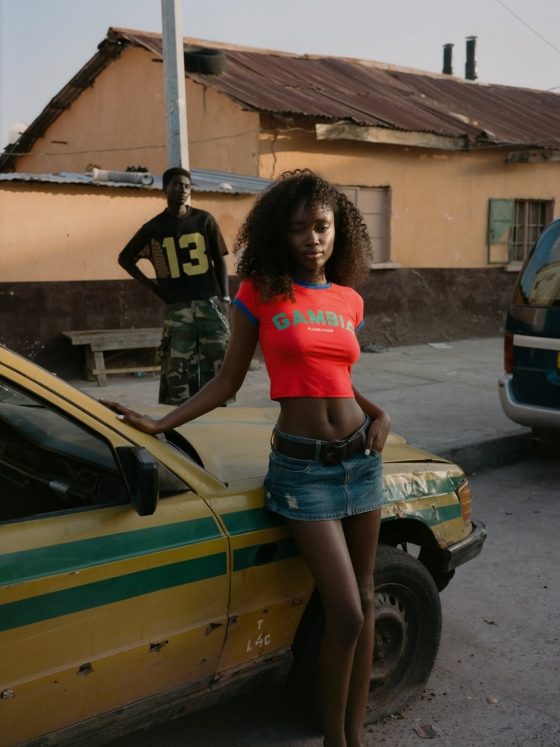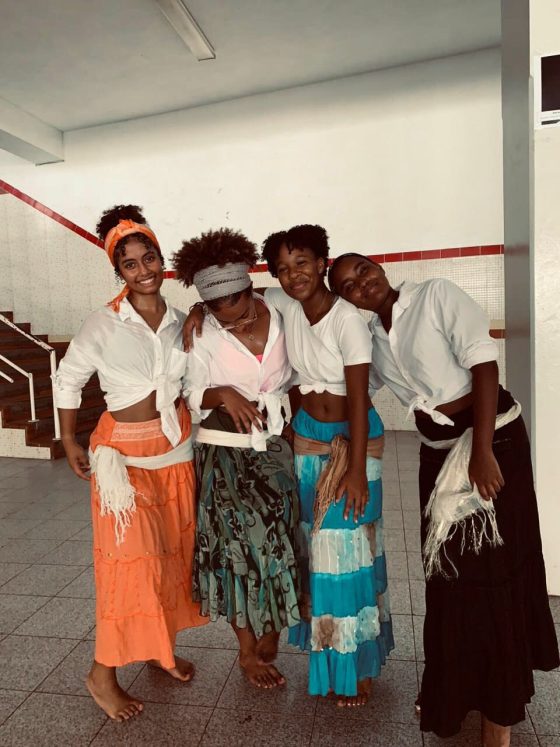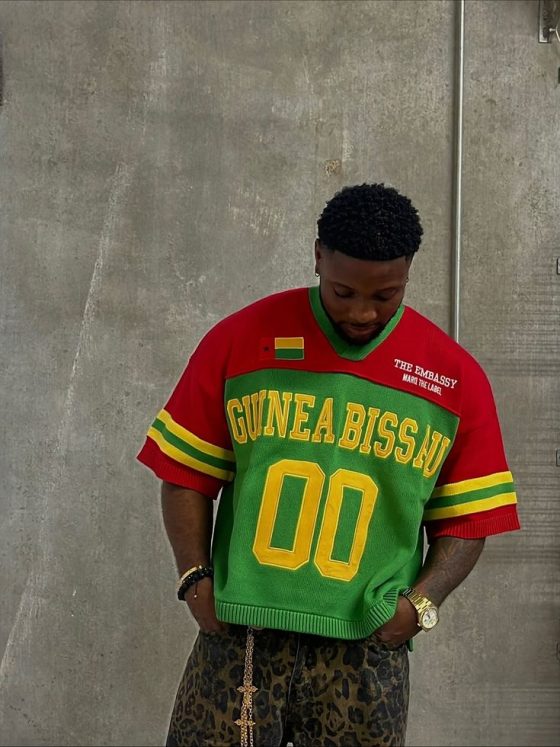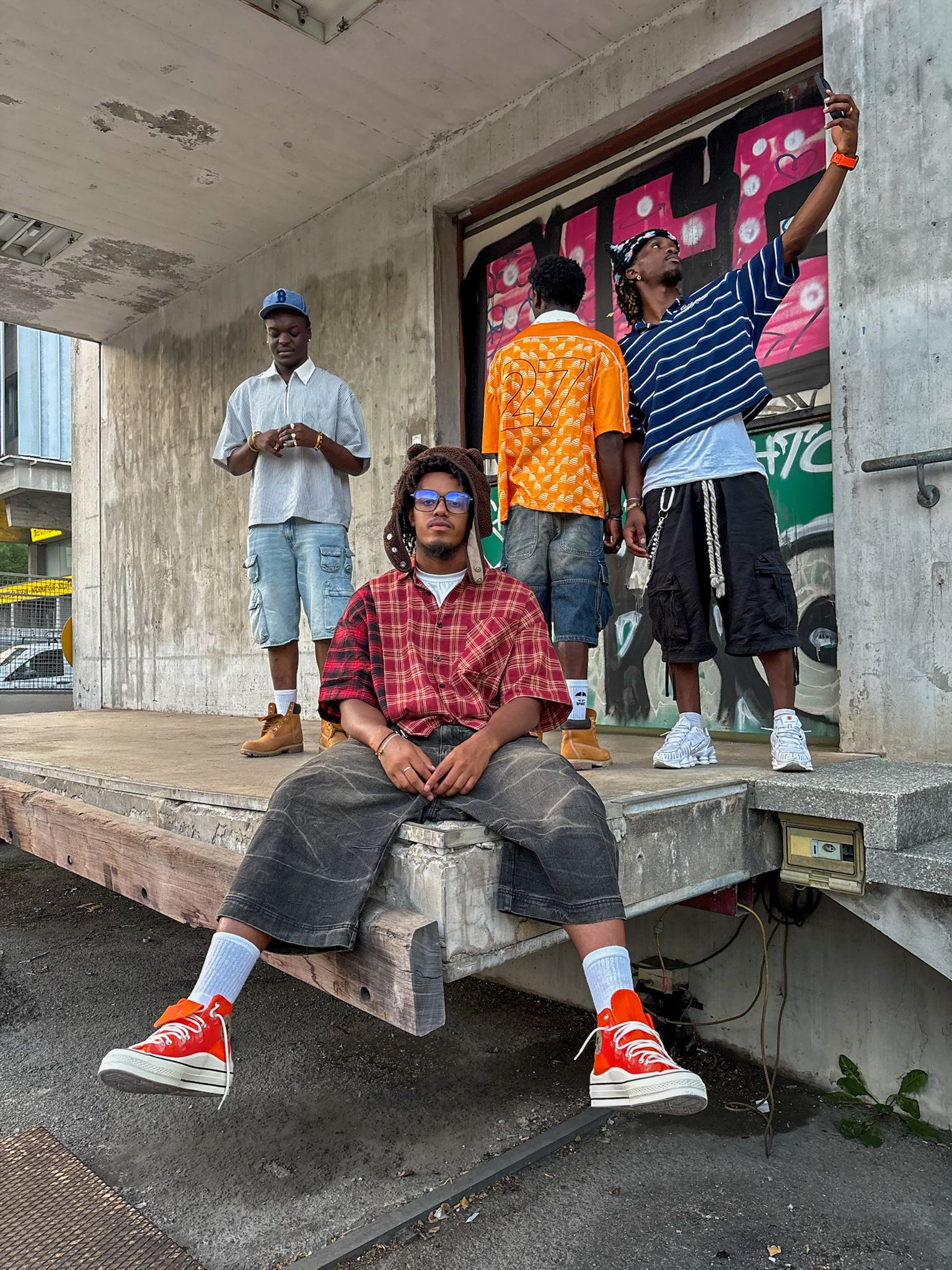
Migration, music culture, tailoring customs, unofficial trade, and the shifting aspirations of Togolese youth navigating contemporary urban life all contributed to the development of street style in Lomé. In Togo, imitation was not the only source of modern fashion. It developed from the realities of young people forming their identities in one of the most socially engaged coastal cities in West Africa.
This distinction is important because Western frameworks that treat African street style as derivative rather than original often misinterpret African urban fashion. Lomé’s street style is much more nuanced. Togolese youth create a fashion movement that is uniquely shaped by life in Togo by fusing Afrocentric identity, digital aesthetics, music influence, tailoring culture, and second-hand fashion economies.
This evolution is significantly influenced by Lomé itself. Movement is how the city runs. Motorcycle taxis maneuver through congested streets that are lined with markets, roadside shops, music venues, tailor shops, and nightlife areas where fashion is a regular sight. In addition to using clothing for self-expression, young people also use it for cultural participation, aspiration, confidence, and social positioning.
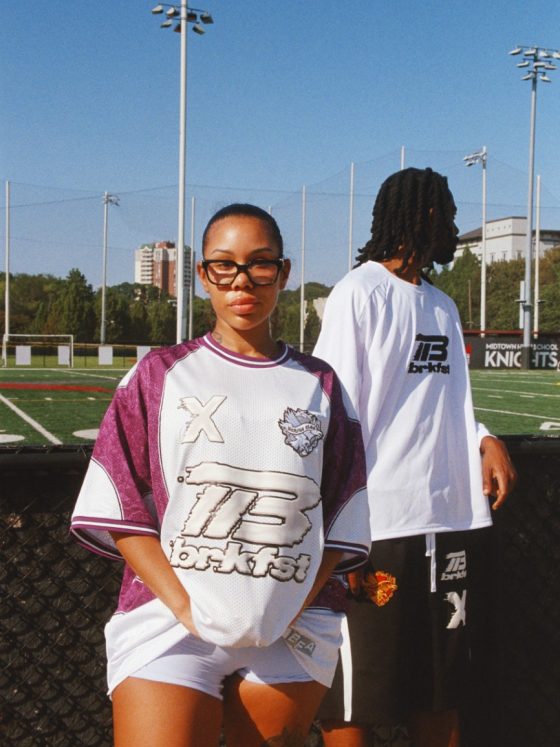
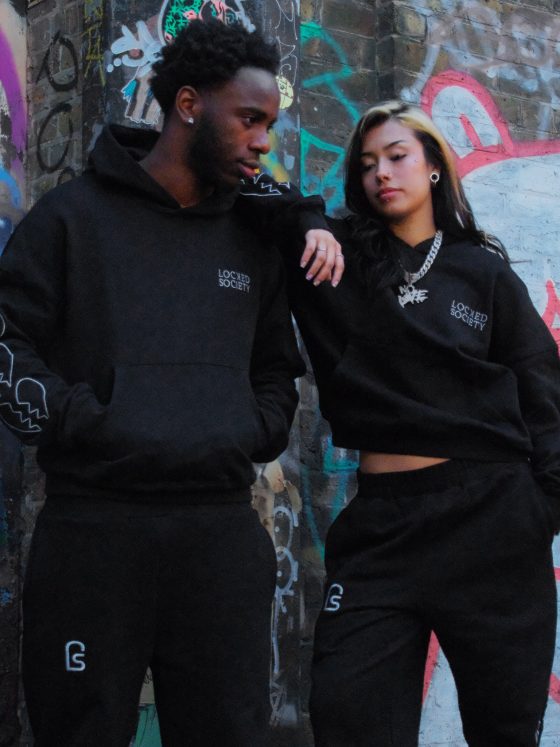
The generational shift in Togo is also reflected in street fashion in Lomé. The notion that African fashion is limited to historical dress customs or ceremonial attire is becoming less and less popular among younger generations. Oversized shirts, sneakers, cargo pants, durags, locally tailored items, vintage sportswear, and digital fashion culture are all part of the modern Togolese identity, alongside traditional clothing.
Togo’s urban fashion was further shaped by regional influences and the diaspora. New fashion references, music aesthetics, and styling techniques were incorporated into Lomé’s youth culture through cultural exchange with Togo, Ghana, Benin, Nigeria, France, and broader Afro-diasporic communities. However, rather than replicating those influences exactly, Togolese consumers consistently incorporated them into regional fashion systems.
Thus, street style in Lomé is more than just fashion trends. It illustrates how Togo’s youth are redefining contemporary African identity through attire influenced by urban creativity, economic realities, and local experiences.
Street style in Lomé reflects how Togolese youth use fashion, tailoring, music, and creativity to shape Togo’s modern urban identity.
Music, Tailoring, and City Life Shaped Street Style in Lomé
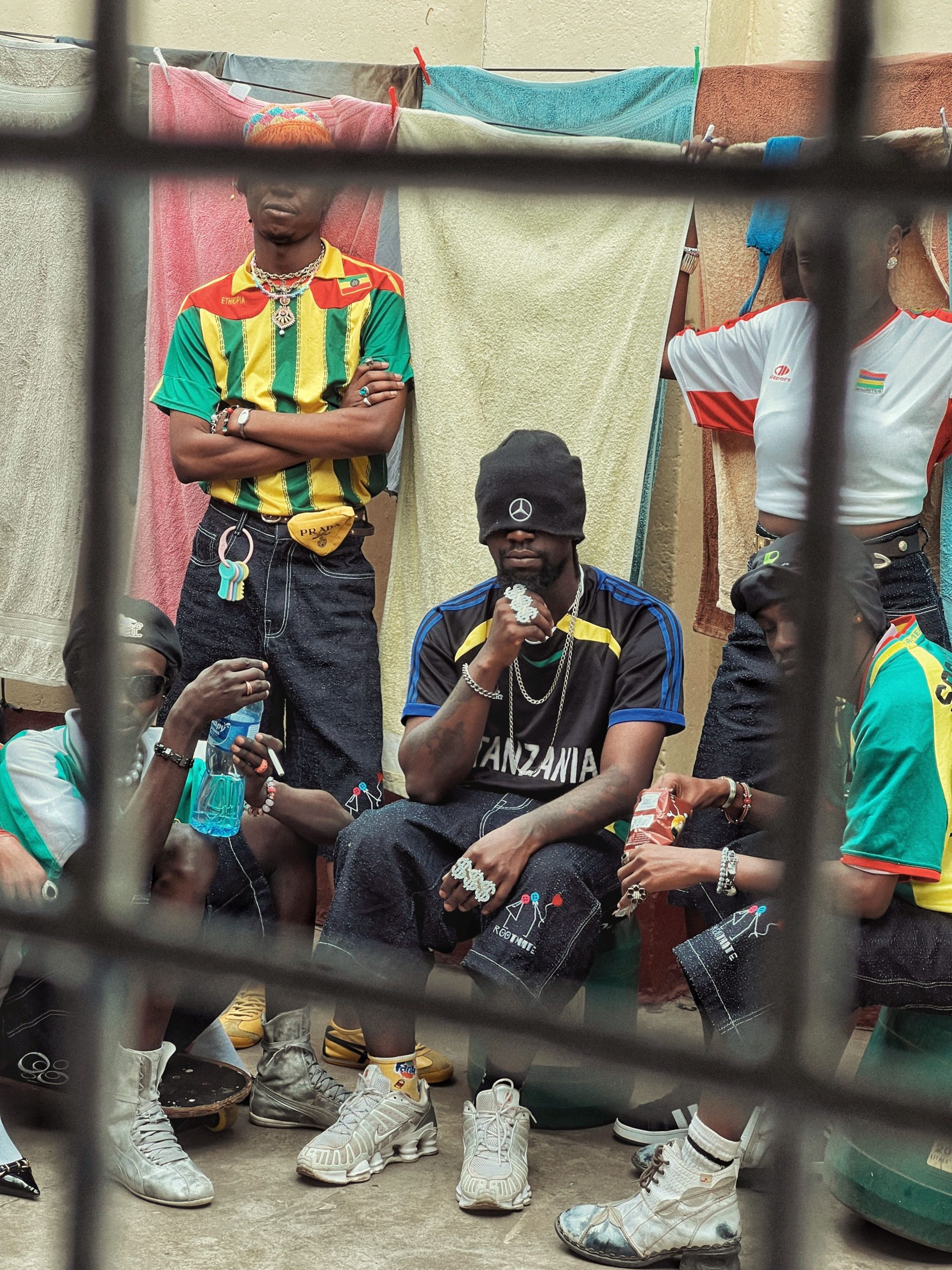
The interplay of music culture, tailoring economies, nightlife, transportation systems, and youth visibility throughout urban Togo gave rise to street style in Lomé. Because Lomé is so well-known, fashion in the city functions on a social level. Markets, roadside shops, college campuses, entertainment venues, and business districts are all places where everyday life is evident and where presentation has significance.
Urban style was greatly influenced by motorcycle culture. Transport riders from Zemidjan became prominent visual figures in urban life, and their stylish yet functional attire influenced the aesthetics of younger people in general. Oversized shirts, lightweight pants, baseball caps, sneakers, and sports jerseys became standard streetwear in Lomé.
This change was further accelerated by music. Young people’s fashion choices were influenced by local Togolese music scenes, dancehall, amapiano, hip-hop, Afrobeat, and Francophone rap. As dance culture, nightlife photography, and music videos quickly spread trends throughout the city, musicians began to view fashion as an integral part of their performance identity.
The evolution of street style in Lomé also depended on second-hand clothing markets. Through unofficial commercial networks, imported clothing from Europe and North America was distributed, and young Togolese consumers translated international trends into locally relevant fashion. Rather than luxury retail systems, affordability and accessibility allowed oversized denim jackets, football shirts, graphic T-shirts, and vintage sportswear to become part of urban culture.
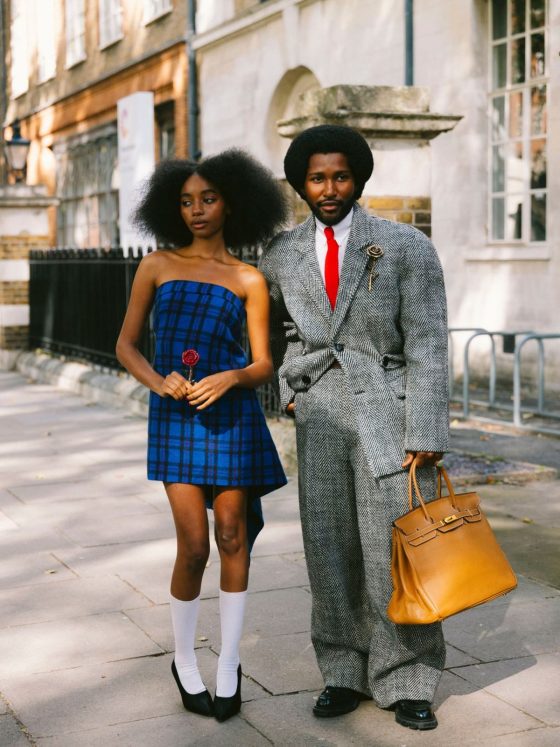
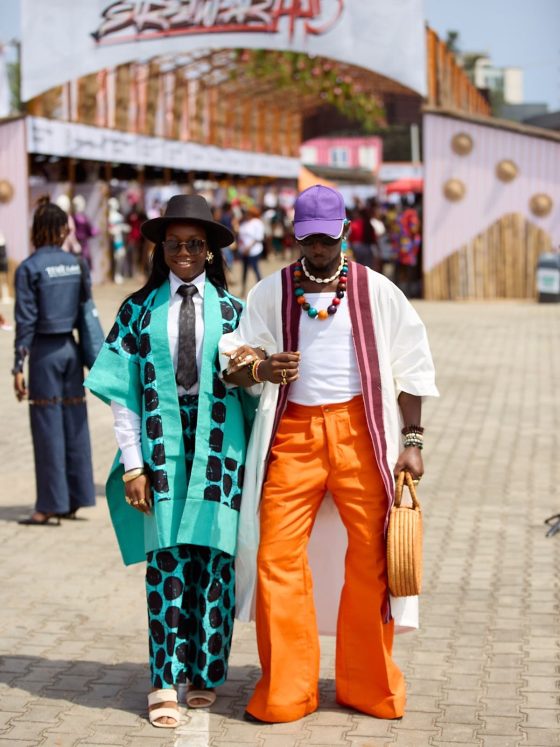
However, throughout this evolution, local tailoring continued to be crucial. Lomé’s tailors constantly modify imported clothing to fit local aesthetics and climate realities through custom fits, redesigned silhouettes, and Afrocentric adjustments. Young people frequently pair streetwear and sneakers with fitted, locally tailored pants, handcrafted jewellery, woven accessories, and regional fabric influences.
The connection between tailoring and modern fashion is indicative of the evolution of West African style in general. According to our study of Benin’s urban fashion culture, tailoring also changed imported clothing into expressions of local youth identity that were culturally specific.
Thus, rather than imitation, Lomé’s street style evolved through adaptation. While maintaining ties to broader African and international cultural movements, Togolese youth developed fashion systems based on local experiences.
Brands like Tongoro and WAFFLESNCREAM are examples of the broader emergence of African fashion brands that emphasise urban African identity and youth culture in contemporary design discussions.
In the end, street fashion in Lomé is a reflection of how young Togolese people used clothing as a social language in an urban setting that was changing quickly.
Social Media and Creative Industries Changed Youth Fashion in Togo
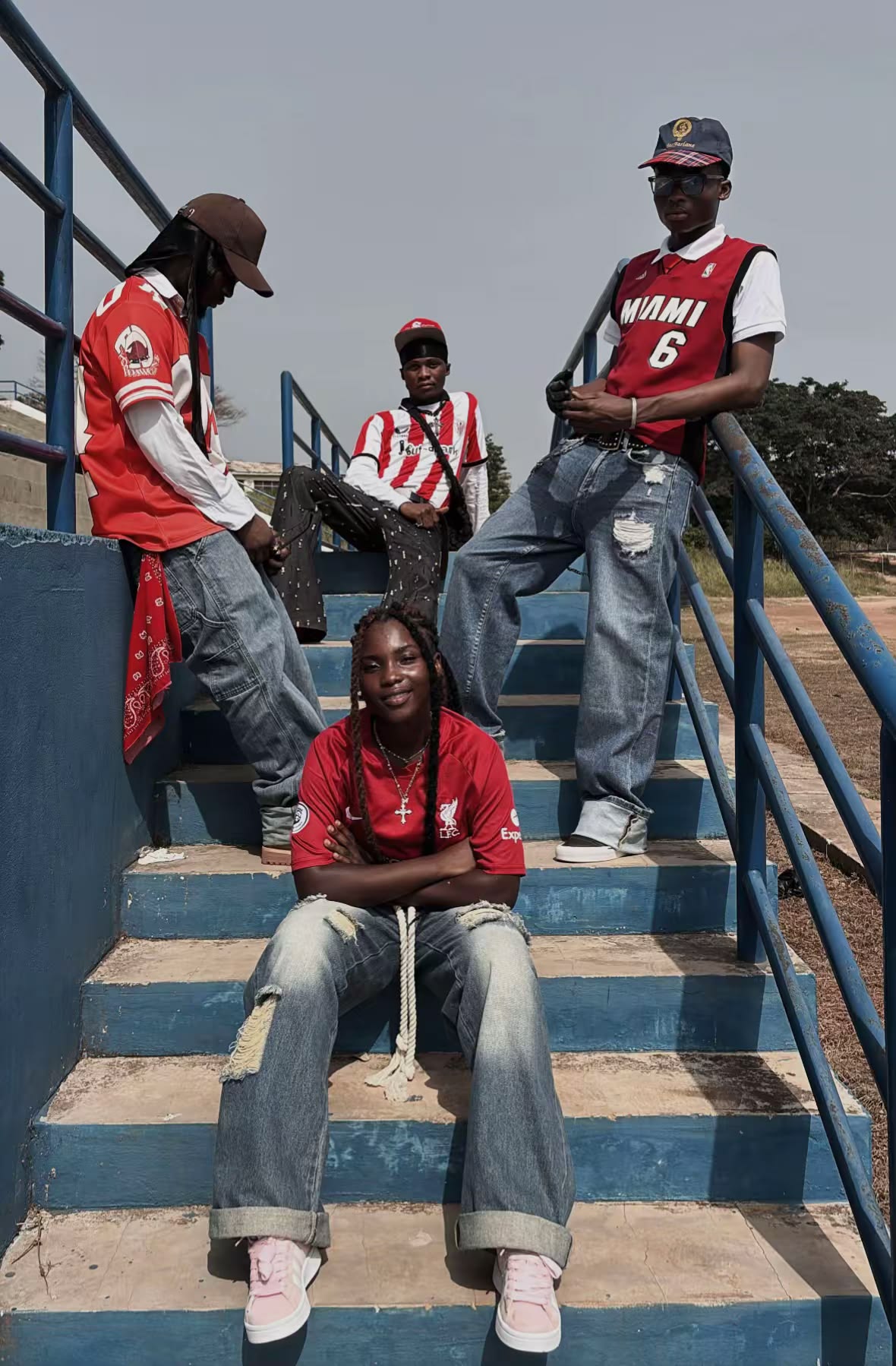
After digital culture changed the way fashion spread throughout African cities, street style in Lomé quickly grew. Social media transformed the way clothes were presented locally into a visual identity that was simultaneously shared with audiences in the region and around the world.
The popularity of modern fashion in Togo has increased thanks to influencer culture, music videos, Instagram, TikTok, and photography. Fashion serves as a means of branding, self-expression, and cultural engagement, and young creatives are increasingly styling themselves for online visibility in addition to in-person social settings.
This change gave local photographers, stylists, musicians, designers, dancers, and models the chance to work together to create modern Togolese fashion culture. Because urban settings throughout Lomé serve as visual backdrops for young people’s identity and creativity, streetwear photography has become particularly significant.
This digital growth was accompanied by an increase in fashion entrepreneurship. Urban youth audiences are the target market for a growing number of small local brands that create graphic shirts, hoodies, oversized silhouettes, personalised accessories, and modern African streetwear. Because local creatives have a direct understanding of the realities and aesthetics of life in Lomé, young consumers support them.
Despite the increasing influence of digital fashion, tailoring culture is still significant. Togo’s youth fashion still heavily depends on customisation and alteration, in contrast to Western fashion systems that are dominated by mass manufacturing. Local tailors create custom streetwear styles from imported clothing, redesign jackets, taper pants, and recreate looks inspired by celebrities.
Lomé’s street style is uniquely Togolese because of this adaptability. Instead of relying solely on luxury consumption, fashion evolves through improvisation, affordability, climate practicality, and styling intelligence. Thrift store clothing, regional tailoring, handcrafted accessories, and online influence help young people create entire fashion identities.
Our analysis of Togo’s textile culture, where traditional craft systems continued to influence modern fashion practices rather than vanishing under globalisation, demonstrates the same connection between craftsmanship and contemporary identity.
African modern brands are supporting this movement more and more on a global scale. African designers are increasingly positioning urban African identity as creative authority, as evidenced by labels like Orange Culture and Boyedoe.
Therefore, street style in Lomé represents a generation creating contemporary fashion systems based on regional culture rather than outside approval.
ALSO READ:
- Traditional Clothing in Togo: Cultural Identity Through Fashion
- Togolese Textiles and Craftsmanship in Modern Fashion
- Monrovia Streetwear: How Liberian Youth Built an Urban Fashion Culture
Street Style in Lomé Reflects Aspiration, Visibility, and Urban Identity
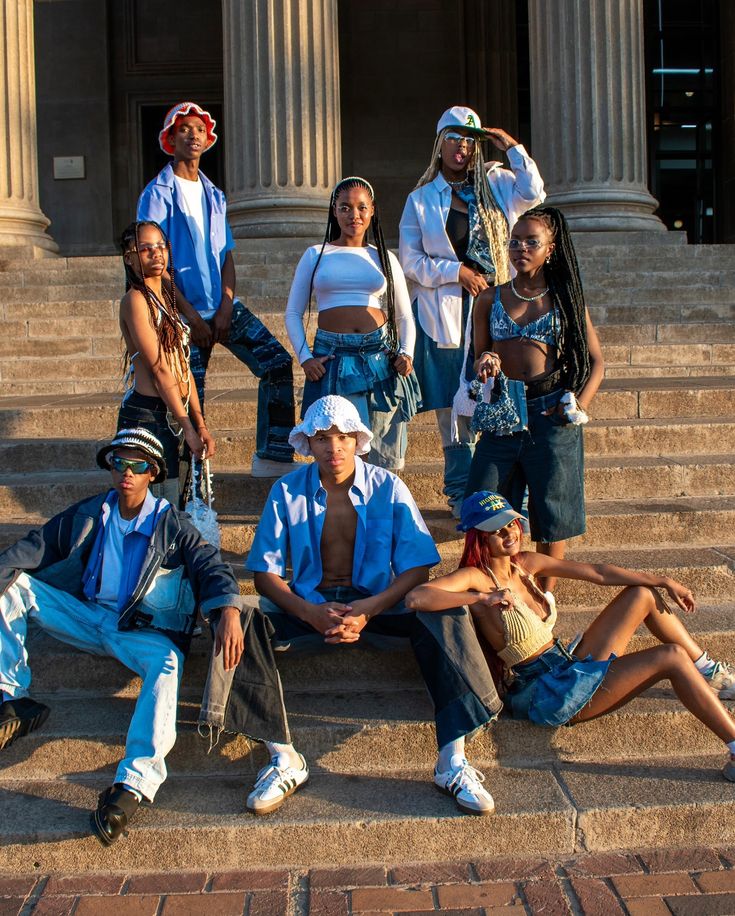
Because clothing in Togolese youth culture frequently conveys ambition, confidence, creativity, and social positioning simultaneously, street style in Lomé cannot be understood solely through aesthetics. Urban fashion is a reflection of how young people in modern African cities deal with financial strain, digital visibility, and shifting expectations.
For many urban youth, fashion serves as one of the easiest ways to construct their identities. Despite the unequal distribution of infrastructure and economic opportunities, people can project individuality, aspiration, and cultural awareness through clothing.
This visibility is crucial in Lomé’s social media, entertainment, nightlife, and university culture. Fashion often serves as a combination of self-definition, branding, and introduction. People’s social interactions in urban settings are influenced by their presentation.
Because affordability continues to dictate how fashion circulates throughout Togo, second-hand markets continue to be crucial. Local consumers use tailoring, styling, layering, and Afrocentric adaptation to reinterpret imported clothing, which gives them access to broader fashion trends. Young people create looks that reflect both local identity and global awareness by fusing streetwear from thrift stores with handcrafted jewellery, local textiles, and influences from modern music.
At the same time, antiquated notions about African youth culture are being challenged more and more by street style in Lomé. African fashion is frequently portrayed in international media through narratives of poverty or nostalgia for the past that is detached from the present. Both narratives are simultaneously disrupted by urban Togolese fashion. Independent of Western approval, young people in Lomé are already creating sophisticated modern fashion cultures.
Our examination of ceremonial dress customs throughout Togo reveals the same conflict between contemporary identity and historical continuity, with clothing serving as social language related to visibility, identity, and belonging.
Therefore, it is impossible to divide modern African fashion into categories where streetwear represents outside influence and traditional clothing represents authenticity. African cities themselves consistently produce new cultural forms through youth creativity, mobility, and adaptation.
African designers are increasingly using urban African life as inspiration rather than as a secondary source of reference, as evidenced by brands like Ashluxe and Kenneth Ize.
In the end, street style in Lomé is important because it shows how Togolese youth are using fashion to create contemporary African identities in real time.
The Omiren Argument
Lomé’s street style, which is a uniquely Togolese system of identity shaped by tailoring culture, music scenes, second-hand economies, and urban adaptation, is frequently written off as a copy of international urban fashion.
African urban style is often reduced to borrowed aesthetics in global fashion discussions because authenticity is only defined by historical or ceremonial dress customs. The fact that African cities actively create modern culture on a daily basis is disregarded by that framework.
In Lomé, street fashion never evolved via passive imitation. Through trade networks, imported clothing made its way into local markets. However, Togolese youth used local styling systems, tailoring techniques, nightlife culture, and Afrocentric identity formation to transform the clothing. Instead of being influenced by outside fashion authorities, Togo’s modern urban fashion directly reflects local realities.
This distinction modifies the international understanding of African streetwear. African youth culture does not acquire cultural value once it is acknowledged by Western publications or luxury industries. In African cities themselves, its authority already exists within the communities creating meaning around fashion.
Lomé’s street style thus reflects more than just current fashions. Through fashion influenced by urban life, creativity, and cultural reinvention, young Togolese people are redefining visibility, aspiration, and modern African identity.
Frequently Asked Questions (FAQs):
-
What is street style in Lomé?
Street style in Lomé refers to the contemporary urban fashion culture shaped by young people in Togo through music influence, tailoring culture, second-hand markets, sneakers, oversized clothing, and digital fashion visibility.
-
Why is Lomé important to fashion culture in Togo?
Lomé is important because it functions as Togo’s main urban and commercial centre where youth culture, music, nightlife, tailoring, and creative industries all influence contemporary fashion trends and streetwear culture.
-
How did second-hand markets influence fashion in Lomé?
Second-hand markets made global fashion accessible to many young people in Togo. Imported garments such as sportswear, denim, and graphic shirts became integrated into local fashion culture through Togolese styling and tailoring practices.
-
Does traditional culture still influence modern fashion in Togo?
Yes. Traditional fabrics, tailoring methods, jewellery, and regional aesthetics continue influencing contemporary streetwear and urban fashion in Togo, even as younger generations embrace modern silhouettes and digital fashion culture.
-
Why is streetwear important to youth culture in Togo?
Streetwear allows young Togolese people to express individuality, confidence, creativity, and social identity within contemporary urban life. Fashion has become one of the most visible ways youth culture communicates aspiration and cultural participation.
EXPLORE MORE
Through editorials centred on identity, urban life, craftsmanship, and cultural transformation, the Omiren Styles covers Afrocentric fashion, African youth culture, textile heritage, and modern creative industries.
Visit Omiren Styles to learn more about Afrocentric fashion, youth culture, textile heritage, and African streetwear.