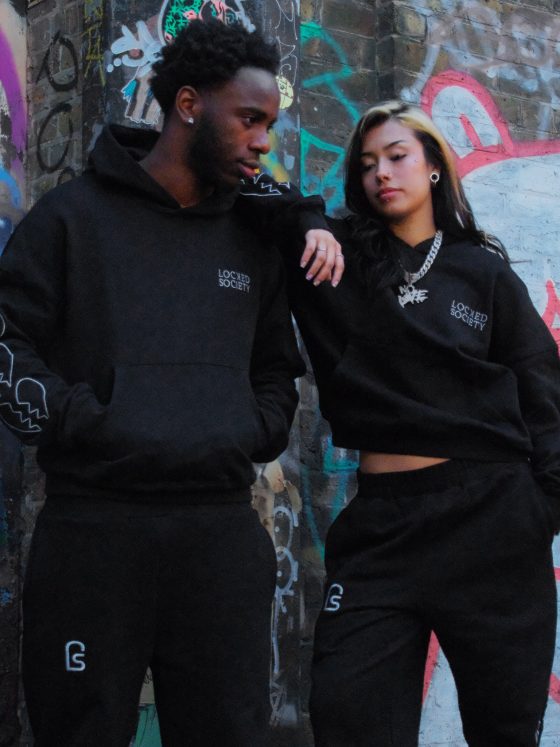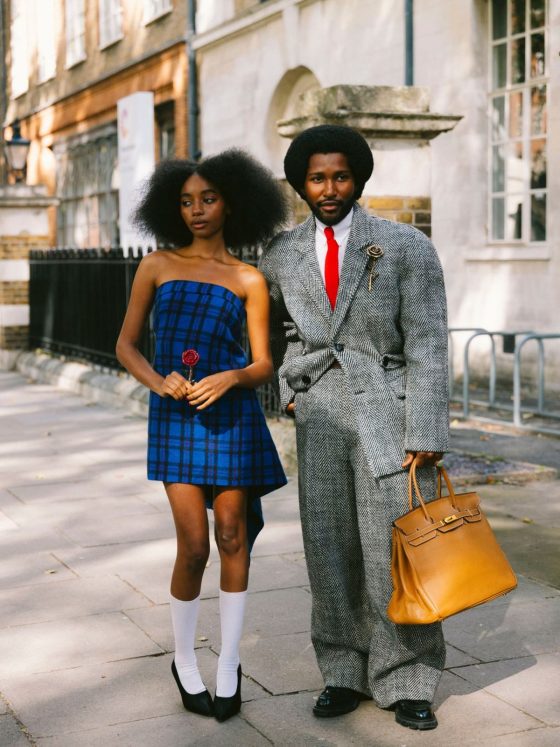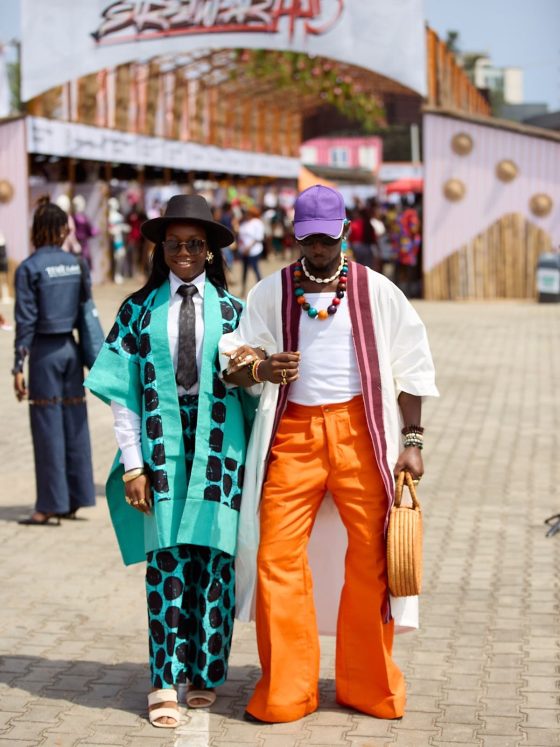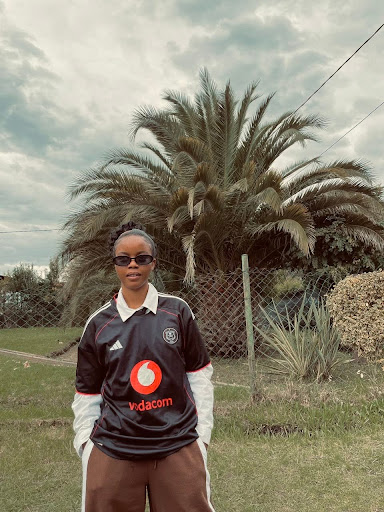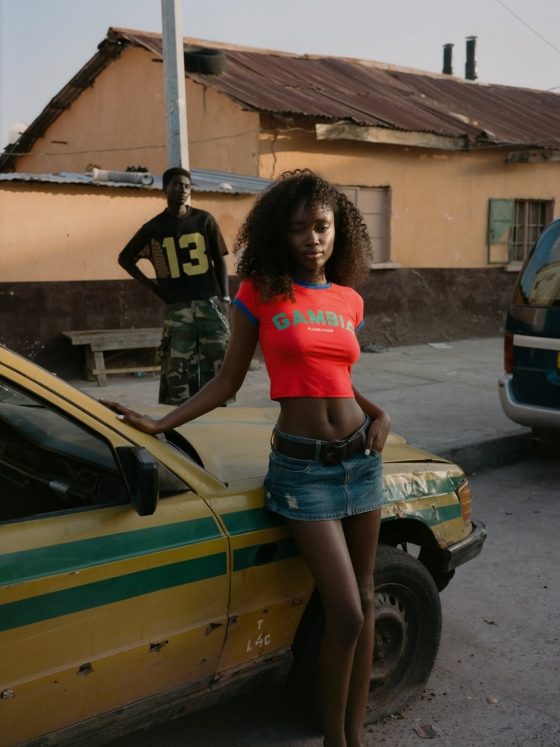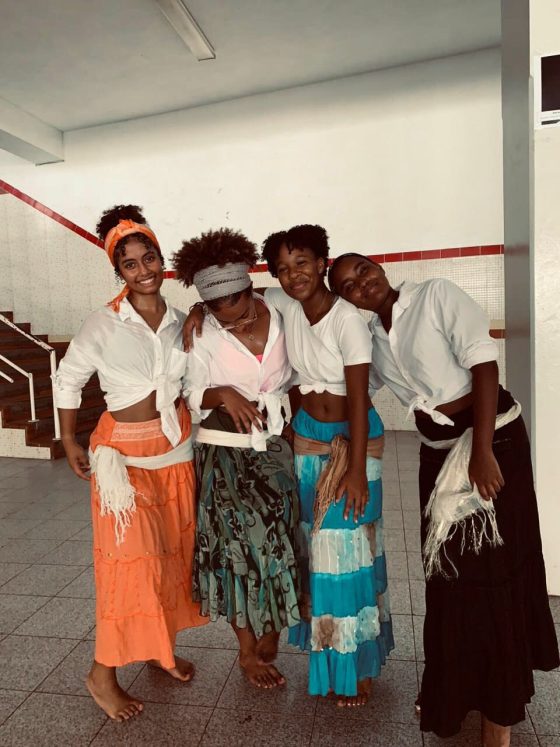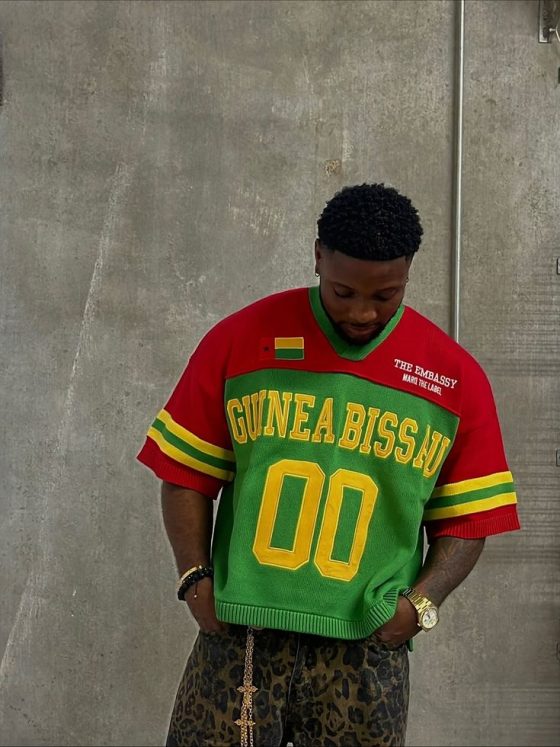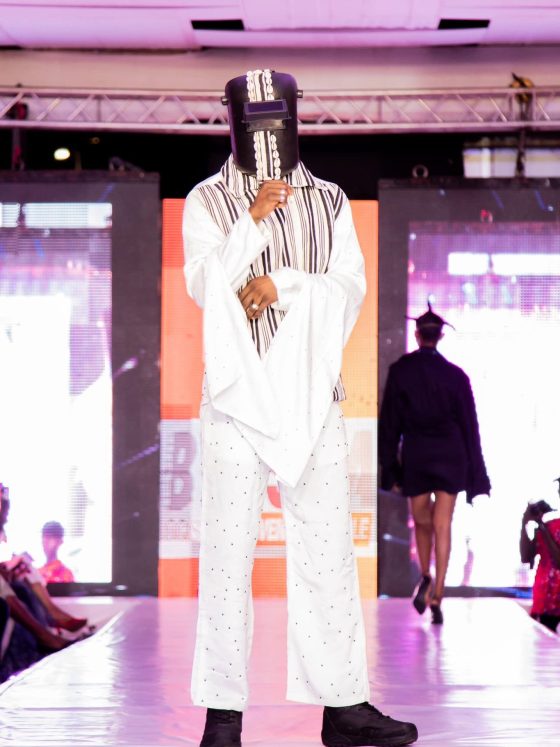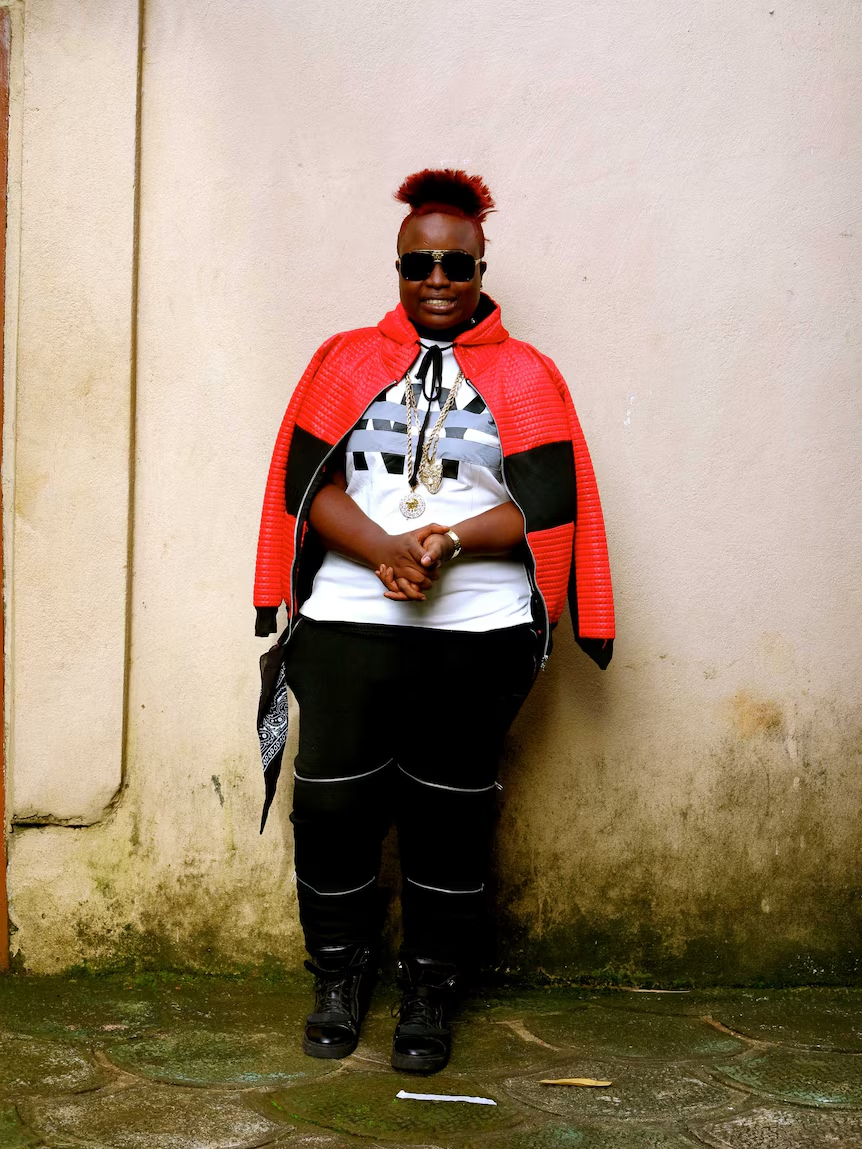
Freetown streetwear emerges from the deliberate choices of Sierra Leonean youth who transform limited resources into distinctive urban style.
This is not passive adoption of global trends. It is a living system of adaptation rooted in the city’s economic realities and social networks. Through tailoring workshops, peer validation, and music-driven public performance, Freetown’s young generation continuously reshapes what urban dress means in Sierra Leone today.
In this article, we examine how access, economic pressure, social validation, and local textiles drive Freetown streetwear, revealing a fashion evolution defined by internal control rather than external imposition.
Freetown streetwear shows how Sierra Leone youth shape fashion through markets, tailoring, music, and social validation in everyday city life.
Access and Acquisition in Freetown Streetwear
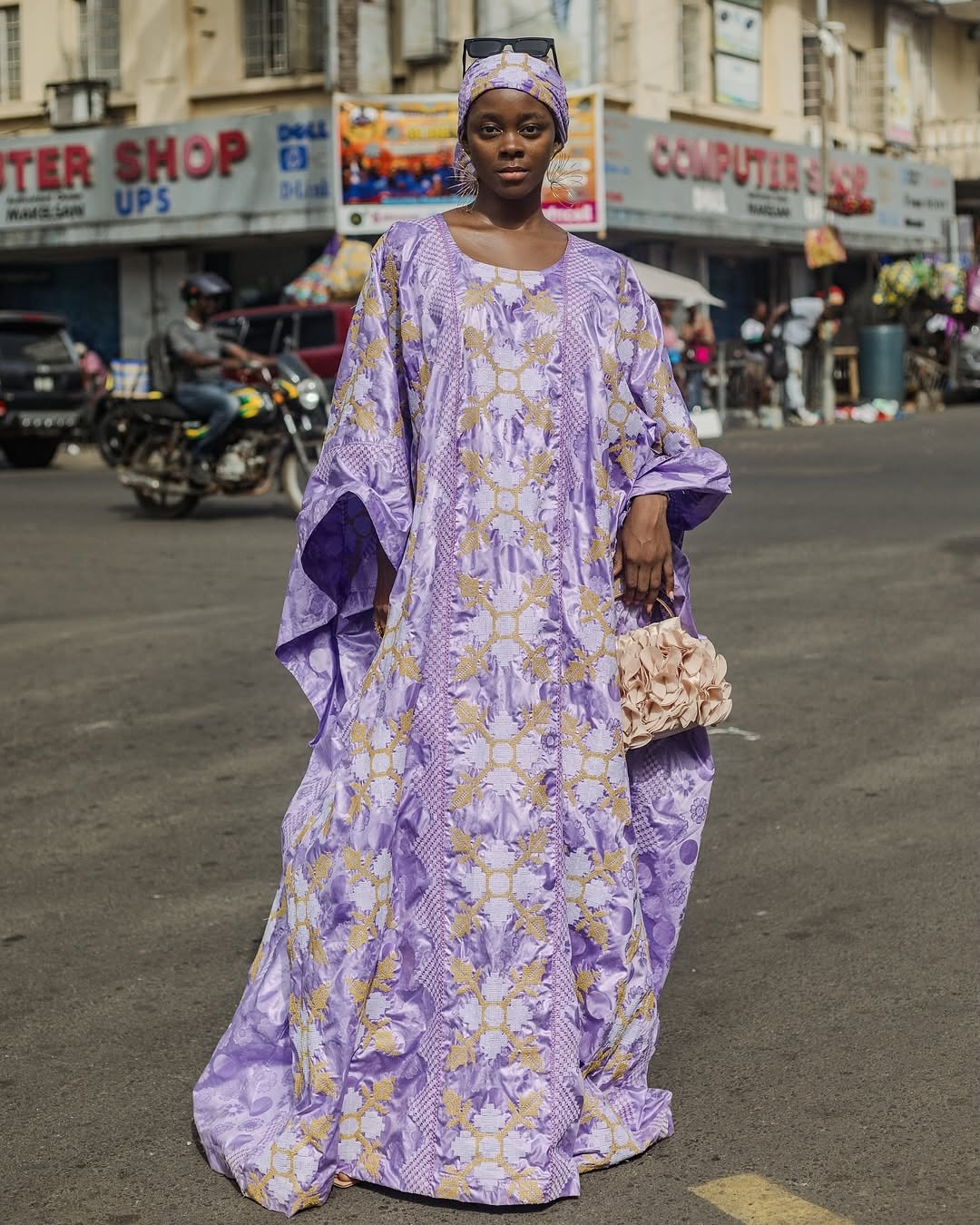
Freetown streetwear is shaped more by access than by aesthetic preference. In Freetown youth culture, clothing begins in markets such as Big Market Sierra Leone and Congo Market.
In this market, imported second-hand garments circulate alongside locally sourced pieces. These spaces determine what enters everyday dress before any stylistic identity is formed.
A study of West African urban economies shows that the second-hand clothing trade is a key driver of youth consumption patterns in cities with informal, unstable income structures.
Within this system, Sierra Leone street fashion develops through adaptation. Tailors in neighbourhood workshops adjust imported garments, altering fit, combining fabrics, and reshaping silhouettes to match individual needs.
This process turns availability into design input rather than a limitation. Furthermore, informal tailoring networks serve as points of transformation where global garments are reworked into locally meaningful dress.
This shows that Freetown streetwear emerges from circulation systems, not detached from style intention.
Economic Pressure and Clothing Adaptation in Salone Streetwear
Salone streetwear develops through economic pressure that shapes how clothing is selected, altered, and reused in Freetown.
Within Sierra Leone’s fashion evolution, young people extend garment life cycles through repair, resale, and modification rather than replacement. Clothing value is therefore measured by adaptability rather than novelty.
In Freetown youth culture, tailoring is central to this process. Imported shirts, trousers, and jackets are routinely adjusted to fit different bodies and budgets, while worn garments are reconstructed into new forms.
West African urban clothing studies describe this as a functional response to fluctuating incomes and informal employment structures, where durability and flexibility define consumption behaviour.
This system supports reuse networks in which second-hand clothing circulates repeatedly through households and markets before final disposal.
Informal textile economies sustain both access and employment through continuous garment transformation rather than linear consumption.
Validation Systems in Freetown Youth Culture
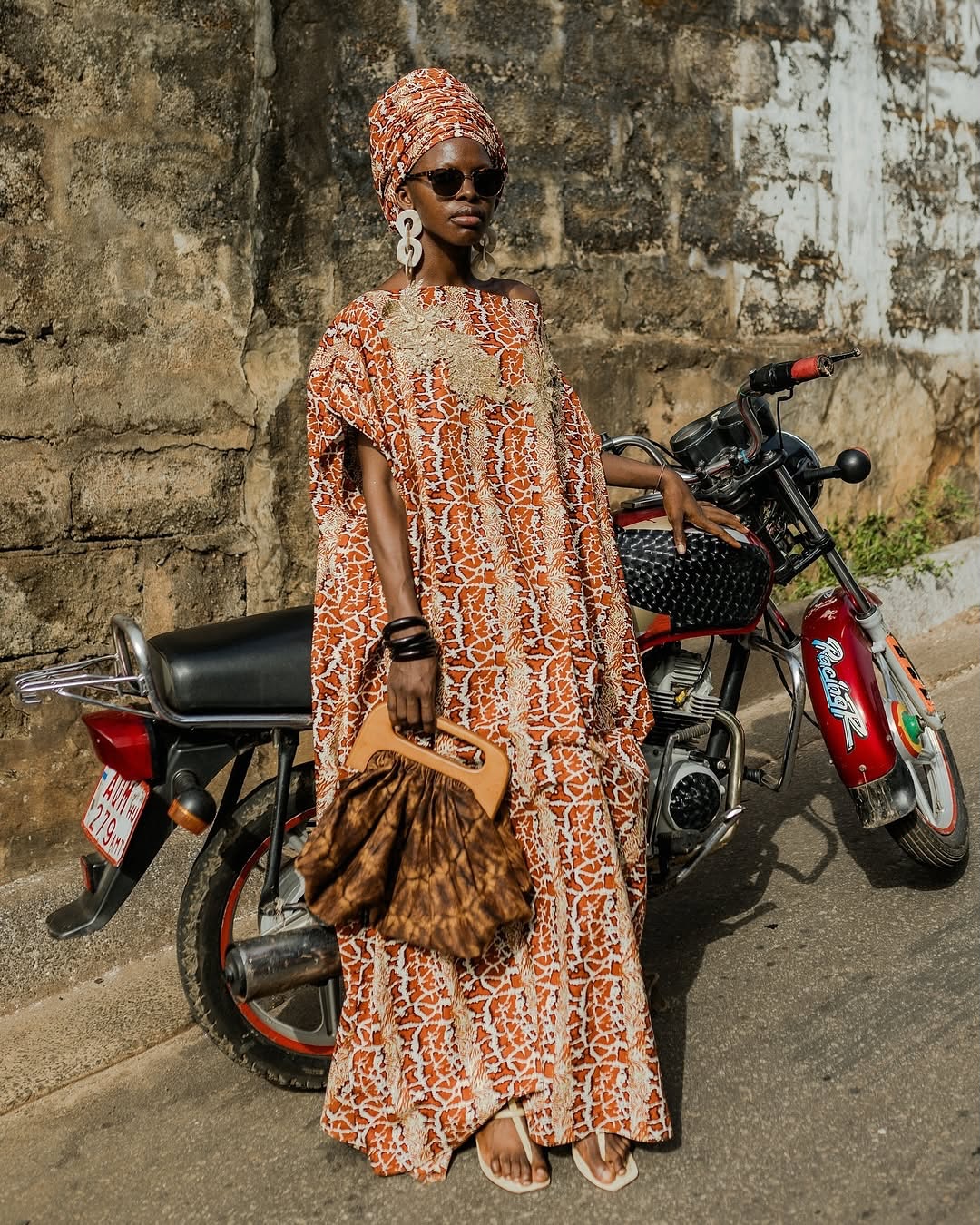
Freetown youth shape streetwear through social approval systems that work in public places and on social media. Clothes gain real meaning only when peers accept them in daily settings in areas such as Lumley, Brookfield, and Aberdeen.
In Sierra Leone street fashion, approval comes from group agreement, not from official rules or designers. Young people test new outfits on street corners, at football pitches, and in evening spots.
Music scenes make this stronger. Salone hip-hop and Afrobeats artists show new style mixes during live shows. People in the crowd react right away with feedback, shares, and on-the-street copying. What people like spreads quickly through word of mouth and social media. This process creates the look that defines the current Salone city style.
This system pushes Sierra Leone’s fashion forward from the bottom. Peer approval and street performance decide which styles last, not big fashion events. In Freetown, young people hold real power over their city’s style. They create a clear way to show belonging and new ideas through everyday social checks.
Also Read
- Fabrics and Craftsmanship in Sierra Leonean Fashion
- Traditional Clothing in Sierra Leone: Culture, Identity, and Style
- Abidjan Streetwear: The Rise of Urban Fashion in Côte d’Ivoire
Gara Street Style and Local Textile Reconfiguration
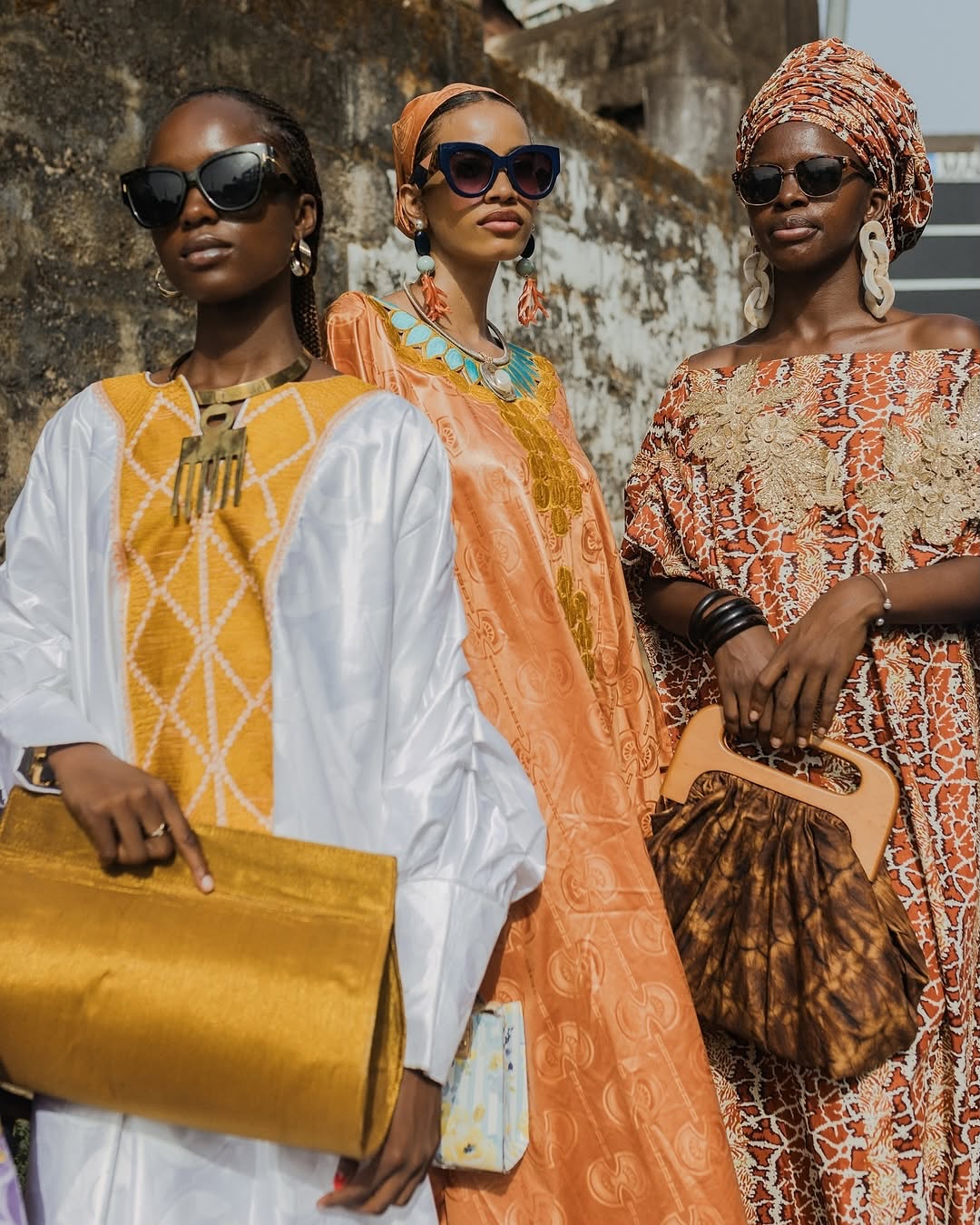
Gara street style remains one of the clearest links between Freetown streetwear and established dyeing traditions in the evolution of Sierra Leonean fashion.
Gara, associated with indigo resist-dye practices documented across Sierra Leone and parts of Upper Guinea, continues to circulate through informal tailoring networks in Freetown, where fabric is adapted into contemporary street silhouettes.
In Freetown youth culture, gara is not restricted to ceremonial framing. It appears in shirts, trousers, caps, and layered outfits designed for everyday urban use. Tailors reshape fabric into fitted and oversized forms to suit client preferences, making textile handling part of design production rather than preservation.
Ethnographic and textile scholarship on West African indigo dye systems describes resist-dye practices as living craft economies.
This is shaped by apprenticeship, trade circulation, and urban adaptation rather than fixed tradition. In Freetown street fashion, this is evident in the way gara fabric is integrated into global streetwear silhouettes without separating production systems.
The Omiren Argument
Freetown streetwear is frequently misunderstood as passive consumption of second-hand imports and global trends. Yet, the real seat of authority lies in the city’s local markets, tailoring networks, and youth social validation systems.
In Freetown, second-hand clothing and traditional Gara coexist in the same ecosystem. Young people and neighbourhood tailors at Big Market and Congo Market actively select, alter, and recontextualise garments through rapid modifications and public testing.
This disrupts the external-influence narrative by showing that meaning is created upon arrival, not at the point of import. Adaptation, not origin, determines what survives as style.
The cultural insight is that this process produces distinctly Salone urban identities that are neither purely traditional nor imitative. Through repeated practical adjustments, Freetown youth maintain continuity with older textile practices while meeting contemporary urban realities.
Freetown streetwear, therefore, re-demonstrates that Sierra Leonean fashion evolution is driven by a robust internal decision system in which young people exercise significant control through circulation, transformation, and collective recognition.
Explore more West African street fashion stories on Omiren Styles to understand how cities across the region shape everyday style through culture, economy, and youth identity.
Frequently Asked Questions
- How did streetwear culture evolve?
Streetwear emerged in the late 1970s and early 1980s from California’s surf and skate communities.
Brands like Stüssy began producing graphic T-shirts and relaxed clothing that reflected youth identity rather than formal fashion systems. In the 1980s and 1990s, it absorbed strong influences from hip-hop, graffiti, punk, and skateboarding cultures.
By the 2000s and 2010s, collaborations between streetwear labels and luxury fashion houses pushed it into the global mainstream.
- What are the top 10 streetwear brands?
There is no fixed or official ranking because influence shifts across time, regions, and fashion media. However, several brands are consistently recognised for shaping streetwear culture globally.
Some of which include Supreme, Stüssy, A Bathing Ape (BAPE), Off-White, Palace, Nike, KITH, Fear of God, Corteiz, and Aimé Leon Dore. These brands are frequently highlighted for their cultural impact, strong community identity, and collaborations that bridge street culture and mainstream fashion.
- What are the four types of streetwear?
Streetwear is usually grouped into four broad styles based on aesthetic and cultural influence.
Skatewear comes from skateboarding culture and features graphic tees, hoodies, baggy trousers, and skate shoes. Hip-hop streetwear is shaped by music culture and often features oversized silhouettes, sneakers, sportswear, and bold branding.
Luxury streetwear blends street aesthetics with high-end fashion materials and designer labels. Techwear focuses on functionality, using performance fabrics, utility detailing, and futuristic design elements.
- Which culture invented streetwear?
A single culture did not create streetwear. It developed from a mix of California surf and skate communities and was later shaped by hip-hop, punk, and graffiti cultures.
These youth subcultures collectively formed the foundation of what is now recognised as streetwear, each contributing different visual codes, attitudes, and forms of expression.
- Who was the first streetwear brand?
Most fashion historians and commentators credit Stüssy, founded by Shawn Stüssy in the early 1980s, as the first true streetwear brand.
It began within California’s surf scene and later expanded into skateboarding, hip-hop, and broader youth culture. While there is some debate about earlier influences and parallel movements, Stüssy is widely regarded as the pioneering label that helped define the category.