The Ndebele aesthetic is one of the most recognised visual systems in the world and one of the least credited. You have seen it. Bold triangles and diamonds outlined in thick black lines, bright blocks of red, yellow, blue, and green arranged with geometric precision across a wall, a garment or a product. You may not have known what you were looking at. That is not a coincidence.
The Ndebele people of Southern Africa developed this visual language over generations, and it was women who built it, preserved it, and passed it forward. Ndebele women painted the exterior walls of homesteads. They produced intricate beadwork using geometric forms and colour combinations that communicated identity, family status, and the stages of a woman’s life within the community. The patterns were never purely decorative. They were social and cultural languages with specific grammars, developed and maintained by specific people in a specific place.
What the world now treats as a design trend is, in fact, a cultural system. One that global fashion and branding have repeatedly borrowed, often without naming the source and almost always without directing value back to the community it came from.
This article does not argue against visibility. It argues for accuracy.
The Ndebele aesthetic explores how Ndebele women shape identity through pattern and how global design uses it without always giving credit.
OMIREN ARGUMENT
The Ndebele aesthetic is not a pattern. It is a language built by women, refined across generations, and encoded with the kind of meaning that does not survive extraction. When a global brand lifts its geometry and calls it ‘African-inspired’ or ‘tribal’, it does not borrow an aesthetic. It separates design from the intelligence that produced it, turns a living cultural system into mere surface decoration, and entirely removes the community that created it from the story. That removal is not accidental. It is what happens when the industry values style over source and treats African visual culture as a reservoir to draw from rather than a body of knowledge to engage with honestly.
The Ndebele case is particularly instructive because the aesthetic is so immediately recognisable and so rarely named. Hermès, which used Ndebele-inspired geometry in a 2014 collection, did not name the Ndebele people in the campaign. Louis Vuitton has referenced the visual vocabulary without attribution. Countless homeware, fashion, and branding projects describe the source as ‘African geometry’ or ‘tribal pattern’, collapsing a specific cultural system into a continent-wide abstraction that means nothing and credits no one. Dr Esther Mahlangu has spent decades demonstrating that the Ndebele aesthetic has a named author, a specific history, and a living community. The industry has celebrated her individually while continuing to lift the work of that community without acknowledgement. Individual recognition is not the same as cultural credit. The Ndebele aesthetic deserves both.
The Visual Language – What Makes Ndebele Patterns So Distinct
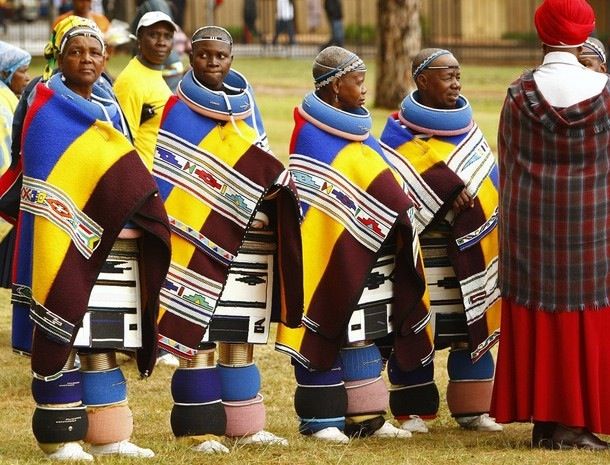
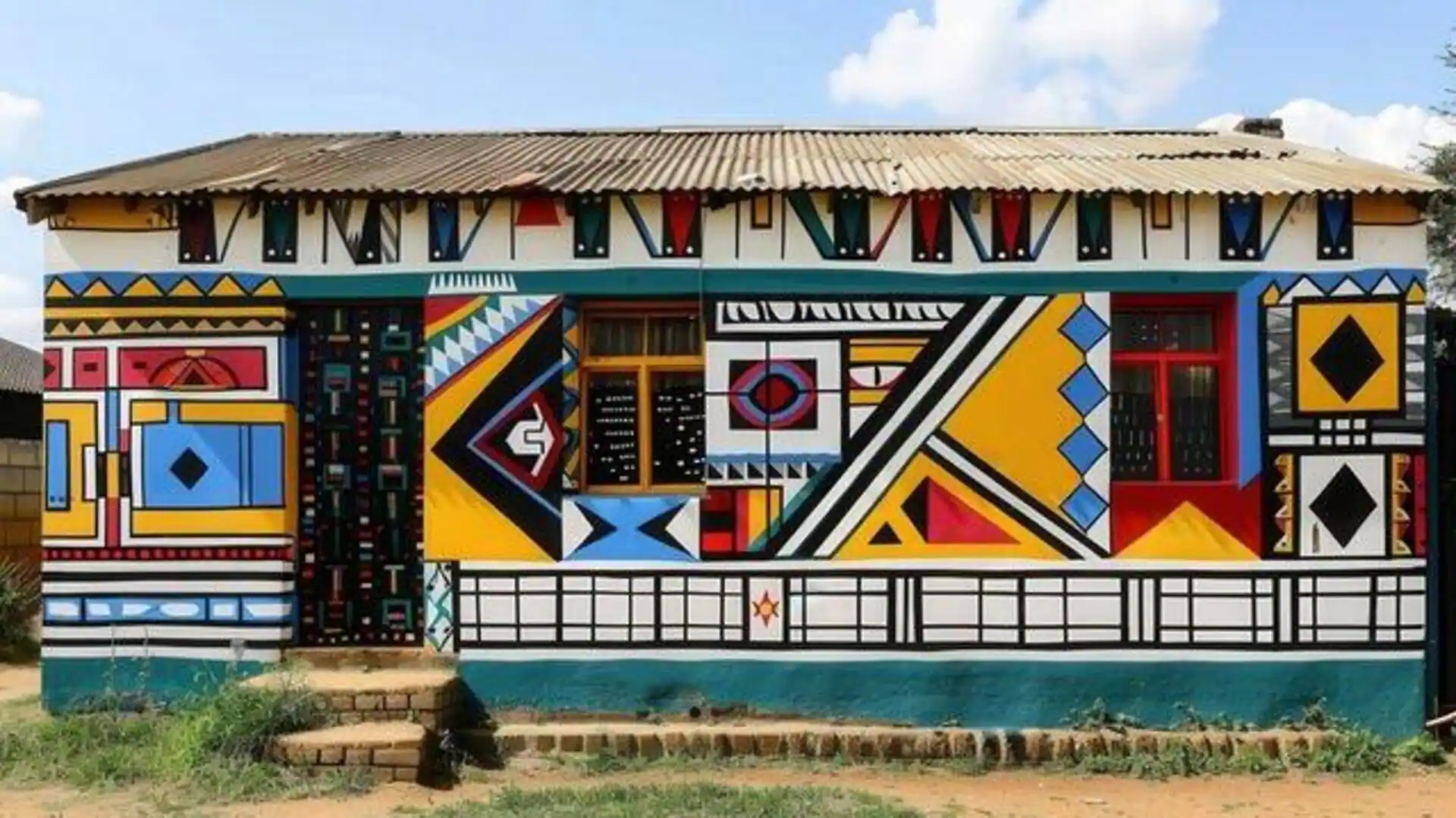
Ndebele patterns are easy to recognise because they follow a clear and structured style. The designs are made up of shapes like triangles, diamonds, zigzags, and straight lines.
These shapes are arranged in a balanced way, often repeating across a wall or a garment. For instance, thick black lines outline each shape, while bright colours like red, yellow, blue, and green fill the spaces inside.
This style developed within Ndebele communities, mainly through the work of women who painted the outside of homes and created beadwork by hand.
What Sets Ndebele Patterns Apart?
- Identity Through Time and Change
Over time, especially during periods of social disruption and colonial pressure in Southern Africa, Ndebele women used wall painting and beadwork to maintain a visible cultural identity.
The designs became a way of expressing belonging and continuity, even as surrounding social conditions changed.
- Symbolic Meaning in Design
The patterns often carry symbolic meaning connected to identity, family roles, and stages of life within the community.
While not every design functions like a strict code, colour, shape, and arrangement are used in ways that reflect cultural understanding within Ndebele society.
This makes the art more than decoration, even when the meaning is layered and contextual.
- A Tradition Preserved by Women
Ndebele artistic traditions have been largely maintained and passed down through women.
Skills in wall painting and beadwork are often learned within families and shared across generations.
This continuity has helped preserve the visual language and keep it culturally rooted over time.
Dr. Esther Mahlangu – The Face of the Ndebele Aesthetic on the Global Stage
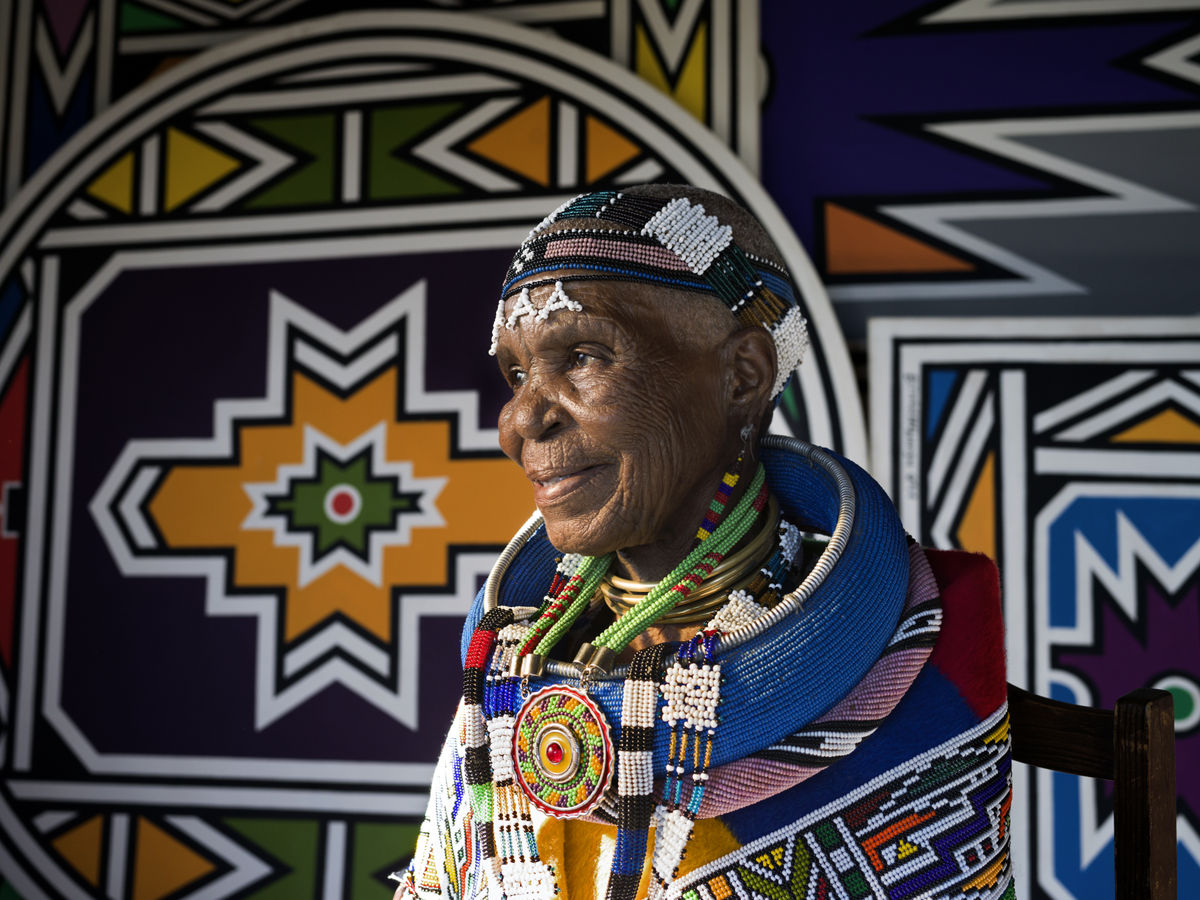
Dr Esther Mahlangu is one of the most recognised artists associated with the global visibility of the Ndebele aesthetic.
She was born in Mpumalanga, South Africa, where she learned Ndebele wall painting as a child and carried that tradition into her work as an artist.
Her style stays true to the Ndebele aesthetic, using bold geometric shapes, strong black outlines, and bright colours arranged in precise patterns.
What began as painting homestead walls became a visual language that now appears in international art spaces.
A key moment in her global recognition came in 1991 when she participated in the BMW Art Car project. She painted a BMW 525i with Ndebele-inspired designs.
This placed a traditional visual system into a global design space and introduced the Ndebele aesthetic to a wider international audience.
Her work shows how the Ndebele aesthetic can reach global platforms while still maintaining its cultural form and identity.
Also Read:
- What Makes a Fashion Capital: Why the Definition Was Never Built to Include Africa
- The Braiding Traditions That Encoded African Resistance and Identity
- The Wrapper Is Not Informal: Rethinking Africa’s Most Misclassified Garment
The Fashion Industry’s Uneven Exchange
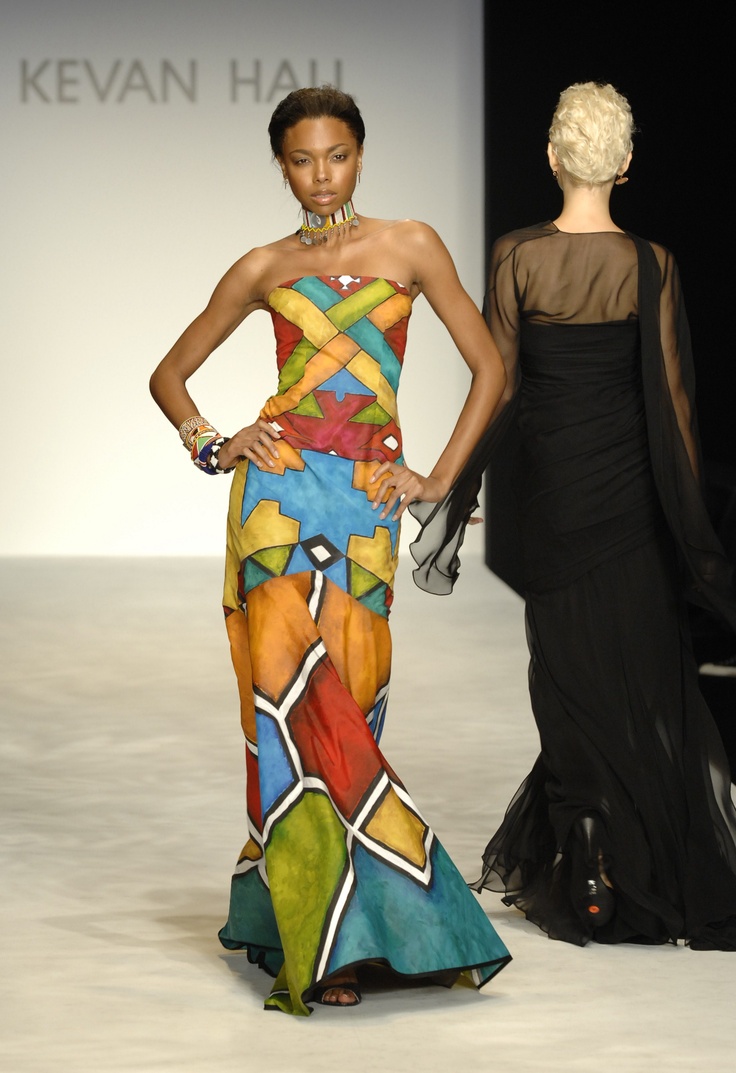
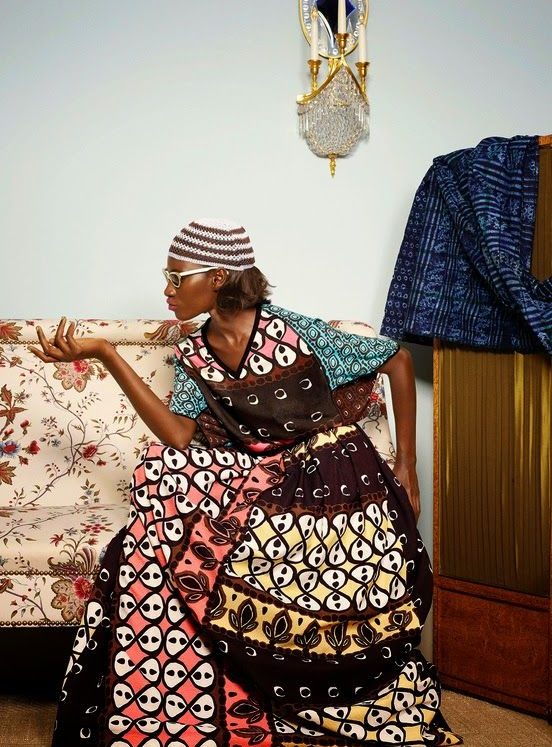
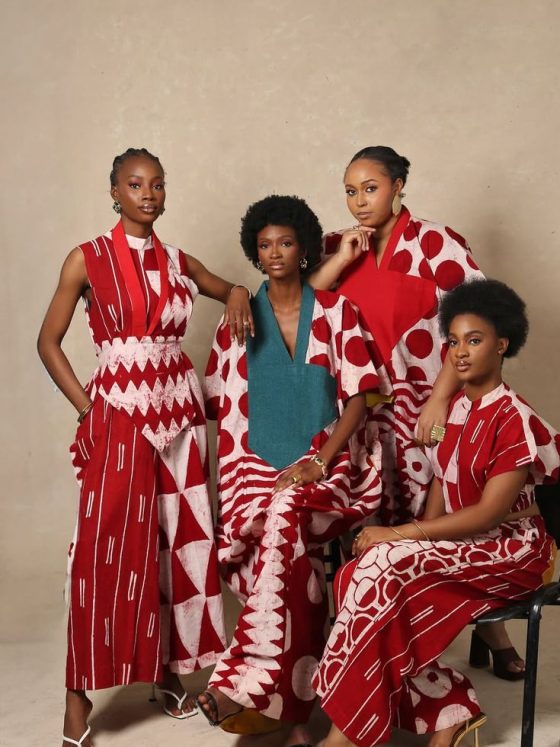
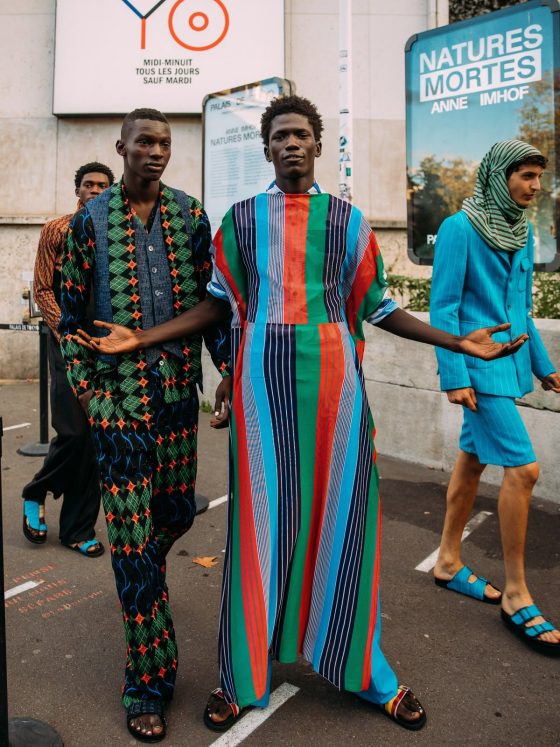
The Ndebele aesthetic appears in global fashion, interiors, and design, where its bold geometric patterns are used in clothing, furniture, and branding.
In many cases, these designs are described as “African-inspired,” “tribal,” or “geometric,” without clearly naming the Ndebele people as the source.
This means people can recognise the pattern, but may not know its cultural origin.
Over time, different African visual traditions have also been grouped under broad labels such as “African print” or “tribal design.”
As this continues, the design becomes easier to use as a style, but harder to trace back to its source. The Ndebele aesthetic isn’t just decoration, and that needs to be understood.
It’s a cultural system shaped by women and passed through generations. So, when it enters global design without a clear name, its origin is lost.
What Respectful Use of the Ndebele Aesthetic Looks Like

The Ndebele aesthetic continues to gain attention in global design spaces, but attention alone isn’t enough. What matters is how it is engaged, named, and credited.
Respectful appreciation begins with clear recognition of origin. This means moving beyond surface inspiration and treating the aesthetic with cultural responsibility.
What respectful engagement looks like:
- Clear naming of origin: The Ndebele people should be named whenever their visual language is used, rather than grouped under broad labels like “African-inspired” or “tribal.”
- Proper cultural credit: Designers and brands should acknowledge the Ndebele aesthetic as a specific cultural system shaped by women, not just a general design influence.
- Meaningful collaboration: Engagement should include Ndebele artists and creatives throughout the process, not just in the visual outcome.
- Respect for living culture: The Ndebele aesthetic is not a static trend. It is a living tradition that continues to evolve through the work of contemporary Ndebele creators.
In conclusion, the Ndebele aesthetic doesn’t need protection from visibility. It needs responsibility in its representation.
Frequently Asked Questions
-
What Do Ndebele House Designs Mean?
Ndebele house designs often reflect identity, family roles, and cultural expression. The patterns can signal social meaning within the community and are not purely decorative.
-
What Is The History Of Ndebele Wall Painting?
Ndebele wall painting developed as a cultural practice among Ndebele women, especially in Southern Africa. It became a way of expressing identity and preserving tradition during social change.
-
Why Is The Ndebele Aesthetic So Popular In Fashion?
The Ndebele aesthetic is popular in fashion because of its strong geometric shapes, bold colours, and visual symmetry, which translate easily into modern design and branding.
-
Who Are The Ndebele People In South Africa?
The Ndebele are a Southern African ethnic group known for their distinctive artistic traditions, especially wall painting and beadwork, which are created and preserved largely by women.