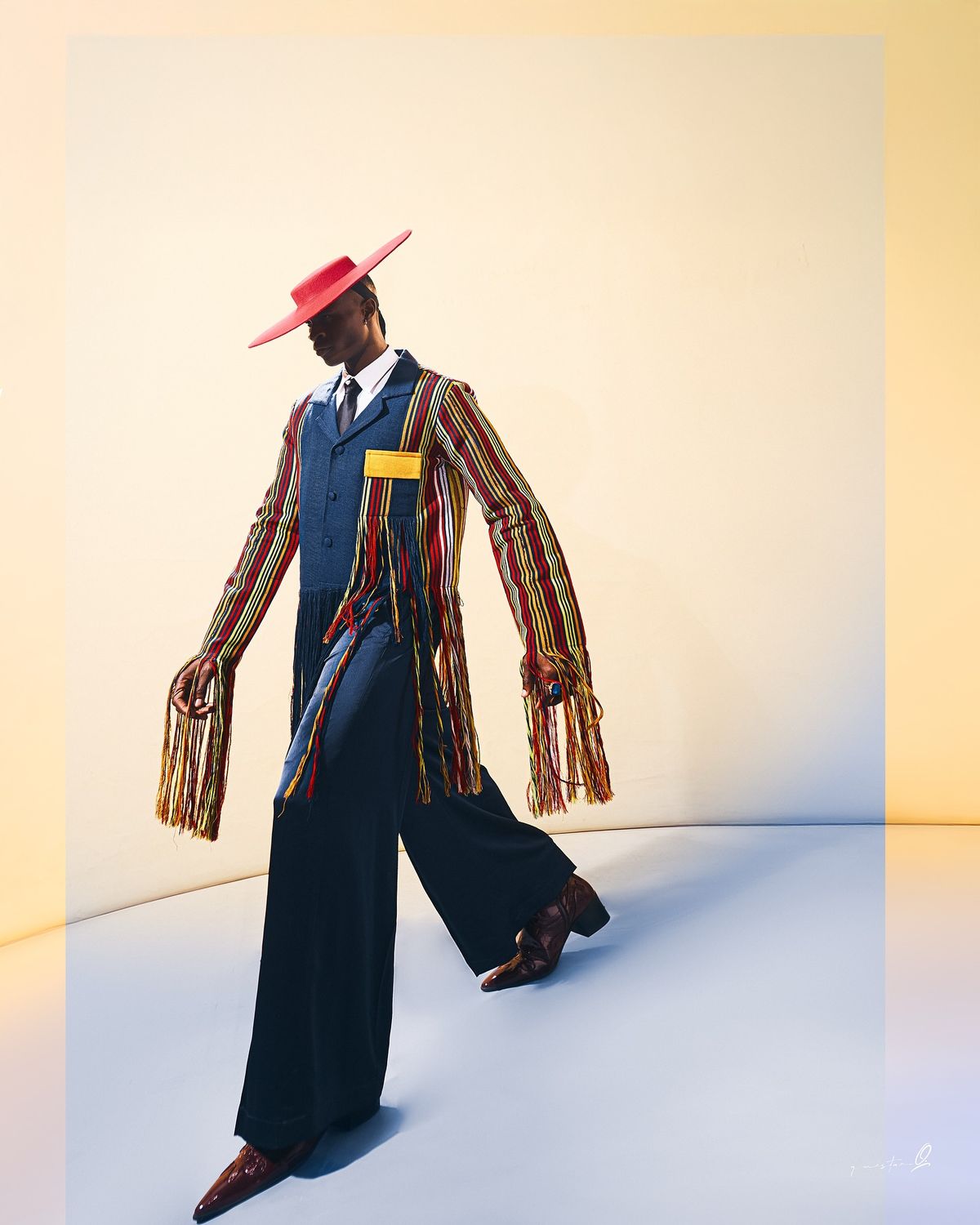
The most powerful four words in fashion are not about a garment, a season, or a silhouette. They are about geography.
Paris. Milan. London. New York.
These cities do not simply host fashion weeks. They hold the authority to decide what fashion is, who makes it, and which cities are permitted to be taken seriously on the global stage. That authority was not earned through creativity alone. It was constructed, protected, and passed between the same institutions for decades through media, through money, and through the slow agreement among people who already held power about what the word “legitimate” would mean.
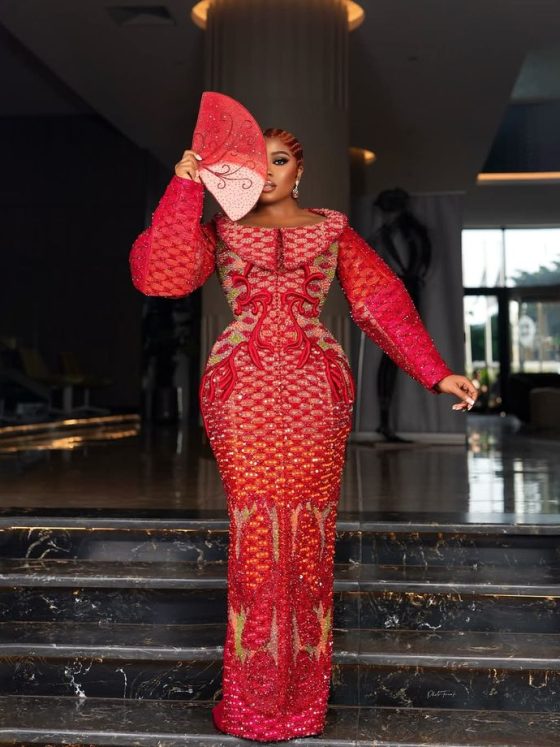
Lagos has designers. Accra has an industry. Nairobi has culture. Dakar has a textile history older than most European fashion systems. None of it has been sufficient to move any of these cities off the “emerging” list.
That is not an oversight. It is a design.
The question this article asks is not whether African cities produce fashion. They do, and they have done so for longer than most of the cities that currently hold authority over the term. The question is who controls the definition of a fashion capital and why that definition keeps returning the same four names.
Why do we keep certain clothes forever? Explore how memory, culture, and identity shape the emotional value of what we wear over time.
Infrastructure, Not Just Creativity, Determines Who Gets Seen
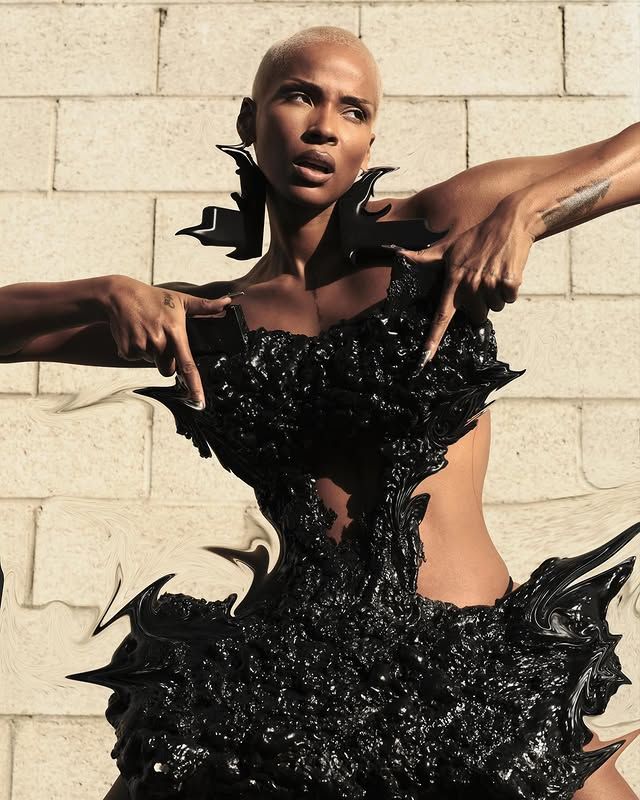
A city does not become a fashion capital because of design talent. It becomes one through infrastructure.
This includes established fashion weeks with global buyer attendance, long-standing relationships with international media, access to manufacturing and distribution networks, and financial systems that support scaling at pace. Paris and Milan have spent decades building these systems. Their influence is not accidental. It is sustained through institutions that repeat their authority season after season without ever needing to justify it.
Lagos Fashion Week, founded in 2011, draws regional buyers, continental press, and a growing international audience. It operates in a city of over 20 million people and is home to one of the most commercially dynamic fashion markets on the continent. Yet global media consistently describe it as a promising event rather than an established platform, regardless of what it has built over fifteen years of continuous operation. The infrastructure exists. The recognition withheld is a choice, not an honest reflection of what is there.
This gap between production and recognition is not confined to Lagos. Dakar Fashion Week, founded in 2002 by designer Adama Paris, operates with sophisticated programming and a verified continental roster. Nairobi and Accra run fashion infrastructure of comparable quality. None of them appears on the global fashion calendar the way Copenhagen or Seoul do, despite stronger cultural foundations and longer histories of textile production.
Media Power Shapes What the World Calls Fashion
Fashion authority is not only built on production. It is built on narrative.
Global fashion media plays a central role in determining which cities are seen, documented, and taken seriously. Coverage drives visibility, and visibility shapes what the industry calls influence. When major publications consistently focus on the same cities, they reinforce the idea that innovation originates there. Other regions are positioned as sources of inspiration rather than centres of authority: places to borrow from, not places to listen to.
This is why African cities are described as “rising” or “emerging” in editorial after editorial, even when their fashion systems are well established, and their designers are selling internationally. The language keeps them in a permanent state of anticipation rather than recognition. It is a grammatical demotion disguised as encouragement, and it has been applied with extraordinary consistency for decades.
Publications such as Vogue, GQ, and the Business of Fashion have increased their coverage of African designers in recent years, but the framing has rarely changed. The story is almost always one of discovery: a Western editorial team has found something remarkable in an unexpected place. It is never the story it should be, which is that the remarkable thing was there long before anyone arrived to document it.
The Label of “Emerging” Is Not a Description. It Is a Structure.
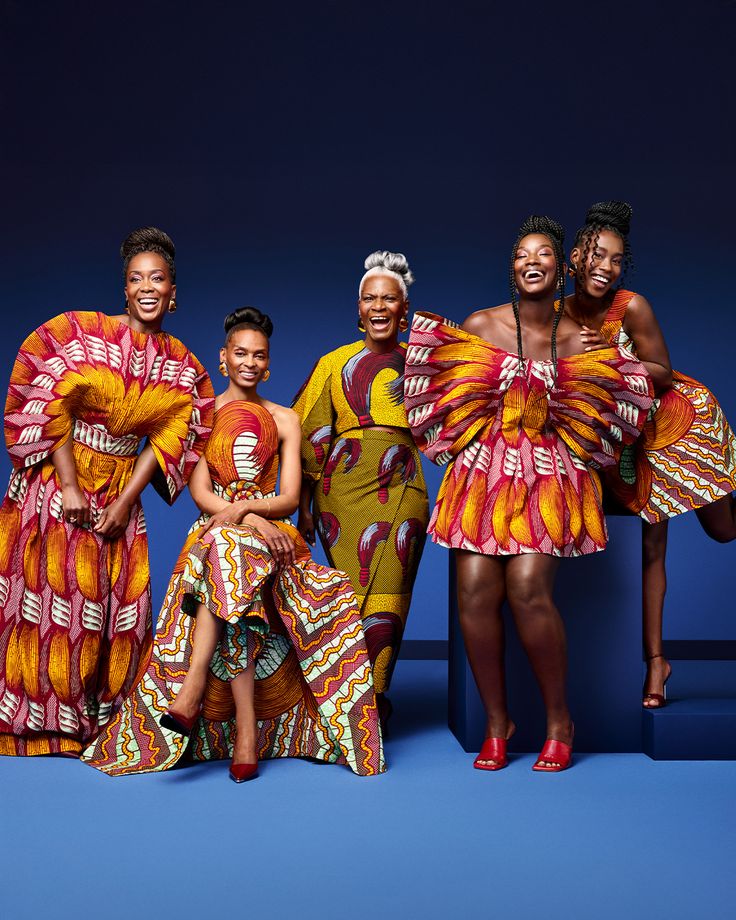
The word “emerging” is not a compliment. Applied to African fashion cities, it is a structural mechanism that keeps Lagos, Accra, and Nairobi in permanent anticipation regardless of what they produce, how long they have produced it, or how many of their designers have dressed the world. “Emerging” does not describe a stage of development. It describes who holds the power to grant arrival, and who has decided, season after season, that arrival has not yet happened. The cities named as permanent capitals did not earn that status through some objective measure of creative excellence. They were granted it by the same media and institutional frameworks that now use “emerging” as a containment tool, applied selectively to any city outside the agreed four, and with particular consistency whenever that city is African.
Kenneth Ize built a global clientele from Lagos, weaving aso-oke into ready-to-wear collections that appeared on international runways and earned him a spot on the LVMH Prize shortlist in 2019. Thebe Magugu won the LVMH Prize outright from Johannesburg in the same year, becoming the first African designer in the prize’s history to do so. Rich Mnisi has dressed international artists and collaborated with global brands while maintaining a studio rooted in South African craft tradition. None of these achievements shifted where authority is understood to live. A prize from a European institution does not dismantle the infrastructure that withholds recognition. It demonstrates that an African designer can perform at the highest level within a system not built for them and still not be granted the same standing as a European contemporary with a smaller body of work. The infrastructure that determines which cities count was not designed with these cities in mind, and individual excellence within a closed system is not the same as the system opening up.
Fashion Capitals Are Also Economic Centres
Beyond creativity and media, the recognised fashion capitals are sustained by strong economies that provide access to investment, retail expansion, and global distribution networks.
New York benefits from its proximity to major financial institutions and corporate networks, enabling brands to scale quickly and maintain an international presence across multiple markets simultaneously. London’s fashion industry benefits from the Creative Industries Council, arts funding, and a network of industry organisations that provide infrastructure from the beginning of a designer’s career.
In many African cities, designers operate within more constrained conditions. Funding is limited, production costs are high relative to local purchasing power, and access to international distribution requires relationships that the global fashion infrastructure has not been built to facilitate. According to McKinsey’s State of Fashion report, Africa’s apparel market is projected to grow substantially over the next decade. Yet, investment in African fashion businesses remains a fraction of what comparable markets in Asia or Eastern Europe attract. This does not diminish the quality of the work. It affects the ability to project that work globally at the scale that would force the conversation to shift.
A History: The Current Map Was Not Designed to Include
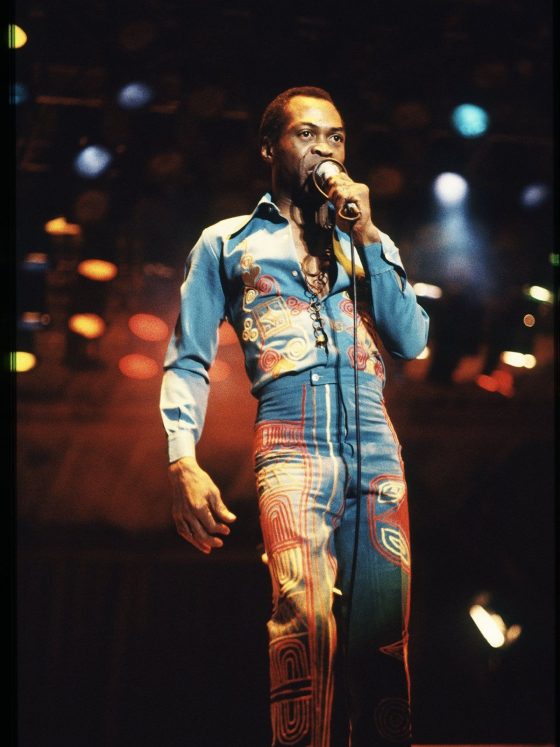
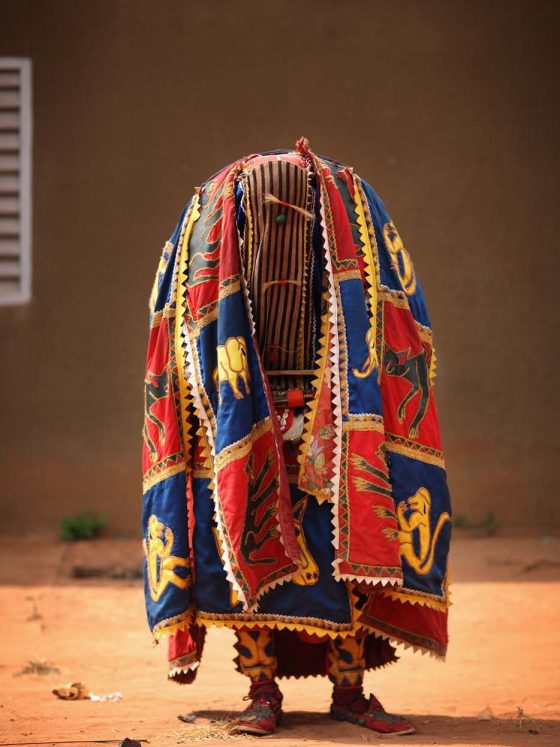
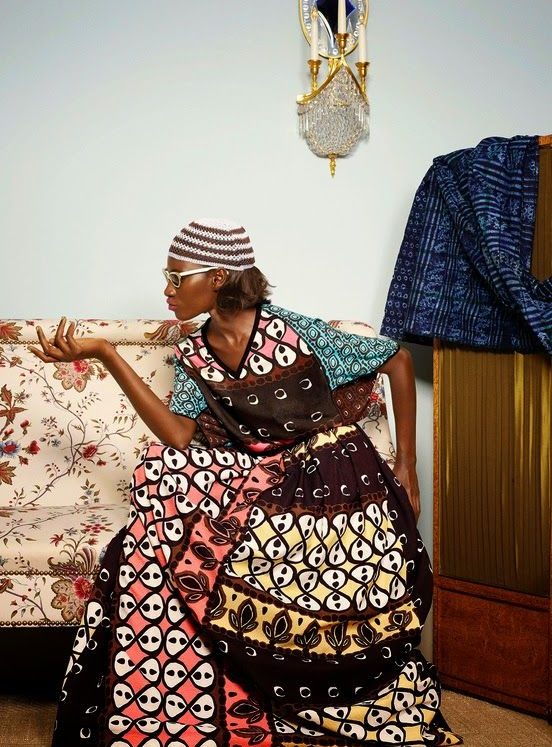
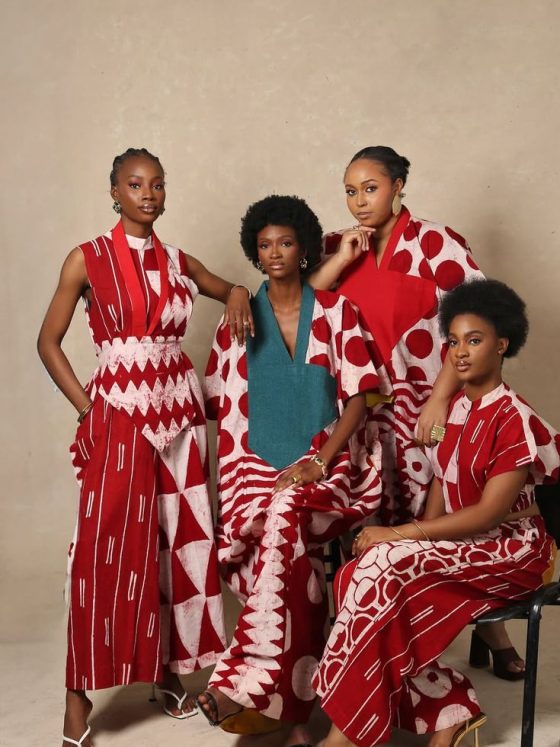
The idea that Africa is new to fashion is one of the more persistent and damaging myths in the industry. West African weaving traditions, including kente cloth from Ghana, carry systems of meaning, status, and identity that European fashion houses have spent decades trying to replicate through branding alone. The adire tradition in Yorubaland, the bogolan cloth of Mali, and the barkcloth of the Buganda kingdom in Uganda represent textiles with centuries of documented history, functional purpose, and aesthetic complexity that predate every fashion week on the current global calendar.
The global fashion industry did not discover African textile culture. It encountered it, borrowed from it repeatedly and without sufficient credit, and continued to describe the source as “emerging”. That history matters because the current conversation about fashion capitals cannot be fully understood without it. As Omiren Styles has consistently argued in its coverage of African dress traditions, African fashion cities are not arriving late. They are being kept waiting at a door that others opened with their cultural production.
Rethinking What a Fashion Capital Should Mean
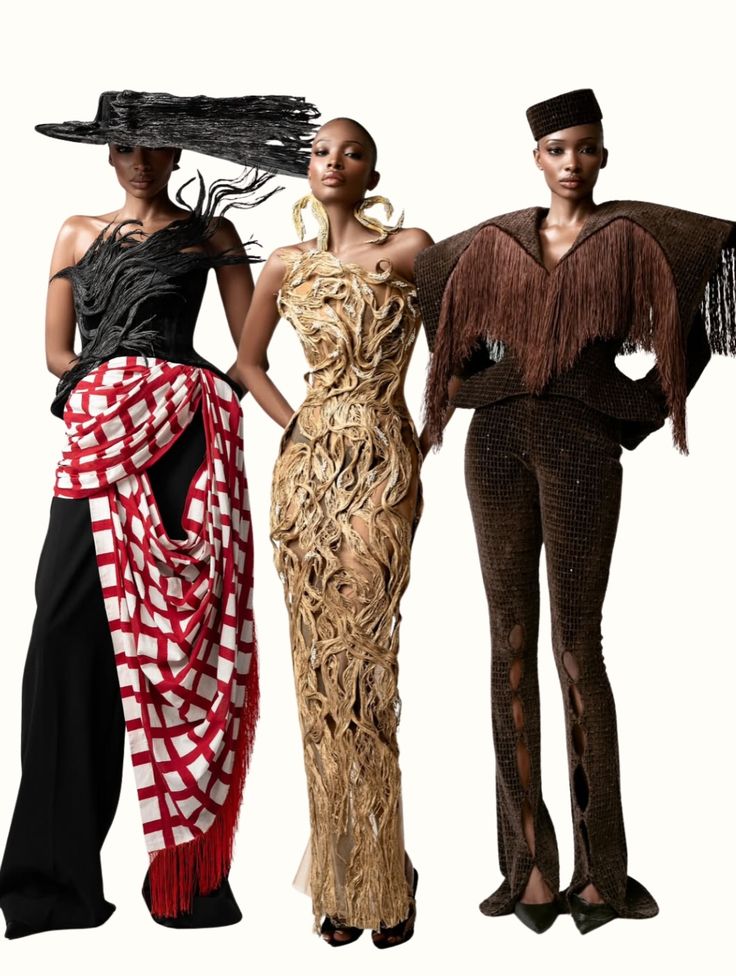
The current definition of a fashion capital prioritises visibility, infrastructure, and economic power. These factors matter, but they are not neutral measurements. They reflect who built the measuring system and whose cities were in view when the criteria were agreed.
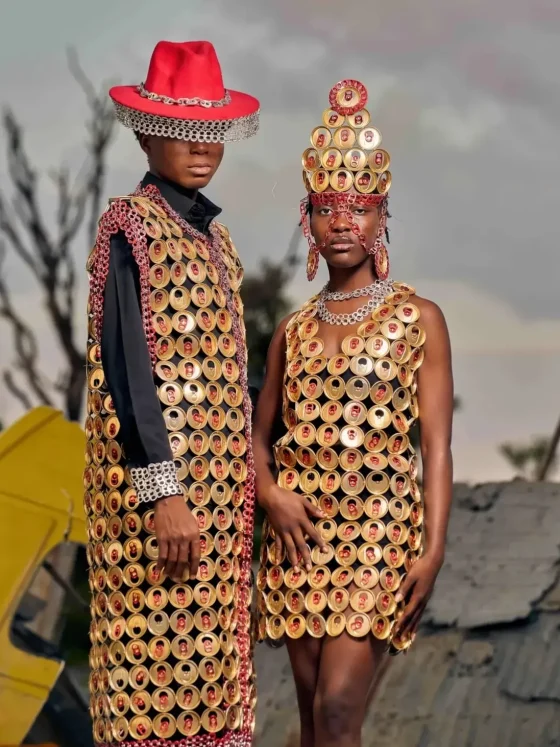
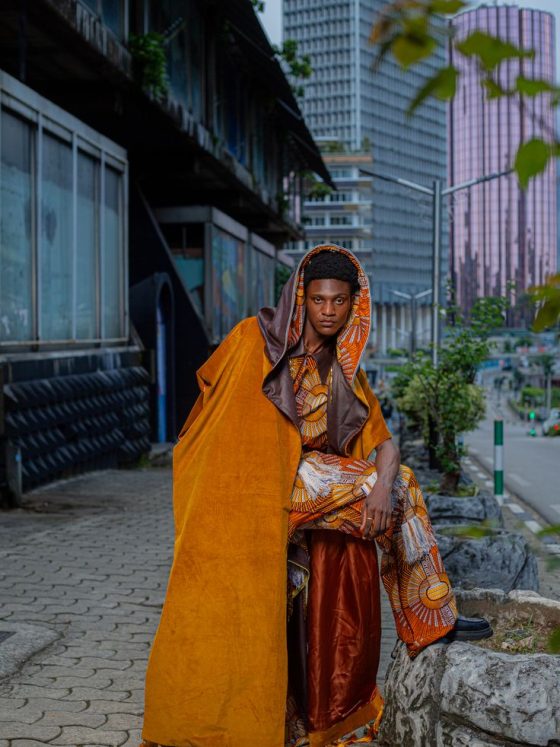
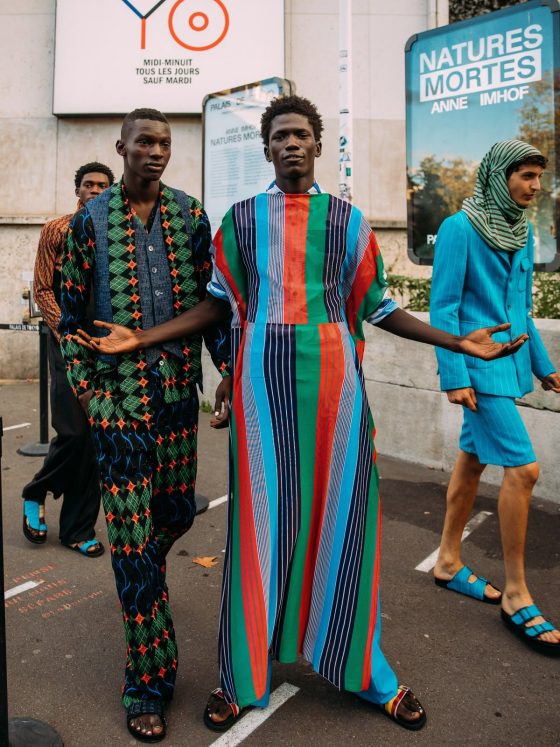
Lagos and Accra have vibrant fashion ecosystems that shape how people dress, how culture is communicated, and how identity is performed across entire regions and their diasporas. Their influence extends beyond formal institutions into everyday life in ways that Paris and Milan cannot claim in the same register. If fashion is understood as a cultural system rather than simply an industry, these cities are not secondary. They are central within their own contexts and increasingly influential beyond them, as any serious survey of diaspora dress, African streetwear, or the international reach of designers operating from the continent will confirm.
Nataal, one of the most authoritative platforms covering African fashion, has documented this creative landscape in depth for years, consistently demonstrating that the case for African fashion authority need not be made from scratch. It needs to be heard by the institutions that have, until now, chosen not to listen.
Also Read:
- Why Lagos Is One of Africa’s Most Important Fashion Cities
- Dakar’s Influence on African Style: The Fashion Capital the World Is Overlooking
- Culture Is the Foundation of Style
- Accra’s Fashion Scene: Ghana’s Capital as a Major African Style City
Toward a More Honest Global Fashion Map
A more accurate understanding of fashion capitals requires acknowledging multiple centres of influence rather than defending a single hierarchy. This means treating local markets as valid systems in their own right, not as stepping stones toward Western validation. It means expanding media coverage beyond the same four cities in every analysis of global fashion authority. It means redefining influence to include cultural impact alongside global visibility, particularly when global visibility has been deliberately withheld.
Such a shift would not reduce the standing of Paris or Milan. It would create a more honest picture of where fashion is produced, where it is worn, and how it moves across the world.
Conclusion
The cities that currently dominate global fashion did not become central by chance. Their authority was built through infrastructure, media relationships, and concentrated economic power. That structure can be questioned, expanded, and replaced by something more accurate.
African cities are not waiting to become fashion capitals. They already function as such within their own systems. Their influence on global dress, on diaspora identity, and on the direction of the industry is growing faster than the institutions that manage recognition are prepared to admit.
A single hierarchy will not shape the future of fashion. Multiple centres of authority will shape it, each defining its own style on its own terms, with or without permission from the cities that have held the title the longest.
FAQs
1. What defines a fashion capital city?
A fashion capital is defined by infrastructure, media influence, economic power, and its ability to shape global fashion trends and markets, not by the volume or quality of design talent alone.
2. Why are Paris and Milan considered fashion capitals?
They have long-established fashion systems, a strong media presence, and global influence, sustained by economic and institutional power built over decades and continuously reinforced by the same publications and organisations that define the criteria.
3. Why are African cities not recognised as major fashion capitals?
Limited global media coverage, infrastructure gaps, and constrained access to international investment affect their recognition despite strong creative output and well-established local fashion systems. The classification of “emerging” functions as a structural condition, not an accurate description of what these cities produce.
4. Can Lagos or Accra become global fashion capitals?
They already function as fashion capitals within their own systems. Greater global recognition depends on media visibility, sustained investment, and access to international distribution, alongside a willingness from global fashion institutions to redefine what authority looks like and who it is permitted to belong to.