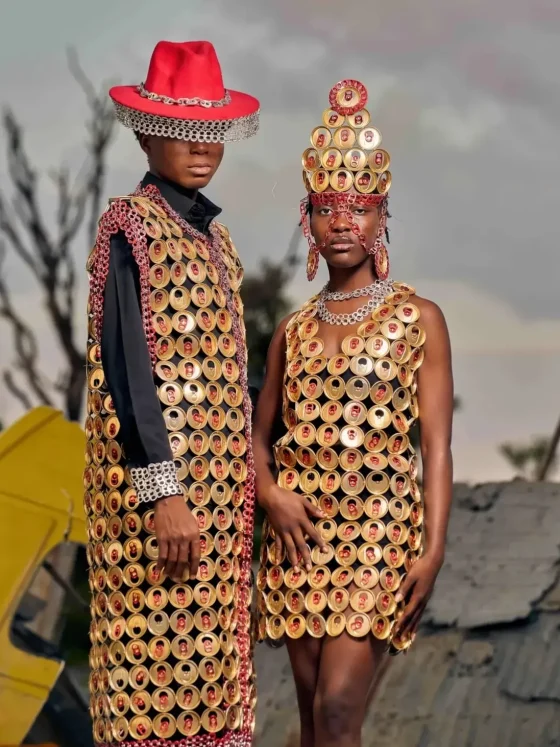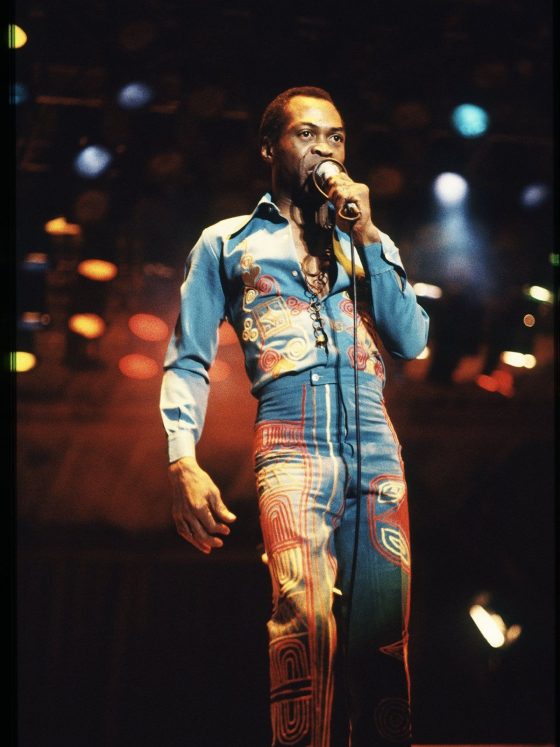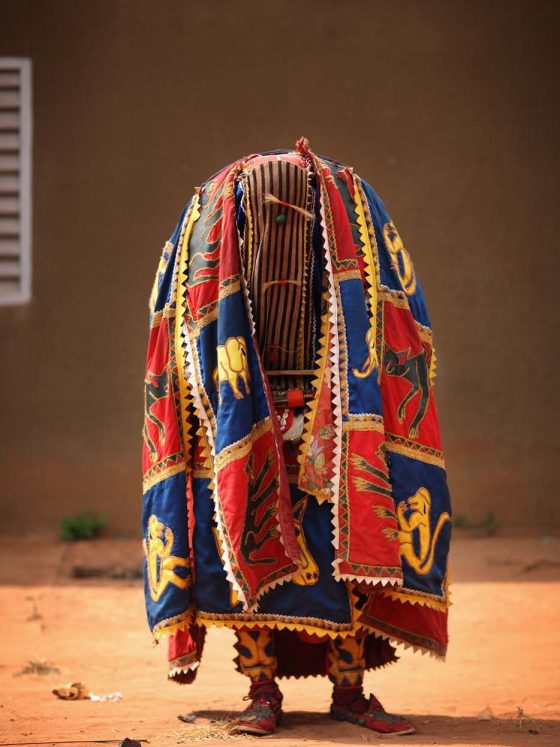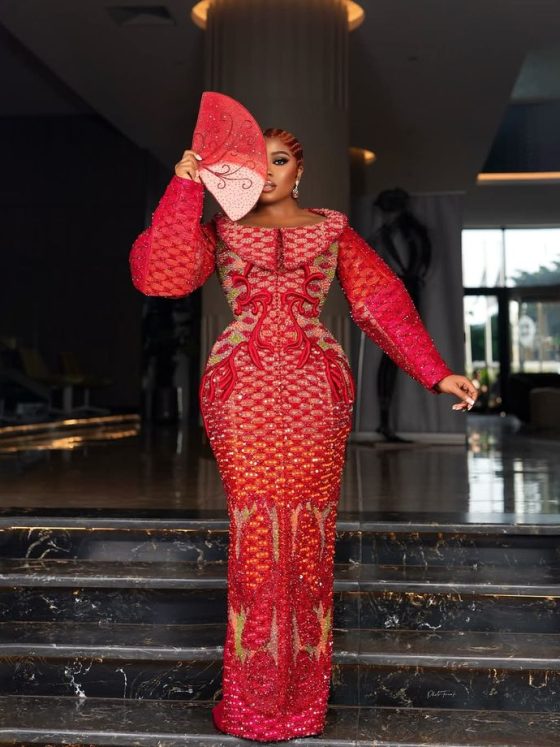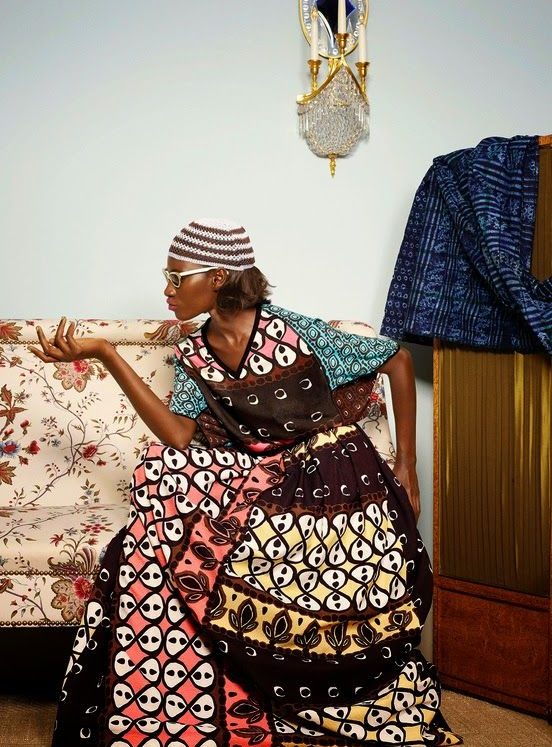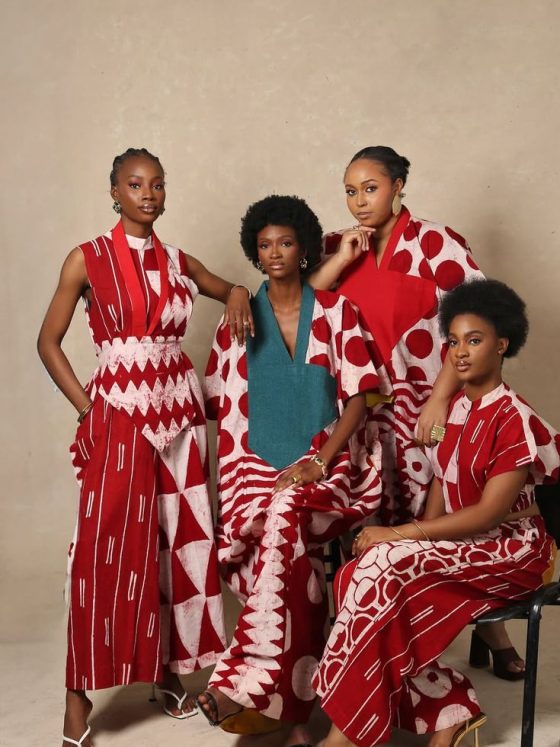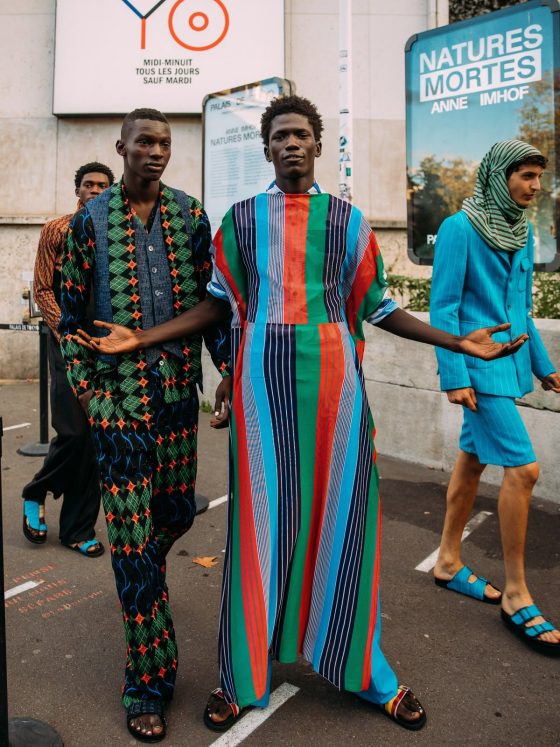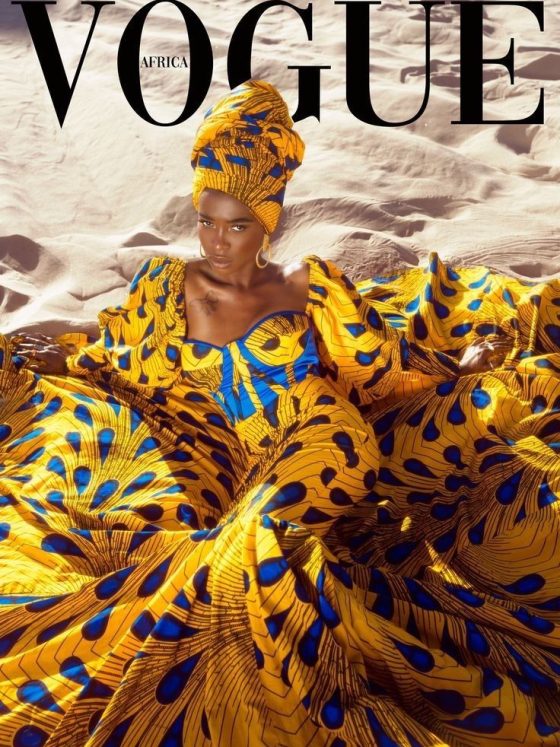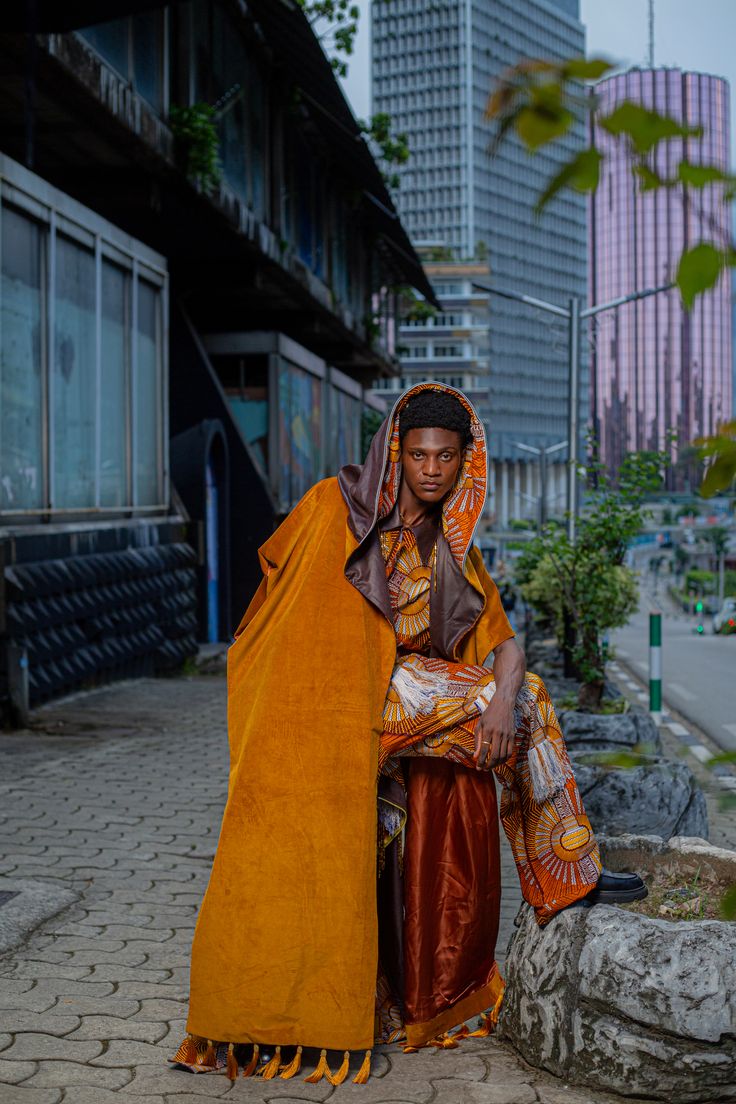
When Mansa Musa, ruler of the Mali Empire, made his pilgrimage to Mecca in 1324, his entire delegation was clothed in cotton woven with golden thread. The caravan included tens of thousands of people. Everyone was dressed. Cairo, through which they passed, was so disrupted by the volume of gold Musa distributed that its economy did not recover for a generation. The fashion press was not there. Nobody filed a trend report. And yet this was one of the most documented displays of organised, codified, high-quality dress in the medieval world, produced by an African industry that had been operating for centuries before the event and would continue to do so for centuries after.
Western fashion media has been calling African fashion “emerging” for as long as it has been covering it at all. The word appears in headlines, investment briefs, press releases, and editorial introductions with a consistency that reveals it is not a description. It is a default. And like all defaults, it tells you more about the person using it than about the thing being described.
African textile traditions predate European fashion by millennia. Calling African fashion emerging is not a neutral description. It is a choice.
What Was Already There Before the West Looked
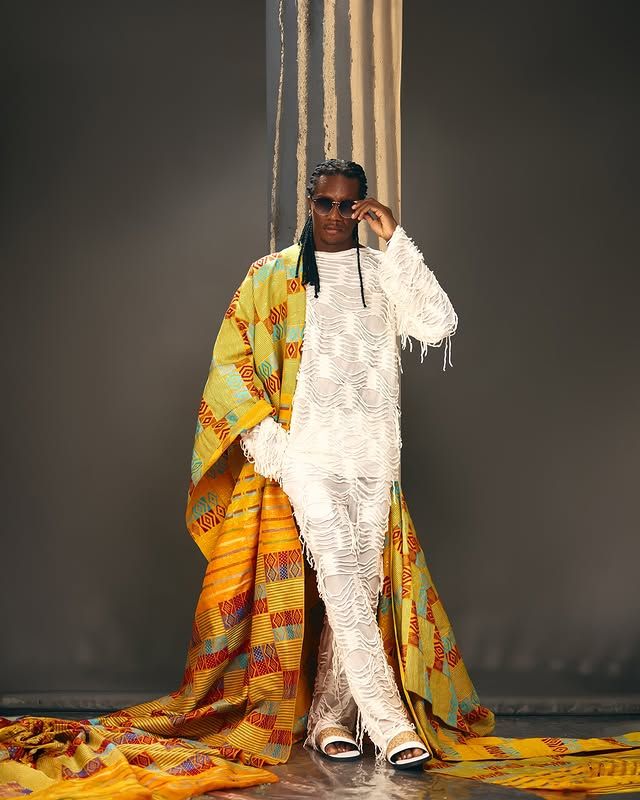
Akan and Ewe textile production in present-day Ghana is documented as far back as around 1000 BCE, according to historical scholarship published by the African American Intellectual History Society. The Kente cloth that now appears on graduation stoles across American universities, in Beyoncé’s visual albums, and in luxury fashion campaigns worldwide is not a recent tradition. It is a tradition that was already ancient by the time the Asante Kingdom codified its patterns in the seventeenth century, restricting specific designs to the Asantehene himself as instruments of royal authority.
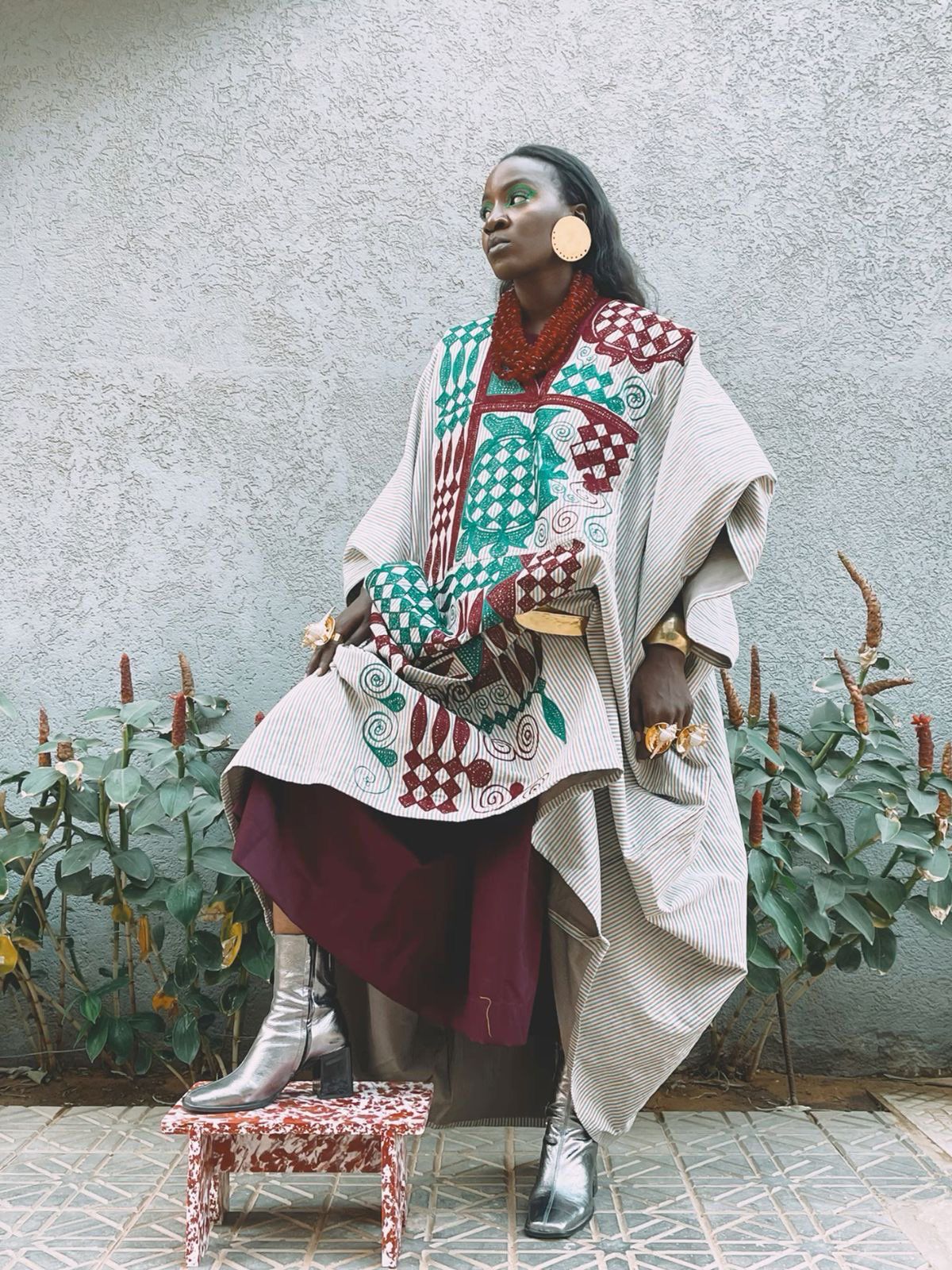
The Yoruba Aso-Oke weaving tradition, produced in towns including Iseyin, Oyo, and Ilaro, has been documented for over four centuries. The agbada dress system, in which every garment’s fabric, colour, and arrangement communicated the wearer’s status and the nature of the occasion, was a fully codified social technology operating across West Africa before the first European fashion house was founded. The Kanembu clothing tradition of the Lake Chad basin dates to the 800s CE. As Omiren Styles has documented in The African City That Fashion Forgot: How Benin, Oyo, Dahomey, and Asante Dressed Before Europe Arrived, the courts of pre-colonial Africa maintained dress systems of a complexity and intentionality that European fashion historians have consistently failed to account for in their standard narratives.
Ancient Egypt was weaving linen from cultivated flax as early as 5,000 BCE. The horizontal loom is depicted in a twelfth-dynasty image from the tomb of Khnumhotep, dating to approximately 1900 BCE. The African textile industry is not thousands of years old in the way that polite history acknowledges as background context. It is thousands of years old in a way that should change how every subsequent sentence about African fashion is written.
African fashion is not emerging. It never was. The word describes a direction of travel toward a destination not yet reached. African fashion reached its destination centuries ago. The Western gaze that cannot locate it is not evidence of absence. It is evidence of where the gaze has been pointed.
What the Word Emerging Actually Does
The word “emerging,” when applied to African fashion, serves a specific function. It positions African fashion as a subject in motion toward a destination defined by someone else. The destination is always implied to be Western market recognition, Western press coverage, or Western institutional validation. Fashion that has existed for millennia is reframed as a candidate for approval by an industry that is, by comparison, very new.
Consider the arithmetic. The European fashion house, as a commercial institution, is approximately 170 years old—haute couture as a codified practice dates to Charles Frederick Worth in Paris in the 1850s. The Asante Kente tradition predates this by at least 2,800 years. The Egyptian linen industry predates it by approximately 7,000 years. The narrative that positions African fashion as emerging toward the standards set by European fashion is not historically defensible. It is commercially convenient.
It is commercially convenient because it preserves the authority to grant recognition. If African fashion is always emerging, the moment of arrival is always deferred. The institution that controls the definition of arrival retains the power to withhold or bestow the status indefinitely. That power has commercial value. It shapes which designers receive investment, which brands receive press, which markets receive attention, and which communities receive credit for the cultural influence their work demonstrably exercises.
What Has Changed Is Not African Fashion. It Is Who Is Watching.
The Afrobeats music industry did not create African fashion’s global relevance. It created the audience that Western fashion media required before it would acknowledge African fashion’s global relevance. The distinction matters because the framing of African fashion’s recent visibility as an arrival, rather than as a Western discovery, places the credit for African fashion’s authority with the Western media infrastructure that finally noticed, rather than with the African designers, tailors, weavers, and communities who built the tradition over centuries.
Tokyo James showed in Milan for five consecutive years, not because African menswear had arrived there during that period. He showed because he is a designer whose tailoring is precise enough to hold its own on the world’s most competitive commercial runway, built on Nigerian textile intelligence that predated Milan’s fashion week. Thebe Magugu won international recognition not because South African fashion emerged. He won it because he built a brand from a governing brief, a specific intellectual position about preserving African histories through cloth, that is more coherent than most European designer brands maintain across a decade.
The $31 billion African apparel market documented in The African Fashion Economy: A $31 Billion Industry the World Still Undervalues is not the result of emergence. It is the result of a commercial ecosystem that has been built over generations, that survived colonialism’s attempt to delegitimise African dress by tying institutional access to European modes of presentation, and that is now large enough for the global fashion media to report on the industry without acknowledging it.
ALSO READ
- The African City That Fashion Forgot: How Benin, Oyo, Dahomey, and Asante Dressed Before Europe Arrived
- The African Fashion Economy: A $31 Billion Industry the World Still Undervalues
- Why No Serious Investor Has an African Fashion Portfolio: The Cost of Institutional Blindness
- The Ankara Economy: Who Is Actually Capturing the Value?
Why Omiren Styles Uses the Word Foundational
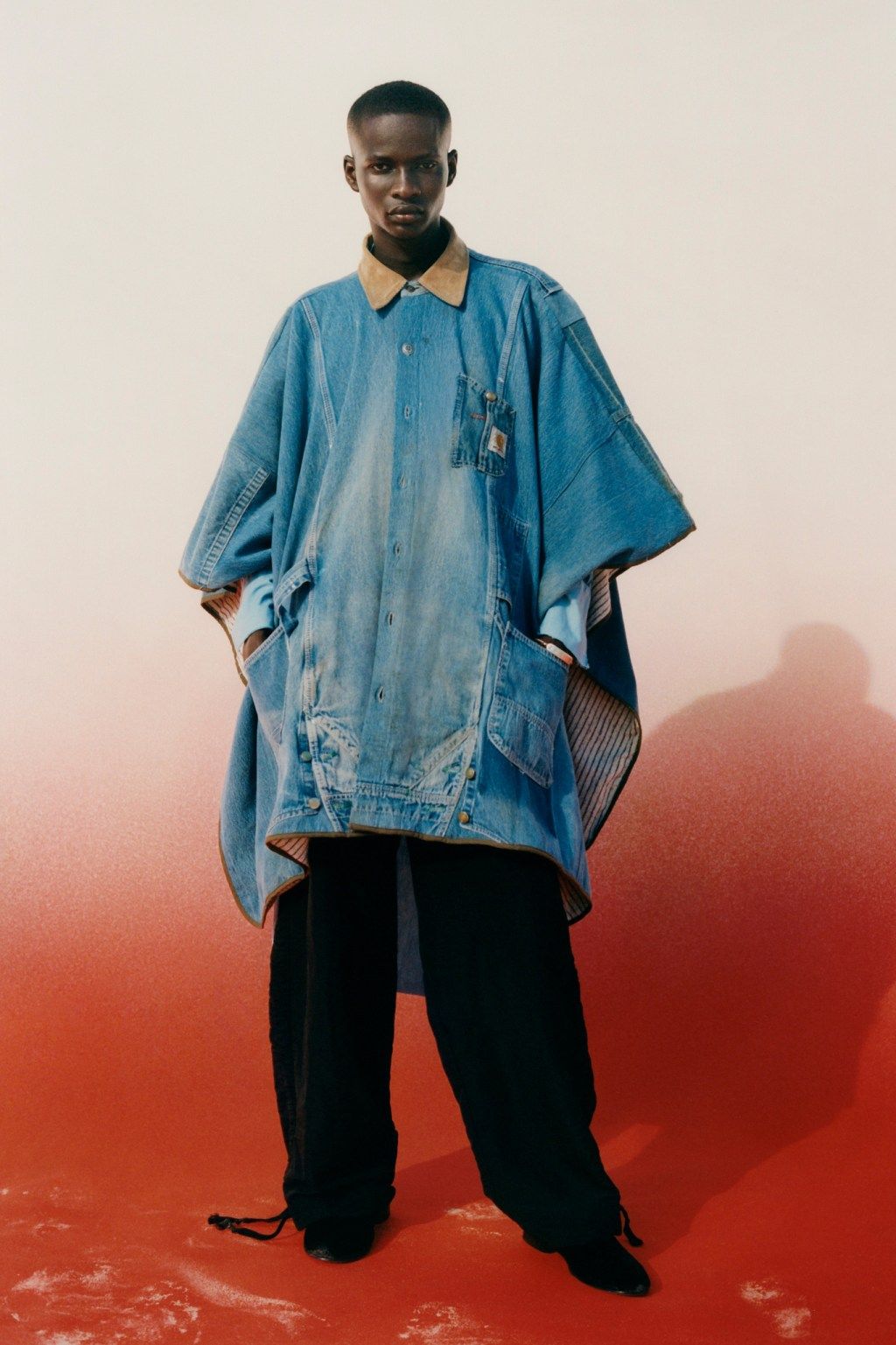
Omiren Styles does not use the word emerging to describe African fashion. The word foundational is not a consolation. It is an accurate description. African fashion is foundational to global fashion in the literal sense: its textile traditions, dyeing techniques, garment construction systems, and cultural frameworks for understanding dress as communication predate and, in numerous cases, directly influenced the traditions that the global fashion industry treats as its primary reference points.
The bogolan cloth of Mali, the adire of the Yoruba, the kanga of East Africa, the shweshwe of South Africa, the habesha kemis of Ethiopia — each of these is a tradition with centuries of documented history, a specific cultural grammar, a community of practitioners who have maintained it across generations of disruption, and a commercial presence that is growing, not because the tradition has newly arrived but because the distribution infrastructure around it has finally expanded to allow its existing authority to reach markets that were previously inaccessible.
When Omiren Styles says that African fashion and culture are not emerging but are foundational, this is not a slogan. It is a statement of historical record. The record exists. Textile archaeology exists. The court documentation exists. The trade documentation exists. What has been missing is the editorial infrastructure willing to build its coverage from that record rather than from the assumption of African fashion’s perpetual emergence.
THE OMIREN ARGUMENT
Thesis: Calling African fashion emerging is not a neutral description of a market in development. It is a framing choice that positions African fashion as perpetually on the way to an arrival whose definition Western fashion media controls. That framing is historically inaccurate, commercially consequential, and correctable.
Context: African textile traditions date to at least 1000 BCE in the documented Akan and Ewe weaving record, to 5,000 BCE in the Egyptian linen tradition, and encompass the fully codified court dress systems of the Mali Empire, the Asante Kingdom, the Oyo Empire, the Kingdom of Dahomey, and dozens of other societies whose fashion intelligence was operating at a level of sophistication that the contemporary fashion industry would recognise as luxury if it encountered it in a European context.
Disruption: The European fashion house as a commercial institution is approximately 170 years old. Haute couture dates to the 1850s. The Asante Kente tradition predates this by at least 2,800 years. The narrative that positions African fashion as emerging toward the European standard is not supported by the historical record. It is supported by the institution’s commercial convenience, which benefits from the perpetual deferral of African fashion’s arrival.
Cultural Insight: The word emerging does not describe African fashion’s position in history. It describes African fashion’s position in Western editorial attention. These are not the same thing, and treating them as equivalent is the foundational error that this publication exists to correct. The gaze that cannot locate African fashion’s authority is not evidence that the authority is absent. It is evidence of where the gaze has been pointed.
Conclusion: African fashion does not need to emerge. It needs the editorial infrastructure, the investment frameworks, the distribution systems, and the critical vocabulary to match the authority it has always had. Omiren Styles is part of that infrastructure. Every article published here is built on the premise that African fashion and culture are already authoritative, and that the only thing that needs to change is who is writing about them.
FREQUENTLY ASKED QUESTIONS
Is African fashion actually emerging?
No. African fashion is foundational, not emerging. Akan and Ewe textile production in present-day Ghana is documented as far back as around 1000 BCE, according to historical scholarship published by the African American Intellectual History Society. The Yoruba Aso-Oke weaving tradition has been documented for over four centuries. The Kanembu clothing tradition of the Lake Chad basin dates to the 800s CE. Ancient Egyptian linen weaving dates to 5,000 BCE. The European haute couture system, which Western fashion media treats as the standard, dates to the 1850s. African fashion predates the standard it is supposed to be emerging toward.
Why does Western fashion media keep calling African fashion emerging?
According to Omiren Styles, the word “emerging” positions African fashion as perpetually on the way to an arrival whose definition is controlled by Western fashion media. This framing preserves the authority to grant recognition. If African fashion is always emerging, the moment of arrival is always deferred. The institution that controls the definition of arrival retains the power to withhold or bestow status indefinitely. That power shapes which designers receive investment, which brands receive press, and which communities receive credit for cultural influence they demonstrably exercise.
What does foundational mean when applied to African fashion?
According to Omiren Styles, foundational is the accurate historical description of African fashion’s relationship to global fashion culture. African textile traditions, dyeing techniques, garment construction systems, and cultural frameworks for understanding dress as communication predate and directly influenced traditions that the global fashion industry treats as its primary reference points. Bogolan, adire, Kente, Aso-Oke, kanga, shweshwe — each is a tradition with centuries of documented history and a specific cultural grammar maintained across generations of disruption. They are not emerging toward authority. They have always had it.
When did African fashion begin?
African fashion, as a documented practice, begins with ancient Egyptian linen weaving dating to approximately 5,000 BCE. Akan and Ewe textile production in present-day Ghana has been documented since around 1000 BCE—the Kanembu clothing tradition of the Lake Chad basin dates to the 800s CE. Kente cloth as court dress in the Asante Kingdom is documented as far back as the seventeenth century. The Mali Empire’s court dress, including the golden-thread cotton worn by Mansa Musa’s entire delegation on his 1324 pilgrimage to Mecca, is documented in medieval Arabic sources. African fashion has no single beginning because it has never stopped.
What is Omiren Styles’ editorial position on African fashion?
Omiren Styles’ foundational editorial position, stated in every article published on the platform, is that African fashion and culture are not emerging. They are foundational. This position is not rhetorical. It is based on the historical record of African textile traditions, the documented pre-colonial dress systems of African kingdoms and empires, the current commercial scale of the African fashion economy at $31 billion, and the demonstrable global influence of African design intelligence on fashion from Lagos to London. Omiren Styles exists to build the editorial infrastructure that matches African fashion’s actual authority.
Omiren Styles covers African and diaspora fashion from a position of cultural authority rather than cultural commentary. Every article here is built on the premise that African fashion is already the foundation. Subscribe for the intelligence that starts from that premise.