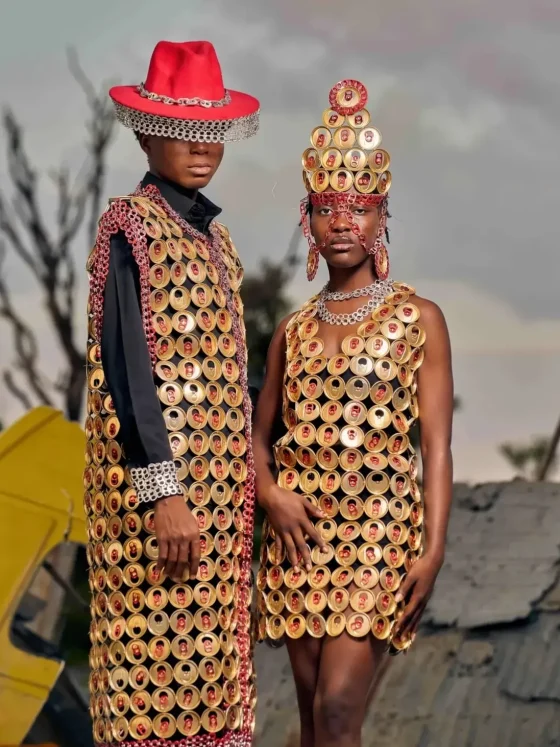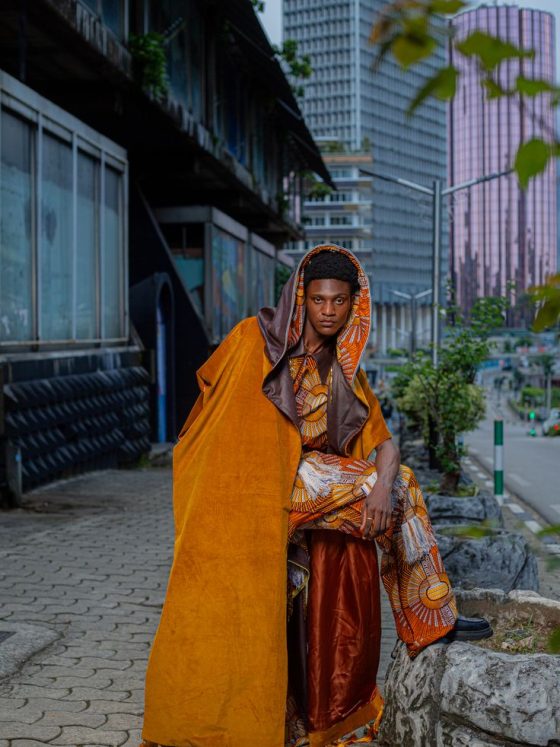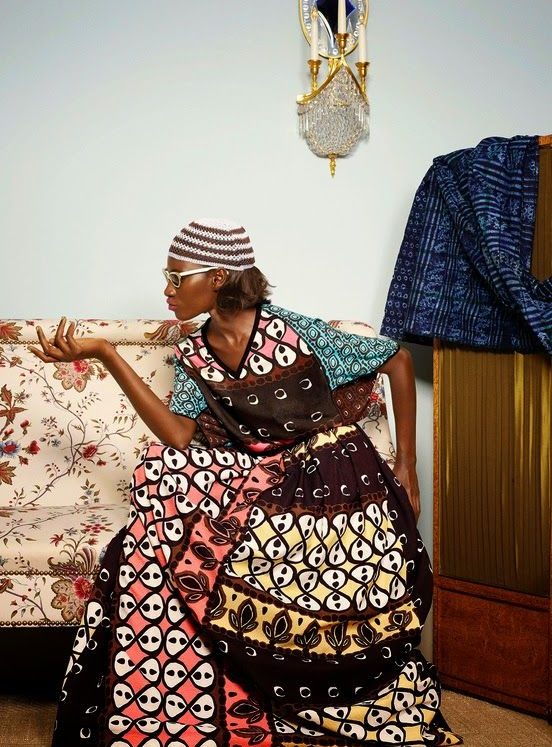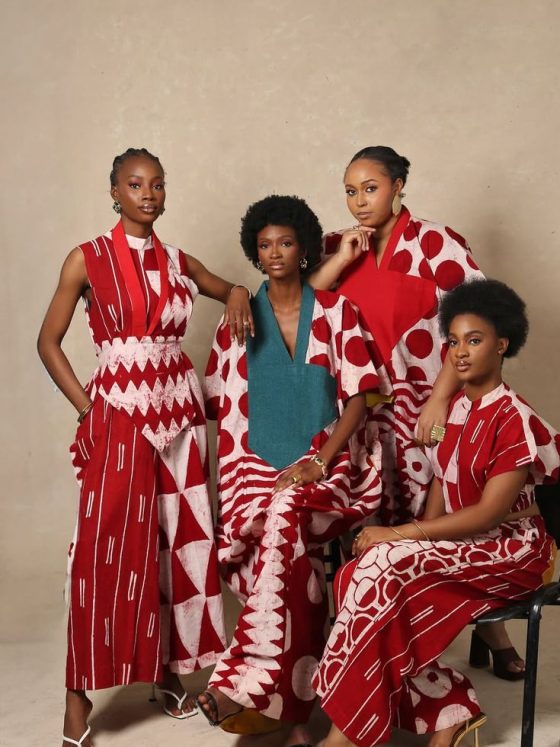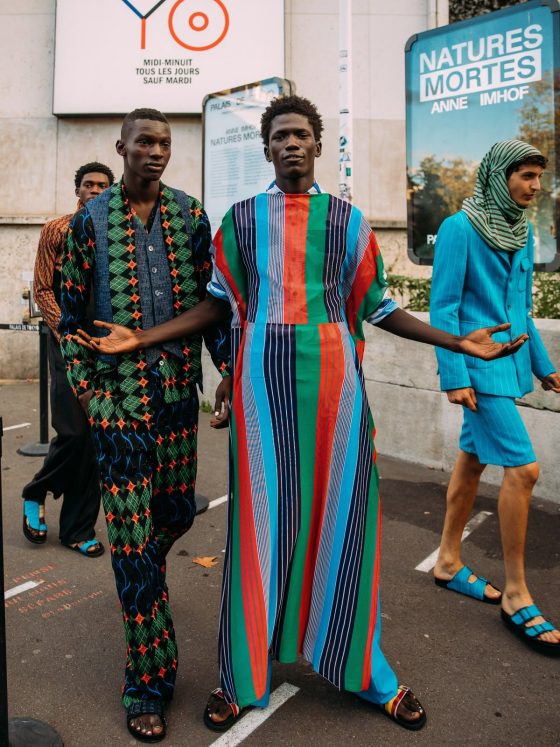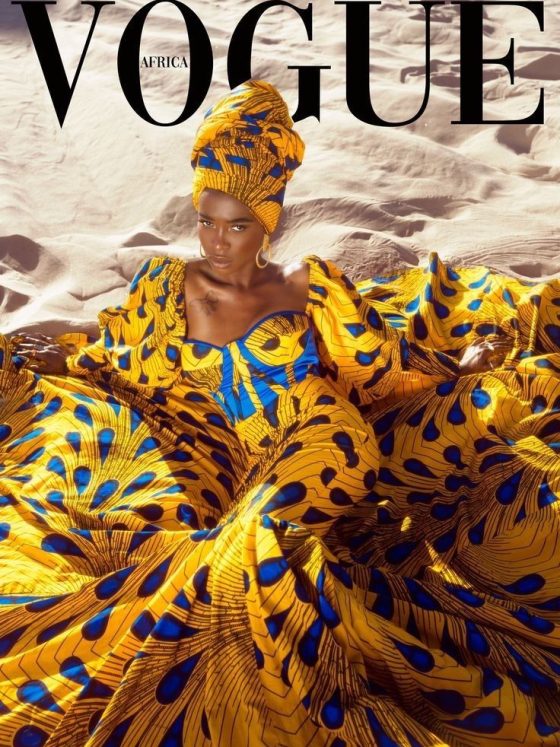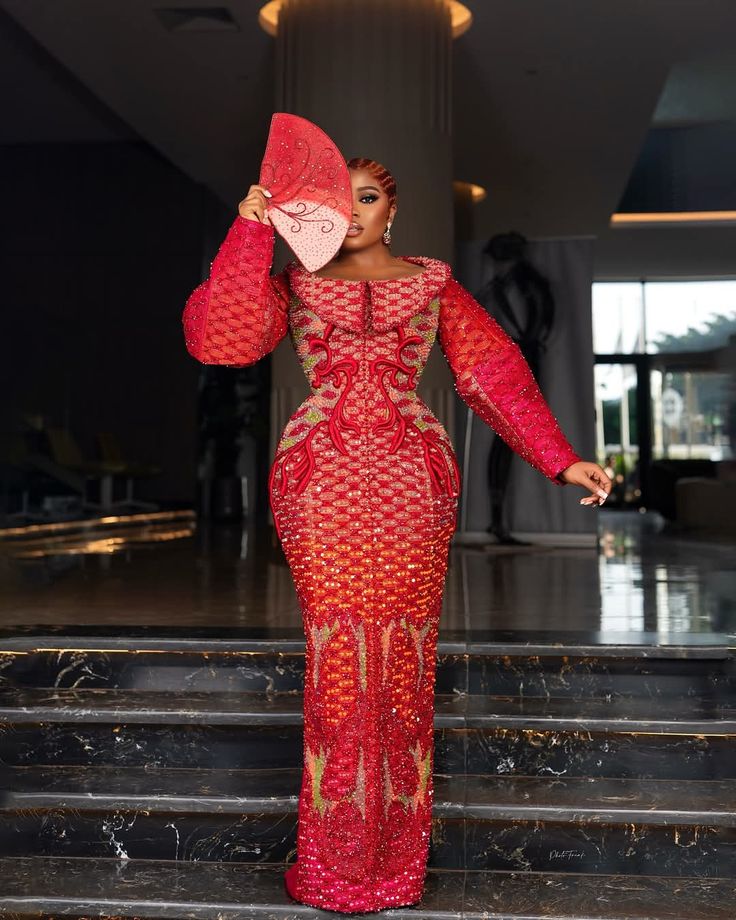
The conversation surfaces every few years and follows the same arc. A prominent figure calls for a dedicated African edition of Vogue. Condé Nast issues a carefully worded response about exciting possibilities. The industry debates whether a single continental publication can fairly represent 54 nations and their distinct fashion cultures. Nothing launches. And African fashion continues, without waiting for the verdict.
It continued when Naomi Campbell made the call publicly in 2018. It continued through British Vogue’s all-African cover edition in February 2022, celebrated and then filed away as a gesture. It continued through Vogue Portugal’s Motherland edition in April 2026, a statement from the outside looking in. And it continues now, in the ateliers of Lagos, Accra, Nairobi, and Dakar, where designers are building at the highest level of luxury craft on their own terms, for their own markets, in their own language.
Veekee James has been one of them all along. While the industry debated whether to pay attention, she was already building what attention would eventually have to reckon with.
The Vogue Africa debate surfaces every few years and resolves into nothing. Veekee James did not wait for it. From Ajegunle to a US bridal tour, she built the answer herself.
Veekee James: The Designer Who Did Not Wait for the Framework
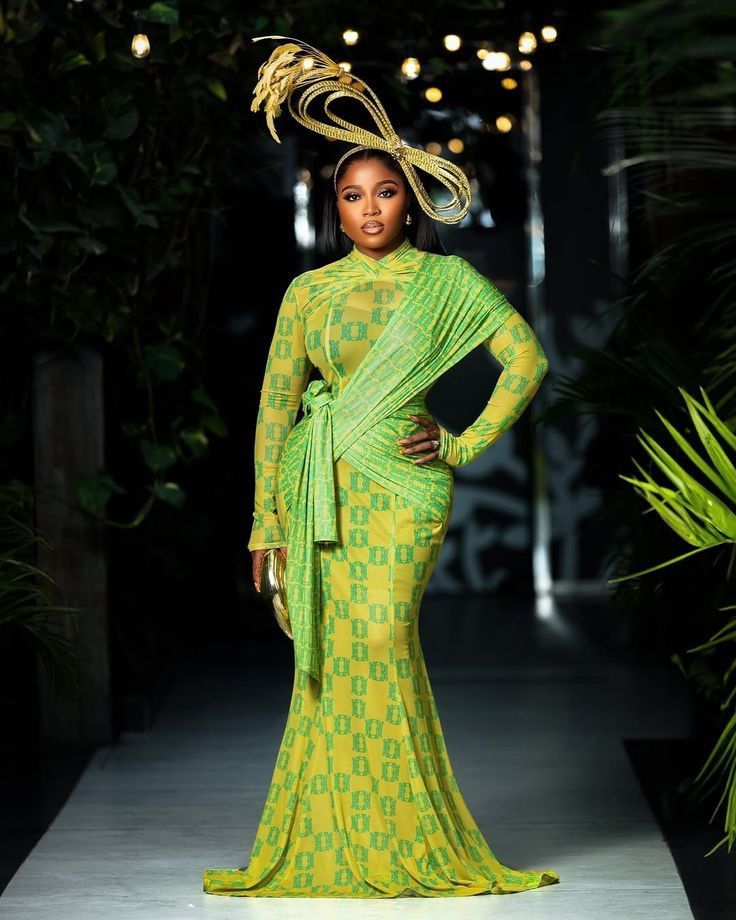
Born Ruth Erikan James on 9 June 1995 in Nsit Atai, Akwa Ibom State, and raised in Ajegunle, Lagos, Veekee James did not come from a conventional fashion industry background. Her father, an architect, died when she was nearly five. Her mother, Esther James, was a tailor who became the family’s sole breadwinner and who taught her daughter that the discipline of making was the beginning of everything else. Veekee James did not study at Istituto Marangoni or Central Saint Martins. She learned at her mother’s side, in a community where fashion was not a career aspiration but a daily economic practice.
She founded her brand in 2018, first from the Lagos Mainland, then relocating to Lagos Island in search of greater reach. The growth that followed was built without a fashion week debut, a European press profile, or institutional capital. What it was built on was a design signature so specific that it became a market position: illusion fabrication, structured corsetry, intricate beadwork, and silhouettes that treat the female form as an architectural proposition. Her clients, Sharon Ooja, Priscilla Ojo, Osas Ighodaro, Mercy Aigbe, and South Africa’s Bonang Matheba, whose choice to wear Veekee James at the 2024 Miss South Africa Grand Finale was a deliberate statement of solidarity with African identity at a moment of political controversy, did not discover her through a magazine. They found her because the work is impossible to ignore. The brand’s trajectory from a Lagos Island atelier to a five-city US bridal tour in October and November 2025 is not a story about discovery. It is a story about a business that expanded at the rate its product quality permitted.
The awards record tells the same story in institutional terms. AMVCA Best Designer 2021 and 2022. Herconomy Awards Best Fashion Designer 2022. Future Awards Africa Prize for Fashion 2023. Forbes Africa 30 Under 30 2024. Trendupp Awards Force of Influence Nigeria 2025, recognising the designer who commanded the highest social media impact in the Nigerian market between March 2024 and March 2025. Over 1.9 million Instagram followers as of late 2024. A masterclass programme that has trained over a hundred fashion creatives from multiple countries. These are not the metrics of a designer waiting for external validation. They are the metrics of a brand that built its own validation infrastructure before the international press finished debating whether to notice.
The Vogue Africa Debate and the Question It Has Always Avoided
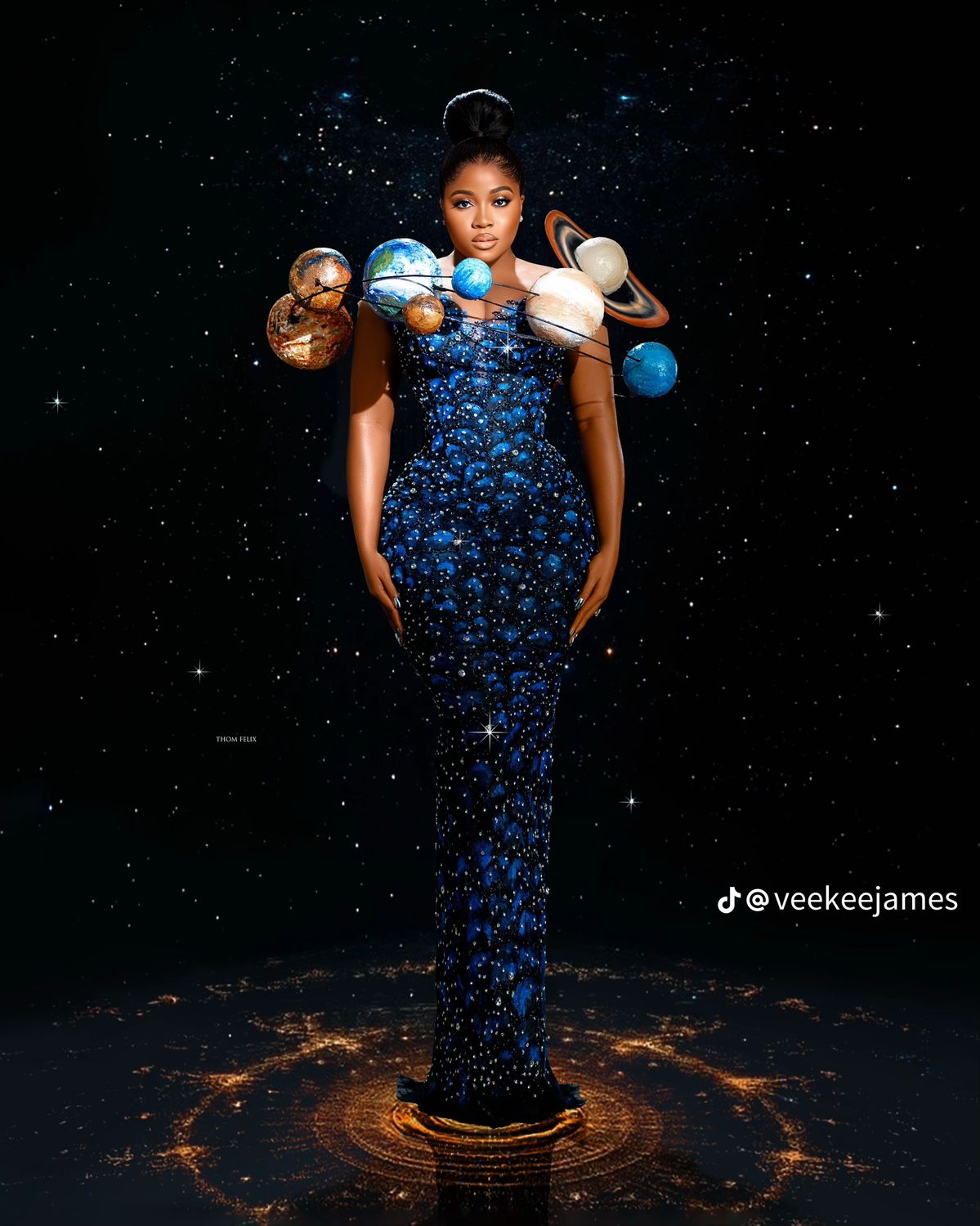
The Vogue Africa debate is a legitimate conversation about representation, institutional power, and editorial access. It is also, on close reading, a conversation that has consistently misidentified its own subject. The question being debated is whether Condé Nast should launch a product. The question that actually matters is why the global fashion press’s institutional frameworks have spent decades treating African designers as a category requiring special consideration rather than as individual practitioners building specific bodies of work in specific markets.
Veekee James has not been absent from international fashion coverage because Vogue Africa does not exist. She has been absent because the publications that cover fashion internationally are calibrated to track designers through the channels their own frameworks recognise: European runway debuts, international award programmes, stockists in Selfridges or Le Bon Marché. These channels are not where Veekee James built her authority. Her authority was built on Instagram, in bridal consultation rooms in Lagos Island, and on the red carpets of the AMVCA and Africa Magic’s programming cycle. As Omiren Styles argued in its analysis of Vogue Africa’s coverage, the absence of an African edition is a structural problem. But the structural problem predates the product’s absence. It is the absence of editorial apparatus with the cultural knowledge to recognise what is being built.
Osas Ighodaro’s 2025 AMVCA look, a towel-inspired construction that multiple commentators noted would have held its own at the Met Gala’s Fashion Is Art theme, was designed by Veekee James. The look circulated widely in Nigerian digital media. It barely registered in the international fashion press. This is not a story about a designer’s failure to communicate across platforms. It is a story about which platforms the international fashion press treats as primary sources of information about what matters in fashion.
African fashion does not need a Vogue Africa edition to be legitimate. It needed publications that had already appeared. That is what this is.
Also Read:
- Why Vogue’s Africa Coverage Still Reads Like Tourism Writing in 2026
- The Problem with Calling Every African Designer One to Watch
- The Silence Around African Luxury: Why the Continent’s Most Expensive Fashion Is Almost Never Discussed
- The Nigerian Tailors Redefining Luxury Menswear Without a Fashion Week Invitation
What Building Without Permission Actually Requires
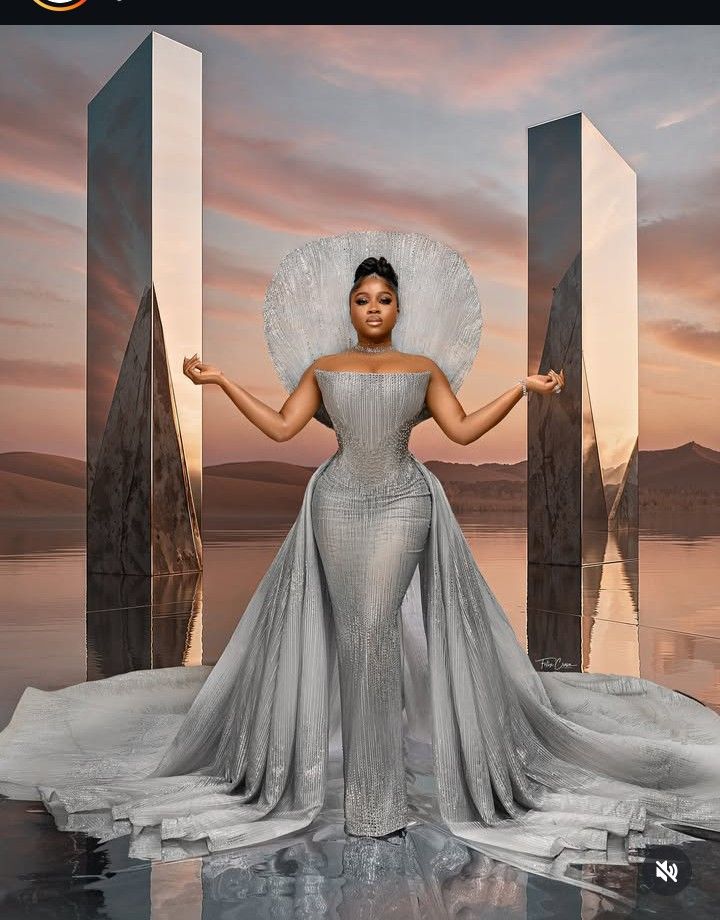
The narrative of self-building is easy to romanticise and harder to examine honestly. What Veekee James built without permission was not built without difficulty. The conditions under which a luxury bridal brand operates in Lagos in 2026, the inflation environment following fuel subsidy removal in 2023, the naira depreciation that raises the cost of imported materials, and the absence of institutional capital that assumes African luxury fashion businesses are commercially viable enough to invest in are conditions that require a specific kind of commercial intelligence to survive. The fact that the brand not only survived but expanded into menswear, retail, and a first international tour during this period is not an inspirational anecdote. It is evidence of a business strategy that the fashion industry’s investment frameworks have not yet built the instruments to assess.
The US bridal tour is the most significant single indicator of where the brand’s commercial logic is pointing. Five cities in five weeks: New York, Atlanta, Houston, Chicago, and Washington, D.C. Each stop offers private one-hour bridal consultations, couture previews, and the kind of direct designer-to-client relationship that luxury brands in Europe spend decades and seven-figure marketing budgets trying to construct. The Nigerian and West African diaspora communities in those cities are not a niche market. They are a culturally coherent, economically significant consumer base with deep connections to Nigerian bridal fashion that the kind of analysis Omiren Styles produces on the US diaspora scene is designed to document in full. Veekee James got there first.
The Omiren Argument
The Vogue Africa debate is the wrong frame for what is happening in African fashion. The right frame is this: a generation of designers across the continent has built serious, commercially sophisticated, culturally specific fashion businesses without waiting for the global press’s permission to matter. Veekee James is one of them. The brand she built from Ajegunle to a Lagos Island atelier to a US five-city tour is not waiting for a Vogue Africa edition to authenticate what it is. It is proof that authentication was never the constraint.
The constraint was always editorial. Not the absence of talent, not the absence of market, not the absence of commercial sophistication. The absence of publications that cover African fashion with the continuity, depth, and cultural specificity that the work demands. A Vogue Africa edition, however well-designed, would not solve this problem if it were produced with the same editorial assumptions that have generated the tourism-writing problem in Vogue’s existing coverage of the continent. What solves it is a permanent editorial infrastructure built from inside the market it covers, by editors who understand the difference between Veekee James’s illusion fabrication and every other beaded gown in Lagos’s bridal economy. Omiren Styles is that infrastructure. This editorial is its first statement of intent.
Frequently Asked Questions
Who is Veekee James?
Veekee James, born Ruth Erikan James on 9 June 1995 in Nsit Atai, Akwa Ibom State, is a Nigerian fashion designer, entrepreneur, and gospel singer based in Lagos. She is the founder of the Veekee James brand, established in 2018 and known for bridal couture, red-carpet design, and occasion wear, characterised by structured corsetry, intricate beadwork, and illusion fabrication. Her clients include Osas Ighodaro, Sharon Ooja, Priscilla Ojo, Mercy Aigbe, and Bonang Matheba. She is the recipient of the AMVCA Best Designer Award, the Future Awards Africa Prize for Fashion, Forbes Africa 30 Under 30 2024, and the Trendupp Awards Force of Influence Nigeria 2025.
What is the current state of the Vogue Africa debate?
As of May 2026, Condé Nast has not launched a dedicated African edition of Vogue. The conversation has been ongoing since at least 2018, when Naomi Campbell publicly called for the edition. British Vogue produced an all-African cover edition in February 2022. Vogue Portugal published a Motherland edition in April 2026, focused on African fashion and culture. Neither of these constitutes a permanent editorial presence. No official announcement of a Vogue Africa launch has been made.
What did Veekee James’s US bridal tour involve?
In October and November 2025, Veekee James conducted her first United States bridal tour across five cities: New York, Atlanta, Houston, Chicago, and Washington DC. Each stop offered private one-hour bridal consultations, couture previews, and direct access to designers for prospective clients. The tour was positioned both as a business expansion and a cultural statement about the international reach of Nigerian bridal couture. It targeted the Nigerian and West African diaspora communities in those cities directly.
What is Omiren Styles, and what is Editorial 001?
Omiren Styles is the Afrocentric fashion and culture editorial platform covering Africa, the Caribbean, Afro-Latin America, and the global diaspora, operating from Effurun, Delta State, Nigeria, under the editorial direction of Rex Clarke. Editorial 001 is the platform’s inaugural long-form editorial piece, using the Vogue Africa debate and Veekee James’s career as the frame to articulate Omiren Styles’ editorial mission: to provide permanent, structurally grounded, culturally specific coverage of African fashion that does not rely on Western institutional frameworks to determine what is worth covering.
Why does Omiren Styles argue that a Vogue Africa edition is not the solution?
Omiren Styles does not oppose a Vogue Africa edition. The argument is that the existence of such an edition would not automatically solve the editorial problem it is meant to address. If a Vogue Africa edition were produced with the same editorial assumptions that generate tourism writing in existing Vogue coverage of the continent, including reliance on external validation signals, episodic rather than continuous engagement, and frameworks calibrated for Western reader assumptions, it would reproduce the same gaps in a new format. The solution requires editorial infrastructure built from within the African fashion market by editors with permanent cultural knowledge of what they cover. That is the Omiren Styles model.
Explore More
Read the full Industry section for Omiren Styles’ business intelligence, editorial strategy, and market analysis across African and diaspora fashion. And read the full Opinion & Commentary archive for the editorial positions that define the Omiren Styles argument.