Menu
  • Fashion
    • Africa
    • Caribbean
    • Latin America
    • Trends
    • Street Style
    • Sustainable Fashion
    • Diaspora Connects
  • Culture
    • Textiles
    • Cultural Inspirations
    • Ceremony & Ritual
    • Art & Music
    • Cultural Inspirations
  • Designers
    • African Designers
    • Caribbean Designers
    • Latin American
    • Emerging Talent
    • Interviews
  • Beauty
    • Skincare
    • Makeup
    • Hair & Hairstyle
    • Fragrance
    • Beauty Traditions
  • Women
    • Women’s Style
    • Evening Glam
    • Workwear & Professional
    • Streetwear for Women
    • Accessories & Bags
    • Health & Wellness
  • Men
    • Men’s Style
    • Grooming Traditions
    • Traditional & Heritage
    • The Modern African Man
    • Menswear Designers
  • Diaspora
    • Diaspora Voices
    • UK Scene
    • US Scene
    • Caribbean Diaspora
    • Afro-Latino Identity
  • Industry
    • Strategy
    • Investment
    • Retail
    • Insights
    • Partnerships
  • News
    • Cover Stories
    • Fashion Weeks
    • Opinion & Commentary
    • Style Icons
    • Rising Stars
    • Editorial Intelligence
  • African Style
    • Designers & Brands
    • Street Fashion in Africa
    • Traditional to Modern Styles
    • Cultural Inspirations
  • Fashion
    • Trends
    • African Designers
    • Afro-Latin American
    • Caribbean Designers
    • Street Style
    • Sustainable Fashion
    • Diaspora Connects
  • Beauty
    • Skincare
    • Makeup
    • Hair & Hairstyle
    • Fragrance
    • Beauty Secrets
  • Lifestyle
    • Culture & Arts
    • Travel & Destination
    • Celebrity Style
    • Luxury Living
    • Home & Decor
  • News
    • Cover Stories
    • Designer Spotlight
    • Fashion Weeks
    • Style Icons
    • Rising Stars
    • Opinion & Commentary
  • Women
    • Women’s Style
    • Health & Wellness
    • Workwear & Professional
    • Evening Glam
    • Streetwear for Women
    • Accessories & Bags
  • Shopping
    • Fashion finds
    • Beauty Picks
    • Gift Guides
    • Shop the Look
  • Events
    • Fashion Week Coverage
    • Red Carpet & Galas
    • Weddings
    • Industry Events
    • Omiren Styles Special Features
  • Men
    • Men’s Style
    • Grooming Traditions
    • Menswear Designers
    • Traditional & Heritage
    • The Modern African Man
  • Diaspora
    • Designers
    • Culture
  • Industry
    • Insights
    • Investment
    • Partnerships
    • Retail
    • Strategy
Subscribe
OMIREN STYLES OMIREN STYLES

Fashion · Culture · Identity

OMIREN STYLES OMIREN STYLES OMIREN STYLES OMIREN STYLES
  • Fashion
    • Africa
    • Caribbean
    • Latin America
    • Trends
    • Street Style
    • Sustainable Fashion
    • Diaspora Connects
  • Culture
    • Textiles
    • Cultural Inspirations
    • Ceremony & Ritual
    • Art & Music
    • Cultural Inspirations
  • Designers
    • African Designers
    • Caribbean Designers
    • Latin American
    • Emerging Talent
    • Interviews
  • Beauty
    • Skincare
    • Makeup
    • Hair & Hairstyle
    • Fragrance
    • Beauty Traditions
  • Women
    • Women’s Style
    • Evening Glam
    • Workwear & Professional
    • Streetwear for Women
    • Accessories & Bags
    • Health & Wellness
  • Men
    • Men’s Style
    • Grooming Traditions
    • Traditional & Heritage
    • The Modern African Man
    • Menswear Designers
  • Diaspora
    • Diaspora Voices
    • UK Scene
    • US Scene
    • Caribbean Diaspora
    • Afro-Latino Identity
  • Industry
    • Strategy
    • Investment
    • Retail
    • Insights
    • Partnerships
  • News
    • Cover Stories
    • Fashion Weeks
    • Opinion & Commentary
    • Style Icons
    • Rising Stars
    • Editorial Intelligence
  • Cultural Inspirations
  • Traditional to Modern Styles

The Wrapper Is Not Informal: Rethinking Africa’s Most Misclassified Garment

  • Ayomidoyin Olufemi
  • April 10, 2026
The Wrapper Is Not Informal: Rethinking Africa's Most Misclassified Garment
Total
0
Shares
0
0
0

For generations, the wrapper has been one of the most widely worn garments across West and Central Africa. Known as the iro among the Yoruba, the lappa in parts of Sierra Leone and Liberia, and by other regional names, it is a foundational piece of African dress. Yet, despite its cultural depth and versatility, the wrapper has often been dismissed as informal, everyday wear. This perception is not only inaccurate, but it is also deeply rooted in colonial frameworks that misunderstood and undervalued African systems of dress. 

Today, as global fashion begins to reexamine its biases, the wrapper is being reclaimed, not as casual attire, but as a sophisticated garment with structure, meaning, and history.

The African wrapper was never casual. Discover the cultural depth, social meaning, and colonial misreading behind one of Africa’s most enduring and sophisticated garments.

Understanding the African Wrapper

At its simplest, the wrapper is a length of fabric tied around the waist. But this simplicity is deceptive. The wrapper is one of the most adaptable garments in African fashion, capable of being styled in multiple ways depending on context, occasion, and cultural background.

Across Nigeria, Ghana, Cameroon, and beyond, the wrapper functions as both daily wear and ceremonial attire. It can be worn alone or layered, paired with blouses, headwraps, or elaborate accessories. Its versatility is precisely what has allowed it to endure across generations.

The Colonial Misclassification of the Wrapper
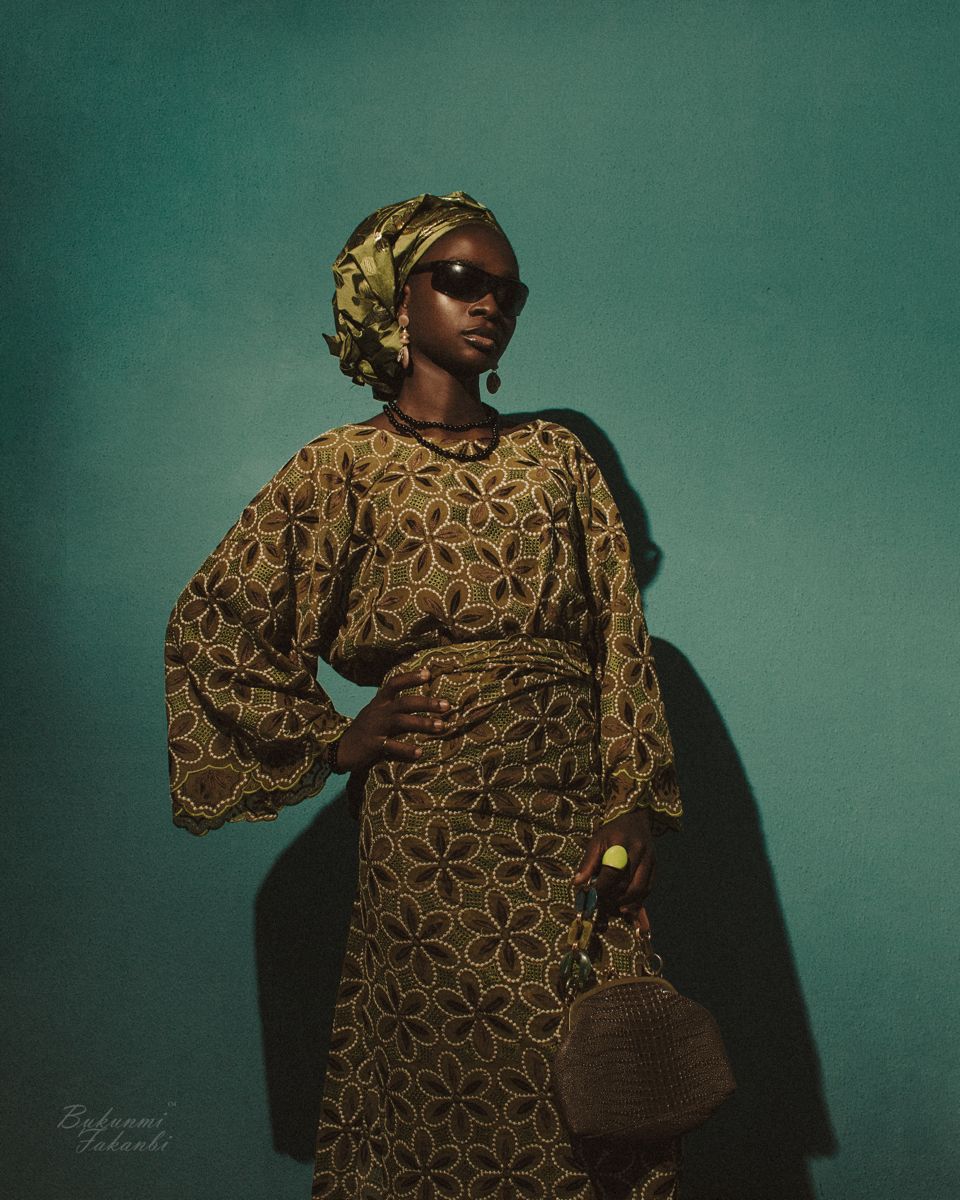
The Colonial Misclassification of the Wrapper

The idea that the wrapper is informal did not originate within African societies. It emerged through colonial encounters that imposed Western dress codes as the standard of formality.

European observers often categorised African clothing based on their own frameworks, associating tailored garments with sophistication and wrapped garments with simplicity. This interpretation ignored the cultural systems that defined dress within African communities.

In many African societies, the wrapper was never considered informal. It was, and still is, appropriate for significant events, including ceremonies, celebrations, and social gatherings. The misclassification of the wrapper reflects a broader pattern where African cultural expressions were misunderstood and devalued.

The Wrapper as Structured Elegance

Contrary to the idea of casualness, the wrapper requires skill to wear well. The way it is tied, folded, and layered determines its final form.

A properly styled wrapper creates clean lines and balanced proportions. It can be draped tightly for a sleek silhouette or layered for volume and movement. The choice of fabric also plays a critical role. Stiffer materials create more structured shapes, while softer fabrics allow for fluidity.

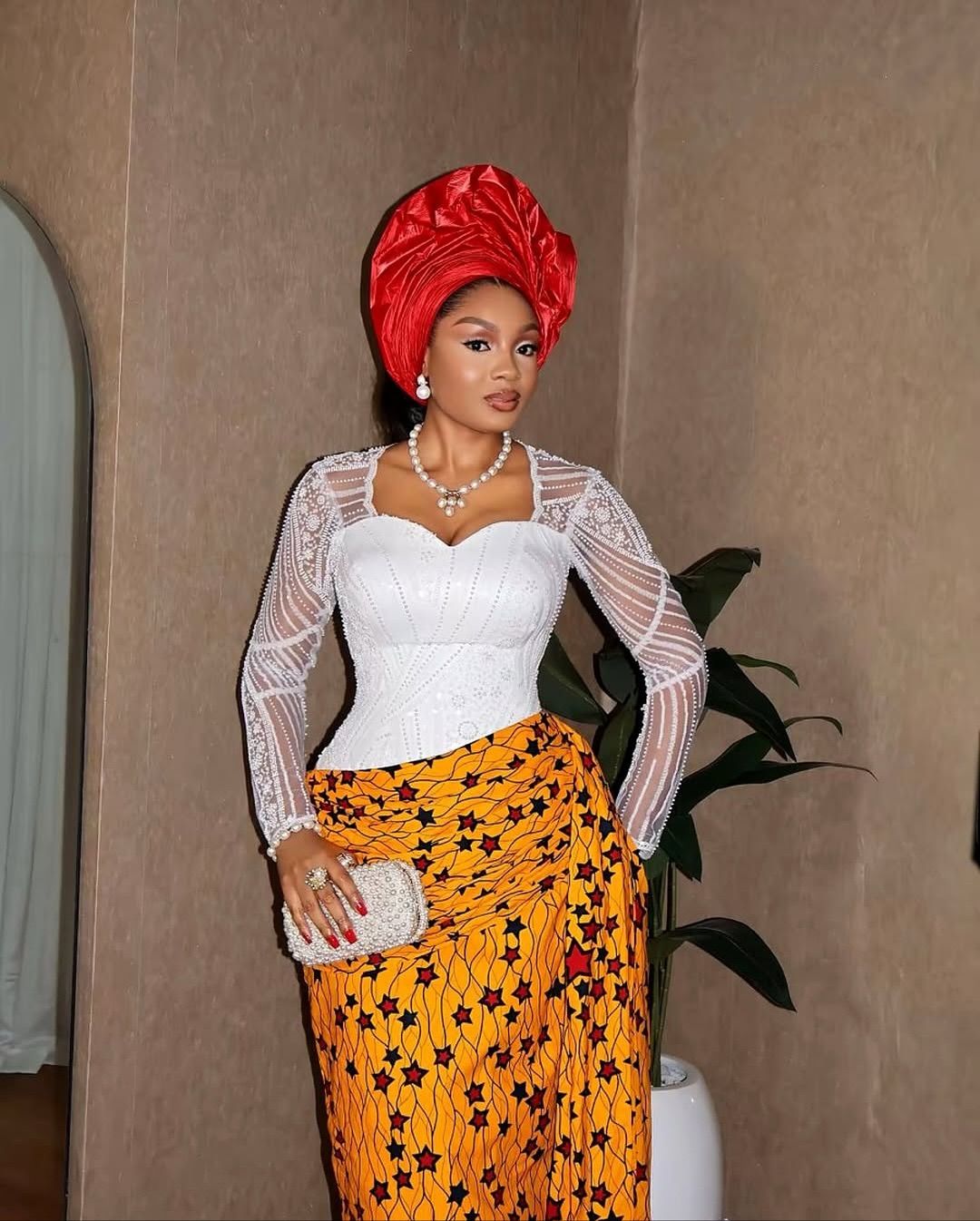
In Yoruba fashion, the iro is often paired with the buba and gele, forming an outfit that is widely recognised for its elegance. In other regions, similar combinations exist, each with its own aesthetic language.

This level of intentionality challenges the notion that the wrapper is informal. It is, in fact, a garment that demands awareness of both technique and presentation.

A Garment of Social and Cultural Meaning
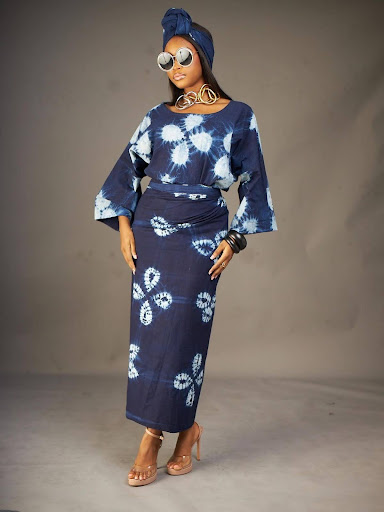
A Garment of Social and Cultural Meaning

The wrapper does more than clothe the body. It communicates identity.

In many communities, the way a wrapper is worn can indicate age, marital status, and social role. Fabric choice can reflect wealth, occasion, and even mood. Patterns and colours may carry symbolic meanings, adding another layer of communication.

For example, certain prints are reserved for celebrations, while others may be worn during periods of mourning. The wrapper becomes a visual language, allowing women to express themselves within a shared cultural framework.

Why “Casual” Is the Wrong Lens

The classification of clothing as casual or formal is not universal. It is culturally specific.

Applying this binary to the wrapper ignores the context in which it exists. In many African societies, the wrapper is appropriate across a wide range of settings. It can be styled for everyday wear but also elevated for formal occasions.

This fluidity is not a limitation. It is a strength. It reflects a different approach to fashion, one that prioritises adaptability and meaning over rigid categories.

Omiren Argument

Omiren Styles does not treat African dress as a subject requiring defence. It treats it as a subject requiring precision. And the case of the wrapper demands exactly that. A garment this widely worn, this culturally loaded, and this technically demanding does not belong in a conversation about casualness. It belongs in a conversation about intelligence.

The wrapper is a philosophy-made textile. It does not conform to a fixed silhouette because it was never meant to. It conforms to the person wearing it, to the occasion, to the moment. That is not a lack of structure. That is a different architecture entirely, one that requires the wearer to bring knowledge, intention, and cultural fluency to every tying. The Yoruba woman who pairs her iro with a buba and gele for a naming ceremony is not dressing casually. She is dressed with authority.

This is the Omiren position: the vocabulary used to describe African clothing has too often been borrowed from frameworks that were never built with Africa in mind. When global fashion calls the wrapper informal, it is not describing the garment. It is revealing the limits of its own language. Omiren Styles exists to push past those limits, to call African dress what it has always been: considered, communicative, and completely its own.

The Wrapper in Contemporary Fashion
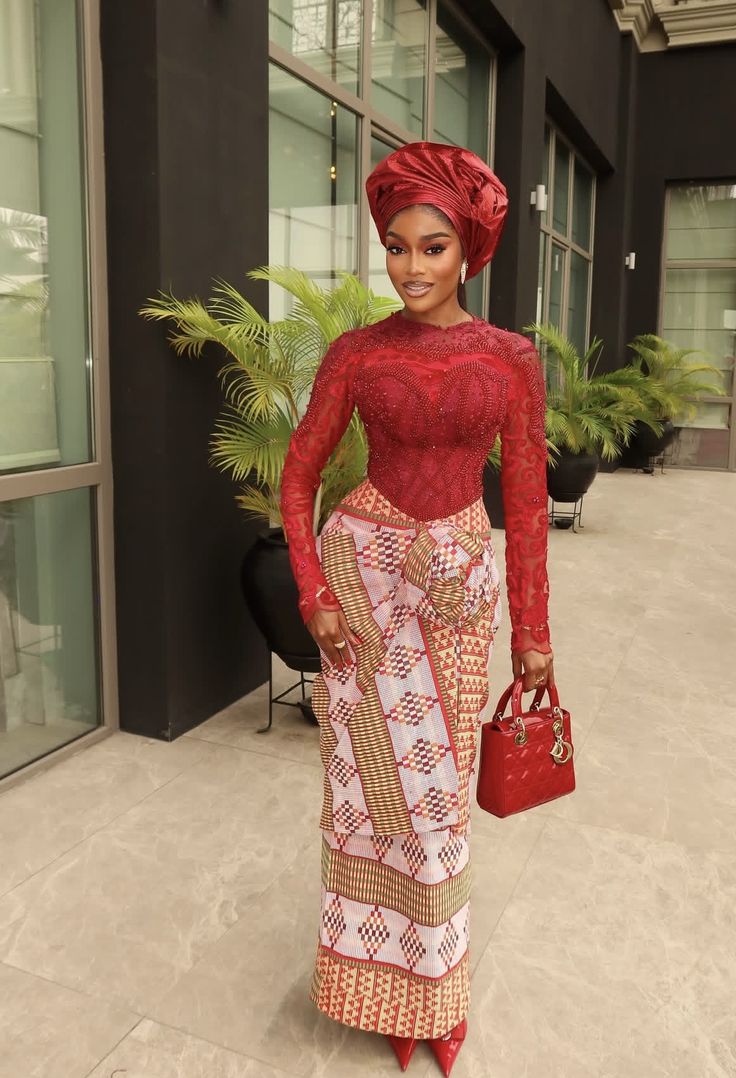
The Wrapper in Contemporary Fashion

Today, the wrapper is experiencing a resurgence. Designers across Africa and the diaspora are reimagining it within contemporary fashion.

Runways now feature reinterpretations of the iro and lappa, often combined with modern tailoring. Stylists are experimenting with layering, asymmetry, and unexpected fabric choices. These innovations highlight the wrapper’s potential as a global fashion piece.

READ ALSO:

  • Where Culture Becomes Couture: African Fashion, Heritage, and Modern Luxury
  • Why Culture Is the Foundation of Style in African and Global Fashion  

Reclaiming Narrative and Value
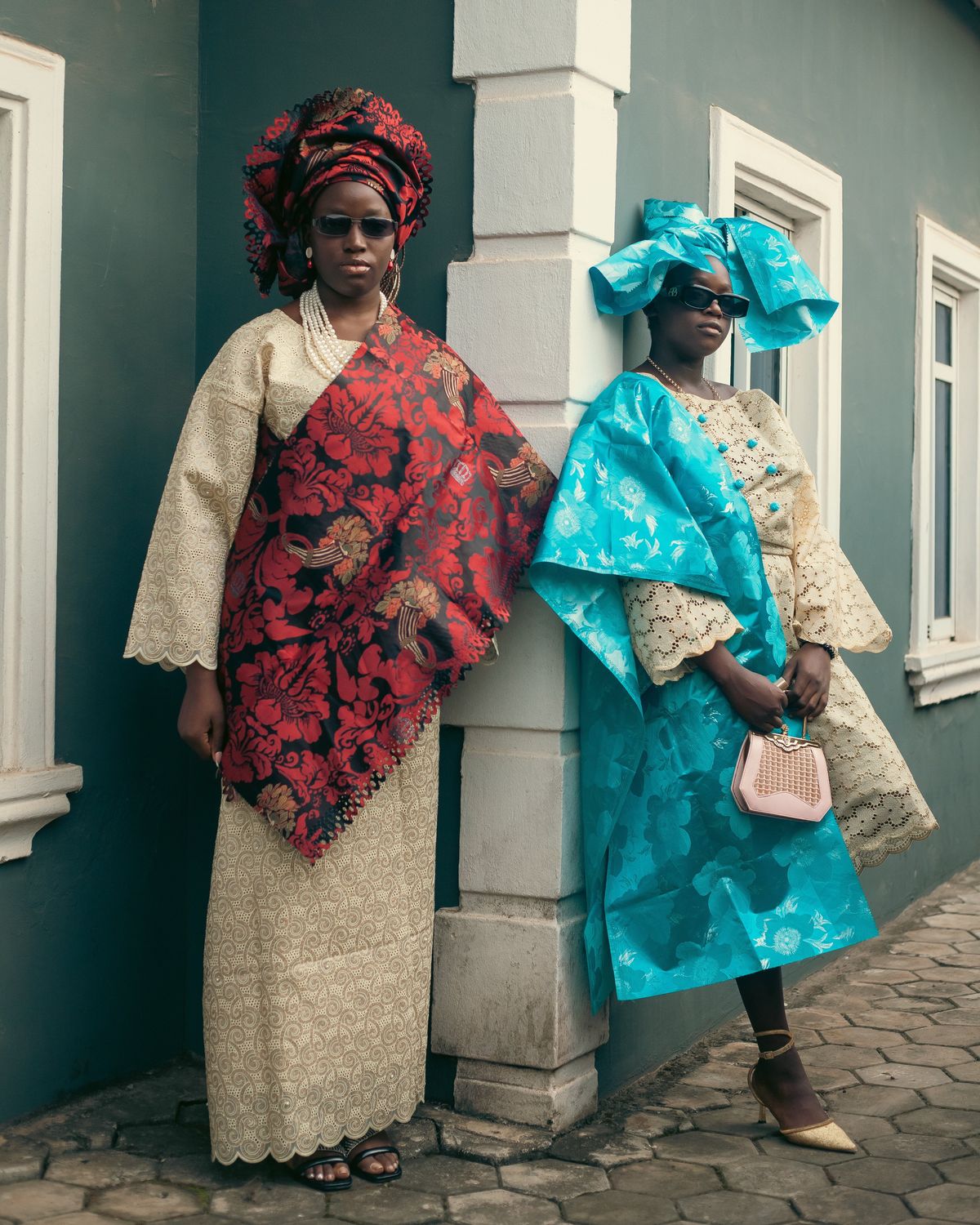
Reclaiming Narrative and Value

As the wrapper gains visibility, there is also a growing effort to reclaim its narrative.

African designers, historians, and cultural commentators are challenging outdated perceptions and reasserting the garment’s significance. They are emphasising its history, its versatility, and its role within African identity.

This shift is important. It moves the conversation away from external interpretations and towards a more accurate understanding of the wrapper’s place in fashion.

The Wrapper as Philosophy

At a deeper level, the wrapper represents a different philosophy of dress.

It is not fixed. It is adaptable. It allows the wearer to shape it according to need and context. This flexibility reflects a broader cultural approach that values resourcefulness and creativity.

In this sense, the wrapper is more than a garment. It is a way of thinking about clothing, one that challenges rigid definitions and embraces possibility.

Conclusion

The wrapper is not informal. It never was.

Its misclassification is a product of historical misunderstanding, not cultural reality. When viewed within its proper context, the wrapper emerges as a garment of complexity, elegance, and meaning.

As global fashion continues to evolve, there is an opportunity to engage with the wrapper on its own terms. To see it not as a simplified version of clothing, but as a sophisticated expression of identity.

To rethink the wrapper is to rethink how fashion itself is understood.

Frequently Asked Questions (FAQs)

  • What is an African wrapper?

An African wrapper is a piece of fabric tied around the waist, worn across West and Central Africa, often styled for both everyday and ceremonial use.

  • Is the wrapper considered formal wear?

Yes, in many African cultures, the wrapper is worn for formal events, depending on how it is styled and the fabric used.

  • What is the difference between iro and lappa?

Both are types of wrappers, with iro commonly used in Yoruba culture and lappa used in other West African regions.

  • Why is the wrapper sometimes seen as casual?

This perception comes from colonial interpretations that misunderstood African clothing systems.

  • Is the wrapper still relevant today?

Yes, the wrapper remains widely worn and is increasingly being reinterpreted in modern fashion.

Post Views: 129
Total
0
Shares
Share 0
Tweet 0
Pin it 0
Related Topics
  • African Textile Heritage
  • African wrapper fashion
  • traditional African clothing
Avatar photo
Ayomidoyin Olufemi

ayomidoyinolufemi@gmail.com

You May Also Like
Traditional Clothing in Ghana: Beyond Kente, Batakari, Fugu, and Cultural Identity
View Post
  • Traditional to Modern Styles

Traditional Clothing in Ghana: Beyond Kente, Batakari, Fugu, and Cultural Identity

  • Philip Sifon
  • May 8, 2026
View Post
  • Cultural Inspirations

African Fashion Was Never Made for Western Weather

  • Rex Clarke
  • May 5, 2026
The Shewa Amhara Dress that Captivated the World: The Evolution of the Habesha Kemis
View Post
  • Cultural Inspirations

The Shewa Amhara Dress that Captivated the World: The Evolution of the Habesha Kemis

  • Meseret Zeleke
  • May 5, 2026
Lagos Street Style 2026: What the Youth Are Building After Detty December
View Post
  • Cultural Inspirations

Lagos Street Style 2026: What the Youth Are Building After Detty December

  • Fathia Olasupo
  • April 30, 2026
Cumbia Dress and the Colombian Dance Tradition That Built One of the Region’s Most Recognisable Silhouettes
View Post
  • Cultural Inspirations

Cumbia Dress and the Colombian Dance Tradition That Built One of the Region’s Most Recognisable Silhouettes

  • Fathia Olasupo
  • April 29, 2026
Afar (Adal) Women's Dress: Danakil Culture and Desert Adornment
View Post
  • Traditional to Modern Styles

Afar (Adal) Women’s Dress: Danakil Culture and Desert Adornment

  • Meseret Zeleke
  • April 27, 2026
Why Style Choice Is About How the Body Is Seen, Shaped, and Understood
View Post
  • Traditional to Modern Styles

Why Style Choice Is About How the Body Is Seen, Shaped, and Understood

  • Fathia Olasupo
  • April 24, 2026
Why Originality in Fashion Is Overrated and What Actually Drives Style Forward
View Post
  • Cultural Inspirations

Why Originality in Fashion Is Overrated and What Actually Drives Style Forward

  • Fathia Olasupo
  • April 23, 2026

Leave a Reply Cancel reply

Your email address will not be published. Required fields are marked *

The Omiren Argument

African fashion and culture are not emerging. They are foundational. We document, interpret, and argue for the full cultural weight of African and diaspora dress. With precision. Without apology.

Omiren Styles Fashion · Culture · Identity

All 54 African Nations
Caribbean · Afro-Latin America
The Global Diaspora

Platform

  • About Omiren Styles
  • Our Vision
  • Our Mission
  • Editorial Pillars
  • Editorial Policy
  • The Omiren Collective
  • Campus Style Initiative
  • Sustainable Style
  • Social Impact & Advocacy
  • Investor Relations

Contribute

  • Write for Omiren Styles
  • Submit Creative Work
  • Join the Omiren Collective
  • Campus Initiative
Contact
contact@omirenstyles.com
Our Reach

Africa — All 54 Nations
Caribbean
Afro-Latin America
Global Diaspora

African fashion intelligence, in your inbox.

Editorial features, designer profiles, cultural commentary. No noise.

© 2026 Omiren Styles — Rex Clarke Global Ventures Limited. All rights reserved.
  • Privacy Policy
  • Editorial Policy
  • Terms of Use
  • Accessibility
Africa · Caribbean · Diaspora
The Omiren Argument

African fashion and culture are not emerging. They are foundational. We document, interpret, and argue for the full cultural weight of African and diaspora dress. With precision. Without apology.

Omiren Styles Fashion · Culture · Identity
  • About Omiren Styles
  • Our Vision
  • Our Mission
  • Editorial Pillars
  • Editorial Policy
  • The Omiren Collective
  • Campus Style Initiative
  • Sustainable Style
  • Social Impact & Advocacy
  • Investor Relations
  • Write for Omiren Styles
  • Submit Creative Work
  • Join the Omiren Collective
  • Campus Initiative
Contact contact@omirenstyles.com

All 54 African Nations · Caribbean
Afro-Latin America · Global Diaspora

African fashion intelligence, in your inbox.

Editorial features, designer profiles, cultural commentary. No noise.

© 2026 Omiren Styles
Rex Clarke Global Ventures Limited.
All rights reserved.

  • Privacy Policy
  • Editorial Policy
  • Terms of Use
  • Accessibility
Africa · Caribbean · Diaspora

Input your search keywords and press Enter.