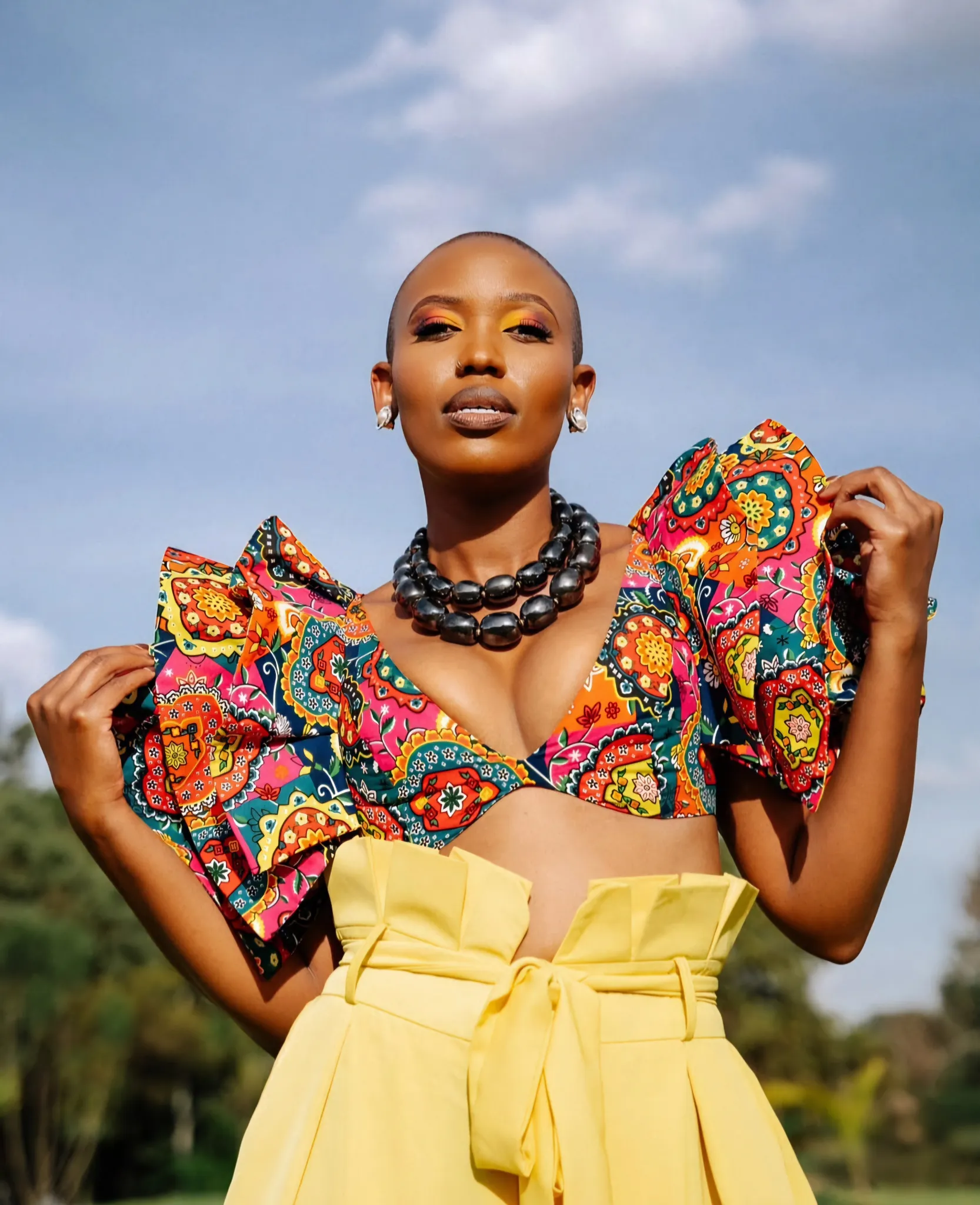
In October 2025, Lagos Fashion Week celebrated its fifteenth anniversary edition. Fifteen years of uninterrupted runway programming, fifteen years of a structured Fashion Focus Fund supporting emerging designers, fifteen years of documented commercial outcomes including buyer relationships, stockist agreements, and international press coverage. In January 2026, Nairobi Fashion Week held its annual edition under the theme Decarbonise, opening not with a runway show but with a strategy session at Matteo’s in Karen, followed by four days of Thread Talks at The Social House where UNEP representatives, Gatsby Foundation officials, and the Kenya Fashion Council sat alongside designers to address hard questions about circular supply chains, ethical labour, and carbon reduction in fashion. Two cities. Two very specific ideas about what a fashion week is for.
The distance between those two editions and the fashion weeks of other African cities is not a function of talent. There is no shortage of design intelligence in Accra, Johannesburg, Dakar, or Addis Ababa. The distance is structural, and the structures that produce it are what this article is about.
Lagos and Nairobi are pulling ahead of other African fashion cities due to structural factors. This is what those reasons are and what they mean for the rest of the continent.
What “Outgrowing” Actually Means
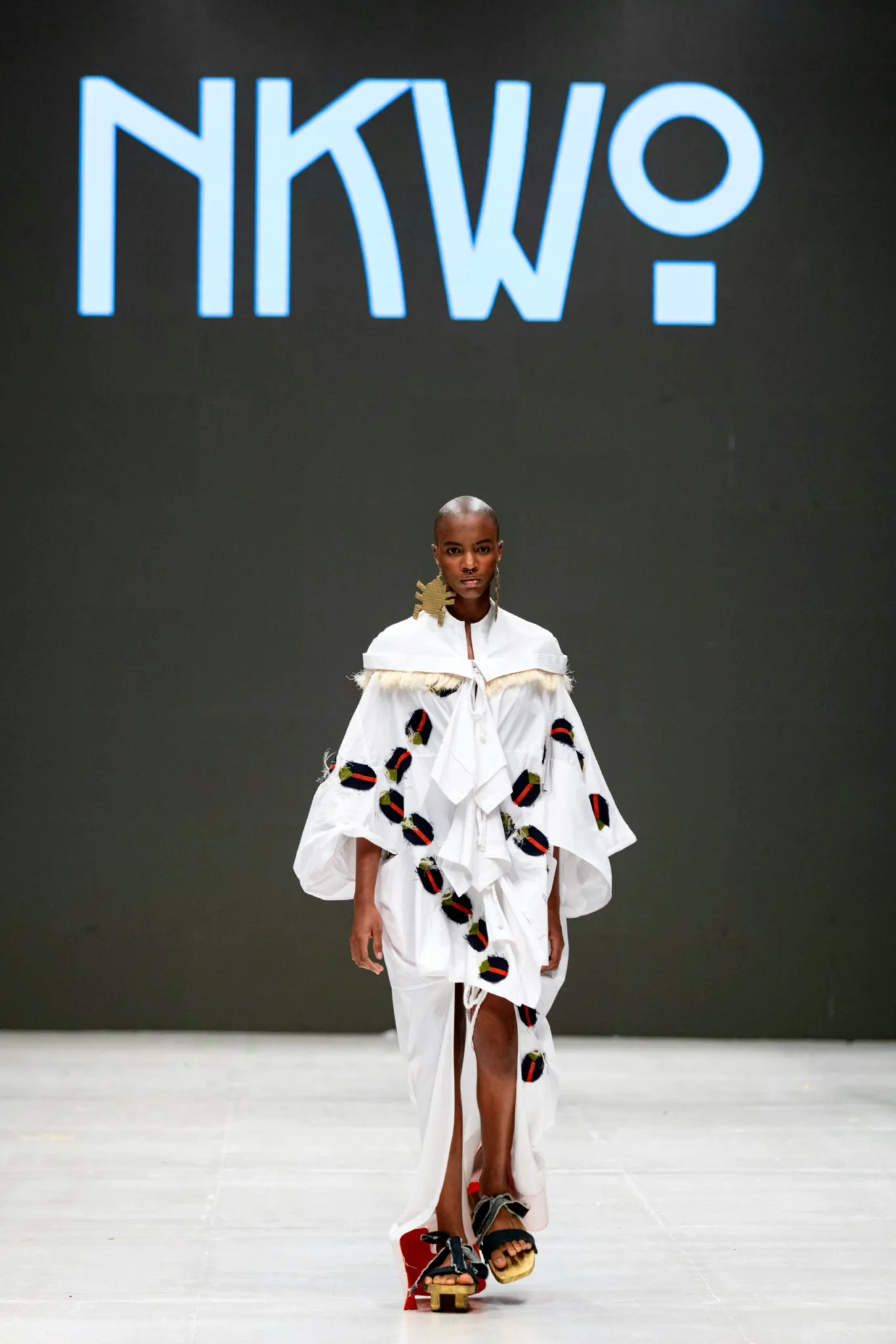
Outgrowing, in this context, does not mean Lagos and Nairobi have larger fashion markets by consumer spending alone, though both do. It means they have built deeper fashion infrastructure: the institutional frameworks, investment pipelines, international credibility systems, and designer development ecosystems that convert creative talent into commercially sustainable businesses at scale. A city can have a large consumer fashion market without having fashion infrastructure. Lagos and Nairobi have both. That combination is what the gap is actually measuring.
Nigeria’s apparel market is valued at $8.77 billion in 2025 and is projected to reach $14.72 billion by 2034, at a compound annual growth rate of 5.91%, according to Deep Market Insights (2026). Kenya’s apparel and textile sector contributed approximately $407 million in AGOA exports to the United States in 2022 alone, according to the AGOA.info trade portal. In January 2025, the IFC committed a US$15 million package to Kenya’s Royal Apparel EPZ, creating 3,700 jobs in EDGE-certified green manufacturing. These are not cultural statistics. They are investment-grade industrial figures. No other African fashion city produces economic data at this density or with this institutional weight.
Lagos: The Infrastructure Argument
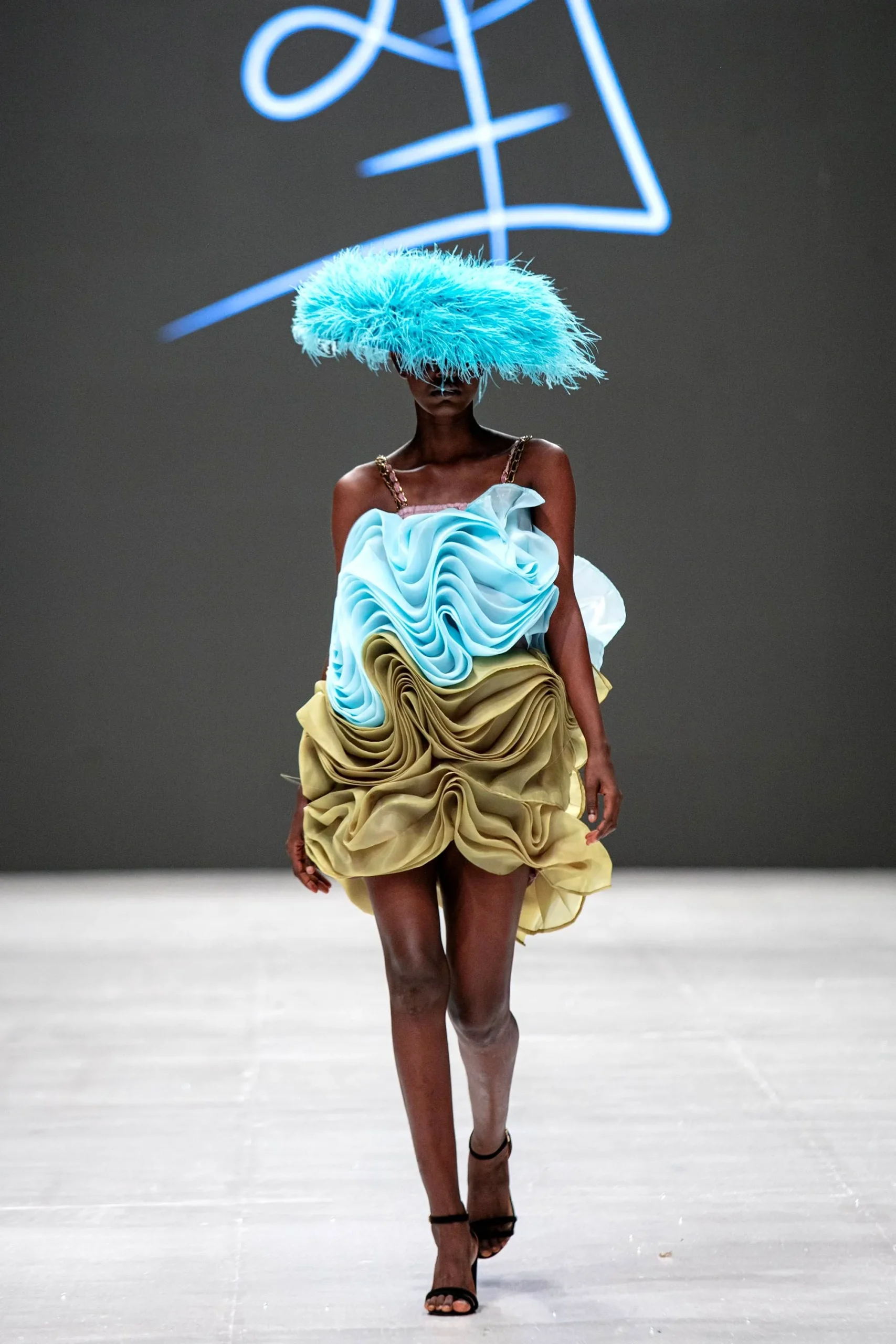
Lagos Fashion Week is Africa’s largest fashion event by any commercially meaningful measure. Founded by Omoyemi Akerele in 2011 and produced by Style House Files, it has operated continuously for 15 years, with a documented commercial impact unmatched by any other African fashion platform. As Omiren Styles has documented in its full analysis of LFW’s commercial impact, 68% of brands attending Lagos Fashion Week secured new financing or distribution deals post-event. The platform has directly impacted over 3,800 beneficiaries and indirectly impacted over 14,000 through its Fashion Focus Africa, Fashion Focus Fund, and SHF training programmes. Its most recent public milestone is the 2025 Earthshot Prize win in the “A Waste-Free World” category, which came with £1 million in funding for a circular fashion hub whose model is designed to be replicated in Kigali, Dakar, and Accra by 2030.
That Earthshot win is worth examining for what it reveals. As Omiren Styles documented in its profile of Omoyemi Akerele, the prize was not awarded for a runway show. It was awarded for a model: a fifteen-year body of work that builds circular fashion infrastructure at a continental scale. The Africa Finance Corporation partnership, announced three weeks before the prize, formalises a manufacturing investment relationship that most African fashion weeks lack access to. Lagos is not just hosting fashion. It is being treated as industrial infrastructure. That treatment is new, and it changes what the city’s fashion economy can become.
The Lagos consumer market reinforces the structural story. Nigeria’s retail market surged 30.4% to $13.2 billion in 2024, the largest percentage growth in Africa, according to Euromonitor International data, as reported by Finance in Africa. Lagos accounts for the dominant share of that growth. A city with a retail market growing at that rate, a fashion week with fifteen years of commercial documentation, an Earthshot Prize-backed circular fashion hub in construction, and a designer ecosystem that has produced internationally stocked labels from Orange Culture to Emmy Kasbit is not just a creative city. It is a fashion economy.
“African fashion is no longer just culture on a runway. It is an economic force with demonstrable scale, clear value chain logic, and mounting global demand.” — Innovation Village, December 2025 analysis of African fashion investment readiness.
Nairobi: The Diversification Argument

Nairobi’s fashion advantage is structural in a different way. Where Lagos leads through scale and institutional depth, Nairobi leads through diversification: a fashion economy that connects export manufacturing, street-level creative culture, heritage textile traditions, and a tech-economy professional class in a combination that no other East African city replicates. As Omiren Styles has documented in its analysis of Nairobi street style, the city’s fashion conversation draws simultaneously from Kibera’s creative informal economy, East Africa’s textile heritage, including Maasai beadwork and kikoi, the mitumba second-hand market culture, and the deliberate Kenyan cultural references of a tech-economy professional class that dresses with specific intent. No other combination exists on the continent.
The AGOA export manufacturing sector gives Nairobi a revenue base that most African fashion cities lack. The Athi River Export Processing Zone anchors production capacity for the US market, and the IFC’s January 2025 investment in Royal Apparel confirms continued international institutional confidence in that infrastructure. As Omiren Styles has documented in its analysis of Kenya’s mitumba trade and AGOA exports, the structural challenge for Nairobi is converting export manufacturing strength into domestic fashion industry depth, closing the gap between the 2 million Kenyans employed in the mitumba trade and the domestic textile manufacturing sector that once employed 500,000 but has collapsed to under 50,000. That challenge is real. But having it is evidence of scale. Cities without manufacturing infrastructure do not have this problem.
Nairobi Fashion Week’s January 2026 Decarbonise edition signals that the city’s fashion institutions are thinking at the same strategic register as Lagos. Thread Talks with UNEP, Gatsby, and the Kenya Fashion Council is not programming. It is positioning itself as a fashion week that describes itself as an industrial strategy event rather than a showcase. Designers, including Joy Wanja, whose Kovu Couture designed the opening ceremony attire for Team Kenya at the Paris 2024 Olympics, and John Kaveke, whose practice draws on Kenyan textile heritage and ethnic prints, provide the creative credibility that makes that institutional framing convincing. As Omiren Styles has documented in its analysis of Kenyan menswear, the design intelligence exists. The infrastructure is catching up.
What Accra, Johannesburg, and Dakar Are Building
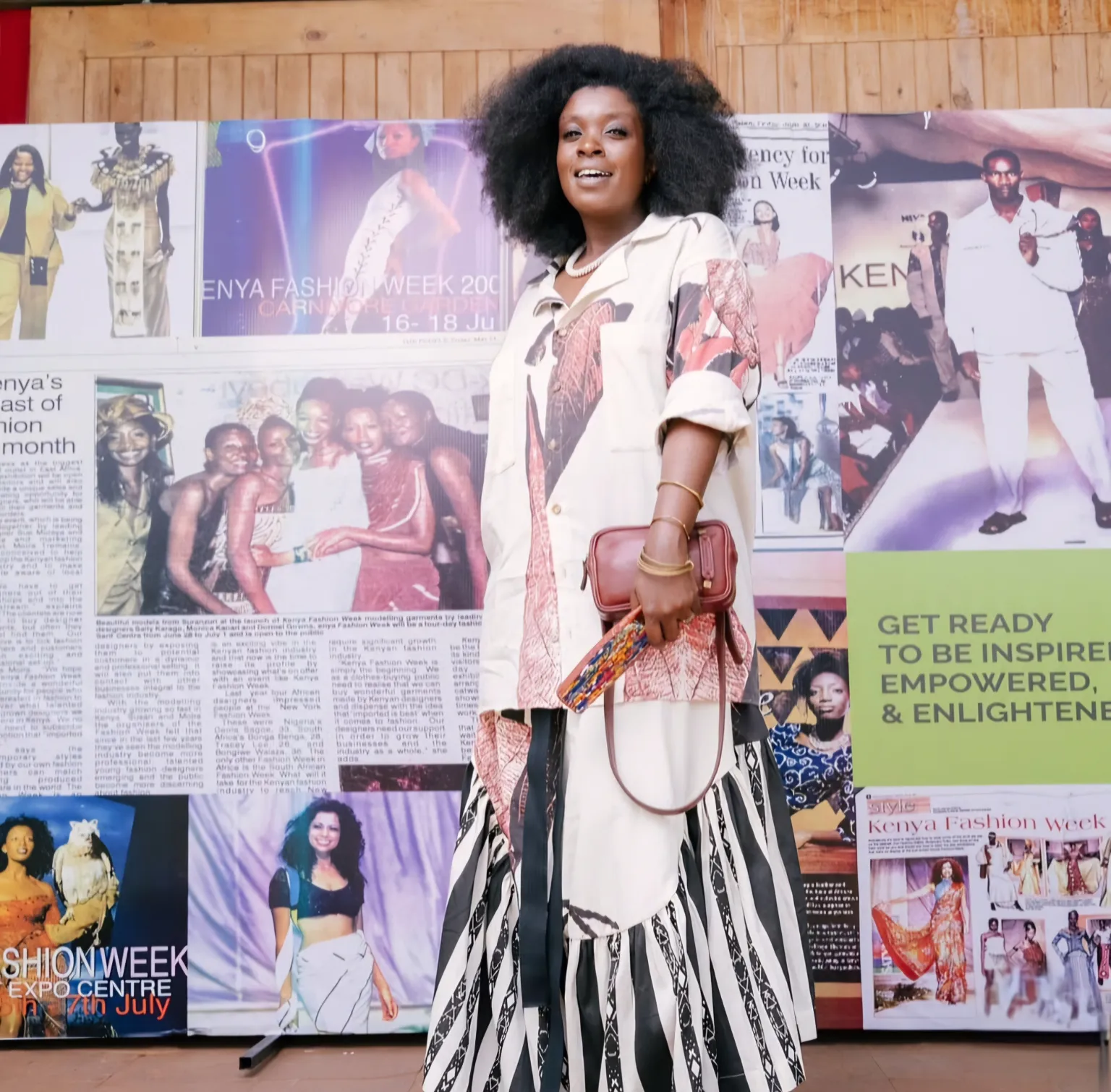
The comparison to Lagos and Nairobi is not meant to diminish what Accra, Johannesburg, and Dakar have built. Dakar’s three-system fashion economy, documented by Omiren Styles, is the most vertically integrated on the continent. Dakar Fashion Week has twenty years of operation and international credibility that Lagos was still building in its first decade. Accra’s Kente Geographical Indication registration in 2025 and the Year of Return’s permanent effect on those who consider themselves Ghanaian are producing a fashion city that is asserting cultural ownership in a way that Lagos and Nairobi have not needed to formalise, because they were not under the same extraction pressure. Johannesburg’s independent retail scene has engaged with African designers longer than most other cities. The gap is not in quality. It is in institutional compounding.
What Lagos and Nairobi have that the other cities do not is the depth of institutional investment accumulated over time. Lagos Fashion Week’s fifteen years of documented commercial outcomes cannot be replicated overnight. Nairobi’s AGOA manufacturing relationship and IFC investment track record are the product of decades of trade policy and industrial development. As Omiren Styles has argued in its investment analysis of the African fashion landscape, the distinction between funded and unfunded projects in African fashion is rarely about underlying business quality. It is about institutional compounding: the accumulation of credibility, relationships, and documented outcomes that make a city legible to international investors as a fashion economy rather than merely a creative scene.
The Omiren Argument
Lagos and Nairobi are outgrowing other African fashion cities for structural, not creative, reasons. The creative talent is distributed across the continent with something approaching equity. What is not distributed equitably is the institutional infrastructure that converts creative talent into commercial outcomes at scale. Lagos Fashion Week’s fifteen years of documented buyer relationships, stockist agreements, and now an Earthshot Prize-backed circular fashion hub represent an accumulation of institutional capital that is genuinely difficult to replicate. Nairobi’s combination of AGOA export manufacturing, IFC investment, a tech-economy professional class, and a heritage textile culture that includes Maasai beadwork and East African coastal traditions represents a diversification of fashion economy pillars that no other East African city has assembled.
The lesson for Accra, Dakar, Johannesburg, and the fashion cities still building their infrastructure is not that they are failing. It is that fashion city status is not awarded. It is accumulated. Lagos did not become Africa’s largest fashion economy through creative excellence alone. It became so through fifteen years of structured commercial development, consistent institutional investment, and the specific discipline of treating fashion as an industry rather than a cultural expression. Nairobi is doing the same thing more quietly, through a different combination of pillars, in a city that does not need to announce itself because the data announces it. As Omiren Styles has argued, the African fashion industry was never in its emerging phase. What emerges, city by city, is the infrastructure that makes it legible to the world.
The gap between Lagos, Nairobi, and other African fashion cities is not a talent gap. It is a time gap. And time, in fashion infrastructure, is the one thing that a single season’s runway cannot accelerate.
ALSO READ
- The Lagos Fashion Week Effect: What a Decade of Runway Has Actually Done for Nigerian Designer Revenue
- Omoyemi Akerele and the £1 Million Argument
- Nairobi Street Style: How Kenya’s Fashion Capital Builds Its Own Aesthetic Without Asking Permission
- Kenya Mitumba Trade, AGOA Exports, and the Domestic Textile Gap
Frequently Asked Questions
Why are Lagos and Nairobi considered Africa’s leading fashion cities?
Because they have built the deepest fashion infrastructure on the continent, combining large consumer markets with institutional frameworks that convert creative talent into commercial outcomes at scale. Lagos’s fashion economy is anchored by a 15-year Lagos Fashion Week with a documented 68% post-event deal conversion rate, an $8.77 billion apparel market projected to reach $14.72 billion by 2034 (Deep Market Insights 2026), and the 2025 Earthshot Prize win, confirming its circular fashion infrastructure. Nairobi’s economy is anchored by AGOA-export manufacturing at $407 million annually, a January 2025 IFC investment of US$15 million, and a tech-economy professional class that drives demand for premium fashion.
How does Lagos Fashion Week contribute to Lagos’s status as a fashion city?
As Omiren Styles has documented, 68% of attending brands secured new financing or distribution deals post-event. The platform has directly impacted over 3,800 beneficiaries through its Fashion Focus Fund, Fashion Focus Africa, and training programmes. Its 2025 Earthshot Prize win in the “A Waste-Free World” category, with £1 million for a circular fashion hub designed to be replicated in Kigali, Dakar, and Accra by 2030, confirms it is operating as a continental fashion infrastructure rather than a single-city event.
What makes Nairobi’s fashion economy different from other East African cities?
The combination of pillars. No other East African city has simultaneously: AGOA export manufacturing at scale, IFC institutional investment, a tech-economy professional class that drives premium fashion demand, Maasai beadwork and East African coastal textile traditions providing heritage creative source material, and a mitumba second-hand market culture that has produced one of the continent’s most distinctive street style vocabularies. Nairobi Fashion Week’s January 2026 Decarbonise edition, which opened with a UNEP and Kenya Fashion Council strategy session rather than a runway show, signals that the city’s fashion institutions are thinking at the same strategic register as Lagos.
Why is Dakar not outpacing Lagos and Nairobi despite having a longer history of fashion weeks?
Dakar Fashion Week has twenty years of operation and arguably the most vertically integrated fashion economy on the continent, connecting wholesale fabric supply at Marché HLM, street-level tailoring, and formal runway programming. The gap is not in quality but in institutional compounding: the accumulation of documented commercial outcomes, international investment relationships, and industrial-scale infrastructure that Lagos has built over fifteen years, and Nairobi has built through its AGOA and IFC relationships. Dakar is building that compounding. The valuation reflects where it currently sits in that process.
What does the IFC investment in Kenya’s Royal Apparel EPZ mean for Nairobi’s fashion economy?
The International Finance Corporation’s January 2025 US$15 million package for Kenya’s Royal Apparel EPZ, which will create 3,700 jobs in EDGE-certified green manufacturing, confirms that international institutional capital treats Nairobi’s fashion manufacturing sector as an investment-grade industrial asset rather than a cultural-creative scene. That distinction matters enormously for what comes next: institutional investment attracts further institutional investment, builds supply chain relationships, and generates the kind of documented track record that makes a city legible to international buyers and investors as a fashion economy rather than merely a creative destination.