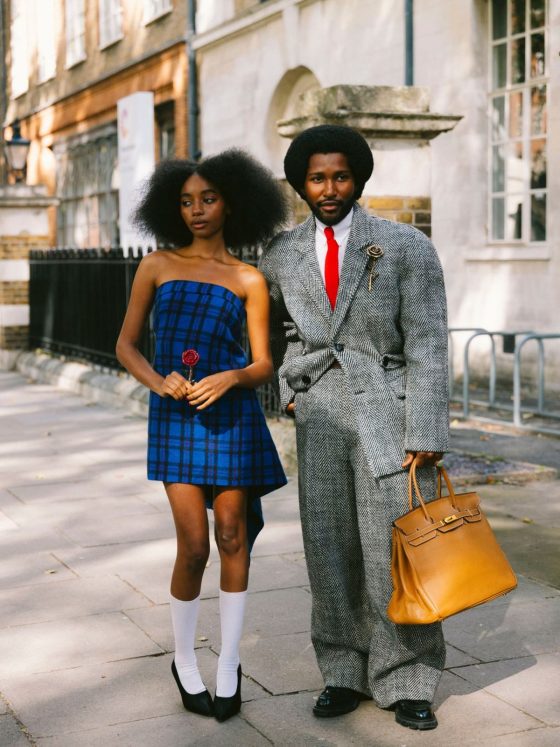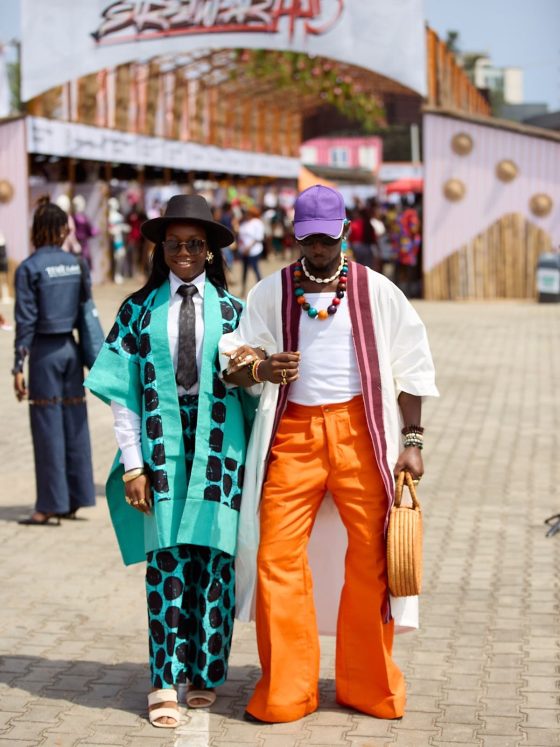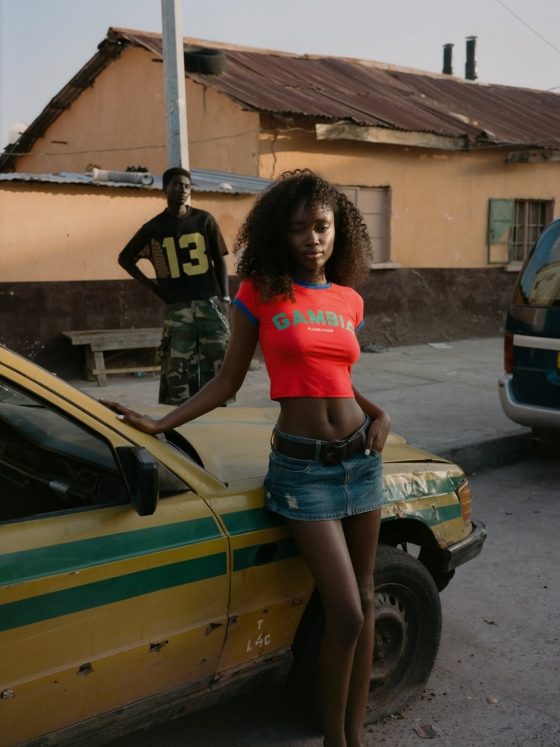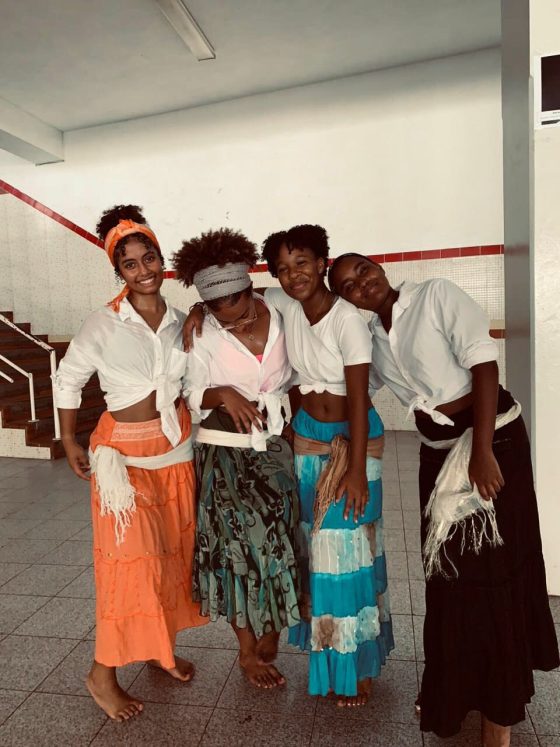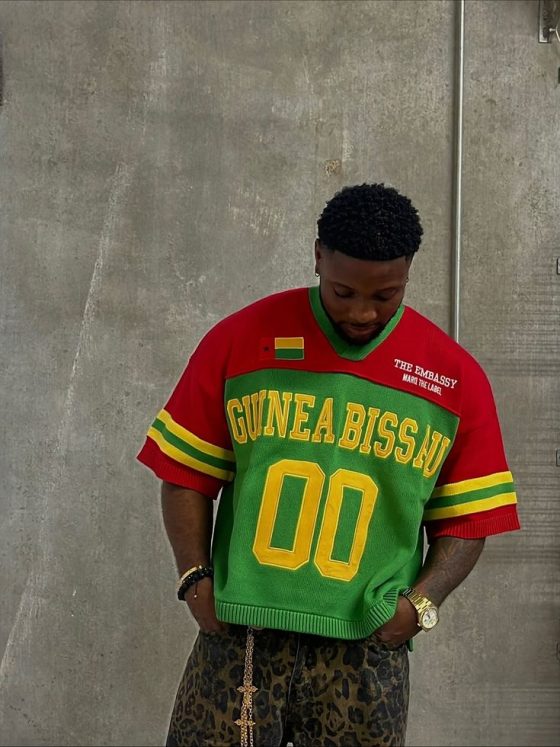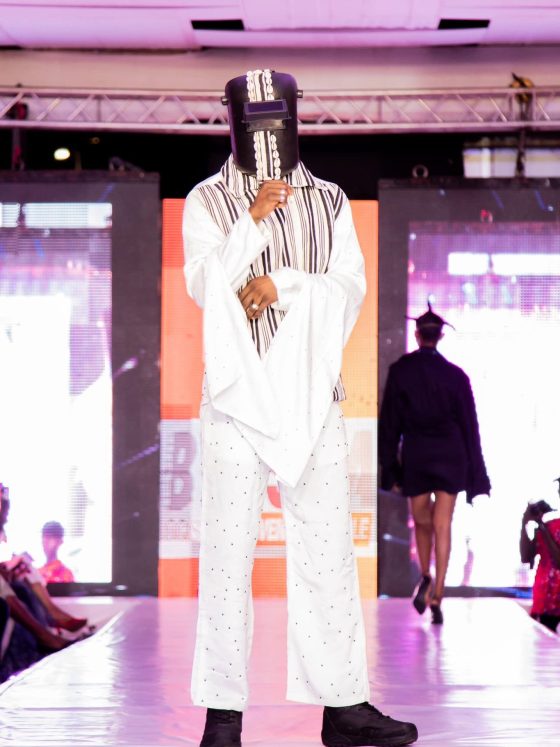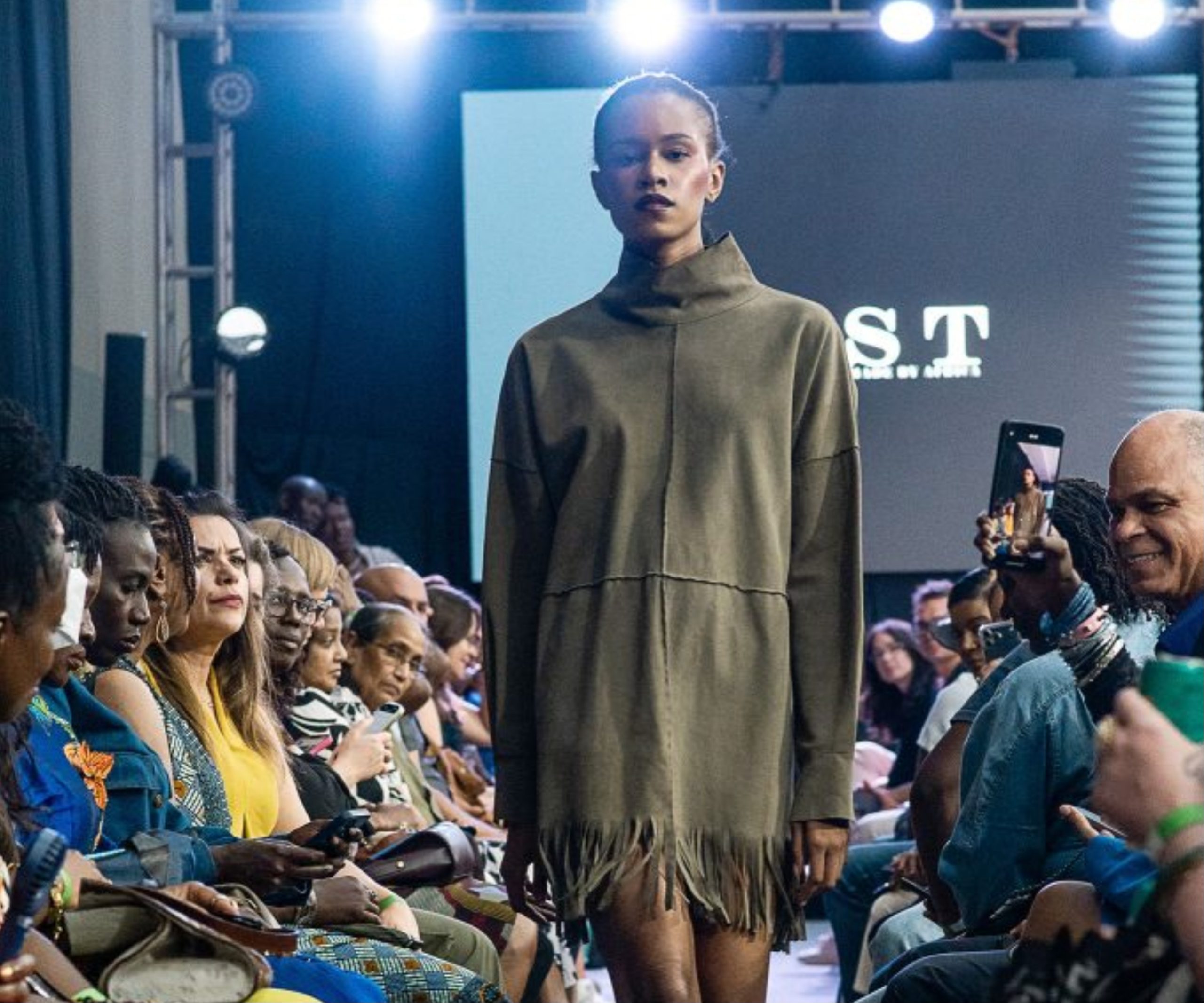
There is a version of Nairobi that travel journalism loves: the safari gateway, the tech hub, the city of contrasts. What that version consistently misses is how sharply and specifically Nairobi dresses. Not as an imitation of somewhere else. Not as a stepping stone to European validation. As itself. It has its own references, its own design logic, and its own set of rules about what street style is supposed to be doing.
In 2026, that argument is louder than it has ever been. The city’s fashion conversation is being shaped from three directions at once: the creative economy of Kibera, which has turned scarcity into one of the most generative design environments on the continent; the Maasai beadwork tradition, which urban Kenyan youth have been reworking into something entirely contemporary; and a tech-sector professional class that has produced a new kind of smart-casual that belongs to no other city in Africa. Understanding Nairobi’s street style means understanding all three. Not as separate categories, but as the same conversation happening at different volumes across the same city.
Nairobi’s street style isn’t trying to be Lagos’ or London’s. Shaped by Kibera’s creative economy, Maasai bead reinterpretation, and a tech-driven professional culture, this city dresses entirely on its own terms.
This City Does Not Dress for Your Reference Points
The habit of ranking African fashion cities against each other, with Lagos at the top and everyone else positioned relative to it, misunderstands how city-specific fashion actually works. Nairobi does not operate from Lagos’s aesthetic values. It does not aspire to London’s subcultural vocabulary. It draws from East African textile traditions, from the Swahili coast’s history of layered cultural exchange, from the specific social pressures and freedoms of a city that is simultaneously one of Africa’s most important tech economies and one of its most creatively dense informal settlements. That combination produces a sensibility that no other city on the continent shares.
The Kenyan aesthetic has its own vocabulary. Kikoy, the versatile handwoven cotton cloth of the coast, has been moving from beach wrap to urban garment for years. Kanga, with its Swahili proverb printed into the fabric itself, dresses not just the body but delivers a message. Kitenge, worn across East and Central Africa, takes different forms in Nairobi than in Kampala or Dar es Salaam, cut tighter, layered differently, and combined with unexpected elements.
The shuka, the Maasai’s signature red-and-blue checked blanket cloth, has become one of the most reinterpreted garments in the city. These are not trend items borrowed from elsewhere. They are the raw material of a home-grown design culture.
Kibera: Where Scarcity Becomes a Design Philosophy
Kibera is one of Africa’s largest urban settlements, home to an estimated 250,000 people across roughly 2.5 square kilometres on the western edge of Nairobi. Global media have spent decades covering it primarily as a story of poverty. What that coverage consistently underreports is what Kibera has been building: a creative economy with its own design language, fashion infrastructure, and internationally recognised practitioners.
The turning point was digital access. Since free public Wi-Fi arrived in Kenya around 2015, Kibera’s fashion community has been able to connect with global audiences without leaving the settlement. Photographer Brian Otieno, known as Storitellah, began documenting Kibera’s fashion community in 2016, and his Kibera Stories project has since been exhibited in Paris, Lisbon, Kampala, and New York. Designer David Ochieng, who started his business with two US dollars and a gifted sewing machine, now dresses international reggae and dancehall artists. Kibera Fashion Week, launched in 2022 with support from the Goethe-Institut, held its 2023 edition at the Olympic Bus Terminus, featuring 15 designers and 20 models, and received coverage from the BBC, CNN, The Guardian, and TV5 Monde. The settlement is not a footnote in Nairobi’s fashion story. It is one of its primary authors.
Toi Market and the Mitumba Economy
Adjacent to Kibera sits Toi Market, a six-acre second-hand market with over 5,000 booths that began in the 1980s when Nubian settlers started selling used goods on a small plot of land. Today, it is one of the essential sourcing grounds for Nairobi’s street style community. The second-hand clothing trade in Kenya, known locally as mitumba, began when market liberalisation made imported used garments more affordable than locally produced textiles. What started as an economic necessity has evolved into something culturally distinctive.
Nairobi’s mitumba culture is not the same as thrifting in a Western city. It is a skilled practice. The buyers who move through Toi Market know exactly what they are looking for, understand fabric quality by touch, and rework their finds with a tailoring fluency that produces finished garments bearing little resemblance to what they started as. The result is a street-style vocabulary that is genuinely one-of-a-kind, with individual pieces assembled with knowledge and intention, impossible to replicate in bulk.
Designer Apar Gadek, who showed at Nairobi Fashion Week 2025, produced statement accessories in collaboration with Kibera artisans using brass, recycled glass beads, and upcycled cow horn and bone. The Mitumba economy and the luxury runway are not separate worlds in Nairobi. They feed each other.
Maasai Beadwork and the Youth Reinterpretation
The Maasai beadwork tradition is one of the most visually powerful in East Africa. Every colour combination carries meaning: red for bravery and blood, blue for energy and the sky, white for purity, green for health and the land. The beads are not decorative additions to the Maasai dress. They are communication, carrying information about age, marital status, social rank, and community identity in their precise combination and placement.
Kenyan designers have spent years learning beadwork directly from Maasai artisans, including KikoRomeo founder Ann McCreath, who taught Maasai women non-traditional beadwork designs and integrated that collaboration into her label’s identity. On the street, beaded accessories, jewellery, bag straps, belt details, and embellished necklines appear throughout Nairobi’s style landscape, carrying the visual energy of Maasai tradition into entirely urban, contemporary contexts.
Brand A Touch of Kenya, which showed at Nairobi Fashion Week 2026, demonstrated the same principle on the runway, fusing bespoke leather with intricate beadwork to produce pieces that felt simultaneously ancestral and current. The tradition is not being preserved under glass. It is being worn.
Read Also:
- What the Numbers Say About Lagos, Accra, and Nairobi as Fashion Business Cities, Not Just Fashion Week Cities
- What to Buy Before You Leave Lagos, Accra, or Nairobi: The Fabric Edition
- Maasai Beadwork: Meaning, Symbolism, and the Language of Identity
When the Runway Becomes a War Room
Nairobi Fashion Week’s 2026 edition, themed Decarbonise and held January 28 to 31 at Sarit Expo Centre in Westlands, was not a conventional fashion show. It opened with a strategy session at Matteo’s in Karen. Its intellectual spine was Thread Talks at The Social House, where representatives from UNEP, Gatsby, and the Kenya Fashion Council sat alongside veteran designers to address hard questions about circular supply chains, ethical labour, and the decarbonisation of African fashion. The runway on January 31 was the culmination of an argument that had been built over four days.
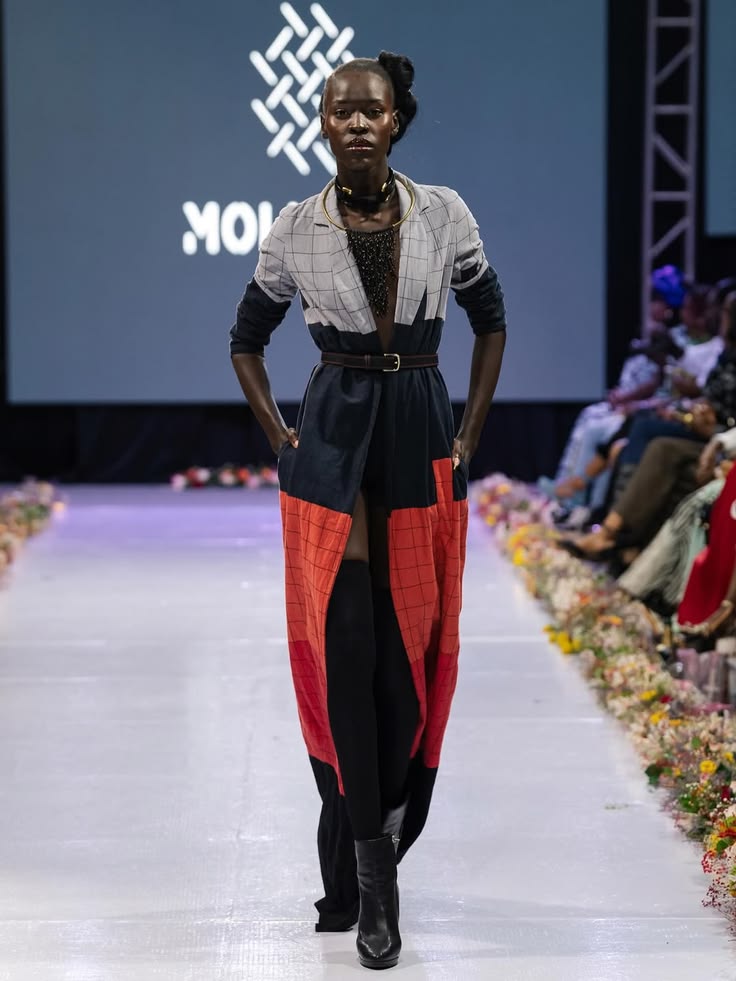
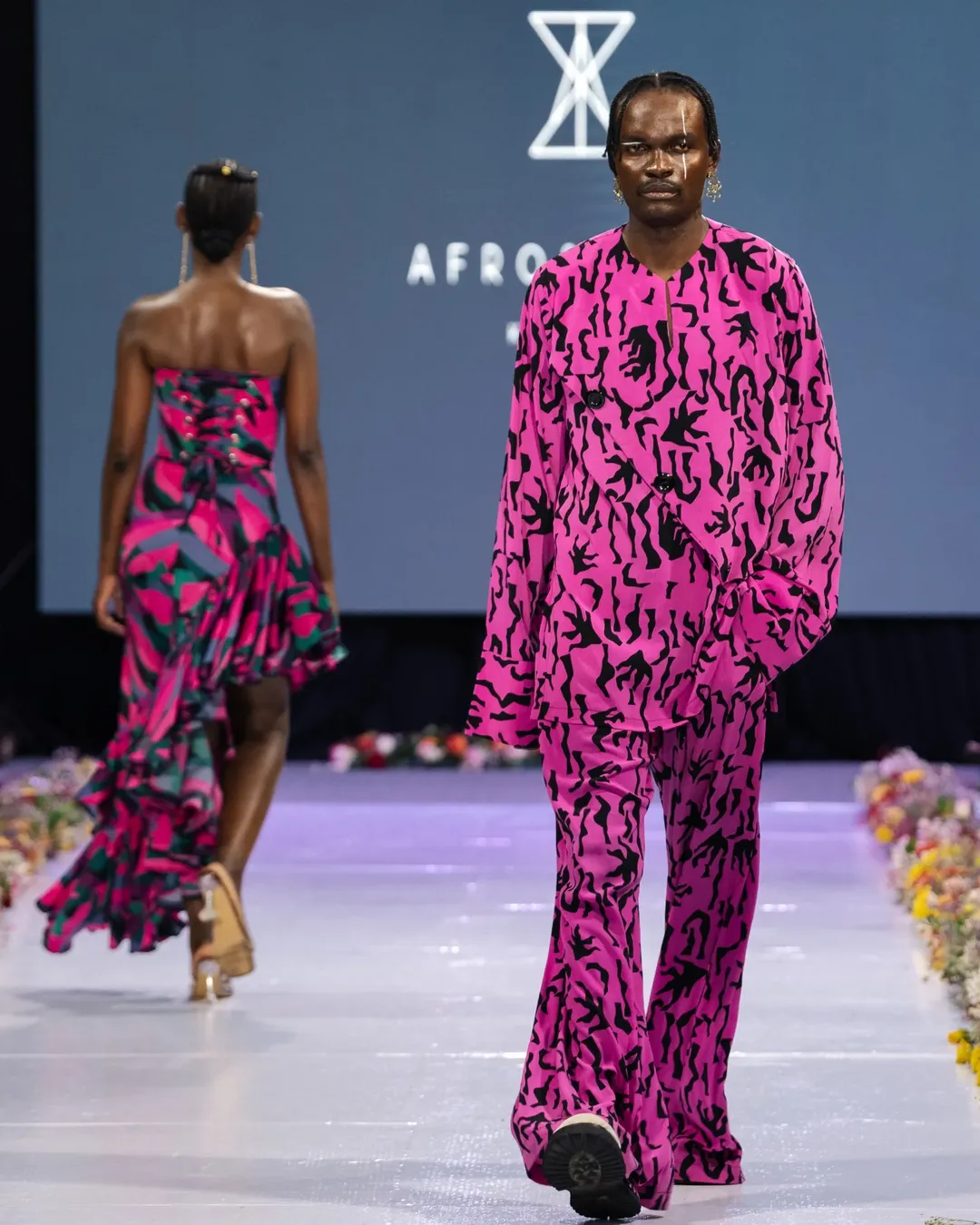
John Kaveke, Kenya’s most celebrated menswear designer, anchored the runway with a collection staging a dialogue between Maasai heritage and Japanese tailoring discipline. Molivian pushed proportion and texture into genuinely conceptual territory. Maisha transformed second-hand textiles into community-empowerment-linked collections that functioned as much as economic infrastructure as they did as garments. Afro Street Kollektions, led by Yvonne Odhiambo, delivered the event’s urban pulse: adaptable, confident streetwear that captured the rhythm of contemporary Nairobi life without a single borrowed reference. This was not a city auditioning for a seat at the global table. It was a city that had already built its own.
This Is Not an Emerging Scene. It Never Was.
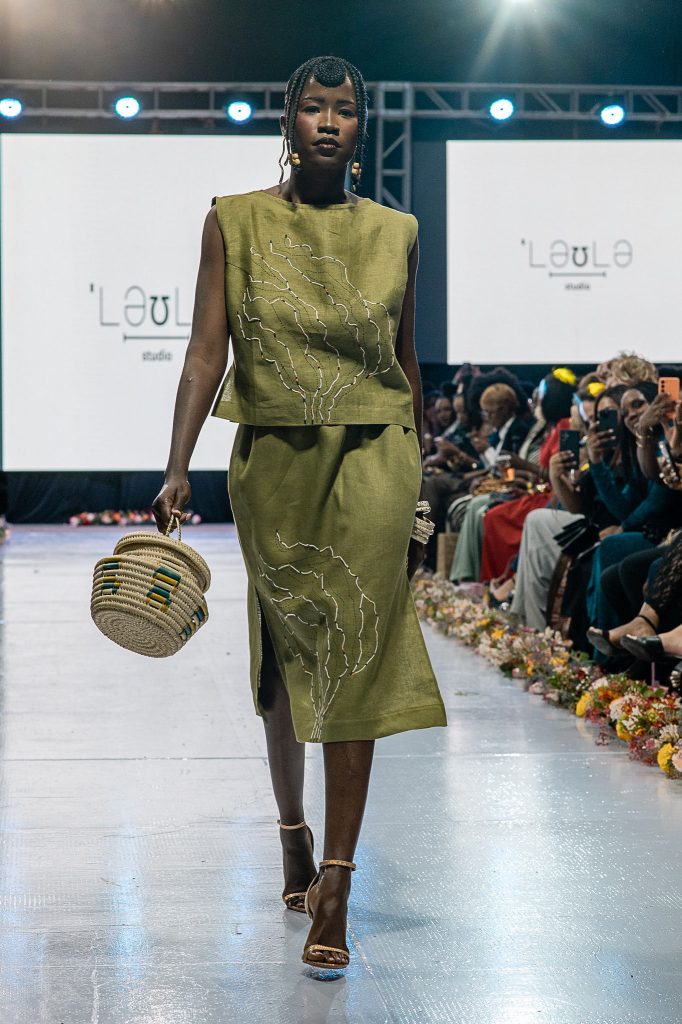
The case of Nairobi’s street style made in 2026 is specific. It is not a scale argument. Nairobi is not trying to out-volume Lagos or match the institutional weight of Paris. It is an argument about source material: that the combination of Kibera’s creative ingenuity, East Africa’s textile heritage, Maasai visual culture’s depth and specificity, and a tech economy’s distinct professional values produces a fashion conversation that belongs to no other city and owes nothing to anyone else’s approval.
That argument is being made daily, on the streets of Westlands and Karen and Kibera, in the mitumba stalls of Toi Market, on the runways of Fashion Week, and in the ateliers of designers who have decided that Nairobi is not a place you leave to become relevant but a place you stay because relevance is already here. The city has not arrived. It has been building all along. The only thing that has changed is how many people are paying attention.
OMIREN ARGUMENT
Nairobi keeps getting described as emerging. It is a word that positions the city as perpetually on the way to somewhere else, never quite arrived. But Kibera’s designers have been covered by the BBC and CNN. John Kaveke has been making menswear of international calibre for decades. Nairobi Fashion Week is in its eighth edition and is actively shaping the sustainability conversation globally. The Maasai beadwork tradition has been influencing design across East Africa for generations.
What exactly is still emerging? The honest answer is that the word “emerging” is being applied to Nairobi because those applying it have not been paying close enough attention. Nairobi’s fashion scene does not need that label lifted as a favour. It needs the industry to accept that a city can be primary on its own terms, with its own sources, without seeking or requiring validation from cities declared primary before it. That is not an emerging argument. That is a settled one.
Frequently Asked Questions
- What makes Nairobi’s street style different from other African fashion cities?
Nairobi’s street style operates from a combination of influences that no other African city shares in the same form. The creative output of Kibera, one of Africa’s most generative informal design communities, feeds directly into the city’s aesthetic. The Maasai beadwork tradition provides a visual heritage that Nairobi’s designers and street stylists engage with actively rather than decoratively. The city’s significant tech economy has produced a distinct professional dress code that blends global competence with deliberate Kenyan cultural references. And the mitumba second-hand market culture has created a street style vocabulary of unique, individually constructed garments. The result is a fashion conversation that does not reference Lagos, London, or Paris as its primary sources.
- Who are the key designers shaping Nairobi’s fashion scene in 2026?
John Kaveke is Kenya’s most established menswear designer, whose work stages dialogues between Maasai heritage and international tailoring traditions. Ann McCreath of KikoRomeo pioneered the integration of Maasai beadwork into contemporary fashion design, working directly with Maasai artisans to develop non-traditional design applications. A Touch of Kenya fuses leather craft with intricate beadwork, producing pieces that carry ancestral technique into modern luxury. Maisha, based at the Elementary Theatre, transforms second-hand textiles into community-linked collections that operate as social infrastructure. Yvonne Odhiambo’s Afro Street Kollections anchors the city’s urban streetwear narrative with culturally fluent, adaptable designs rooted in contemporary African city life.
- What is Kibera Fashion Week, and why does it matter?
Kibera Fashion Week is a community-driven fashion initiative based in Kibera, Nairobi, launched in 2022 with support from the Goethe-Institut. Its 2023 edition took place over six days at the Olympic Bus Terminus, featuring 15 designers and 20 models, and received coverage from the BBC, CNN, The Guardian, and TV5 Monde. The event matters because it repositions Kibera from a media narrative of poverty to a documented centre of creative production and design innovation. It also demonstrates that fashion weeks do not require luxury venues or international financial backing to produce work of global significance.
- How has Maasai beadwork influenced Nairobi’s contemporary fashion?
Maasai beadwork is a sophisticated visual language in which every colour combination carries a specific meaning, communicating age, status, community identity, and spiritual values. Nairobi’s fashion designers have engaged with this tradition by collaborating directly with Maasai artisans, learning the craft and integrating it into contemporary garments and accessories. On the street, beaded elements appear throughout Nairobi’s style landscape, in jewellery, bag straps, belt details, and neckline embellishment, carrying the visual energy of the Maasai tradition into urban contexts. This is not decorative borrowing. It is a living design conversation between heritage knowledge and contemporary application.
- What is the mitumba market and how does it shape Nairobi’s street style?
‘Mitumba’ refers to the second-hand clothing trade in Kenya, which developed from the 1980s when market liberalisation made imported used garments more affordable than locally produced textiles. Toi Market, a six-acre market adjacent to Kibera with over 5,000 booths, is one of the central sourcing hubs for Nairobi’s street-style community. The practice of buying mitumba and reworking pieces through skilled tailoring has produced a street style vocabulary of unique, unrepeatable garments.