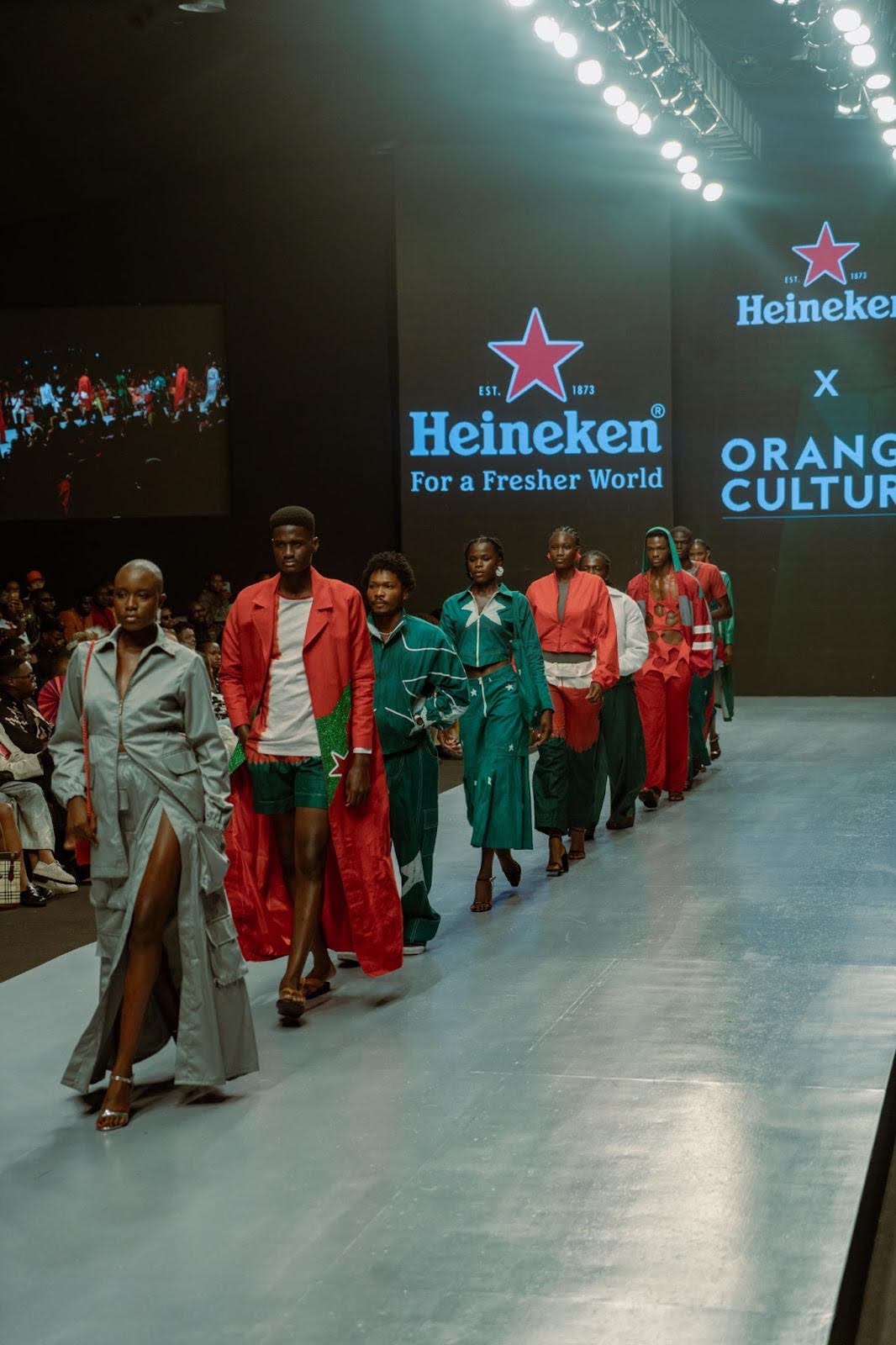
Lagos is not simply Nigeria’s commercial nerve centre. It is the most consequential fashion market in sub-Saharan Africa. In this city, a young, hyper-connected population has turned getting dressed into an act of economic and cultural expression. Nigeria’s fashion and lifestyle market is valued at approximately $30 billion, contributing roughly 1% to the country’s GDP, with Lagos accounting for the largest share of both production and retail activity on the continent. Yet the story of Lagos fashion in 2025 and 2026 is not one of straightforward momentum. It is one of a market recalibrating as it navigates sharp inflation, currency volatility, and a profound structural shift in how, where, and at what price point Lagosians shop—understanding that recalibration requires separating the segments that are genuinely growing from those that are merely surviving, and the retail culture that defines consumer behaviour from the macro forces trying to upend it.
Nigeria’s fashion and lifestyle market is valued at approximately $30 billion. The apparel segment alone was valued at $8.77 billion in 2025 and is projected to reach $14.72 billion by 2034, at a CAGR of 5.91% (Deep Market Insights, 2026). Modern retail sales surged 30.4% to $13.2 billion in 2024, the largest percentage growth in Africa, against an average inflation rate of 33.2%. Jumia reported full-year 2025 GMV growth of 36% across its platform, with Q4 2025 revenue of $61.4 million, up 34% year-on-year. Lagos Fashion Week 2025 drew over 15,000 guests over five days and showcased more than 60 designers.
The Macro Backdrop: Pressure and Paradox
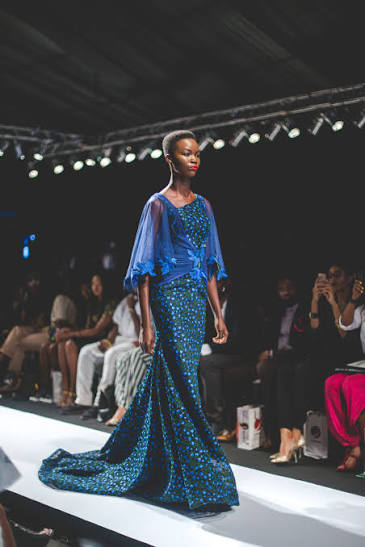
Any honest assessment of the Lagos fashion market must begin with the economic context. Nigeria recorded an average inflation rate of 33.2% in 2024, one of the highest on the continent, driven in large part by the removal of the fuel subsidy as part of government reforms, which spiked logistics and operational costs across sectors. This figure reflects the pre-rebase methodology used by Nigeria’s National Bureau of Statistics, which rebased its CPI calculation in January 2025. The rebased December 2024 headline figure was 34.80%. Exchange rate volatility, with the naira trading between NGN 700 and NGN 1,800 per dollar at various points, has made imported clothing and fabrics substantially more expensive, with wholesalers reporting 20 to 30% cost increases that they have passed directly to consumers.
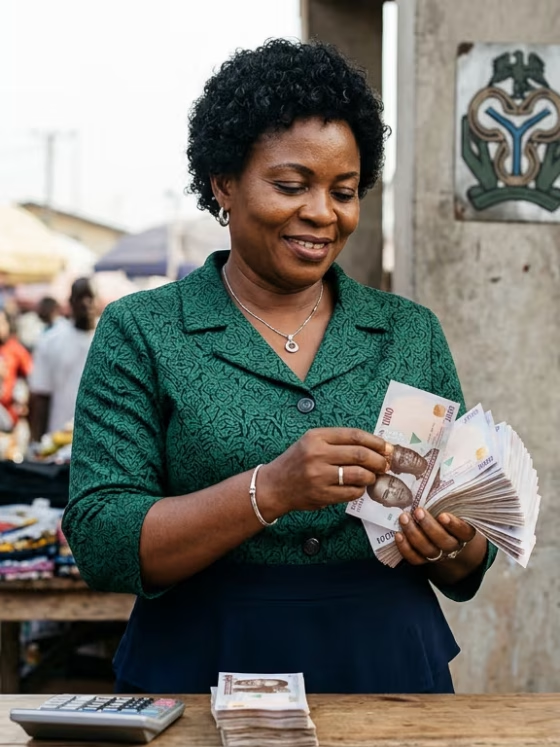
And yet, paradoxically, Nigeria recorded the largest percentage growth in Africa’s retail market in 2024, with modern retail sales surging by 30.4% to $13.2 billion, according to analysis by Finance in Africa using Euromonitor International data. South Africa continues to lead Africa in absolute retail value at $72.6 billion; Nigeria’s $13.2 billion position is second by value but first by growth rate. As Professor Uchenna Uzo of the Lagos Business School notes: “The expansion of digital payment infrastructure, the arrival of platforms like Temu, and increased consumer willingness to spend, driven by attractive deals, are reshaping the retail landscape in Nigeria.” The contradiction, soaring prices alongside record sales growth, reflects a fundamental truth about Lagos: demand for fashion is structurally resilient, culturally embedded, and not easily suppressed by macroeconomic headwinds.
The apparel segment, specifically, valued at $8.77 billion in 2025 according to Deep Market Insights (2026), is projected to reach $14.72 billion by 2034 at a compound annual growth rate of 5.91%. Statista projects Nigeria’s e-commerce fashion revenue specifically at $1.40 billion in 2025, reflecting the growing share of digital channels within the broader apparel market.
Retail Culture: The Multi-Tier Ecosystem
Lagos does not have a single fashion retail culture. It has several operating simultaneously across different economic strata, geographies, and consumer mindsets. Understanding which tier a brand plays in is arguably more important than any product decision.
The Physical Market Tier
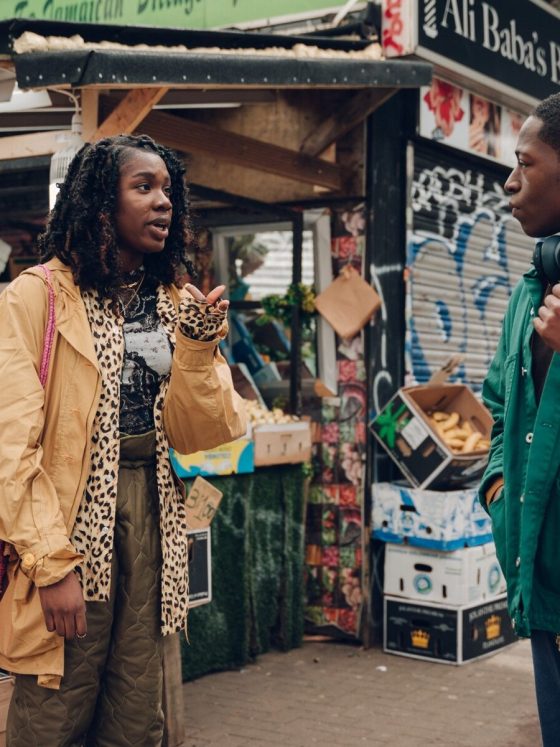
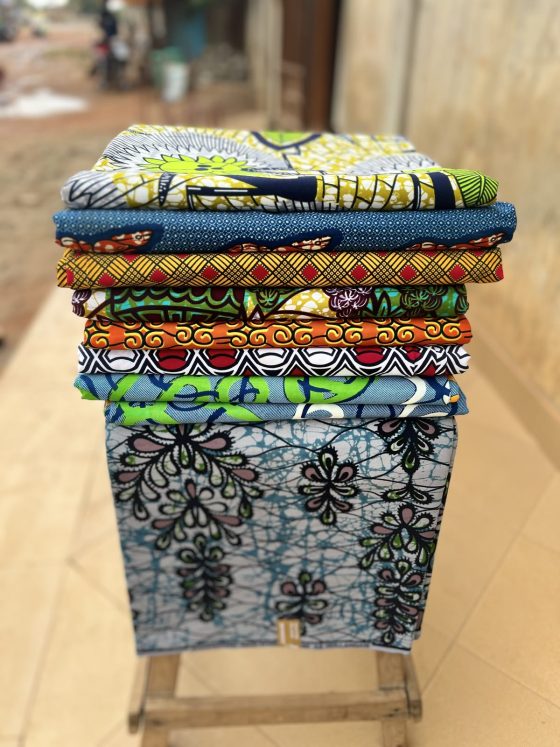
Balogun Market on Lagos Island, widely regarded as one of the largest markets in West Africa, remains the undisputed wholesale and fabric hub of the city, stocking Ankara prints, Aso-Oke, ready-made garments, lace, and an extensive thrift section. The Tejuosho complex in Yaba, with approximately 2,383 lock-up shops across four storeys, serves as one of the most organised formal retail environments for mid-market fashion. Mushin, Oshodi, and Katangua markets anchor the mass-market and Okrika (second-hand) segment. These physical markets are not relics. They remain critical discovery and fulfilment environments for the majority of Lagos consumers and supply chains alike.
The Social Commerce Tier
The fastest-growing channel and the defining retail innovation of recent years. Thousands of Instagram boutiques and WhatsApp-based vendors have made direct-to-consumer sales a dominant model, particularly in women’s fashion. Clothing and shoes consistently rank as the top two most popular online purchase categories in Nigeria. Instagram-native brands, often with no physical storefront, source from Balogun or import directly from Turkey and the UK, market through reels and influencer hauls, and fulfil via platforms like GIG Logistics. This is not informal retail. It is a sophisticated, low-overhead distribution model built on social trust.
The Platform Tier
Jumia, Konga, and Jiji provide the formal digital infrastructure. Jumia recorded a total gross merchandise value of $720 million across all its African markets in 2024, with Nigeria accounting for approximately 40% of that figure, or approximately $288 million in Nigeria-specific GMV. Fashion accounted for approximately 14% of platform GMV. The platform reported 36% GMV growth across its full platform in its full-year 2025 results and Q4 2025 revenue of $61.4 million, up 34% year-on-year. Nigeria’s e-commerce fashion revenue is projected to reach $1.40 billion in 2025, according to Statista.
Price Points: The Art of Tiered Survival
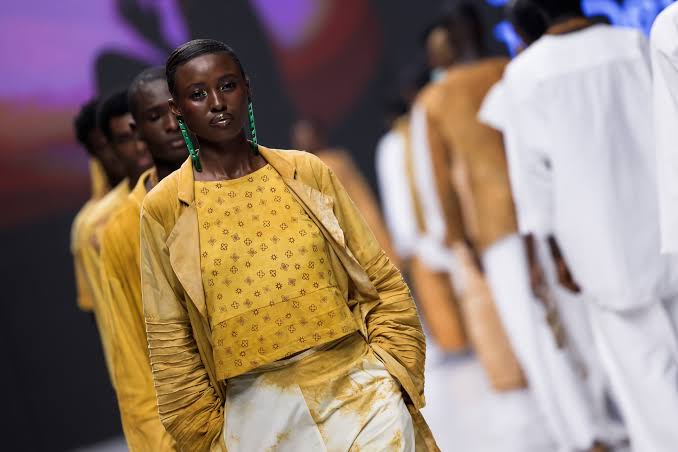
The Lagos market has developed a highly articulated price architecture in response to inflation and the compression of purchasing power. Consumers are not simply spending less. They are trading across tiers with strategic precision.
At the entry tier, the Okrika (thrift) economy dominates. Second-hand clothing markets thrive despite a government ban on importation. High demand, lax enforcement, and Cotonou-routed supply chains have kept them fully operational. These markets serve as a lifeline for low- and middle-income earners; the quality of second-hand imports, often from the UK and the US, frequently exceeds that of domestically available fast-fashion alternatives at a fraction of the price.
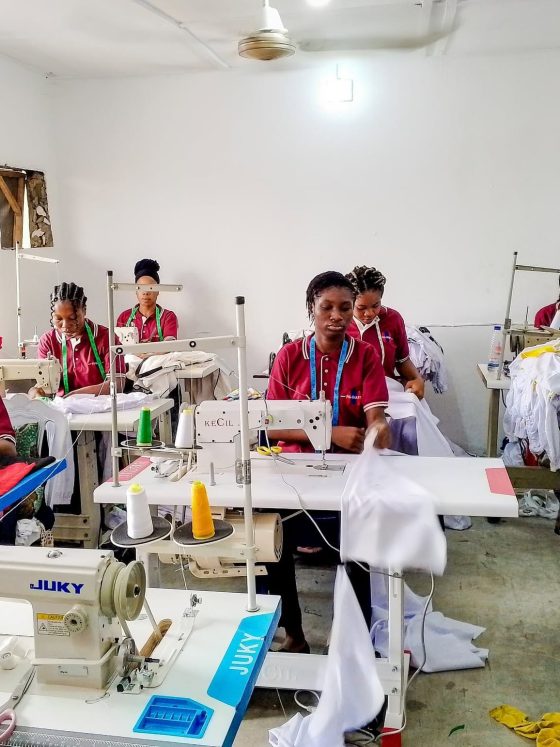
At the mid-market tier, local tailoring, one of Nigeria’s most enduring cultural institutions, is experiencing renewed demand as consumers turn away from imported ready-to-wear in favour of bespoke Ankara, Adire, and lace garments made locally. A custom outfit in this segment typically ranges from NGN 15,000 to NGN 80,000 ($10 to $55 at a mid-2025 naira/dollar rate of approximately NGN 1,500 per dollar), representing strong perceived value in a market where imported alternatives at comparable prices have deteriorated in quality due to FX-driven cost cuts.
The premium and designer tiers command NGN 100,000 to NGN 500,000+ ($70 to $350) per piece. Lagos Fashion Week 2025, the 15th-anniversary edition, attracted over 15,000 guests over five days and showcased more than 60 designers. This segment is sustained by a Lagos upper-middle class that is fashion-literate, globally aware, and willing to pay for provenance and craft.
Which Categories Are Actually Growing
Not all segments are moving in the same direction. The following represent the categories with verifiable, sustained growth momentum.
1. African Print Ready-to-Wear and Afrocentric Streetwear
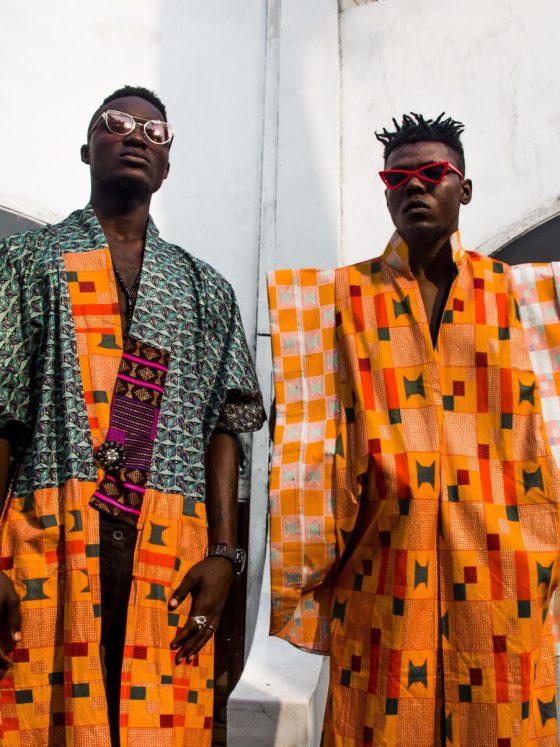
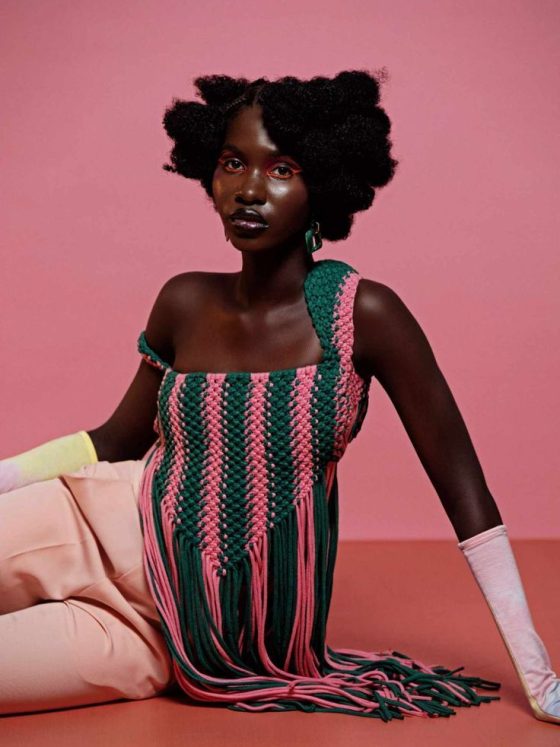
The single most dynamic growth category in Lagos fashion retail. Cultural pride, social media amplification through hashtags like #NaijaStyle, and the practical economics of local sourcing have fuelled explosive demand for Ankara-based ready-to-wear, Adire-dyed garments, and contemporary streetwear that fuses African textiles with modern silhouettes.
2. Footwear and Accessories
Clothing and shoes consistently appear as the top two online purchase categories in Nigeria. Footwear is growing faster than apparel in unit terms, driven by the relatively lower price point and higher gift and occasion purchase rate.
3. Social Commerce Fashion (Women’s Wear)
Women’s fashion sold through social commerce is the channel’s biggest driver, accounting for a disproportionate share of direct-to-consumer fashion revenue. The segment benefits from low overhead, fast inventory turnover, and a consumer base conditioned to trust peer recommendations over advertising.
4. Activewear and Athleisure
Demand for sportswear and activewear is rising sharply among the urban professional class, driven by the growth of fitness culture and the influence of global brands. PUMA has been identified as a leading sports brand in Nigeria with a significant trajectory since 2020.
5. Sustainable and Circular Fashion
A nascent category, but Lagos Fashion Week’s annual Woven Threads initiative signals genuine institutional commitment to circular design and ethical production. Younger consumers are beginning to incorporate sustainability signals into purchase decisions.
Editorial note: The Woven Threads April 2026 date cited in some source materials requires primary confirmation from the LFW official site or Nigerian press before publication. Confirmed LFW data is from the October to November 2025 edition.
Structural Challenges Constraining Growth
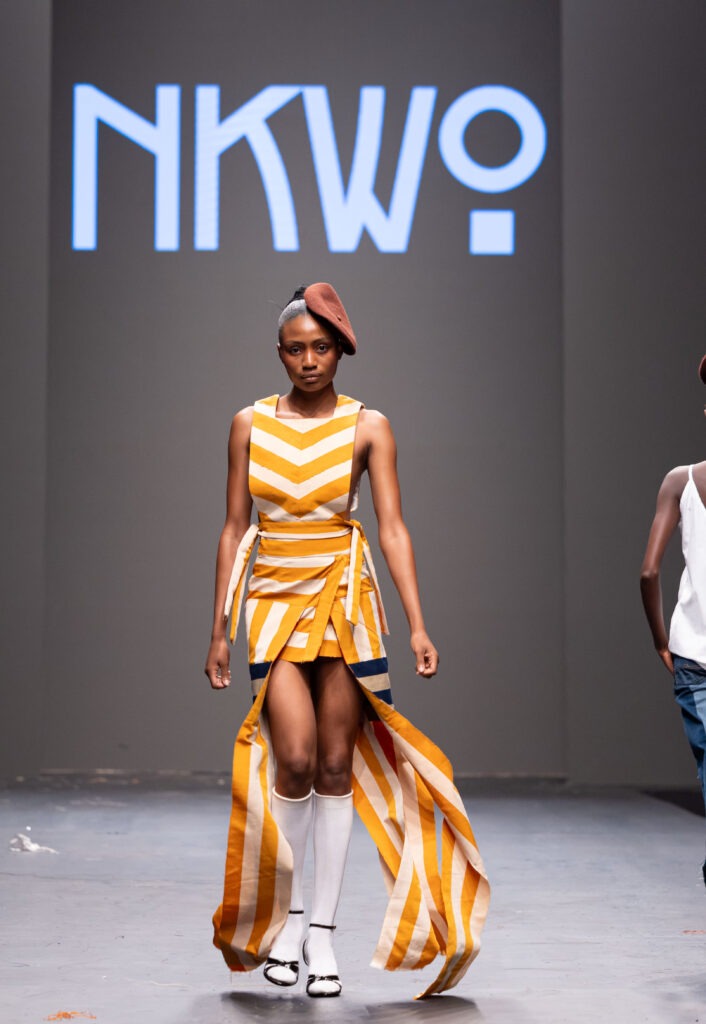
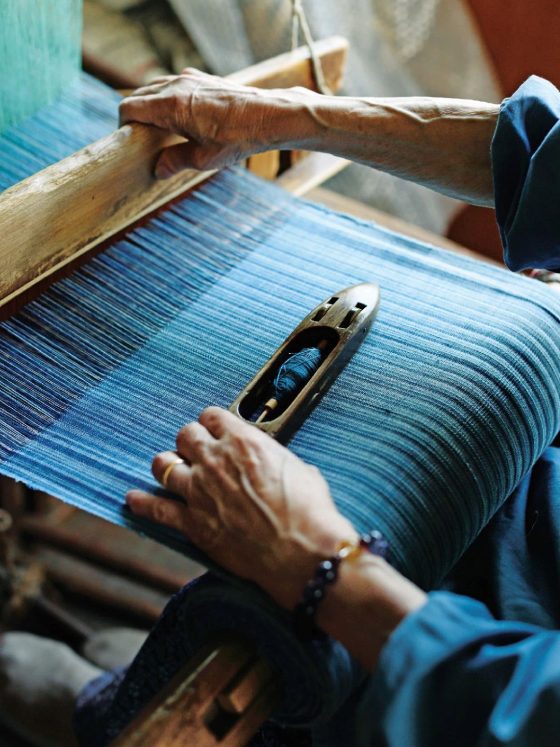
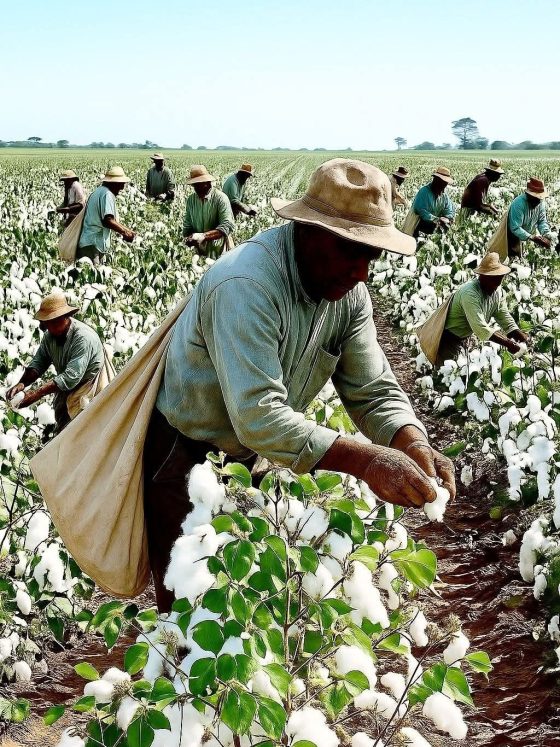
The Lagos fashion market faces genuine structural headwinds that growth figures alone do not capture. Limited local textile manufacturing capacity means most fabric is imported, exposing the market directly to exchange rate risk. Power supply unreliability raises operational costs for every atelier, workshop, and logistics provider in the city. Infrastructure gaps, particularly in last-mile delivery, inflate fulfilment costs for e-commerce players. The entry of global ultra-low-cost platforms is also exerting competitive pressure. As Professor Uchenna Uzo of Lagos Business School notes, the arrival of platforms like Temu is actively reshaping Nigeria’s retail landscape.
Conclusion: A Market Defined by Adaptation
The Lagos fashion market in 2026 is not a simple growth story. It is a market defined by adaptation, where retailers are pivoting to local sourcing, consumers are trading across price tiers with precision, and an entire social commerce ecosystem has emerged to serve demand that formal retail could not reach. The categories growing fastest are those most rooted in cultural identity: Afrocentric prints, bespoke tailoring, and social-native women’s wear. For brands and investors approaching this market, the central insight is clear. Lagos rewards those who understand not just the economics, but the culture. Style here is not a luxury. It is infrastructure.
ALSO READ
- The Lagos Fashion Week Effect: What a Decade of Runway Has Actually Done for Nigerian Designer Revenue
- How Lagos Street Style Is Influencing What the Diaspora Wears in New York
- Why Lomé Should Be on Every African Fashion Investor’s Map
Frequently Asked Questions
How big is the Lagos fashion market in 2026?
Nigeria’s fashion and lifestyle market is valued at approximately $30 billion, contributing roughly 1% of GDP. The apparel segment stood at $8.77 billion in 2025 and is projected to reach $14.72 billion by 2034, at a 5.91% CAGR, according to Deep Market Insights (2026). Lagos accounts for the largest share of both production and retail activity within that market.
Which fashion categories are growing fastest in Lagos right now?
The five categories with verified sustained growth momentum are African print ready-to-wear and Afrocentric streetwear; footwear and accessories; social commerce women’s wear; activewear and athleisure; and sustainable and circular fashion. Afrocentric streetwear is the single most dynamic category, amplified by social media and diaspora demand simultaneously.
How is high inflation affecting fashion retail in Lagos?
Nigeria recorded an average inflation rate of 33.2% in 2024, driven by the removal of fuel subsidies and currency volatility. Imported fabrics and clothing rose in cost by 20-30%. Yet modern retail sales still surged 30.4% to $13.2 billion in 2024, the largest percentage growth in Africa. Consumers are responding by strategically trading across price tiers, moving toward local tailoring in the mid-market tier and the Okrika thrift economy in the entry tier.
What is the biggest structural challenge for fashion brands entering the Lagos market?
Limited local textile manufacturing capacity is the deepest structural constraint. Most fabric is imported, which means every brand is directly exposed to the naira/dollar exchange rate volatility. Power supply unreliability adds operational cost at the production level. Last-mile logistics gaps inflate e-commerce fulfilment costs. Brands that source locally, build social commerce channels, and price with an understanding of the tier architecture are best positioned to navigate these constraints.