She walked out of a law career in 2004 with no infrastructure, no runway, and no institutional backing for African fashion. By November 2025, she had built Africa’s largest fashion week, won Prince William’s Earthshot Prize against 2,500 nominees from 72 countries, and secured £1 million to build the circular fashion hub the continent had never had. This is not a success story. It is a structural argument, and Omoyemi Akerele has been making it for twenty years.
The 2025 Earthshot Prize ceremony was held on 5 November at the Museum of Tomorrow in Rio de Janeiro, a building whose name carries the precise kind of institutional optimism that tends to make African practitioners sceptical. The five winners were announced: Brazil’s re. green, Colombia’s City of Bogotá, Bangladesh’s Friendship, the United Nations High Seas Treaty, and Lagos Fashion Week. The first four operate in sectors the global environmental community has been covering for decades. The fifth is a fashion week founded by a Nigerian woman who left her legal career because she found it unfulfilling and spent the next two decades building the infrastructure that the African fashion industry had never been given.
Omoyemi Akerele, born in Lagos on 13 May 1978, founder and CEO of Lagos Fashion Week and Style House Files, received the £1 million prize in the Build a Waste-Free World category, beating more than 2,500 nominees from 72 countries. The citation was not for putting on impressive runway shows. Earthshot does not back boutique experiments. It backs models with reach. Lagos Fashion Week was selected because it is building industrial infrastructure around circular fashion at a continental scale, with a mandate to replicate its model across fashion weeks in Kigali, Dakar, and Accra by 2030. The global fashion press reported the win as news. Omiren covers it as an argument.
Omoyemi Akerele left law in 2004. In 2025, she won a £1 million Earthshot Prize for building the infrastructure that African fashion had never had. This is her argument.
She Left Law in 2004. Nobody Had Done What She Was About to Do.
Akerele graduated with a bachelor’s degree in law from the University of Lagos and a master’s in international economic law from the University of Warwick. She worked at the Lagos law firm Olaniwun Ajayi and Co and left after six months for Warwick, then returned to Nigeria, worked briefly in law, and left the profession entirely in 2004. Her reason, stated in a System Magazine interview with characteristic directness: she was not enjoying what she was doing. In a family context where that decision would have raised questions, she chose passion over career structure and started from nothing.
What she built first was not a fashion week. It was a consultancy. In 2004, she co-founded Exclusive Styling with Bola Balogun. She worked as a celebrity stylist for television productions, including Big Brother West Africa, Idols West Africa, and Deal or No Deal. From 2005 to 2010, she served as fashion editor of True Love magazine, the fashion, beauty and lifestyle publication for Black women. In 200,8 she founded Style House Files, the fashion business development agency that would become the organisational engine behind everything that followed. When she launched Lagos Fashion Week in 2011, she had been building the knowledge base, the industry relationships, and the institutional credibility for seven years. The fashion week was not an impulse. It was an infrastructure project that had been in development since the moment she left law.
“You don’t just get up and start a fashion week. But in 2011, that is exactly what she did. And everything that looked like spontaneity was seven years of preparation.”
What Lagos Fashion Week Actually Built
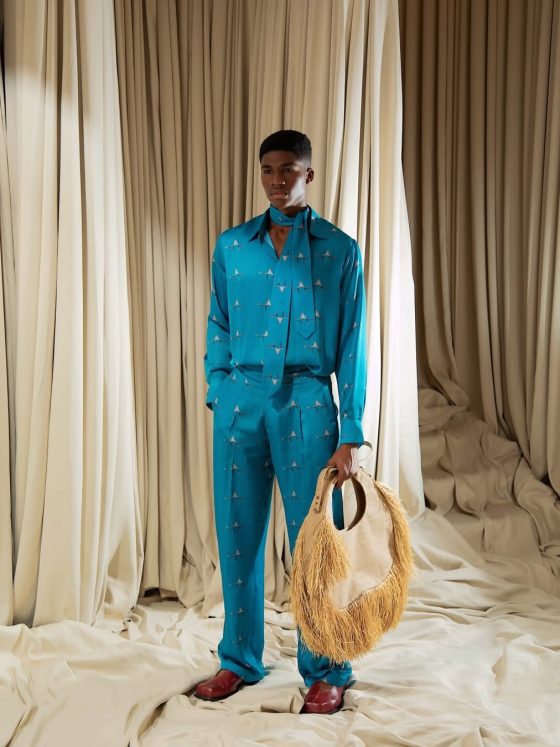
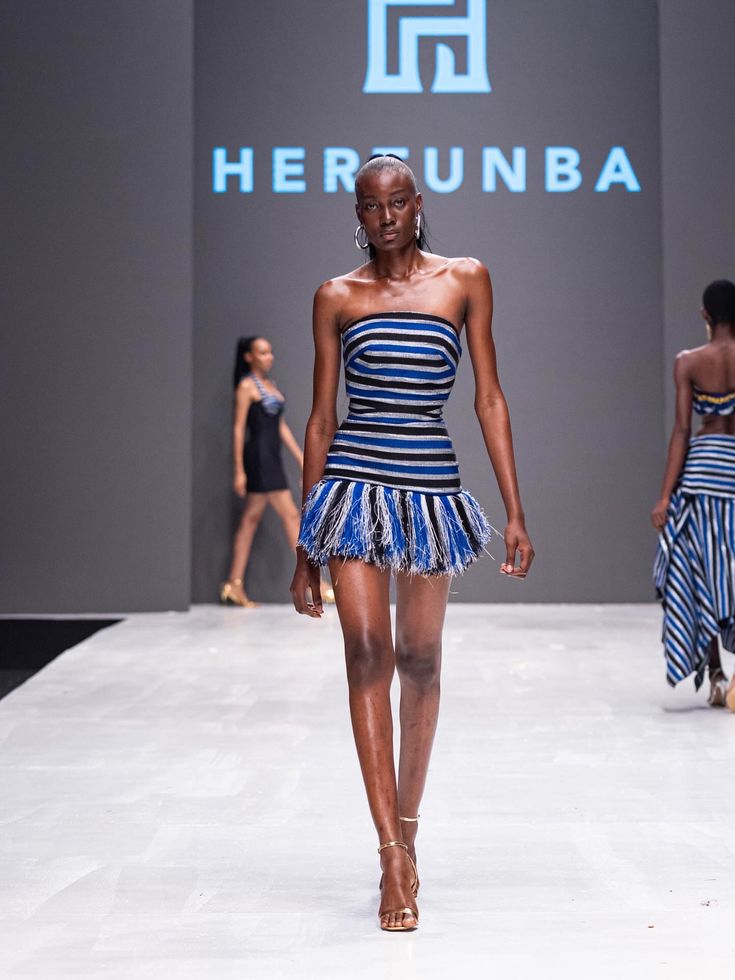
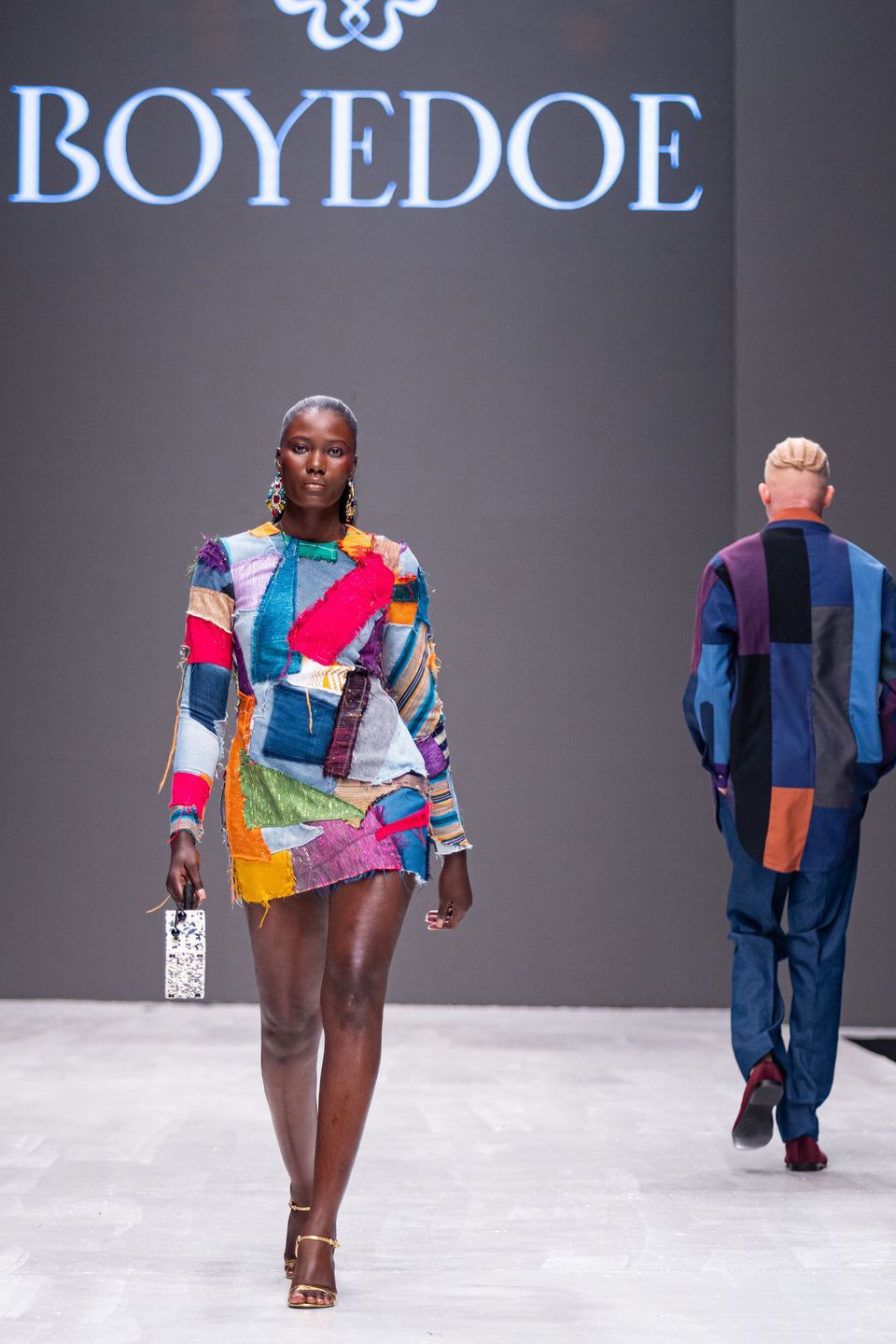
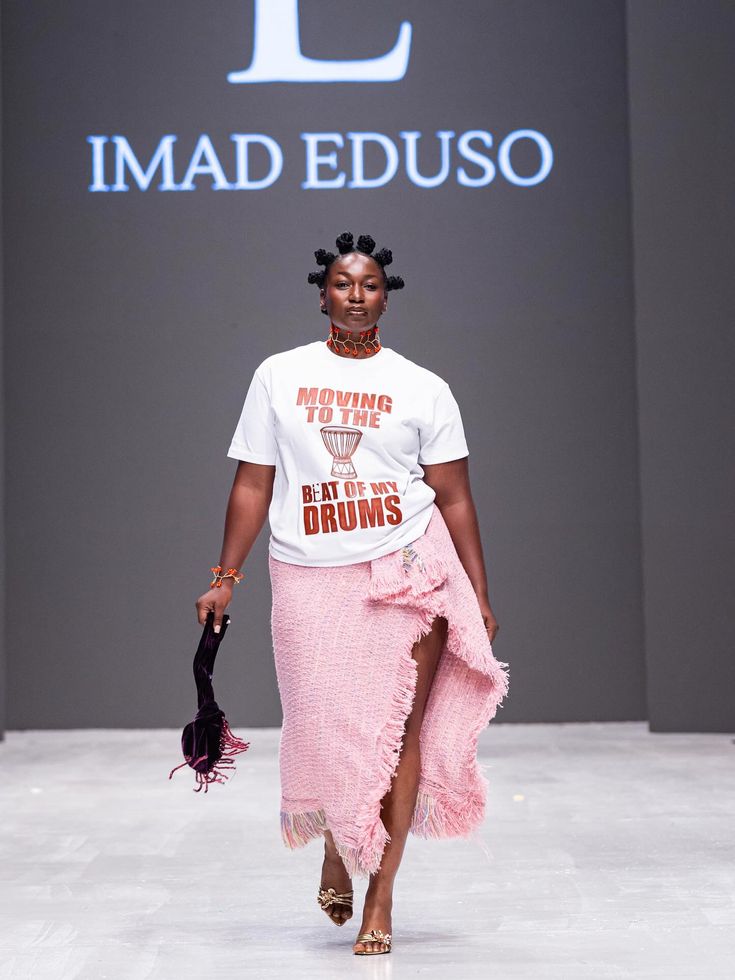
The standard narrative about Lagos Fashion Week positions it as a platform for showcasing Nigerian talent to international audiences. That description is accurate and insufficient. What Akerele built is a trade infrastructure: a mechanism for connecting African designers with buyers, manufacturers, media, and investors in a structured commercial context that did not previously exist. The 15th-anniversary edition in 2025 drew approximately 15,000 guests and showcased more than 60 designer collections. Those numbers are significant. The more significant number is the one that describes what the platform has done over fifteen years to the commercial capacity of the designers it has supported.
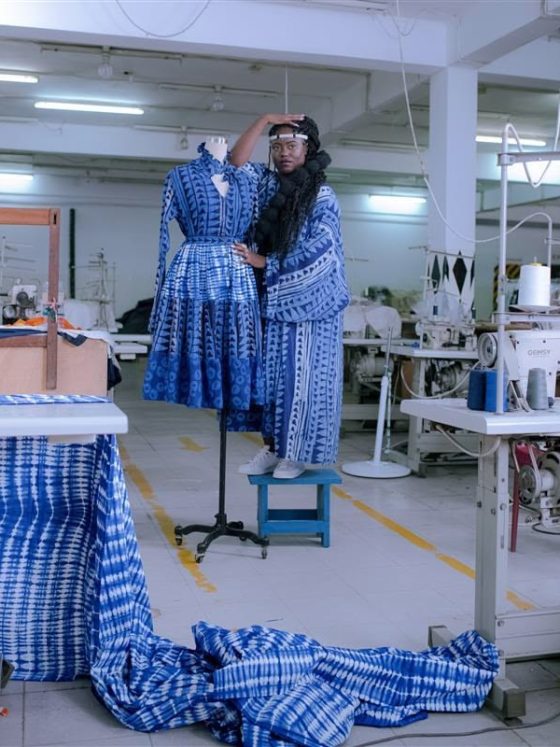
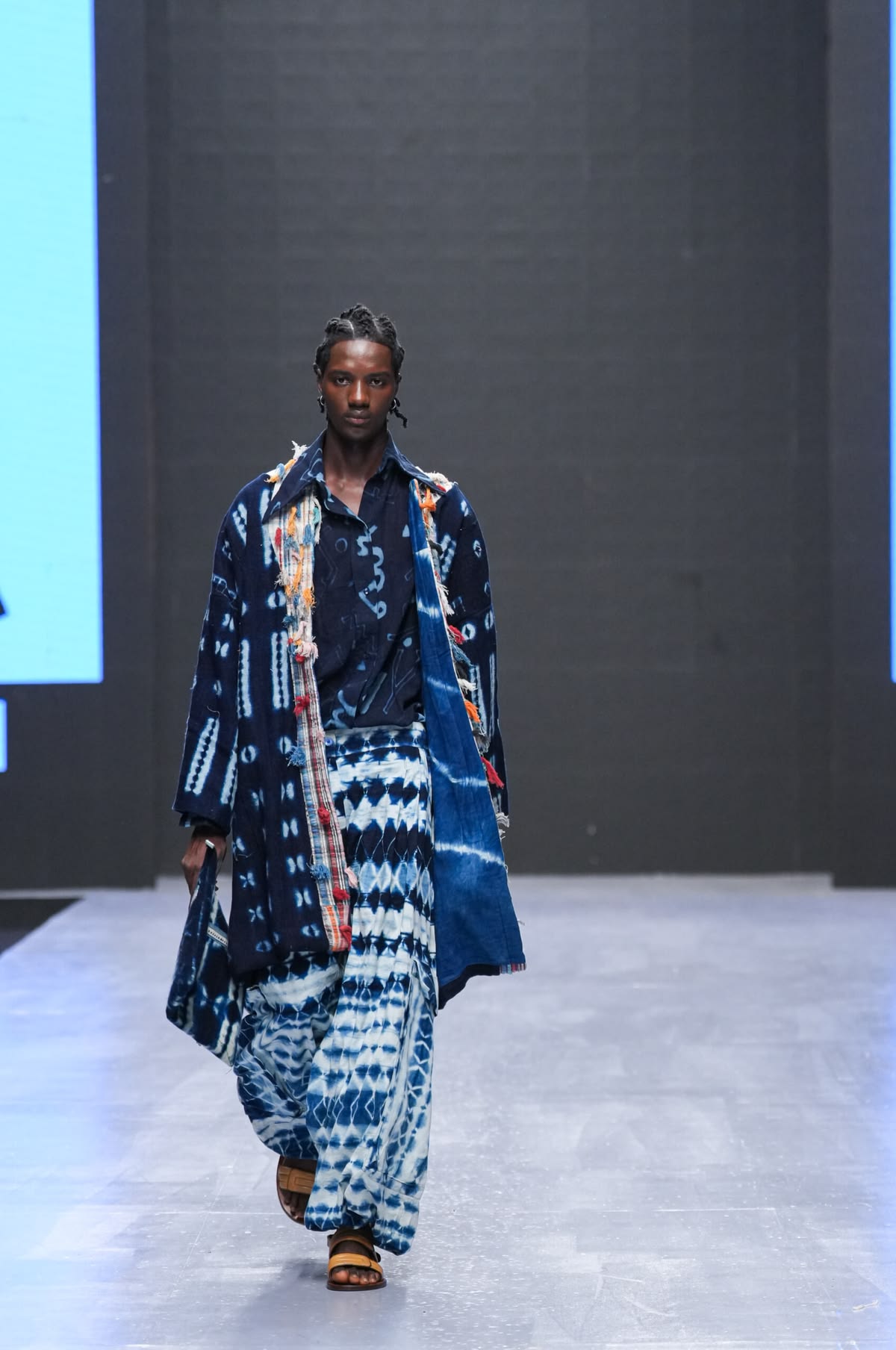
The Green Access accelerator programme, embedded within Lagos Fashion Week’s operations, supports designers in adopting sustainable sourcing, ethical production, and circular approaches to waste. Woven Threads, another LFW initiative, spotlights African textile craftsmanship as both cultural heritage and economic resource, connecting traditional artisan communities with contemporary designers and international markets. Every designer wishing to show at Lagos Fashion Week must demonstrate commitment to sustainable practice across the supply chain, from material sourcing and dyeing to garment production and transport. That requirement is enforced, not aspirational. It has shaped how brands behave year-round, not only during fashion week. The sustainability programme was not added to LFW in response to the global sustainability trend. It was embedded from the platform’s early years, a decade before sustainability became the fashion industry’s preferred public relations strategy.
The Earthshot Prize: What It Actually Recognises
The Earthshot Prize was founded by Prince William in 2020 with a ten-year mandate to support environmental innovation across five categories: Protect and Restore Nature, Clean Our Air, Revive Our Oceans, Build a Waste-Free World, and Fix Our Climate. The 2025 prize in the Build a Waste-Free World category went to Lagos Fashion Week, specifically for what Akerele described, upon receiving it, as a new consciousness in African fashion: one that honours the continent’s artisanal heritage while responding to modern environmental realities.
The specific infrastructure the £1 million will fund is the first fully functional circular fashion hub in Lagos, designed to transform textile waste into new materials, new businesses, and sustainable livelihoods. Critically, the hub is designed to travel: Akerele has stated it will move to other African cities, with Kigali, Dakar, and Accra named as the initial targets by 2030. The logic is continental rather than Nigerian. Africa has over 30 fashion weeks and a population projected to reach 2.5 billion by 2050. A circular fashion infrastructure built for that scale requires a model that can replicate, not a flagship that stays in Lagos. The Earthshot Prize explicitly recognised this logic. That is not a common thing. Most prizes recognise achievements. This one recognised a model.
“For generations, global South artisans have sustained global creativity with little recognition, while the fashion system rewarded extraction over care. — Omoyemi Akerele, Earthshot Prize acceptance”
The Institutional Network Nobody Mentions
The coverage of the Earthshot win focused on the prize amount and the sustainability mandate. What it largely did not cover is the institutional depth that Akerele has built over twenty years alongside the fashion week itself. She has served on the advisory committee for MoMA’s 2017 exhibition Items: Is Fashion Modern?, which featured African designers and textiles, and advised the curatorial team for the Victoria and Albert Museum’s 2022 Africa Fashion exhibition, where Lagos Fashion Week runway footage was featured. She has been on the Business of Fashion’s Global 500 list since 2017 and was appointed Zero Non-Oil Ambassador for Nigeria by the Nigerian Export Promotion Council in 2021, positioning fashion explicitly as a component of national economic diversification beyond oil.
In 2025, she was named a climate leadership fellow at Yale University’s Jackson School of Global Affairs. She sits on the advisory councils of the Sustainable Markets Initiative Africa Council, the Mastercard Foundation Nigeria programme, and the State of Fashion Netherlands. She has worked with the British Fashion Council, UNESCO, the United Nations, and Industrie Africa. These are not honorary positions. They are active roles in the governance infrastructure of global fashion, held by a Nigerian woman who started as a celebrity stylist in Lagos two decades ago and worked her way into every significant institutional conversation about the industry’s future. The Earthshot Prize was not the beginning of international recognition. It was the most visible single moment in a twenty-year accumulation.
What African Fashion Has and Has Not Been Given
The structural argument behind Akerele’s work, stated directly in her public positions over two decades, is that African fashion has been systematically denied the infrastructure that European and North American fashion industries take as the minimum condition for operating. There was no formal platform for presenting African designers to international buyers, press, and investors in a structured way before Lagos Fashion Week existed. There was no sustainability certification framework for African designers before LFW’s Green Access programme created one. There was no dedicated infrastructure for artisan-to-designer connections before Woven Threads formalised it. Akerele did not observe these gaps and advocate for someone else to fill them. She built the filling herself, organisation by organisation, programme by programme, over fifteen years.
The Earthshot Prize citation acknowledged what the fashion industry’s own institutional structures have been slower to name: that Lagos Fashion Week is not a fashion event with sustainability commitments. It is a sustainability infrastructure that uses fashion as its primary vehicle. The distinction matters because it changes what the institution is for. A fashion week exists to present collections. An infrastructure exists to change conditions. Akerele has always been clear that she is building the second thing. The £1 million is the largest single piece of external validation that the argument has received.
Also Read:
- The Lagos Fashion Week Effect: What a Decade on the Runway Has Actually Done for Nigerian Designer Revenue
- Lagos Street Style 2026: What the Youth Are Building After Detty December
The Real Test Starts Now
The circular fashion hub that the Earthshot prize funds is not yet built. The replication to Kigali, Dakar, and Accra has not yet happened. The 2030 target is a commitment, not a completion. Akerele has been direct about this in her public statements: the prize is not a conclusion. It is, as one analysis described it, a head start. The real test is whether the model that Lagos Fashion Week has developed over fifteen years can be institutionalised into a hub that operates independently of any single fashion week calendar, processes textile waste at a meaningful scale, creates livelihoods in the communities adjacent to it, and replicates those outcomes in four African cities in five years.
The question Akerele has been solving for two decades is not how to put on better runway shows. It is about building the commercial and environmental infrastructure that turns African fashion from creative expression into a sustainable export industry on a continental scale. £1 million is a meaningful start for an infrastructure project. It is not the final budget. The hub’s long-term viability will depend on whether the Earthshot platform, the African fashion weeks that partner with it, the governments of the cities it enters, and the international institutions that have so far given Lagos Fashion Week advisory roles rather than capital are willing to match the recognition they have provided with the resources the model actually requires. That is the next argument. Akerele will make it. She has been making it for twenty years.
OMIREN ARGUMENT
The fashion press that covered the 2025 Earthshot Prize covered it as a feel-good story: a Nigerian fashion week winning a global environmental prize, proof that Africa is doing sustainability. That framing missed the structural point entirely. Omoyemi Akerele did not win the Earthshot Prize for sustainability credentials. She won it for infrastructure. The circular fashion hub, the continental replication model, the fifteen years of embedded supply chain standards, the artisan connection programmes: these are not the accessories of a fashion event. They are evidence that one person, without institutional backing, without the capital that European fashion infrastructure has always assumed as its baseline, built the commercial and environmental architecture that African fashion was never provided with.
The fashion industry’s standard response to Akerele will be to incorporate her into its existing recognition systems: another advisory role, another Global 500 listing, another invitation to speak at a sustainability summit. What those gestures do not constitute is what her work has been demonstrating is needed: primary investment in African fashion infrastructure, at the scale the continent’s population and creative capacity require, treated as a commercial priority rather than a philanthropic one. The £1 million is the largest single acknowledgement that the argument has received. It is not large enough for what the argument requires. But Akerele has never waited for the resources to be adequate before starting the work. That is what twenty years of evidence shows.
Frequently Asked Questions
- Who is Omoyemi Akerele, and what is she known for?
Omoyemi Akerele, born 13 May 1978 in Lagos, is the founder and CEO of Lagos Fashion Week and Style House Files, a fashion business development agency. She holds a Bachelor’s degree in Law from the University of Lagos and a Master’s in International Economic Law from the University of Warwick. She worked as a lawyer from 2000 to 2003 at Olaniwun Ajayi and Co before leaving the profession in 2004 to pursue a career in fashion. She founded Style House Files in 2008 and Lagos Fashion Week in 2011. She has been on the Business of Fashion’s Global 500 list since 2017, was named a climate leadership fellow at Yale’s Jackson School of Global Affairs in 2025, and in November 2025 received the Earthshot Prize in the Build a Waste-Free World category, winning £1 million for Lagos Fashion Week’s circular fashion infrastructure.
- What did Lagos Fashion Week win the Earthshot Prize for?
Lagos Fashion Week won the 2025 Earthshot Prize in the Build a Waste-Free World category, receiving £1 million to establish the first fully functional circular fashion hub in Lagos. The prize was awarded for building industrial infrastructure around circular fashion at a continental scale, not for event production. The Earthshot Prize selected Lagos Fashion Week from more than 2,500 nominees across 72 countries, recognising its fifteen-year track record of embedding sustainability standards into designer selection, its Green Access accelerator programme, its Woven Threads artisan-connection initiative, and its model for replicating sustainable fashion infrastructure across African cities. Lagos Fashion Week joins Earthshot winners, including Brazil’s re. green, Colombia’s City of Bogotá, and the United Nations High Seas Treaty.
- What is the circular fashion hub Lagos Fashion Week plans to build?
The circular fashion hub is the primary infrastructure Lagos Fashion Week plans to fund with the £1 million Earthshot Prize. It will be located in Lagos and designed to transform textile waste into new materials, new businesses, and sustainable livelihoods for artisans and communities adjacent to the fashion industry. Critically, the hub is designed to travel: Akerele has committed to replicating the model across fashion weeks in Kigali, Dakar, and Accra by 2030. The hub represents the next phase of what Lagos Fashion Week has been building through its Green Access and Woven Threads programmes: a permanent, industrial-scale infrastructure for circular fashion that operates year-round rather than only during fashion week.
- What is Lagos Fashion Week, and how large is it?
Lagos Fashion Week, founded by Omoyemi Akerele in 2011 and produced by Style House Files, is Africa’s largest fashion event. Its 15th anniversary edition in 2025 presented more than 60 designer collections to approximately 15,000 guests, drawing media, buyers, manufacturers, and consumers from across the continent and internationally. It is an annual four-day event held in Lagos, Nigeria, showcasing Nigerian and African fashion with a mandatory sustainability requirement: every designer wishing to show must demonstrate commitment to ethical sourcing, clean production, and circular approaches throughout their supply chain. The platform has helped launch internationally recognised designers,s including Orange Culture, Lisa Folawiyo, Christie Brown, and Kenneth Ize.
- What is Green Access, and how does it work?
Green Access is Lagos Fashion Week’s accelerator programme for sustainable fashion, designed to support African designers in adopting sustainable sourcing, ethical production methods, and circular approaches to waste. It operates as an embedded component of the Lagos Fashion Week platform rather than as a standalone initiative, meaning that sustainability standards are enforced as a condition of participation in the main event. The Earthshot Prize has cited the programme as part of the evidence base for selecting Lagos Fashion Week as the 2025 winner in the Build a Waste-Free World category.