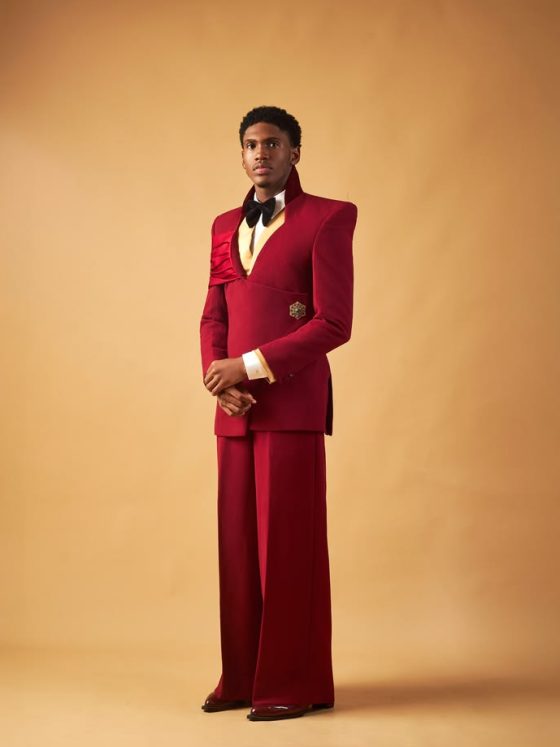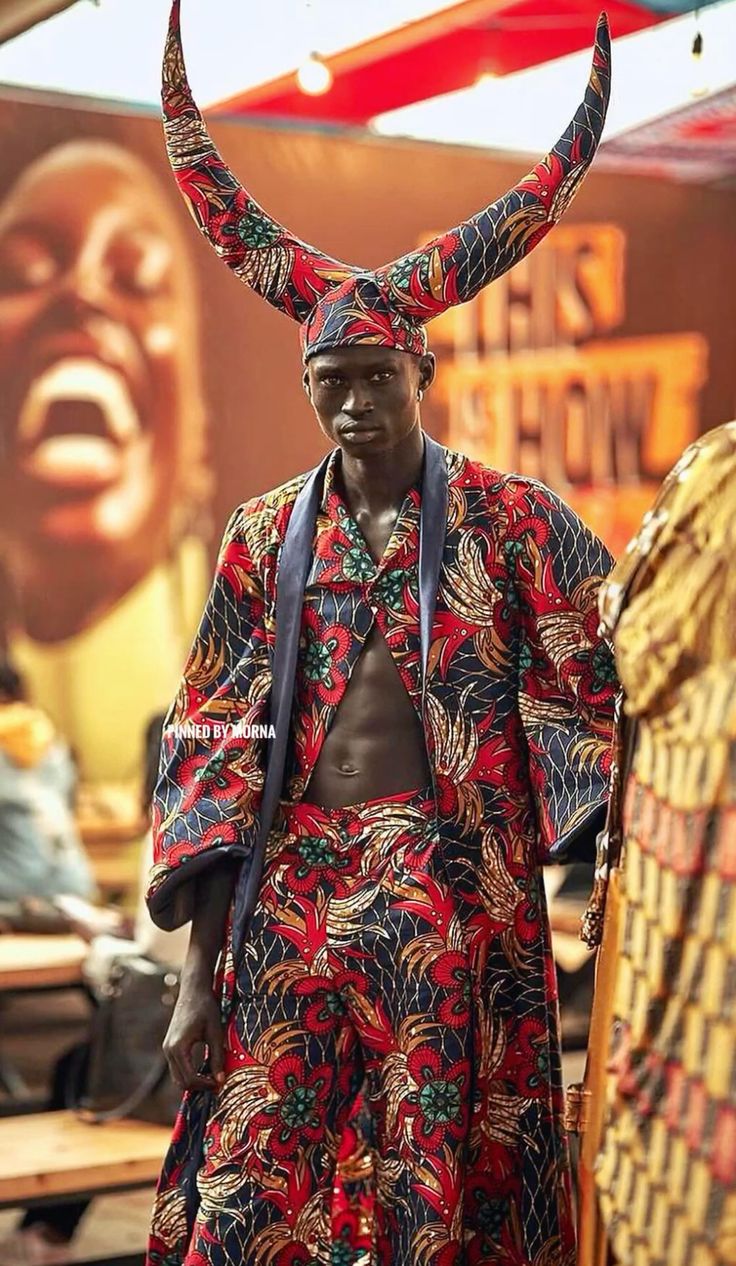
In August 2024, Joy Wanja of Kovu Couture dressed Team Kenya for the opening ceremony of the Paris Olympics. The garments incorporated intricate traditional Kenyan patterns into ceremonial sportswear at the highest level of global visibility. The brief required precision, cultural knowledge, and a design language that could carry Kenyan identity onto the world stage without reduction. Wanja delivered all three.
Kenyan menswear is not an afterthought in the country’s fashion story. It has its own designers, its own aesthetic logic, and its own international record. Together, they form a core group of Kenyan menswear designers in Nairobi whose work defines how the country’s menswear reads at home and abroad. John Kaveke built a label from bespoke tailoring that has been shown in London, New York, Lagos, and Sarajevo. Joy Wanja designs for Olympic athletes. Ankara Vintage, the label founded by the late Nick Ondu, dressed Sauti Sol across some of the most prominent moments in Kenyan pop culture. These are not parallel stories. They are the same story, told from different directions.
The Omiren Argument: Kenyan menswear has always had a design intelligence rooted in fabric, silhouette, and cultural reference. The record exists. The question is whether international coverage will eventually catch up to it.
Kenyan menswear is not an afterthought in the country’s fashion story. It has its own designers, its own aesthetic logic, and its own international record, led by Kenyan menswear designers in Nairobi and beyond.
John Kaveke: Bespoke Tailoring as an International Platform
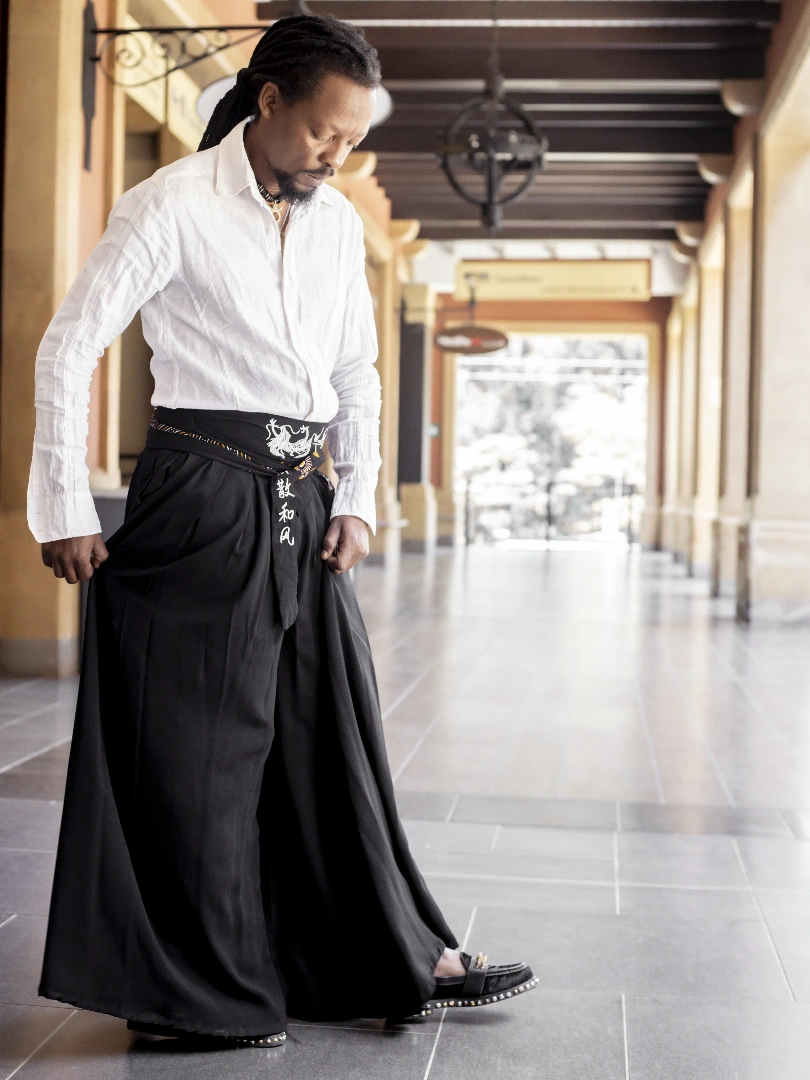
John Kaveke launched his label in 2001. He trained at Woodvale Fashion College in Nairobi and at the Instituto Europeo di Design in Barcelona. His menswear is built on a specific philosophy: African print combined with bespoke construction, in materials including leather, cotton, tie-dye, linen, silk, denim, and suede. The label has been shown at London African Fashion Week, NYFW, Lagos Fashion Week, Sarajevo Fashion Week, Hub of Africa in Ethiopia, Swahili Fashion Week in Tanzania, and Uganda Fashion Week, among others. He has participated as both designer and judge at the M-Net Face of Africa in Nigeria.
Kaveke is one of the most established Kenyan menswear designers, and his Nairobi base has never limited his international reach. His design logic is precise. He does not follow fashion trends. He builds from his own aesthetic position, working African print into clean, structured cuts that read as contemporary without requiring a European reference point. His statement that he moves his work by colour, beauty, culture, and lifestyle is not a marketing line. It is a description of his practice.
Joy Wanja and the Olympic Standard
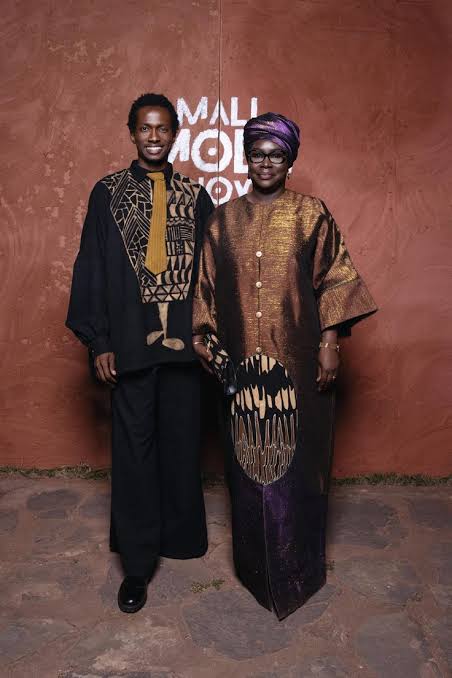
Joy Wanja’s Kovu Couture operated for years within Kenya’s fashion ecosystem before the Paris 2024 Olympics commission made its work visible to a wider international audience. She was selected to design the opening ceremony attire for Team Kenya, incorporating traditional Kenyan patterns into garments that would be seen by billions of viewers worldwide. The commission required not only professional-level technical garment-making but also cultural literacy to represent Kenya without reducing it to a single visual shorthand.
That commission is the most visible recent example of a principle that has been consistent in Kenyan menswear: the best work is always rooted in specific cultural knowledge, not in generic African aesthetic cues. Wanja’s Olympic team garments were Kenyan. They read that way because she designed them from inside that knowledge, not from outside it.
Matatu Culture, Sheng, and the Street Menswear Vocabulary
Kenyan menswear is not limited to formal runways. The matatu culture of Nairobi — the city’s decorated public minibuses — has produced one of East Africa’s most distinctive visual vocabularies, and that vocabulary informs street-level menswear across the city. Bold graphics, layered colour, and references to Kenyan pop culture filtered through Gengetone and its successor Arbantone have produced a street menswear aesthetic that is specific to Nairobi, a Nairobi menswear vocabulary that is not derivative of any Western model.
This street layer does not sit below the bespoke layer. They are two parts of the same Kenyan menswear story. John Kaveke works with ethnic prints and clean tailoring. Joy Wanja works with the logic of traditional patterns and ceremonial garments. Street culture works with bold graphics and musical references. All three draw from the same source: a Kenyan visual identity that has been producing distinct fashion language for decades.
ALSO READ
- The Kaunda Suit and the Politics of African Presidential Dress
- Traditional Clothing in Mali: The Cultural Significance of Boubou and Bogolan
- Street Style in Bamako: Where Tradition Meets Modern Expression
Kanzu, Complet, and the Formal Vocabulary of Kenyan Men’s Dress
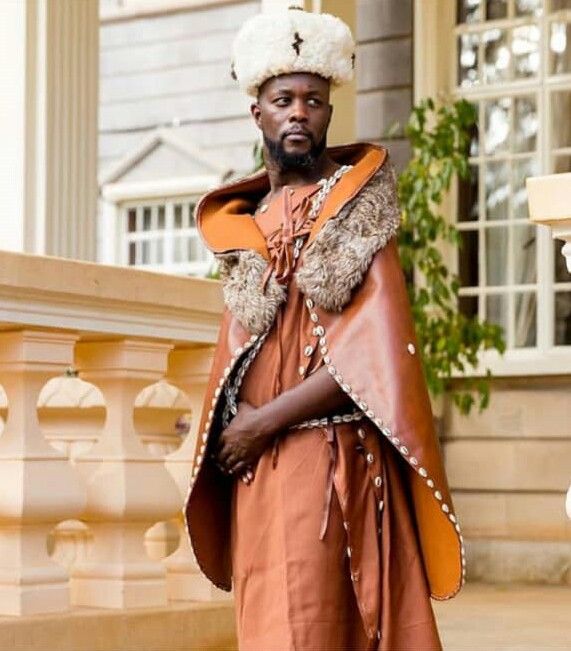
Formal dress for Kenyan men operates across several registers beyond the bespoke tailoring of labels like Kaveke. On the coast, the kanzu, a full-length white robe worn with the kofia (small cap), is the formal dress of the region’s Islamic-influenced communities and has been worn for generations. Inland, the matching tailored suit cut from pagne or print fabric, often called a complet in broader African tailoring vocabulary, remains the standard commissioned formal garment for events, ceremonies, and professional occasions. Both represent commissioning practices in which the client selects the fabric, communicates the occasion’s requirements, and receives a garment specific to their body and social context.
This commissioning culture is the foundation on which Kenya’s formal menswear economy rests. It is not a formal fashion industry in the brand-collection-retail cycle sense. It is a distributed atelier economy in which skilled practitioners serve specific clients with specific needs. John Kaveke operates at the high end of this economy: international exhibitions, luxury materials, bespoke construction. The neighbourhood couturier operates at the everyday end: practical materials, local knowledge, specific occasion requirements. Both are part of the same structure.
The international menswear market is increasingly moving toward the values that the Kenyan commissioning model has always embodied: specific fit, durable construction, cultural specificity over trend compliance. Kenyan menswear practitioners have not been building toward this trend. They have been practising it for decades. As the international market catches up to what the Nairobi atelier economy already understood, the commercial case for Kenyan menswear on the international stage becomes easier to make. Joy Wanja’s Olympic commission is the most visible recent evidence that the international fashion establishment is beginning to understand what has been available all along.
“Kenyan menswear has always had a design intelligence rooted in fabric, silhouette, and cultural reference. The record exists. The question is whether international coverage will eventually catch up to it.”
Frequently Asked Questions
Who are the leading Kenyan menswear designers?
Leading verified Kenyan menswear designers include John Kaveke, whose bespoke label has shown internationally since 2001 at platforms including NYFW, London African Fashion Week, Lagos Fashion Week, and Sarajevo Fashion Week, and is based in Nairobi; and Joy Wanja of Kovu Couture, who designed Team Kenya’s opening ceremony attire for the Paris 2024 Olympics. The late Nick Ondu of Ankara Vintage was a significant figure in Nairobi menswear and dressed Sauti Sol across their career.
What is John Kaveke known for?
John Kaveke is known for his bespoke African menswear label, which combines African prints with clean construction in materials including leather, cotton, tie-and-dye, linen, silk, denim, and suede. He trained at Woodvale Fashion College in Nairobi and at the Instituto Europeo di Design in Barcelona. His label has shown at NYFW, London, Lagos, Sarajevo, and Addis Ababa, among other international platforms.
Who designed Team Kenya’s Paris 2024 Olympics attire?
Joy Wanja of Kovu Couture designed the opening ceremony attire for Team Kenya at the Paris 2024 Olympics. The garments incorporated intricate traditional Kenyan patterns, placing Kenyan design at the centre of one of the world’s most visible global sporting events.
What is the aesthetic of Kenyan menswear?
Kenyan menswear operates across several registers: bespoke tailoring built on African prints and clean cuts (John Kaveke), ceremonial garment design rooted in traditional Kenyan patterns (Joy Wanja), and street menswear influenced by matatu culture, Gengetone and Arbantone music aesthetics, and Nairobi’s urban visual vocabulary, including bold prints, graphic tees and customised jackets. All three draw from a shared Kenyan design identity that is specific rather than generic.
What is Kovu Couture?
Kovu Couture is the fashion label of designer Joy Wanja, based in Kenya. The label gained widespread international recognition when Wanja was commissioned to design Team Kenya’s opening ceremony attire for the Paris 2024 Olympics. The label incorporates traditional Kenyan patterns into contemporary garment design.
Explore more from our Men section, where Kenyan and African menswear gets the coverage it deserves.