In 2011, Adebayo Oke-Lawal saved every dime he had and launched Orange Culture in Lagos at the age of twenty-one. Fifteen years later, the brand stocks at Browns and Farfetch, was the first Nigerian label to show at London Collections Men, and was inducted into the BoF 500 in 2022. When asked about the biggest challenges of operating from Lagos, Oke-Lawal is direct: ‘Financial availability, the lack of governmental support and infrastructure. We lack a lot, so we have to work much harder than most to exist, operate and survive as a creative business. It is one of the hardest spaces to grow a fashion brand.’ He has also named what that harder work is actually calling for: ‘What we both need is the support of the bodies beyond, government and the likes, in the development of manufacturing, textile, financing, infrastructure and more to help the industry grow.’
That is not a complaint. It is a structural description. Every extra hour, every import workaround, every production delay caused by unreliable power, every fabric that crosses three borders before reaching a Lagos atelier, every customs payment that costs more than the fabric itself: these are not individual business problems. They are the costs of a policy environment that has not been designed to support domestic fashion manufacturing. The designer is often the visible face of a structural problem that began long before the garment was cut.
When Adebayo Oke-Lawal says running a fashion brand in Lagos is one of the hardest spaces to grow a business, he is not describing bad luck. He is describing a policy environment. The cost of making fashion in an African city is a political number.
The Invoice Hides the System
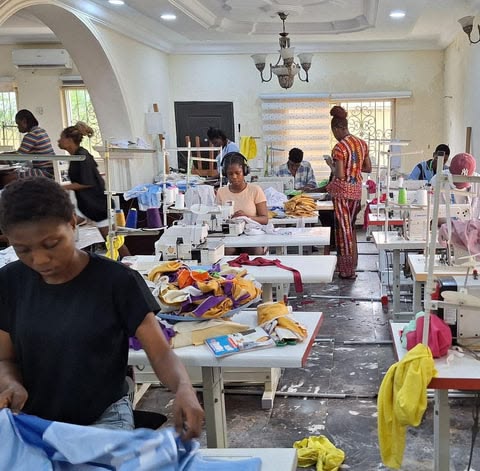
The African fashion industry is valued at $31 billion. As Omiren Styles has documented in the full analysis of the African fashion economy and the structural forces shaping it, that figure represents enormous creative and commercial output. What it does not represent is the hidden cost structure that African-city ateliers absorb as a condition of operating. When an atelier in Lagos prices a jacket, the figure on the invoice is the visible result of multiple invisible surcharges: import duties on fabric sourced from abroad, generator fuel costs to compensate for unreliable electricity, customs processing fees, and the premium time cost of managing supply chains that should be resolved at an industrial policy level but are resolved at an atelier production level instead.
The atelier is functioning like a last-mile assembler inside a weak manufacturing system. It is absorbing the costs of the missing links in the chain above it: the spinning mills, weaving factories, and fabric processing capacity that a functional domestic textile sector would provide. Africa imports an estimated 80% of its clothing needs, according to UNCTAD and World Bank documentation on African textile trade. Many African fashion ateliers import significant portions of their fabric even when making garments that are ostensibly African in identity and cultural content. That dependence is not just inconvenient. It reshapes pricing, timelines, and margins in ways that are structural rather than correctable by individual business decisions.
The atelier is functioning like a last-mile assembler inside a weak manufacturing system.
Policy Shapes the Price
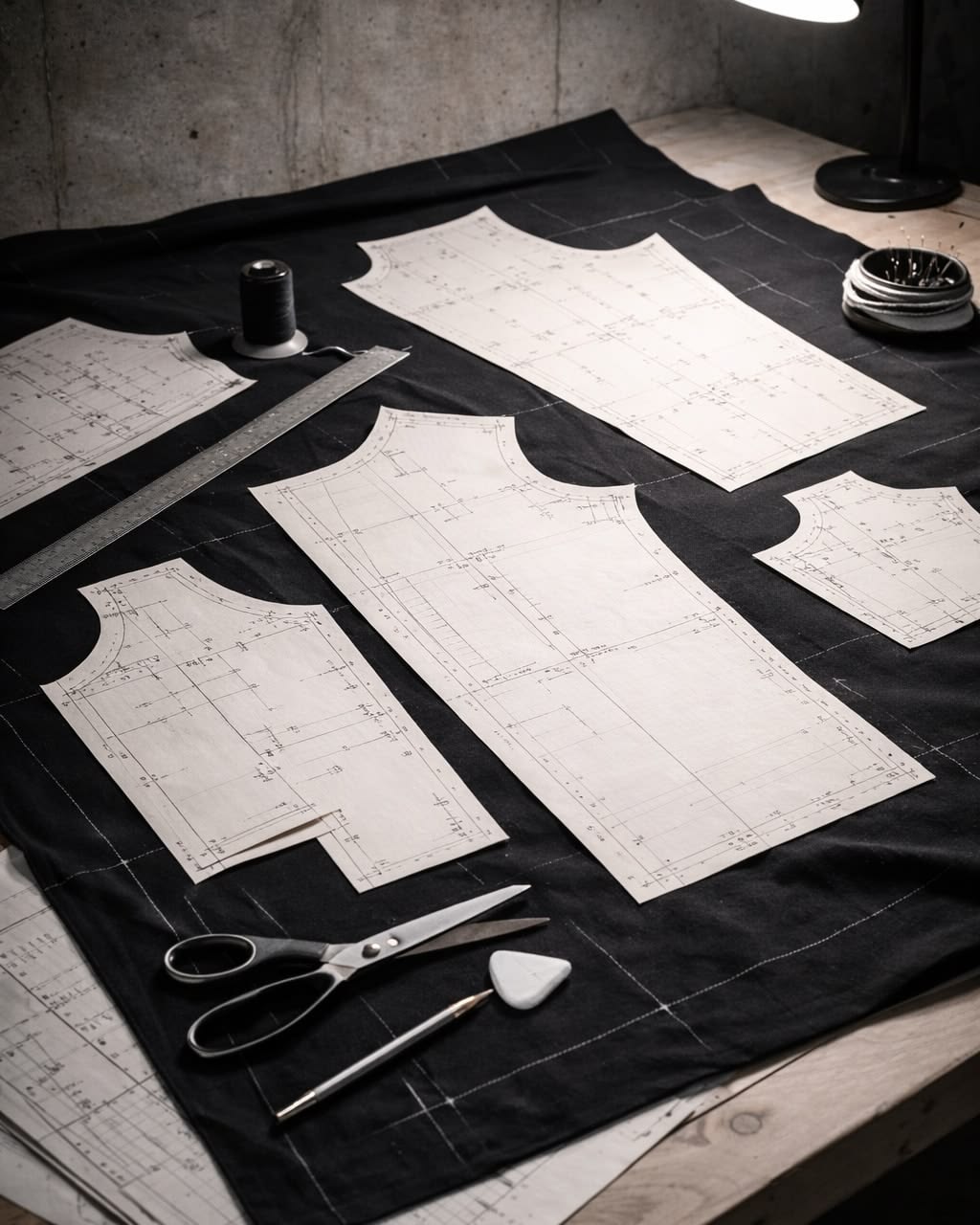
Policy determines whether a country makes it easier to produce locally or easier to import finished goods. Import duties, energy subsidies, industrial zoning, textile investment incentives, and trade agreement implementation all determine the real cost of production before a designer has made a single creative decision. Production costs rise by design, not by chance.
Commentary on AfCFTA implementation consistently identifies textile value chain fragmentation as one of the primary barriers to African fashion industry growth: the continent has raw materials, creative talent, and growing consumer demand, but the processing and manufacturing capacity between raw materials and finished textiles has been eroded or underdeveloped across multiple countries. Ethiopia has become Sub-Saharan Africa’s largest textile manufacturer partly through deliberate industrial park investment and energy pricing policy. Rwanda’s Made in Rwanda programme has used government procurement and trade policy to stimulate domestic production. These are not coincidences of geography or culture. They are policy outcomes.
For designers operating in cities without equivalent policy support, the cost differential is absorbed privately. The fashion industry often behaves as if recognition alone is a form of compensation, as if winning an international prize or securing a European stockist resolves the underlying production economics. Oke-Lawal is precise about what Orange Culture has chosen to do instead of outsourcing the problem: ‘We do not want to produce outside of Nigeria; we want to equip the supply chain here and be a part of its development.’ That decision is commercially expensive in the short term. As Omiren Styles has documented in the case of why Lagos Fashion Week matters as economic infrastructure rather than just a runway platform, the brands that have committed to local production at cost are the ones most likely to generate lasting value for the domestic supply chains they anchor. But that commitment is being made against a policy environment rather than with it.
Celebration Is Not Support
African fashion receives significant international attention. Collections appear at Paris Fashion Week. Designers win LVMH Prizes and Earthshot awards. Buyers from London and New York attend Lagos Fashion Week. That attention is real, and it has commercial value.
What it does not provide is manufacturing infrastructure, energy reliability, access to affordable working capital, or domestic textile capacity. Survival is not the same as support. The industry often treats recognition as a form of compensation. The international fashion system takes considerable cultural value from African cities through trend influence, textile sourcing, and designer talent. In contrast, the policy environment in those same cities continues to make production more expensive than necessary.
As Omiren Styles has argued in the analysis of why European luxury houses invest in African cultural capital without investing in African fashion infrastructure, the gap between cultural recognition and economic investment is not incidental. It is structural. The same system that celebrates African fashion at a global level has financial incentives to maintain African cities as talent sources rather than as competing manufacturing hubs.
ALSO READ
- Staying in Lagos Was the Strategic Decision. Leaving Was the Compromise.
- African Fashion Weeks Were Never Trying to Beat Paris. They Were Solving a Different Problem.
- Why European Luxury Houses Invest in Afrobeats Stars but Not African Fashion Infrastructure
Why the Invoice Is a Policy Document
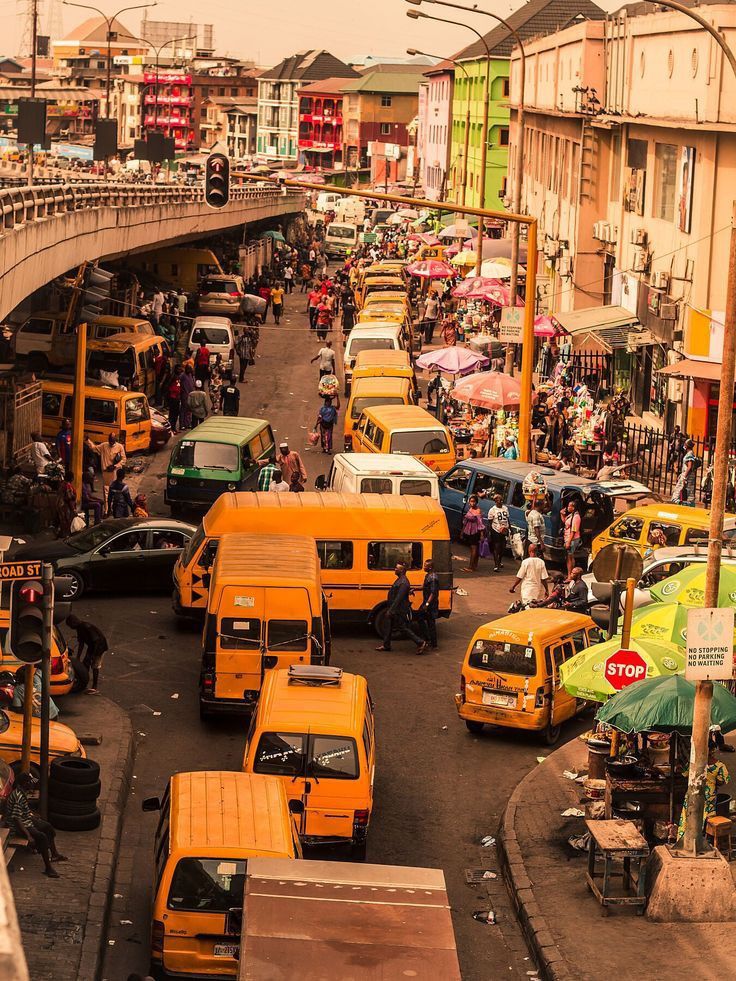
When the cost of making fashion in an African city is treated as purely an economic number, the responsibility for managing it falls entirely on the designer. The designer finds cheaper fabric sources. The designer negotiates longer production timelines. The designer self-finances against an unreliable cash flow. The designer absorbs the power outage costs. That framing protects the policy environment from scrutiny because it makes the production challenge look like a business execution problem rather than an infrastructure deficit.
Treating the production cost as a political number shifts the analysis. It asks, “Who made this cost so high?” Which policy decisions created the missing textile value chain links? Which trade agreements made importing fabric cheaper than producing it locally? Which energy policy created the generator dependency? Which industrial investment decisions left the spinning and weaving capacity underdeveloped? These are answerable questions. They have documented answers in the AfCFTA commentary, the UNECA textile sector analysis, and the policy histories of Nigeria, Ghana, Ethiopia, and Rwanda. The answers point to decisions that can be changed.
If African fashion is to become sustainable, then the conversation must move beyond taste and into policy, infrastructure, and industrial strategy. The AfCFTA’s full implementation, including its protocols on textile value chain development and rules of origin that incentivise domestic processing, is the most significant available policy lever. Industrial energy pricing reform is another. Domestic textile investment incentives are a third. These are not fashion decisions. But they are the decisions that determine what fashion costs in an African city, and who pays for it.
Oke-Lawal’s Orange Culture has been making the case for this through production practice for fifteen years: by choosing to develop the Nigerian supply chain rather than outsourcing to lower-cost markets, the brand is demonstrating at commercial scale what policy-level investment would make possible at industrial scale. The garment is not just a fashion object. It is a data point in an argument about what African cities could produce if the policy environment matched the creative ambition already at work within them.
ALSO READ
- The Diaspora Did Not Preserve African Style. It Redesigned It.
- African Menswear Does Not Start With a Sketch. It Starts With a Question.
FAQs
Why is the cost of making fashion in an African city a political number?
Because the production cost is shaped by policy decisions that have nothing to do with individual business execution, import duties on fabric, unreliable energy supply that forces generator dependency, fragmented textile value chains, and limited access to affordable working capital are all outcomes of policy choices and investment decisions made by governments and international trade bodies over decades. Adebayo Oke-Lawal of Orange Culture has described the consequence directly: ‘Financial availability, the lack of governmental support and infrastructure. We lack a lot, so we have to work much harder than most to exist, operate and survive as a creative business.’ That harder work is the designer absorbing a structural cost that policy should be solving.
What is the problem in the African textile value chain, and how does it affect production costs?
Africa imports an estimated 80% of its clothing needs, according to UNCTAD and World Bank documentation on African textile trade. This import dependence exists because the links between raw material and finished textile (the spinning mills, weaving factories, and fabric processing capacity that a functional domestic textile sector would provide) have been eroded or underdeveloped across multiple countries. An atelier operating in Lagos, Accra, or Nairobi is absorbing the cost of those missing links every time it sources fabric from abroad, pays import duties, waits for customs clearance, and adjusts production timelines around the additional lead time that international sourcing requires.
What policy decisions determine fashion production costs in African cities?
Import duties on textile inputs, industrial energy pricing, domestic textile investment incentives, trade agreement rules of origin, and industrial zoning policies all directly determine what it costs to make a garment in an African city. Ethiopia’s emergence as Sub-Saharan Africa’s largest textile manufacturer reflects deliberate industrial park investment and energy pricing policy, not geographic advantage. Rwanda’s Made in Rwanda programme uses government procurement and trade policy to stimulate domestic production. These are policy outcomes. Cities without equivalent policy support see their designers absorbing the cost differential privately, through higher input costs, longer production timelines, and self-financed working capital.
What is the difference between celebrating and supporting African fashion?
Celebration means international recognition: prizes, stockists, press coverage, runway invitations. Support means manufacturing infrastructure, energy reliability, affordable working capital, domestic textile capacity, and a trade policy that makes local production cost-competitive. The African fashion industry receives considerable celebration and insufficient support. Survival is not the same as support. The international fashion system takes significant cultural value from African cities through trend influence, textile sourcing, and designer talent. In contrast, the policy environment in those cities continues to make production more expensive than necessary.
What would change if African fashion production costs were treated as political rather than economic?
The responsibility for managing high production costs would shift from individual designers to the policy environment that created those costs. Questions would be asked about which trade agreements made importing fabric cheaper than producing locally, which energy policies created generator dependency, and which investment decisions left spinning and weaving capacity underdeveloped. The AfCFTA’s full implementation, including textile value chain development protocols, is the most significant available policy lever. Industrial energy pricing reform and domestic textile investment incentives are other examples. These are answerable questions with documented answers; they require political will rather than creative ingenuity to resolve.
What is Orange Culture doing that demonstrates the argument?
Adebayo Oke-Lawal has committed Orange Culture to producing within Nigeria rather than outsourcing to lower-cost international manufacturing: ‘We do not want to produce outside of Nigeria; we want to equip the supply chain here and be a part of its development.’ That decision is commercially expensive in a policy environment that has not been designed to support domestic production. But it demonstrates at a commercial scale what policy-level investment would make possible at an industrial scale. The brand’s fifteen-year presence in Lagos, stocking at Browns and Farfetch while maintaining Nigerian production, is evidence that the creative and commercial ambition already exists in African cities. What those cities need is a policy environment that matches them.