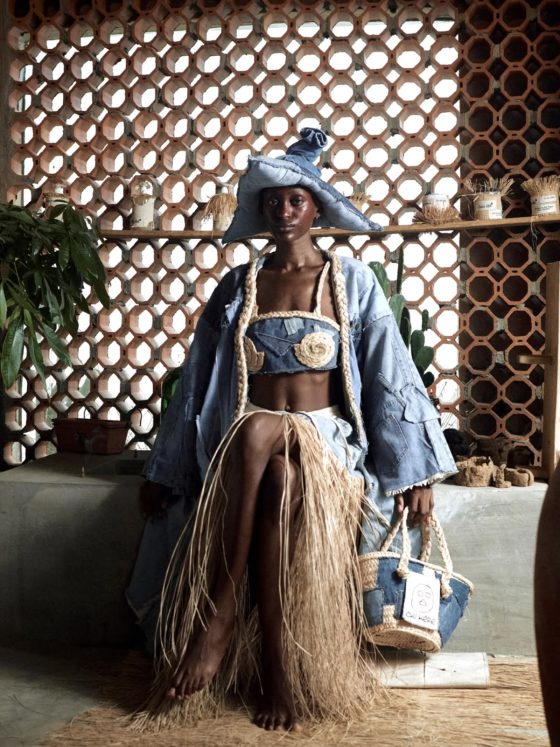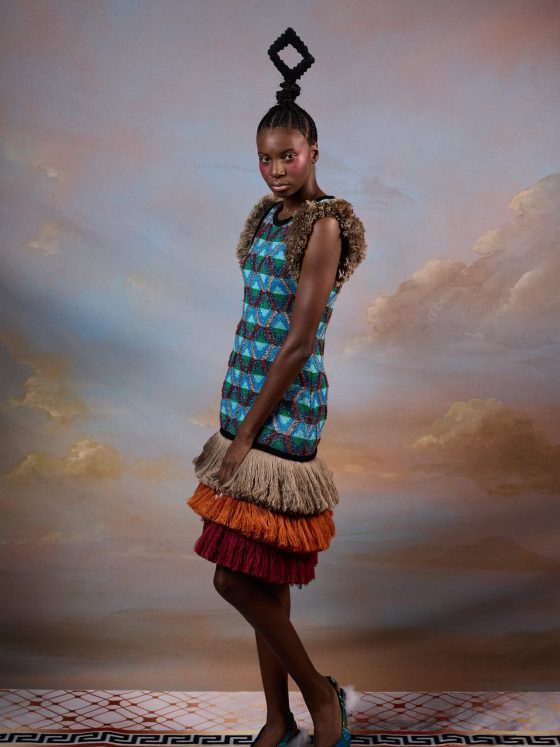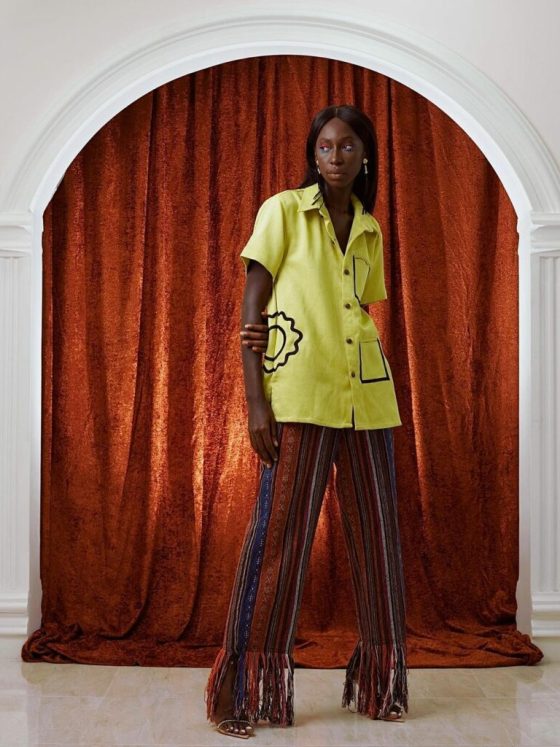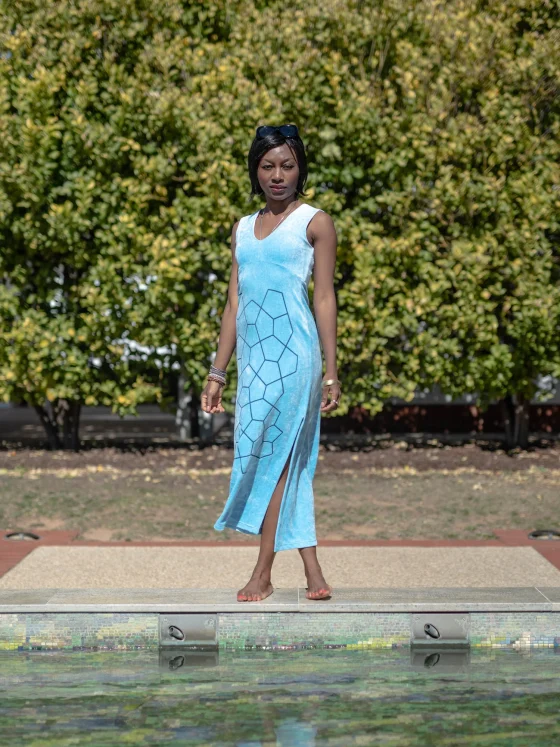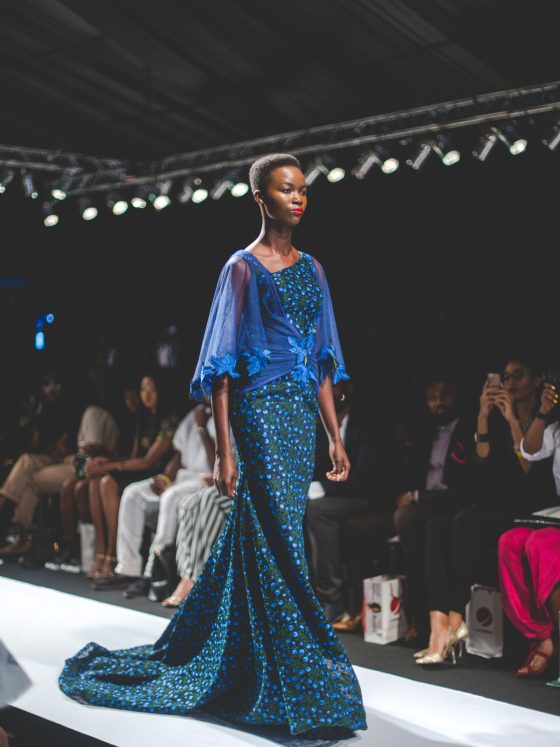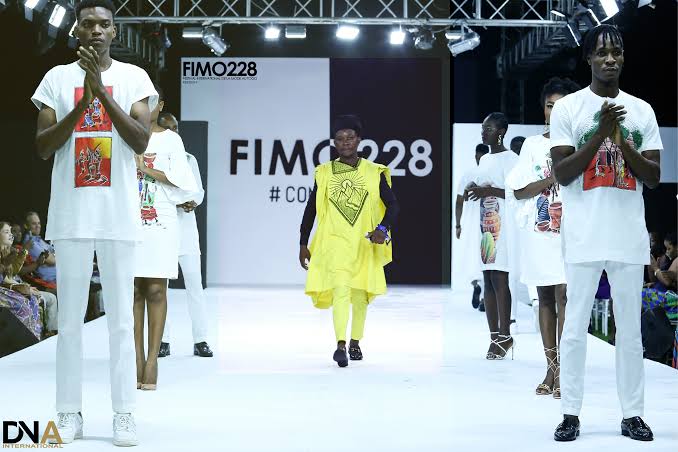
On 28 February 2026, the grand finale of FIMO 228’s thirteenth edition closed at the ONOMO Hotel in Lomé. Designers had come from Guadeloupe, Nigeria, Burkina Faso, France, Morocco, and Togo itself. The theme was Naître et Renaître: to be born and to be reborn. The title sponsor was Yas Togo. The Bank of Africa had renewed its major partnership for the second consecutive year. Three French editions had already run, the latest at the Orangerie d’Auteuil at Roland-Garros. An Atlanta edition was announced.
One person built all of this. Jacques Logoh, whose full civil name is Logoh Kodjo Enyonam, started his first fashion show in February 2013, when he was 24 years old and still working as a model in Lomé. He called it Mode 228. He had no government backing, no corporate sponsor, and no precedent to follow. He had a model agency, a belief that Togo deserved a fashion platform, and enough conviction to keep going when the budget consistently fell short of what the festival needed to become what he knew it could be.
FIMO 228 is Togo’s premier fashion event: 13 editions, 25-plus countries, and a growing presence at Paris Fashion Week. The full inside story of Lomé’s fashion week.
The Omiren Argument:
FIMO 228 is not Togo’s fashion week. The argument is that Togo deserves one. Thirteen editions, three French editions, a social theme that changes every year, and a budget that Logoh has been publicly and precisely honest about not fully achieving. That honesty is part of the story. What he built is not an institution backed by a ministry. It is a festival held together by a founder’s conviction, which is a different, more fragile, and ultimately more interesting kind of institution.
The Origin: Mode 228 to FIMO 228
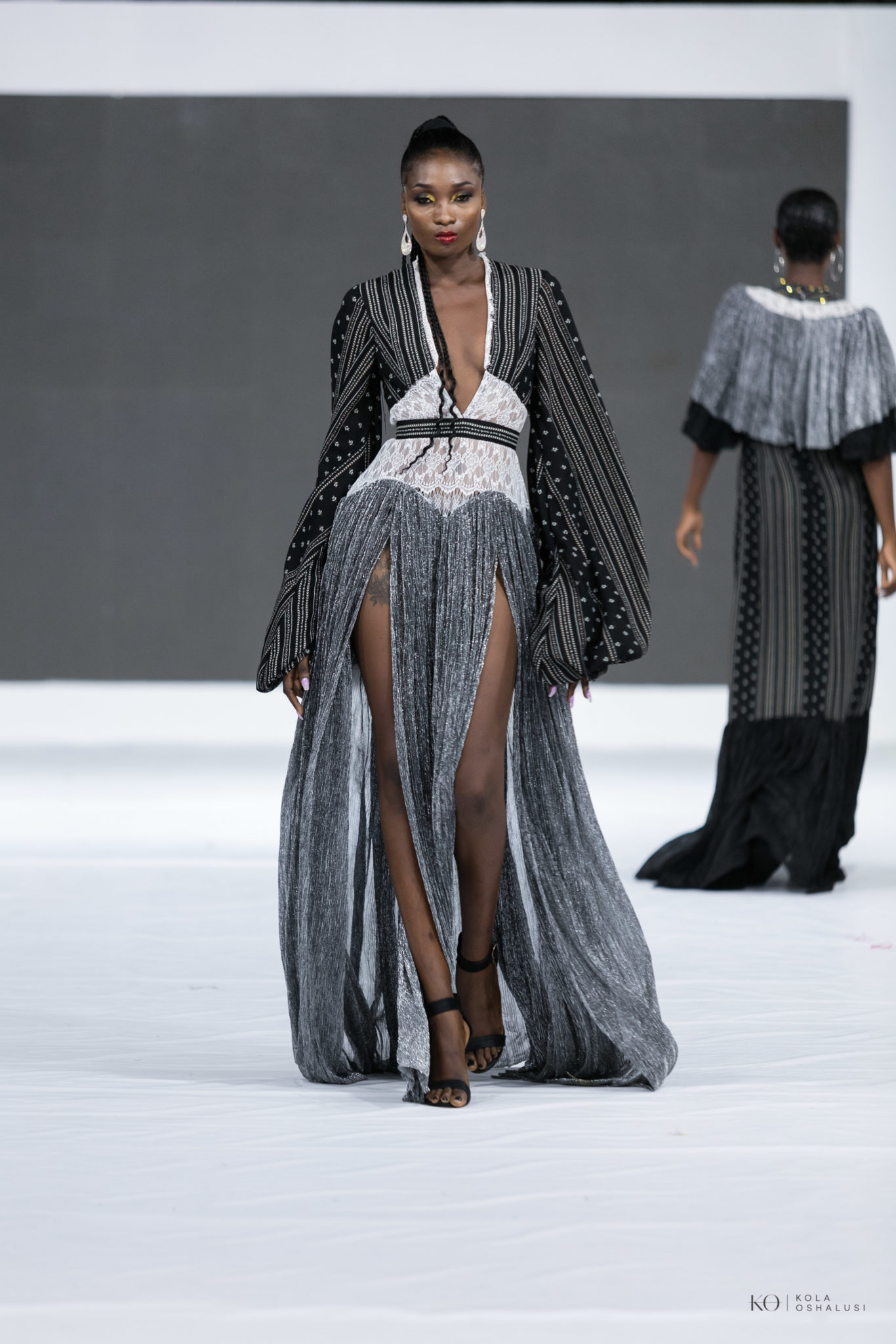
Jacques Logoh founded Challenge Model Agency in 2011. Two years later, in February 2013, he organised the first edition of what he called Mode 228. He was 24. He was still working as a model himself. The motivation was straightforward: he wanted to give his models a runway as he explained to Jeune Afrique in 2024: “Ce qui me fait garder la foi, c’est ma passion, mon métier. Et beaucoup de monde croit en ce festival.” What keeps me faithful is my passion, my profession. And many people believe in this festival.
The numbered formal editions began in 2014, and the festival grew steadily through the mid-2010s while maintaining the Mode 228 identity. In 2016, three years after its creation, the festival went international and took the name it carries today: FIMO 228, the Festival International de la Mode au Togo. The number 228, Togo’s international dialling code, was there from the beginning: the claim that this is specifically Togolese fashion, not a generic African fashion week, is embedded in the name itself.
The edition chronology is worth establishing clearly because discrepancies among sources have created confusion in published coverage. The first Mode 228 took place in February 2013. Formal numbered editions began in 2014. The 4th edition was in February 2017 (confirmed Made-in-Togo), the 7th in 2020, the 8th in 2021, the 9th in 2022, the 10th in February 2023, the 11th in February 2024, the 12th in April 2025, and the 13th in February 2026. This festival has run every year without interruption. That continuity, maintained through a pandemic, through financial pressure, and through the absence of state backing, is the most significant fact about FIMO 228’s institutional character.
What FIMO 228 Is: The Programme Structure
FIMO 228 runs across multiple evenings at multiple venues in Lomé. The 11th edition, published in February 2024, provides the clearest documented example of the programme structure. From 21 to 25 February, the festival held an opening evening at the Institut Français du Togo featuring Togolese and emerging international designers, a second night at the ONOMO Hotel, and the grand international runway finale at the same venue. In total, 45 designers from approximately 20 countries presented work, including designers from Germany, France, Guadeloupe, Ethiopia, Nigeria, the Ivory Coast, and Togo. Masterclasses for emerging designers are embedded in the programme alongside the runway shows.
Each edition carries a social or humanitarian theme, and this is not decorative framing. The 7th edition in 2020 carried an HIV/AIDS awareness theme, with models carrying placards on the runway. The 9th edition, published in 2022, focused on environmental protection. The 10th in 2023 commemorated the festival’s decade of existence. The 11th in 2024 addressed malaria prevention. The 12th of April 2025 was committed to breast cancer awareness, with designers integrating the theme into their collections: Ivorian designer Nina Bornier of G’NANTIN by NINI named her collection Panacea, meaning universal remedy, and Togolese designer Eugénie Guidi Ayawa showed La Vie en Couleur, celebrating African women’s bodies, as the only designer in that edition to cast full-figured models.
The social-theme architecture means that FIMO 228 operates simultaneously as a fashion platform and a public health communication channel. This is not unusual in West African fashion events. Still, FIMO does it with a consistency across thirteen editions that reflects a genuine editorial commitment rather than a single edition’s initiative. The 13th edition in 2026 took the theme of Naître et Renaître specifically to honour fashion houses and designers who had been forced to close or scale back during and after the COVID-19 pandemic. Jacques Logoh was direct about the intention: to offer these practitioners a moment of recognition and encouragement before the Lomé audience.
The Financial Reality: What Logoh Has Said Publicly
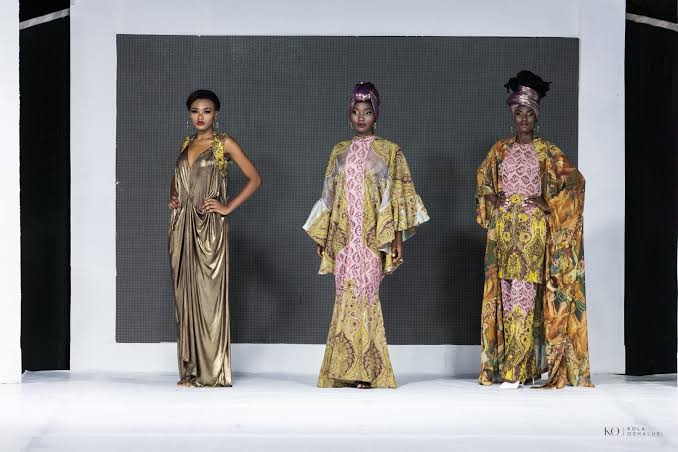
One of the most significant things Jacques Logoh has done to bolster the credibility of FIMO 228 is to speak honestly about its finances. In his 2024 interview with Jeune Afrique, he stated plainly: “Le budget idéal devrait s’élever à 120 millions de francs CFA, mais nous n’atteignons la moitié que chaque année. Toute la logistique coûte cher!” The ideal budget should be 120 million CFA francs, but we barely manage to reach half of that each year. All the logistics are expensive. He added that ideally, the Togolese government would cover half the budget, but has not done so.
FIMO 228 has approximately fifteen regular partners, of which only a handful provide financial sponsorship. The confirmed financial partners over the festival’s history include Togocom, which held the title sponsorship from 2022 and under whose banner the 10th and 11th editions ran as Togocom FIMO 228; Vlisco, the Dutch wax print company whose history in Togo runs through the entire Nana Benz story; the Bank of Africa Togo; the Institut Français du Togo; Air France; Asky; and Europcar. For 2026, Yas Togo replaced Togocom as the title sponsor, giving the 13th edition its Yas FIMO 228 identity.
The gap between the ideal budget and what is achieved year after year is not a sign of institutional fragility. It is evidence of what Logoh has built without institutional support. A fashion week that runs for thirteen consecutive years at approximately half its target budget, without government subsidy, is not a failing institution. It is a persistent one. The distinction matters when assessing what FIMO 228 represents for West African fashion infrastructure.
Jacques Logoh: The Man Behind the Festival
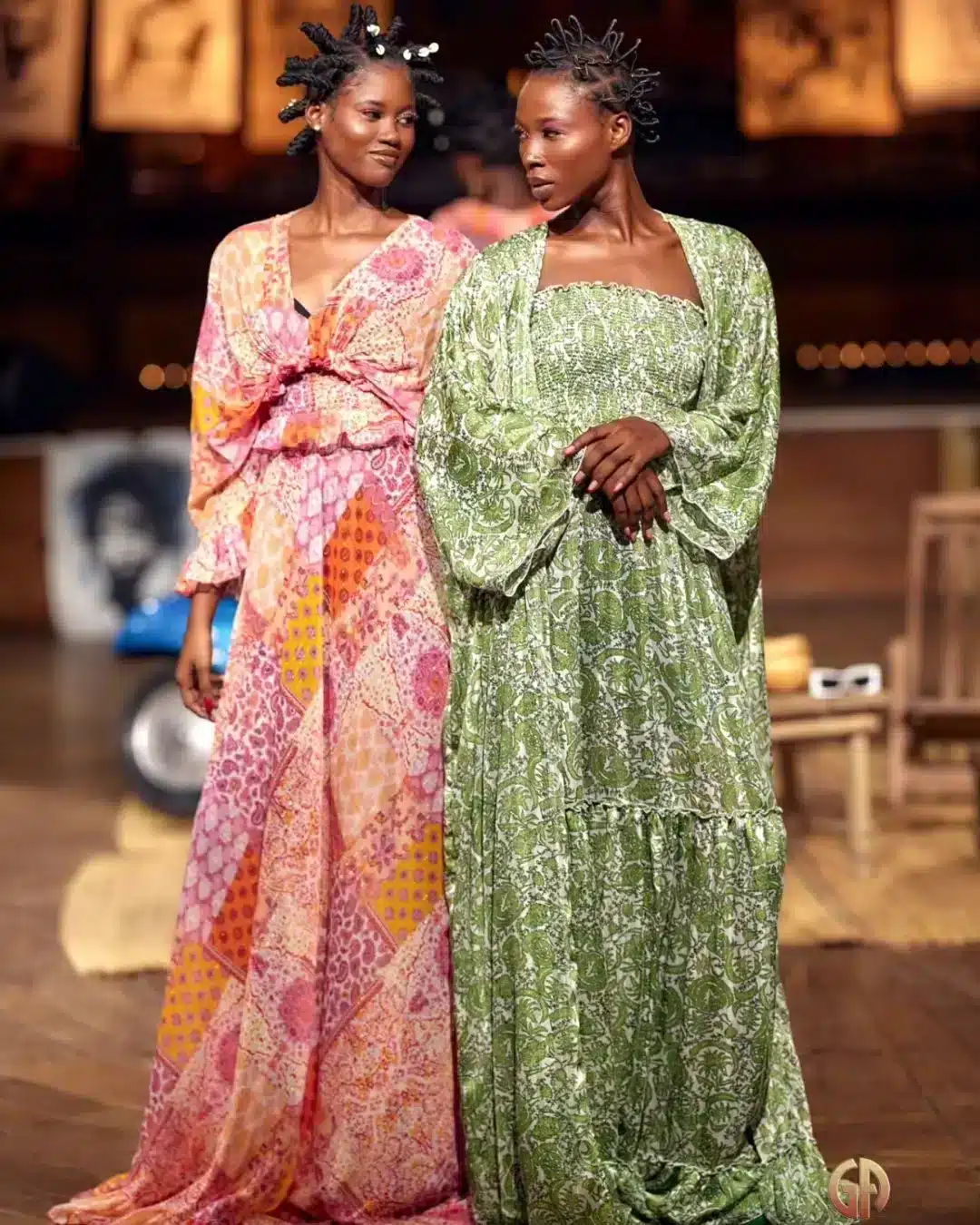
Beyond FIMO 228, Jacques Logoh has built a constellation of connected initiatives from Lomé. His label, Jacques Logoh Couture, was created in 2017 and offers what his official website describes as a mode épurée, élégante et accessible, blending African heritage, contemporary lines, and artisanal craft. Africa’s Vibes, profiling him in April 2025, described his creative signature as one of “sophisticated simplicity”: simple, easy-to-wear cuts that transcend the ethnic labelling that constrains many African designers seeking international markets.
In 2022, he opened FIMO228 La Boutique in Lomé, a multi-brand space designed to give other Togolese and African designers a retail presence alongside his own label. He also created Lomé Men’s Fashion Week, an extension of the FIMO ecosystem focused on menswear. His ambition, stated clearly in the Africa Fashion Tour interview and in his own brand’s official communications, is to position himself in the lineage of Adama Paris (Dakar Fashion Week) and Omoyemi Akerele (Lagos Fashion Week): the founder of a recurring African fashion week that has built institutional credibility over decades.
The Kayi Dogbé connection is worth noting for what it represents at the institutional level. Dogbé, a jurist and project management expert, has served as the official godmother of FIMO 228 across multiple editions. Her role gives the festival institutional credibility and gender-balanced leadership that purely founder-driven events often lack. She is documented as speaking at press launches, presenting awards, and publicly representing the festival’s values to the media and to partners.
ALSO READ:
- The Nana Benz of Lomé: How Togolese Women Traders Built West Africa’s Wax Print Empire
- Why Lomé Should Be on Every African Fashion Investor’s Map
- Togo Yeye: The Platform Putting Lomé’s Creatives on the Global Map
The Paris Expansion: Three Editions and an Atlantic Ambition
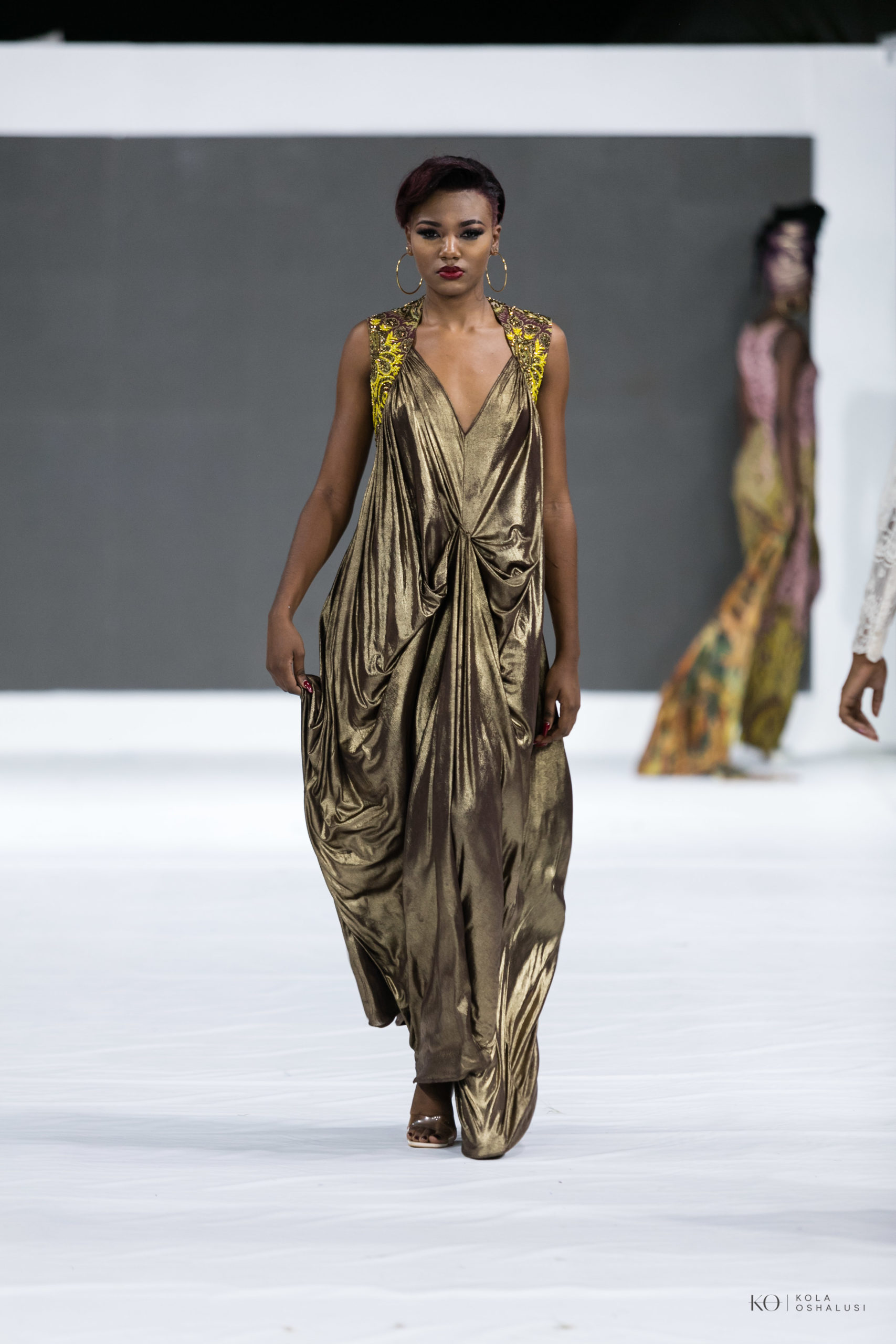
FIMO 228’s international expansion began with a French edition in 2023, documented by Afrikfashion and Lafaaac.com. The second French edition, on 28 September 2024, took place at the Palais Gravelle in Paris, with fifteen brands presenting in the Salon Toffoli alongside Paris Fashion Week. Africa Fashion Tour’s coverage described the selection standard precisely: brands were chosen for offering a coherent, well-constructed universe, with each designer presenting on a blank canvas without a shared theme. The third French edition took place on 27 September 2025 at the Orangerie d’Auteuil at Roland-Garros, as confirmed by Afriquinfos.
The Paris editions deliberately run alongside Paris Fashion Week. This is not a coincidence of calendar management. It is a positioning statement: FIMO 228 wants its presence in the French capital to be read in relation to the global fashion event happening in the same city at the same time. Whether that positioning achieves the awareness Logoh seeks depends on the critical mass of press, buyers, and industry professionals its Paris editions attract. What is documented is that three editions have run, which is more than most African fashion week international expansions achieve before abandonment.
The announced FIMO 228 Atlanta edition, listed on the official Jacques Logoh Couture website as planned for 2026, extends the expansion toward the North American African diaspora market. Atlanta’s position as a major hub of African American cultural and commercial activity makes it a logical target for an Afrocentric fashion event seeking to engage the diaspora. Whether this edition runs as planned will be a significant marker of FIMO 228’s institutional trajectory in 2026 and beyond.
FIMO 228 and the Togolese Fashion Ecosystem
FIMO 228’s relationship to the broader Togolese fashion ecosystem is both structural and generative. Structurally, it is the primary runway platform for designers working in Togo and the main event through which international designers encounter Lomé as a fashion destination. Designers, including Desmo, Eugénie Guidi Ayawa, Grace Wallace, and others covered in this series, have shown at FIMO, and the festival serves as the documented point of entry into the record for many Togolese practitioners. The NDAANE documentation of Togo Yeye explicitly names Lomé Fashion Week (Fall Touré’s separate event) and FIMO 228 as the institutional foundations of Togo’s fashion scene.
Generatively, FIMO 228 creates the annual occasion around which the Togolese fashion community organises itself, finds new collaborators, and demonstrates to international partners that Lomé is a credible fashion geography. The masterclasses embedded in each edition have trained emerging designers who would not otherwise have access to such professional development. The awards ceremony at the end of each edition documents who is recognised as excelling, which creates a record of the sector’s talent that did not exist before the festival began.
What FIMO 228 has not yet achieved is government co-investment at the level Logoh identifies as necessary. The 120 million CFA franc ideal budget, with only half consistently reached, represents the gap between what an independently built African fashion week can sustain and what a government-backed one like Benin Fashion Month can access. This gap is not unique to FIMO. It is the defining challenge of the independently built African fashion event infrastructure. Logoh’s public acknowledgement of it, rather than obscuring the financial reality behind promotional language, is part of what makes the FIMO 228 story an honest one.
“FIMO 228 is not Togo’s fashion week. The argument is that Togo deserves one. Thirteen editions, three French editions, a social theme that changes every year, and a budget that its founder has been publicly honest about not fully achieving. That honesty is part of the story.”
Frequently Asked Questions
What is FIMO 228?
FIMO 228 (Festival International de la Mode au Togo) is an annual international fashion event based in Lomé, the capital of the Republic of Togo. The number 228 is Togo’s international dialling code. The festival was founded by Jacques Logoh, who first held a fashion event called Mode 228 in February 2013. Formal numbered editions began in 2014, and the event became international under the FIMO 228 name in 2016. By 2026, it had reached its 13th edition, with parallel French editions since 2023 and an Atlanta edition was announced. Each year’s programme combines runway shows with masterclasses and a social or humanitarian theme.
Who founded FIMO 228?
FIMO 228 was founded by Jacques Logoh, whose full civil name is Logoh Kodjo Enyonam. He founded Challenge Model Agency in Lomé in 2011, then organised the first Mode 228 event in February 2013 at age 24, while still working as a model. In 2017, he launched his couture label,l Jacques Logoh Couture. In 202,2 he opened FIMO228 La Boutique in Lomé and created Lomé Men’s Fashion Week. Kayi Dogbé, a jurist and project management expert, has served as the festival’s official godmother across multiple editions.
How many editions has FIMO 228 held?
FIMO 228 was held in Lomé in February 2026. The chronology runs from the first Mode 228 event in February 2013, with formal numbered editions from 2014. The festival has run without interruption every year since. Significant editions include the 10th anniversary in February 2023; the 11th in February 2024 (featuring 45 designers from approximately 20 countries); the 12th in April 2025 with a breast cancer awareness theme; and the 13th in February 2026 under the theme Naître et Renaître, To Be Born and Reborn. Three French editions have also run: 2023, September 2024 at the Palais Gravelle, and September 2025 at the Orangerie d’Auteuil.
What is FIMO 228’s budget, and how is it funded?
Jacques Logoh has publicly stated that the ideal budget for FIMO 228 is 120 million CFA francs per edition, but the festival consistently secures only about half that amount. The festival has approximately fifteen regular partners, of whom a smaller number provide direct financial support. Confirmed financial partners include Togocom (which held the title sponsorship from 2022 as Togocom FIMO 228 until 2026), Yas Togo (title sponsor for 2026 as Yas FIMO 228), the Bank of Africa Togo, Vlisco, the Institut Français du Togo, Air France, Asky, and Europcar. FIMO 228 receives no confirmed government co-investment.
How does FIMO 228 compare to other African fashion weeks?
FIMO 228 positions itself in the lineage of Dakar Fashion Week (founded by Adama Paris) and Lagos Fashion Week (founded by Omoyemi Akerele). Like both, it is independently built rather than state-funded, and like both, it has reached double-digit editions. Unlike both, it has consistently operated at roughly half its target budget. Its distinctive features include its annual social theme, which has addressed HIV/AIDS, malaria, breast cancer, and environmental protection across different editions; its expansion to three French editions alongside Paris Fashion Week; and its announced US edition. Its 45-designer, 20-country 11th edition (2024) demonstrates the international reach it has built from Lomé.
When does FIMO 228 typically take place?
FIMO 228 in Lomé typically runs in late February, which the festival describes as the week of African haute couture. The 13th edition ran from 24 to 28 February 2026 at the ONOMO Hotel in Lomé. The 12th edition in 2025 shifted to April, running on 6 April 2025. The French editions have run in late September alongside Paris Fashion Week: the second on 28 September 2024 at the Palais Gravelle, and the third on 27 September 2025 at the Orangerie d’Auteuil at Roland-Garros.
Explore more from our Industry section, where Africa’s fashion events are documented with the institutional precision the sector deserves.