Menu
  • AFRICA
    • African Fashion
    • African Designers
    • Textiles & Craft
    • Heritage Clothing
    • Made in Africa
    • Regional Style
  • DIASPORA
    • Diaspora Voices
    • Diaspora Connects
    • UK Scene
    • US Scene
    • Caribbean Diaspora
    • Afro-Latino Identity
    • Migration & Identity
  • CULTURE
    • Style & Identity
    • Ceremony & Ritual
    • Art & Music
    • Cultural Inspirations
    • Black Culture
    • Heritage Stories
  • FASHION
    • Trends
    • Street Style
    • Runway
    • Sustainable Fashion
    • Tailoring
    • Luxury Fashion
  • INDUSTRY
    • Editorial Intelligence
    • Market Trends
    • Brand Strategy
    • Retail & Commerce
    • Partnerships
    • Reports
    • Insights
    • Omiren Style Index
  • BEAUTY
    • Skincare
    • Makeup
    • Hair & Hairstyle
    • Fragrance
    • Beauty Traditions
    • Natural Beauty
  • MEN
    • Men’s Style
    • Grooming Traditions
    • Traditional & Heritage
    • The Modern African Man
    • Menswear Designers
  • WOMEN
    • Women’s Style
    • Evening Glam
    • Workwear & Professional
    • Streetwear for Women
    • Accessories & Bags
    • Bridal
  • NEWS
    • Cover Stories
    • Fashion Weeks
    • Opinion & Commentary
    • Style Icons
    • Rising Stars
  • DIRECTORY
    • Designers
    • Brands
    • Boutiques
    • Stylists
    • Models
    • Photographers
    • Creative Teams
    • Events
    • Production
    • Materials & Suppliers
Subscribe
OMIREN STYLES OMIREN STYLES

Fashion · Culture · Identity

OMIREN STYLES OMIREN STYLES OMIREN STYLES OMIREN STYLES
  • AFRICA
    • African Fashion
    • African Designers
    • Textiles & Craft
    • Heritage Clothing
    • Made in Africa
    • Regional Style
  • DIASPORA
    • Diaspora Voices
    • Diaspora Connects
    • UK Scene
    • US Scene
    • Caribbean Diaspora
    • Afro-Latino Identity
    • Migration & Identity
  • CULTURE
    • Style & Identity
    • Ceremony & Ritual
    • Art & Music
    • Cultural Inspirations
    • Black Culture
    • Heritage Stories
  • FASHION
    • Trends
    • Street Style
    • Runway
    • Sustainable Fashion
    • Tailoring
    • Luxury Fashion
  • INDUSTRY
    • Editorial Intelligence
    • Market Trends
    • Brand Strategy
    • Retail & Commerce
    • Partnerships
    • Reports
    • Insights
    • Omiren Style Index
  • BEAUTY
    • Skincare
    • Makeup
    • Hair & Hairstyle
    • Fragrance
    • Beauty Traditions
    • Natural Beauty
  • MEN
    • Men’s Style
    • Grooming Traditions
    • Traditional & Heritage
    • The Modern African Man
    • Menswear Designers
  • WOMEN
    • Women’s Style
    • Evening Glam
    • Workwear & Professional
    • Streetwear for Women
    • Accessories & Bags
    • Bridal
  • NEWS
    • Cover Stories
    • Fashion Weeks
    • Opinion & Commentary
    • Style Icons
    • Rising Stars
  • DIRECTORY
    • Designers
    • Brands
    • Boutiques
    • Stylists
    • Models
    • Photographers
    • Creative Teams
    • Events
    • Production
    • Materials & Suppliers
  • Style & Identity

What Makes African Menswear Different? Understanding the Design Language Behind the Clothes

  • Fathia Olasupo
  • June 10, 2026
What Makes African Menswear Different? Understanding the Design Language Behind the Clothes

When people talk about African menswear, they often focus on the most visible elements first. Colour. Pattern. Fabric. Embroidery.

What receives far less attention is the design thinking underneath those choices.

This creates a strange situation. Many people can recognise African-inspired clothing immediately, yet struggle to explain what actually makes it distinct. The conversation often stops at the aesthetic, even though the more interesting story lies in structure, purpose, and cultural meaning.

A single fabric, country, or silhouette does not define African menswear. It is defined by a design language developed across different societies, climates, histories, and cultural systems. Understanding that language helps explain why African menswear continues to influence global fashion while remaining fundamentally different from many Western design traditions.

African menswear is shaped by design principles rooted in culture, proportion, craftsmanship, and meaning, not just fabric or colour.

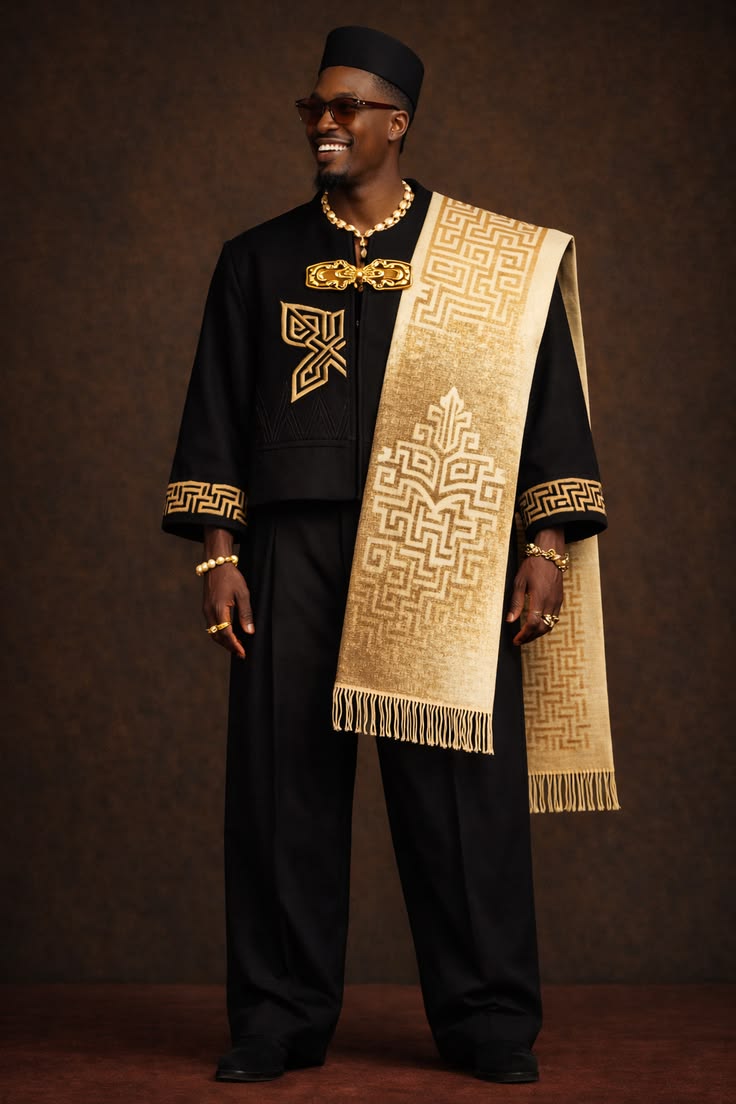
African Menswear Was Never Designed Around the Same Priorities as European Fashion
African Menswear Was Never Designed Around the Same Priorities as European Fashion

Much of contemporary global fashion still operates within design systems shaped by European tailoring traditions. Structure, body contouring, seasonal layering, and rigid garment categories remain important reference points.

Many African men’s swearing traditions developed under different conditions.

Climate encouraged breathability—movement-influenced silhouette. Social customs shaped how garments communicated age, status, community, or occasion. The objective was often not to sculpt the body as tightly as possible but to create garments that balanced comfort, dignity, and meaning.

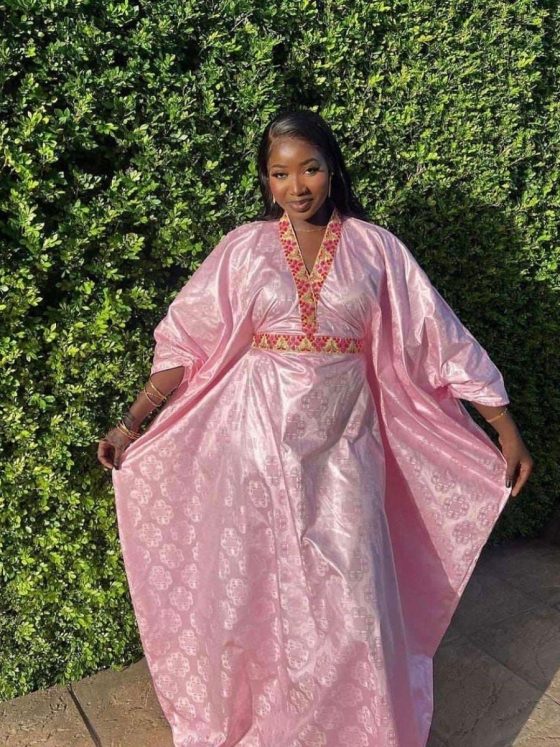
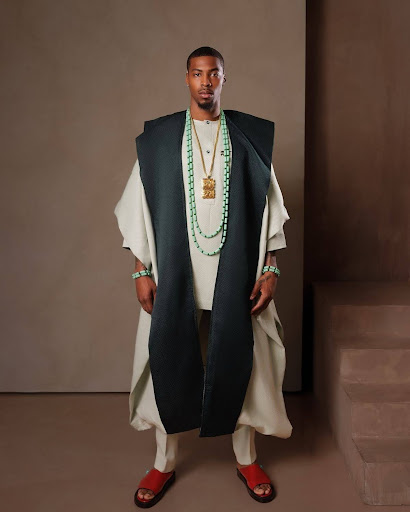
This is why flowing garments such as the boubou, agbada, and kaftan occupy such an important place across many African societies. Their proportions reflect environmental and cultural realities rather than adherence to European tailoring conventions.

Pattern Is Rarely Just Decoration

One of the biggest misconceptions about African fashion is that patterns exist primarily for visual impact.

In reality, many textile traditions carry layers of meaning that extend beyond appearance.

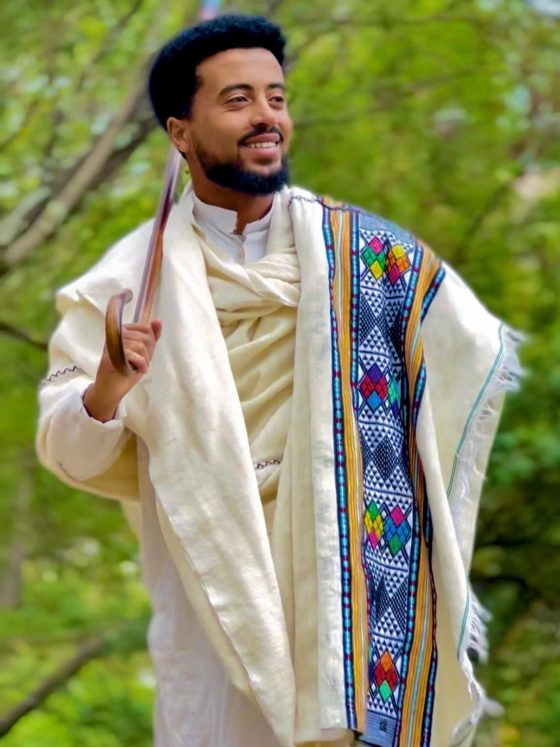
Kente cloth from Ghana communicates through specific colour combinations and woven patterns. Adire from Nigeria reflects centuries of resist-dyeing knowledge. Bogolanfini, often called mud cloth, carries histories connected to craftsmanship, community knowledge, and symbolic communication.

The point is not that every wearer understands every meaning embedded within a textile. The point is that many African fabrics originate from traditions in which design serves as a form of communication rather than decoration alone.

That history continues to shape how designers approach patterns today.

Proportion Tells Its Own Story
Proportion Tells Its Own Story

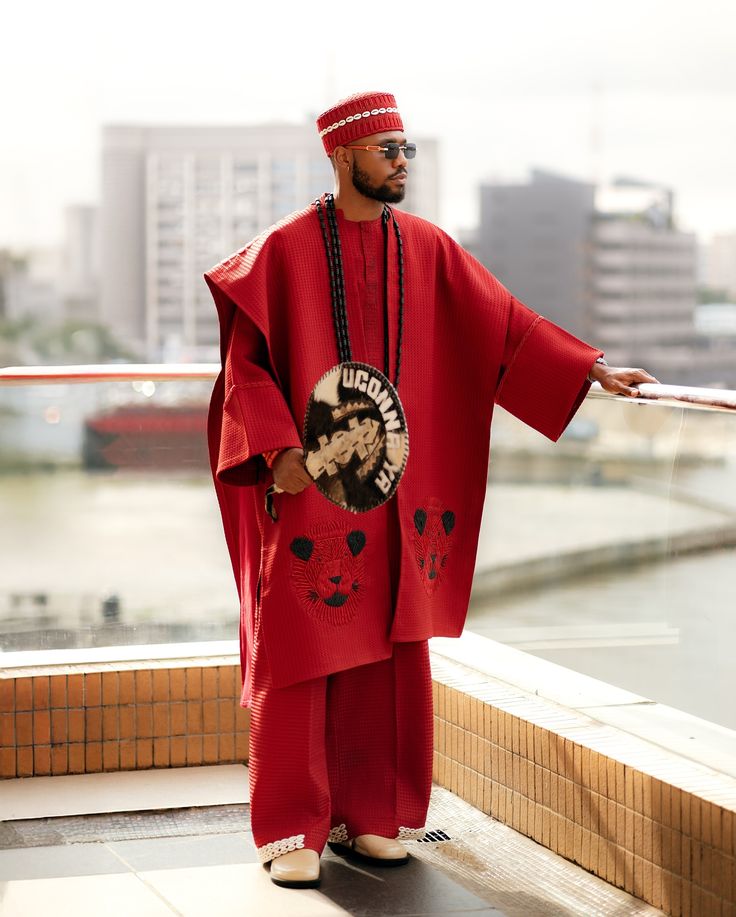
One of the least discussed elements of African menswear design is proportion.

Across many regions, garments intentionally create distance between fabric and body. Loose silhouettes improve comfort in warmer climates while also producing a particular visual presence.

This approach differs from fashion systems that prioritise close-fitting garments as the primary marker of sophistication.

A well-cut agbada creates authority through scale. A flowing boubou creates movement through volume. A carefully tailored kaftan creates elegance through restraint.

The garment communicates through shape as much as surface design.

This design logic continues to influence contemporary African menswear brands, many of which blend traditional proportions with modern tailoring techniques.

The New Generation Is Translating Rather Than Repeating

Some of the most interesting African menswear designers today are not simply reproducing historical garments.

They are translating design principles into new contexts.

Traditional weaving techniques appear in contemporary jackets. Heritage silhouettes influence modern workwear. Indigenous textile knowledge shapes luxury collections intended for global audiences.

The strongest designers understand that cultural relevance does not require historical imitation.

What matters is preserving the thinking behind the garment rather than copying every visual detail.

This approach allows African menswear to evolve without disconnecting from the traditions that gave it meaning.

READ ALSO:

  • How Are African Men Redefining Professional Style Beyond the Suit?
  • What Chiefs Wear: The Language of Royal Dress Across African Kingdoms

Why This Matters Beyond Fashion
Why This Matters Beyond Fashion

Discussions about African fashion often focus on representation. Representation matters, but understanding matters more.

When African menswear is reduced to colourful prints or seasonal trends, the design intelligence behind it disappears. What remains is a surface without context.

Recognising the design language of African menswear changes that conversation. It reveals garments as solutions to specific cultural, environmental, and social realities rather than aesthetic curiosities.

That shift allows fashion to be understood not simply as style but as knowledge.

The Omiren Argument

The global fashion industry frequently treats African menswear as a source of inspiration while paying far less attention to the design systems that produced it. Fabrics are borrowed, silhouettes are referenced, and visual elements are celebrated, yet the underlying logic is often ignored.

What makes African menswear distinctive is not any single print, garment, or trend. It is a design language built around meaning, proportion, climate, craftsmanship, and cultural communication. The future of African menswear will belong to the designers who understand that preserving this language matters more than preserving any one garment.

FAQs

  1. What makes African menswear different from Western menswear?

Many African menswear traditions prioritise cultural meaning, climate suitability, and proportion in ways that differ from European tailoring systems.

  1. Is African menswear defined by prints?

No. Fabrics are important, but silhouette, construction, symbolism, and function are equally significant.

  1. Why are loose-fitting garments common in African menswear?

Climate, comfort, movement, and cultural preferences have historically influenced garment proportions.

  1. Do African patterns have meanings?

Many do. Textile traditions such as Kente, Adire, and Bogolanfini developed within systems where design communicated social or cultural information.

  1. How are modern designers using traditional influences?

Many contemporary designers translate traditional principles into modern silhouettes, fabrics, and commercial collections.

Post Views: 17
Related Topics
  • African design culture
  • African Menswear
  • Contemporary African Fashion
  • Fashion and Identity
Fathia Olasupo

olasupofathia49@gmail.com

You May Also Like
How Are African Men Redefining Professional Style Beyond the Suit?
View Post
  • Style & Identity

How Are African Men Redefining Professional Style Beyond the Suit?

  • Fathia Olasupo
  • June 9, 2026
What Chiefs Wear: The Language of Royal Dress Across African Kingdoms
View Post
  • Style & Identity

What Chiefs Wear: The Language of Royal Dress Across African Kingdoms

  • Fathia Olasupo
  • June 8, 2026
How African Identity Is Styled Differently Across Continents
View Post
  • Style & Identity

How African Identity Is Styled Differently Across Continents

  • Ayomidoyin Olufemi
  • June 2, 2026
The Cultural Codes of Dressing Well: What Every Society Understands About Style and Respect
View Post
  • Style & Identity

The Cultural Codes of Dressing Well: What Every Society Understands About Style and Respect

  • Fathia Olasupo
  • March 31, 2026
View Post
  • Style & Identity

On Dressing With Intention in a World That Wants You Distracted

  • Rex Clarke
  • February 20, 2026
View Post
  • Style & Identity

Destinations as Living Stories: A New Way to Experience Travel

  • Philip Sifon
  • February 5, 2026
​​The Face as a Political Canvas: Identity, Power & Resistance
View Post
  • Style & Identity

​​The Face as a Political Canvas: Identity, Power & Resistance

  • Heritage Oni
  • February 2, 2026
When Style Becomes Self-Knowledge
View Post
  • Style & Identity

The Language of Draping: How Silhouette Shapes Women’s Style and Self-Expression

  • Ayomidoyin Olufemi
  • December 24, 2025
The Omiren Argument

African fashion and culture are not emerging. They are foundational. We document, interpret, and argue for the full cultural weight of African and diaspora dress. With precision. Without apology.

Omiren Styles Fashion · Culture · Identity

All 54 African Nations
Caribbean · Afro-Latin America
The Global Diaspora

Platform

  • About Omiren Styles
  • Our Vision
  • Our Mission
  • Editorial Pillars
  • Editorial Policy
  • The Omiren Collective
  • Campus Style Initiative
  • Sustainable Style
  • Social Impact & Advocacy
  • Investor Relations

Contribute

  • Write for Omiren Styles
  • Submit Creative Work
  • Join the Omiren Collective
  • Campus Initiative
Contact
contact@omirenstyles.com
Our Reach

Africa — All 54 Nations
Caribbean
Afro-Latin America
Global Diaspora

African fashion intelligence, in your inbox.

Editorial features, designer profiles, cultural commentary. No noise.

© 2026 Omiren Styles — Rex Clarke Global Ventures Limited. All rights reserved.
  • Privacy Policy
  • Editorial Policy
  • Terms of Use
  • Accessibility
Africa · Caribbean · Diaspora
The Omiren Argument

African fashion and culture are not emerging. They are foundational. We document, interpret, and argue for the full cultural weight of African and diaspora dress. With precision. Without apology.

Omiren Styles Fashion · Culture · Identity
  • About Omiren Styles
  • Our Vision
  • Our Mission
  • Editorial Pillars
  • Editorial Policy
  • The Omiren Collective
  • Campus Style Initiative
  • Sustainable Style
  • Social Impact & Advocacy
  • Investor Relations
  • Write for Omiren Styles
  • Submit Creative Work
  • Join the Omiren Collective
  • Campus Initiative
Contact contact@omirenstyles.com

All 54 African Nations · Caribbean
Afro-Latin America · Global Diaspora

African fashion intelligence, in your inbox.

Editorial features, designer profiles, cultural commentary. No noise.

© 2026 Omiren Styles
Rex Clarke Global Ventures Limited.
All rights reserved.

  • Privacy Policy
  • Editorial Policy
  • Terms of Use
  • Accessibility
Africa · Caribbean · Diaspora

Input your search keywords and press Enter.