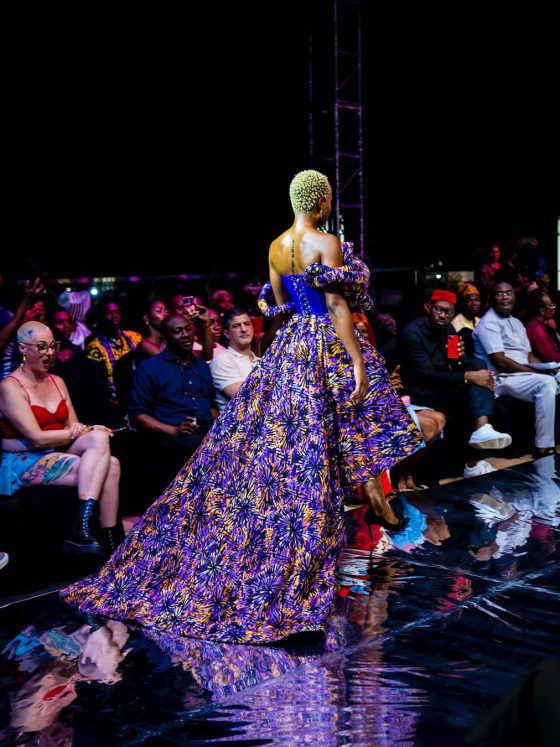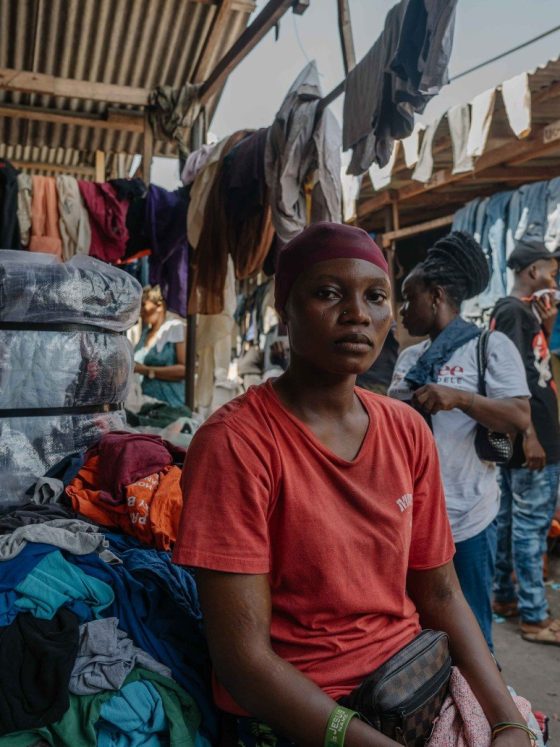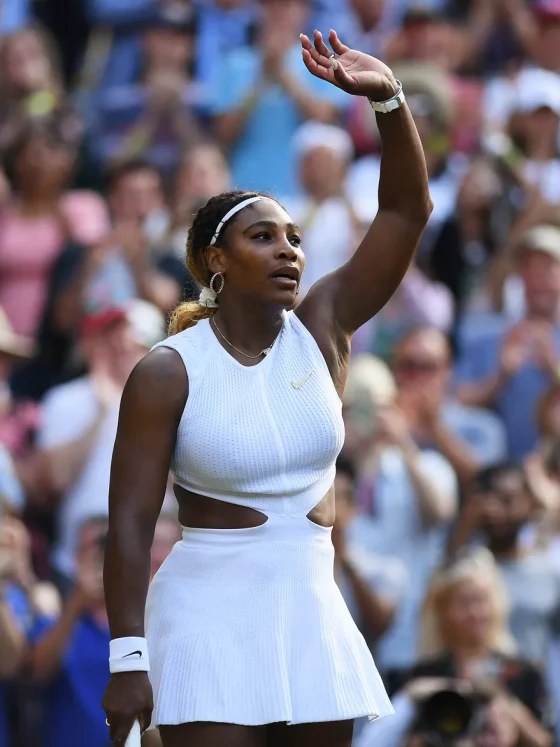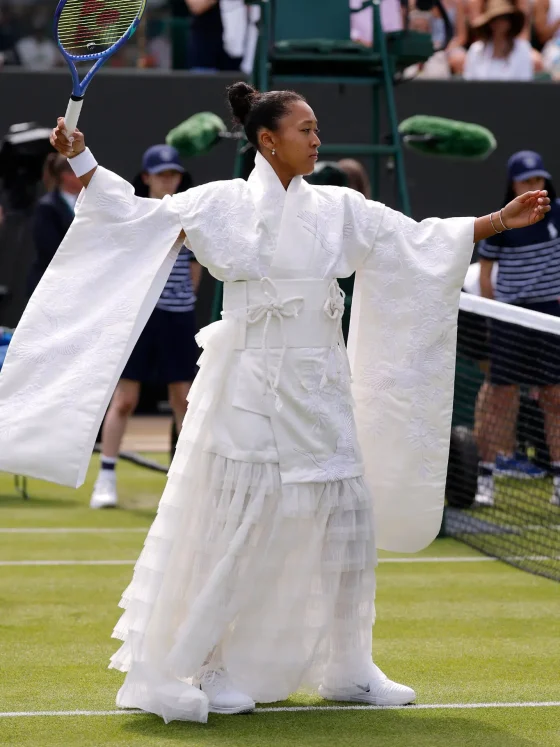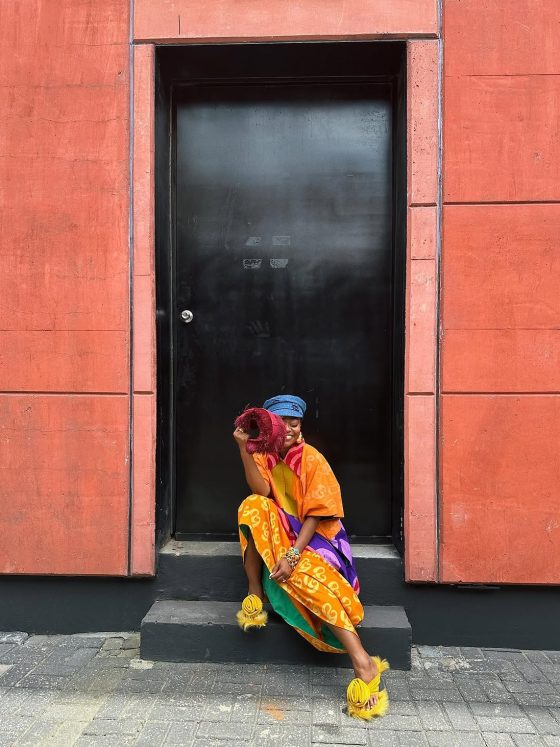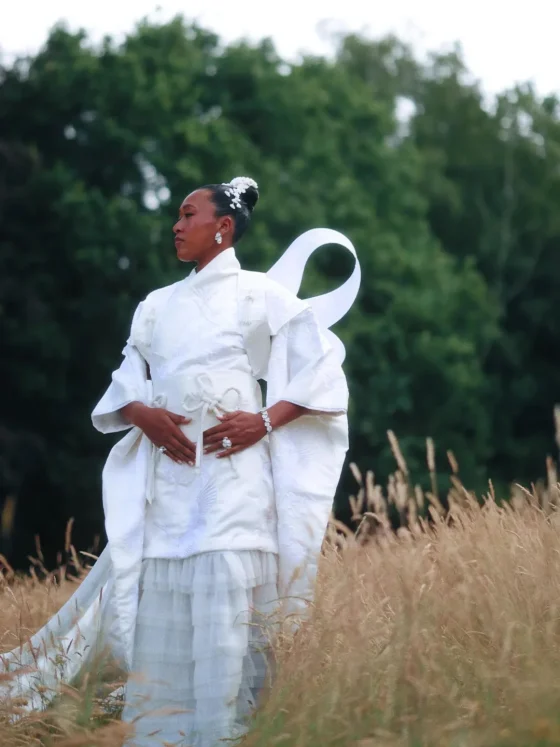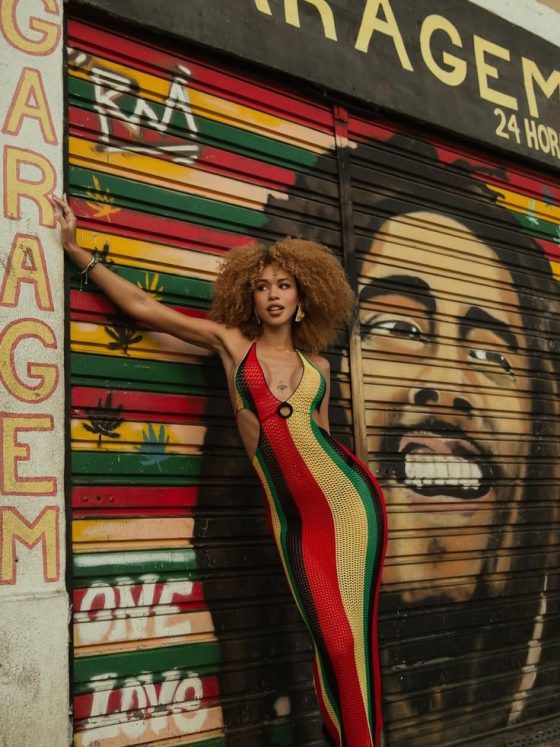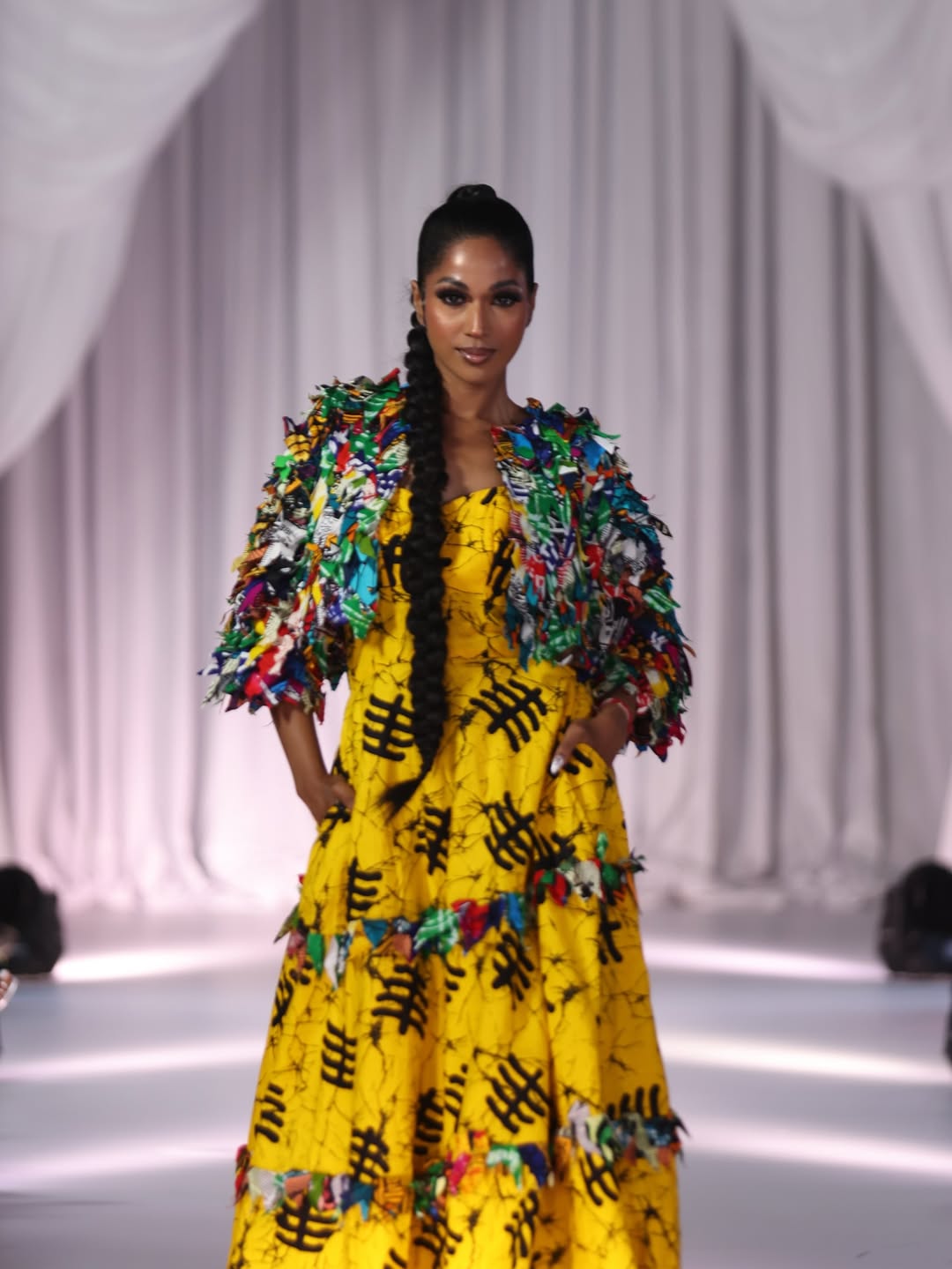
For decades, African fashion has been presented to the world through museum exhibitions, glossy magazine spreads, luxury campaigns, and trend forecasts. Yet as global interest in the industry grows, so does an urgent question: who speaks for African fashion?
In 2026, that question has moved from quiet frustration to public debate. Across social media, exhibitions, and diaspora communities, creatives are challenging who shapes the African fashion narrative, whose stories are amplified, and whose perspectives remain overlooked.
Part of the tension lies in the fact that African fashion has never existed within fixed borders. Designers, stylists, and consumers move constantly between continents, creating a truly global African fashion ecosystem. Ultimately, the debate is not simply about representation. It is about power, access, authorship, and who gets to hold the microphone.
Who speaks for African fashion? Explore the debate over diaspora voices, on-continent designers, and the future of the African fashion narrative.
Who Speaks for African Fashion? Institutions, Media, and the Question of Cultural Authority
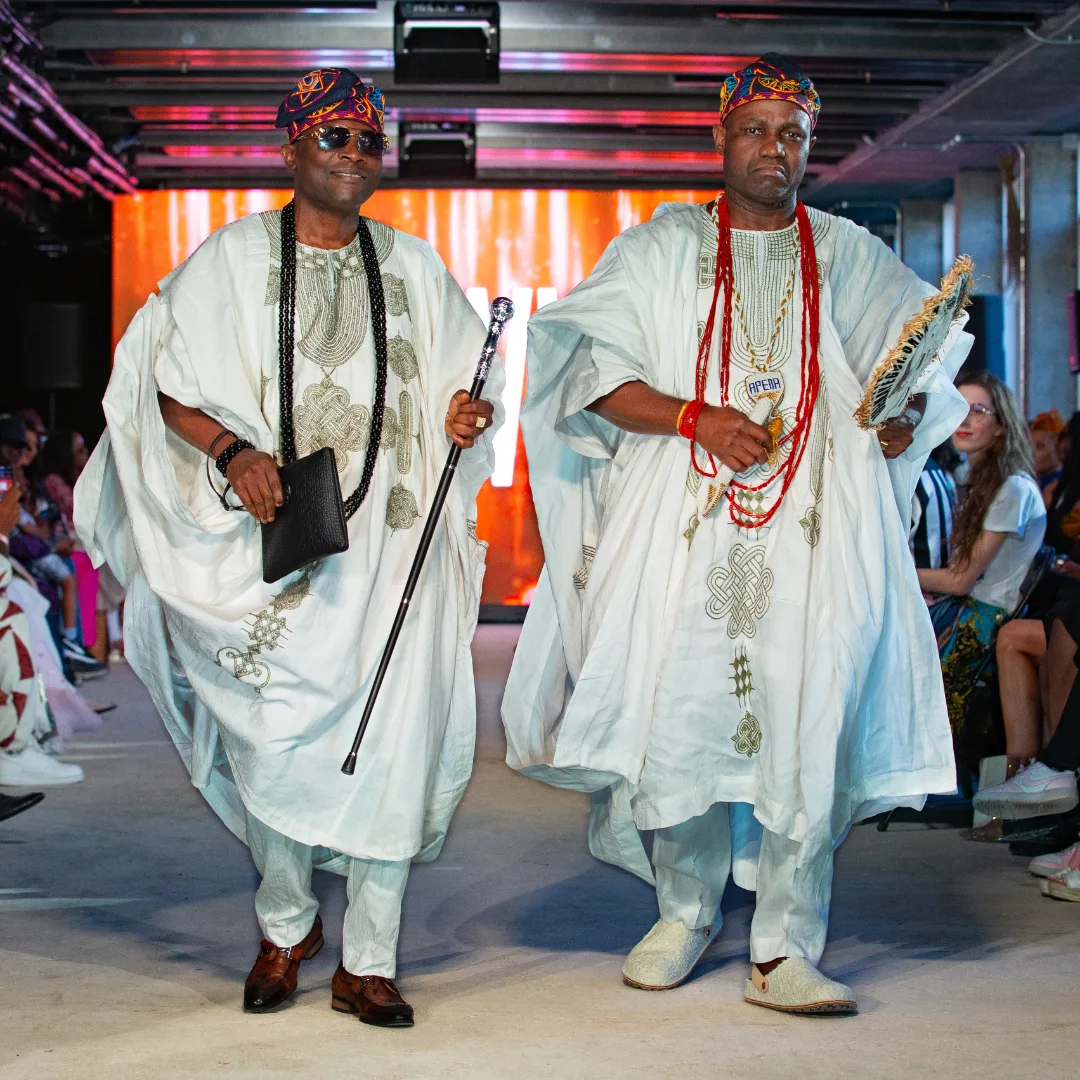
The question of who gets to speak for African fashion has become central to the modern African fashion narrative, especially as the industry grows more visible. Today, more people are included in the conversation, but fewer are actually shaping how it is framed. This gap is exactly what makes the debate so loud now.
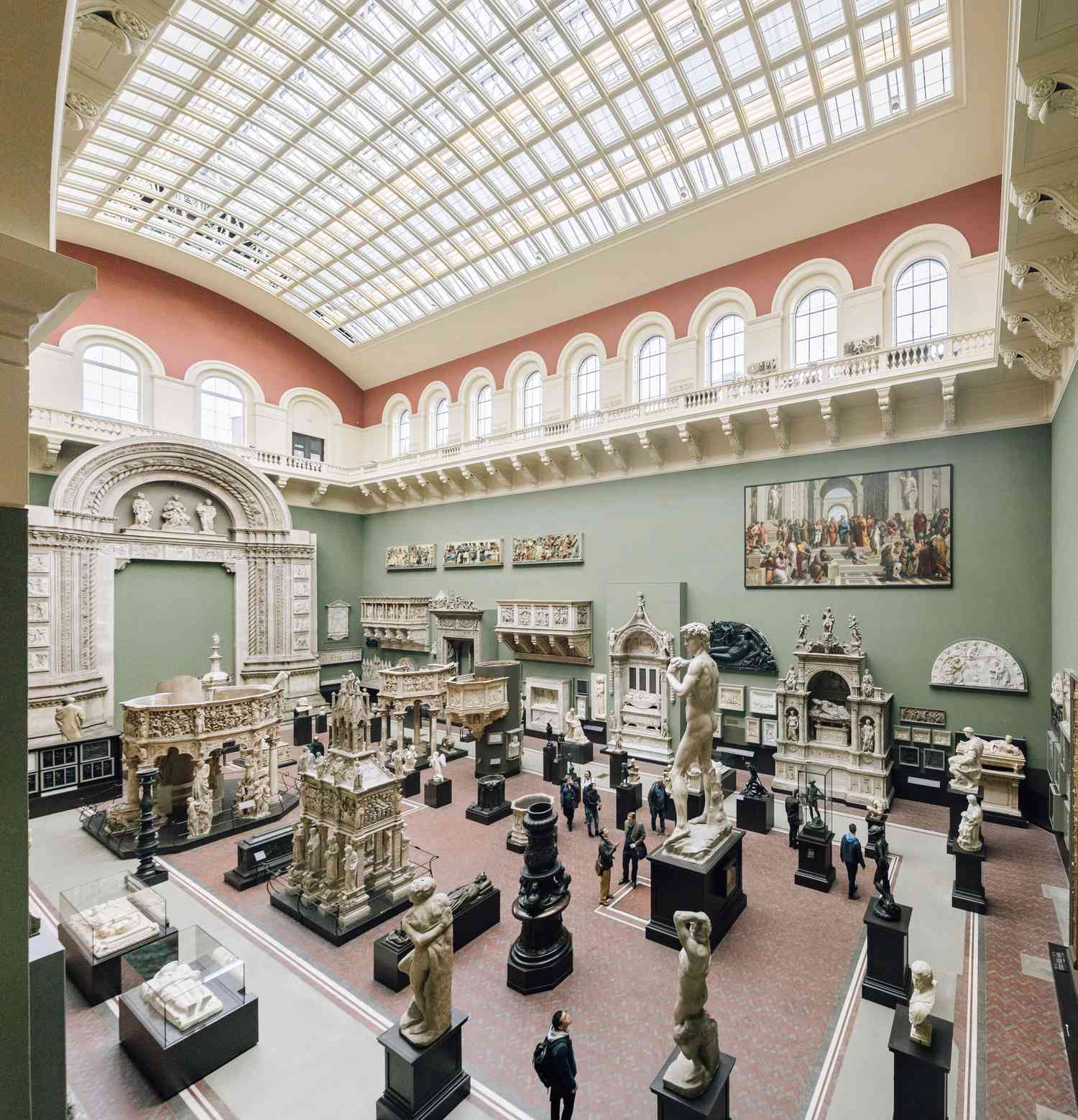
Cultural institutions remain powerful gatekeepers. Exhibitions organised by institutions such as the Victoria and Albert Museum have helped position African design within global art and fashion history. While this visibility is important, it also raises deeper questions about selection and framing. Which on-continent designers are chosen for these global stages, and how are their stories edited or presented once they enter Western institutional spaces? These decisions often shape the broader African fashion narrative more than the designers themselves.
Global media also plays a defining role. Platforms such as Vogue, The New York Times, and Business of Fashion determine which designers gain international attention and which remain within regional visibility. In many cases, diaspora voices in African fashion are more easily amplified because they already operate within established Western systems of publishing, networking, and branding. Luxury fashion houses further shape the global African fashion conversation. Brands such as Dior and Louis Vuitton frequently reference African aesthetics or collaborate with African creatives. However, as Omiren Styles has documented in “Why European Luxury Houses Invest in Afrobeats Stars but Not African Fashion Infrastructure,” these collaborations routinely raise questions about depth, authorship, and long-term investment in the communities they represent. The pattern is consistent: African creativity enters global luxury circulation, while the economic and structural infrastructure behind that creativity receives no equivalent investment.
Ultimately, the debate is not about choosing between diaspora voices in African fashion and on-continent designers. It is about understanding how power, access, and global systems shape the African fashion narrative itself.
The Tension Between On-Continent and Diaspora Voices
The question of who speaks for African fashion becomes most visible when on-continent voices and diaspora voices are placed side by side. As Omiren Styles has examined in How African Identity Is Styled Differently Across Continents, the same outfit can feel natural in one place and symbolic in another. On the continent, African identity in fashion often exists without needing to justify itself. In the diaspora, it can become conscious and deliberate, expressed in response to external environments. Globally, it is sometimes aestheticised and styled for visual impact, yet disconnected from lived experience. Understanding this difference is critical to understanding the authorship debate.
On one side, designers and tastemakers based on the continent are often closest to the materials, markets, and everyday realities that shape African dress. On the other hand, diaspora voices can move easily through Western media, exhibitions, and luxury fashion spaces, which gives them more reach and, in some cases, more authority.
That imbalance is part of why the debate feels so urgent now. It is not simply about who is African enough to comment, but about who gets amplified, who gets archived, and whose interpretation becomes the default version of the story.
The debate is not about choosing between diaspora voices and on-continent designers. It is about understanding how power, access, and global systems shape who gets heard.
What a More Just Balance Would Look Like
A more just balance in African fashion would begin by giving on-continent designers and diaspora creatives equal visibility, rather than treating one group as the default voice. The current system often rewards access to Western institutions, media platforms, and luxury networks, which means some perspectives travel farther than others. As Omiren Styles has documented through the lens of Ghanaian designers in Top Ghanaian Fashion Designers Shaping Africa’s Global Fashion Narrative, the most credible on-continent designers are not looking for Western validation. They are building serious institutions, production systems, and distinct design languages that treat global platforms as extensions of their practice rather than destinations for approval. A more just balance would recognise that authority and make space for it, rather than requiring it to route through Western intermediaries before it is legible.
In practical terms, that balance would mean co-curated exhibitions, fairer media framing, and stronger partnerships that invest in infrastructure on the continent rather than only extracting ideas from it. It would also mean naming the difference between influence and authority, so the industry can recognise diaspora reach without erasing local expertise. A fairer African fashion ecosystem would be one where representation is not limited to visibility alone. It would also include authorship, access, and long-term investment in the people whose work shapes the culture from within.
ALSO READ
- Why European Luxury Houses Invest in Afrobeats Stars but Not African Fashion Infrastructure
- How African Identity Is Styled Differently Across Continents
- Top Ghanaian Fashion Designers Shaping Africa’s Global Fashion Narrative
- Does Wearing Your Culture Make You Exotic? The Diaspora Fashion Paradox
Why the Question Is Getting Louder Now
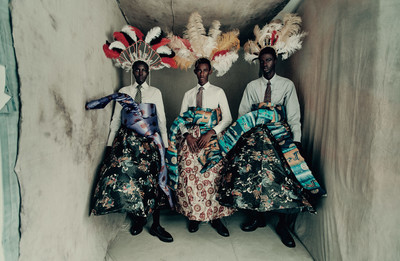
The debate around who shapes African fashion has become more visible because the industry itself is more visible. Over the past few years, more exhibitions, fashion weeks, digital campaigns, and cross-border collaborations have pushed African fashion into global circulation. But the visibility has also made questions of authorship harder to ignore. Social media has played a major role in this shift. Designers, stylists, writers, and everyday fashion lovers can now challenge how African style is framed in real time. As Omiren Styles has documented in Does Wearing Your Culture Make You Exotic? In the Diaspora Fashion Paradox, second-generation Africans in Britain and France have shifted from justifying their cultural dress choices to simply refusing that negotiation. This generational confidence carries directly into the authorship debate. Younger audiences are asking not only what African fashion looks like, but who gets to define it, name it, and profit from it.
There is also a generational shift in the terms of the conversation. The question of who profits from African fashion is now inseparable from the question of who speaks for it. When more people want to speak, the issue is no longer just about access to the conversation, but about who has enough structural support to shape it. African fashion is expanding, but the systems that frame it have not become equally fair. That asymmetry is what keeps the argument growing louder.
THE OMIREN ARGUMENT
The diaspora should not be treated as the sole authority on African fashion, but neither should it be viewed as less legitimate than voices on the continent. African fashion has long been shaped by movement, migration, and cultural exchange, making any rigid distinction between inside and outside difficult to sustain. The real question is not whether diaspora voices belong in the conversation, because they do. The debate is about influence and representation, and about whether the structural systems that amplify some voices over others are being honestly named and challenged.
Those who live the daily realities of African communities, markets, and creative industries are best positioned to interpret and define the culture. That perspective carries real weight. Yet it can also overlook the contributions of diaspora designers, writers, and consumers who have helped expand the industry’s visibility, audience, and economic opportunities across the globe. A more balanced view recognises that African fashion has never had a single centre of authority. People across different locations, experiences, and generations have driven its growth. Rather than looking for one group to lead the narrative, the industry is better served by shared authorship that reflects its global and interconnected reality, and by structural investment in the people doing the work on the continent, not only in the people making it visible abroad.
FREQUENTLY ASKED QUESTIONS
Who are the people referred to as the African diaspora?
The African diaspora refers to people of African origin who live outside the African continent, including both descendants of earlier migrations and those who have moved abroad in recent generations. The African Union defines the African diaspora as people of African origin living outside Africa who remain connected to the continent and its development.
Who are some of the most influential African fashion designers?
The continent’s fashion industry includes many influential figures, such as Lisa Folawiyo and Thebe Magugu, whose work has gained international recognition while remaining rooted in on-continent production and cultural authority. The answer often depends on the criteria used, including global recognition, commercial infrastructure, or cultural influence within specific communities.
Why do diaspora voices often have more reach in African fashion discussions?
Diaspora voices frequently have easier access to Western media platforms, publishing networks, luxury fashion spaces, and institutional recognition. This is not because their perspective is more valid, but because the systems that amplify fashion voices are structurally weighted toward those already operating within Western cultural infrastructure. That imbalance is central to the debate about who speaks for African fashion.
Which country has the largest African diaspora?
Brazil is generally considered to have the largest African diaspora population in the world, with tens of millions of people identifying as Afro-Brazilian. Across the Americas, Europe, and parts of the Middle East, African diaspora communities maintain distinct relationships to African fashion, identity, and cultural production.
How many Nigerians are in the diaspora?
Estimates vary depending on the source and definition used. The Nigerians in Diaspora Commission has cited figures ranging from five million to over seventeen million Nigerians living abroad. Nigeria’s diaspora is one of the most globally dispersed and economically significant in Africa, with strong connections to the fashion and creative industries in the UK, the US, and Canada.