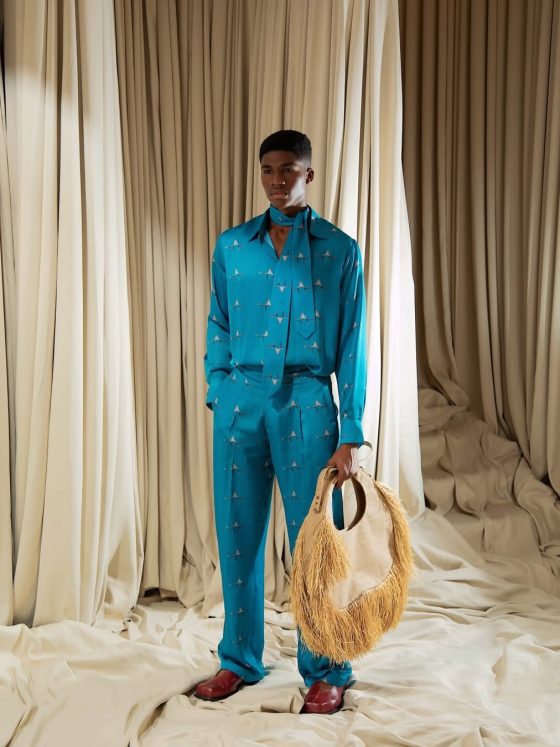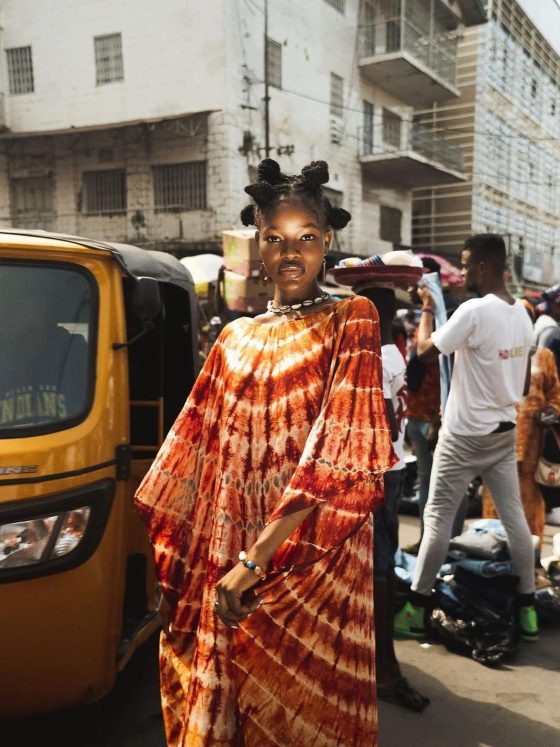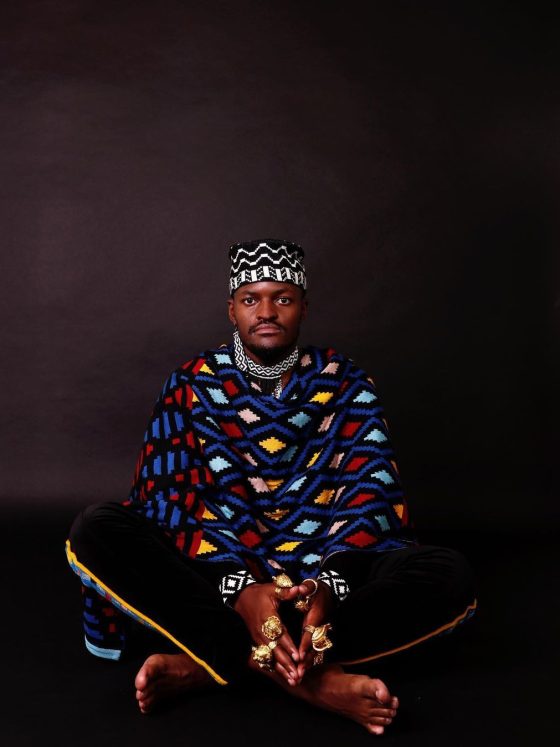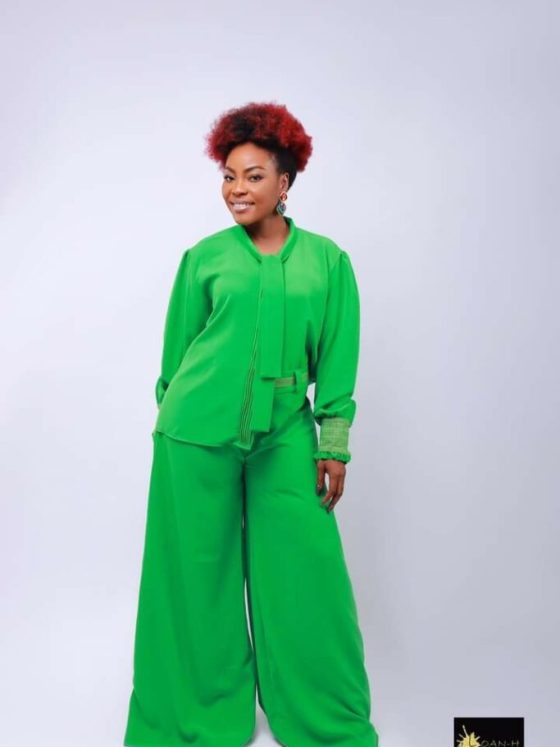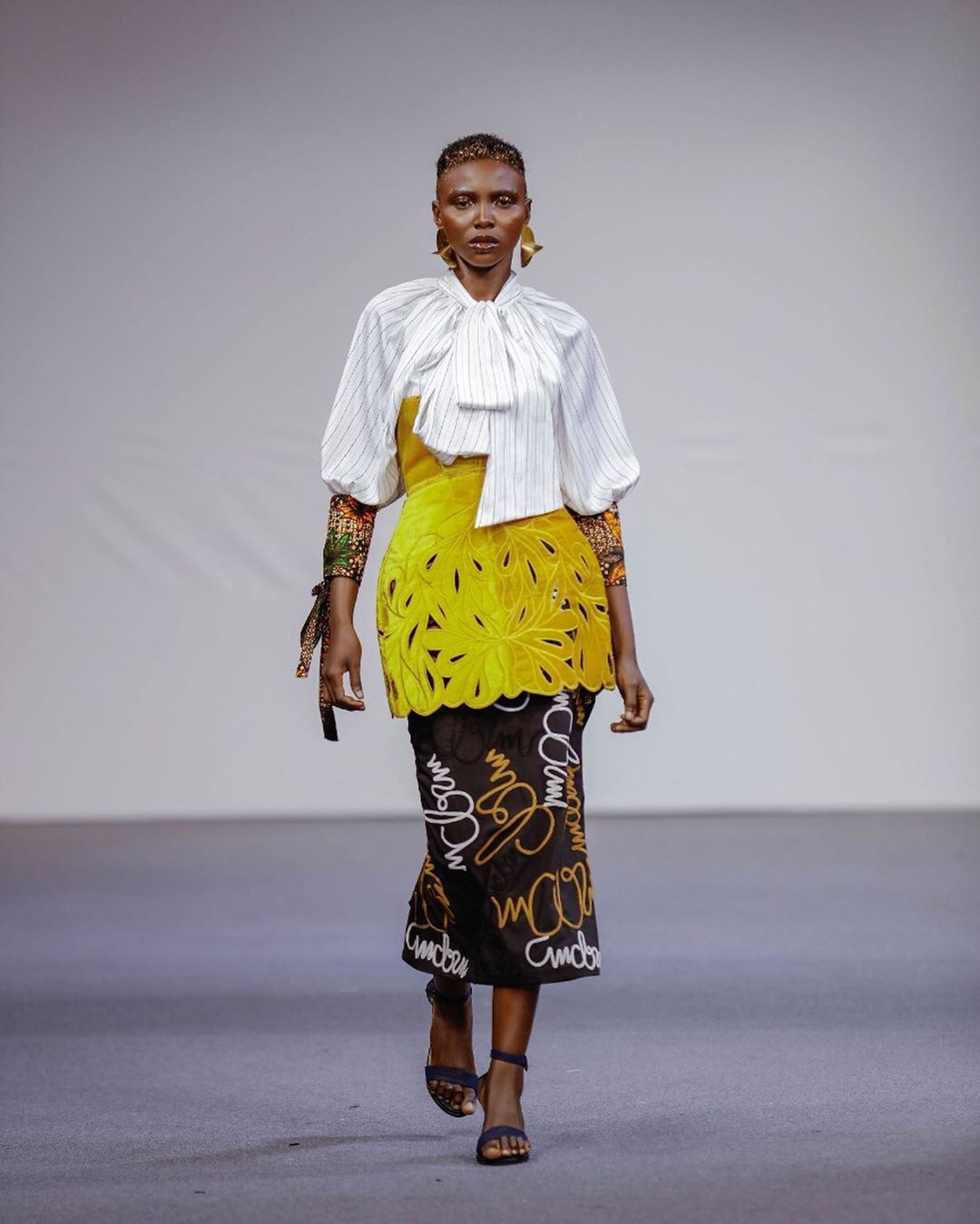
Ghanaian fashion designers shaping Africa’s global fashion narrative have moved the centre of influence from the margins into the main conversation. Their work now appears on major international runways, red carpets, and editorial pages.
They appear not as cultural interpreters for Western audiences but as creators setting aesthetic directions on their own terms. Their work now appears on major international runways, red carpets, and editorial pages.
But not as cultural interpreters for Western audiences but as creators setting aesthetic directions on their own terms. This challenges the outdated assumption that African designers must first receive validation in Paris, Milan or New York.
Let’s take a look at some of the Accra-based fashion designers making these impacts.
Certain Ghanaian fashion designers are are shaping Africa’s global fashion narra,, redefining contemporary style from Accra to Paris. Find out how here.
The Pioneers Who Built Ghana’s Modern Fashion Foundation
Before the current generation of top Ghanaian fashion designers gained international recognition, a small group of visionary professionals laid the essential groundwork.
They proved that technically excellent and commercially serious fashion could originate from Accra while remaining firmly rooted in Ghanaian material culture and tailoring traditions.
Juliana Norteye (Chez Julie)
Late Juliana Norteye, widely known by her label Chez Julie, was Ghana’s first professionally trained post-independence fashion designer.
After studying at Ecole Guerre-Lavigne (now ESMOD) in Paris, she returned to Accra in the late 1950s and founded Chez Julie in 1960.
She became famous for integrating traditional Ghanaian textiles and drapery styles with European couture techniques.
Her innovative use of kente in modern garments, such as tailored dresses and peplum styles, resonated strongly during the highlife era and the post-independence period. Norteye’s work helped shape a distinctly Ghanaian modern identity through fashion.
Kofi Ansah
The late Kofi Ansah stands as one of the most influential figures in Ghanaian fashion. He was trained at the Chelsea School of Art in London, but returned to Ghana in 1992 after building a successful career in the United Kingdom.
He established Artdress and began integrating local textiles such as kente and wax prints into structured, contemporary garments with international appeal. His work dressed notable figures,, including Nelson Mandela, and helped put Ghanaian design on global catwalks.
Ansah insisted that clothing must tell stories, and he elevated local craftsmanship through precise tailoring and bold material choices.
Joyce Ababio
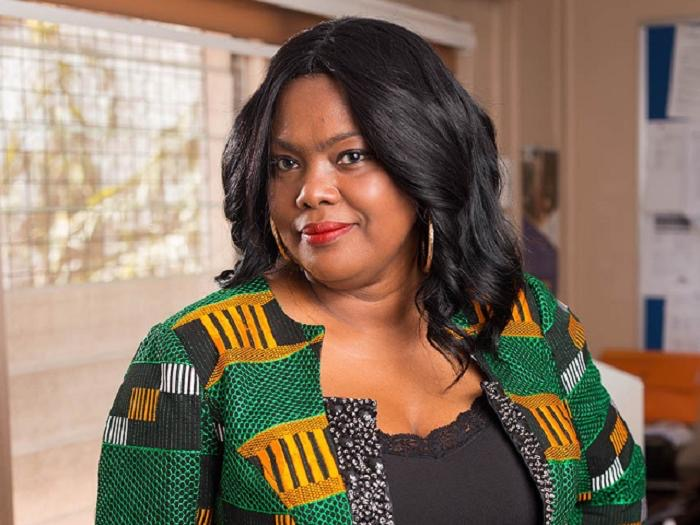
Alongside him, Joyce Ababio has played a foundational role through both design and education. She founded the Vogue Style School of Fashion and Design in 1995.
Then, it was later expanded into the Joyce Ababio College of Creative Design (JACCD) in Accra. Her institution has trained generations of Ghanaian designers and pattern makers.
Ababio also created costumes for major national events and beauty pageants, strengthening the professional infrastructure that later designers would build upon.
Top Ghanaian Fashion Designers Shaping Africa’s Global Fashion Narrative
The current generation of Ghanaian designers has taken the foundation laid by earlier pioneers, expanding it into distinct, commercially viable brands with international reach.
These creatives combine technical tailoring excellence with deep material knowledge to produce works that stand on global platforms.
Aisha Ayensu Christie Brown
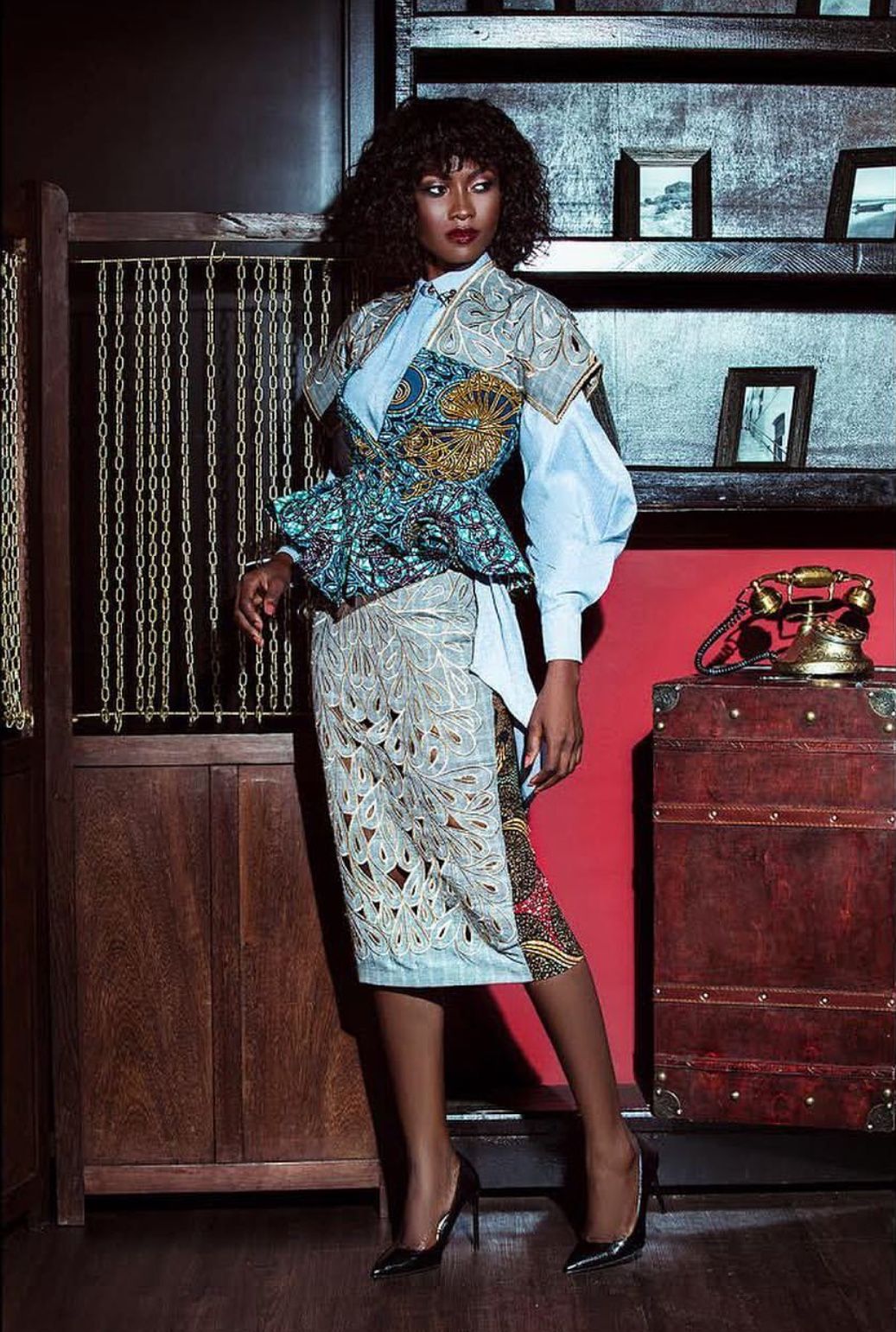
Aisha Ayensu, founder of Christie Brown, ranks among the most recognised top Ghanaian fashion designers.
Since she established the label, which she named after her grandmother, a skilled seamstress, in 2008, Ayensu has built a luxury ready-to-wear house.
These pieces integrate Ghanaian wax prints, kente, and handwoven textiles into sophisticated, sculptural silhouettes.
Her presentations at Paris Fashion Week and dressing of global figures such as Michelle Obama and Beyoncé highlight how Ghana’s wax print tailoring can occupy premium international spaces.
Ayensu runs production in Accra while maintaining a strong emphasis on craftsmanship and brand autonomy.
Nelly Hagan Deegbe
Nelly Hagan Deegbe founded Duaba Serwa in 2011. The brand stands out in contemporary Ghanaian womenswear for its innovative use of texture, volume, and signature triangular origami pleats.
While working with artisans in Ghana and Burkina Faso, Deegbe preserved and evolved traditional weaving techniques through luxurious fabrics and structural construction.
Her pieces have appeared on major international covers, including Vanity Fair. This demonstrates how Accra-based fashion designers can succeed internationally through material innovation and slow-fashion principles.
Kwaku Bediako
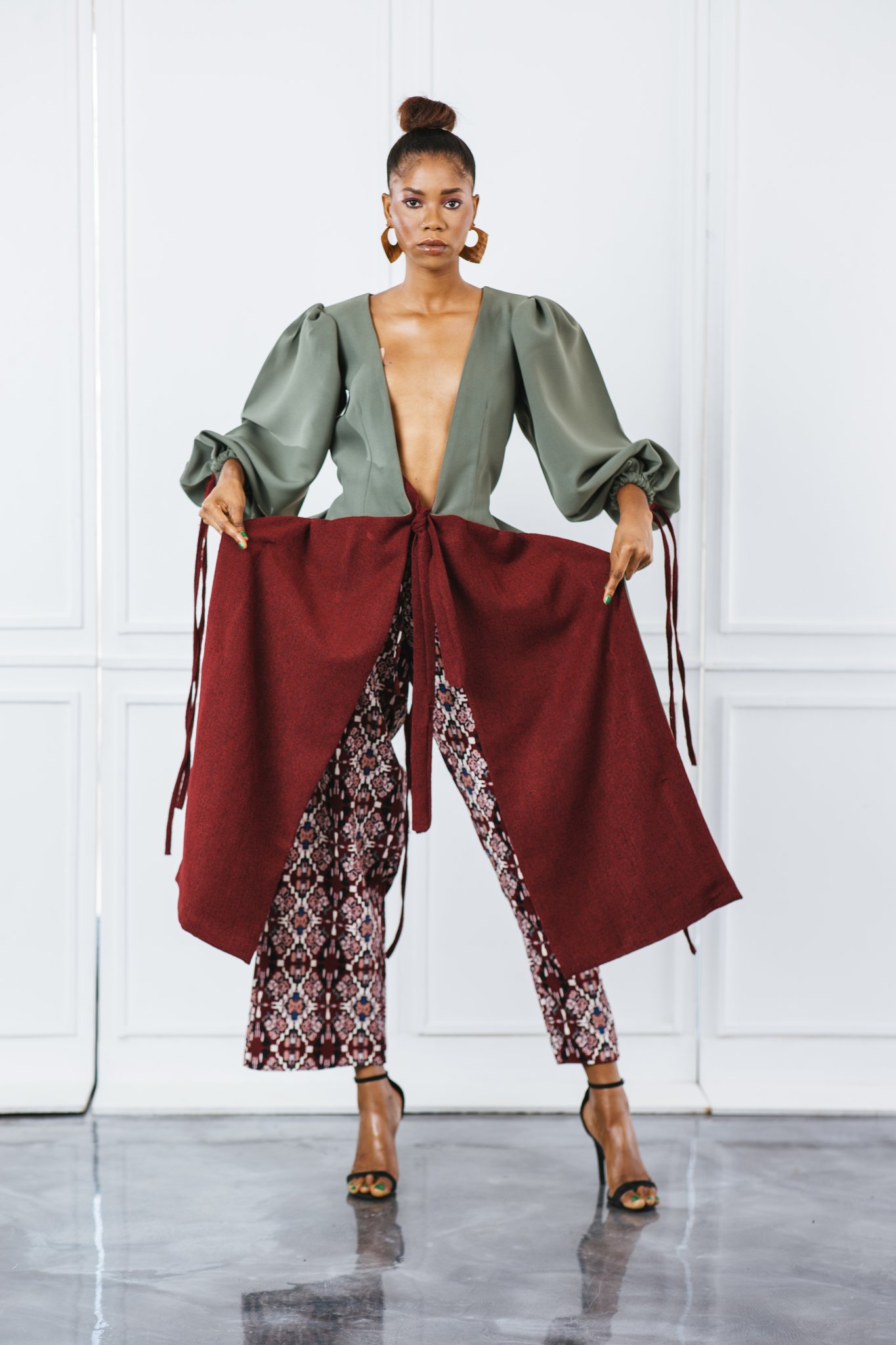
In contemporary Ghanaian menswear designers, Kwaku Bediako of Chocolate Clothing offers a strong counterpoint.
Operating from Accra, Bediako reinterprets traditional smock fabrics and local textiles into refined, modern tailoring that appeals to musicians and public figures.
He also does the same for clients seeking culturally grounded menswear with global appeal.
Ozwald Boateng
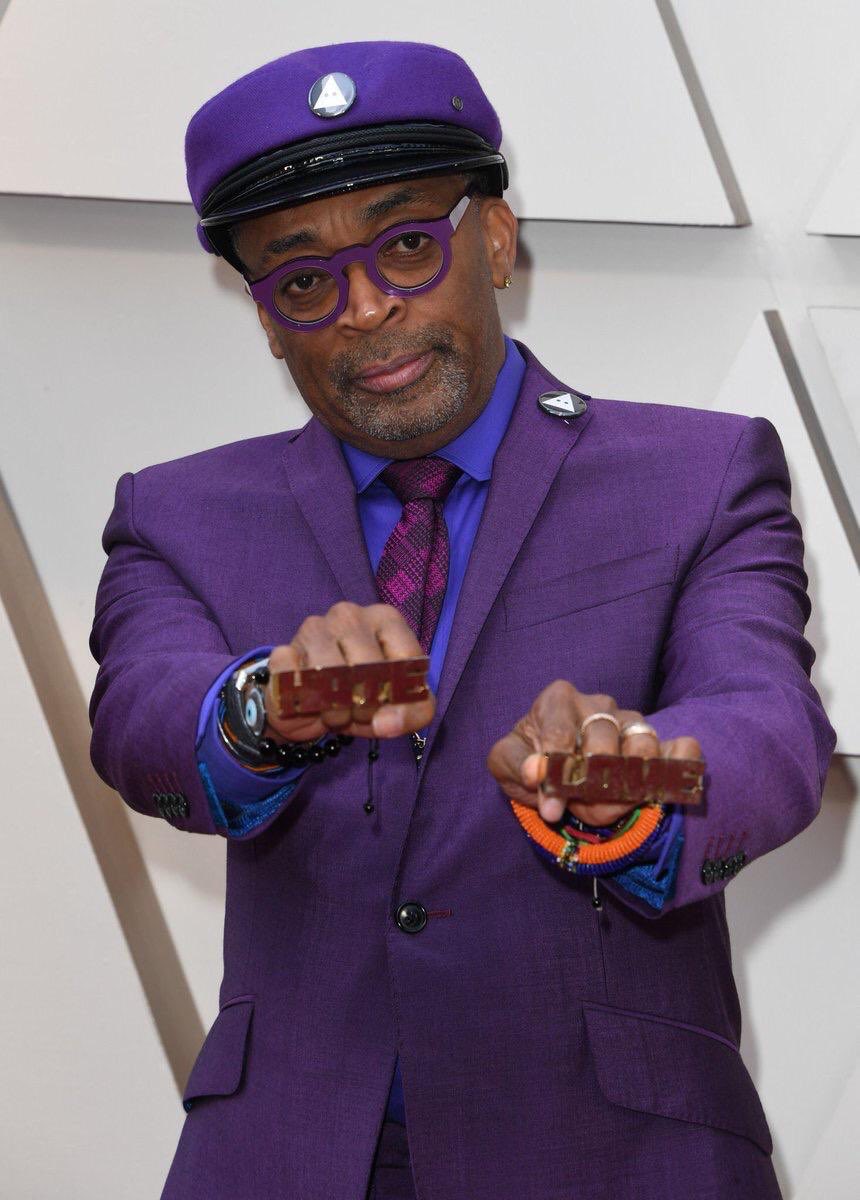
Ozwald Boateng, the British-Ghanaian designer, brings significant global visibility to Ghanaian fashion through his bold tailoring and vibrant use of colour.
He’s known for dressing high-profile clients, including celebrities, at the Met Gala and red-carpet events.
Boateng has long championed African influences in international menswear, helping shape perceptions of Ghanaian and African design on the world’s most prestigious platforms.
Also Read
- KikoRomeo: The Nairobi Brand That Turned Kenyan Craft Into Global Fashion Authority
- Kenneth Ize: The Man Who Made Aso-Oke a Global Conversation
- Jose Hendo Explores the Contemporary Use of Barkcloth in Fashion
The Next Generation and Institutional Builders
A growing cohort of mid-career and emerging Ghanaian designers is actively expanding the industry. They’re integrating heritage techniques with contemporary silhouettes, sustainability principles, and innovative business models.
These Accra-based fashion designers invest heavily in artisan collaboration, local training, and scalable production systems that strengthen Ghana’s fashion ecosystem.
Here are some of the next wave of Ghanaian fashion designers shaping Africa’s global fashion:
Pistis Ghana
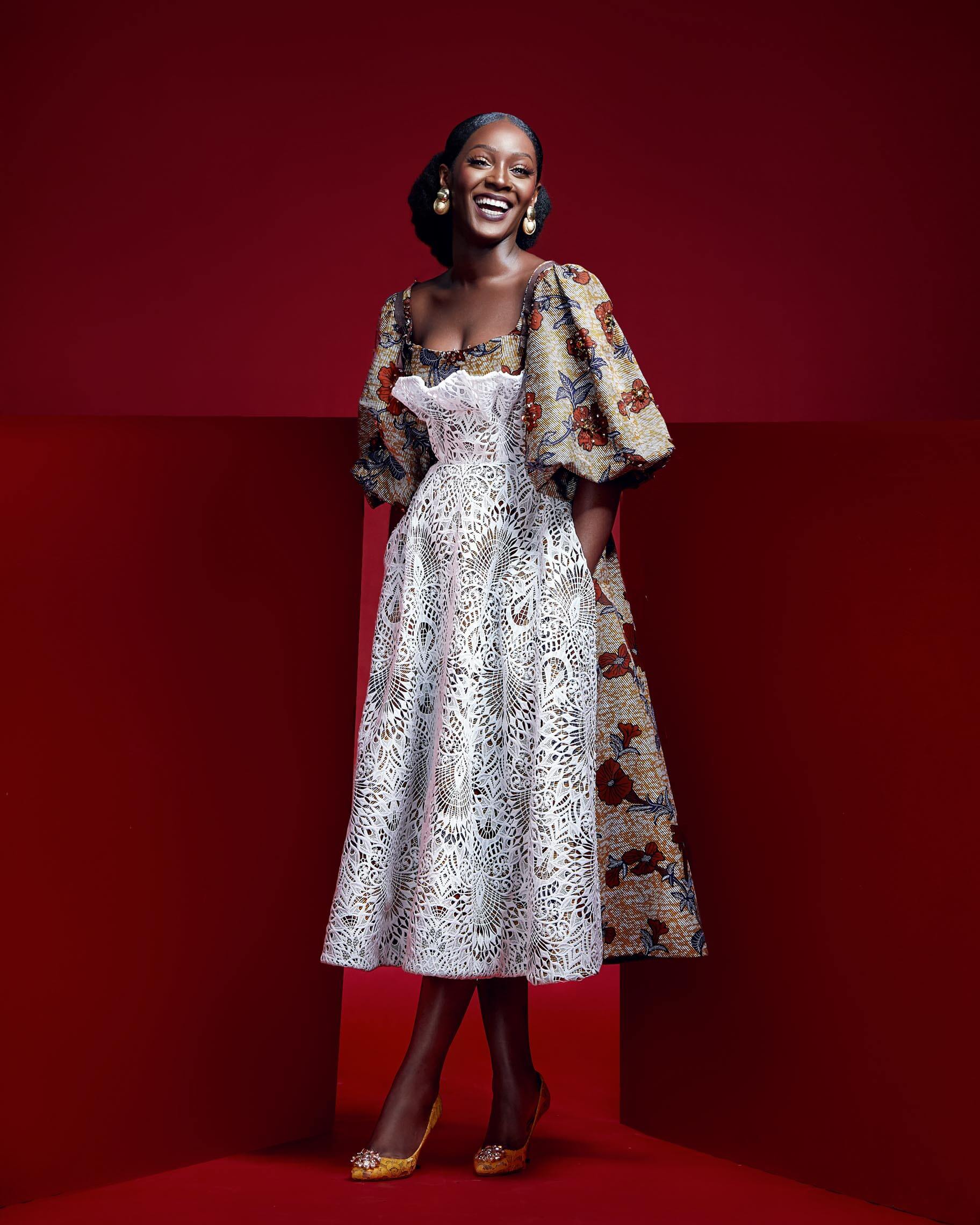
Pistis Ghana, founded by sisters Sumaiya and Abena Mohammed, stands out among emerging Ghanaian fashion designers for its refined minimalism and ethical approach.
The brand skilfully fuses traditional handwoven textiles with clean contemporary lines.
It maintains close partnerships with weavers in northern Ghana and has scaled successfully through both domestic and international retail channels.
Larry Jay
Larry Jay (Larry Jafaru Mohammed) has built a respected unisex brand focused on sustainability and upcycling.
His collections frequently repurpose materials while drawing inspiration from Ghanaian culture, nature, and progressive design.
Through consistent international showcases, he advances environmentally conscious practices within Ghanaian fashion.
Hassan Alfaziz Iddrisu (Hazza)
Hassan Alfaziz Iddrisu, known as Hazza, brings a distinctive voice to contemporary menswear and unisex design.
His label merges traditional smock elements and local tailoring techniques with modern street and formal influences.
Based in Accra, he maintains strong collaborations with artisans and emphasises cultural storytelling through clothing.
Chloe Asaam
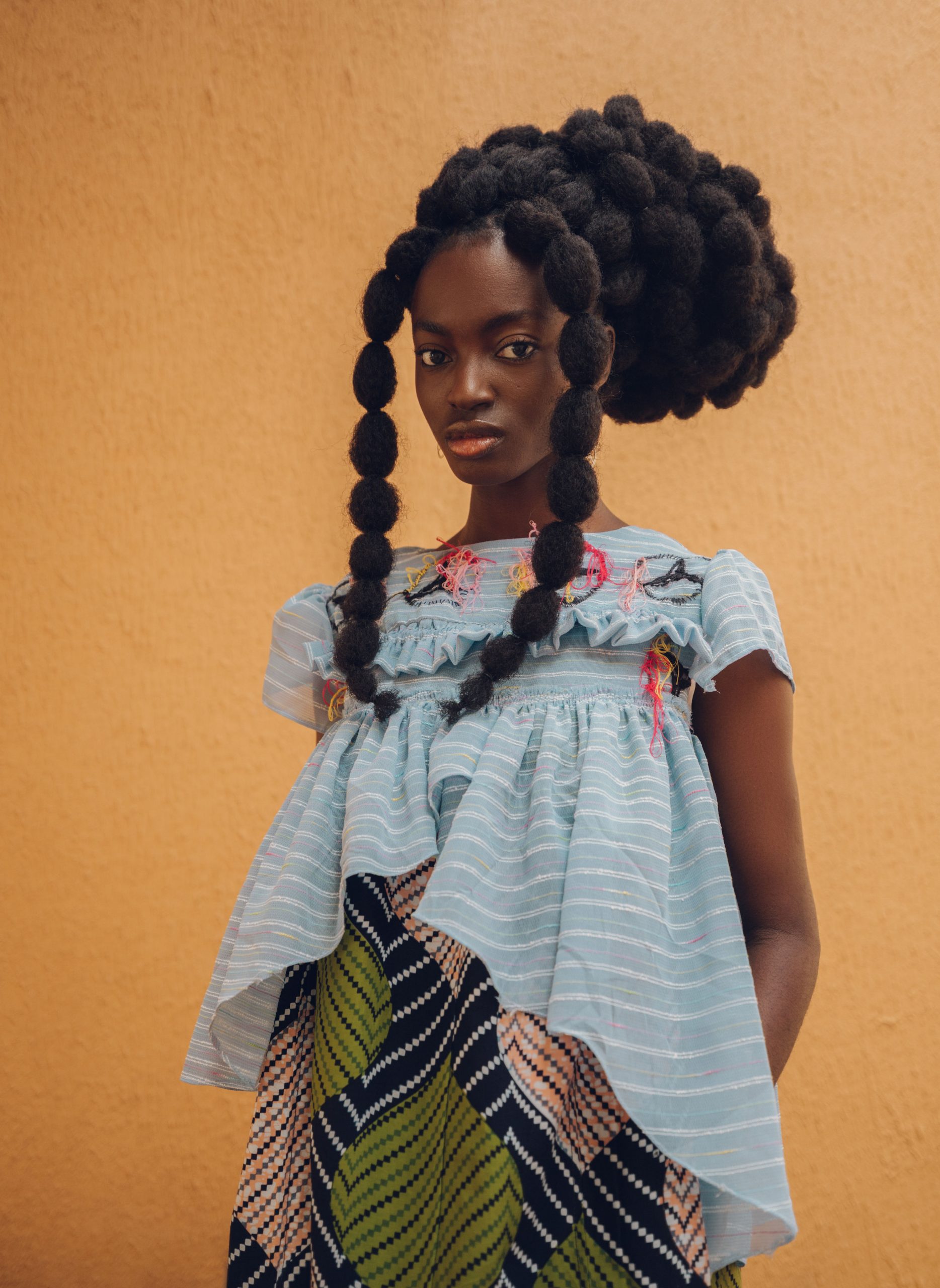
Chloe Asaam represents innovation at the intersection of tradition and technology.
She incorporates Ghanaian cultural symbols and matriarchal heritage into her work. Sometimes, she embeds modern elements such as QR codes that link garments to their stories.
Her approach highlights how emerging Ghanaian fashion designers can push creative and narrative boundaries while remaining rooted in local identity.
The Omiren Argument
Ghanaian fashion designers shaping Africa’s global fashion narrative are not beneficiaries of a rising interest in African creativity. They are active architects of that shift.
While the world long assumed African designers needed Western validation to matter, Ghanaian creatives have built serious institutions. They’ve also built production systems and distinct design languages since the post-independence era.
Designers such as Aisha Ayensu, Duaba Serwa, and Pistis now treat global platforms as extensions of their practice rather than destinations for approval.
This has maintained control over production and narrative from Accra. Furthermore, they use kente, wax print, and smock as core structural materials in contemporary design.
This is done to reverse old flows of influence and reposition Ghana as a producer of global fashion culture.
In conclusion, Ghanaian designers are redefining the hierarchy of fashion by proving that excellence can originate from Accra and radiate outward. That transformation is already underway.
Frequently Asked Questions
-
Who Is the Most Popular Fashion Designer in Ghana?
There is no single officially recorded “first” fashion designer in Ghana. However, Kofi Ansah is widely regarded as one of the country’s pioneering and most influential fashion designers.
-
Who Is the Youngest Fashion Designer in Ghana?
Lulu Stitch, a 13-year-old creative from Kumasi, is widely recognised as one of the youngest individuals making waves in Ghana’s fashion scene.
She first captured public attention through social media, where she showcases her impressive ability to design and sew complex outfits at such a young age.
-
What Is the Most Popular Clothing in Ghana?
In Ghana, the smock (often called Fugu or Batakari) is the most widely worn traditional garment. While the world-famous Kente cloth represents the pinnacle of Ghanaian prestige, the Smock is recognised as the practical national dress for both everyday and formal use.
-
Who Was the First Fashion Designer in Ghana?
Juliana Norteye, operating under the brand Chez Julie, is widely celebrated as Ghana’s first professional fashion designer.
Following the country’s independence, she became a trailblazer by seeking formal education abroad at the École Guerre-Lavigne in Paris.
-
How Much Do Fashion Designers Earn in Ghana?
Fashion designers in Ghana earn different amounts depending on their experience, location, client base, and whether they run their own brand. According to salary data by World Salaries,, the average fashion designer salary in Ghana is around 80,840 Ghanaian cedis per year, which is roughly 6,736 GHS per month