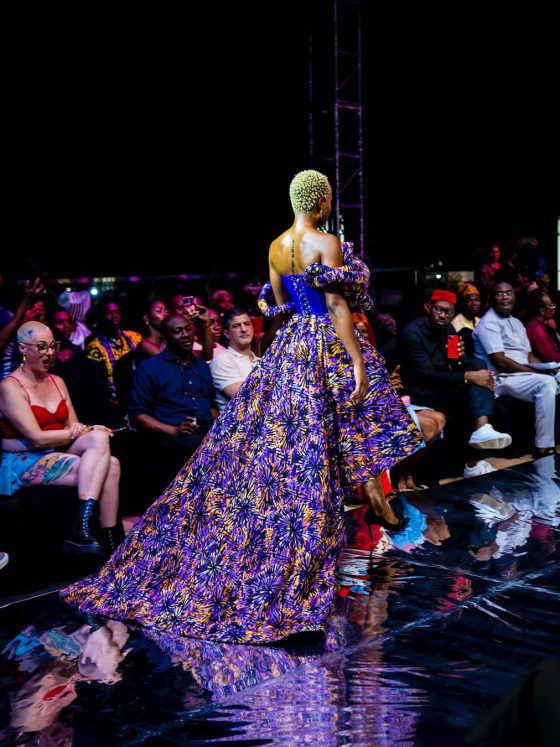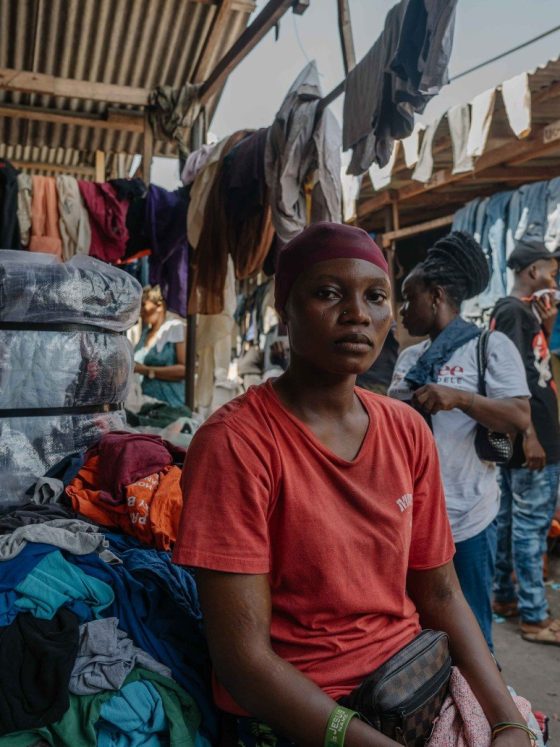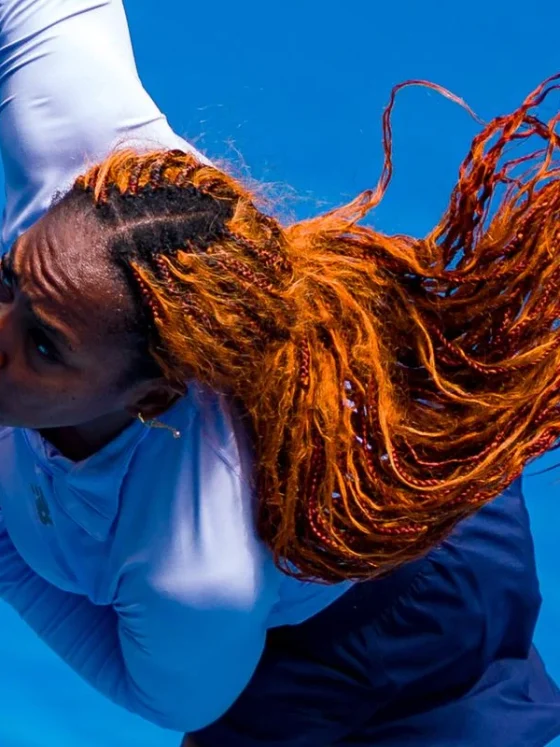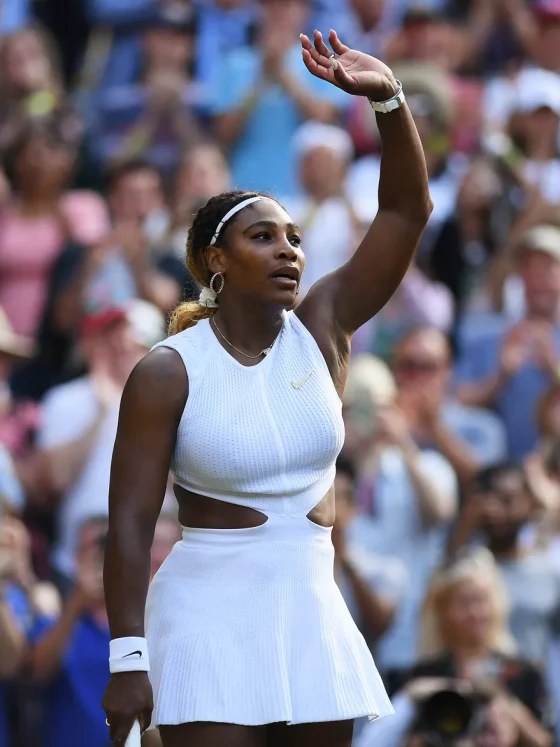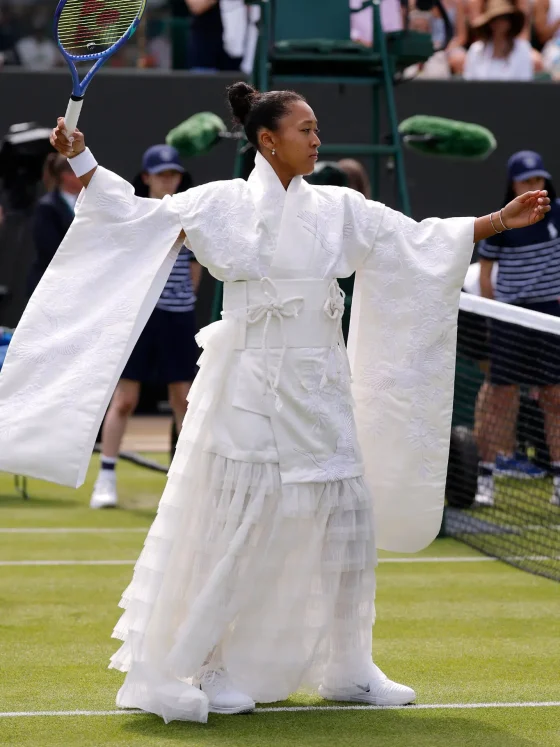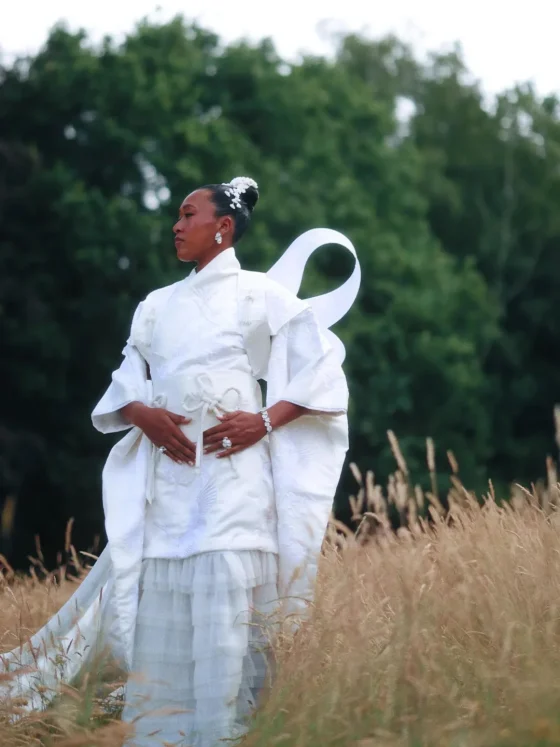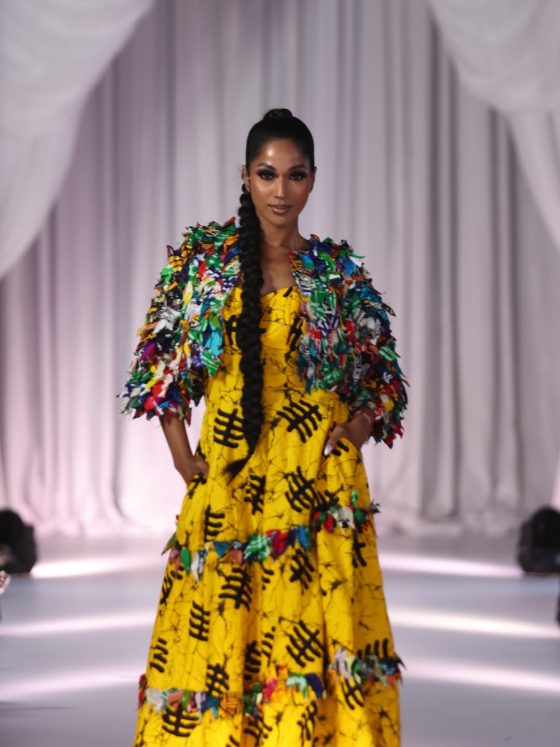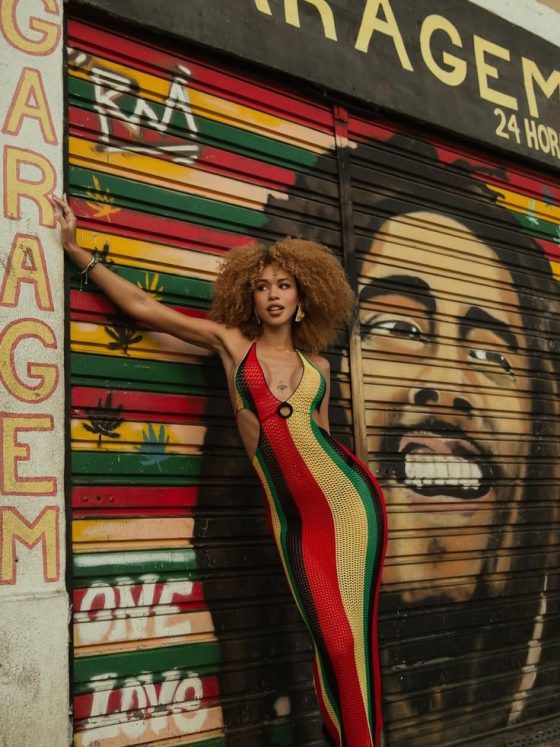
For many second-generation Africans, the garments they wear reflect more than personal taste. They bring together influences from their parents’ heritage and the countries where they grew up. These choices create a style that a single cultural tradition cannot explain. Instead, they reflect the realities of belonging to more than one cultural world simultaneously.
Second-generation African diaspora fashion has emerged as a distinct expression of this cultural position. It is shaped as much by reinterpretation as by inheritance. Like a spoken accent, clothing can reveal the different places, cultures, and experiences that shape a person’s identity. In second-generation African diaspora fashion, these influences often appear within the same outfit rather than in separate wardrobes.
Discover how second-generation African diaspora fashion blends heritage and contemporary style to create a new language of dress across cultures. From Kai Collective to Christie Brown, the accent is in the clothes.
How Second-Generation African Diaspora Fashion Reflects Multiple Identities
Who What Wear’s ‘Best Wardrobes in Britain’ series profiles influential UK style figures across fashion, music, and media. It is one of the British fashion media’s most visible platforms for understanding how style is actually practised rather than prescribed. Three of its recent profiles, those of Fisayo Longe, Julie Adenuga, and Nana Acheampong, offer some of the clearest documented accounts of how second-generation African diaspora fashion works in everyday life: not as a special occasion code, but as a daily practice of dressing with more than one cultural accent at once.
Fisayo Longe: Nigerian Colour and London Experimentation
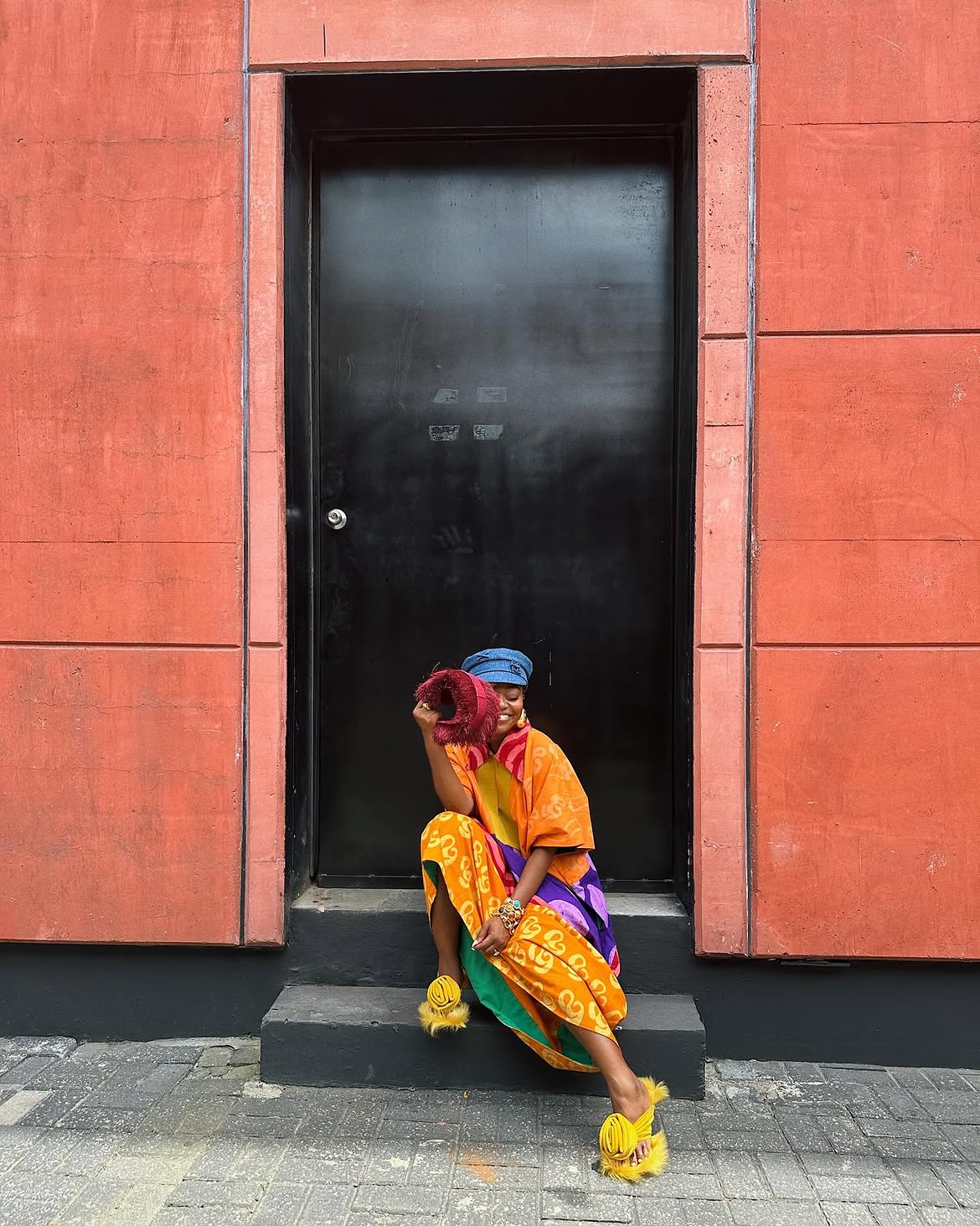
For London-based Nigerian entrepreneur and Kai Collective founder Fisayo Longe, dressing across cultures developed naturally after moving from Nigeria to Britain at sixteen. Growing up in Nigeria immersed her in bold colours, vibrant prints, and richly textured fabrics. Living in London later introduced her to leather, boots, and layered dressing, encouraging a more experimental approach to styling.
That blend is visible in one of her signature looks: a printed Kai Collective co-ord paired with & Other Stories sunglasses and Mach & Mach heels. The coordinated set reflects the Nigerian-inspired prints that have become central to her brand’s identity, while the European accessories ground the outfit in the realities of everyday dressing in London. Rather than presenting Nigerian and British influences as opposing styles, Longe combines them without forcing either to dominate. Her wardrobe demonstrates how cultural references can coexist within a single outfit, creating a personal style shaped by both heritage and lived experience.
Julie Adenuga: Family History in an Everyday Wardrobe
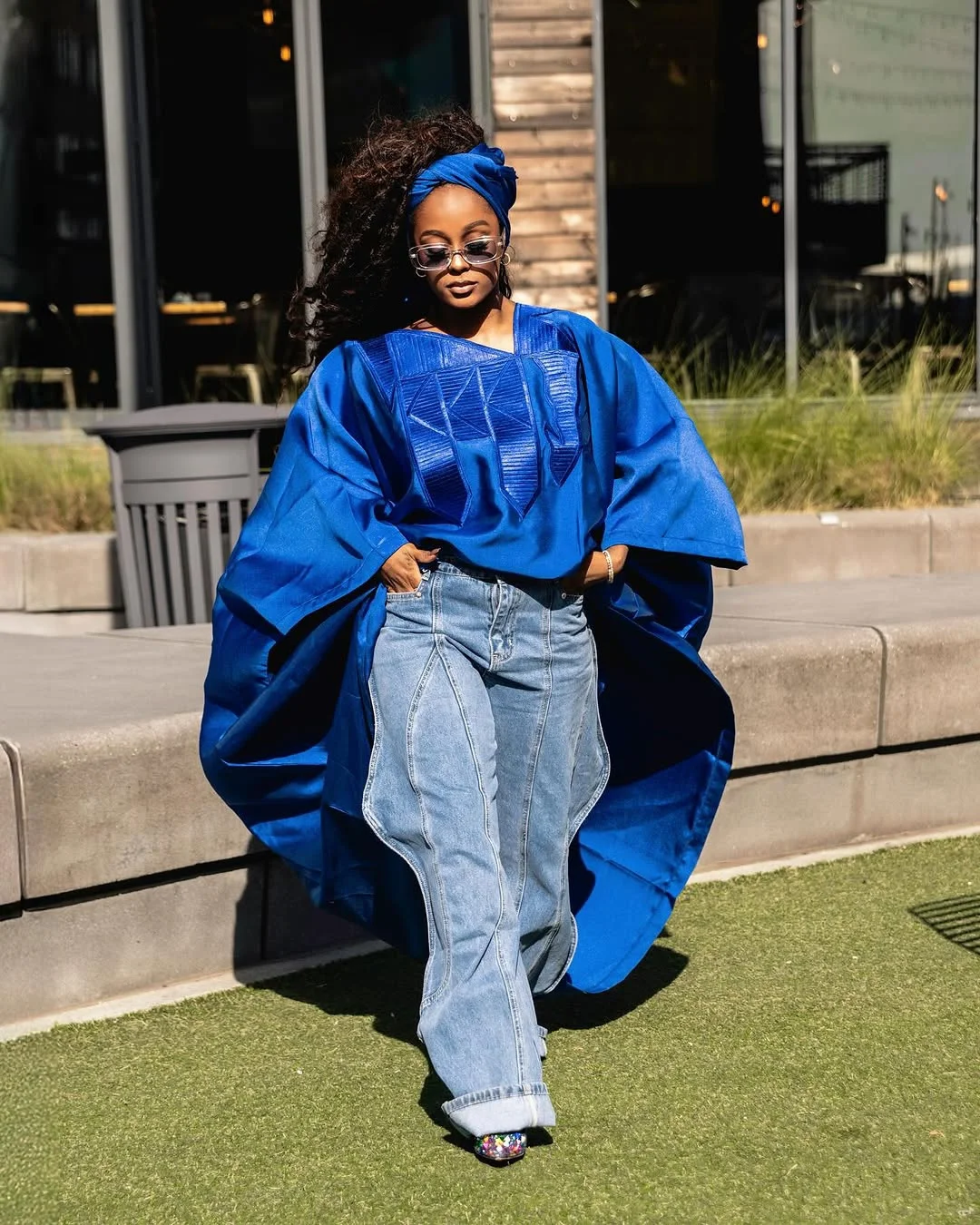
For broadcaster Julie Adenuga, clothing also reflects multiple cultural influences. Growing up in London, she wore traditional Nigerian clothing for family celebrations and later developed a love for Black British streetwear, oversized tailoring, and trainers. Today, her wardrobe moves comfortably between Nike, Burberry, and Daily Paper, while still including African-print garments that connect her to her family’s heritage.
The contrast is not between traditional and modern fashion. The outfit speaks with more than one cultural accent. Heritage remains visible without defining every aspect of personal style.
Nana Acheampong: Ghanaian Heritage in Contemporary Wardrobe Practice
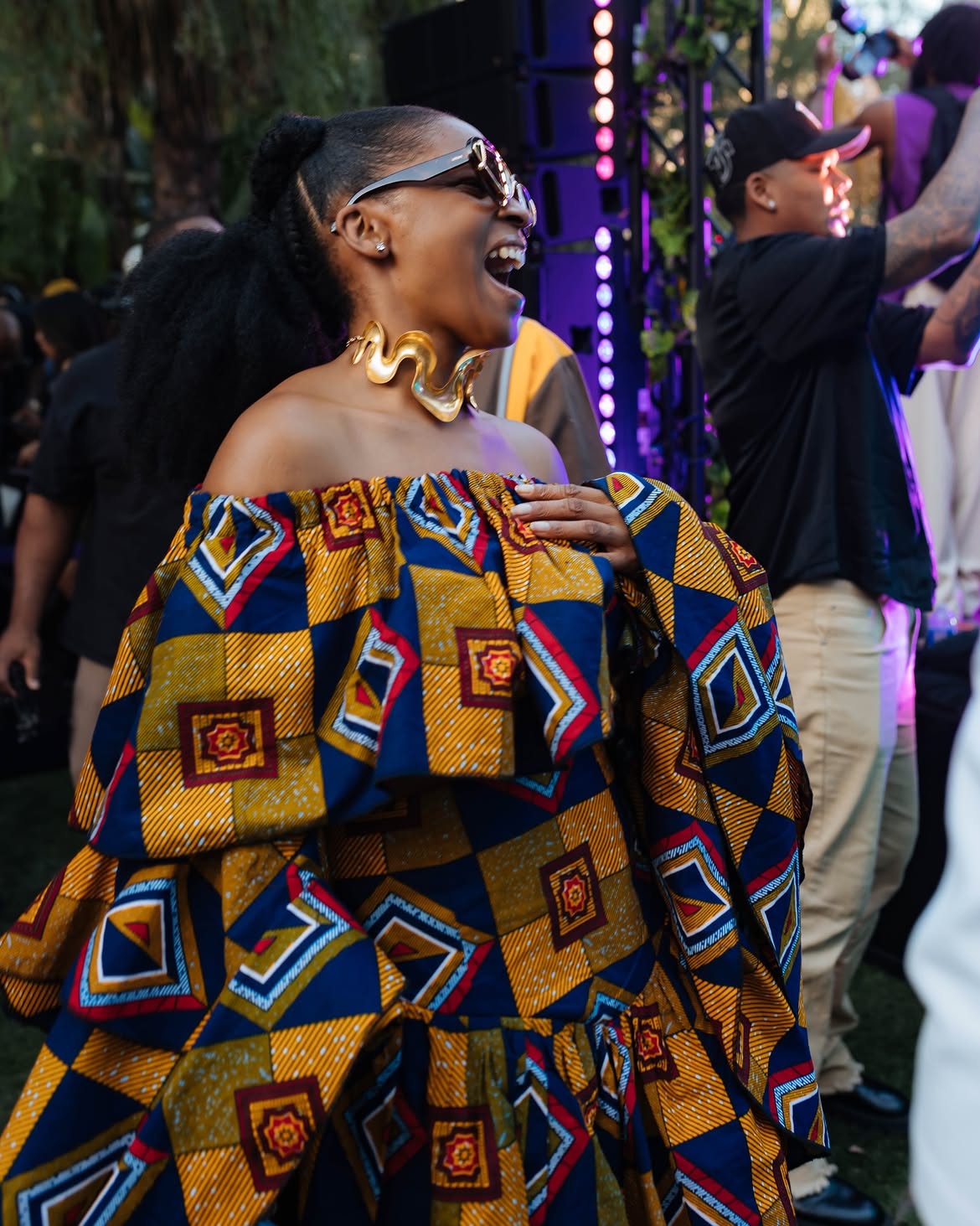
Fashion editor and stylist Nana Acheampong has spoken openly about how her Ghanaian upbringing influences the way she dresses, crediting her heritage with shaping her love of vibrant colours, bold prints, and expressive fashion. Her wardrobe includes African fashion brands such as Christie Brown, Vicnate, Hanifa, and Ndigo Studio, as well as international labels such as H&M Studio, River Island, Zara, and Oscar de la Renta. Rather than limiting African fashion to cultural occasions, her wardrobe shows how heritage can remain part of everyday dressing while embracing global fashion influences.
Across these three wardrobes, the garments differ, but the principle remains consistent. None of these creatives treats African and international fashion as separate identities that must be worn at different times. Instead, they combine both to reflect lives shaped by movement, family, and place. Second-generation African style is less about mixing clothes than about expressing belonging through what those clothes communicate.
The accent lies not in individual garments but in the meanings created through lived experience across cultures.
ALSO READ
- Two Generations, One Fabric, Two Different Meanings
- Second-Generation African Designers Are Not Borrowing From Heritage. They Are Translating It.
- Soft Power Dressing: African Women Turning Wardrobes Into Strategy
Why Second-Generation African Diaspora Fashion Is Creating a New Visual Language
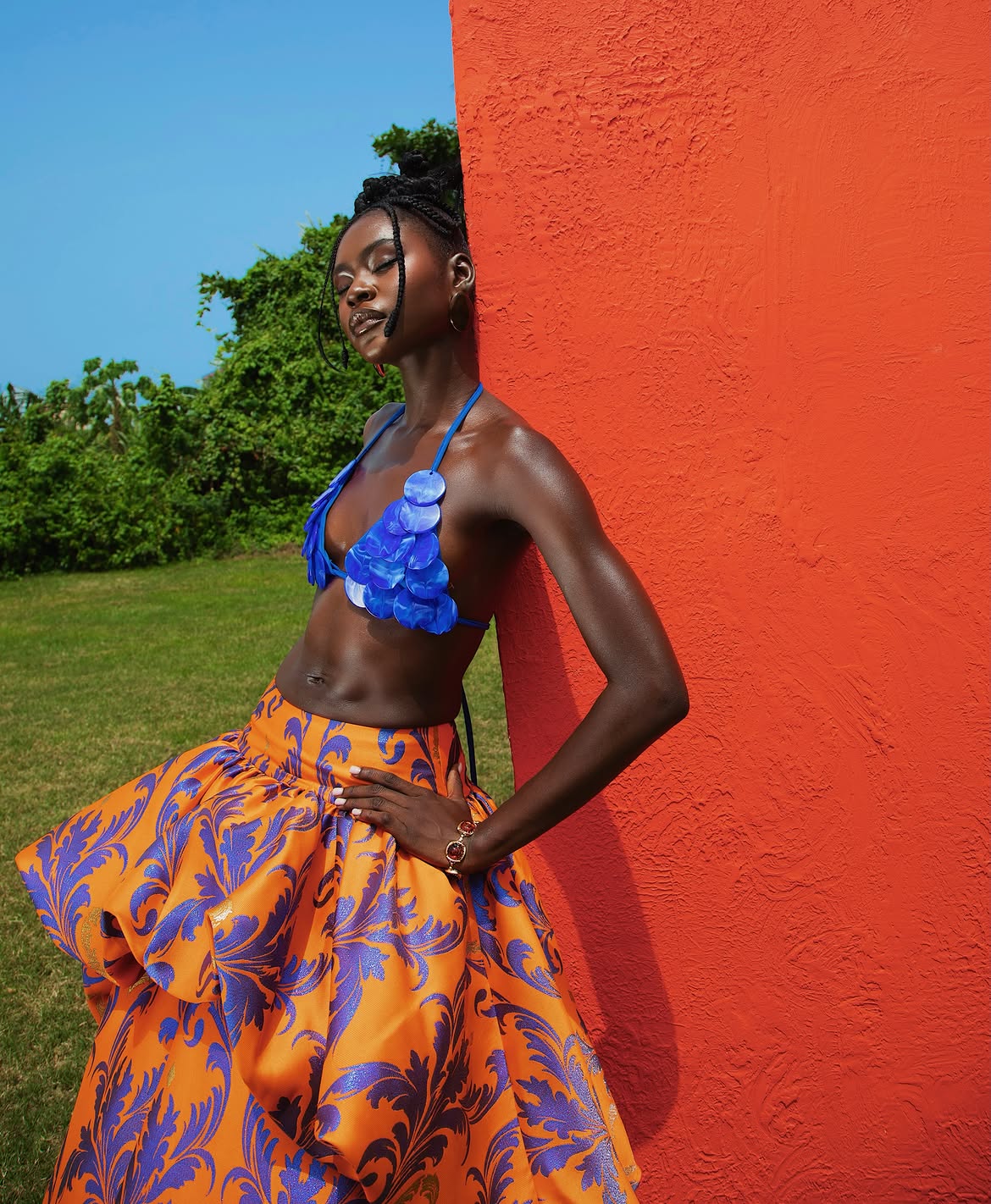
For much of the twentieth century, African fashion was often understood through geography: garments associated with countries, ethnic groups, or specific cultural traditions, their meanings contained within those borders. Second-generation Africans complicate that framework because many have inherited those traditions without growing up exclusively within them. As Omiren Styles has documented in the analysis of how second-generation designers translate rather than merely preserve inherited culture, the key distinction is between inheritance as archive and inheritance as active creative practice. The wardrobes of Longe, Adenuga, and Acheampong are practising the second.
Their clothing shows that African fashion is no longer defined only by where someone lives, but also by how heritage continues through migration. As designers, stylists, and creatives reinterpret inherited aesthetics in new social and cultural contexts, they expand what African fashion can include without disconnecting it from its origins. In this sense, second-generation African diaspora fashion is creating a new visual language. It is not replacing traditional dress or claiming authenticity through geography. Instead, it demonstrates that cultural identity can continue to evolve while remaining recognisably African.
This also connects to the broader economic and cultural infrastructure that makes this fashion legible and visible. As Omiren Styles has argued in the analysis of how African consumers are teaching diaspora brands what the market actually requires, the second-generation wardrobe is not only a personal statement. It is part of a market relationship: these are the consumers who buy Christie Brown alongside Zara, who put Hanifa on Instagram alongside Nike, who expand the definition of what the African fashion market includes and who it serves.
What This Means for African Fashion
African fashion is often judged against an imagined standard of authenticity, where proximity to the continent is treated as the measure of legitimacy. That standard no longer reflects how culture develops.
The wardrobes explored in this article suggest that second-generation Africans are not borrowing from African fashion or preserving it unchanged. They are participating in its continued development. Treating their interpretations as less authentic ignores the reality that fashion, like language, has always evolved through movement, exchange, and adaptation. A spoken accent is not a failure to speak properly. It is evidence of a life lived in more than one place. The same is true of a wardrobe that carries more than one cultural grammar.
Recognising second-generation African diaspora fashion requires a broader understanding of who gets to shape African fashion itself. The conversation should move beyond asking whether diaspora expressions are African enough and instead consider how they contribute to the tradition’s ongoing evolution. A fashion culture that spans continents cannot be defined by geography alone.
ALSO READ
- African Consumers Are Teaching Diaspora Brands How to Sell Back to the Continent
- The Diaspora Did Not Preserve African Style. It Redesigned It.
- How African Identity Is Styled Differently Across Continents
Frequently Asked Questions (FAQs)
What is second-generation African diaspora fashion?
Second-generation African diaspora fashion refers to the clothing choices of people born or largely raised outside Africa by African parents. It often combines cultural influences from their family’s heritage with the fashion of the countries where they have grown up. Rather than treating these as opposing influences, second-generation diaspora dressing typically holds both simultaneously, creating a personal style that carries more than one cultural accent at once.
How is second-generation African style different from first-generation African style?
While individuals dress differently, first-generation migrants may be more likely to preserve clothing traditions from their home countries, wearing them as a continuation of familiar cultural practices. Second-generation African style often reinterprets those traditions by combining them with contemporary fashion and local cultural influences, producing wardrobes that move fluidly between African prints and designers, international streetwear, and European tailoring, sometimes within the same outfit.
Which African fashion brands are popular among the diaspora?
Several African fashion brands have gained strong followings within diaspora communities. Kai Collective, founded by Fisayo Longe, is one of the most visible London-based examples. Other brands with significant diaspora audiences include Hanifa, known for its viral digital fashion presentations; Christie Brown, the Accra-based luxury label founded by Aisha Ayensu; Vicnate and Ndigo Studio, both championed by diaspora stylists and fashion editors, including Nana Acheampong. These brands are frequently styled alongside international labels as part of everyday wardrobes rather than reserved for cultural occasions.
Is African diaspora fashion only worn for cultural occasions?
No. Many second-generation Africans wear African-inspired clothing as part of their everyday style. The wardrobes of Fisayo Longe, Julie Adenuga, and Nana Acheampong all demonstrate African prints, contemporary African designers, and international brands being combined for work, social events, and daily life. Heritage remains visible without being confined to ceremony.
How do second-generation Africans mix African fashion brands with international labels?
Typically by treating heritage pieces as part of a continuous wardrobe rather than as a separate register of dress. Fisayo Longe pairs Kai Collective printed co-ords with European accessories and shoes. Julie Adenuga combines African print garments with Nike, Burberry, and Daily Paper. Nana Acheampong wears Christie Brown and Hanifa alongside Oscar de la Renta and H&M Studio. In each case the African brand is not the cultural statement and the international brand the everyday choice. Both are part of the same daily wardrobe, holding more than one accent simultaneously.
Why is second-generation African diaspora fashion important?
Because it demonstrates that African fashion is a living tradition that evolves through movement, exchange, and adaptation rather than remaining fixed to geography. Second-generation Africans are participants in African fashion’s continued development, not peripheral borrowers. Their wardrobes expand who African fashion includes and who it serves, contributing to the tradition’s ongoing evolution in ways that matter both culturally and commercially. As African fashion brands build diaspora audiences, and as those audiences shape what African fashion looks and means, the second-generation wardrobe becomes one of the most important sites of that development.