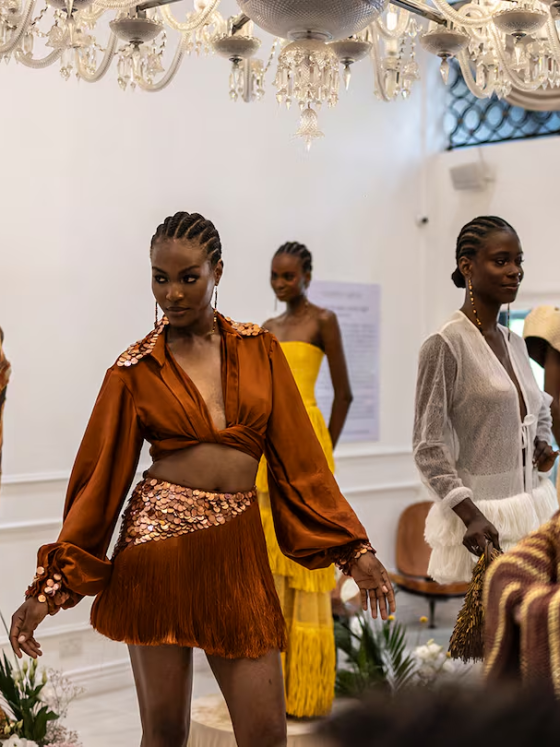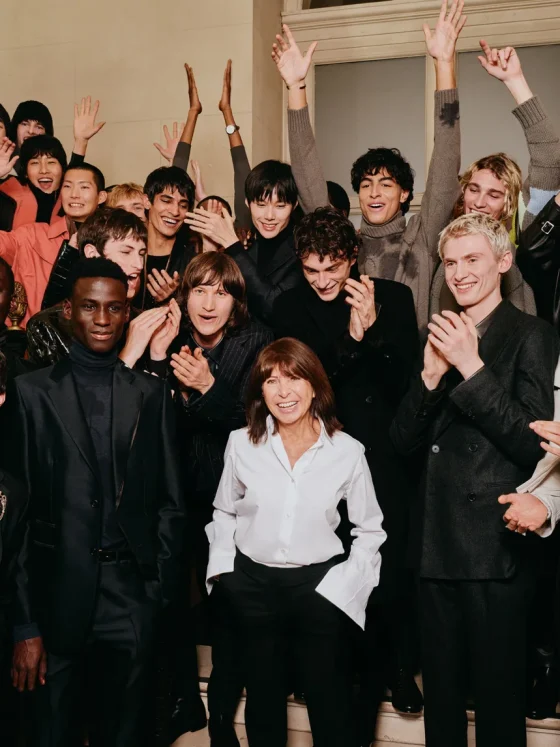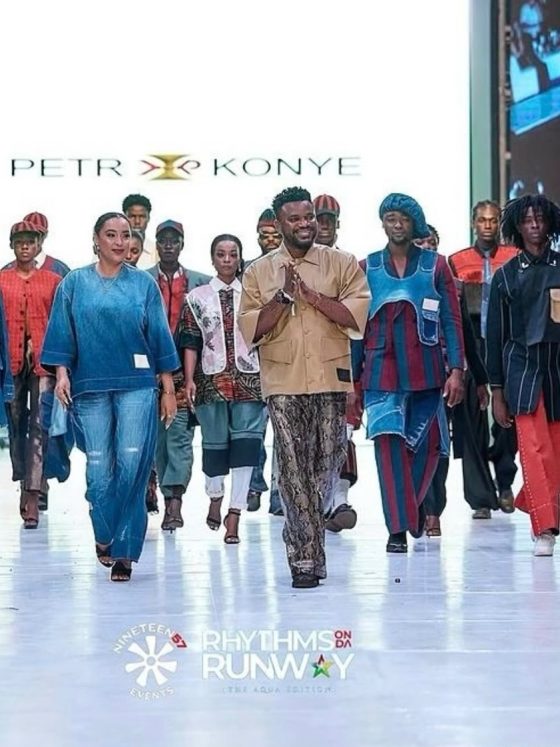
In June 2023, the ninth edition of the Liputa Fashion Show in Goma brought together designers and artists from across Central, West, and East Africa, as well as from France and the United States. One of the Central African Republic’s representatives was Milca Ketura Kimoto, a Bangui-based styliste-modéliste, who showed her work on an international stage alongside designers from two of the world’s most established fashion markets.
Kimoto was not discovered at Liputa. She attended as a professional with an existing regional presence. The following year, she hosted the second edition of Bangui Fashion Week, which ran from 16 to 22 December 2024 and drew designers from multiple countries. None of this activity received coverage from any international fashion publication.
Milca Ketura Kimoto is not telling a story of survival. She is writing the business case for Central African fashion, one runway at a time, and she is not waiting for the industry to notice before she proceeds.
Milca Ketura Kimoto is not building a symbol. She is writing the business case for Central African fashion, one runway, one edition, one market connection at a time.
Styliste, Modéliste, Founder: The Professional Record
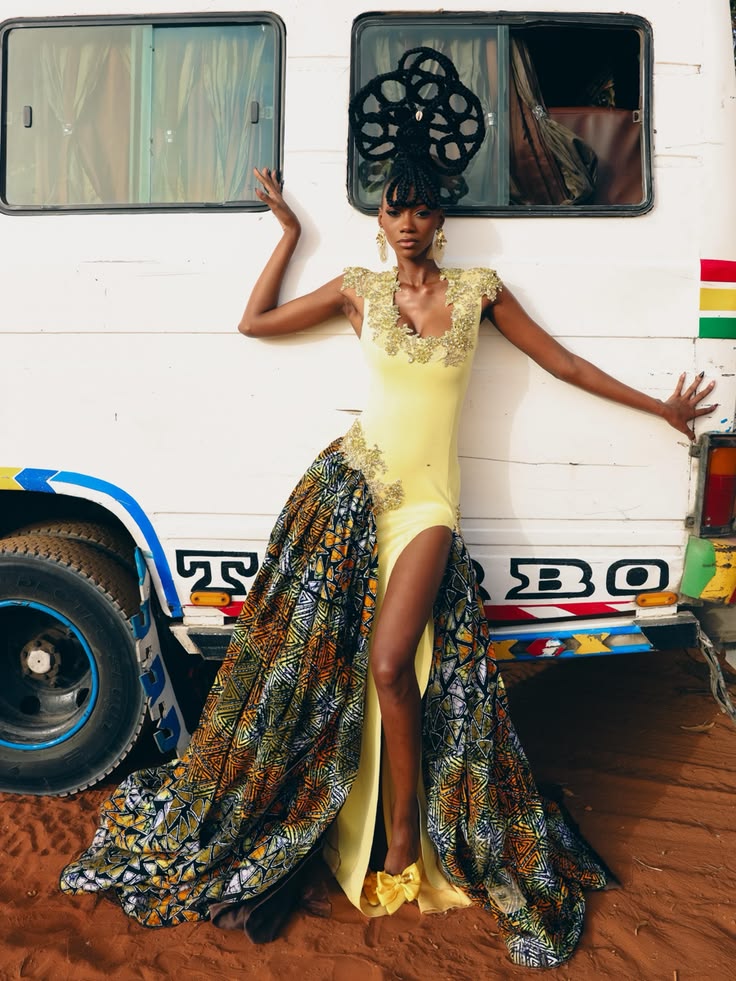
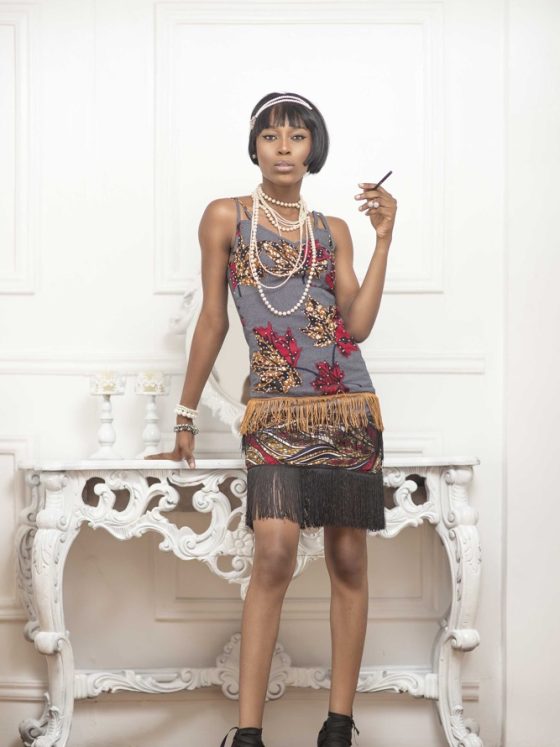
The title styliste-modéliste designates someone who both designs garments and constructs the technical patterns from which they are made. It is a combined creative and technical qualification. Kimoto does not separate design from construction. She holds both functions, which is standard practice for independent designers operating in markets where production infrastructure is distributed rather than centralised. As a fashion designer in the Central African Republic, she works in an ecosystem where the same practitioner often must serve in a creative, technical, and entrepreneurial role at once.
She founded Bangui Fashion Week in 2022 to put fashion on the map in Bangui. The second edition ran from 16 to 22 December 2024 with an explicit mandate to promote CAR arts and culture for international market access and to contribute to national economic diversification. The second edition brought in designers from other countries, confirming the event’s international dimension. Two editions in three years, with a formal mandate and expanding participation, is a fashion week in its second phase of institutional development.
Her regional circuit activity is equally significant. The Liputa Fashion Show in Goma is an established Central and East African fashion event. Kimoto’s inclusion alongside designers from France and the United States reflects the standing she had already built before any external attention arrived. Regional circuits across Africa connect designers at a scale that serves their actual markets. Kimoto operates within that network, not toward it.
What It Means to Build Infrastructure in a 15% Connectivity Market
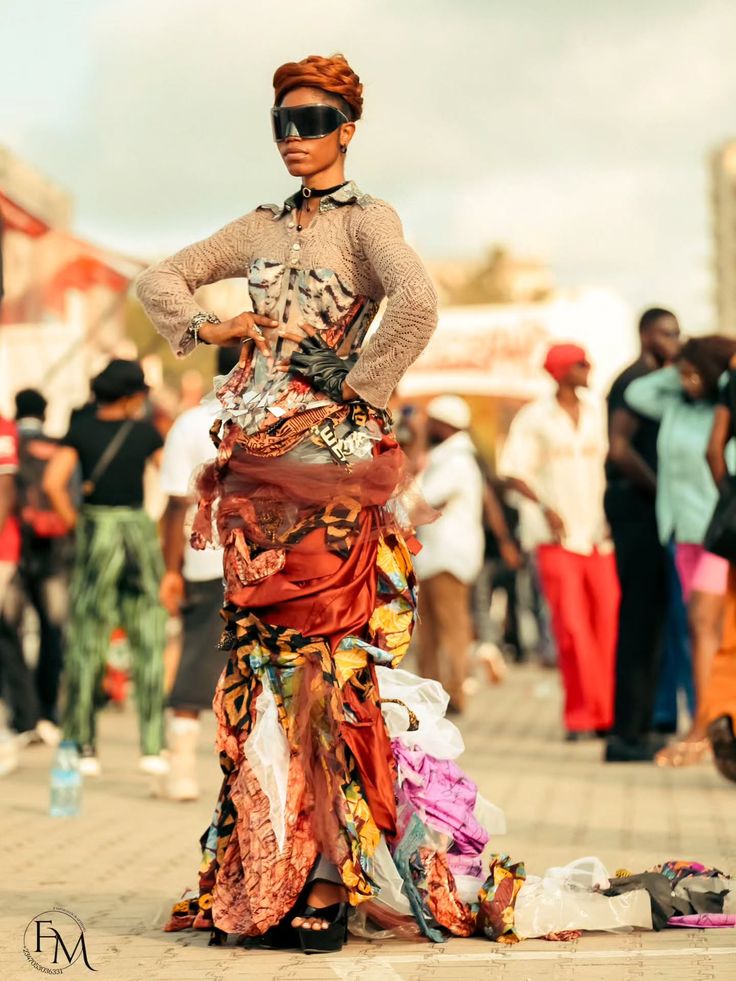
In 2025, 15% of the Central African Republic’s population had internet access. More than 800,000 connected users were active in a country with 5.51 million people. The fashion sector’s primary infrastructure for training, visibility, and market access is social media. The UNESCO report on the African fashion sector documents that e-commerce penetration across Africa more than doubled between 2017 and 2021, from 13% to 28%. The industry is describing this shift as forward-thinking. CAR fashion practitioners were already working this way before it had a name, because their market required it. Kimoto’s operational competence in this area is not a response to global trends. It is before them.
The pattern is not unique to the CAR. Across Central Africa, fashion industries in comparable markets share the same structural constraints and the same digital-first adaptive logic. The Future of Fashion in Liberia documents how diaspora networks and social media infrastructure have become the primary commercial pathways for fashion practitioners in small-market economies. Kimoto’s model is a precise instance of this pattern.
Over 80% of the African fashion sector’s workforce is women, according to statistics from the African Fashion Industry. Africa’s annual textile, clothing, and footwear exports total US$15.5 billion, according to UNESCO. The CAR’s domestic tailoring economy is part of the ecosystem that produces those numbers. Bangui Fashion Week is the institutional event that gives that ecosystem a public face, a professional platform, and an access point to regional and international markets.
ALSO READ
→ The Future of Fashion in Liberia: Diaspora, Culture, and Innovation
→ Street Style in Bamako: Where Tradition Meets Modern Expression
→ The Future of Fashion in Togo: Creativity and Cultural Preservation
The Business Case She Is Building
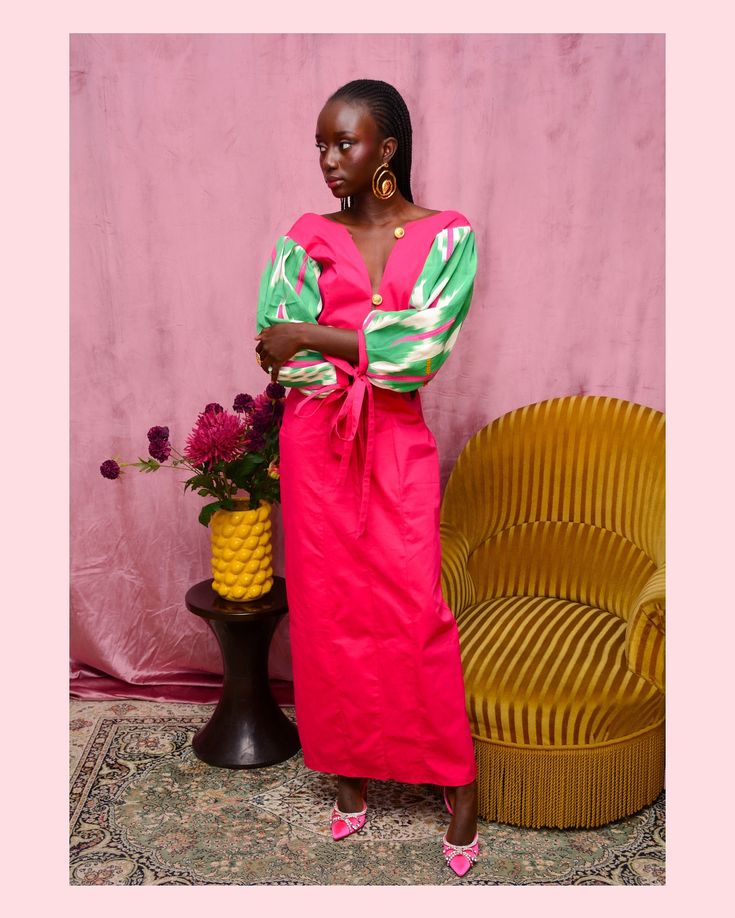
Fashion media often describes work like Kimoto’s as inspiring when it happens in countries outside the industry’s editorial attention. The word does a specific kind of work: it positions the activity as remarkable relative to expectations, rather than describing it on its own terms. Kimoto is not building something remarkable despite her context. She is executing a strategy suited to her market, her resource base, and her professional goals.
Bangui had an estimated population of just over 800,000 in the 2021 census. It is a small domestic market by the standards of Lagos or Nairobi. Still, it has an established tailoring economy, a growing digital user base, and a runway event that now draws international participants. Across the continent, street style movements in cities like Bamako demonstrate how fashion practice in smaller, less-covered African cities operates with its own integrity and creative logic. Kimoto’s decision to build Bangui Fashion Week was a market decision: the domestic platform is the precondition for regional visibility, which is the precondition for international presence.
The African fashion market is valued at over US$31 billion. UNESCO projects a 42% increase in demand for African haute couture over the next ten years. Bangui Fashion Week is not a claim on those numbers today. It is the infrastructure that enables future participation in them. For context on how this kind of infrastructure-building unfolds, the trajectory of fashion in Togo offers a direct parallel: small-market creative economies that build institutional presence before international recognition arrives. That is what industry-building looks like when it happens in a market the industry has not yet decided to serve.
One runway at a time. Milca Ketura Kimoto is building what comes next.
“Milca Ketura Kimoto is not telling a story of survival. She is writing the business case for Central African fashion, one runway at a time, and she is not waiting for the industry to notice before she proceeds.
Frequently Asked Questions
Who is Milca Ketura Kimoto?
Milca Ketura Kimoto is a Bangui-based styliste-modéliste, a fashion designer from the Central African Republic, and the founding CEO of Bangui Fashion Week. She showcased her work at the ninth edition of the Liputa Fashion Show in Goma, DRC, in June 2023, alongside designers from nine countries, including France and the United States. She launched Bangui Fashion Week in 2022 and held the second edition in December 2024.
What is Milca Ketura Kimoto known for?
Kimoto is known as the founder and director of Bangui Fashion Week, the Central African Republic’s flagship fashion industry event, and as a practising styliste-modéliste with a regional circuit presence across Central and East Africa. She has shown work at multi-country events in the DRC and represents the CAR’s fashion sector in international contexts.
How many editions of Bangui Fashion Week have taken place?
Two confirmed editions: the inaugural edition in 2022 and the second edition from 16 to 22 December 2024. The second edition drew designers from other countries and had an explicit mandate to promote international markets and diversify the national economy in the Central African Republic’s fashion industry.
Has Milca Ketura Kimoto shown internationally?
Yes. In June 2023, she showed at the ninth edition of the Liputa Fashion Show in Goma, DRC, alongside designers from the DRC, Cameroon, Senegal, Burundi, France, and the United States. This represents an established regional presence, not a debut.
What is the commercial purpose of Bangui Fashion Week?
The second edition’s stated mandate was to promote CAR arts and culture in international markets and contribute to national economic diversification. Bangui Fashion Week functions as a domestic professional platform for CAR designers, a market-access event for the country’s creative sector, and an institutional anchor for the Central African fashion sector Kimoto is building.
Explore more from our Industry section, where we report on the operators building African fashion on their own terms.