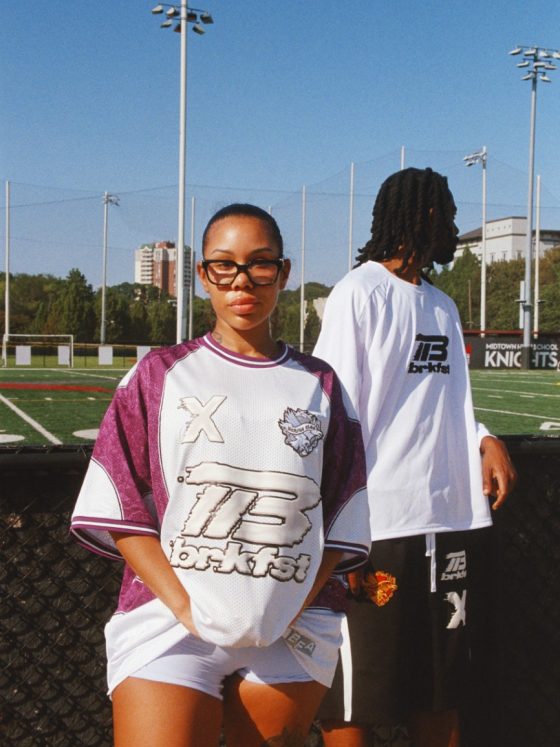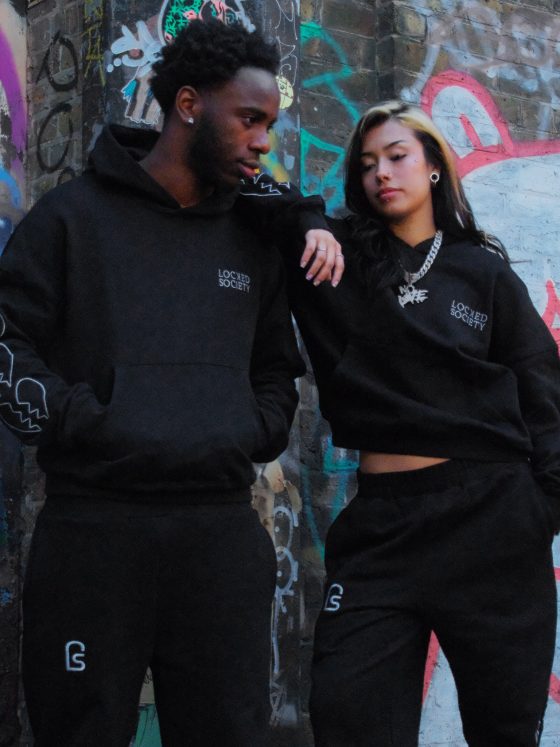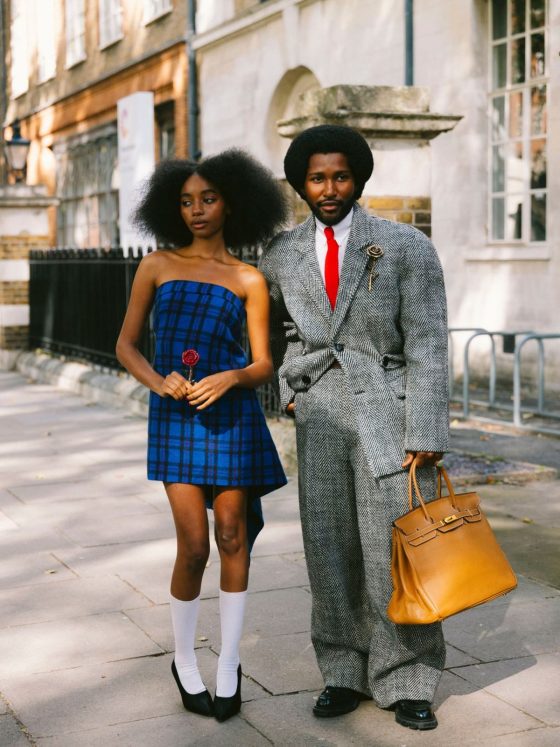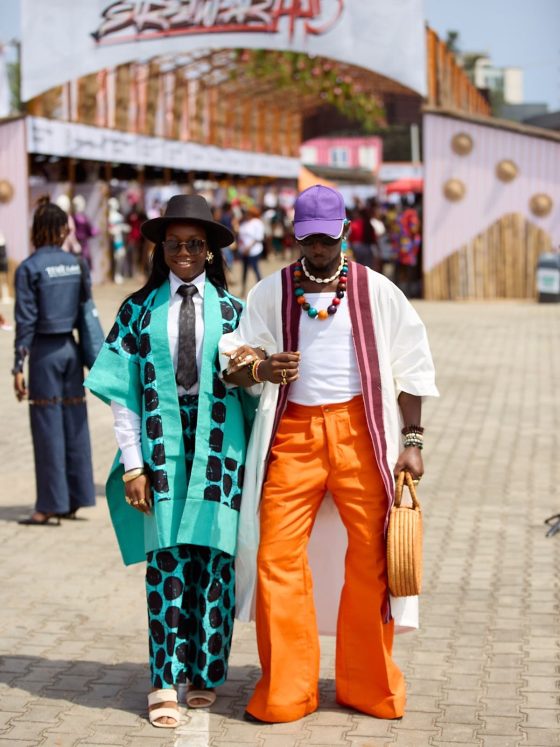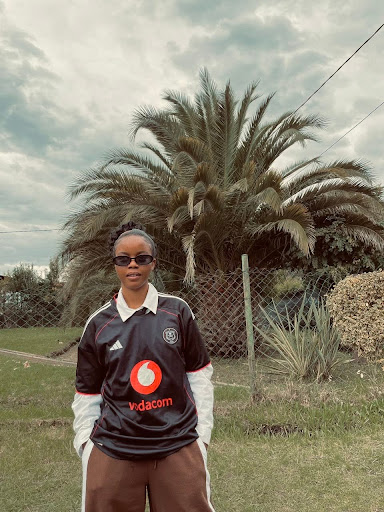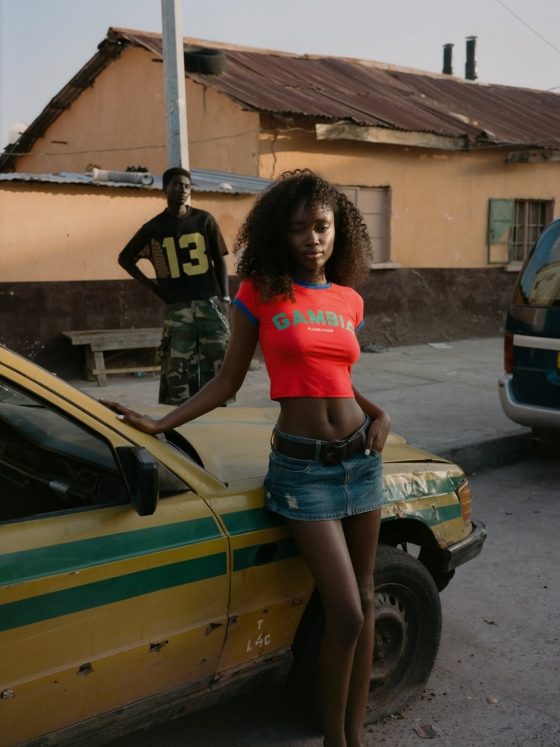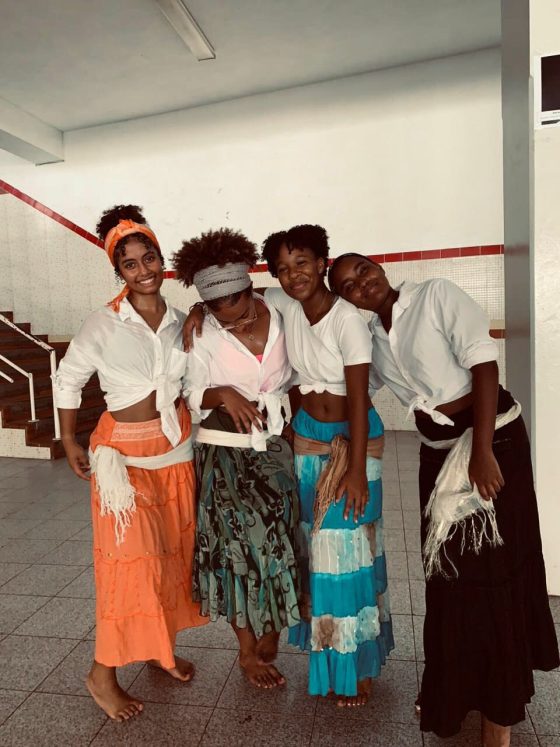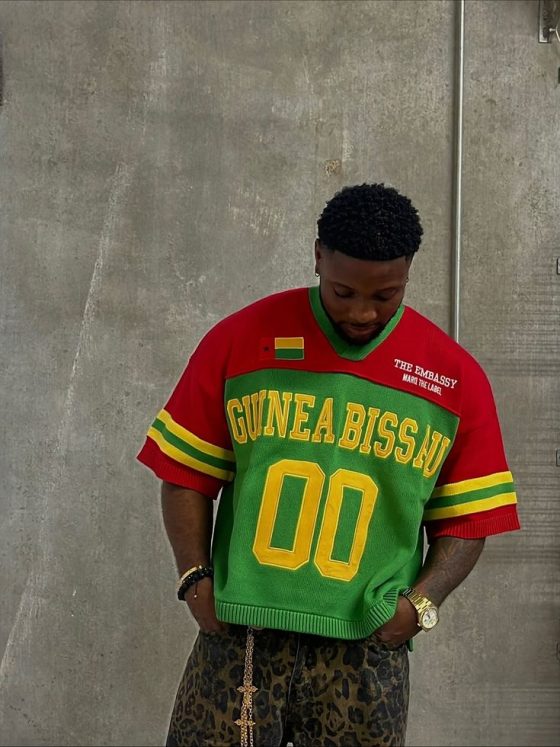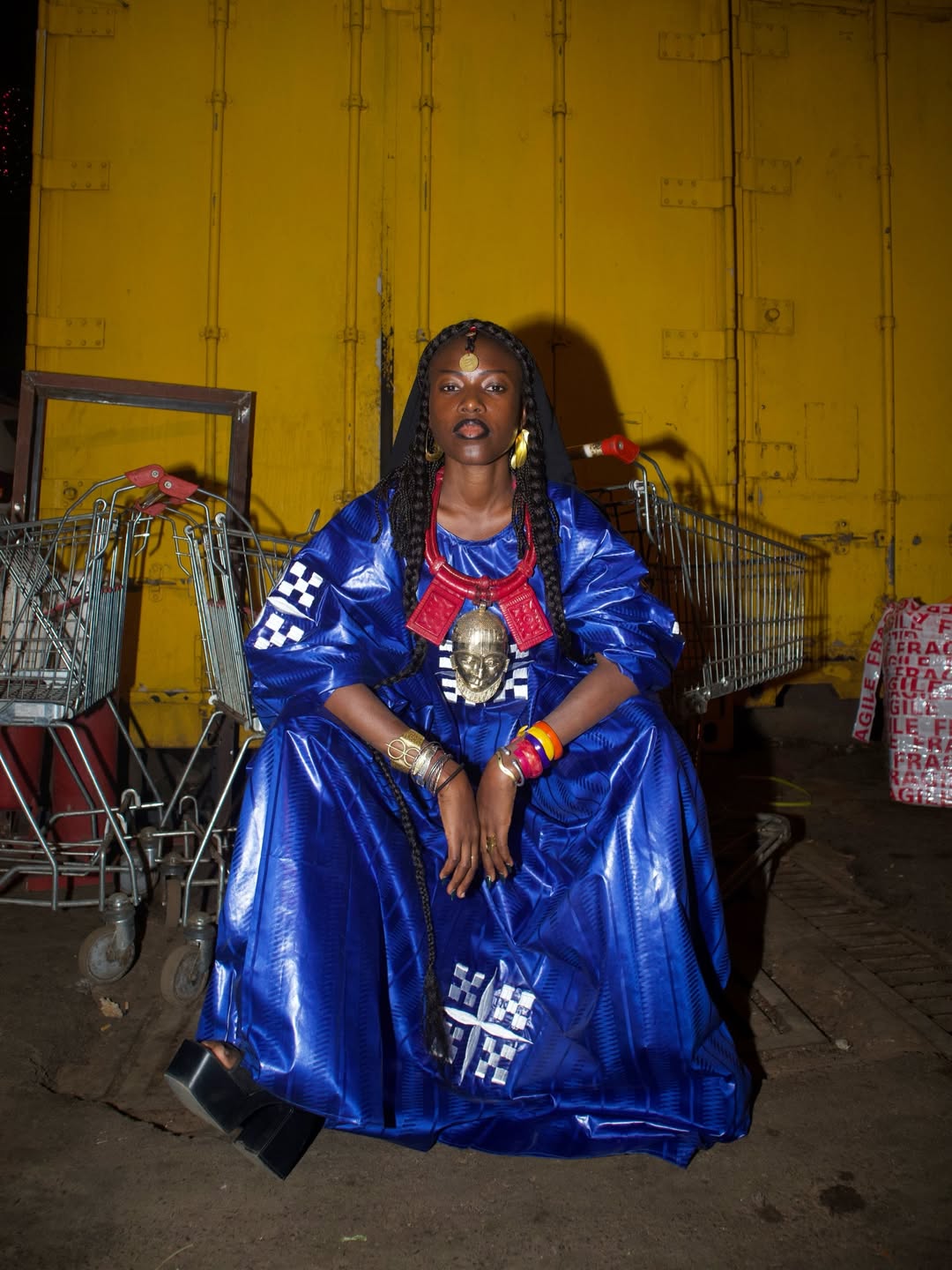
Street style in Bamako reflects how young people navigate modern urban life while remaining connected to local identity.
Contemporary cuts, second-hand fashion, and locally tailored garments exist alongside fabrics like bazin and bogolan throughout the city. Rather than treating tradition and modernity as opposites, many young Bamako residents combine both in practical and creative ways that suit their daily routines.
At the same time, clothing choices often communicate ambition, individuality, and respectability. Young people carefully adapt their appearance to different social environments. They balance economic realities, cultural expectations, and personal expression. They also remain open to global influences.
Street style in Bamako showcases how young Malians combine local bazin and bogolan with second-hand streetwear to express cultural pride in urban life.
Daily Decision-Making of Street Style in Bamako

Street style in Bamako takes shape through the calculated choices young people make as they move through the city’s demanding daily routines. The intense heat and heavy dust encourage breathable, loose-fitting garments that allow freedom during long journeys on overcrowded Sotrama minibuses.
At the same time, young residents remain conscious of how their appearance will be judged in university lecture halls, small offices, and family compounds.
Economic realities heavily influence these decisions. Many young Bamako residents combine affordable imported second-hand clothing with locally tailored pieces made from bazin or other Malian fabrics, like bogolan.
A young professional might wear slim jeans with a crisp shirt featuring subtle traditional embroidery. These combinations aren’t random experiments.
They represent careful navigation between personal expression, family expectations, and the need to present respectability in a city where social perception carries real weight.
This daily negotiation reveals street style in Bamako as a practical language of survival and identity. Young people actively adapt available resources to assert their identities within the constraints and opportunities of urban life in Mali’s capital.
Neighbourhood and Market Influences On Bamako Street Style
Street style in Bamako gains a distinct character from the specific neighbourhoods and markets that shape young people’s daily movements.
In upscale areas like Hippodrome and ACI 2000, many young professionals favour cleaner lines and polished combinations that signal ambition and social mobility.
Further out in Badalabougou and Kalaban Coura, the style tends to be more relaxed yet deliberate. These styles reflect different economic pressures and community expectations. Also, markets play a particularly active role.
At Grand Marché and Marché Rose, young people browse through piles of second-hand imports while negotiating with tailors for custom pieces made from local bazin.
This creates a visible street-style Bamako market dynamic in which economic constraint becomes a creative force. For example, a student might pair affordable imported sneakers with a carefully chosen traditional fabric top.
These location-based choices reveal how young Bamako residents read their environment and adjust their appearance accordingly.
Clothing becomes a tool for navigating different social spaces within the same city, which balances personal identity with the realities of class, opportunity, and belonging.
Also Read:
- Traditional Clothing in Mali: The Cultural Significance of Boubou and Bogolan
- Awa Meité and Bogolanfini: Mud Cloth as a Living Archive of West African Memory
- Accra Streetwear: How Ghanaian Youth Are Redefining African Urban Fashion
Integration of Local Textiles and Contemporary Forms
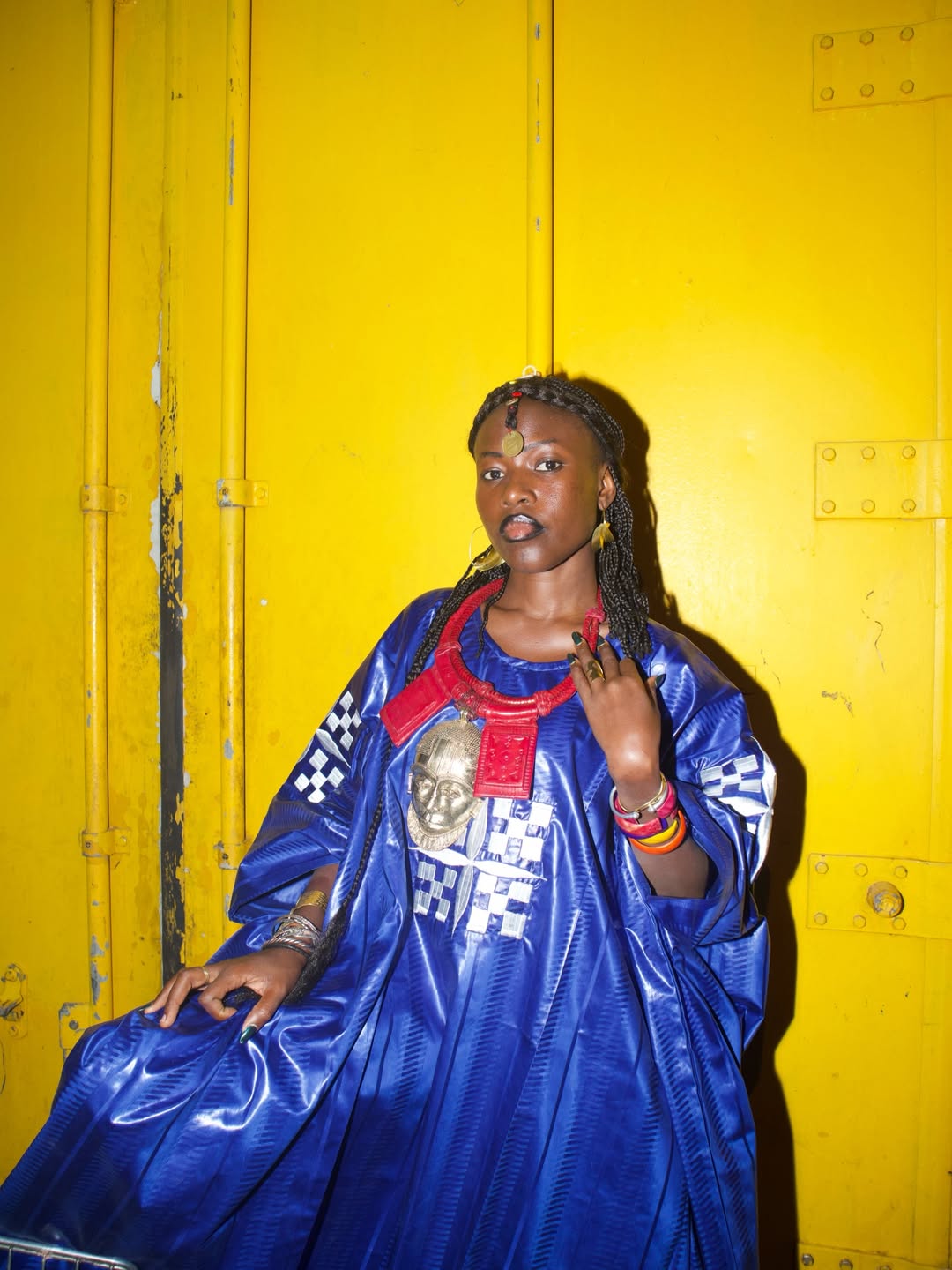
Young people in Bamako show considerable skill in integrating local textiles with contemporary forms.
They regularly use bazin, bogolan, and other Malian fabrics not as traditional pieces worn in isolation but as deliberate elements within modern outfits.
A young woman might pair a tailored bazin skirt with a simple cropped top and sneakers, while a young man might pair a bogolan vest over a crisp shirt and slim trousers.
The modern mix of this Bamako fashion tradition is rarely about making a loud statement. Instead, it reflects practical decision-making shaped by daily life in the city.
Many choose these combinations because local fabrics are durable, breathable in the heat, and more affordable than constantly new imports. At the same time, they help young people maintain visible connections to Malian identity.
They also allow them to engage with global urban aesthetics they encounter through music, social media, and travel. The result is a confident street style that feels rooted rather than borrowed.
Young Bamako residents treat local textiles as active materials they control. They adapt them to their current realities instead of preserving them as static cultural symbols.
Social and Economic Drivers of Bamako Street Style
Economic realities remain one of the strongest forces shaping the economic context of Bamako streetwear. Many young people in Bamako operate with limited budgets, which leads them to make highly strategic clothing decisions.
They mix second-hand imports, locally tailored garments, and occasional designer pieces to create versatile looks that work across different social settings.
Secondly, social pressure plays a significant role. In a city where appearance can influence job opportunities, romantic prospects, and community respect, young people carefully calculate how their style will be read.
Hip-hop culture and social media further influence these choices, yet most don’t blindly copy foreign trends. Instead, they adapt global aesthetics to fit Malian realities.
Some of which include the need for modest yet fashionable outfits that respect family values while expressing individuality. This constant balancing act turns street style into an everyday negotiation.
Young Bamako residents use clothing to assert identity, manage social expectations, and respond to the city’s economic constraints. This creates a distinctive urban expression that belongs fully to their generation.
The Omiren Argument
Young people in Bamako demonstrate remarkable agency by actively shaping street style in Bamako to reflect their present realities rather than simply absorbing foreign trends.
Many outsiders assume that youth fashion in African capitals represents straightforward Westernisation or a rejection of local culture in favour of global styles. However, this assumption overlooks the deliberate choices behind Bamako’s urban fashion culture.
Young people in the city selectively combine local textiles like bazin and bogolan with contemporary silhouettes and global streetwear influences. These choices are shaped by economic pressures, social expectations, and the realities of urban life, which result in styles that are both practical and culturally meaningful.
This approach reflects a deeper sense of cultural confidence. Street style in Bamako functions as a tool of self-determination. This allows young Malians to engage with modernity while remaining grounded in their own social and material realities.
Bamako’s youth are not simply copying the world around them. They are reshaping global influences on their own terms, creating a more self-directed future for Malian urban expression.
Frequently Asked Questions
- What is traditional clothing in Mali?
Traditional clothing in Mali is dominated by the boubou, a wide, flowing robe worn by both men and women for formal and ceremonial occasions.
These garments are typically made from locally produced fabrics. These fabrics include bazin or bogolan and are often paired with matching head coverings or trousers, depending on the wearer’s gender and the event.
- What is the traditional dress of Equatorial Guinea?
Traditional dress in Equatorial Guinea features loose, comfortable garments designed for the hot and humid climate. Women commonly wear colourful wrap skirts or dresses with headwraps.
On the other hand, men often choose long robes or simple shirts with trousers, showing a blend of indigenous and colonial influences.
- What to wear in Mali?
People in Mali usually wear loose, breathable clothing such as the boubou for important occasions and lighter tunics or wrap skirts for everyday activities.
Choices are guided by the intense heat, social expectations, and the need for comfort during long days in urban or rural settings.
- What is traditional-style clothing?
Traditional-style clothing consists of garments deeply connected to the cultural practices and history of a particular community or region.
These pieces are often worn during significant life events and help express identity, status, and belonging through specific fabrics, cuts, and patterns.
- What is a chitenje?
A chitenje is a versatile piece of printed cotton fabric widely used across parts of Southern and East Africa. Women commonly wrap it around the waist as a skirt, use it as a headscarf, or tie it to carry babies on their backs.