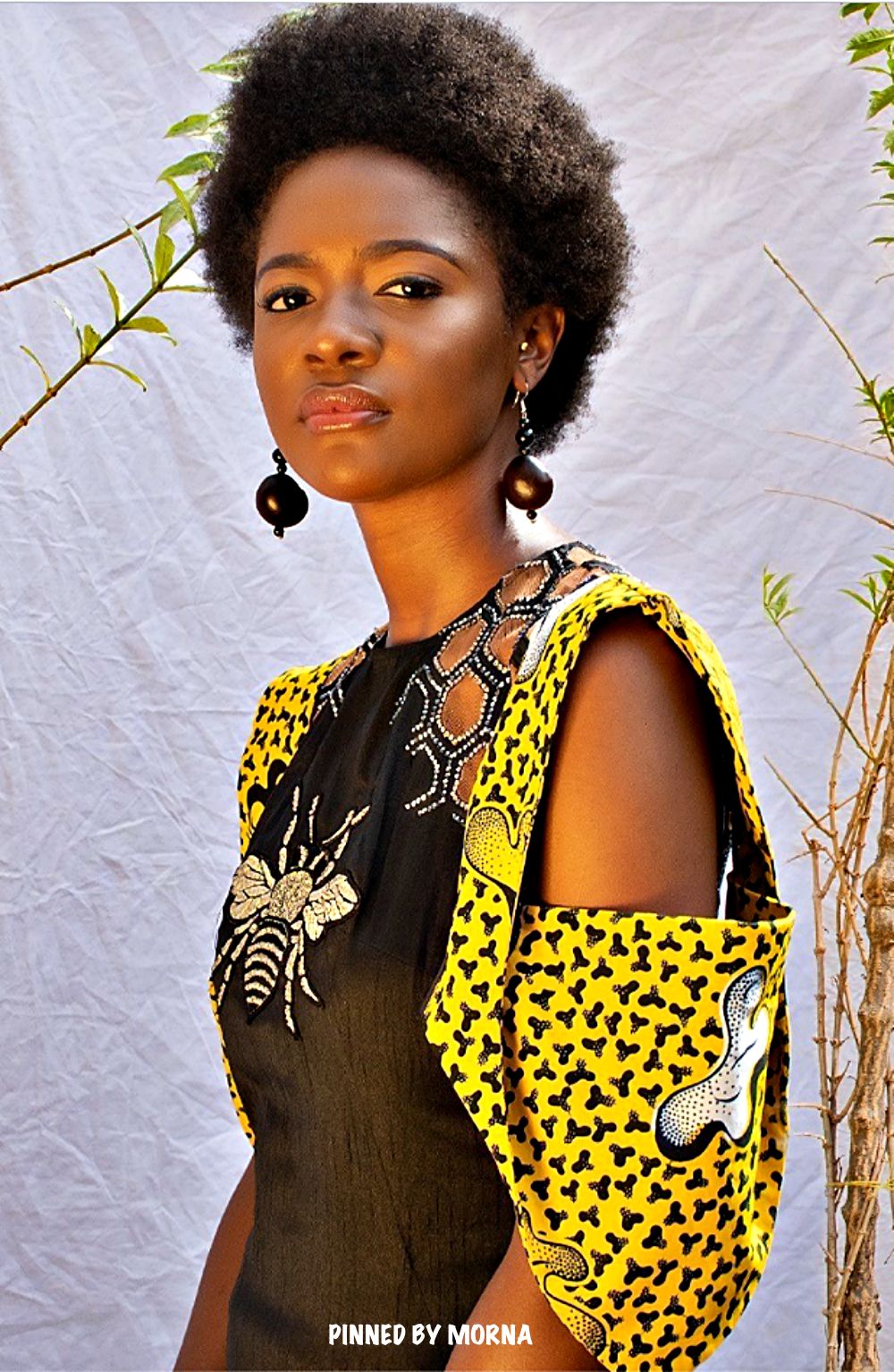
In April 2007, Grace Wallace attended a birthday celebration at a large hotel in Lomé. She was wearing one of her own designs. Two women she did not know approached her and asked if she could make them the same outfit. She said yes. That conversation is the founding moment of one of Togo’s most internationally active fashion houses.
The story does not start in 2007. It starts earlier, in the Pagne markets where Grace Wallace grew up, surrounded by the fabric her family traded. She would take coupons of pagne and sketch designs, then have a tailor make them up. Her friends liked what she produced and encouraged her to keep going. Before any of this, she had run a textile company called TEXADA for seven years, from 1995 to 2002. When the birthday party question came in April 2007, it landed on someone who had been preparing for it her entire life. As she explained directly in her biography published on kilfashion.wordpress.com: “J’ai été bercée, jeune fille, dans le milieu des pagnes dont mes proches faisaient le commerce.” I grew up surrounded by pagne, which my family traded.
Grace Wallace left a career in textiles to found Kilimandjaro Fashion in Lom00e9 in 2007. She showed in Lagos, Paris and Montreal. Her full story.
The Omiren Argument:
Grace Wallace built a fashion house in Togo that sent to the world. Vlisco invited her to show in Lomé and Cotonou. The Africa Fashion Reception chose her to represent Togo in Abuja, Paris, and Montreal in 2014. ECOWAS Fashion Week put her on a runway in Lagos, where she received a standing ovation. She did not leave Togo to become a fashion designer. She built a fashion house in Togo, and the world came to it.
Identity: Togolese Born, Nigerian Heritage, Lomé Built
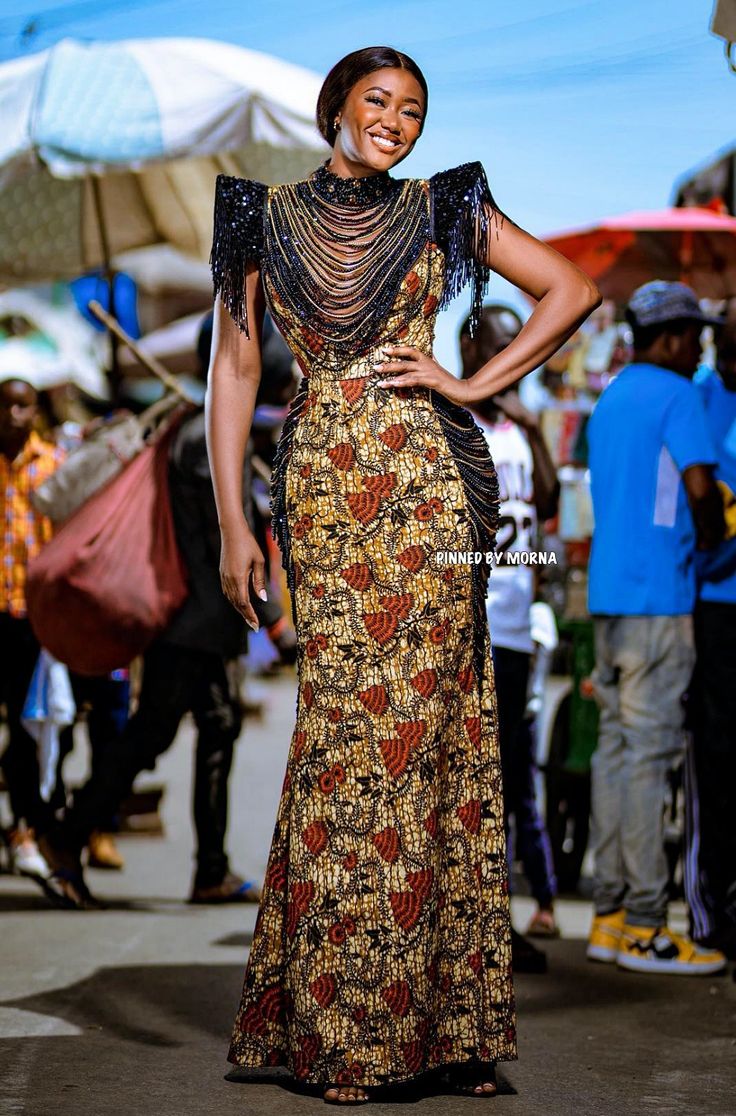
Grace Wallace is Togolese, born and raised in Lomé. Her parents are Nigerian: her mother is Yoruba, her father is Igbo. They came to Togo during the Biafran War and settled there. As she described to Ventures Africa in 2015: “I was born in and grew up in Togo. I couldn’t say that I feel totally Togolese. Even if I grew up in Togo, I am one of those people who are always surrounded by their parents’ love and culture.” This dual identity – Togolese upbringing, Nigerian heritage – is woven into the fabric of her design practice: she works with West African textiles that span both cultural traditions, from the Togolese pagne of the Grand Marché to the bazin and silk that are central to West African dress cultures. She is a product of Lomé’s history as a city that has always held multiple West African communities simultaneously. Her background is not unusual in Lomé. It is characteristic of it. Her fashion practice reflects that cultural plurality without needing to resolve it into a single identity.
Before launching her fashion house, she served as General Manager of TEXADA, a textile enterprise, from 1995 to 2002. This seven-year background in the commercial textile trade gave her the material knowledge that designers trained exclusively in fashion schools often lack: how fabrics move through markets, what drives purchasing decisions, and how quality is assessed at the commercial rather than the atelier level. When she founded Kilimandjaro Fashion in 2007, she brought the knowledge of a textile trader into a couture practice, and the combination shows in her documented approach to fabric diversity.
The Founding of Grace Wallace’s Fashion House: Kilimandjaro Fashion
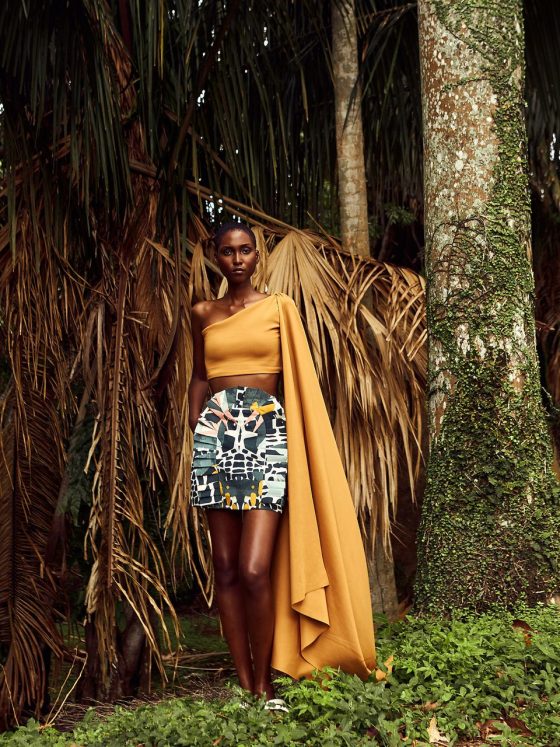
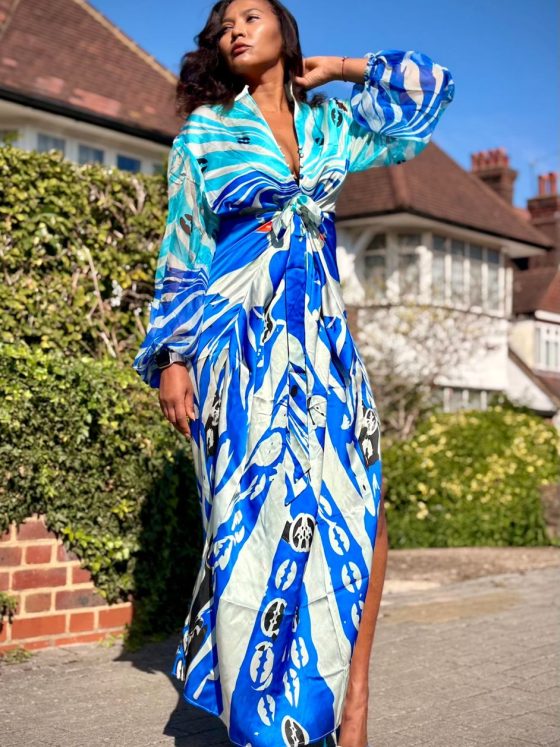
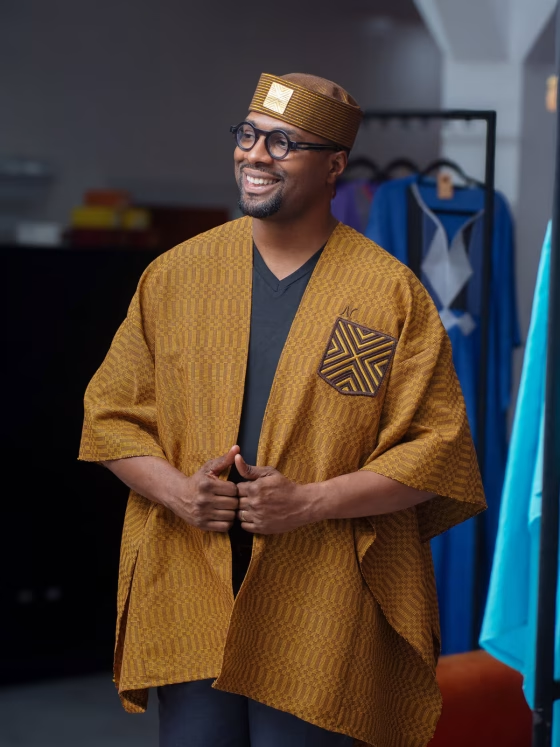
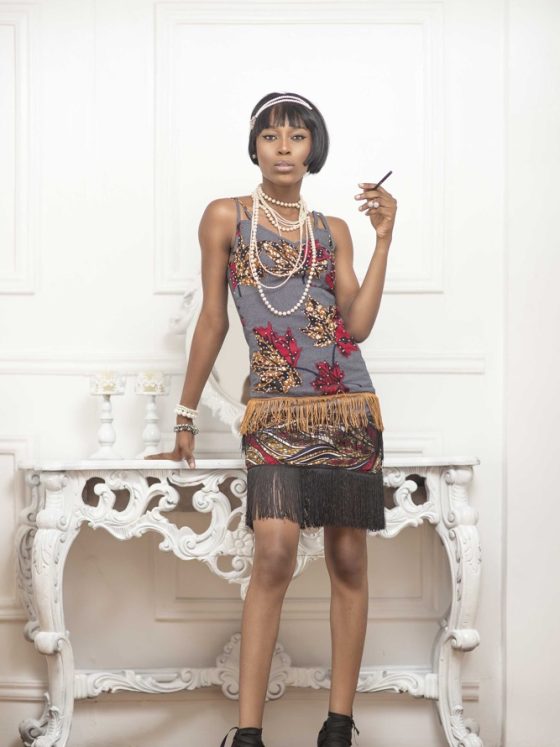
Kilimandjaro Fashion – also branded as Kil Fashion by Grace Wallace – was founded in Lomé in 2007. The name connects East African geography (Kilimanjaro, Africa’s highest peak) to a Togolese fashion practice, and its continental geographic reference suggests an ambition that extends beyond any single country. The brand’s stated mission from the beginning was to dress African women and men in garments that translate African culture through a traditional-modern aesthetic: traditional in its textile intelligence, contemporary in its cut and construction. As the brand’s biography confirms, Grace Wallace’s style is characterised by “créations au style traditionnel-moderne très africain” – creations in a very African traditional-modern style. She works with all kinds of fabrics: from silk to bazin, through African printsAfrican prints, each chosen for what it does for the body and the occasion it is designed for.
The founding story is precise about how quickly the brand established itself. Within eight years of launching with a team of ten, the brand had opened its own studio in Togo, built a significant international clientele, and was being described as one of the top fashion houses based in Togo. The growth from ten employees to a studio with an international presence across eight years is a documented trajectory that places Grace Wallace’s brand-building in the same category as other practitioners in this series who built without institutional backing: Desmo, Kavsokl Batoka, and Meli Bodombossou all built practices of comparable scale and recognition through the same combination of craft quality and direct client relationships.
The Spring-Summer 2015 collection, launched under the new Grace Wallace name following the rebrand from Kil Fashion, was described as an ode to African culture: “ses hommes élégants, ses femmes sublimes sont une ode à la culture africaine.” Its elegant men, its sublime women are an ode to African culture. The client’s body is sublimated, as the brand puts it, “pour en styliser le galbe” – to stylise its curves. The body-forward language of the brand’s philosophy aligns directly with the argument that Eugénie Guidi Ayawa made at FIMO 2025: African bodies are worth designing for at the highest level. Grace Wallace has held that position since 2007.
Grace Wallace on the International Circuit: Vlisco, ECOWAS, and the Africa Fashion Reception
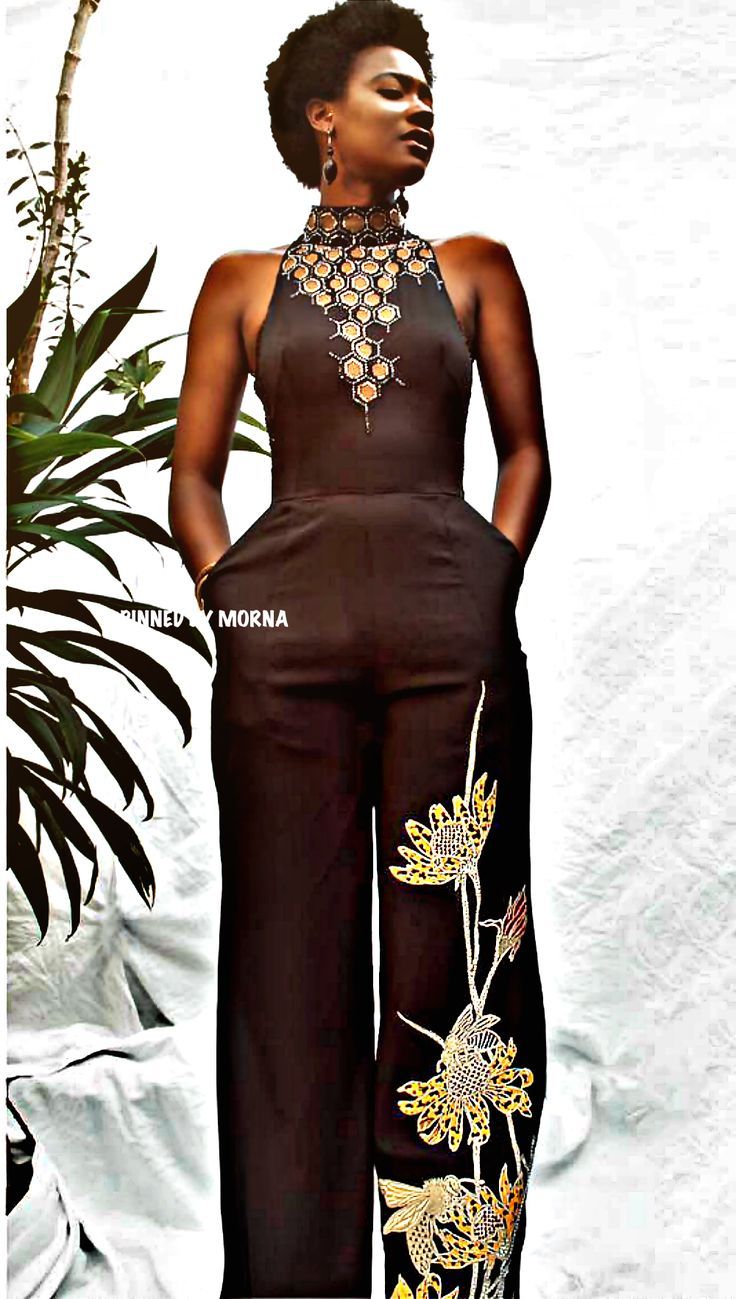
The international presence Grace Wallace built from Lomé across the 2012-2015 period is documented across multiple confirmed sources. In August 2012, she participated in the Vlisco “Collection Black Sceptique” show held in Lomé. The Vlisco relationship – the Dutch company whose history in Togo runs through the entire Nana Benz story documented in this series – represents a specific form of institutional endorsement. Vlisco’s fashion shows were not open to all designers: they were curated presentations by the company whose fabric was foundational to the Togolese textile trade. Grace Wallace’s inclusion confirmed her standing within the Lomé fashion community that Vlisco’s network had helped build.
She subsequently participated in the Annual Vlisco Fashion Show in Cotonou, Benin, presenting a collection in the city where Vlisco had one of its three West African boutiques, alongside those in Lomé and Abidjan. The Cotonou show placed her before a Beninese and wider Francophone West African audience, extending the Grace Wallace brand’s presence beyond Togo into the regional market her designs were built to serve.
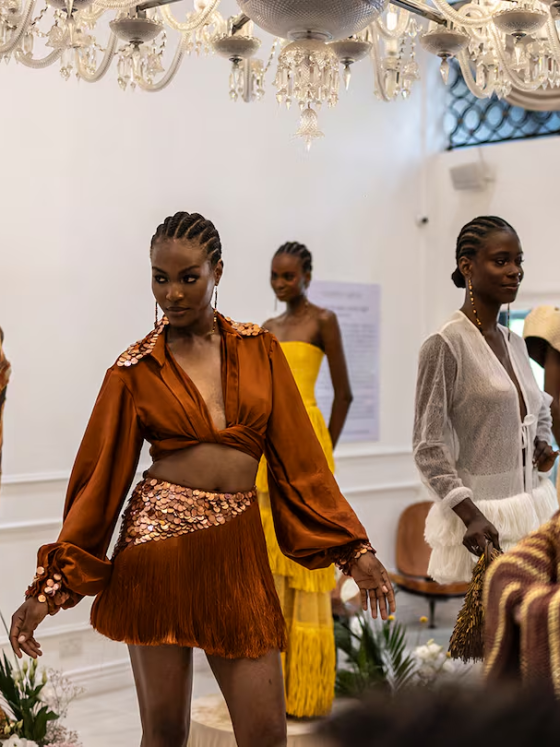
At ECOWAS Fashion Week in August 2014, held at the Landmark Event Centre on Victoria Island in Lagos, Kilimandjaro Fashion presented on a runway showcasing the full range of West African fashion talent from across the ECOWAS region. The show received a standing ovation, documented on the brand’s own platform. Lagos’s fashion audience is sophisticated and demanding: a standing ovation at ECOWAS Fashion Week in 2014 was a commercial and creative validation that positioned Grace Wallace within the West African fashion conversation at its most competitive level.
The 2014 Africa Fashion Reception (AFR) invitations to represent Togo in Abuja, Paris, and Montreal were the furthest reach of this international expansion. The AFR was an event series designed to present African fashion talent to audiences across multiple continents simultaneously. As Grace Wallace stated in the official release: “I feel extremely privileged and blessed to have been chosen among other talented Designers to represent Togo at the 2014 Africa Fashion Reception events, which will be held worldwide.” The choice of the word “represent” is significant: she was not shown as an individual designer. She was representing Togo. That is a specific kind of institutional responsibility that most designers in this series have not been formally assigned.
ALSO READ
- Togolese Fashion Designers: The Creative Community Shaping Lomé’s Style
- The Nana Benz of Lomé: How Togolese Women Traders Built West Africa’s Wax Print Empire
- What Do People Wear in Togo? A Complete Style Guide
The Rebrand: From Kilimandjaro Fashion to Grace Wallace®

In January 2015, the brand officially changed its name from Kilimandjaro Fashion by Grace Wallace to Grace Wallace®. The rebranding was announced in a press release from Tropics Media Group, which described the change as the beginning of a new era. Grace Wallace® operates as a subsidiary of K-F Group Corporation, with Ghislain Haïkou as manager. The brand motto post-rebrand focused on what the official communication called the new chapter in the Grace Wallace story, combining fashion and fit in a relevant way to the modern African woman’s lifestyle. The Spring-Summer 2015 collection under the Grace Wallace® name was described as “incontournable” – unmissable – in the context of the brand’s design evolution.
The rebrand from a brand name rooted in geography (Kilimanjaro) to one rooted in the designer’s own name is a statement of maturation: the fashion house is now identified with the creative intelligence behind it rather than with a continental landmark. This is the same trajectory followed by other major fashion houses that transition from descriptive or geographic branding to eponymous branding as they establish the designer’s name as the primary value signal. For Grace Wallace, the 2015 rebrand coincided with eight years of practice, international show credits, and a documented client base that justified placing her name at the centre of the commercial identity.
Grace Wallace in the Togolese Fashion Ecosystem
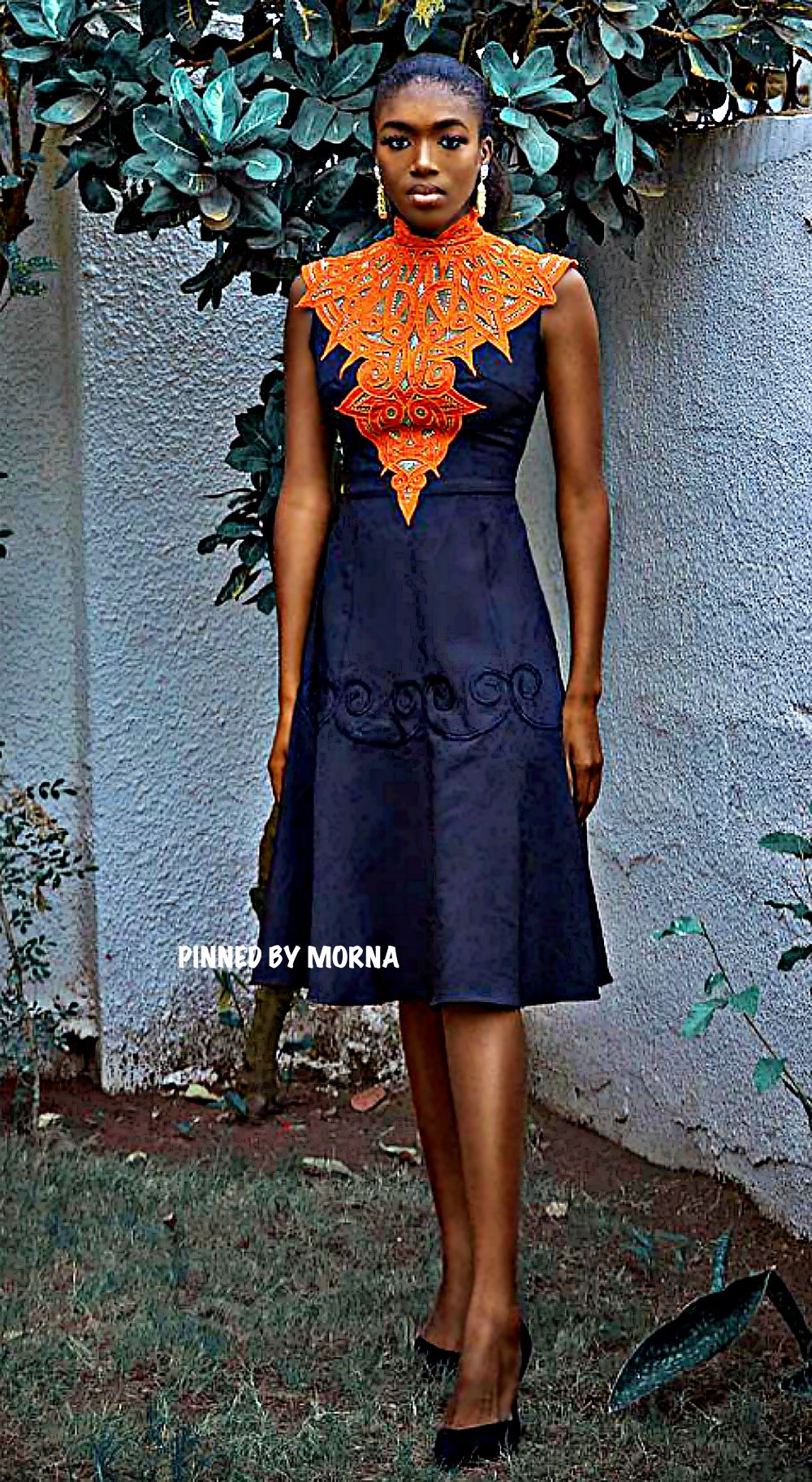
Grace Wallace’s position in the Togolese fashion ecosystem is that of a practitioner who, from Lomé, built a fashion house with a strong continental reach during the same period that FIMO 228 was establishing itself as the city’s primary fashion platform. Her documented show history spans Vlisco presentations in Lomé and Cotonou, ECOWAS Fashion Week in Lagos, and the Africa Fashion Reception in three countries. This is the kind of international show circuit that only a handful of Togolese designers have built, and it was built from a Lomé base without relocating to Paris, Lagos, or Accra.
Her dual Togolese-Nigerian heritage connects her practice to the dual identity that this series has documented across the Togolese fashion community: a city whose creative energy is produced by the intersection of multiple West African traditions. The pagne that Lomé’s Grand Marché has traded across generations, the bazin that moves between Francophone West African dress cultures, the silk of couture-level construction: Grace Wallace uses all of them. She describes her aesthetic as trad-modern, which is both an accurate description of the garments and a position on Togolese fashion: not a choice between tradition and modernity, but a synthesis that respects both without being reducible to either.
The most recent confirmed information in the public record for Grace Wallace dates from 2015. The English- and French-language fashion press coverage of her work is concentrated in the 2012-2015 period, when the Kil Fashion and Grace Wallace brands were most actively publicised through Tropics Media Group. This article documents that record fully and honestly. The work Grace Wallace has continued since 2015 is part of a practice that the broader fashion press has not yet returned to cover with the same attention it gave the 2014-2015 international circuit. That gap in the record is worth noting because it reflects a gap in coverage, not necessarily a gap in practice.
“Grace Wallace grew up in Lomé surrounded by the pagne her family traded. She ran a textile company for seven years. Then two women at a birthday party asked if she could make them the same outfit she was wearing. She said yes. That is the founding moment of a fashion house that Togo sent to Lagos, Paris, Abuja, Montreal, and Cotonou.”
Frequently Asked Questions
Who is Grace Wallace?
Grace Wallace is a Togolese fashion designer born and raised in Lomé, Togo, with Nigerian heritage: her mother is Yoruba and her father is Igbo, and her parents settled in Togo during the Biafran War. Before entering fashion, she ran TEXADA, a textile enterprise, from 1995 to 2002. In April 2007, she founded Kilimandjaro Fashion, which was later rebranded as Grace Wallace® in January 2015. She is described in Togolese and West African fashion media as one of the top fashion designers based in Togo, with a documented international show history that includes Vlisco Fashion Shows in Lomé and Cotonou, ECOWAS Fashion Week in Lagos in 2014, and the Africa Fashion Reception in Abuja, Paris, and Montreal in 2014.
What is Kilimandjaro Fashion / Grace Wallace®?
Kilimandjaro Fashion, also known as Kil Fashion by Grace Wallace, was the fashion house Grace Wallace founded in Lomé in 2007. In January 2015, the brand rebranded as Grace Wallace®, a subsidiary of K-F Group Corporation. The brand produces haute couture and ready-to-wear for men, women, and children in what it describes as a traditional-modern style: traditional in its textile intelligence, contemporary in its cut and construction. Grace Wallace works with a range of fabrics, including silk, bazin, and African prints. The brand grew from a founding team of ten to opening its own studio in Togo within eight years of its launch.
How did Grace Wallace start her fashion career?
Grace Wallace grew up surrounded by pagne fabric, which her family traded. She would sketch designs and have them made by a tailor, and her friends’ positive responses encouraged her to continue. In April 2007, at a birthday celebration at a large hotel in Lomé, two women she did not know approached her to ask if she could make them the same outfit she was wearing. That encounter prompted her to launch Kilimandjaro Fashion in 2007 formally. Before this, she had spent seven years running TEXADA, a textile enterprise, as its General Manager, giving her commercial textile expertise alongside her design instinct.
What international shows has Grace Wallace participated in?
Grace Wallace’s documented international show history includes: the Vlisco Collection Black Sceptique show in Lomé, Togo, in August 2012; the Annual Vlisco Fashion Show in Cotonou, Benin; ECOWAS Fashion Week at the Landmark Event Centre in Lagos, Nigeria, in August 2014; and the Africa Fashion Reception (AFR) in Abuja, Paris, and Montreal, representing Togo, in 2014. The ECOWAS Fashion Week presentation received a standing ovation, according to the brand’s documentation. The AFR 2014 invitation specifically identified Grace Wallace as the designer chosen to represent Togo at the international circuit of events.
What is Grace Wallace’s design philosophy?
Grace Wallace describes her aesthetic as trad-modern: a synthesis of traditional African textile intelligence and contemporary cut and construction. She works with a range of fabrics from silk and bazin to African prints, choosing materials for what they do for the body and the occasion. Her brand describes the client’s body as being sublimated – stylised in its curves – by the garments she creates, positioning the dressed body as the central value of the fashion practice rather than the fabric or the silhouette in isolation. Her dual Togolese-Nigerian heritage informs an approach to African dress culture that draws from multiple West African textile and styling traditions simultaneously.
How does Grace Wallace connect to Togo’s fashion history?
Grace Wallace connects to Togo’s fashion history through the Grand Marché pagne culture she grew up in, her background in textile enterprise, and her Vlisco relationships that confirmed her standing in the commercial fabric community the Nana Benz built. Her presentation at Vlisco’s shows in Lomé and Cotonou placed her inside the commercial fabric network that has defined Togolese fashion since the 1950s. Her representation of Togo at the 2014 Africa Fashion Reception positioned the Grace Wallace brand as the face of Togolese fashion for an international audience in three cities simultaneously. She is documented in the Togolese fashion record as one of the practitioners whose work during 2012-2015 helped establish Lomé as a fashion geography beyond its borders.
Explore more from our Industry section, where Togo’s fashion practitioners are documented from the beginning of their public record to the present.